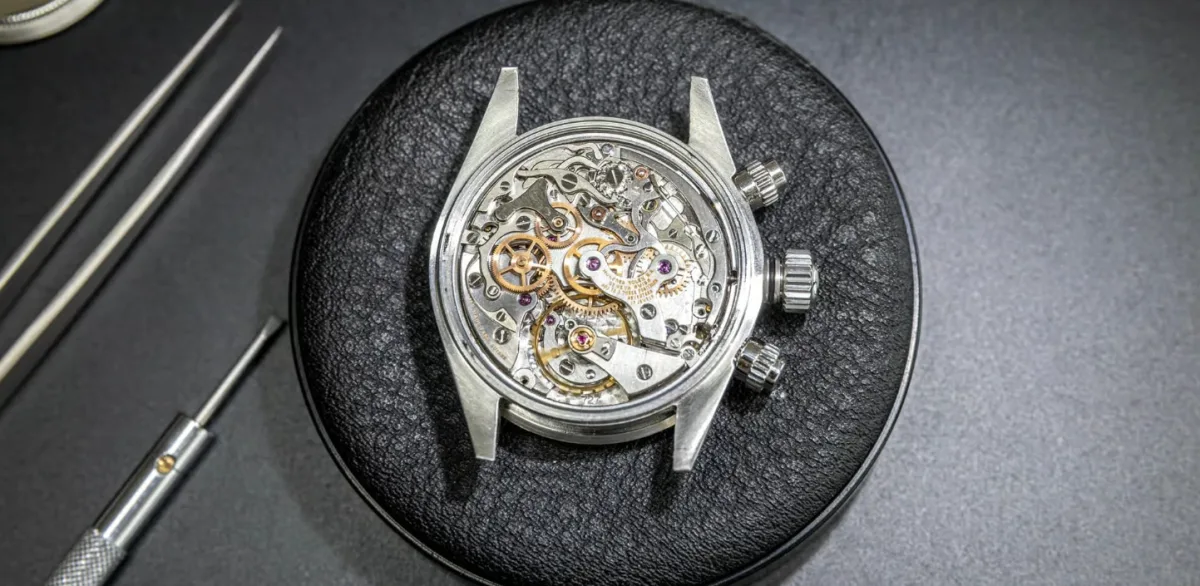
Anyone new to the world of mechanical watches will eventually encounter the terms "in-house movement" or "manufacture caliber."
Many watch brands emphasize that their timepieces are equipped with in-house movements, often promising exceptional quality, exclusivity, and high watchmaking craftsmanship. But what exactly does an in-house movement mean? Is it truly better compared to movements from major manufacturers like ETA or Sellita? And why do some luxury brands continue to use outsourced calibers despite having their own developments?
What is an In-House Movement?
An in-house movement is a mechanical caliber designed and created by the watch brand itself. The manufacturer often handles the design, assembly, and quality control independently. However, there is no universally accepted definition of this term in the industry. It is not a trademark, so different brands interpret it differently. Only a few manufacturers truly produce all components of the caliber themselves. Specialized parts like balance springs, jewels, or pallet forks are often sourced from specialized suppliers. The key is that the technical development and overall design of the caliber originate from the brand's own production facilities. Thus, while the terms "in-house movement" and "manufacture caliber" are often used interchangeably, they are not always the same.
Why Do Brands Develop Their Own Movements?
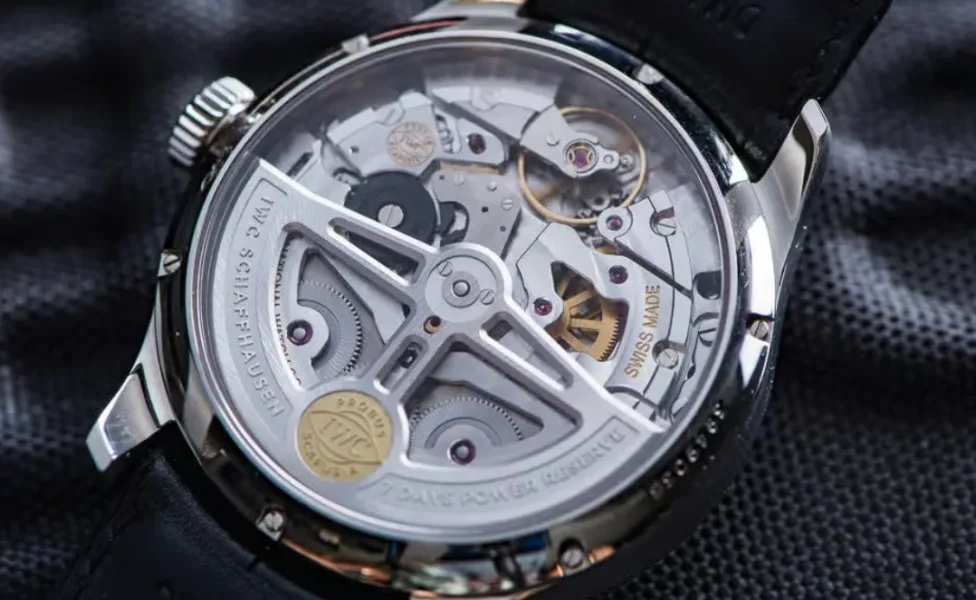
Creating a watch caliber is an expensive process. Depending on its complexity, manufacturers invest millions of dollars and years of development before a new movement is ready for mass production. So why do brands make such investments? Firstly, in-house movements provide independence. For many years, manufacturers purchased movements from specialized companies like ETA. When the Swatch Group announced a gradual reduction in movement supplies to third parties, many brands began to invest more actively in developing their own calibers. The growth of in-house movement production became an opportunity to strengthen a brand's market identity. Manufacture calibers allow for technical innovations and distinguish watches from competitors. For many collectors, having in-house calibers is a sign of genuine watchmaking expertise.
Are In-House Movements Really Better?
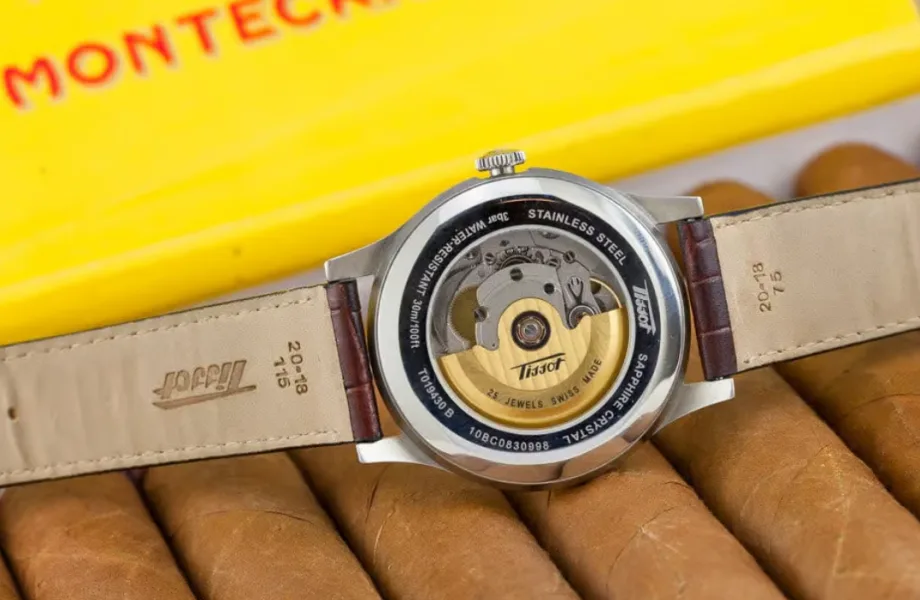
Not necessarily. Having an in-house caliber does not guarantee higher accuracy or reliability. Both in-house and outsourced movements have their advantages. Proven ETA or Sellita calibers have been refined over decades and produced in millions of units. Many are considered excellent and reliable choices for everyday use. Additionally, watchmakers worldwide are familiar with the construction of these movements, spare parts are available, and servicing is relatively simple. Modern in-house movements, in turn, can impress with unique technical solutions - longer power reserves, efficient winding systems, complex finishing. However, new developments may have "teething problems" that are resolved over time. Ultimately, the origin of the movement says little about its quality. What matters much more is the design, execution level, and the manufacturer's heritage.
In-House or ETA? Main Differences
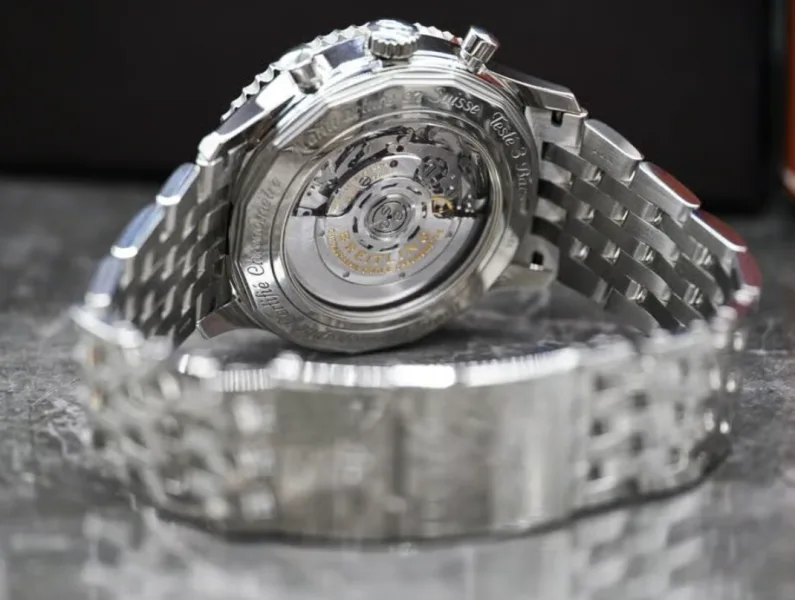
Discussions about the advantages of in-house versus standard movements are often lively among collectors. These two approaches pursue different goals. An in-house movement is primarily a symbol of independence and exclusivity, demonstrating a brand's technical competence and giving watches a unique character. Standard movements like ETA or Sellita rely on time-tested technologies. Many manufacturers significantly modify them - improving adjustment, adding proprietary components. The result is high-quality watches, often at more attractive prices. Those who value exclusivity and proprietary technology will appreciate in-house. If reliability is the priority for everyday wear, standard movements often stand on par.
Which Brands Produce Their Own Calibers?
Today, many brands have their own caliber lines, but their scale and depth of development vary. The most renowned include Rolex, Patek Philippe, A. Lange & Söhne, Jaeger-LeCoultre, Grand Seiko, and Vacheron Constantin - where development and production of movements are predominantly in-house. Other brands use a mixed approach. For example, Breitling combines its own movements with purchased ones, TAG Heuer offers both standard and proprietary calibers. Tudor is gradually transitioning to its own movements, but continues using outsourced ones in some models. This flexibility shows that producing quality mechanical watches does not necessarily require complete reliance on in-house movements.

Why Do Luxury Brands Continue to Buy External Movements?
At first glance, it may seem paradoxical that even well-known manufacturers use external calibers. However, there are rational explanations for this. Developing a movement is not economically feasible for every model or series. Using proven standard movements allows resources to be focused on other watch elements - case design, materials, complications. Moreover, many external calibers are considered extremely reliable and easy to maintain. Especially in the entry-level segment of luxury mechanical watches, standard movements allow attractive pricing without significant compromises on quality and practicality.
What to Consider When Choosing a Watch?
The presence of an in-house movement should not be the sole criterion when purchasing. Other aspects are important to consider:
- Has the movement's reliability been proven in practice?
- Is there a sufficient supply of spare parts?
- What is the cost of servicing watches with this movement?
- Are there independent watchmakers in the region capable of servicing this caliber?
- What technical specifications and functionality does the movement offer?
Servicing rare or new in-house movements can be more complex and time-consuming than widely available standard calibers. However, such movements often have greater collectible value and provide technical independence.
Conclusion: Technology, Traditions, and Brand Identity
In-house movements are intriguing because they demonstrate a brand's technical level and engineering prowess. They symbolize innovation, quality, and the ambition to create a unique product. However, they do not necessarily surpass time-tested standard calibers in accuracy or reliability. For many watch enthusiasts, the allure of in-house lies in history and exclusivity. Those seeking reliable mechanical watches for everyday use will find models with ETA or Sellita movements perfectly suitable. Ultimately, a good movement is defined not only by its origin but by how reliably and effectively it operates in a watch and meets the owner's expectations.