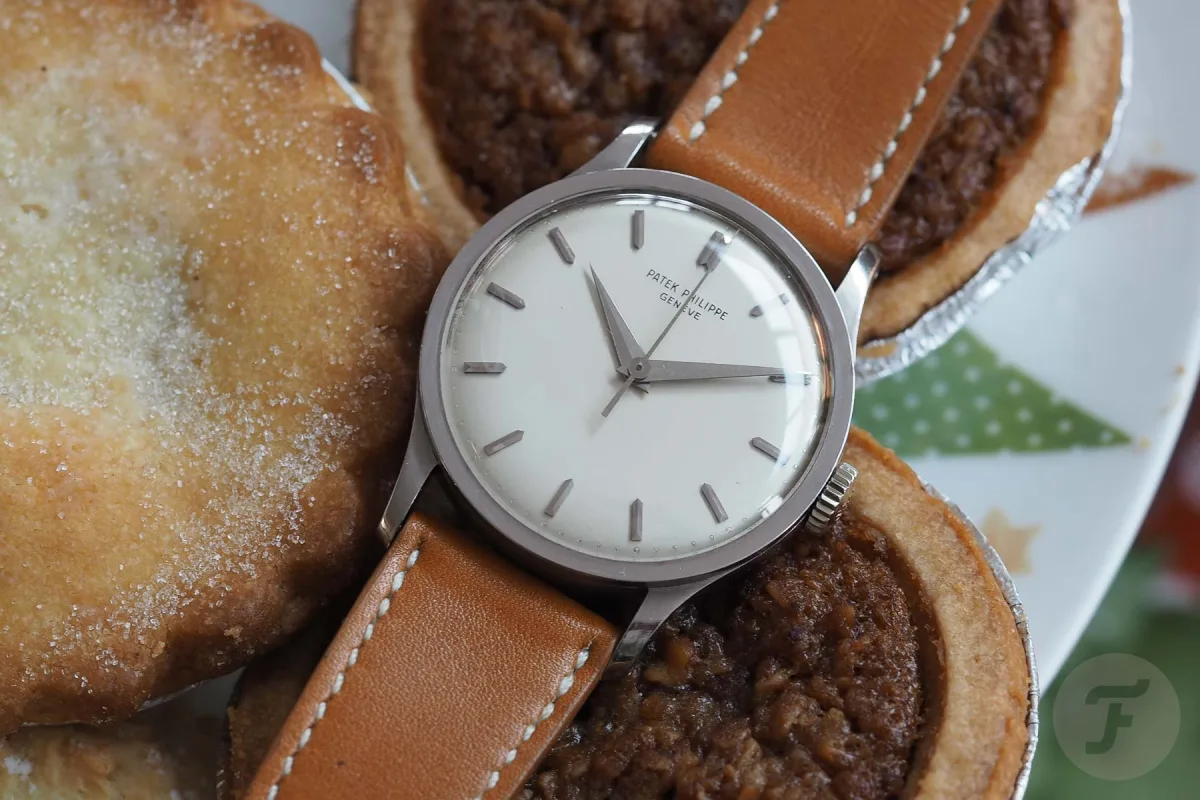
IWC truly offers models to suit every taste. However, there is an intriguing 'blind spot' in the vintage watch market.
Collectors eagerly spend five figures or more on mid-20th century wristwatches from Patek Philippe or Vacheron Constantin but often overlook the quietly outstanding classic models from IWC Schaffhausen from the 1950s-1960s. This oversight makes vintage IWC 'Calatravas' particularly attractive for acquisition today.
The term 'Calatrava' is, of course, shorthand for the pure, restrained formula of classic wristwatches popularized by the Patek Philippe Calatrava line: thin cases, minimalist dials, elegant proportions, and a focus on timeless classics rather than fashion trends. As I noted in my article 'Why Every Collector Needs a 'Calatrava'', this style of watch evokes a deep sense of confidence. It doesn't scream for attention but rewards long-term appreciation and respect.
The feature of IWC watches from the 1950s-1960s is that they embody everything fans of classic Calatrava aesthetics value while remaining much more accessible than their counterparts from the 'Holy Trinity' of Swiss watchmaking.
Clean Lines and Graceful Dials
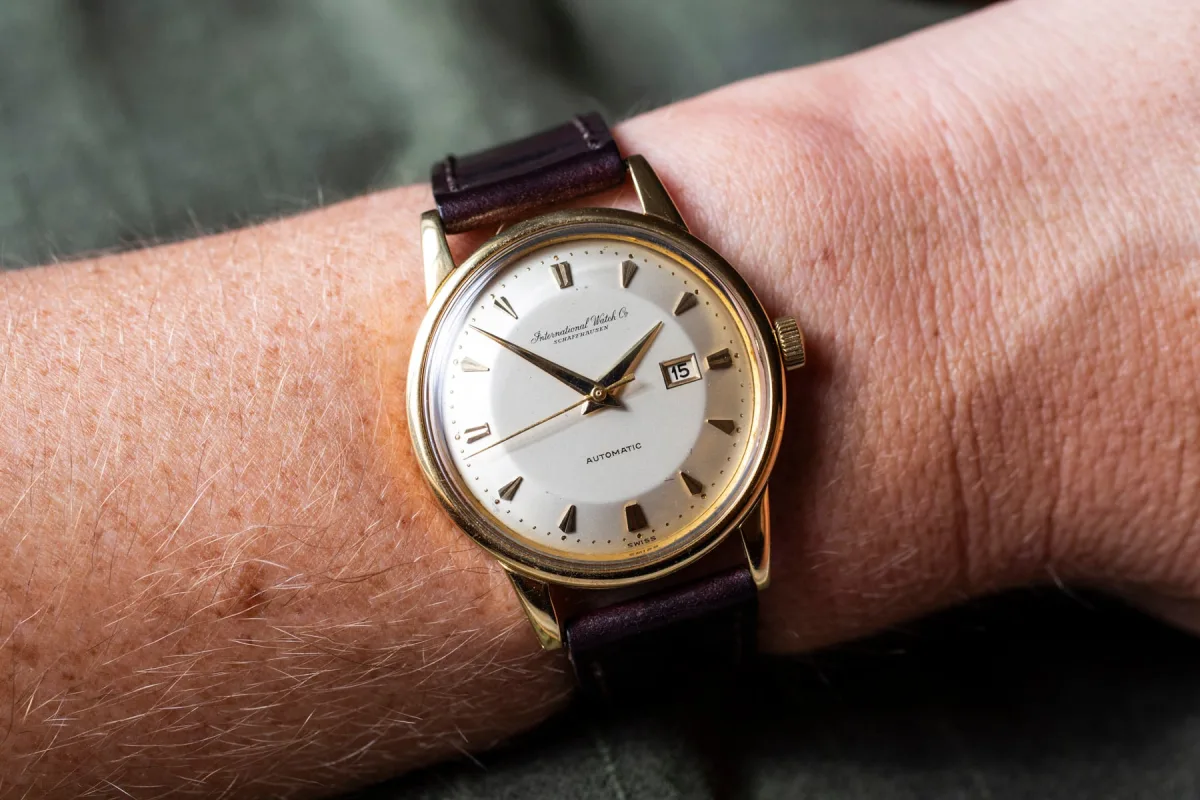
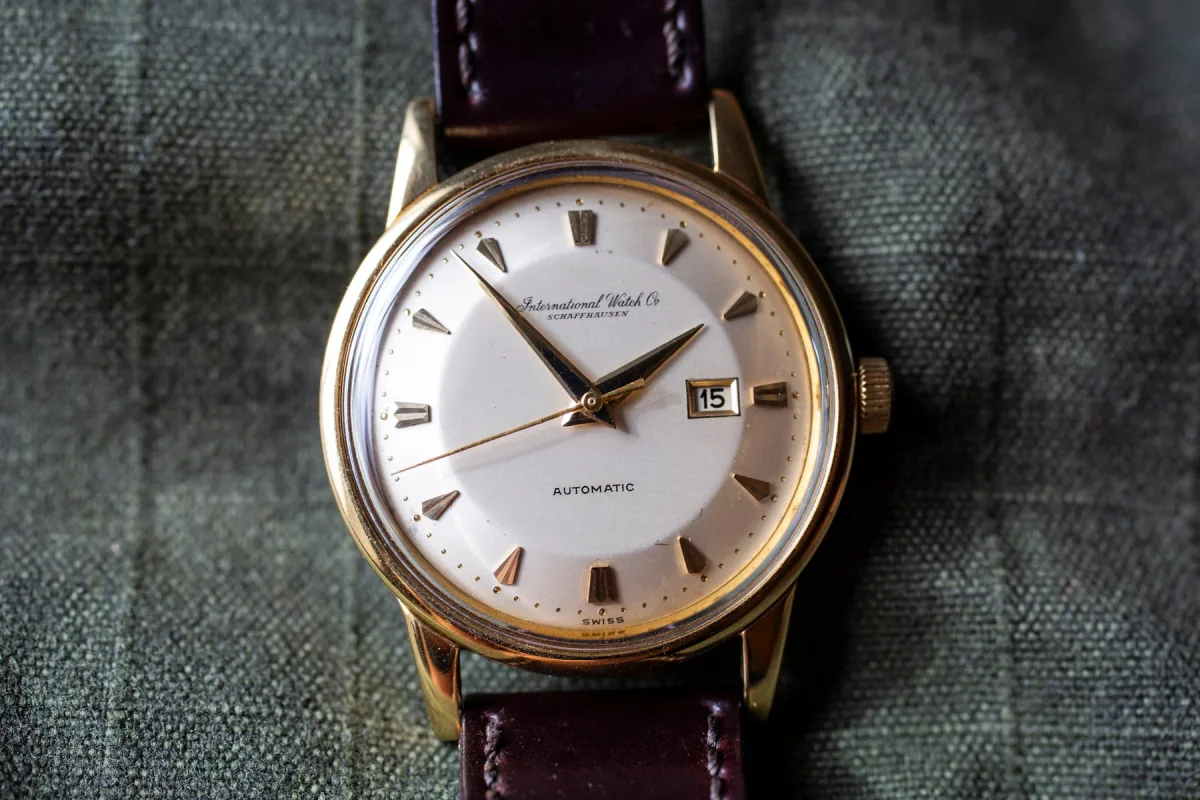
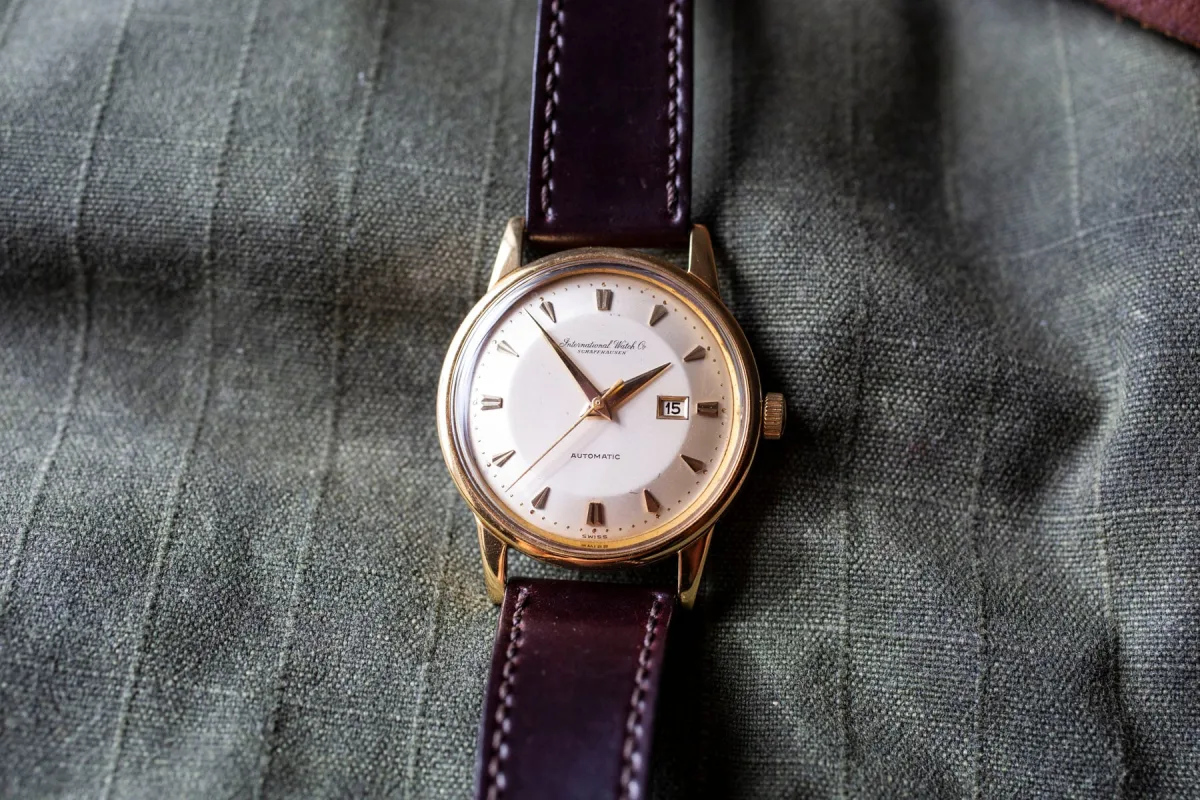
The first thing that strikes you about these watches is the simplicity of the design. Mid-century IWC rarely complicated the form. Whether equipped with dauphine hands, simple baton markers, or elegant 'leaf' hands, the watches look perfectly balanced. Cases typically ranged from 34 to 37 mm in diameter - modest by modern standards but ideal for classic wristwatches. Thin bezels allowed the dial to 'breathe', and elongated lugs gave the watches an unexpectedly expressive presence on the wrist.
Many of these models convey a sense of precision inherent only to mid-20th-century industrial design. It is this purity of form that keeps them relevant today. A 1960s IWC Cal. 89 on a simple leather strap could easily be perceived as a modern independent model costing several times more. The proportions here are indeed timeless. This elegance becomes even more impressive when you consider that IWC did not position these watches as fragile works of art. They were everyday watches designed for decades of wear - and often they were used just as such.
IWC Caliber 89
One reason for my personal fondness for vintage IWC wristwatches is my grandfather's story - his IWC watch was my first introduction to this genre. As I described in the article about inheriting watches, they symbolized a connection to a refined era of engineering and design mastery. The watches survived several generations because they were built for longevity rather than fleeting fashion.
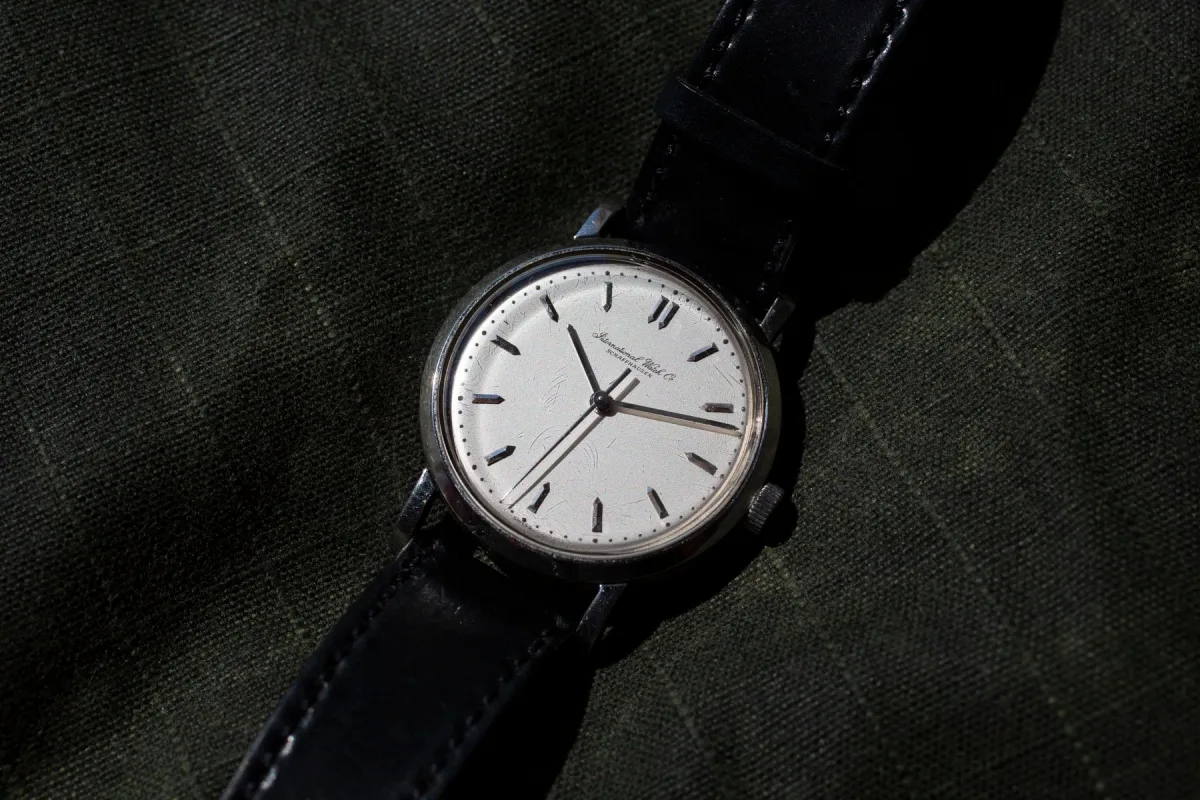
Durability is largely ensured by the movements. Mention vintage IWC, and experienced collectors invariably speak of the caliber 89. Introduced under the legendary technical director Albert Pellaton, it became one of the defining manual movements of its time. The caliber 89 earned a reputation for being precise, reliable, and thoughtfully engineered. Even today, many watchmakers consider it one of the best manually wound mechanical calibers ever produced by IWC.
The appeal of this movement lies in its honesty. It is not overly decorated and does not contain unnecessary complications. It is the epitome of mechanical perfection through rational design. Large screws, excellent finishing, and robust construction make it both practical and aesthetically pleasing. This same series of movements formed the basis for the legendary military watches Mark XI.
Durable and Reliable Watches
Collectors often refer to some brands as 'watchmaker's watches', and vintage IWC definitely belongs to this category alongside Jaeger-LeCoultre. Craftsmen appreciate their movements for their correct engineering concept. They were created to last long and, importantly, to be easily repairable and maintainable. This is extremely important in the modern vintage watch market.
Many vintage wristwatches from prestigious manufacturers can become challenging to operate due to a shortage of parts or the fragility of movements. In contrast, many IWC 'Calatravas' from the 1950s-1960s remain surprisingly user-friendly. Their cases are sturdy, movements reliable, and maintenance usually presents no difficulties for qualified independent specialists. This practicality is one of the reasons for their high investment appeal.
Timeless Design and Accessibility
Consider the overall vintage wristwatch market. A mid-20th-century Patek Philippe Calatrava can cost tens of thousands of euros or dollars. Even lesser-known models from elite Geneva brands sell at a hefty premium as collectors increasingly value understated design. Meanwhile, truly beautiful steel or gold IWC Cal. 89 (designation for any wristwatch with this movement) can still sometimes be found in the low four-digit price range. Examples mentioned by dealers and collectors often range from about 1000 to 4500 euros depending on the metal, condition, originality, and dial configuration.
This pricing seems almost irrational when considering the quality of these watches. These watches offer the classic Calatrava aesthetic 'at a fraction of the cost'. This observation reveals the essence of the market: collectors are essentially buying mid-century elite Swiss watchmaking without the brand premium characteristic of some competitors.
Good Value for Money
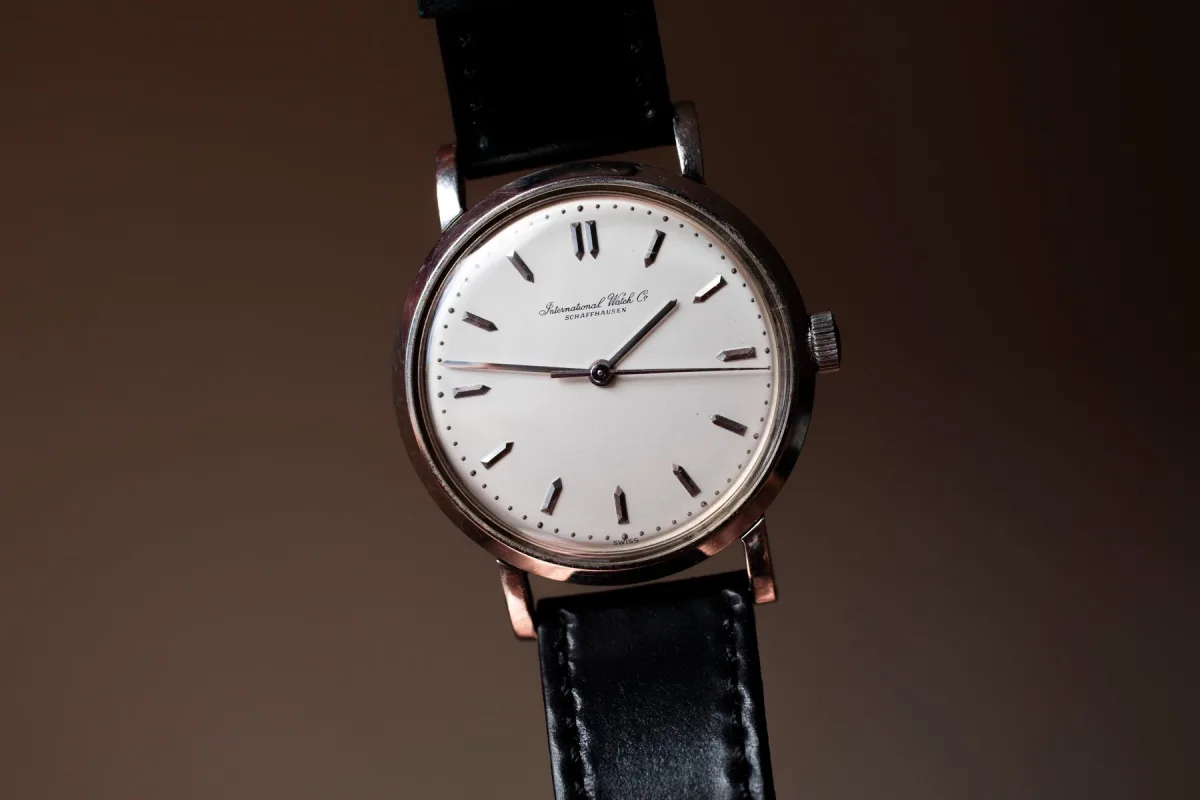
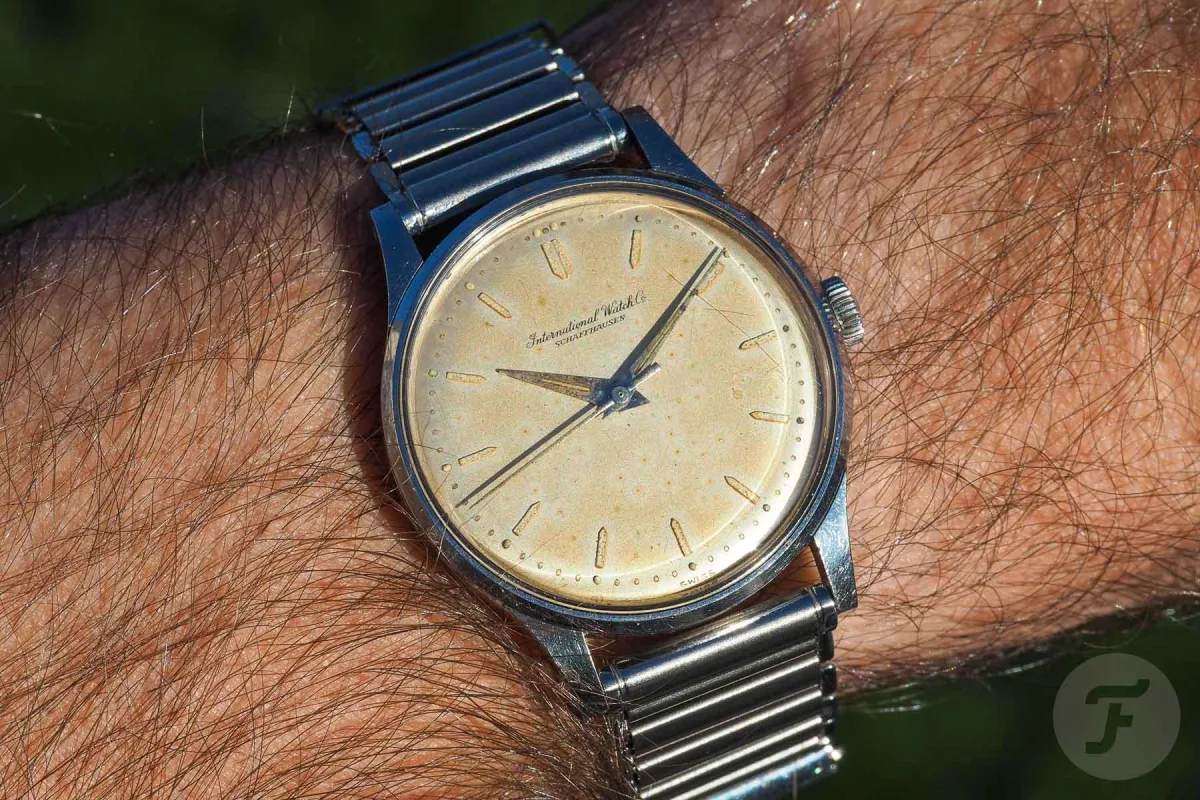
Make no mistake: these watches compete on quality. Cases were made from solid gold or finely finished steel. Dials demonstrated exceptional attention to detail - from faceted markers to fine sectors and crosshair markings. Even seemingly simple models reveal a wealth of nuances upon close examination.
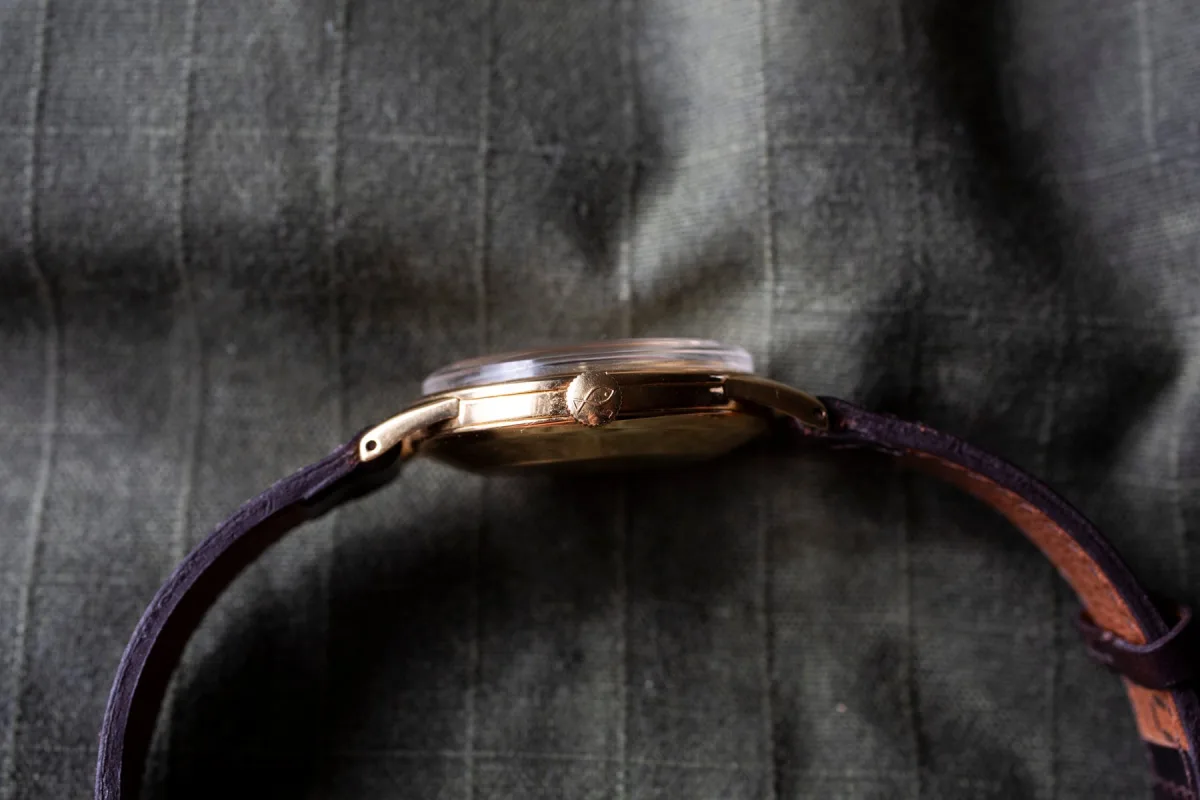
Some of the most attractive specimens have details rarely seen today: bombe lugs, convex acrylic crystals, warm silver dials, and elegant typography with the smooth inscription 'International Watch Co.' These elements give the watches a softness and warmth that modern classic models often struggle to replicate.
Versatility of Vintage IWC
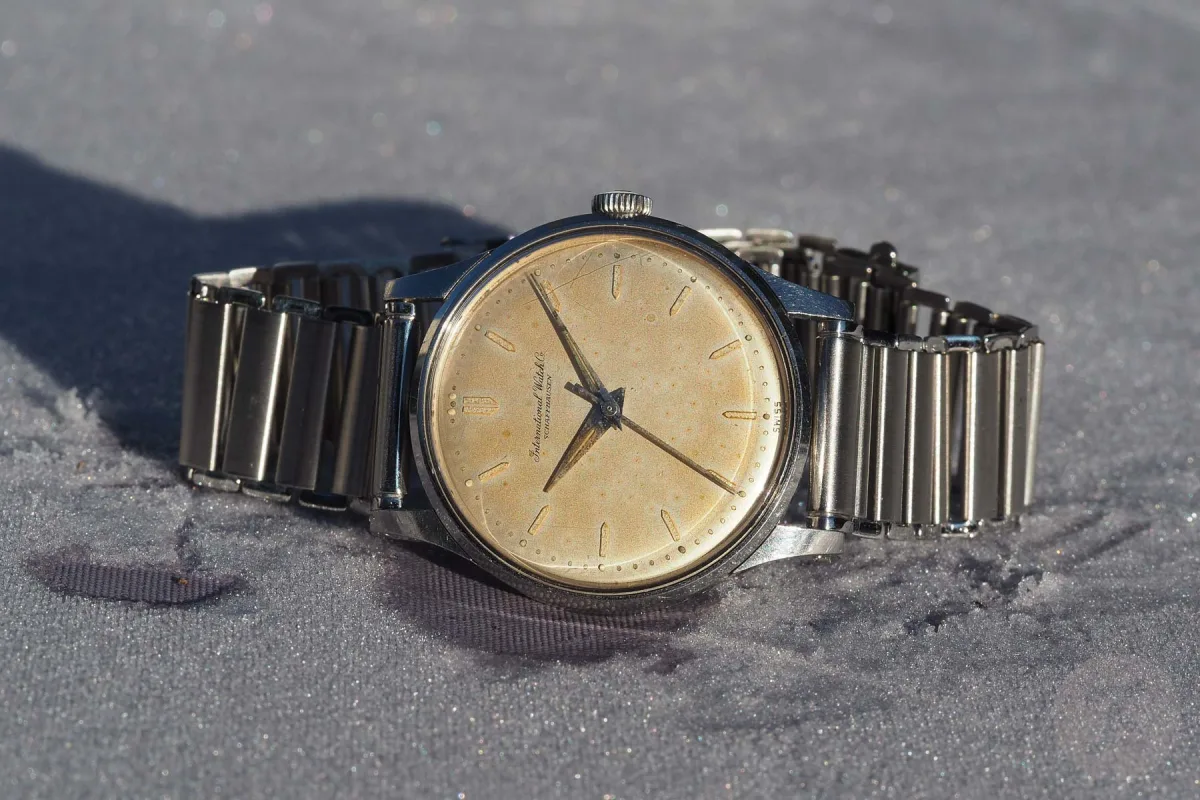
Another appealing feature of these watches is versatility. Although initially designed as classic wristwatches, today they do not appear limited to formal wear only. A steel IWC Cal. 89 paired with a suede or textured leather strap pairs perfectly with a suit, jeans, knitwear, or even a t-shirt. Such flexibility becomes especially relevant in today's world, where strict dress codes have virtually disappeared. Vintage IWC retains elegance without appearing stiff or ceremonial.
These watches also carry an emotional component that cannot be underestimated. Spending time among owners of vintage Cal. 89, one can notice a pattern: many received them as heirlooms from fathers or grandfathers. The internet is full of stories about watches gifted for weddings, retirement, or passed down as family heirlooms. This emotional continuity speaks volumes. A truly timeless design endures changes in taste because it is based on proportions and quality, not fashion trends.
Why Timeless Vintage Wristwatches Always Stay Relevant
Ironically, the current interest in sports watches with integrated bracelets may further enhance the appeal of vintage IWC. As collectors tire of fashion cycles and large cases, many rediscover the quiet pleasure of thin, hand-wound wristwatches. There is something soothing about winding a Cal. 89 every morning and wearing a watch created with restraint rather than excess.
In this sense, these watches are more than just a bargain purchase. They represent an alternative philosophy of collecting. Instead of chasing scarcity, hype, or speculative gain, collectors can focus on craftsmanship, design, and emotional connection. Vintage IWC 'Calatravas' offer all of this in abundance.
Final Thoughts
The market will inevitably change. We are already seeing a growing interest in mid-20th-century wristwatches in general, and perfect examples of vintage IWC are becoming harder to find. Original dials (especially black ones) and unusual design options are attracting more and more attention from experienced collectors.
Nevertheless, even if prices rise, the main advantage will remain unchanged. These watches embody an era when mechanical watchmaking prioritized elegance, engineering honesty, and durability. They are refined without arrogance, luxurious without ostentation, and beautiful without excessive flamboyance. In many ways, this is how great Calatrava-style watches should look. And today, few offer such a level of quality and value as vintage IWC.