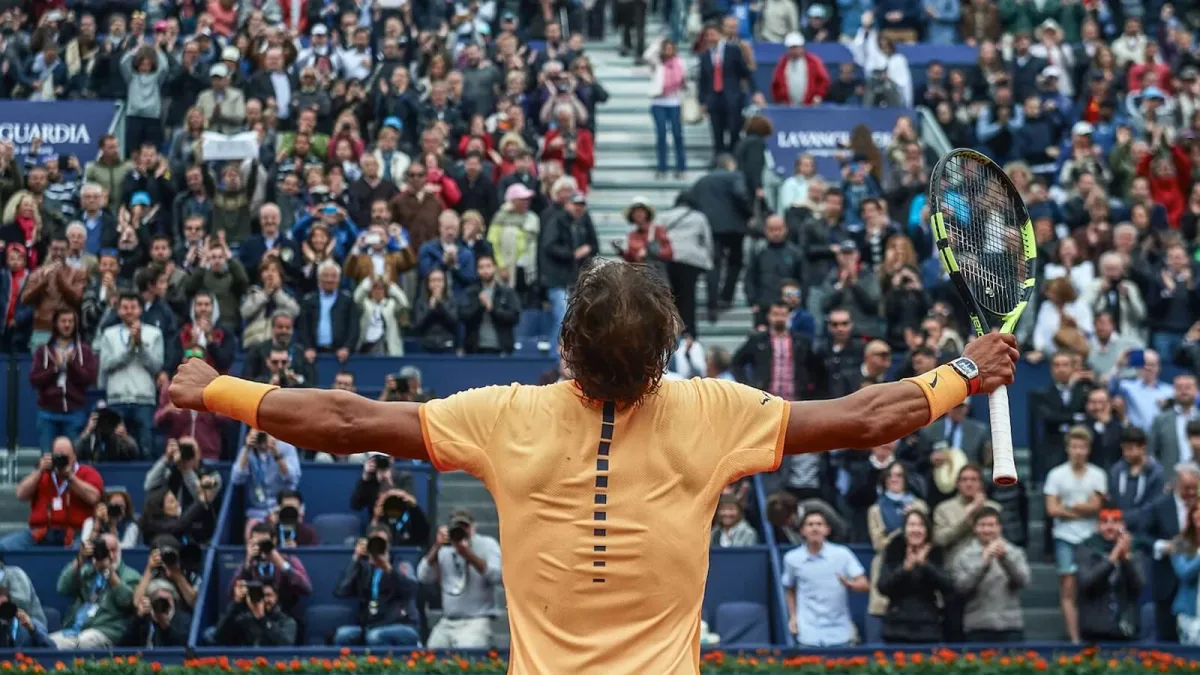
The relationship between tennis and watches is multifaceted. In this article, we take a closer look at how these two fields harmoniously combine.
It's no surprise that many luxury watch brands strive to support tennis. This globally popular sport demands mental resilience, the ability to perform under pressure, and a sportsman's spirit.
At the same time, tennis is also about precise time measurement, endurance, and high performance, values that unite both tennis players and watchmakers.
From the green courts of Wimbledon to the red clay of Roland Garros, we explore the connection between tennis and watches.
Exploring the Connection Between Tennis and Watchmaking
When the ball touches the racket of one of the world's best tennis players, we see something majestic. Tennis and rhythm - a unique combination of athleticism and art.
Every millisecond matters in receiving and returning the ball over the net. Similarly, every second counts in watchmaking. Small details and components are perfected, just like the refined techniques on the court.
The connection between tennis and watchmaking is a story of dedication, passion, and craftsmanship. Timing plays a crucial role in a match, but watchmaking extends far beyond the court.
Many professional tennis players love premium watches. Whether it's Rolex, Rado, or Richard Mille, these brands invest their expertise in the development of the sport.
Special series dedicated to tennis are especially popular. The market offers many models ideally suited for players.
When the practical functions and style of sports watches align, they provide the tennis player with everything necessary.
Such a connection often becomes the foundation of long-term relationships between the player and the watch brand. This love for precision and endurance is evident both on the court and on television screens.
Some of these unique partnerships are easy to recall.
Just think of Roger Federer's numerous Grand Slam victories to imagine his watch collection. The former tennis player owns an impressive Rolex collection, reflecting more than 20 years of partnership with the brand.
It is evident that tennis and watchmaking share important values and perfectly complement each other, like a racket in a player's hand.
To understand this connection more deeply, we need to look at history.
The History of Watches and Tennis
Professional tennis players have been wearing luxury watches for many years. An important milestone was 1978 when Rolex became the official timekeeper of Wimbledon.
The company's deep connection with tennis brought it closer to one of the greatest champions - Roger Federer. Their collaboration has lasted for more than two decades and continues to evolve. Both sides are leaders in their fields.
In addition to supporting the Swiss athlete, Rolex continued to improve the precision of its watches. As precision increased, so did the partnership with tennis.
Today, Rolex is responsible for timing all four Grand Slam tournaments. For each event, the brand selects specific models.
For example, the Oyster Perpetual 41 symbolizes the Australian Open, and the GMT-Master II represents Roland Garros.
Other partnerships between watch brands and tennis players are also successful. For instance, Richard Mille, specializing in sports models, released the RM 027 in 2010, specifically designed for Rafael Nadal.
Next, we will look in more detail at the watches preferred by professional tennis players.
Tennis Players and Their Watches
We talk about the close connection between tennis and watchmaking. But who exactly wears these watches in everyday life?
Let's examine the key sponsorship relationships and find out who prefers which models.
Rafael Nadal and Richard Mille
The partnership between Richard Mille and Rafael Nadal has lasted for over a decade. In honor of this, the RM 027 was released - the perfect watch for Nadal's unconventional playing style.
The "King of Clay" won three Grand Slam tournaments in 2010 and topped the ATP world rankings in 2017.
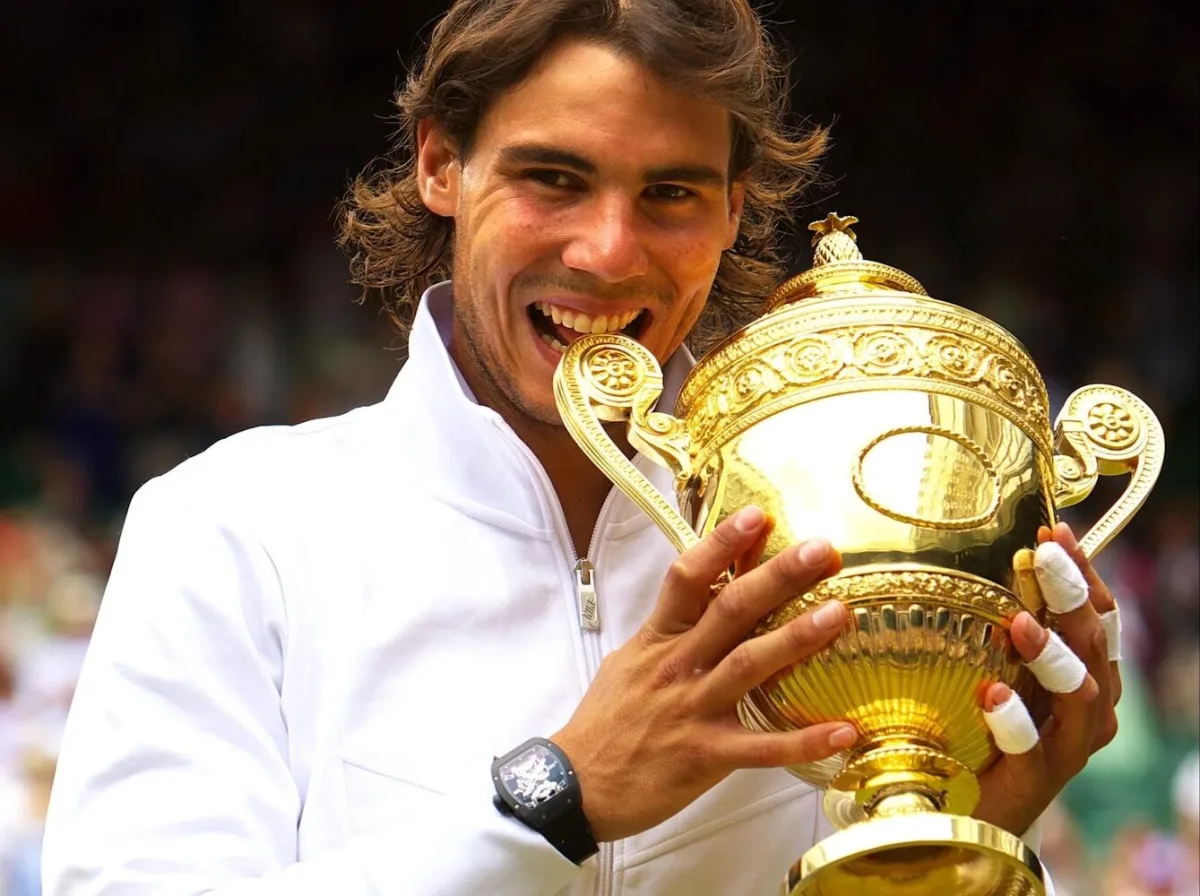
When they met in 2008, Nadal was reluctant to wear watches even during training. Now he wears the RM 27-05 (2024) model with a Carbon TPT composite case, weighing only 11.5 g without the strap.
The watch with a flying tourbillon withstands forces up to 14,000 g and features titanium bridges and base.
Rolex and Roger Federer
The partnership between Rolex and Roger Federer began in 2006. His collection includes investment-worthy models such as the Day-Date, Daytona, and Sky-Dweller.
However, for training, Federer prefers the Datejust. The brand released a model inspired by Wimbledon, which Roger used during his victory in 2017.
This was a two-tone model in yellow gold and steel with an anthracite dial and green accents. The modern version is ref. 126331 with an Oystersteel and Everose gold case.
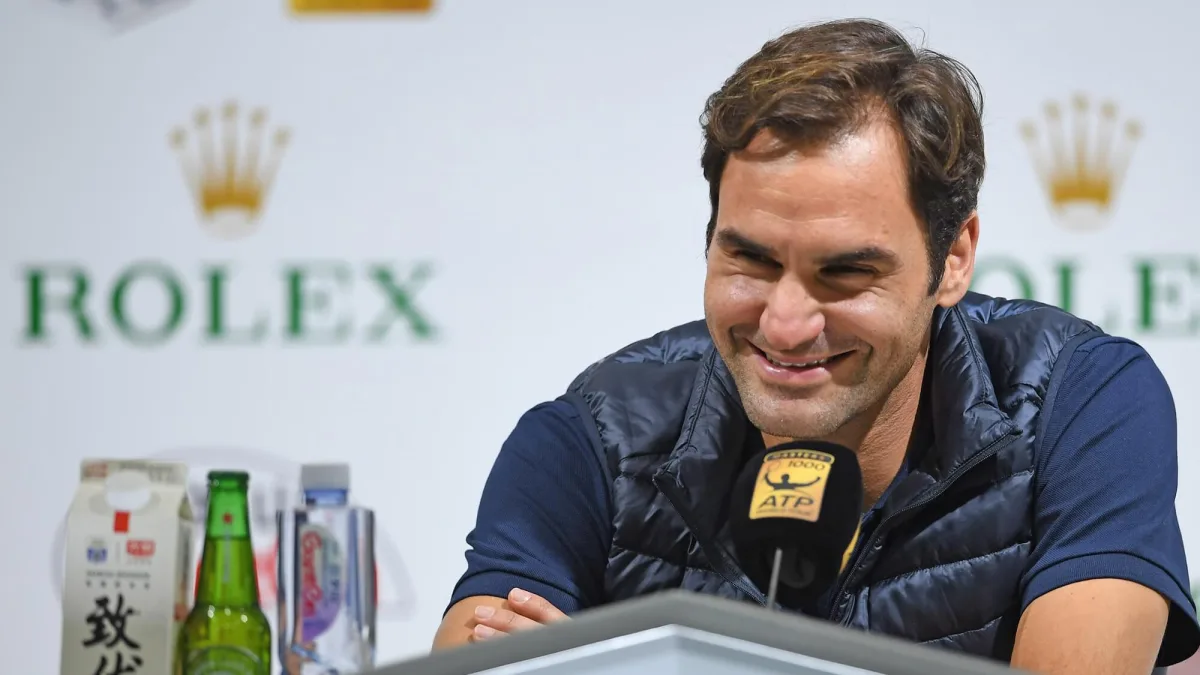
The bright green Roman numeral hour markers are reminiscent of Wimbledon's green courts. This is my favorite design among all tennis watches.
Novak Djokovic and Hublot
The connection between Hublot and Djokovic became especially strong after the end of the partnership with Seiko in 2021. Their cooperation is based on precision and performance.
Hublot is known for bold, avant-garde designs that perfectly suit Djokovic.
Whether it's training on the court or a social event, Hublot watches always remain his top choice.
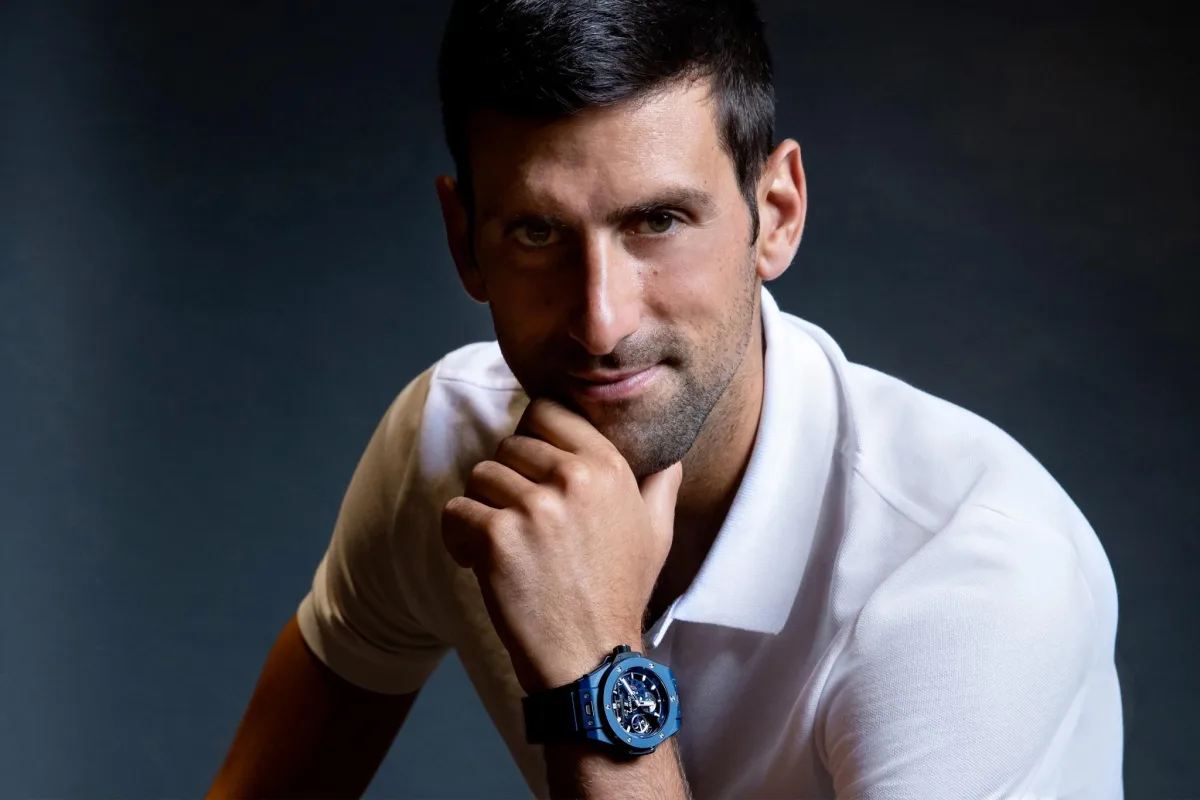
Djokovic continues to stay at the top, just like his favorite brand. His latest model is the Hublot Spirit of Big Bang All Black Pavé.
The watch features a 42-mm micro-blasted ceramic case adorned with 330 diamonds on the bezel. A black rubber strap gives a sporty look, suitable for conferences and evening events.
Recently, Djokovic paired these watches with a classic tuxedo, receiving the Laureus World Sportsman of the Year award at a glamorous event in Madrid.
Andy Murray and Rado
When Andy Murray became the first Brit in 77 years to win Wimbledon, he marked the occasion with Rado Hyperchrome XXL watches.
The relationship between the athlete and the brand has been developing for many years. Murray chooses models like the D-Star (for the US Open) and often wears Rado during interviews.
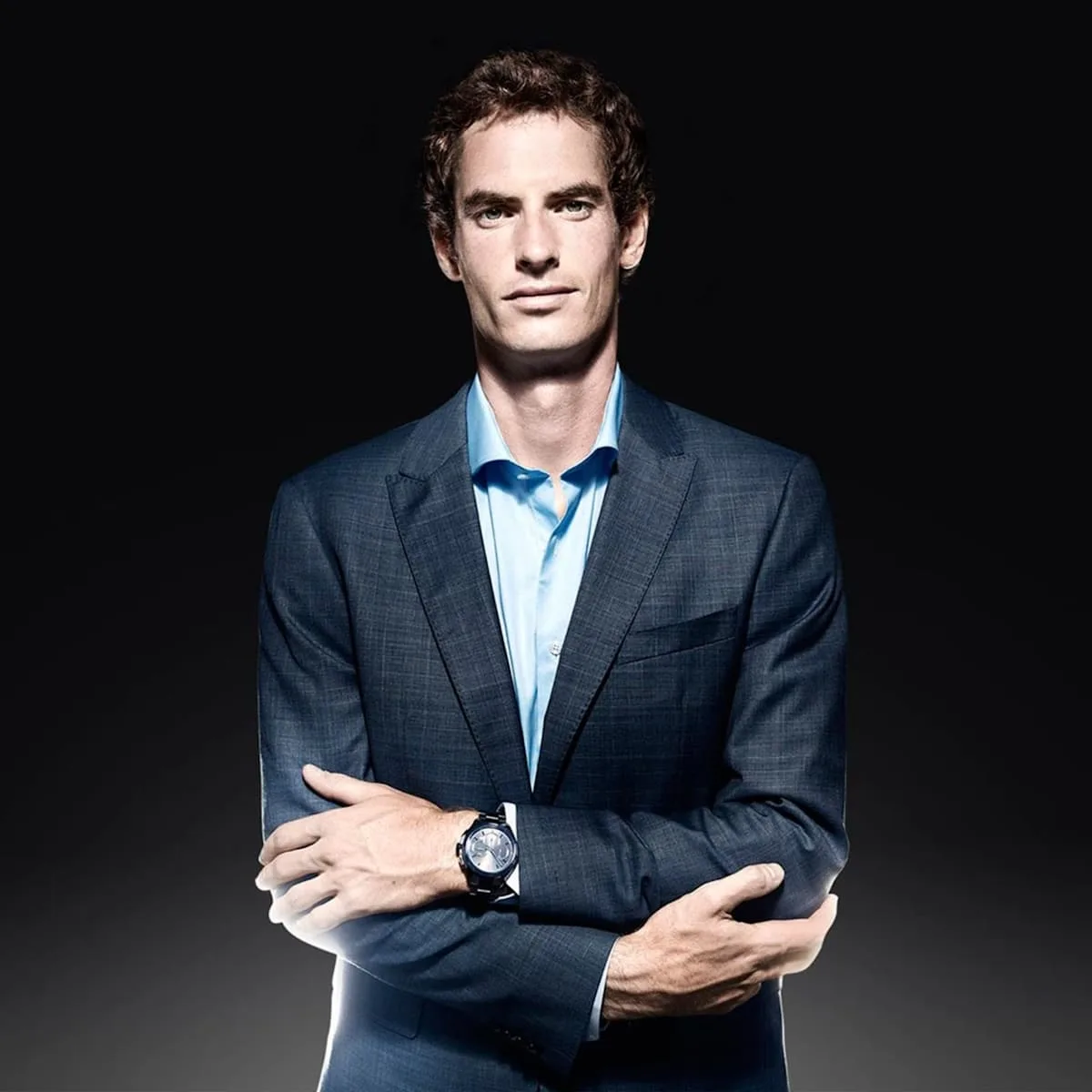
Hyperchrome XXL - lightweight, black, scratch-resistant case made of high-tech ceramic. The elegant profile is complemented by Super-LumiNova details and a rubber strap, convenient for long wear.
Björn Borg and Cartier
Although there was no official partnership, Björn Borg preferred elegant Cartier watches. On his wrist, you could often see the classic Cartier Tank model, which became a symbol of style at the time.
Cartier Tank is a collectible classic sought after by connoisseurs.
Its characteristic rectangular case perfectly complements a formal look. The dial of the model has recognizable features.
It is equipped with "brancards" - the rectangular sides of the case, inspired by Renault tanks from World War I.
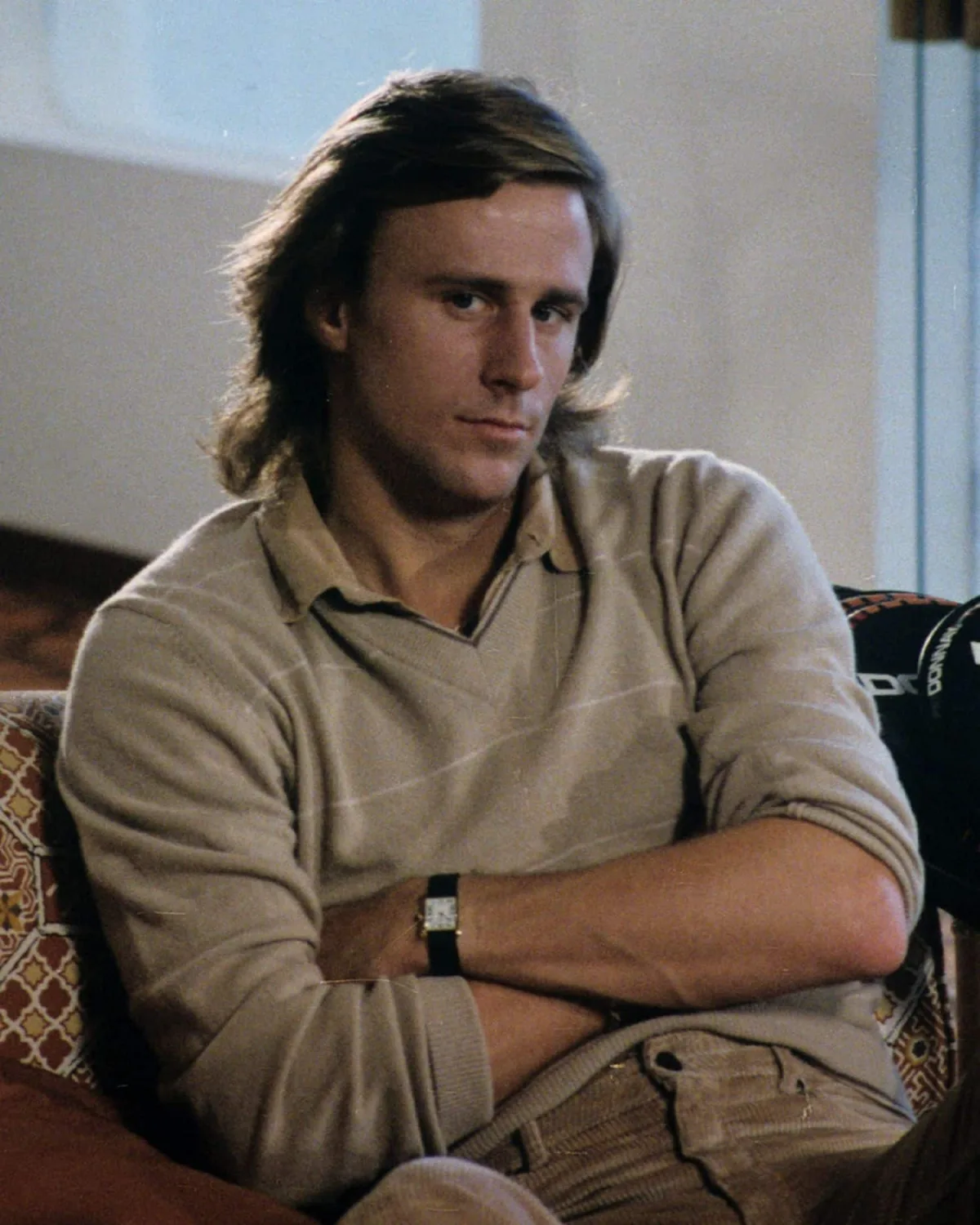
The dial stands out with Roman numerals, blue sword-shaped hands, and a blue sapphire cabochon on the crown.
The modern version is attached to a brown leather strap, maintaining a traditional and restrained appearance.
John McEnroe and Casio
The phrase "You cannot be serious?!" became legendary, and John McEnroe's watches were among the most affordable in his career.
Although there was no official partnership, he preferred to wear affordable Casio watches. His digital watches, despite a more subdued design, reflected the technological advancement of the era.
Perhaps Casio showed a more down-to-earth side of McEnroe? These watches were significantly cheaper compared to Nautilus and Royal Oak models.
Nonetheless, Casio symbolized the future, demonstrating the power of quartz movement in the 1970s.
Today, on McEnroe's wrist, you can see a personalized left-handed Rolex. He sent his Submariner to the Artisans De Genève workshop, where the watch received a skeletonized dial and an offset crown.
Timekeeping and Tennis
Digital screens and large analog clocks at tennis matches mostly serve an advertising function. Companies like Longines, Citizen, and Rolex ensure precise timekeeping and simultaneously act as sponsors.
In fact, time measurement during a match occurs at a stricter level. A player is not required to wear a watch to track time, but timing is crucial for the referee.
Adhering to rules, such as 20 seconds to serve after the last rally, 90 seconds for changing sides, and a two-minute break between sets, is critical.
You might notice how the referee warns Rafael Nadal for delaying between serves. Just as players have different pre-serve rituals, the watches they wear are unique and important to the game.
Some studies suggest that the scoring system in tennis might have been inspired by a clock face. Points are counted in increments of 15, which coincides with the quarters of a clock face (except for 40).
Did watches serve as a simple scoring system in the past? It is not exactly known, but such a theory seems logical, considering the lack of complex software back then.
Conclusions
On the outside, a professional tennis player always looks impeccable, wears exquisite watches, and remains calm. Inside, his body works like a well-tuned mechanism.
The same can be said for luxury watches. On the outside, they look flawless and stately, while inside - a complex mechanism of gears and levers works with precision and harmony.
Undoubtedly, the connection between tennis and watches is twofold. Tennis requires precise timekeeping as an integral part of the game, and watch manufacturers choose this sport for its prestige and popularity.
When we recall the brightest moments in tennis history, the names Björn Borg, John McEnroe, Rafael Nadal, and Roger Federer come to mind.
Their rivalries tell the story of a legendary sport and the watches they wore.
What are your favorite tennis watches? Do you remember a moment when they marked an important event, and who wore them? Leave your comments.