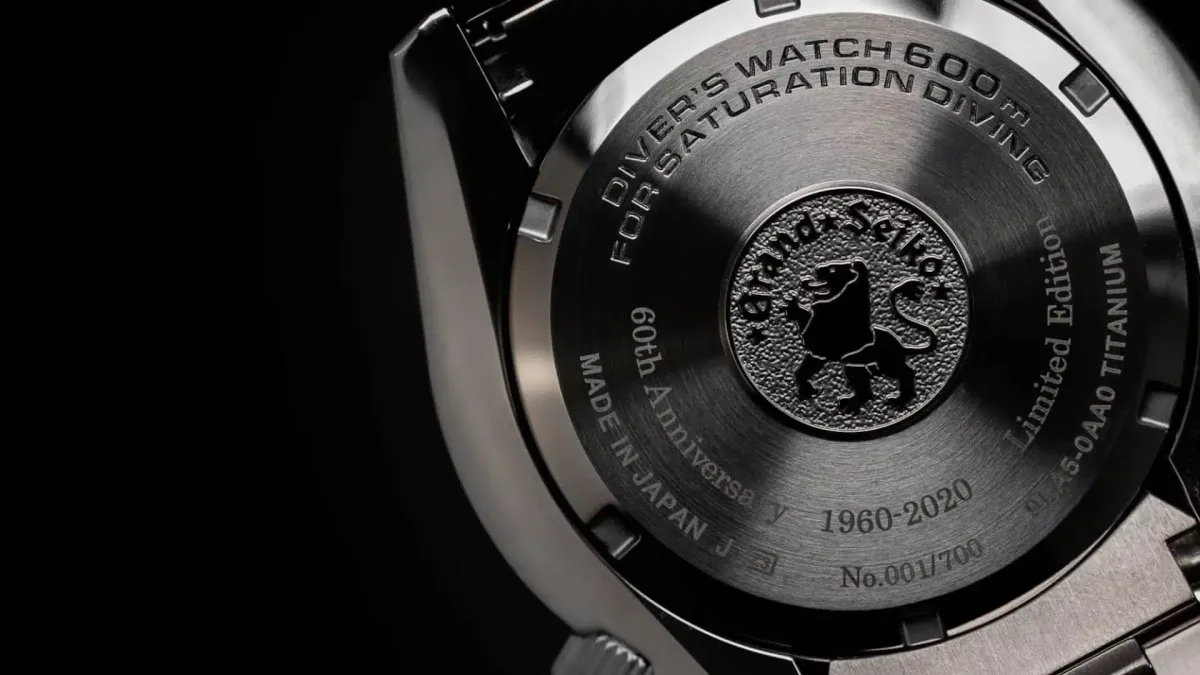
Two titans of watchmaking face off in this comparative review of Grand Seiko and Rolex.
I understand you. Rolex is the Holy Grail, the epitome of luxury and status. The ultimate goal in life is to wear a watch with this name on the dial as a symbol of success, style, and wealth. After all, the Crown brand boasts numerous innovations and has indeed created some of the most iconic watches in history. But what if I told you that a respected manufacturer like Grand Seiko could seriously compete with it? Seriously, before dismissing this thought, let's consider it in more detail.
Grand Seiko, like the industry giant Seiko, is part of the Seiko Watch Corporation. However, the history of Grand Seiko dates back to 1881, which is significantly older. Seiko has always been a leader in the affordable luxury segment, while Grand Seiko is aimed at collectors who appreciate understated luxury, fine dial craftsmanship, and precision engineering of cases.
Rolex and Grand Seiko may be more similar than they first appear. Behind their outward resemblance lie the highest standards of quality in their fields. Both brands invest significant resources in research and development, constantly pushing the boundaries of innovation. They prefer high-end finishes, produce their own movements, and have a deep understanding of their target audience. But can these two manufacturers differ in such a way that they become equally desirable, albeit for different reasons? Let's delve deeper into the comparison of Grand Seiko and Rolex, starting with a brief history of Rolex.
A Brief Overview of Rolex
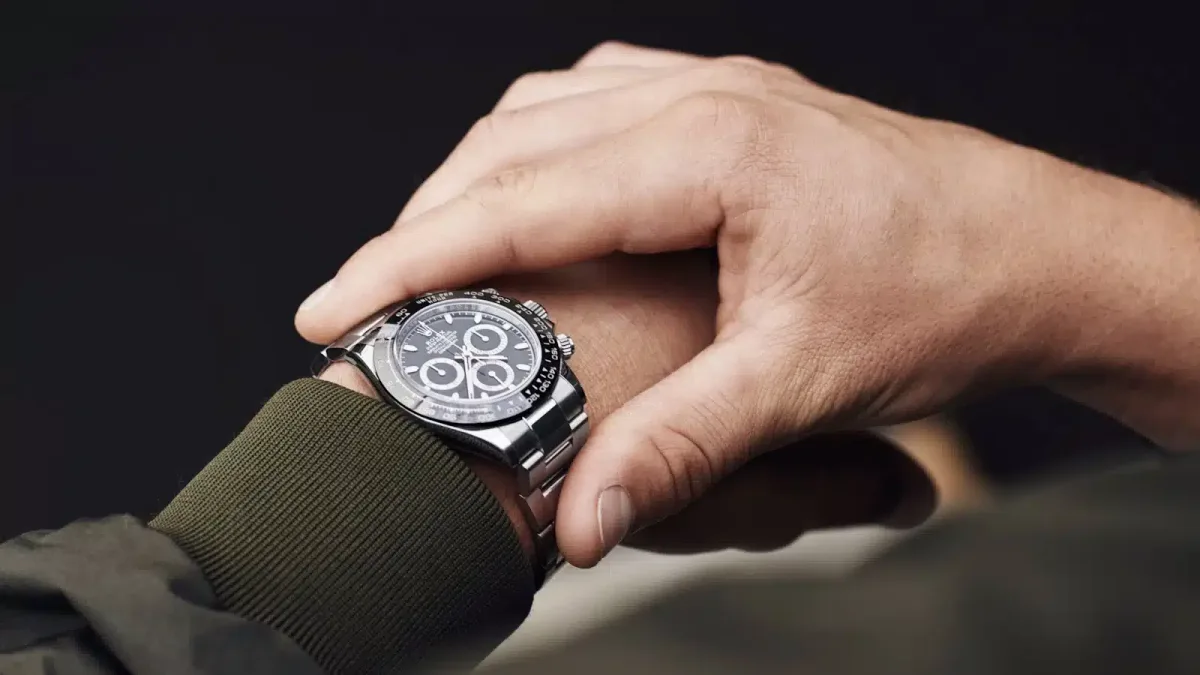
Will it surprise you that the founder of Rolex was not Swiss? Hans Wilsdorf was a German living in the United Kingdom when he founded the first watch company with a partner. Among the brand's early innovations are the first waterproof case (Oyster) and the first automatic caliber with perpetual winding. Rolex has repeatedly won chronometer competitions, and to this day, its movements symbolize reliability and endurance.
The Datejust, released in the 1930s, became one of the brand's most influential models. Its simple elegance was a real achievement in watchmaking. These were the first watches with a date on the dial, followed by the first diver's watches - the Submariner. In the 1950s, Rolex enjoyed success with its sports models, the Submariner and GMT-Master, featuring a second time zone function. In the 1960s, the racing chronograph Cosmograph Daytona appeared, which, despite its initial failure, became one of the most expensive collectible Rolex watches. It laid the foundation for models like the Sea-Dweller of the 1970s and the Yacht-Master of the 1980s.
Over the past twenty years, Rolex has continued to develop these legendary lines, releasing the Yacht-Master II, GMT-Master II, and updating all collections with improved movements and materials. Today, the brand occupies a unique position in the watch world, remaining a symbol of success and innovative craftsmanship.
A Brief Overview of Grand Seiko
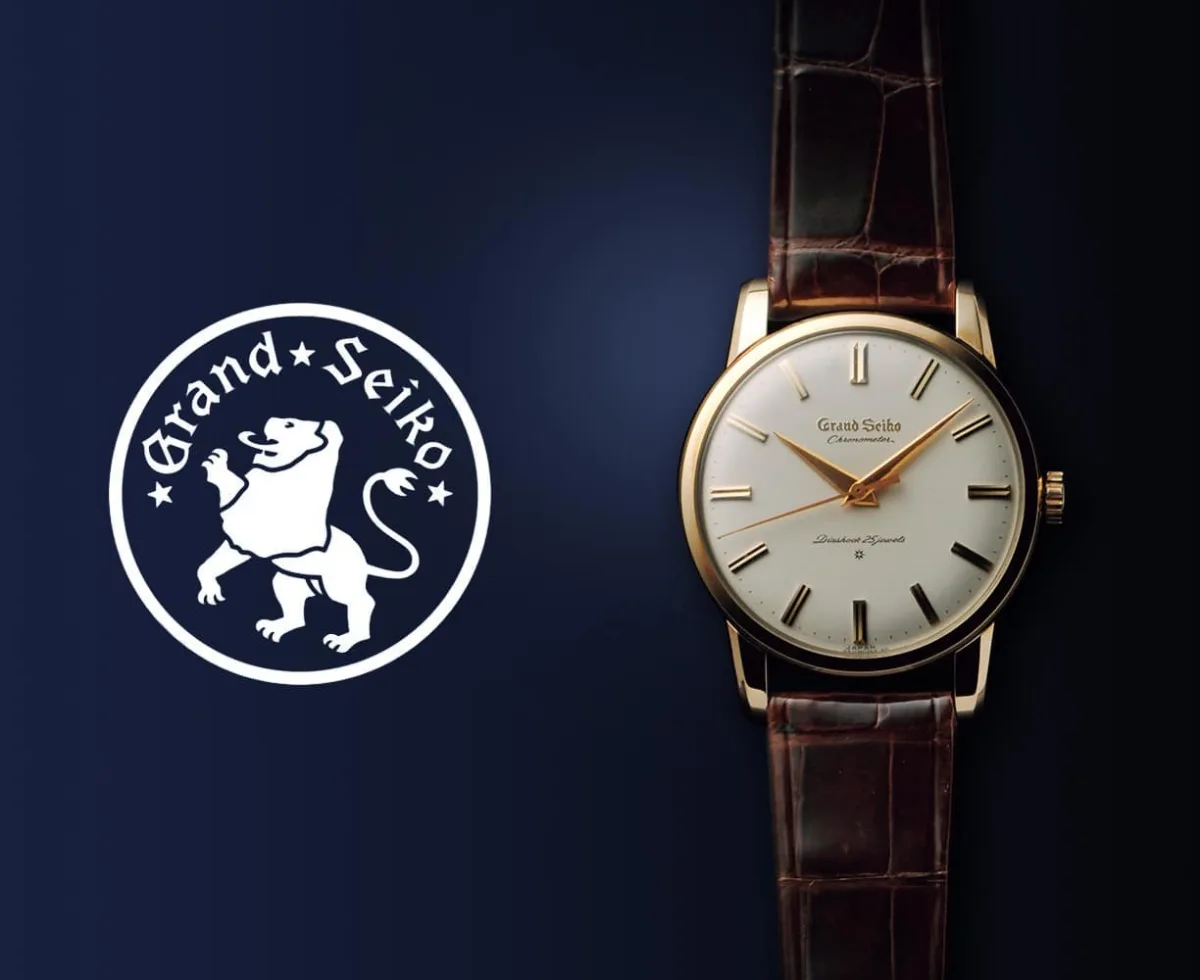
The history of Grand Seiko begins in the 1960s when Seiko considered creating a sub-brand that would embody grace and luxury. Yes, it was ambitious, but in the end, a team of talented watchmakers combined the company's best skills. Grand Seiko watches became a model of impeccable craftsmanship. In the 1960s and 70s, the iconic 44GS model appeared with a timeless design and a high-frequency Hi-Beat movement, providing a smooth second hand movement that surpassed Swiss counterparts.
In the 1980s, Grand Seiko revolutionized with the launch of the Astron - the world's first quartz watch, confirming that the brand knows no bounds in watchmaking art. This was a perfect union of precision, craftsmanship, and elegance. The second breakthrough was the Spring Drive technology of the early 2000s - a hybrid of quartz and mechanical movements with an accuracy of +/- 10 seconds per year. This achievement was not only a technical but also a philosophical statement, leaving an indelible mark on Grand Seiko's history.
Today, Grand Seiko watches look modern, reflecting the concept of "The Nature of Time." Inspirations include cherry blossoms, winter landscapes, autumn leaves, and frozen lakes, which are reflected in the design and finishing.
Comparison of Grand Seiko and Rolex: Detailed Analysis
A brand's legacy is an important factor shaping its reputation in the watch world. Why do so many brands claim to have revolutionized the industry? Some truly did, but not all.
Every brand strives to capture its market share, but Rolex and Grand Seiko are among the few who can confidently say they have profoundly influenced the history of watchmaking. They use their heritage in competition but do so differently.
Rolex focuses on affluent collectors, while Grand Seiko appeals to fans of understated luxury. Let's examine the key aspects of their differences.
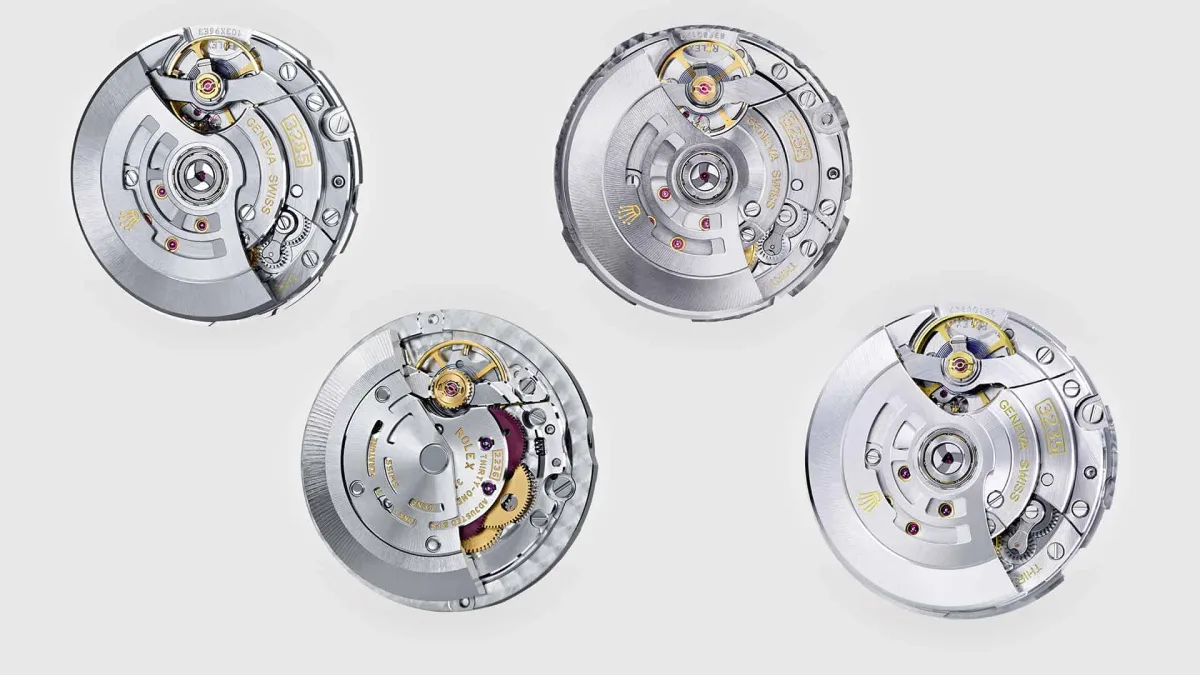
Vertical integration is an important aspect for a watch brand. Producing their own movements and components gives freedom in design and quality control. Many collectors value this approach. Both Grand Seiko and Rolex produce their own movements and components, constantly improving them.
Rolex became known for its outstanding calibers since the invention of the Oyster case and the first automatic movement in 1931. The invention of the Parachrom hairspring, resistant to impacts ten times greater than usual, increased accuracy and reliability. An important achievement was also the Chronergy escapement - an improved version of the classic Swiss lever escapement.
Since the release of caliber 3135, Rolex has not made radical changes in movement production. Although they are not the most complex or aesthetically pleasing, these calibers are reliable and durable.
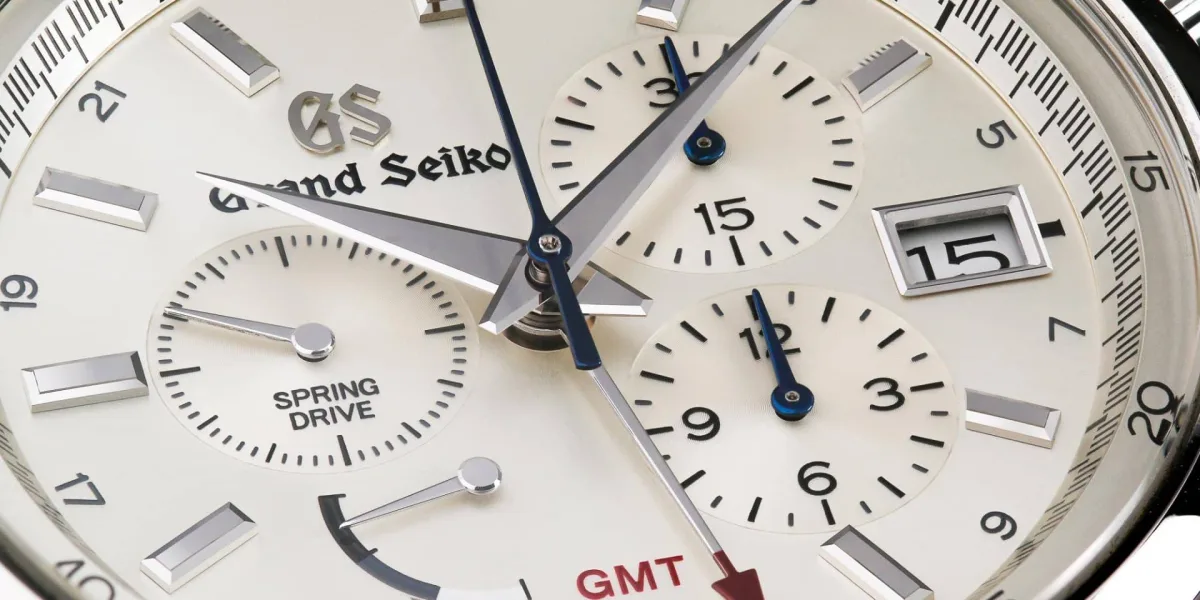
Grand Seiko deserves special attention for its movements. Particularly well-known is the Spring Drive technology - an innovative hybrid of quartz and mechanics. In it, a quartz regulator works alongside a traditional spring, providing an accuracy of +/- 10 seconds per year. This technology is easily recognized by the smooth movement of the second hand, reminiscent of a fluid.
Besides Spring Drive, the release of the first quartz movement in 1969 - the Seiko Quartz Astron - played a key role in the "quartz crisis" that shook the Swiss industry. Despite this, Rolex survived and remains one of Grand Seiko's main competitors.
Craftsmanship and Materials
Rolex leads in material research and development. The brand has its own department dedicated to creating gold and other exclusive alloys. This "in-house" production is an important factor for collectors. For example, the proprietary rose gold Everose and Oystersteel, likely a special grade of 904L steel produced by Rolex's own foundry. Oystersteel is highly corrosion-resistant and has a bright luster.
Rolex also develops unique components, such as the Parachrom hairspring and the Cerachrom ceramic material, resistant to fading, used in bezels. Chromalight - a luminescent material with a bright blue glow, launched in 2008 - is another example of in-house production.
Grand Seiko does not have such a wide range of materials but has created one of the most impressive hybrid movements - the Spring Drive. GS specifications often mention LumiBrite - an analog to Chromalight, the brand's luminescent material.
Comparison of Design and Aesthetics of Grand Seiko and Rolex
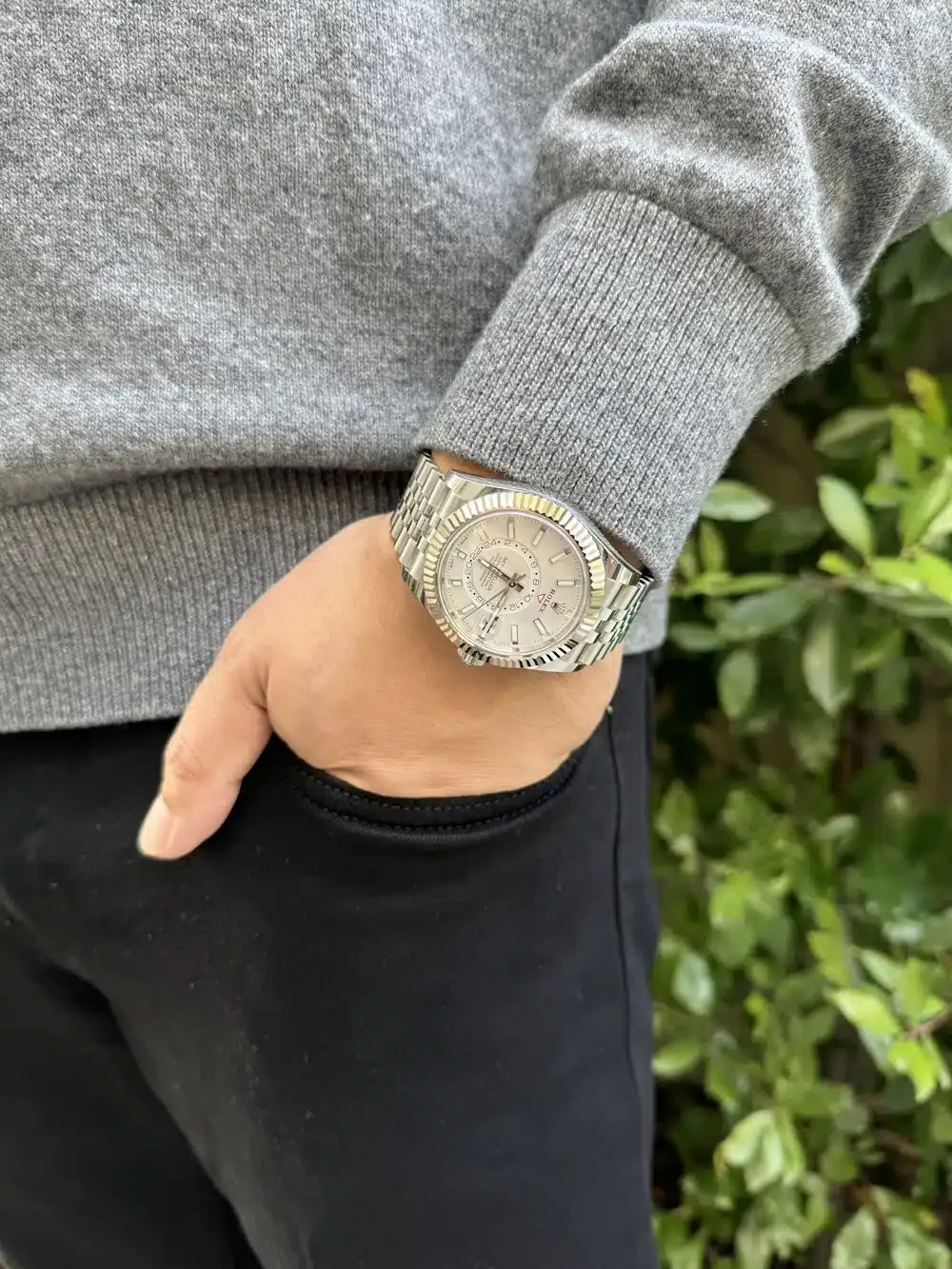
If you are considering Grand Seiko as an alternative, it's worth understanding how the Japanese brand compares to Rolex. The Rolex catalog includes elegant models, such as the Day-Date - classic watches with a date window at the "3 o'clock" position and the day of the week at "12 o'clock," as well as the characteristic fluted bezel. These watches are known as "The President" and are considered symbols of power and status.
The main collection of classic Grand Seiko watches is the Heritage, where the "Snowflake" model stands out. The dial resembles freshly fallen snow around the Shinshu studio. The lightweight case is hand-polished using the Zaratsu technique, creating a mirror-like surface without distortion - a signature of the brand that requires the highest skill and patience.
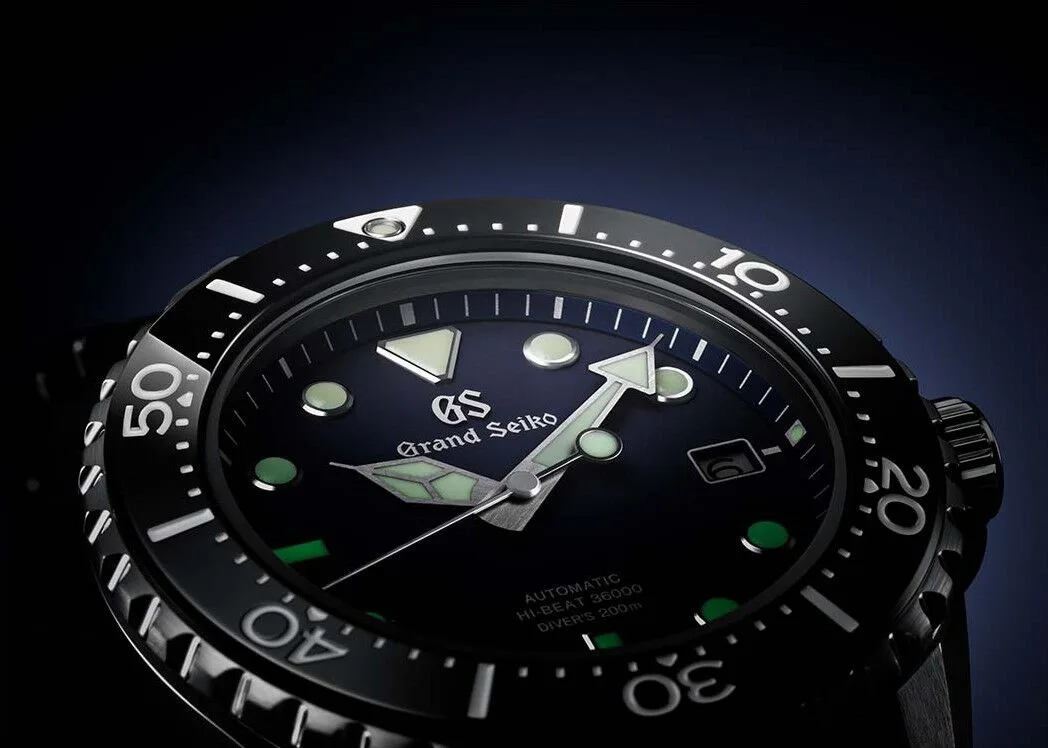
Many do not know that Grand Seiko also has diver's watches. The Hi-Beat 36000 Professional 600M Diver model is equipped with water resistance up to 600 meters and L-shaped gaskets similar to those used by Rolex. The latter, of course, is known for its legendary Submariner with iconic "Kermit" and "Hulk" versions. But if you're looking for a more affordable alternative with better water resistance, Grand Seiko is a good choice.
Grand Seiko travel watches evolve based on Seiko. The first model - Caliber 9S56 - became the predecessor of many others. GMT function models are presented in various styles - from classic to sporty. The Evolution 9 series includes Spring Drive watches inspired by nature and the changing seasons.
Nature is a key theme in Grand Seiko's design. In these watches, the play of light and shadow creates a unique depth and multifaceted nature that Rolex does not possess. The numerous shades and nuances of the dial create the effect of a living canvas.
Brand Prestige and Perception
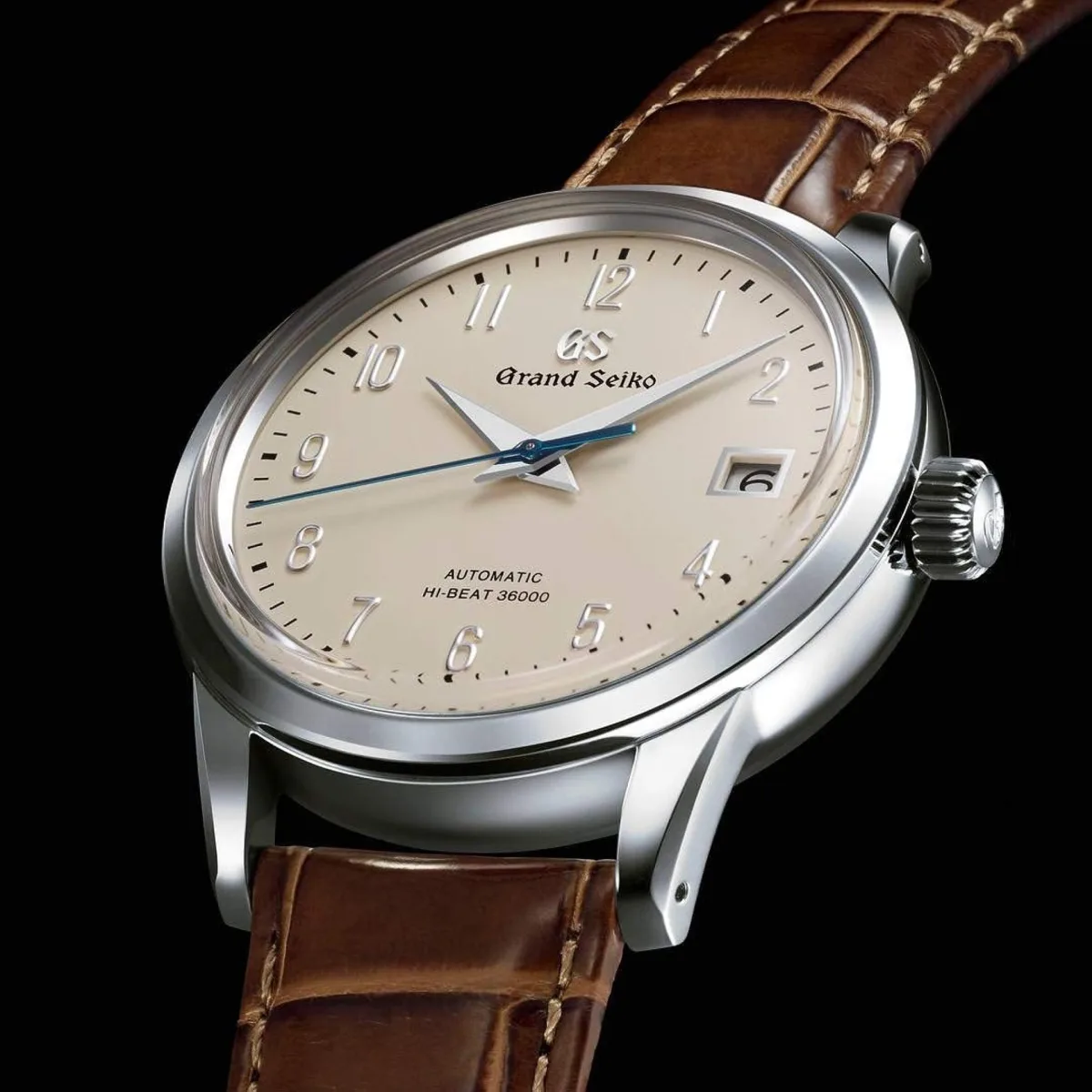
Grand Seiko outshines Rolex in terms of finishing craftsmanship. However, Rolex watches are durable, functional, and always look relevant. Their design remains timeless, and the brand is associated with success and status.
Rolex's success largely relies on its rich heritage. Consumers value brands with history - age brings wisdom, and in the world of collectors, this is important. Comparing Grand Seiko and Rolex, it is clear that the former is a relatively young Japanese brand, although its roots go back to Seiko of 1881.
Japanese work ethic and Grand Seiko's "Grammar of Design" attract collectors. The Zaratsu polishing technique requires incredible skill. Despite a shorter history, GS watches are true works of art.
While Grand Seiko cannot compete with Rolex in heritage, its origin and inspiration make the brand unique. It has set new standards and caused a cultural shift in the watch world. Let us not forget that Seiko once shook the entire Swiss industry. Rolex, however, survived the "quartz crisis" and remained at the top. Both brands deserve recognition for their influence on watchmaking over the past hundred years.
Price and Value for Money
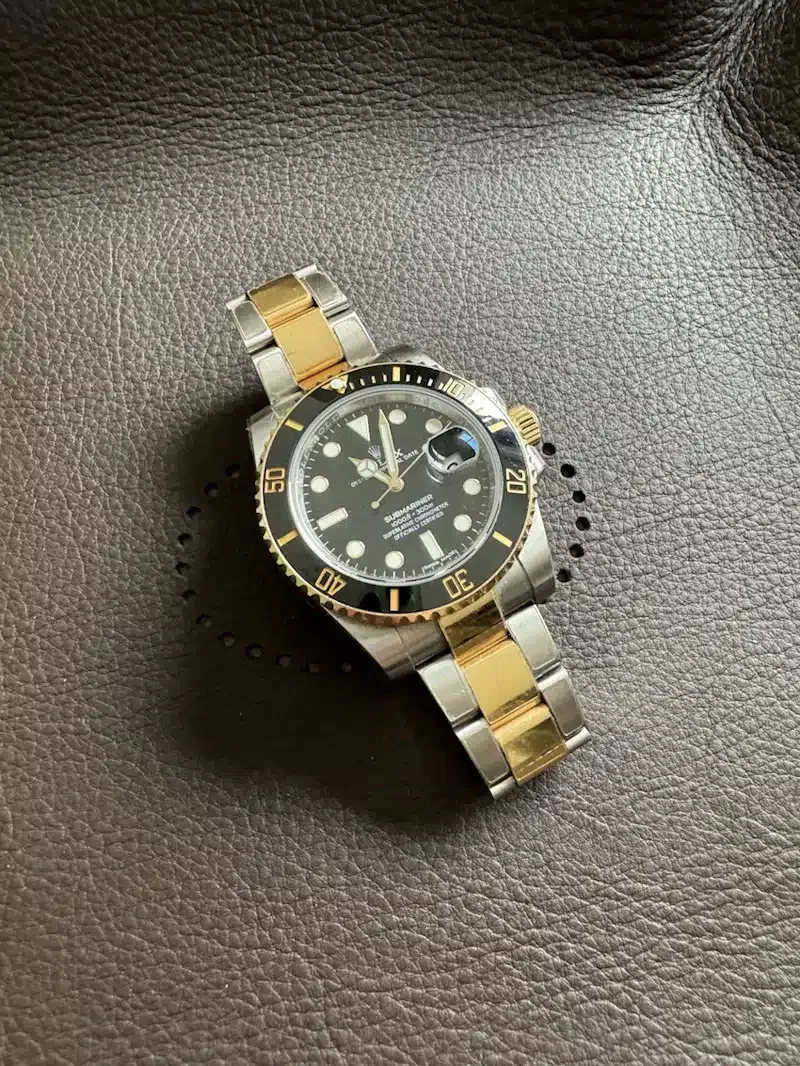
Now the conversation about money becomes especially interesting. Steel Rolex watches are in high demand. For example, a steel Daytona has been priced twice its retail price in the secondary market since 2016. The low supply of Rolex creates a deficit, and those who can afford to buy such watches without sacrifice are lucky. For example, a used steel Daytona can cost around $30,000. Meanwhile, a Grand Seiko chronograph for $12,000-16,000 looks much more attractive. You get a quality mechanism, durable case, and high specifications without the need for collateral and loans.
Grand Seiko prices are reasonable - basic models start at about $4,000. Of course, there are more expensive options, but compared to Rolex, whose starting prices start at $7,000, the choice is clear. The upper price range also shows the difference: limited Rolex can cost around $70,000, while Grand Seiko - up to $35,000.
The choice between these brands is a matter of balance. Grand Seiko is more affordable but retains value less well. Rolex can appreciate, but requires more investment. Ultimately, Rolex is the best option if you manage to buy at retail price. Otherwise, you will have to pay significantly more.
Investment Potential: Which Watches Hold Value Better?
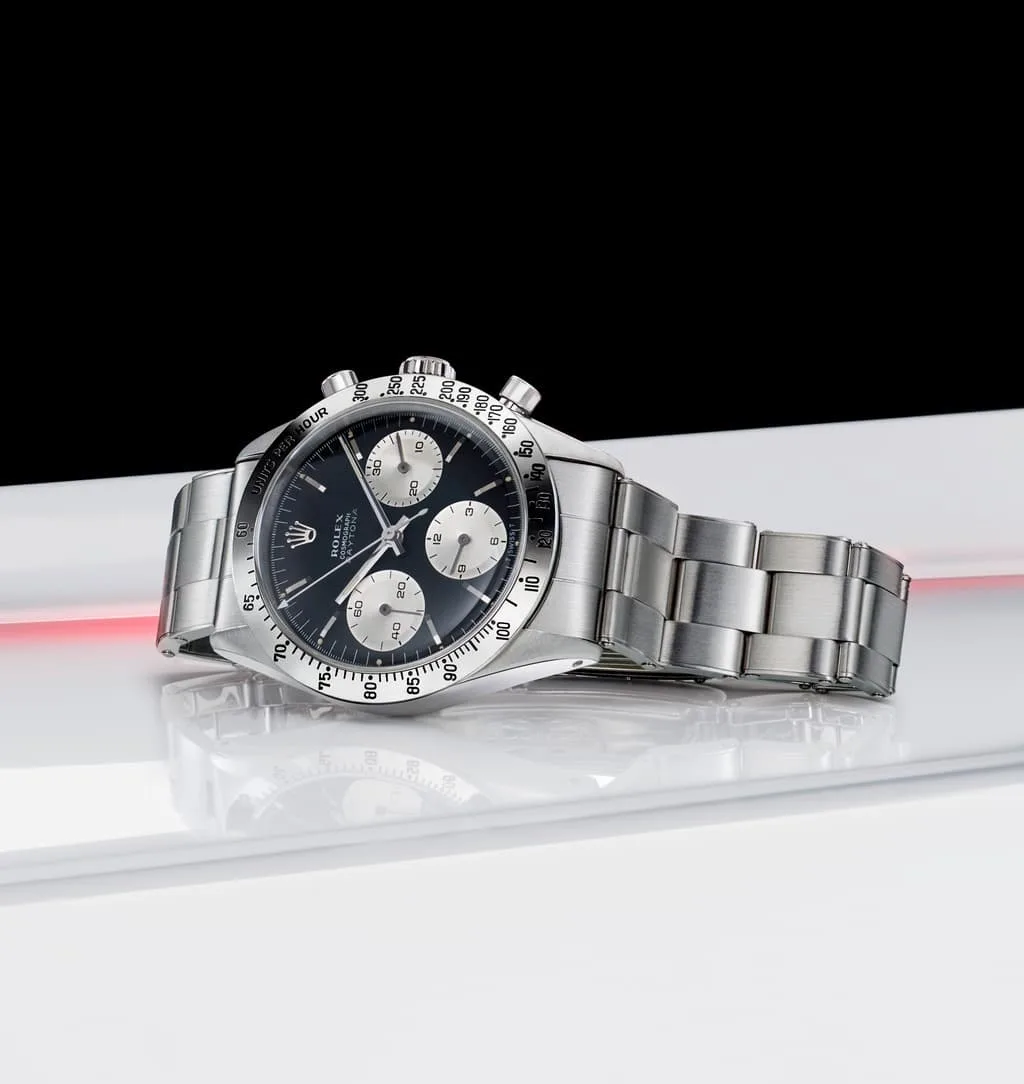
Rolex holds its value better than anyone, even compared to the "Holy Trinity" (Patek Philippe, Audemars Piguet, Vacheron Constantin). Popular models can significantly appreciate on the secondary market. If you manage to buy a new watch from an authorized dealer, they can immediately increase in value.
Grand Seiko watches do not always hold their value as well. Sometimes a model sells at retail price, but more often it loses value. Depending on supply and demand, the situation may change. To buy a new Rolex, you often have to queue at a dealer, and priority is given to regular customers. This explains the high prices on the secondary market. The most in-demand models are Daytona, GMT-Master, and Submariner, while rare versions like the Sea-Dweller Double Red and Paul Newman Daytona are true collectible rarities.
Sometimes limited series Grand Seiko hold their price better, but not always. For example, "Snowflake" (ref SBGA211) - one of the most desirable models with a titanium case and the first Spring Drive mechanism, but its main feature is the dial.
Grand Seiko or Rolex: Answers to Frequent Questions
Is Grand Seiko Better Than Rolex?
Some collectors believe that Grand Seiko surpasses Rolex in craftsmanship. The innovative Spring Drive mechanism is a real breakthrough. However, Rolex retains an advantage thanks to its brand status and Swiss heritage, which for many is more important.
Is Grand Seiko Better Than Rolex in Terms of Manufacturing Quality?
Grand Seiko excels in case finishing and decorative techniques on the dial. Hand-applied textures inspired by nature and unique Zaratsu polishing create a mirror-like surface without distortion, giving the watches exceptional luxury.
Which is Better for Investment: Rolex or Grand Seiko?
Rolex is the best choice for investment, as its watches hold and even increase in value. Many models are more expensive on the secondary market than new. This makes Rolex an excellent family heirloom.
Conclusion: What to Choose?
A brief summary of the main facts in the Grand Seiko vs Rolex debate. Founded in 1905, Rolex gained fame with the first waterproof case in 1926 and an automatic movement in 1931. Its chronometer watches became symbols of Swiss quality. Today, Rolex produces over a million watches a year, and its iconic models draw long queues and command high prices. For many, it is a universal symbol of success worth paying for.
At the same time, Grand Seiko uses Japanese "Grammar of Design" to create elegant watches. But the brand is not only about aesthetics; it is a story of success and independence since 2017. Grand Seiko independently produces movements, cases, and dials, attracting collectors worldwide.
Both brands create their own components and hold patents. The choice depends on your preferences. Rolex - durable, sporty watches with a recognizable design and history. If you want a prominent status symbol - choose Rolex. Grand Seiko - less showy watches with fine craftsmanship and understated luxury. If you value quality and aren't chasing a brand, Grand Seiko is an excellent choice.
Who do you prefer in the Grand Seiko vs Rolex comparison? Share your opinions in the comments. Subscribe to our Telegram channel to receive more expert comparisons.