The watch industry is constantly changing, and this is one of the main reasons for our interest in it.
Some styles remain unchanged, while others are trends that come and go. What about mother of pearl? This material has been used in watchmaking for several centuries, but recently, models with this iridescent finish have become fewer and fewer.
It's difficult to pinpoint the exact date of its first use in watchmaking, but mother of pearl was especially popular in the 19th century when technological advances made it easier to work with. In recent years, it has been used mainly in so-called "women's" watches, and, frankly, it has become something of a visual code for "shrink-it-and-pink-it" models.
What is Mother of Pearl?
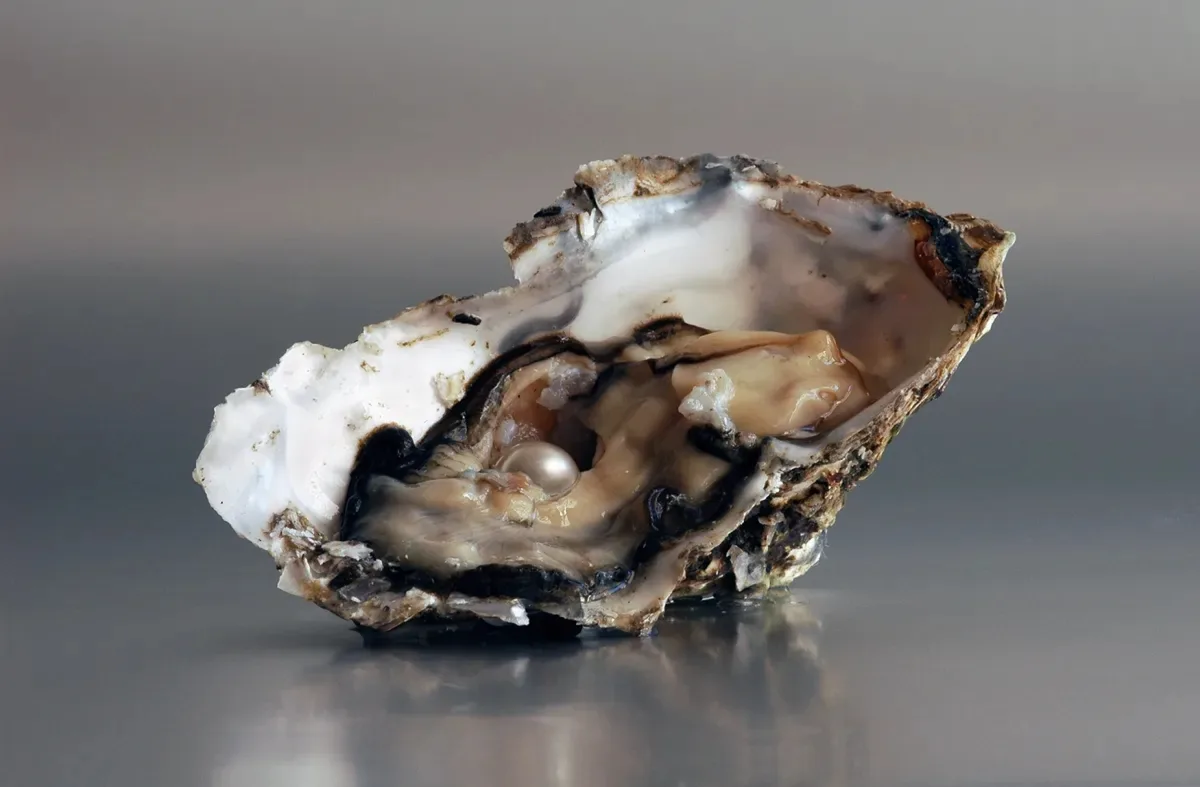
Before I begin listing the reasons why I believe mother of pearl is falling by the wayside, let's first explain what this material is, where it comes from, and which types are used in watchmaking. Mother of pearl, also known as nacre, is a shiny, iridescent substance that naturally forms on the inner shell of some underwater creatures. It is typically found in the shells of certain mollusks, such as oysters and abalones.
Mother of pearl is a combination of calcium carbonate crystals and the protein conchiolin, which layer upon each other to create the shimmering, iridescent effect we associate with it. The material forms when an irritant, such as a grain of sand or a parasite, gets into the mollusk's shell. The mollusk secretes layers of nacre around the irritant to protect itself, resulting in the formation of mother of pearl.
In the context of watches, mother of pearl has been used for several years as a decorative element on dials. It is often associated with women's watches, giving a feminine and elegant look to a clean dial. The most frequently used is classic white mother of pearl, but collections from some watchmakers also feature black, pink, and blue examples of mother of pearl.
The Same Dial Again and Again
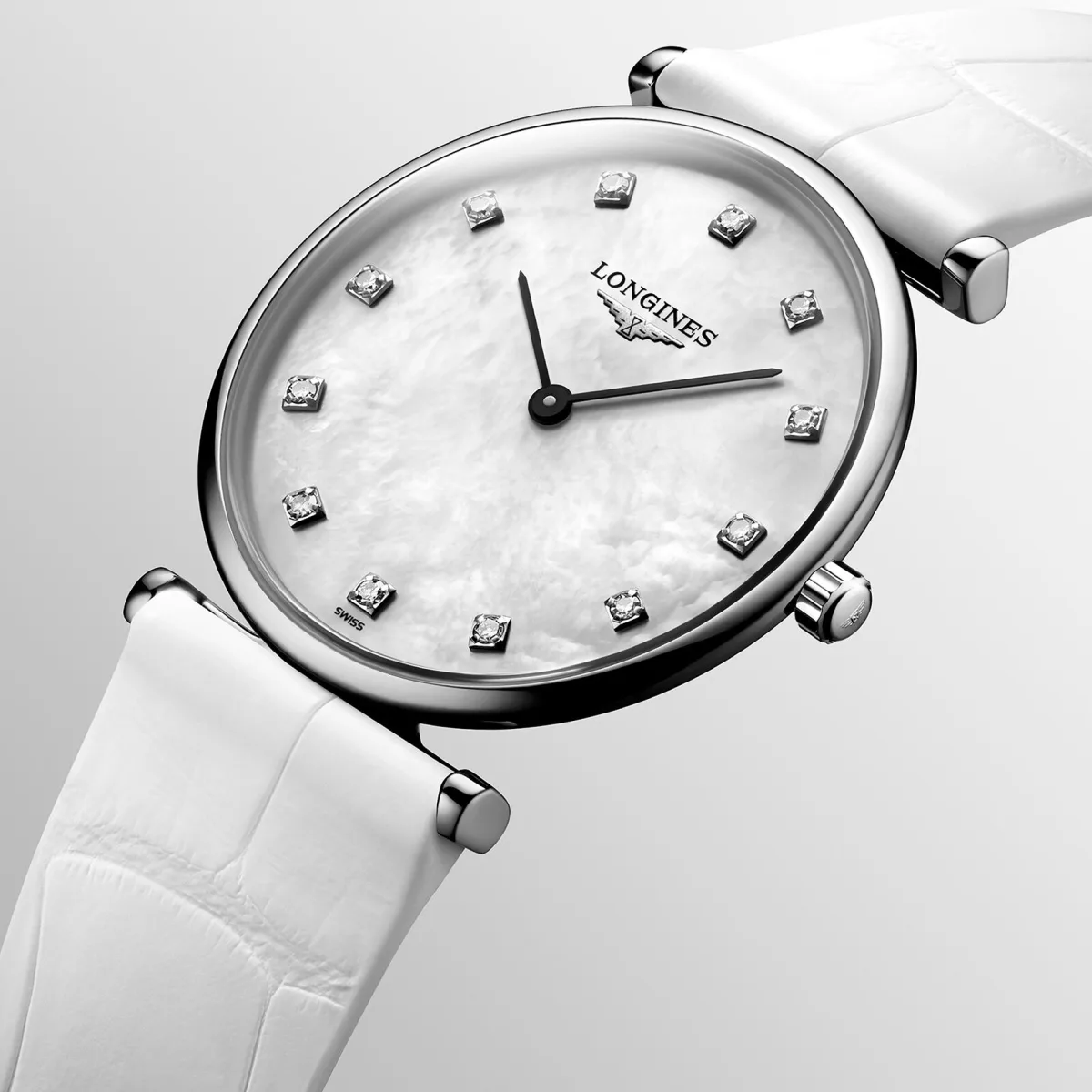
It was only recently, when a family friend asked me what I thought about the Longines La Grande Classique, that I realized how outdated mother of pearl seems. The discussion was about reference L4.709.2.88.7, a 33mm two-tone quartz watch (like the one in the photo above) with an iridescent white mother of pearl dial and 12 diamond dot indices. It wasn't the size, the two-tone case, or the quartz movement that seemed archaic, but the mother of pearl dial.
When I first started writing about watches in 2015, I remember distinctly thinking that most watches intended for women looked the same. They were practically copies of each other, differing in 30mm cases, white or pink mother of pearl dials, and diamond dot indices. Practically an exact copy of the aforementioned Longines La Grande Classique. They also predominantly featured quartz movements - not always, of course - but the choice of mechanical options was limited. This means that writing about the diversity of "men's" watches was always more interesting.
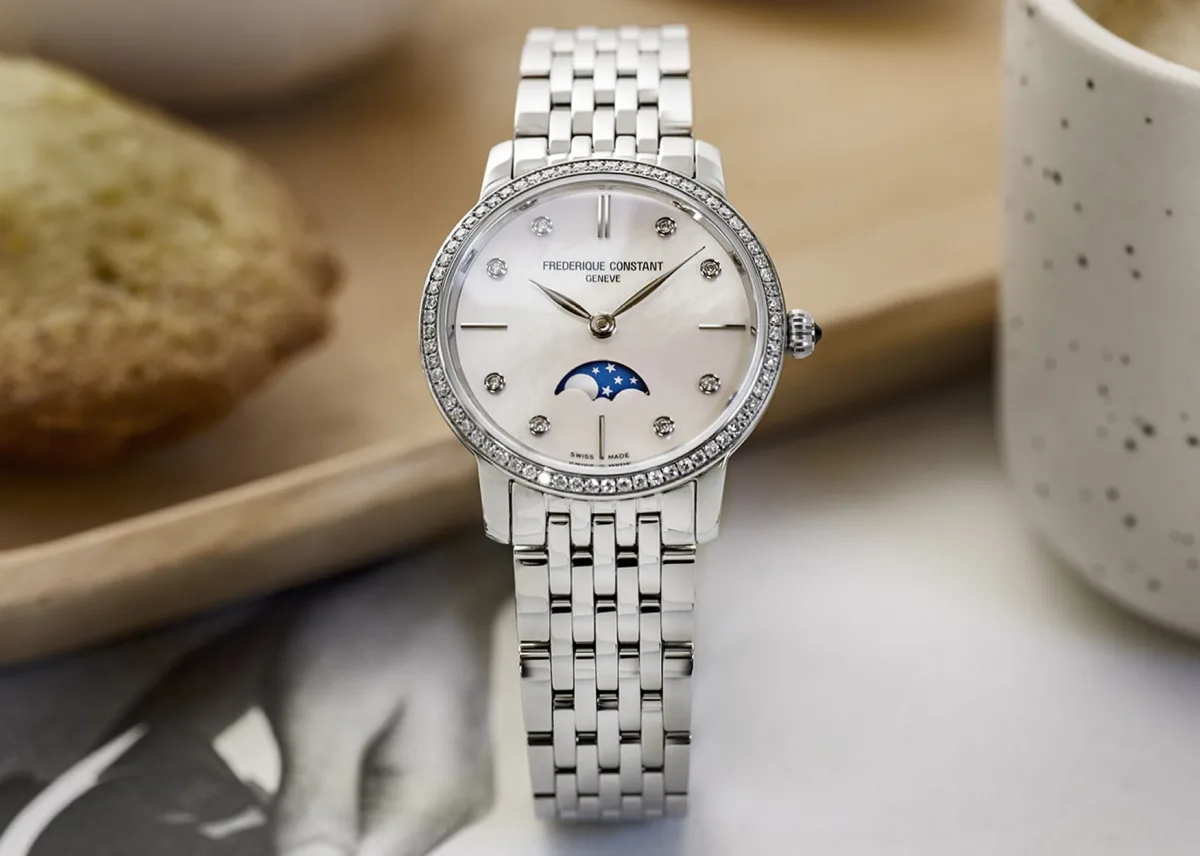
So, if there is an endless variety of mother of pearl dials on the market, does that mean we are tired of them? Possibly. People will always be attracted to shiny things, that's just how our brains are wired, but from the latest watch releases, it's clear that women's tastes are changing, and our love for shiny things is shifting from mother of pearl to other types of dial finishes.
Besides the fact that women are tired of seeing the same styles, we can also explain this by the fact that they are buying more watches for themselves. Recently, Audemars Piguet reported that the number of women buying watches for themselves will increase to 30% by 2025 and to 40% by 2030, up from 23% in 2022 and 16% in 2021. The industry is starting to speak directly to women, as the number of female voices grows, so it makes sense that they choose the watches they want, rather than settling for small and sparkly jewelry pieces gifted by others.
No More Shrink-It-and-Pink-It Watches
For a long time, especially in the early 90s, women's watches ultimately represented reduced copies of men's watches with pink or diamond embellishments - hence the well-known phrase "shrink-it-and-pink-it." Fortunately, this is no longer the case, and watch brands have realized that women like to wear "big" watches, mechanical watches, and watches without diamonds and mother of pearl.
In the past five years, the likelihood of women buying watches with a case diameter over 40mm has increased by 25% (according to Chrono24 sales department), and if you look at recent women's releases, such as the Breitling Chronomat Victoria Beckham collection, there isn't a single diamond or mother of pearl dial. The same can be said for the recently released lines of Longines Mini DolceVita and Hamilton Boulton Macaron. Once again, mother of pearl has been replaced by bright pastel dials and silver flinqué.
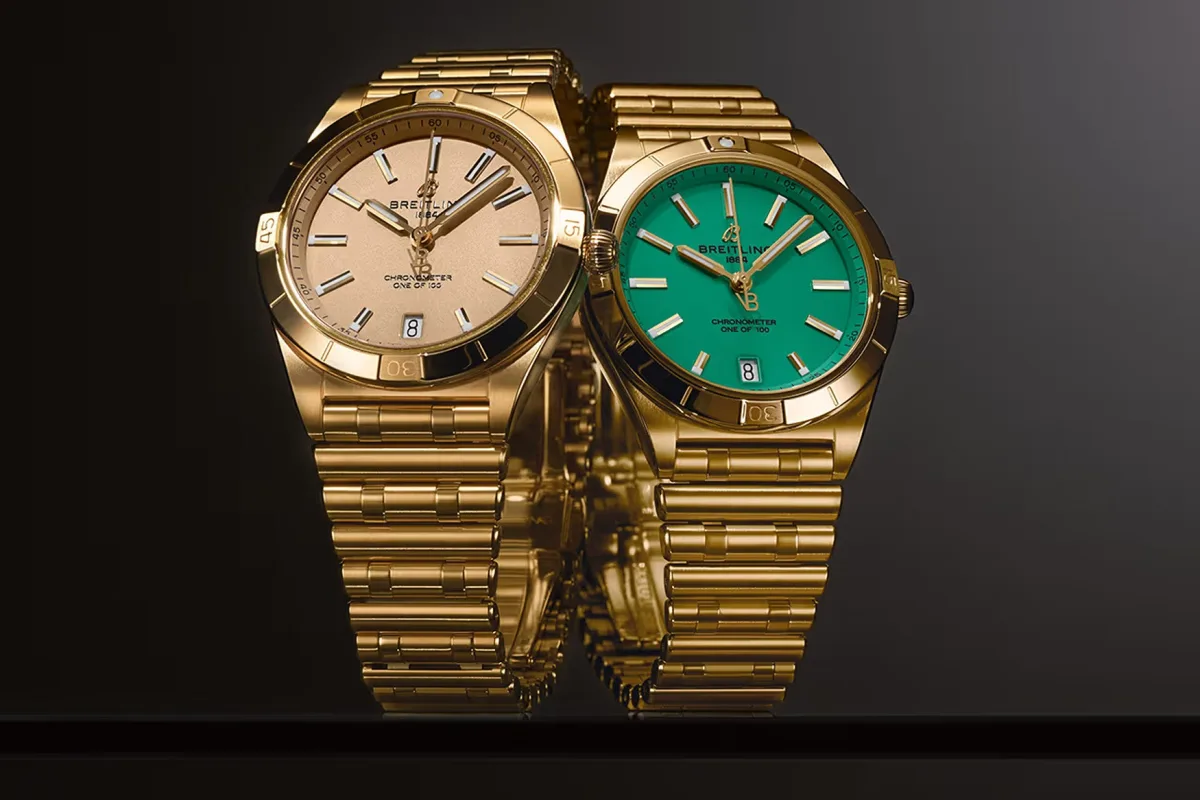
In recent years, we have seen a clear increase in the number of brightly colored dials. The popular Tiffany blue in 2023 is still present alongside bright pinks, reds, purples, greens, oranges, and other colors. Undoubtedly, this affects the popularity of mother of pearl. People are less afraid of bold expressions, and in turn, watch brands are becoming bolder in experimenting with more daring dial designs. This means that the often overused mother of pearl elements are temporarily taking a backseat.
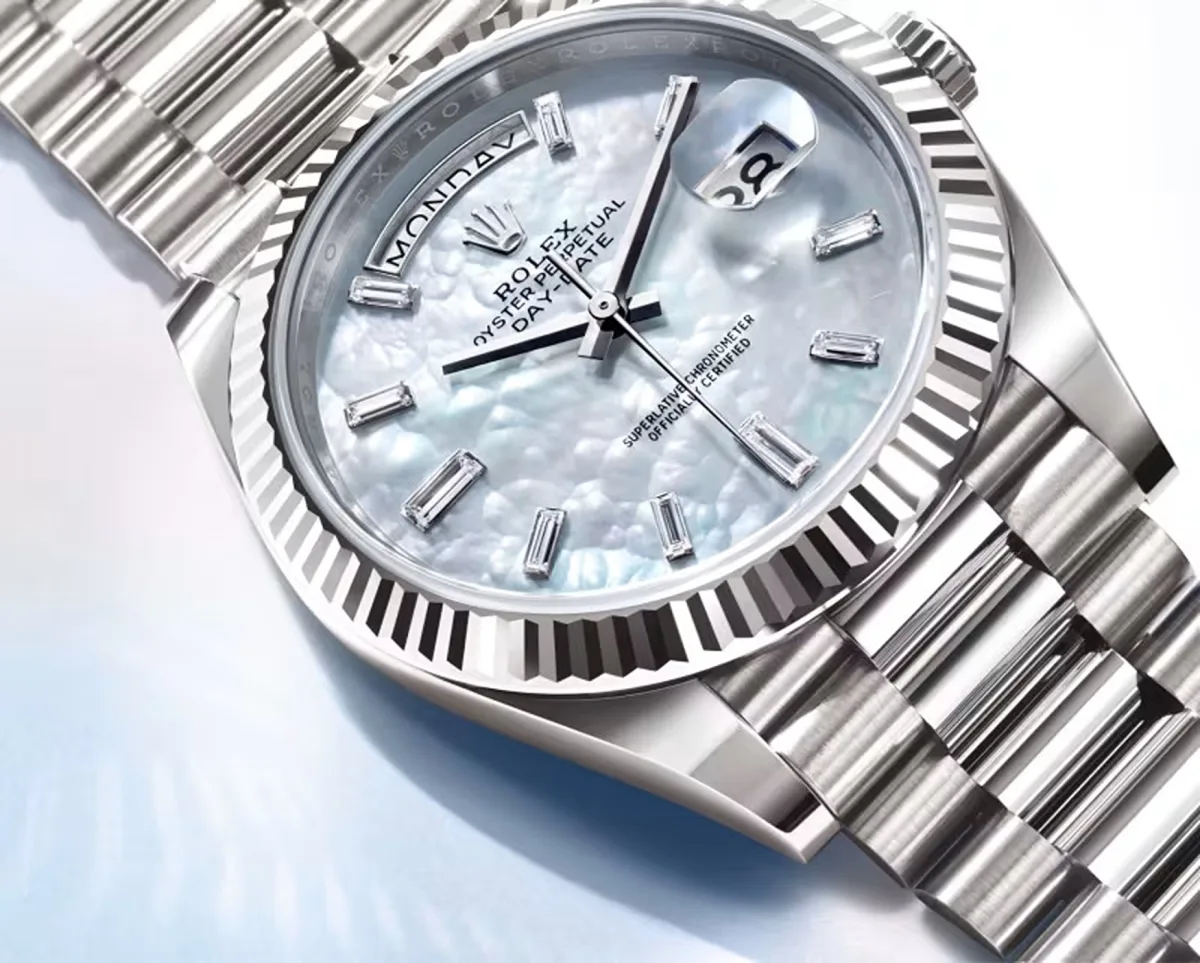
Take, for example, the recently released Rolex Day Date 40. The model in 18k white gold classically uses white mother of pearl across the dial alongside baguette-cut diamond indices. The iridescence of the mother of pearl pairs beautifully with the fluted bezel and Oyster bracelet, and as a bonus, the 40mm case diameter allows the watch to be worn on any wrist size. Rolex continued to use this extremely rich mother of pearl in the new Daytona models, once again choosing a versatile 40mm case size.
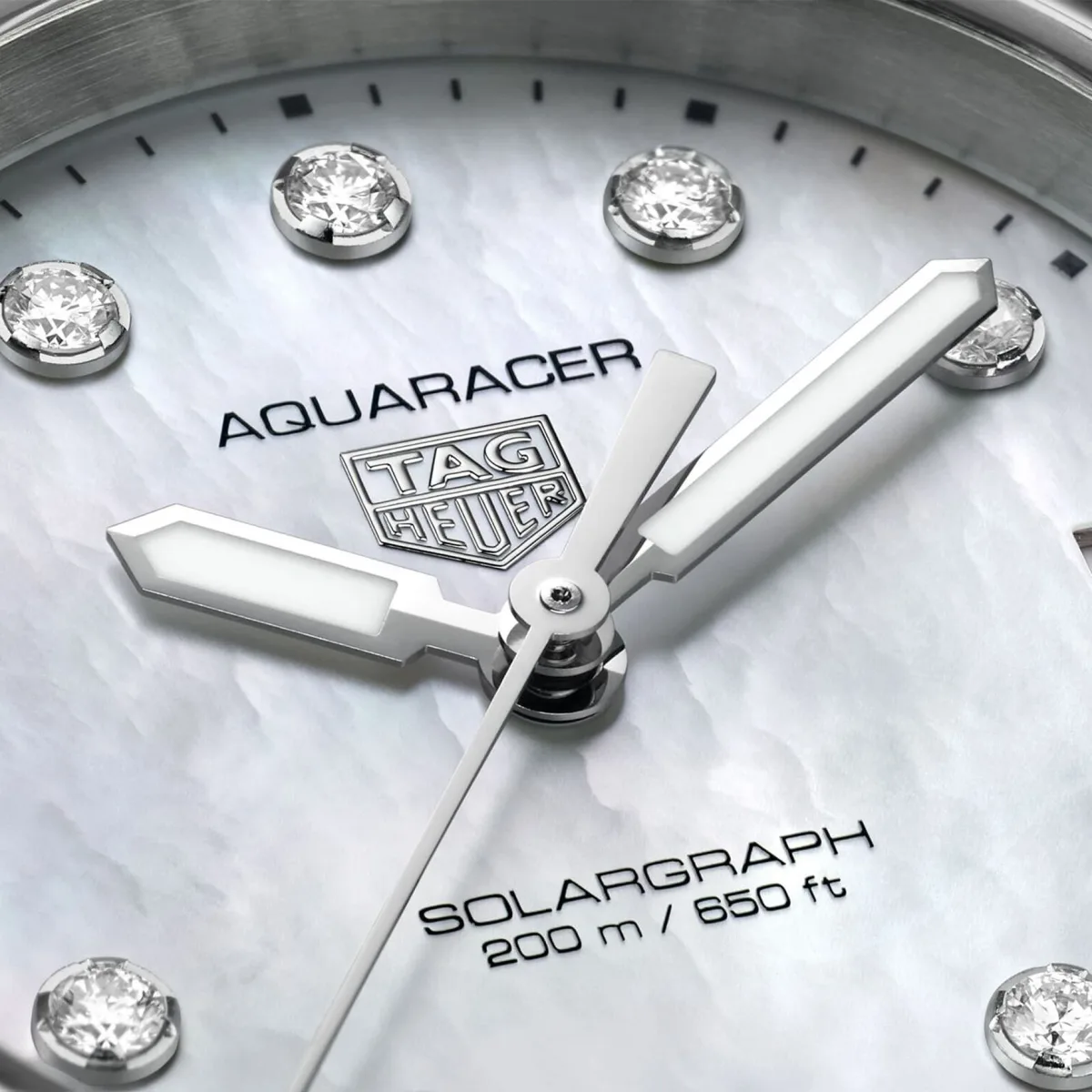
I must also commend TAG Heuer for the recent use of mother of pearl in the Aquaracer Solargraph 200 model. This material lends femininity to the sporty-inspired steel architecture, including the steel 60-minute bezel and the three-row bracelet. The TH50-01 solar battery is also a fun addition not often found in watches of up to 34mm.
While mother of pearl is clearly not going anywhere, I believe we will see less of this material in the coming years. Women want more than just small pink watches that serve as jewelry. More of us are enjoying the complexity of traditional mechanical manufacturing and want bolder, brighter colors and styles that represent us as watch owners.