First and foremost, an important warning: fake watches are bad, and I do not recommend, advise, or endorse their purchase, ownership, or even consideration.
The world of watches is full of amazing mechanisms at every price point from reputable brands. I have never bought or owned a fake watch and do not intend to start. The piece in question was acquired by an owner of several luxury watches of different brands, who was curious about the current state and quality of fakes, as well as the "service" behind them. I suggested he destroy this model after the evaluation - until then, I borrowed it and returned it.
I have wanted to write such an article for a long time. At least several years. Perhaps the word "wanted" is not quite right, but the decline in the quality of original luxury watches and the relentless rise in the quality of fakes have been increasingly on my mind. I have been closely monitoring the quality of the latest original models by attending Watches & Wonders and other presentations. In a way, I have already expressed my opinion on the mediocre, unimpressive quality and value propositions of many modern luxury watches in my recent article Grinding Gears.
However, the topic of fakes remained out of my focus - until now. As Swiss brands - not Rolex, but many others - quietly move production overseas, the manufacturing expertise also departs, allowing counterfeiters to come disturbingly close to the original. How serious is this problem, how did we get here, and what should be done next? This is what the article will discuss.
The Main Issue
Alongside my growing concern about the declining quality and reduction of details in watches priced from $5,000 to $40,000, I increasingly saw on YouTube how the quality of fake watches was significantly improving year by year. On one graph, you could draw two lines: one - downward (quality of originals), the other - upward (quality of fakes). Although they have not yet intersected, the "actual quality" and "perceived quality" of fakes are already alarmingly close to the originals.
Of course, the luxury watch industry has survived several crises, and I do not want to make loud statements like "AAA-class fakes will destroy the luxury watch industry!!!" Nevertheless, even the thought should cause serious concerns. At least, I have them. Perhaps you do too, regardless of whether you are a collector, a casual buyer, an enthusiast, or an industry professional.
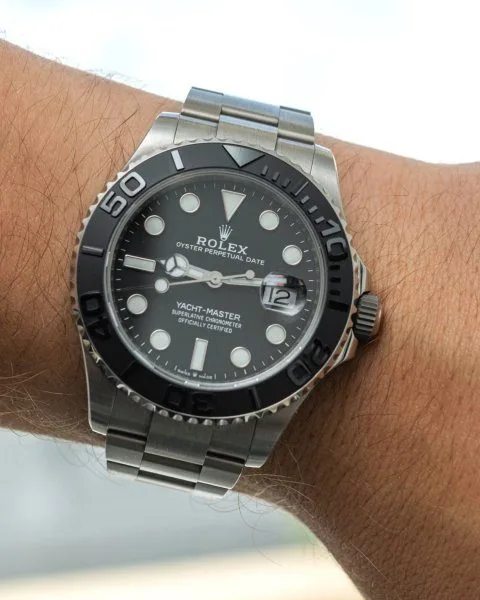
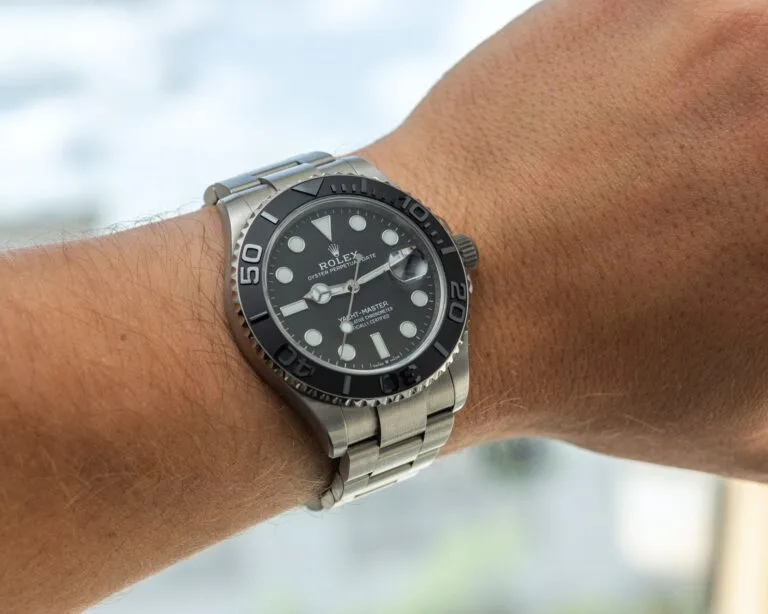
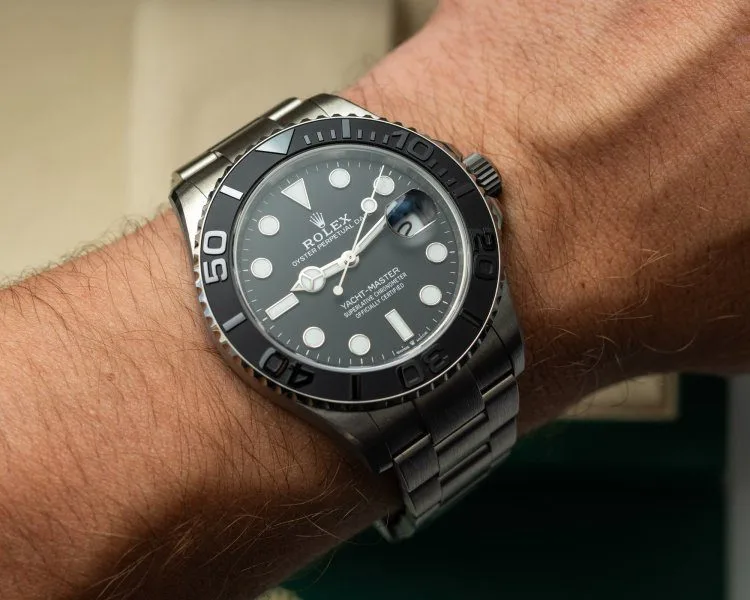
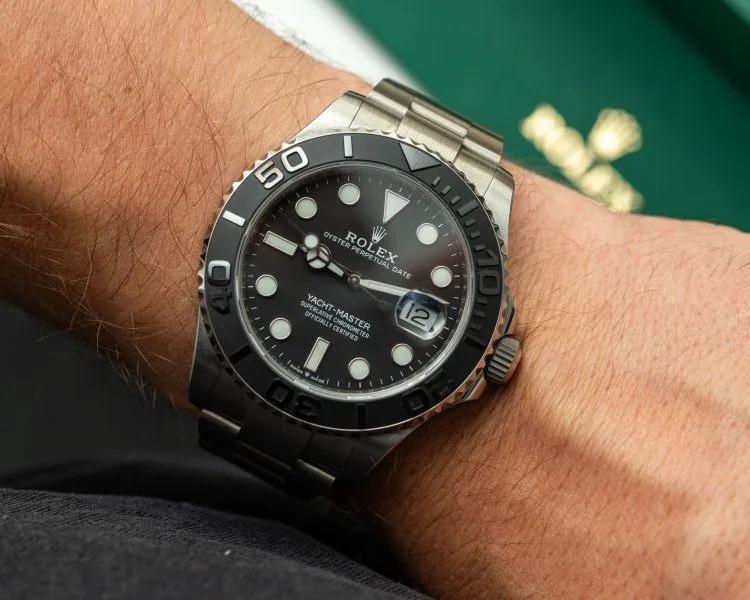
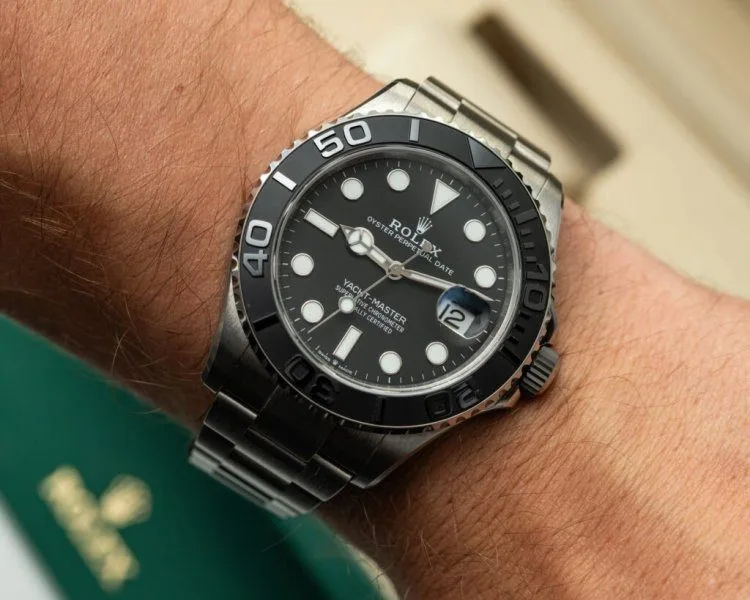
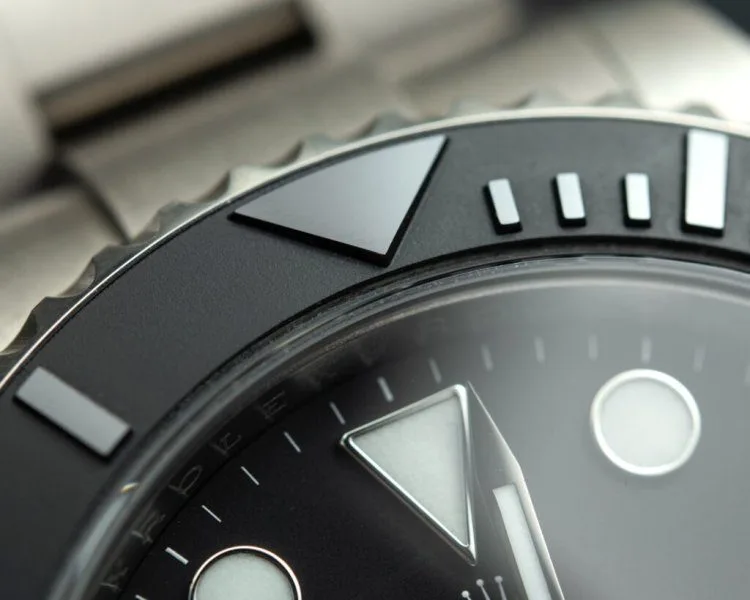
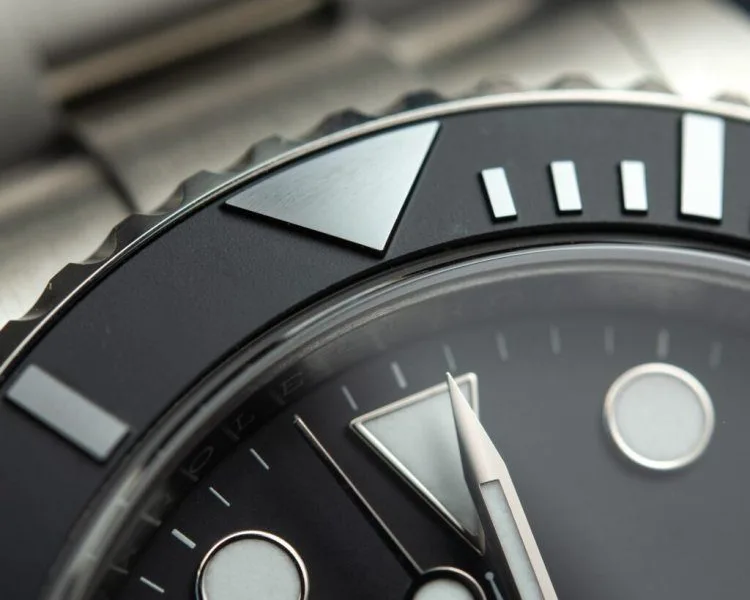
Initially, I wanted to label the photos as "FAKE" and "ORIGINAL". Then I decided not to. Try to distinguish them yourself if you can. Sometimes you will succeed, sometimes - unlikely.
What Has Changed
Until the mid-2010s, fakes were the subject of ridicule, even "AAA" level. Instagram "stars" were often caught with fake watches trying to impress. What changed? Over time, to prove the watches were fake, photographers had to zoom in closer. Remember the times of "cast iron" fakes, when "ROLEX" was printed on the dial in a terrible font that was never in original collections? Such, of course, still exist...
However, modern fakes are so good that they can fool even experienced sellers of a particular brand, not to mention ordinary buyers. There's a legend that a group of three or four well-dressed people would enter an official dealer's boutique, creating a commotion with numerous fittings and long conversations, and in the midst of this, they would exchange fake watches for the original ones they had previously picked out and leave. When I heard this, I thought: "What if someone buys a fake at full price from an official dealer, and the truth is only discovered 5-10 years later during service or resale?"
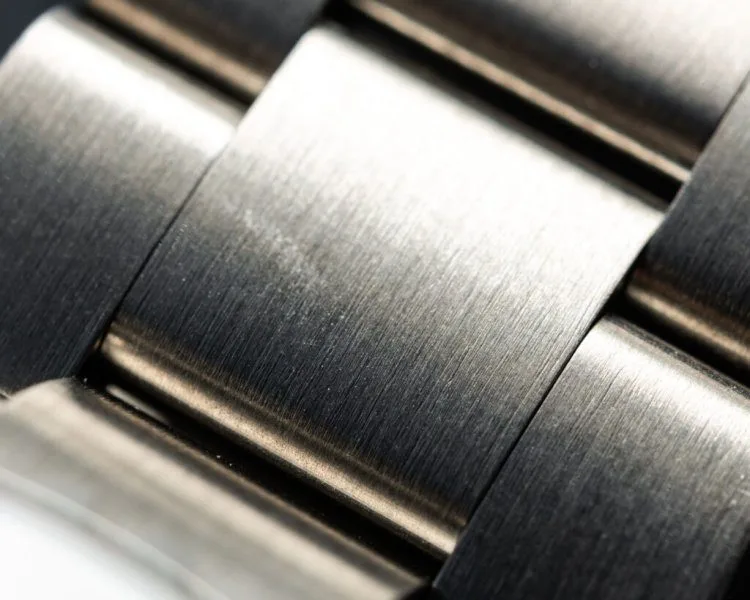
For many years, I could identify a fake, even expensive watches, by two details. The most common problem - sapphire glass. Even if it was made of genuine, almost scratch-resistant material, it somehow always reflected light incorrectly. Either the outer or inner surface was too reflective, or the shape was too convex (rarely - too flat) compared to the original. In any case, the glasses were and remain a bottleneck. If not the glass, then the finish of the case, bezel, or bracelet. Original watches always had a special shine and texture different from fakes and cheap models.
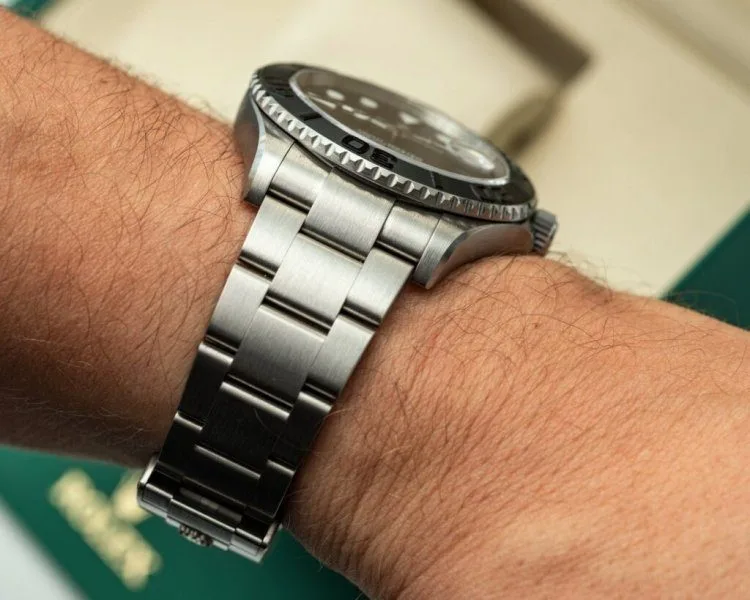
The depth of shine, the clarity of the finish, the precision of the chamfers, and the overall level of finishing created an impression that was clearly superior to everything that was lower in level - including fakes. Over 8 years at WatchTested, I've taken and processed hundreds of thousands of macro shots of watches and movements, examining over 10,000 pieces. This gives me an "unfair advantage" in identifying fakes from a distance by their shine and quality. It also helps assess the decline in original quality, but that's another topic.
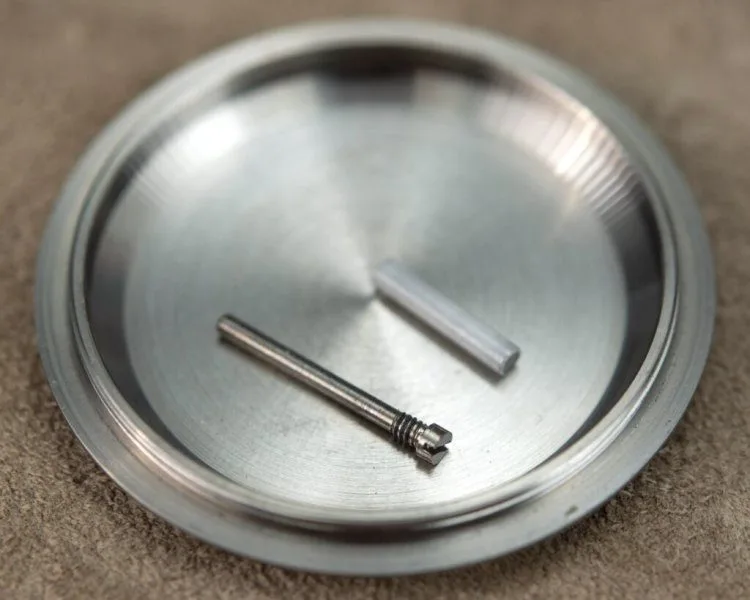
The fake even includes ceramic inserts that Rolex introduced in 2015 to prevent the stretching of precious metal bracelets. For titanium, the problem is not stretching but "seizing" of the links.
Betrayal
A sharp turning point occurred when major Swiss brands - both inside and outside luxury conglomerates - accelerated and deepened the outsourcing of production abroad. Why do I and others not name specific brands? Because it's practically impossible to prove (especially the scale of the problem). And I don't want to finance and participate in legal proceedings in Switzerland. It can be said with certainty that Rolex was not involved in this and produces watches entirely in Switzerland - although I'm not sure about sapphire glasses and Oystersteel.
It can be said that major brands have outsourced a significant part of production - cases, bezels, bracelets, dials, clasps, almost everything you can touch - to factories far outside Switzerland. This became possible thanks to very liberal "Swiss Made" legislation, allowing companies to obtain this mark through clever accounting, even if everything you see and touch is made in Asia. One brand after another, one category of components after another. Car manufacturers did similar things, although they were forced by rules for selling in China. Over the past five years, Chinese cars have made huge technological leaps, facilitated by European companies transferring manufacturing technologies to this region.
Perhaps a similar thing happened with watches. To think that by transferring the production of cases, bracelets, bezels, and dials to countries thousands of kilometers away, the Swiss maintained full control over the process - that's naivety. For me, it looks like a betrayal of both Swiss manufacturing integrity and customer trust.
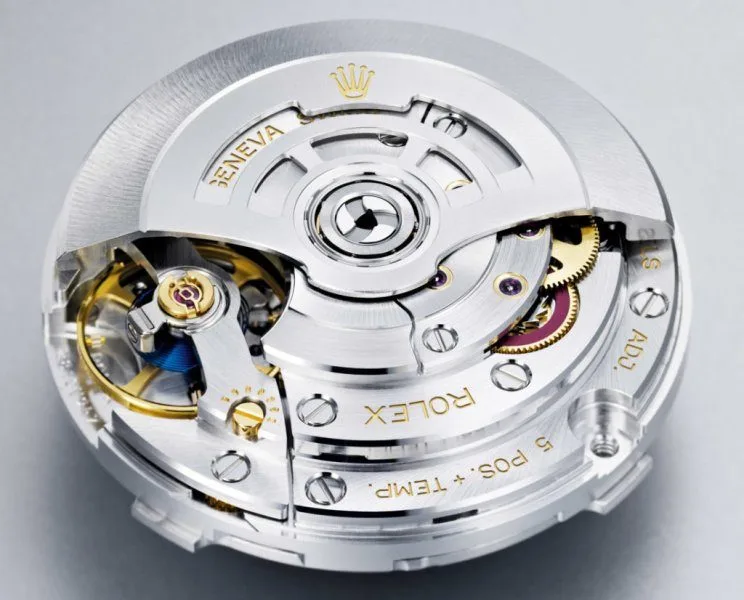
Like you, I am also a buyer, and I find it unpleasant to think that the watches I want to buy might contain key components made outside Switzerland. These devices are already expensive enough - especially after recent price hikes - for all parts to be made by Swiss craftsmen, not in factories near where my smartphone is made.
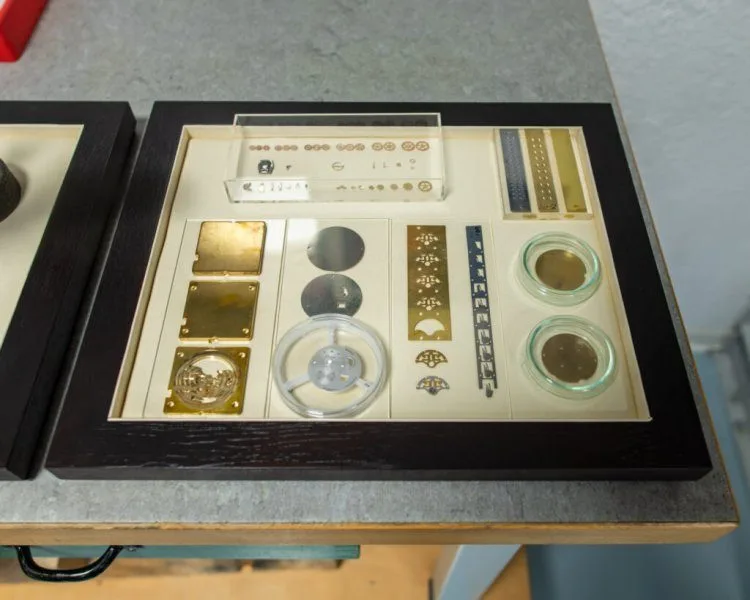
When watches are made in-house, brands usually announce it. Maybe not always and not to everyone, but in 95% of cases - yes. Be cautious with companies that don't say anything about the origin of key components.
For me, it's precisely a betrayal - the outsourcing of any part of watches costing over $3,000. And to think that the original equipment manufacturer (OEM), which makes parts for a brand, will not use or distribute the technologies it now has - that's either stupidity or carelessness. More likely the latter. Over the past 15 years, the focus has shifted from product quality to the brand, and luxury brands are confident that the right to put their name on the dial and clasp will attract buyers, even if the watches are made abroad and cost insanely high.
"Exclusive right"? Everyone in Switzerland has long known that there are factories that understand: rights and laws apply only to the extent that they can be enforced. Even the wealthiest and most influential conglomerates cannot fully protect their brands and logos. For the buyer of the fake in question, from idea to receiving the watch took less than five days - and the delivery was not from afar but from Europe.
I'm shocked that the Swiss Watch Federation's (FH) calls to "Stop counterfeits!" didn't stop the counterfeits!
For a newcomer to this system, it sounds too fast and simple. Of course, he had bought luxury watches before, but the experience of buying fakes was new to him. And yet from "idea" to "watch in hand" took five days. The FH Federation has had a section "STOP THE FAKES!" on its outdated website for a long time, featuring an old photo of a roller destroying, presumably, fake watches. The last FH document on this topic is a PDF with 2017 data, published in 2019.
This indicates how aware the Swiss are of the counterfeit problem and how important they consider the product, the quality and innovation of which have significantly increased since 2017 or 2019.
I myself searched for and studied the OECD report "Mapping Global Trade in Fakes 2025: Global Trends and Enforcement Challenges". It states: "In terms of the value of seized goods, counterfeit watches and footwear lead - 23% and 15% of the total value seized, respectively. In the 2017-2019 period, watches (25%) and leather goods (17%) accounted for the largest share of global seized value. These data highlight the persistent interest of counterfeiters in high-value goods with demand in a narrow range of categories." Who would have thought?
The Real Quality of Fake Watches for €500
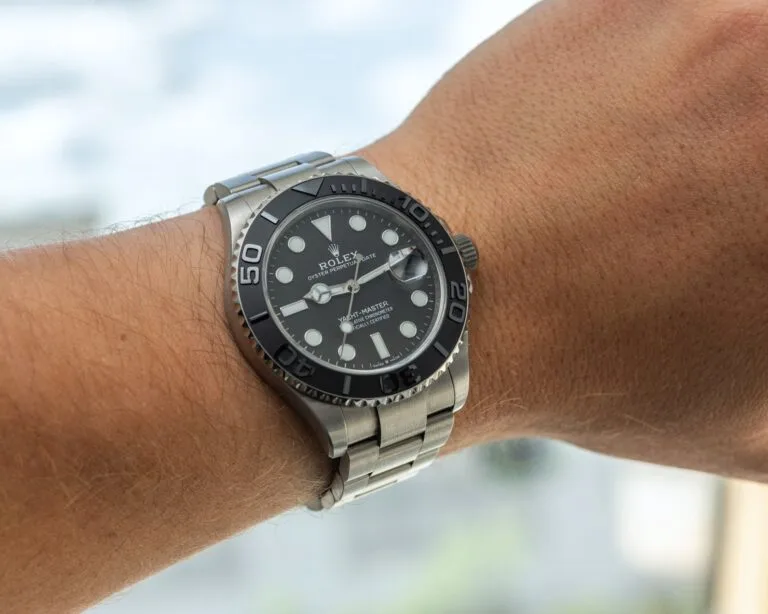
The watch I borrowed and wore for a week is a fake Rolex Oyster Perpetual Yacht-Master 42 in RLX Titanium (Rolex model 226627). Honestly, if I had chosen a fake to assess quality, I would have chosen a steel model, as steel Rolex watches are 50-100 times more common and popular than this titanium RLX. This reference is so rare that it is almost impossible to find even three years after its release. For comparison, there are three times more Panda Daytona examples for sale on Chrono24, released the same year.
For me, these watches do not look like a luxury item costing $16,050.
Nevertheless, it's a titanium model. And I'm grateful for this opportunity because it helped highlight the most important factor that can help the Swiss fight against counterfeiters. But first - how does this fake costing $580 feel? It's funny because the Rolex Yacht-Master 42 (226627) is my least favorite new Rolex in a long time. The proportions are off, and the original seems cheap. I had to really stretch my imagination to feel the indestructibility that is a hallmark of other Rolex models. Perhaps except for models on the Oysterflex elastomer.
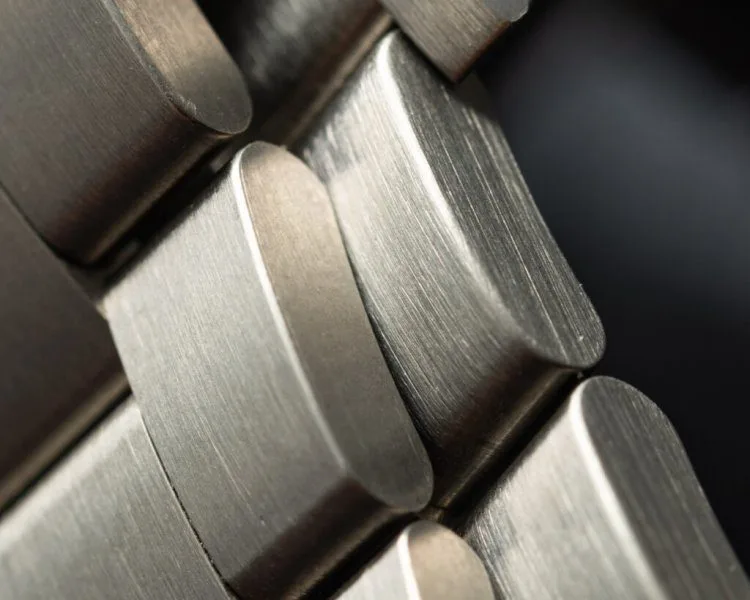
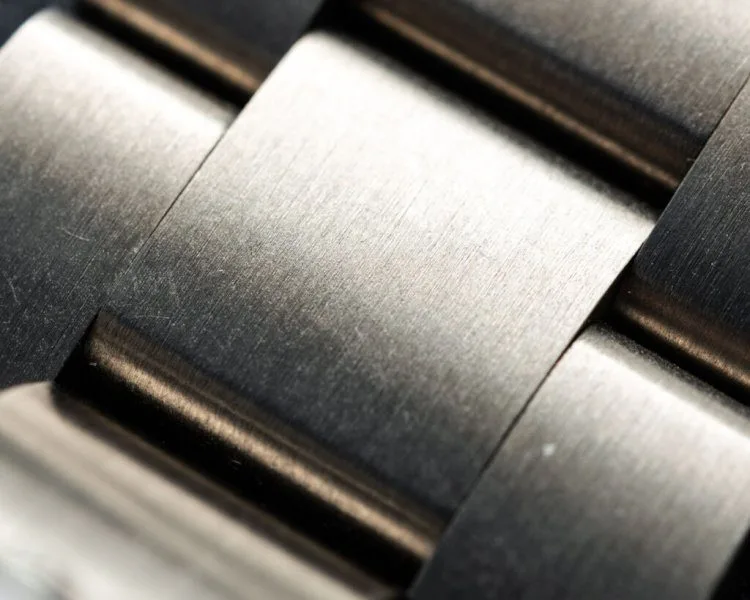
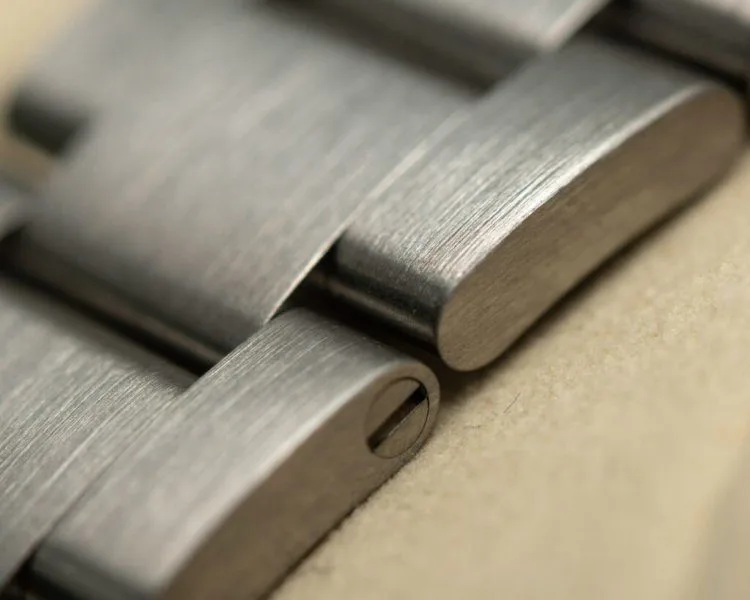
I personally dealt with the Deepsea Challenge - the first model with RLX Titanium - and was not impressed. The surface was rough, like uncooked pasta, and the edges of the bracelet links looked terrible (see photo below). Amazingly rough finishing for a $26,000 watch. And no, the status of "reliable deep-sea watch" does not justify such work.
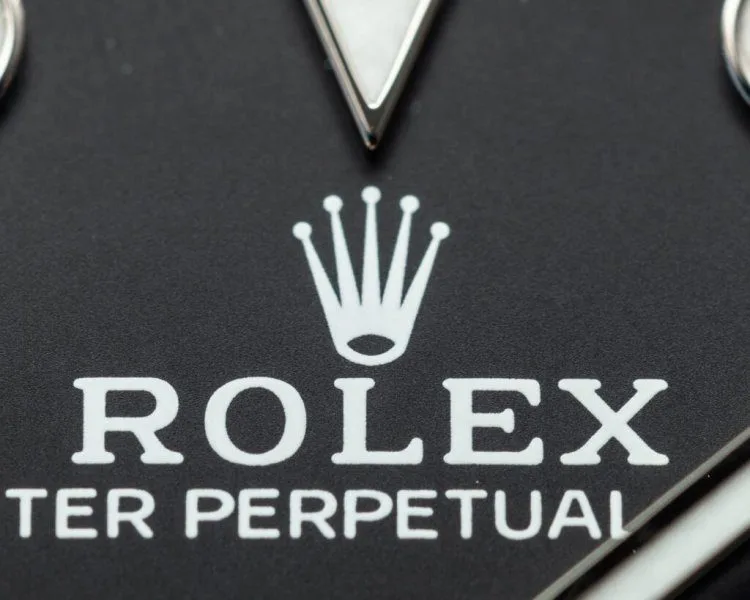
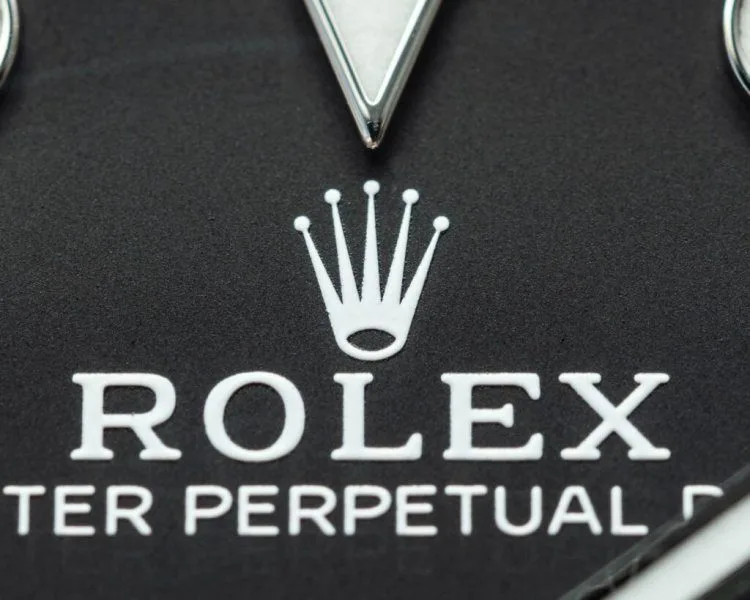
Both models look almost equally bad. Neither looks like an expensive piece of high craftsmanship.
The irony is that this "unique" finish highlights the importance of developing and protecting proprietary manufacturing technologies (including surface treatments) in the fight against counterfeits. Here's a list of details this $580 fake Rolex reproduced correctly:
- Dial completely
- Bezel completely
- Overall shape of the case and bracelet
- Flexibility and feel of the bracelet, about 95% of the feel and sound when rotating the bezel
- Ceramic inserts in the links, developed by Rolex to prevent "seizing"
- Easylink extension system mechanism
- 90% work of the double clasp Oysterlock
- Luminous compound (lume)
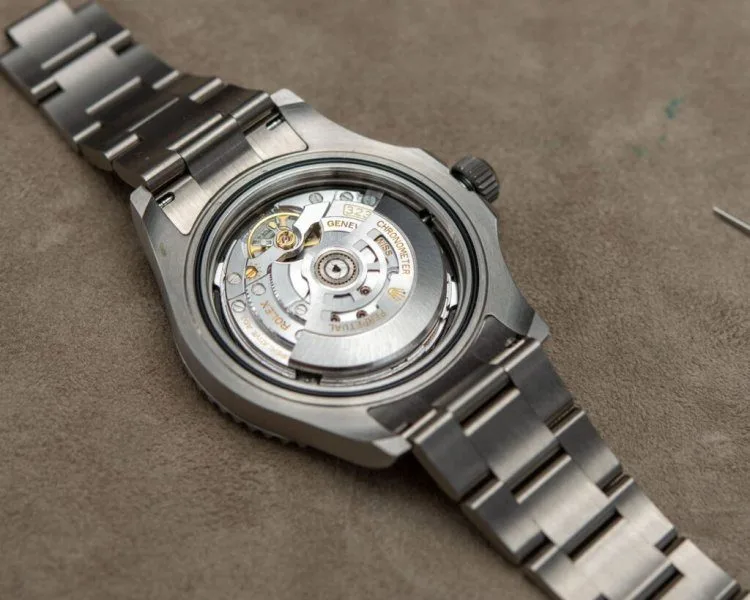
- Case back
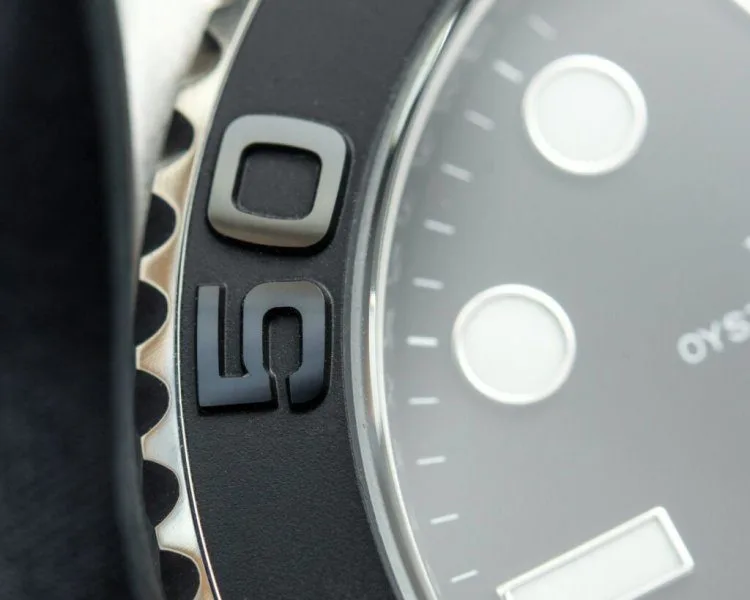
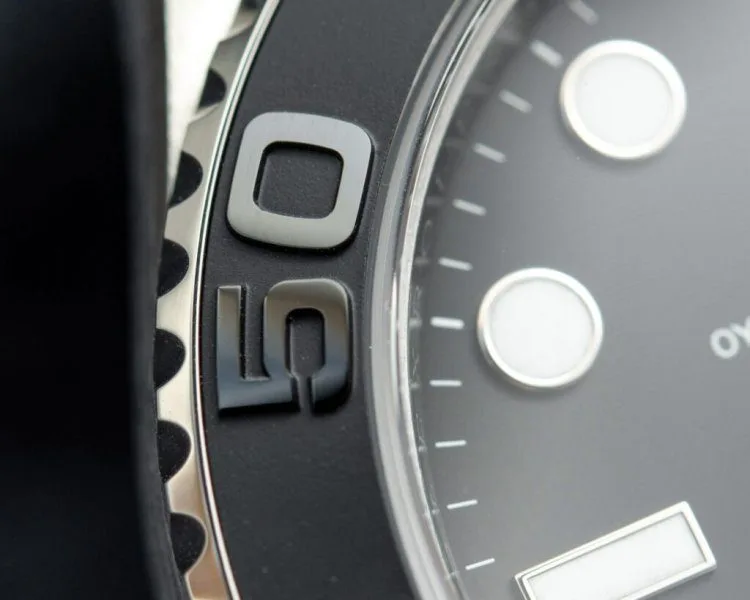
And the List of Errors:
- Titanium finish differs from the original Rolex
- Lower edges of the case feel sharp
- Surfaces and markings inside the clasp look bad, and the applied crown is poorly executed
- Laser engraving of the crown on the sapphire glass is blurry and poorly visible
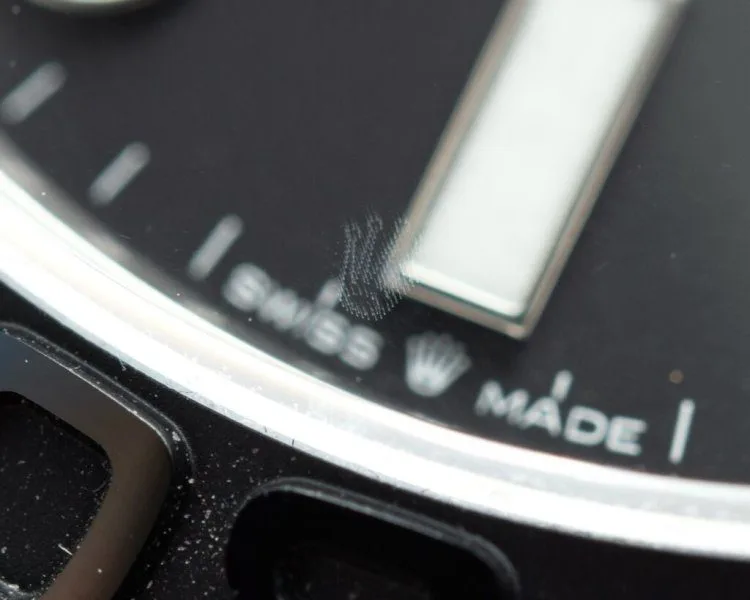
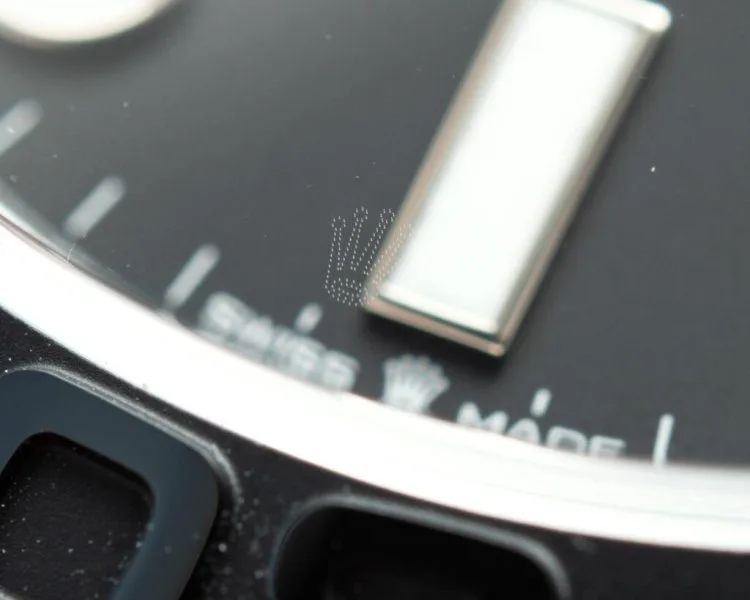
As you can see, the number of correct and erroneous details is shocking, and the importance of some of them is significant. Laser engraving is not a critical detail, its absence or blurriness is found in originals as well. But poor clasp finishing is a serious minus. All these shortcomings are in a model with low demand, which is not worth perfecting.
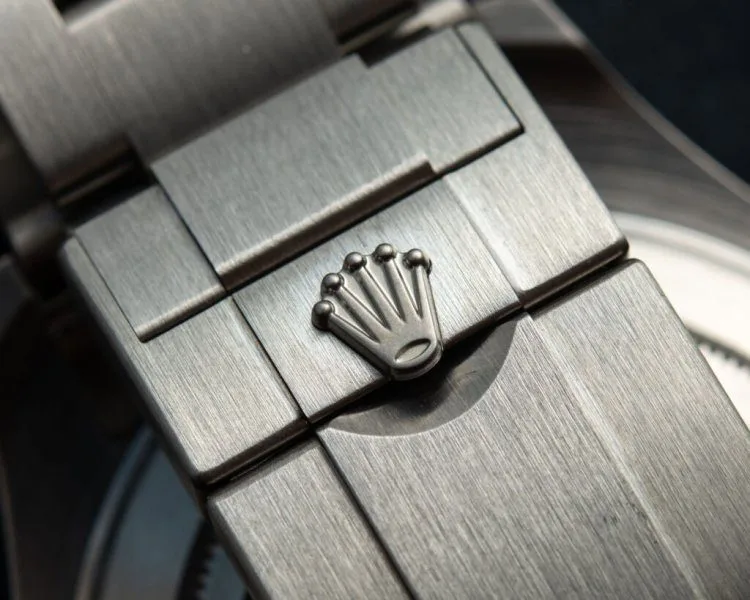
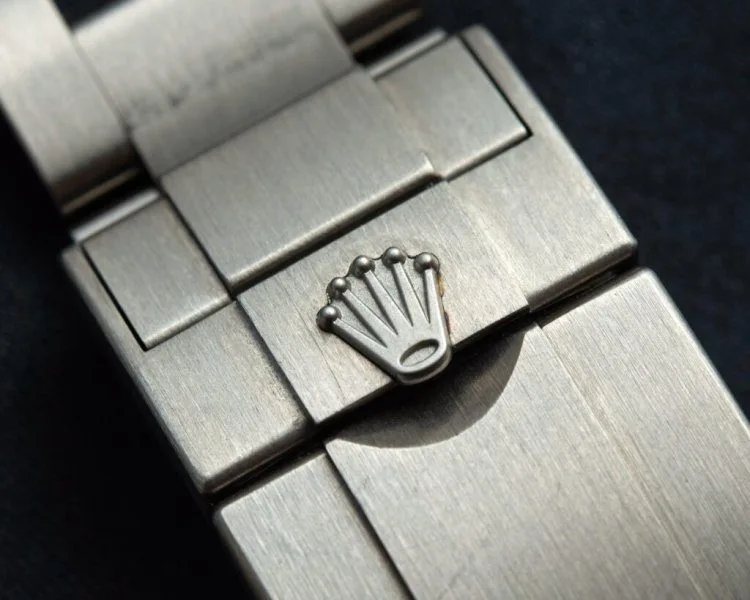
Again, this shows that the only thing the counterfeiter gave up on is the titanium finish. Rolex developed unique, albeit controversial, ways of finishing titanium. Almost all titanium watches, except for Grand Seiko and ultra-luxury ones like Chopard, De Bethune, Ferdinand Berthoud, have a similar texture and shine - satin, smoother than RLX Titanium.
The fake looks and feels like regular titanium diver watches costing $800-1500 (the Yacht-Master is not a full-fledged diver as it lacks a unidirectional bezel and clear depth gauge markings), which are likely produced abroad but meet the "Swiss Made" criteria thanks to Swiss brands' contracts with OEMs. Counterfeiters simply took these technologies and applied them to create an appearance identical to the originals.
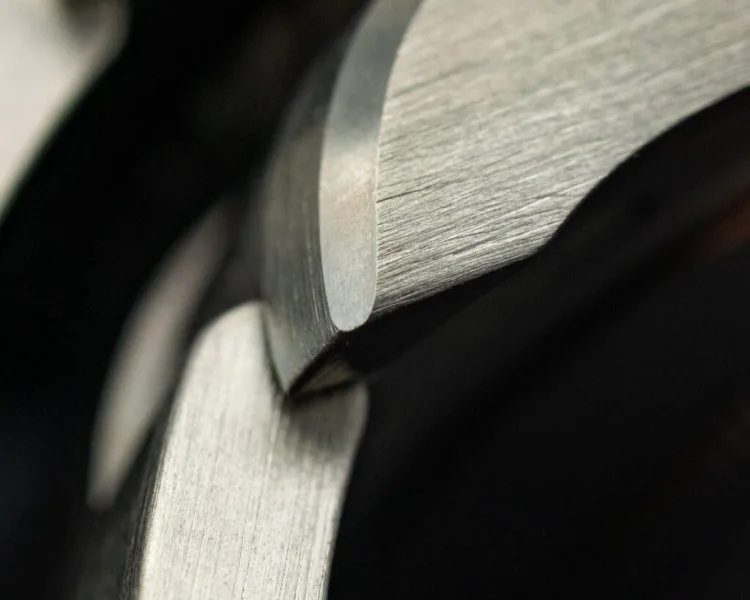
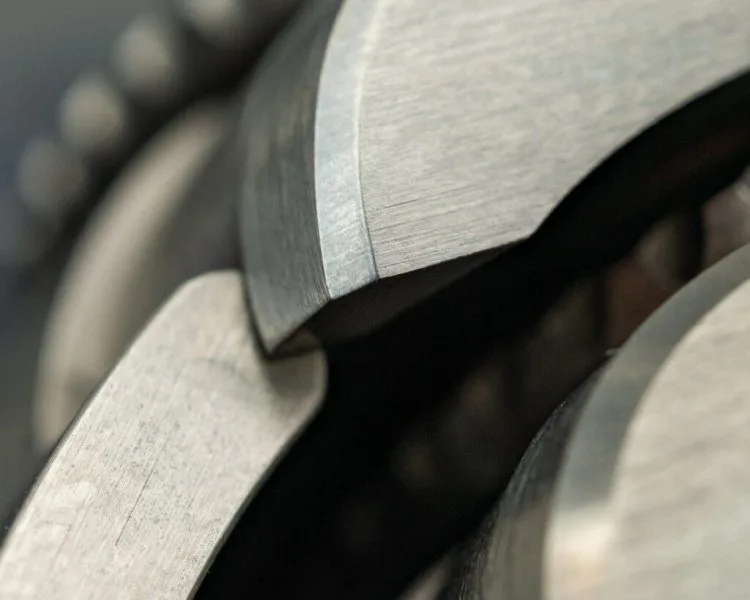
Surprisingly, the original offers not a drop more refinement. Look at the sloppy chamfers and rough signature finish.
Unlike the fake, they would have to reverse-engineer the unique Rolex finish, which is likely either unprofitable or impossible. Even if they tried, they probably wouldn't succeed. And given the low demand for this model, they simply shouldn't waste their efforts. I had a $90 (not 900) clone of the Addiesdive Explorer I (not quite a fake), and the bracelet and case finishing was just incredible. With time and demand, OEMs find a way to get close to the original - and do it for a fraction of the cost.
Personal Thoughts on the Counterfeit Market and Fake Watches
I have always had some irony towards those who boast about buying and wearing fake watches: "Look how I fool all the fools who bought the real ones!" My response: if you walk into a room where 7 people are wearing real Rolexes (and other luxury brands), and you are the only one with a fake, you won't impress anyone. You are the fool. In my experience, a fake watch doesn't match the rest of the image - clothes, manners, conversations.
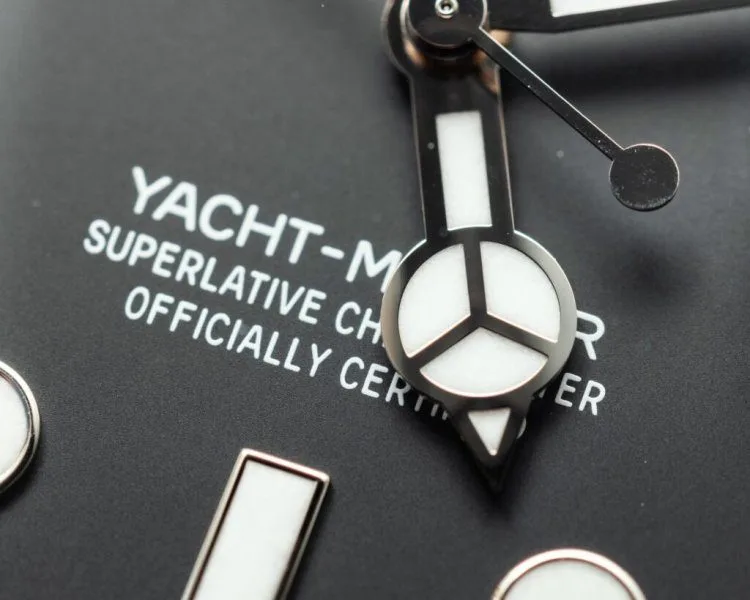
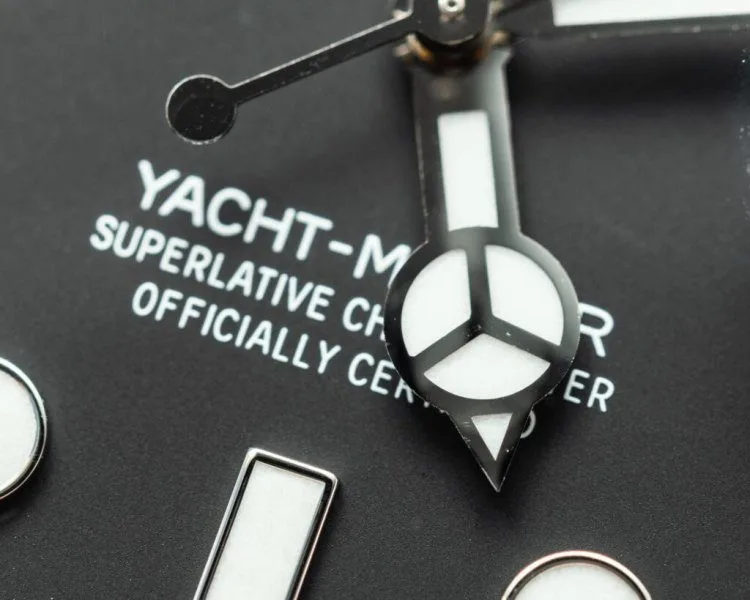
How to distinguish the original? Only the second hand is out of rhythm - the hour hand is fine.
In a room with 7 people wearing luxury watches, you'll be "spotted" immediately for wearing a fake. An atmosphere of distrust arises, and everyone will know who the fraud is. It's impossible to maintain the illusion of a "genius" fooling people with real watches. And I'm not talking about gatherings of watch enthusiasts, but about people who understand watches about as well as they do cars or yachts - not very well, but they have real things, and you don't.
You can win this "game" with original watches.
A fake is a lie. A lie to others and yourself. It destroys the joy and process of collecting, success, and achieving goals. The positive moment: there's nothing wrong with $90 watches. I have some of the most wonderful and interesting $90 watches I've worn and (reluctantly) impressed people with six-figure price tags. Want to look smart? Buy a real $90 watch with real diamonds. You can win this game, but only with the original.
Conclusion
I promised to avoid sensationalism and be as honest as possible. What do I want you to take away from this article? A few thoughts.
If buyers (meaning you) stop focusing on the brand and start valuing the price-to-quality ratio, and counterfeiters find a way to create their own brands, the luxury watch industry could be at risk. These are big "ifs," but they reflect the dismal state of the expensive Swiss industry, where fakes have grown from laughable "AAA" to such quality that even experts can't always tell them apart without a magnifying glass. Previously, it was possible from 18 meters.
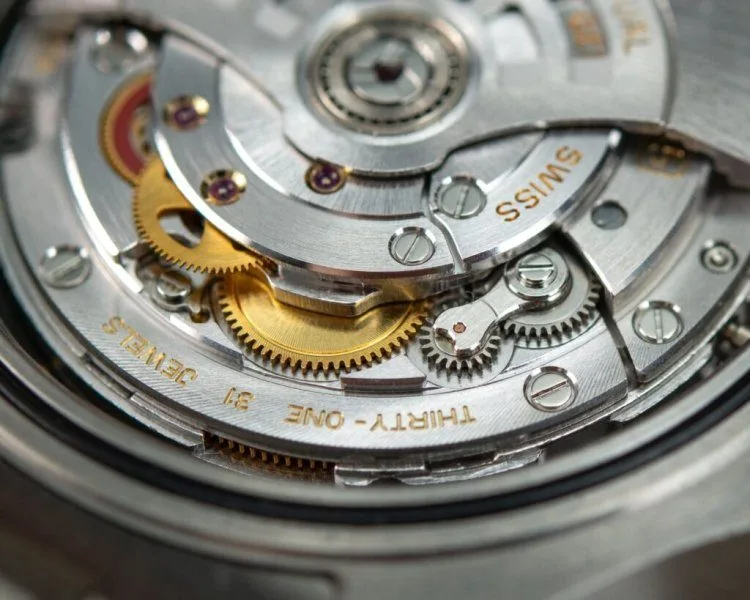
Distorted screws remain a characteristic feature of fake movements.
Secondly, we should all wish success to original products and the failure of those who steal and copy. But the world is harsh: the weak fall, and the strong, unscrupulous, and ruthless win. If the Swiss continue to lower quality and raise prices, it will be hard for them to look like victims. There's a chance that over time the lines of quality between originals and fakes will intersect, and fakes will become practically indistinguishable from originals - at 1/20 of the price.
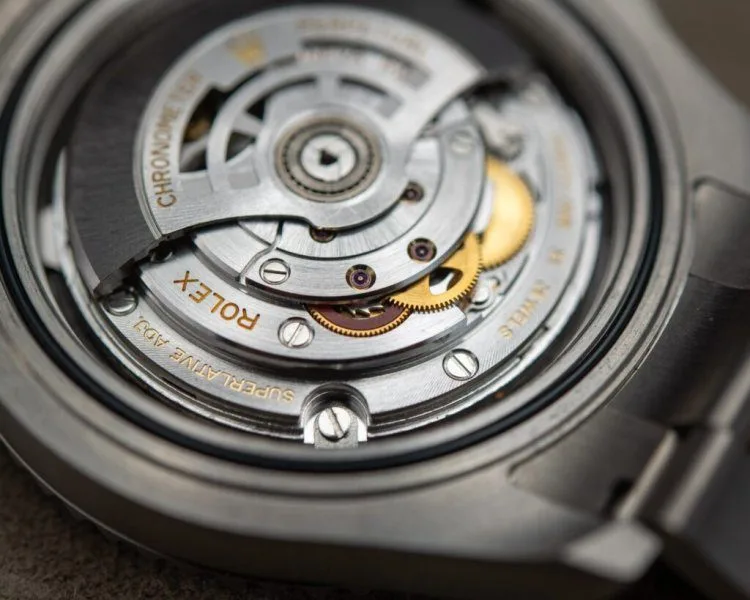
Finally, there's nothing better than working hard and rewarding yourself with an original. There's nothing better than wearing the result of meticulous craftsmanship. But I understand that part of the pleasure is lost when distinguishing a fake (even on a "star's" wrist) from your watch requires magnifying glasses. Marketing, a chic boutique, and the thought "I have the real one" won't help long in such cognitive dissonance. You've worked hard to buy these watches - and Swiss brands should make an effort to restore the gap between the original and the fake with unique and high-quality parts made in Switzerland, not somewhere far away.
Until that happens, always choose real watches. It doesn't matter if they're cheap or expensive, made by big brands or small ones. The world of real watches is an amazing place from $90 to infinity. Remember: you can win the watch collecting game and beat the system, but only with original watches.