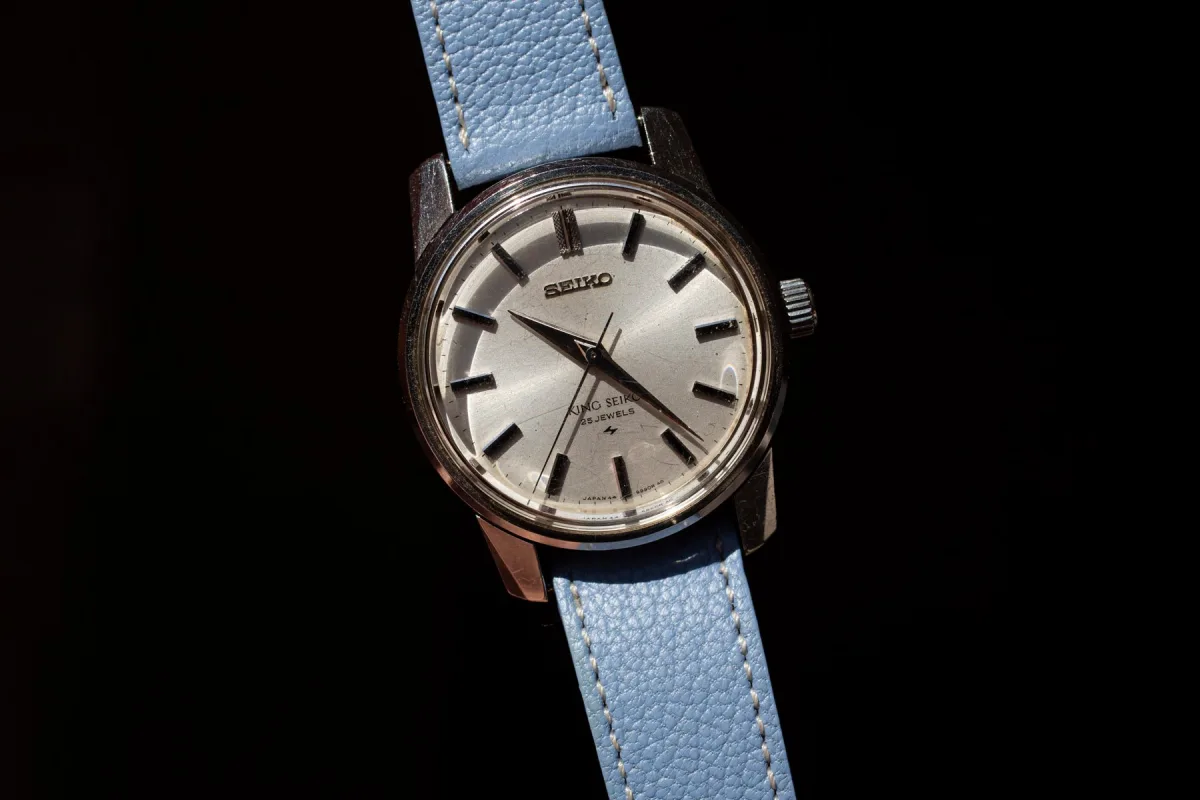
Vintage King Seiko watches present a fantastic opportunity to acquire affordable options that reflect superior watchmaking quality.
The King Seiko 44-9990 model, also known as 44KS, is one such example.
Recently, I had the opportunity to acquire a King Seiko 44-9990. For many novice enthusiasts, King Seiko is a name more familiar in the context of the modern Seiko brand. In the contemporary context, King Seiko is a product line positioned somewhere between Grand Seiko and Seiko. But in the 1960s and mid-1970s, King Seiko represented the best Seiko had to offer. During that decade, King Seiko and Grand Seiko were essentially internal competitors, each with a separate factory. The concept was that internal competition would create better products and encourage ingenuity.
Seiko's Design Grammar
The theory proved true. During this time, many iconic Grand Seiko models were released, as brand fans know. But this was also true for King Seiko. Using the "Design Grammar," a concept developed by Seiko designer Taro Tanaka, the watch cases featured remarkably sharp angles. This led to the iconic Grand Seiko 44GS case. It is assumed that these bold design decisions were inspired by gemstone cutting techniques.
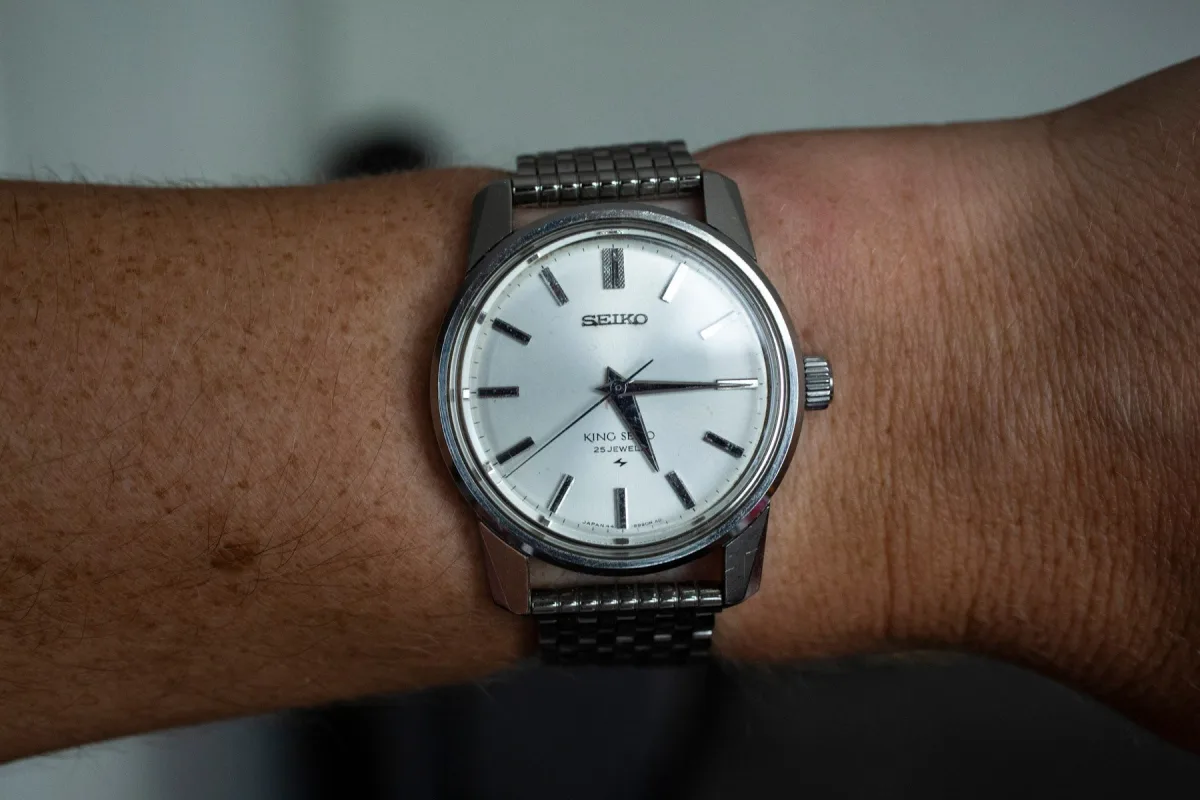
The 44-9990 model is probably one of the best examples of this. Its case, as my colleague notes, is one of the factors that makes it a true vintage masterpiece. This impression is shared by many who are particularly enthusiastic about vintage Seiko watches.
The Return of the King Seiko Name from Oblivion
A few years ago, Seiko resurrected the long-dormant King Seiko name by releasing a special (and expensive) limited edition model. But the first iterations of the standard model with the 6R series movement sparked some controversy. Seiko fans quickly noted that installing a "workhorse" caliber in a line historically focused on producing higher-class movements and competing with Grand Seiko (some of the best Seiko had to offer at the time) created a dissonance.
This feedback must have prompted a rethink. Now Seiko is releasing versions with the higher-class 6L35 movement. This movement is generally considered on par with the ETA 2892 or Sellita SW300. This release fits more accurately into the King Seiko legacy, and by all accounts, these are beautiful watches in metal. Releasing these higher-class King Seiko models was probably a good strategic move by Seiko. Whether it was a reaction to criticism or part of a broader strategy is hard to say, but at least consumers now have different options.
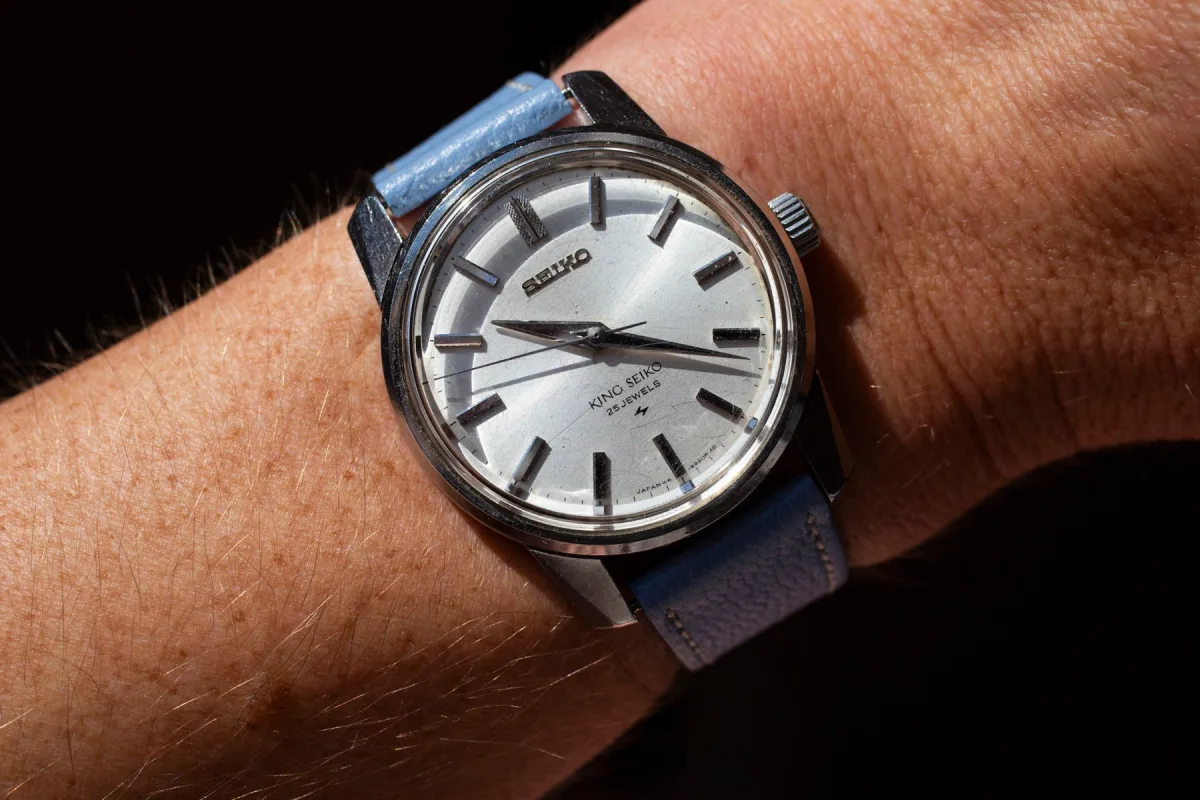
King Seiko 44-9990
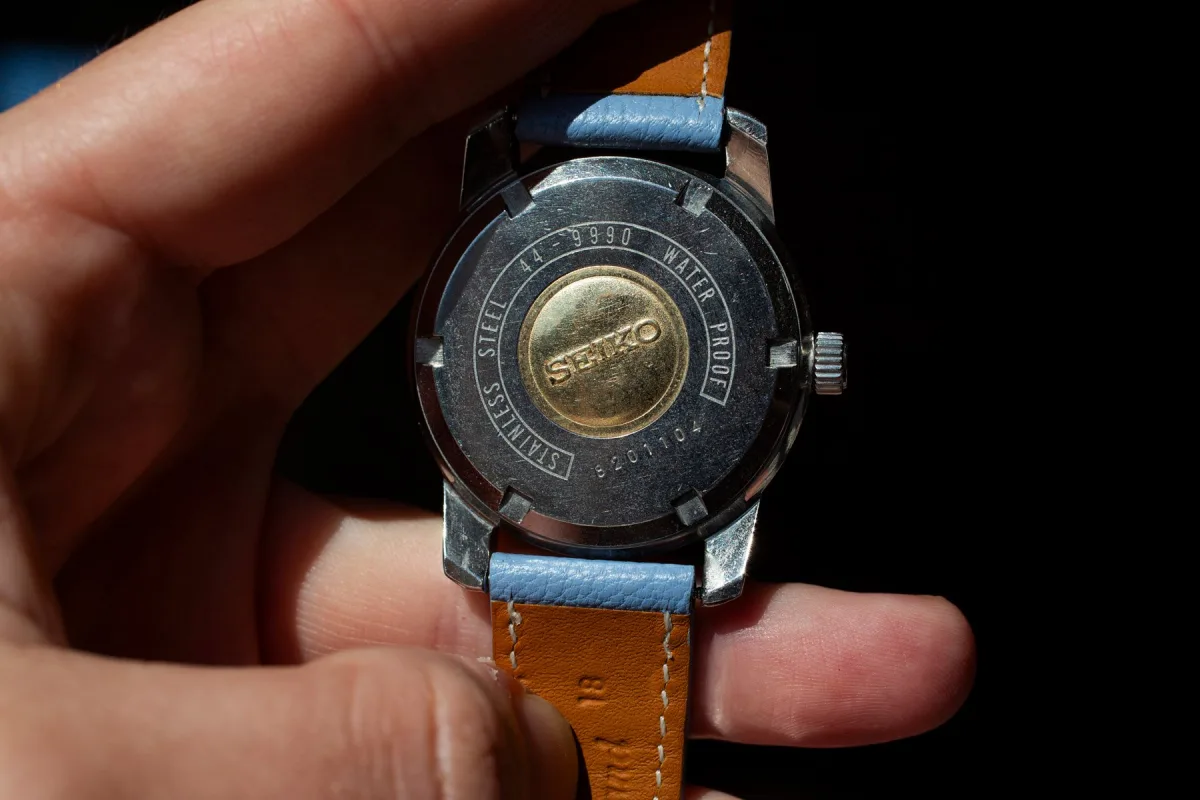
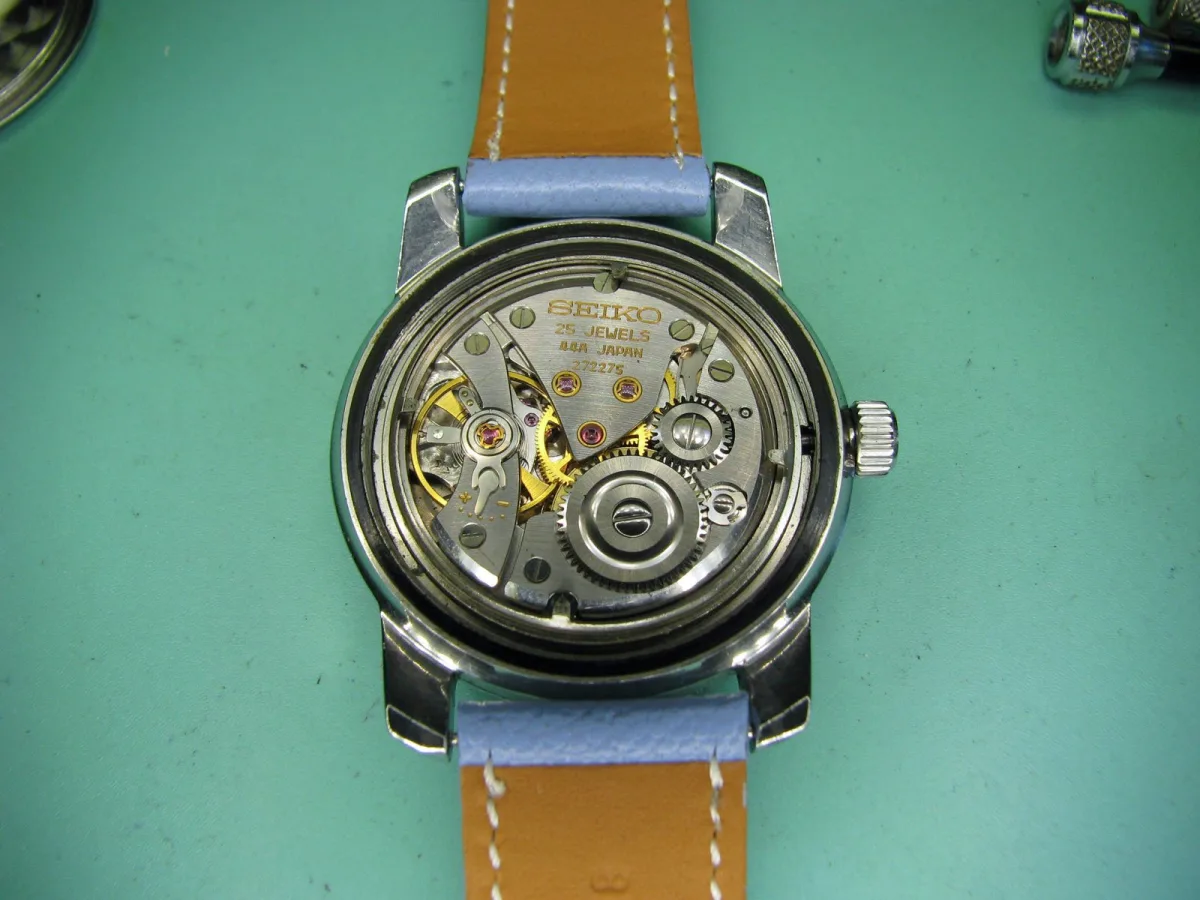
Perhaps the biggest challenge Seiko faces in convincing buyers to purchase modern King Seiko models is the vintage King Seiko watches. I would argue that the best option is simply to find one of the iconic King Seiko models in good condition. Fortunately, I recently acquired the King Seiko 44-9990 watch, which is a real gem. They belonged to my father, but I traded them for another watch. I've always loved the beautiful silver dial and how the indices reflect the bright antipodean sun. The 44-9990 model case measures 36.5 mm × 43 mm × 11.5 mm with a lug width of 19 mm. Fortunately, it is made of stainless steel, not chrome-plated like some watches of that era. These King Seiko watches are equipped with the 44A movement with 25 jewels, featuring a hacking function and running at 18,000 vph.
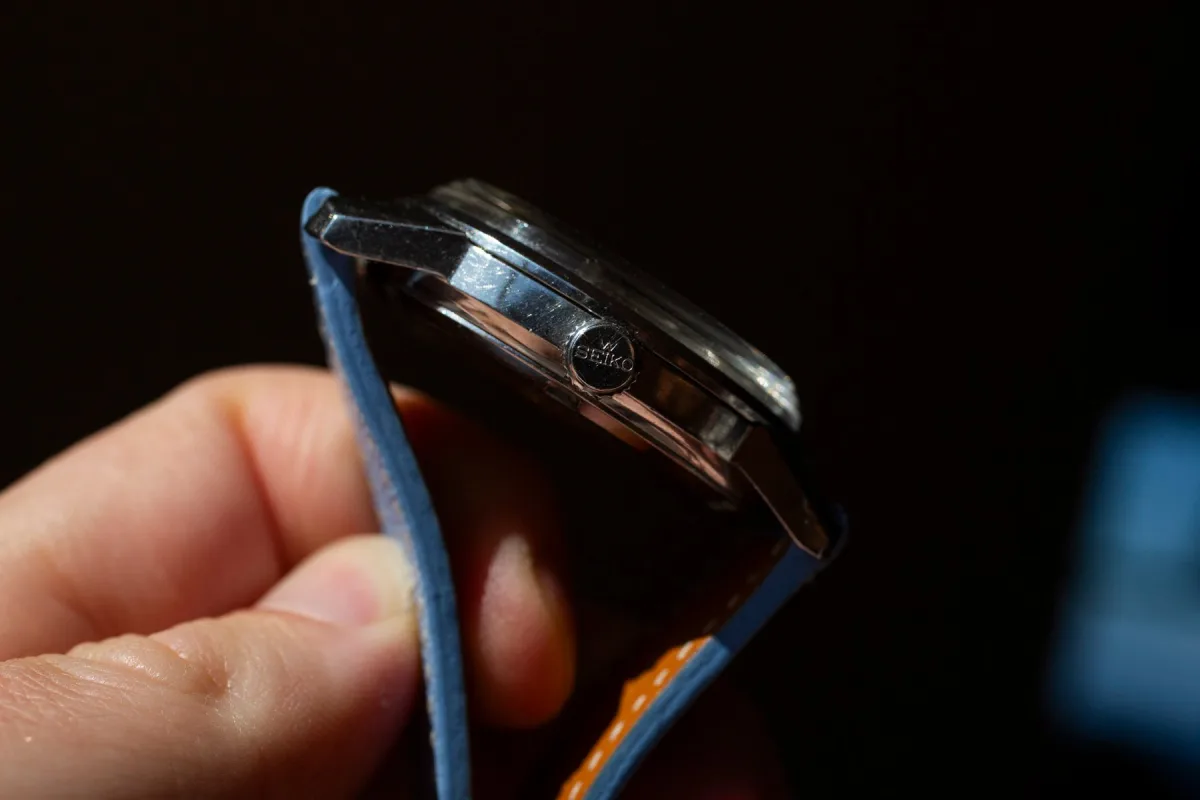
The case back is screw-down and adorned with a gold medallion. Seiko also equipped the watch with a tall acrylic crystal that rises above the beautiful silver dial. The case features a "Seiko" signed crown, but there were issues with my specific watch. Although the watch is entirely original, it was not perfect. Firstly, it had an unknown service history. Unfortunately, it also kept poor time, possibly deviating by a couple of minutes per day. I knew I needed to have it serviced. Therefore, rather than spending money on a new King Seiko that mimics the original design, I decided to find a good watchmaker to help breathe new life into this original 1960s watch.
Finding a Watchmaker for Vintage King Seiko Watches
Finding a watchmaker who can service vintage Seiko watches is no easy task. At least for me, it was a challenging task. You see, Seiko refuses to service many old watches, sometimes including those over 10 or 15 years old (which is not much in the watch world). This burdensome state of affairs has already been realized by all who own old Seiko watches. This is where having a common Swiss movement can significantly help extend the life of future watches.
Fortunately for me, a watchmaker two hours north of my home still had access to old King Seiko parts and had experience with these movements. Finding this person in the local watch community was only possible through word of mouth, but I eventually succeeded, and just before last Christmas, I sent him my watch. Given the watchmaker's expertise, the wait for servicing my King Seiko 44-9990 was about six months.
Servicing the King Seiko 44-9990
Just recently, my beloved King Seiko returned home after a complete overhaul. While the watch is not as flawless as new, it now keeps time according to COSC parameters. Hand-winding the movement is smooth and fluid, which is a true pleasure.
Upon opening the case, the watchmaker discovered that the watch hadn't been serviced since the early 1990s, when I wasn't even born! It's impressive how long a mechanical watch movement can last, although I wouldn't recommend putting too much strain on it. A lot of work had to be done, including a complete overhaul of some components. No polishing or re-dialing was conducted, as I am not interested in such things.
Final Thoughts
The entire experience was worth it. I was very happy to pay a local watchmaker to bring these vintage King Seiko 44-9990 back to life. For me, there is something very appealing about spending money to support a local business to revive an old item rather than throwing money at a new one. And this feeling grows stronger the longer I engage in this hobby.
And what do you think, friends? Would you choose a vintage option or prefer a new one? Let me know in the Telegram channel.