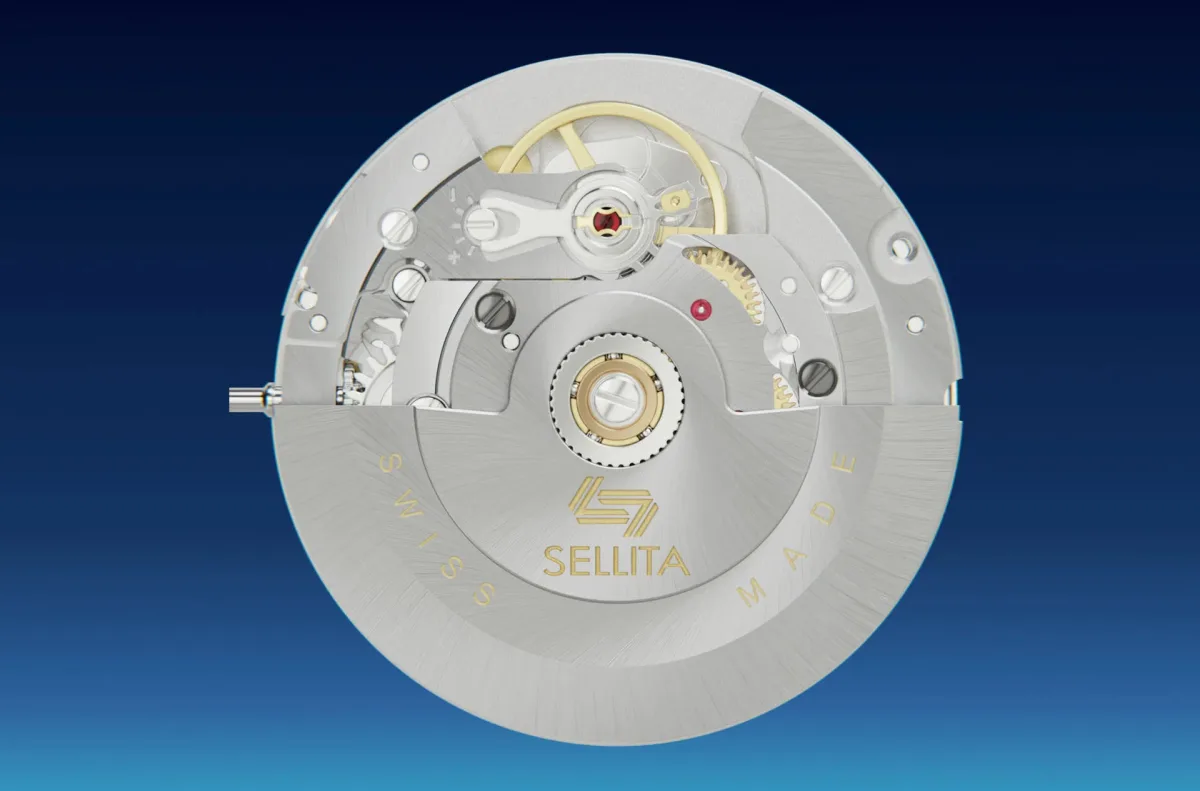
The new version of the SW200 caliber offers an extended 65-hour power reserve.
Sellita has introduced a new version of its most widespread automatic movement. The SW200-2 Power+ caliber is currently used alongside the SW200-1 mechanism but will gradually replace it.
The SW200 is Sellita's flagship mechanism, which has become a high-quality alternative to the ETA 2824-2 caliber and one of the most widely used movements in Swiss watchmaking. This mechanism gained popularity since 2003 when ETA began reducing its supply of movements to third-party brands outside of the Swatch Group.

The success of the SW200 is due to its reliability, availability, ease of maintenance, and proven performance. However, it also has drawbacks, particularly a small power reserve.
This would not be critical for an automatic mechanism if Sellita's competitors in watchmaking had not improved their calibers in recent years. ETA has the Powermatic 80 caliber - a modern modification of the ETA 2824 with an 80-hour power reserve. La Joux-Perret recently released the G100 caliber series with a 60-hour power reserve. Additionally, Kenissi, a brand from a higher price segment, offers movements with a substantial power reserve, which watch manufacturers are willing to consider as an alternative.
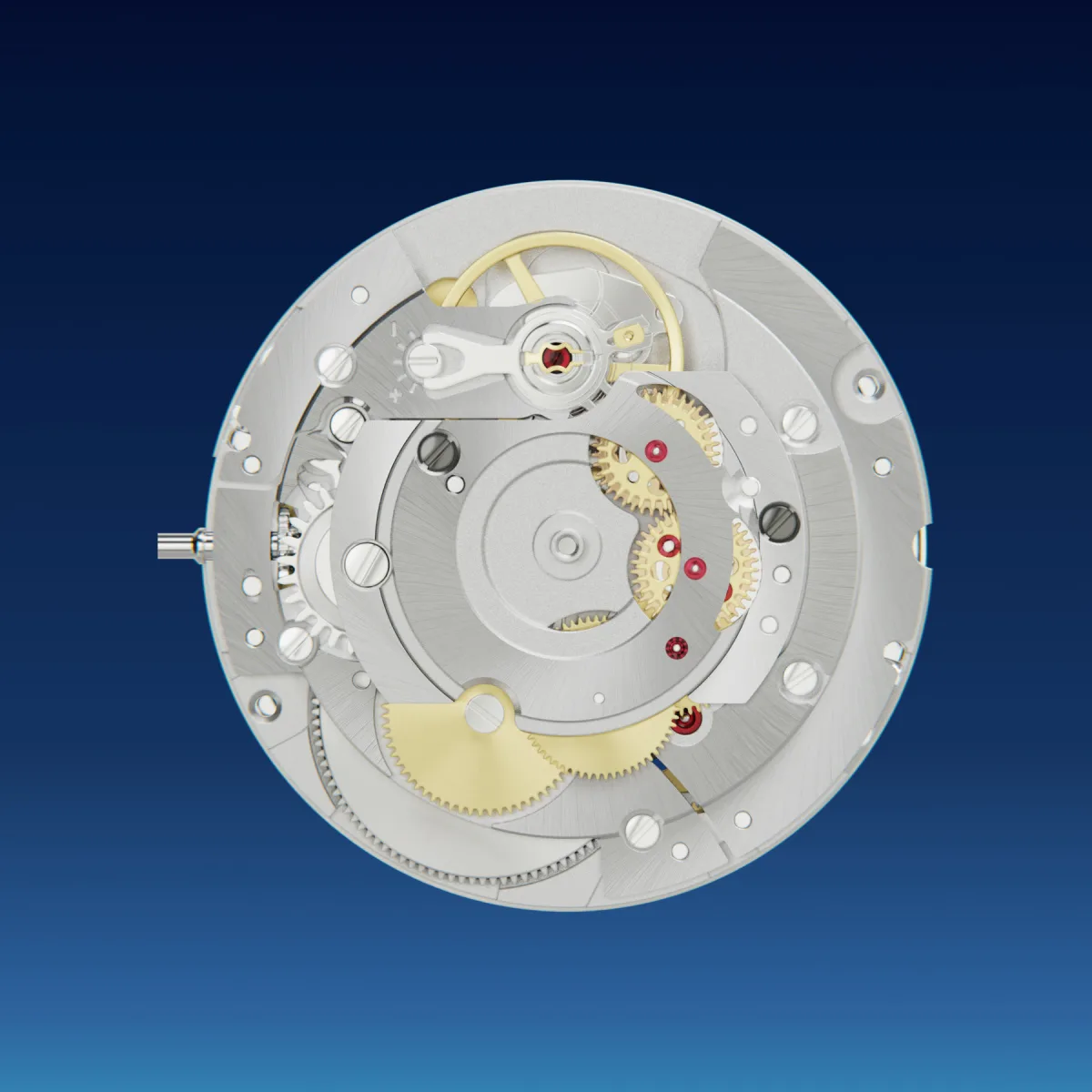
The new SW200-2 Power+ mechanism incorporates several important enhancements:
- A new gear train with an optimized profile, especially in the tooth geometry. The wheels have a different color finish compared to the SW200-1, allowing for easy identification during after-sales service.
- A new winding barrel, with a spring that has more coils. This allows for increased energy storage, thereby extending the power reserve.
- Improved automatic winding system.
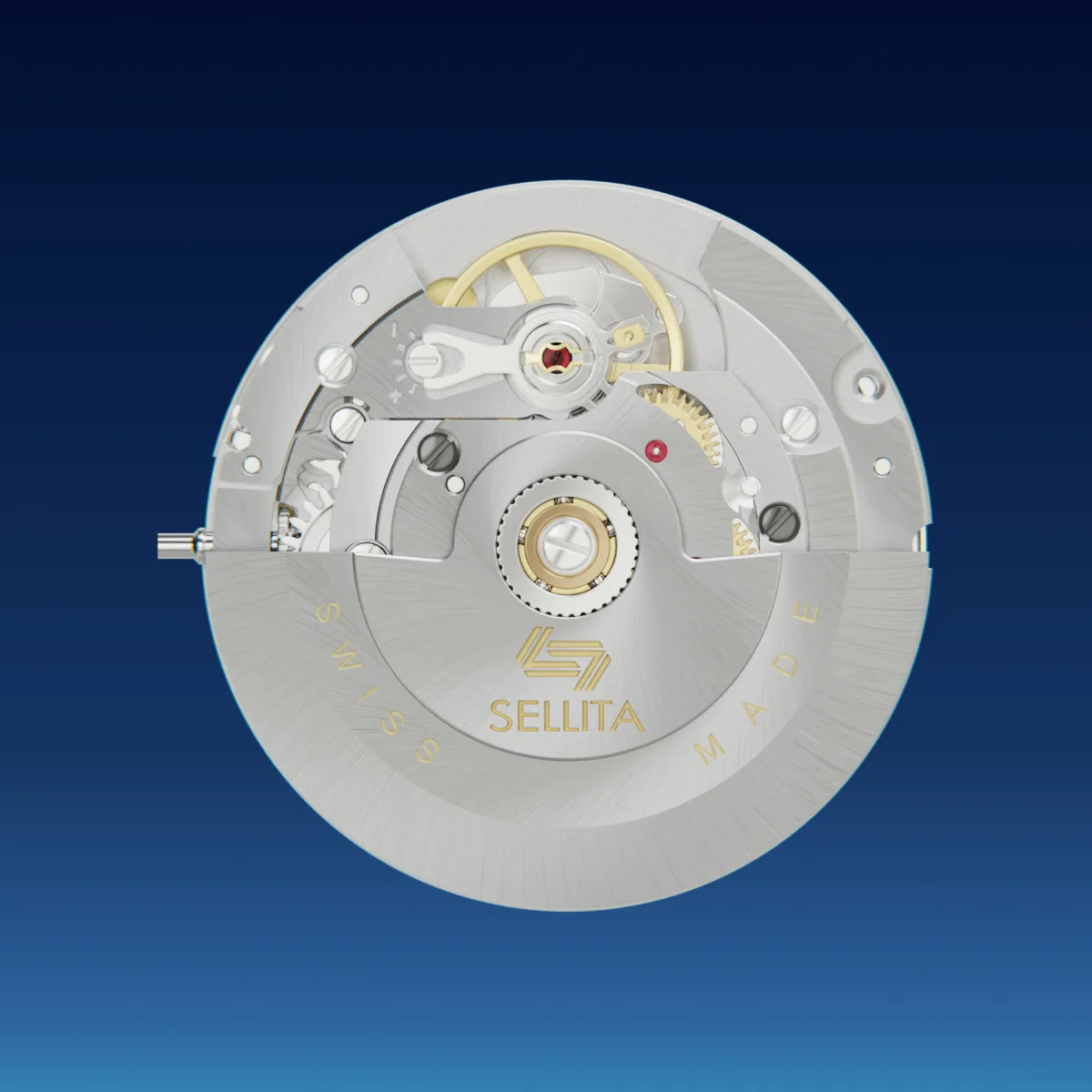
- A new regulating mechanism with the moment of inertia reduced from 16 to 8 mg·cm². Despite this reduction, the system remains highly stable. Unlike the ETA Powermatic 80, which achieves an 80-hour power reserve partly by reducing the frequency to 21,600 vph (3 Hz), the SW200-2 Power+ maintains its frequency at 4 Hz (28,800 vph).
- A new adjustment system that enhances the mechanism's tuning.
- Incabloc shock protection.
- Redesigned brass components, particularly the bridges and base plate, which have been reworked to provide greater rigidity.