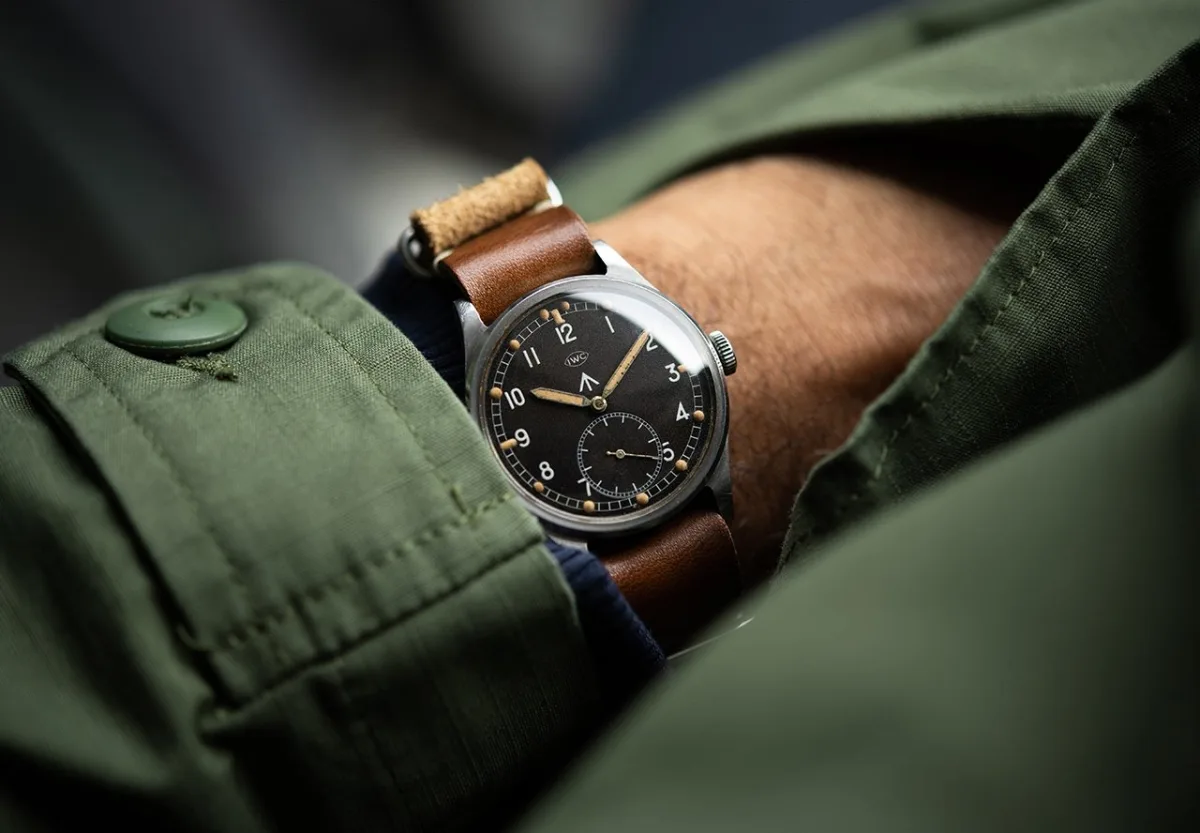
There is a special satisfaction in wearing a watch that demands nothing from its owner.
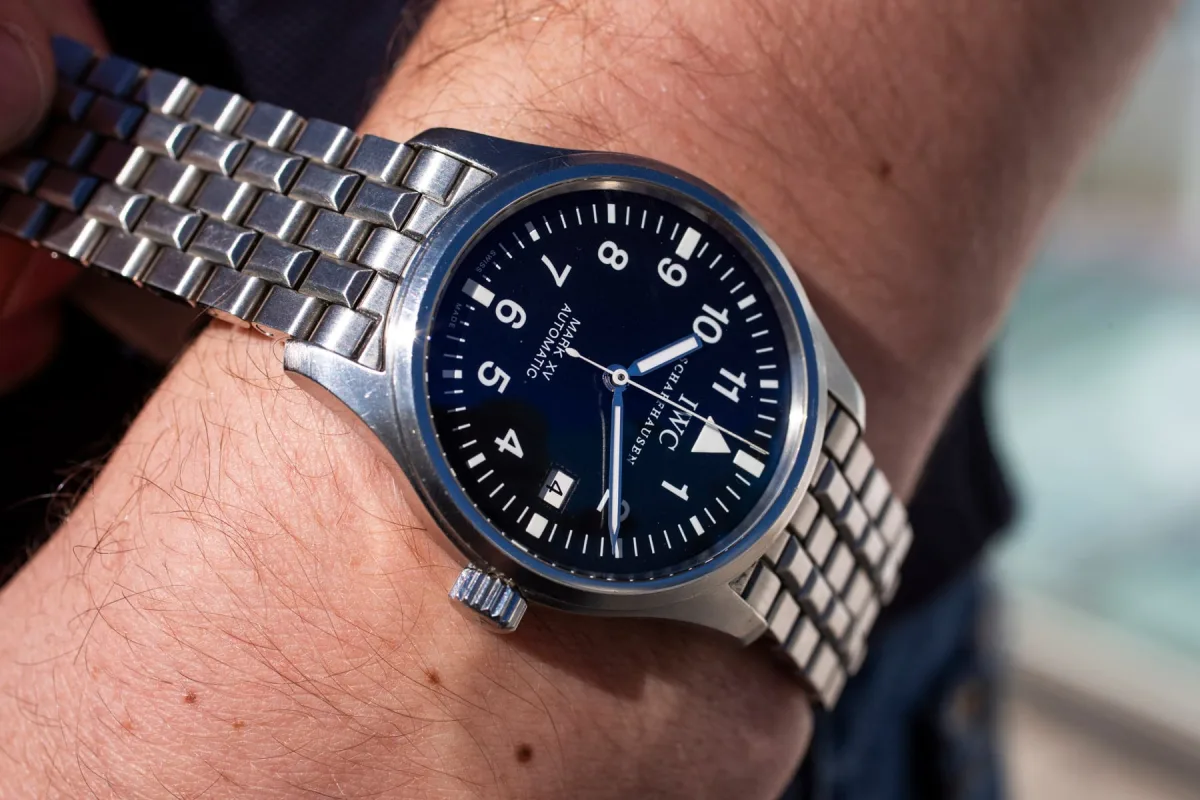
Field watches are masters at this. No complex functions to adjust, no bezels to align, no stories to tell everyone who asks. Just a black dial, white numbers, two hands, and perhaps a date. I feel it every time I fasten the strap on my IWC Mark XV. Recently, I've been trying to understand why such simple watches bring me more satisfaction than almost everything else I own.
History and Purpose of Field Watches: Necessity, Not Fashion
Field watches did not emerge from a design studio in a glass skyscraper. They were born on the battlefield. Officers in World War I faced the inconvenience of using pocket watches under fire - it was not only inconvenient but dangerous. Hands needed to be free to handle a rifle. Coordinating actions under fire, pulling a watch from a pocket - a luxury they couldn't afford.
As a compromise, the "trench" or "field" watch appeared - a pocket movement secured to the wrist with wire lugs. It was crude but effective. This approach laid the foundation that remains relevant today. By World War II, the British Ministry of Defence formalized requirements for military watches: black dial, luminescent Arabic numerals, railroad minute track, and a separate seconds counter. The case had to be robust enough to withstand combat conditions.
IWC Pilot Watches: A Classic Example
Twelve Swiss manufacturers were involved in production. Each case was marked with a broad arrow and the letters W.W.W - Watch, Wrist, Waterproof. Collectors call this group the "Dirty Dozen," which included IWC. The IWC Mark X model eventually evolved into the Mark XI, then Mark XII, and finally Mark XV - my own watch. It's pleasing to know that my watch has a direct lineage to a tool designed for Royal Air Force navigators eighty years ago.
This formula survived the war that spawned it. In the 1960s, American forces standardized their own version to MIL-W-46374 specifications, from simple mechanical watches to disposable plastic models issued during the Vietnam War. Britain maintained its parallel tradition, transitioning from the tonneau-cased W10 watches of the early 1970s to quartz G10s in 1980. G10s were so ubiquitous that they continued to be issued to British service members until the 2000s. None of these watches were made for display in shop windows - their task was to remain inconspicuous on the wrist, and that's the point.
Why "Less" Still Works in Field Watches
Returning to the field watch category as an owner rather than just a fan, I notice that the formula has hardly changed. The success or failure of field watches depends on legibility, proportions, and honest design. There's no room for compromise here. Case size matters greatly. My Mark XV has a 38mm diameter and moderate lug-to-lug distance, ensuring comfort for everyday wear. Later IWC models gradually increased in size and lost something important. The discipline to stay compact is something many modern watchmakers have missed.
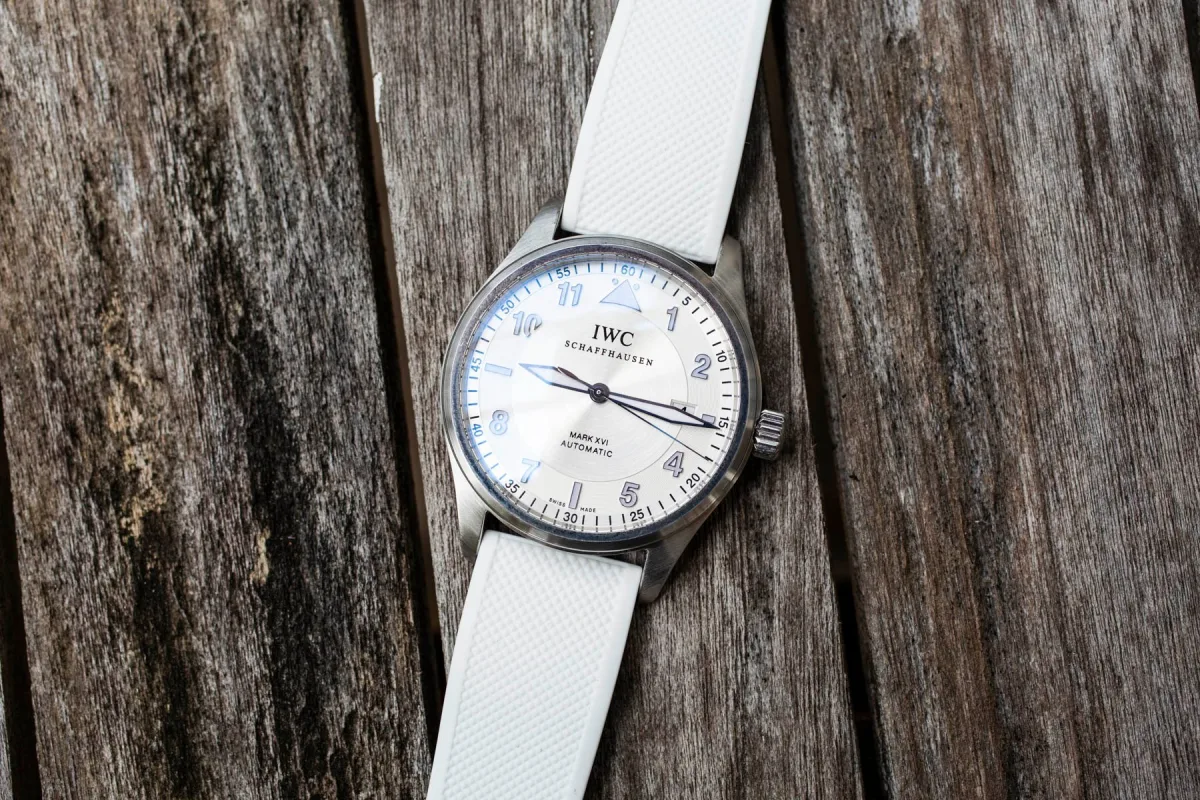
The Mark XV is a good example of why the term "neo-vintage" has become so popular. The watch is modern enough for daily wear: sapphire crystal, an inner case of soft iron for real antimagnetic protection, and a reliable ETA-based movement. At the same time, they are "mature" enough to carry some history and patina. IWC produced this model from 1999 to about 2005, before the larger Mark XVI series appeared. This is a narrow but pleasing window where vintage proportions and modern reliability meet.
Modern Field Watches: The Right Approach
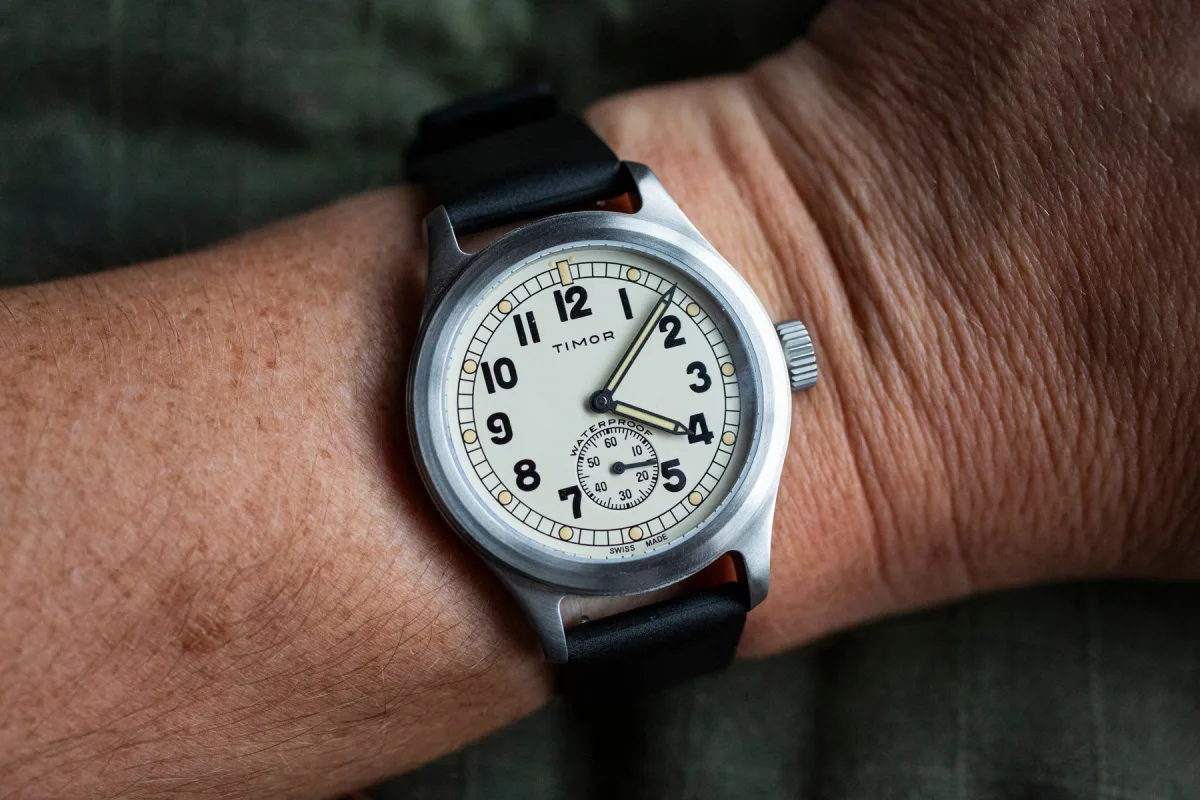
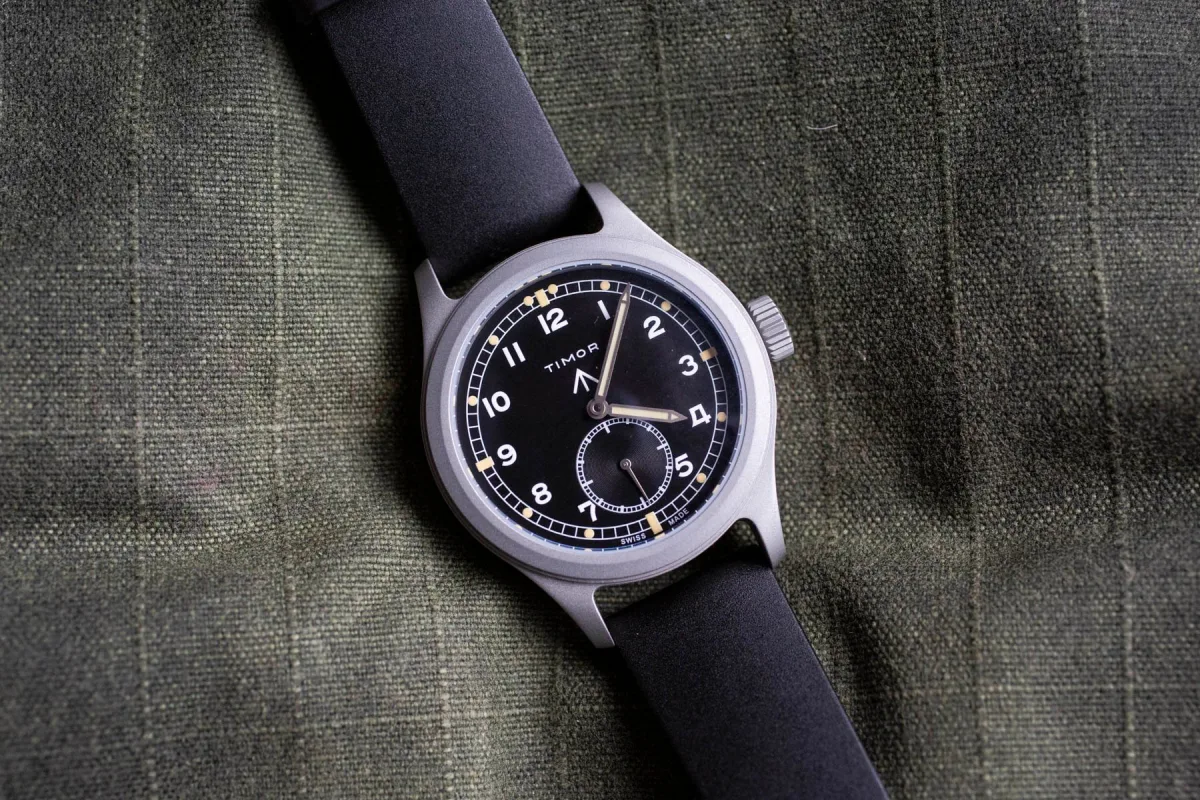
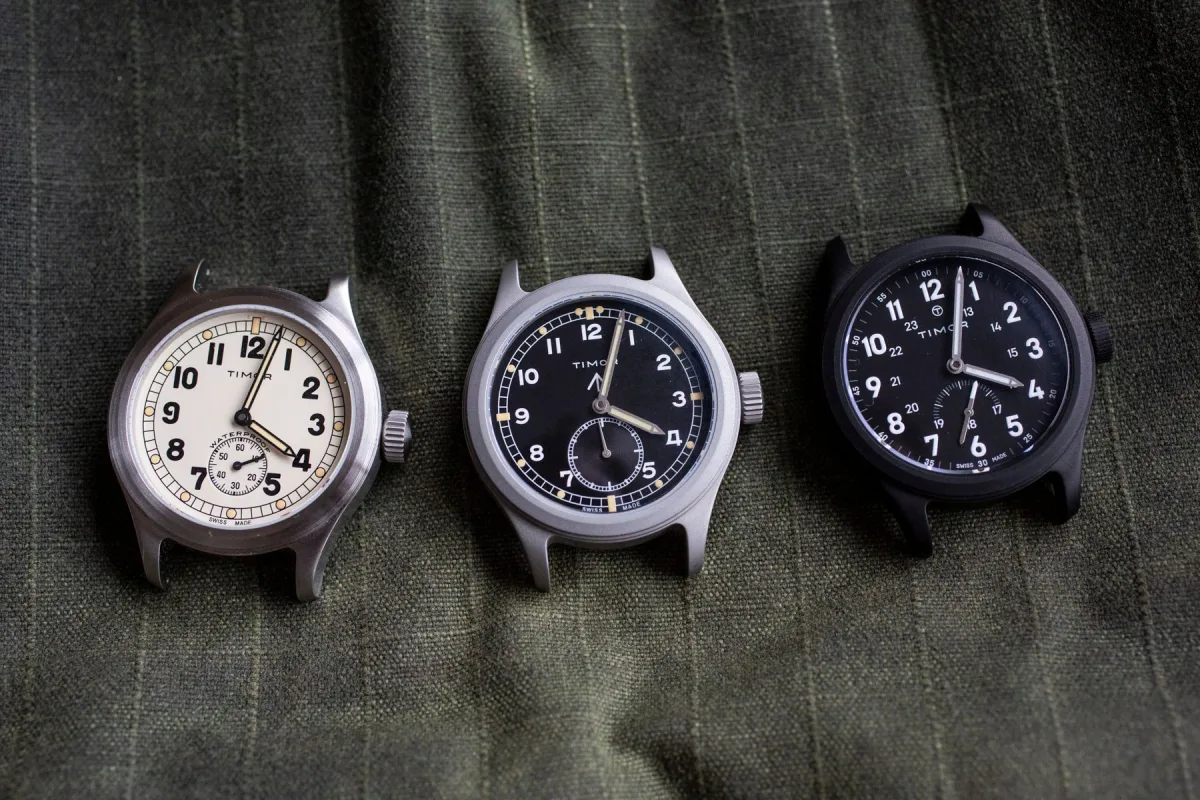
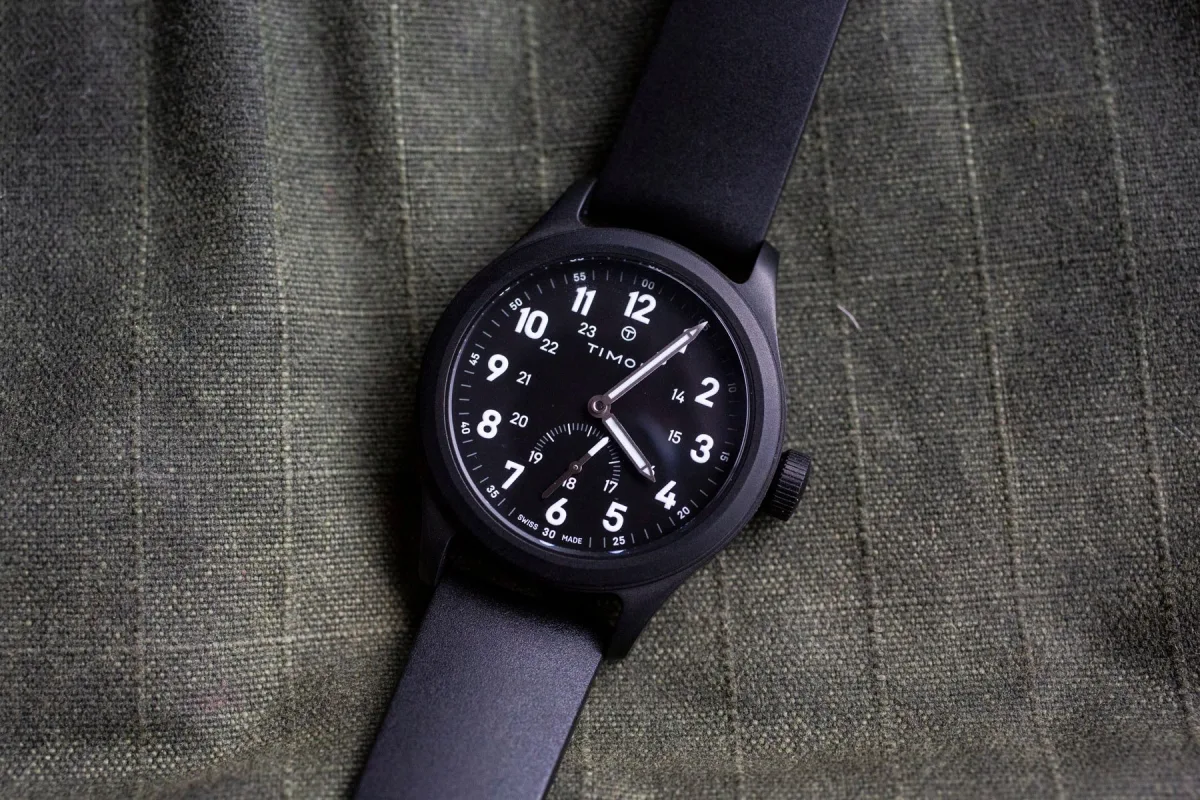
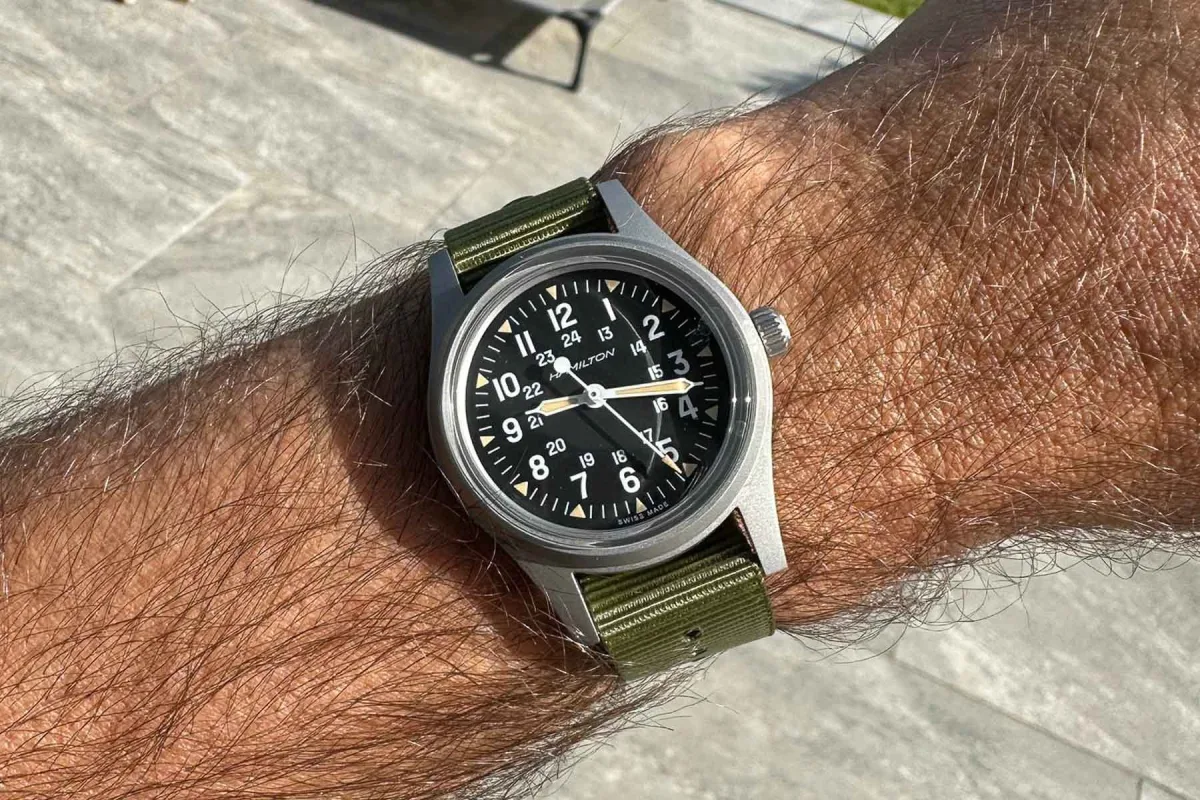
Good news for those seeking this feeling - the field watch category is in good shape. The British brand Timor specializes in field watches. Two of the three models are reissues of historical models (ATP and a reissue of one of the "Dirty Dozen"), and the third is a modern interpretation with a black case, dial, and contrasting white numbers. Another example is the Hamilton Khaki Pilot Pioneer Mechanical, reissued a few years ago. This is a prime example of the right approach to reissue: an exact reproduction of the W10, created by Hamilton for the British Ministry of Defence in the 1970s.
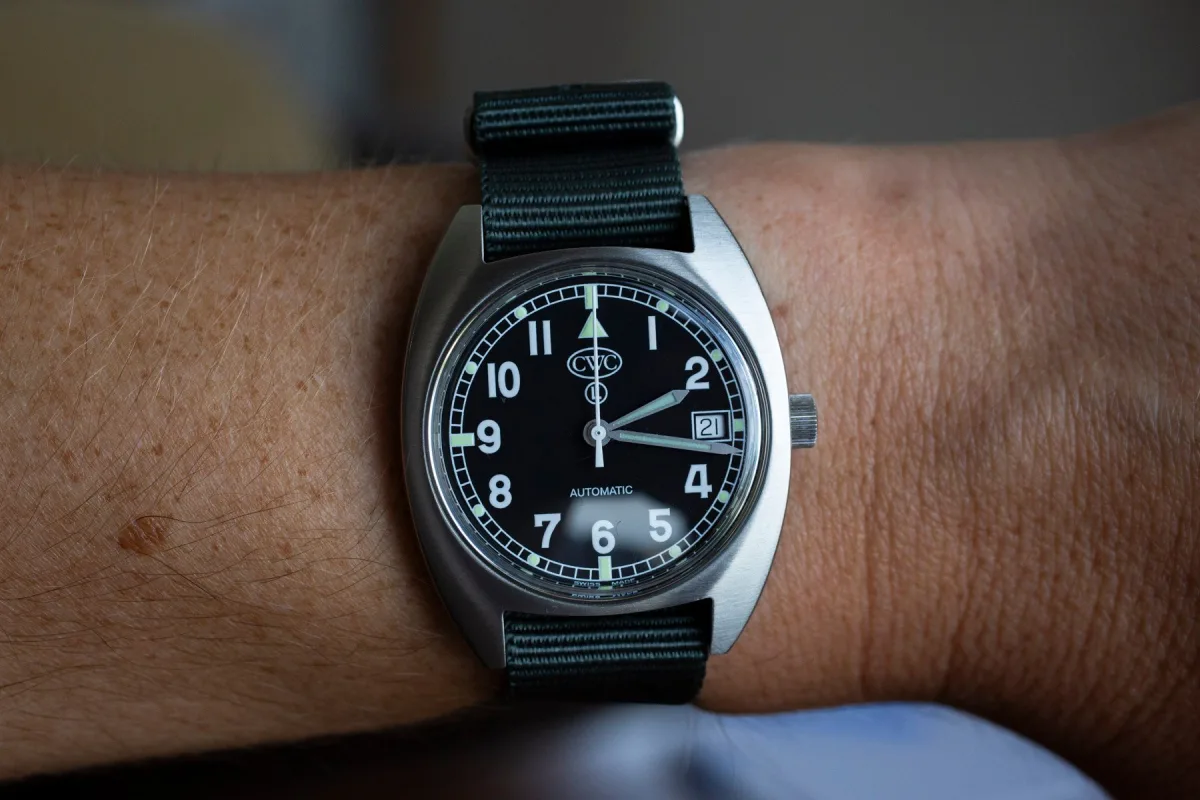
The same case, recessed crown, restrained 36mm, and manual winding, while everyone expects automatic movements. It would have been easy to increase the size to suit modern tastes, but Hamilton didn't, and the watch benefited from this decision. Another significant player is CWC (Cabot Watch Company), which has never stopped producing watches to military specifications since the early 1970s.
CWC G10 and W10 Series
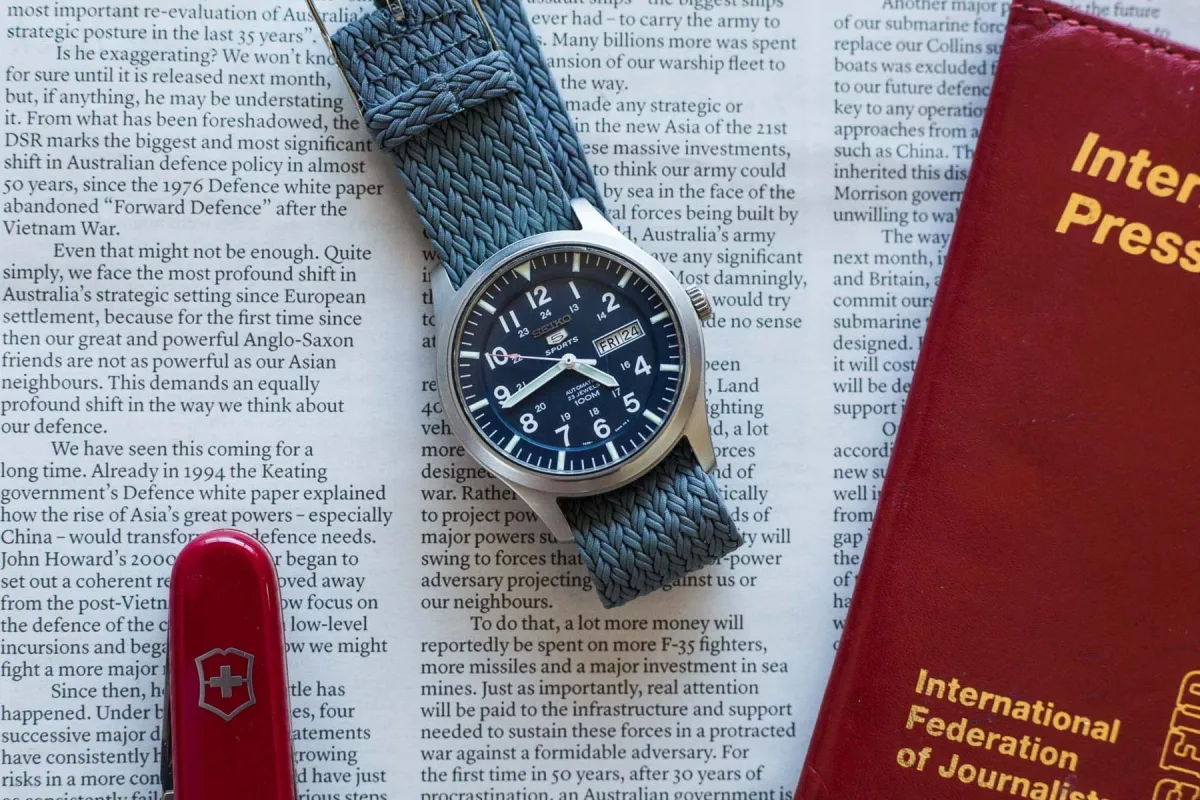
The G10 and W10 models today are not a tribute to the past but a continuation of tradition. Over half a century, the requirements have been refined but not reimagined. Buying a watch from a company that still, in some form, supplies the military, carries a special honesty. My first mechanical watch was the Seiko 5 SNZG, which taught me much of what I now appreciate in this category.
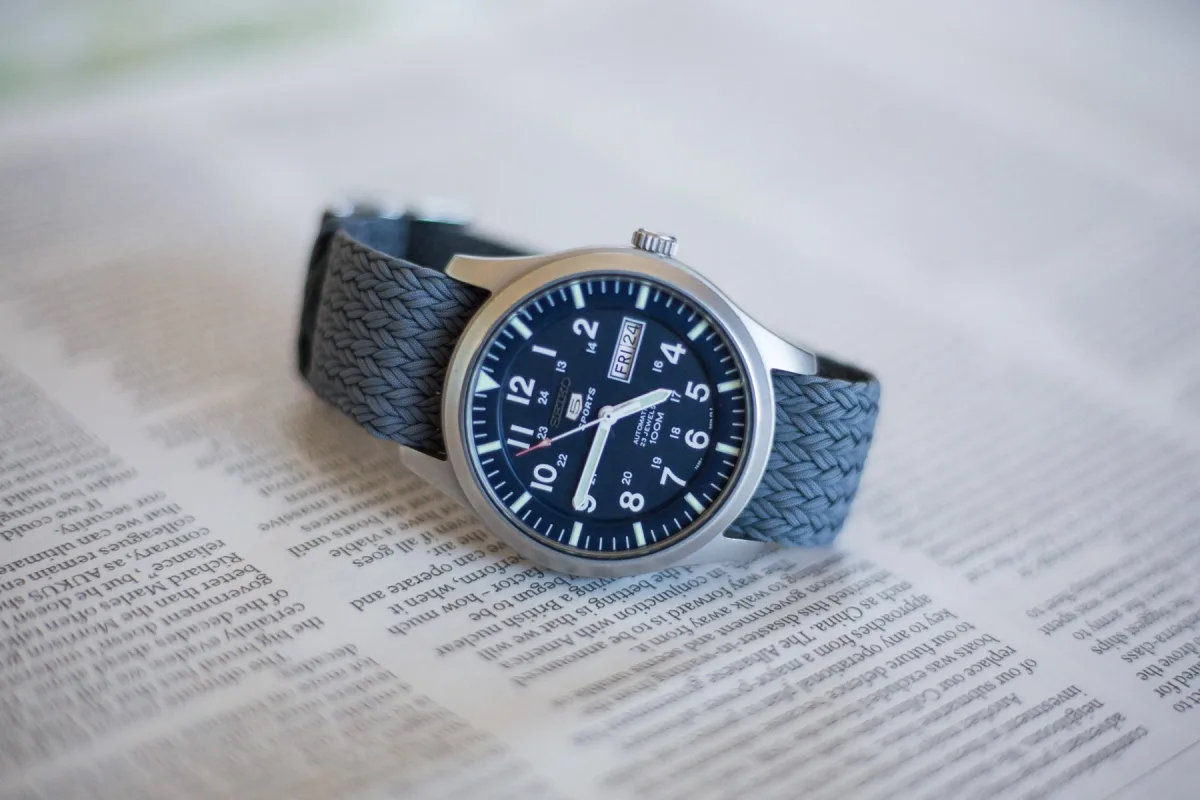
With a 42mm diameter, a robust case, and a reliable automatic movement, they weren't refined but were honest. They cost almost nothing, withstood knocks without complaint, and made the transition to a hand-wound Hamilton or an antimagnetic IWC case natural rather than daunting. It's no coincidence that many collectors start their passion with the Seiko 5.
Less Means More
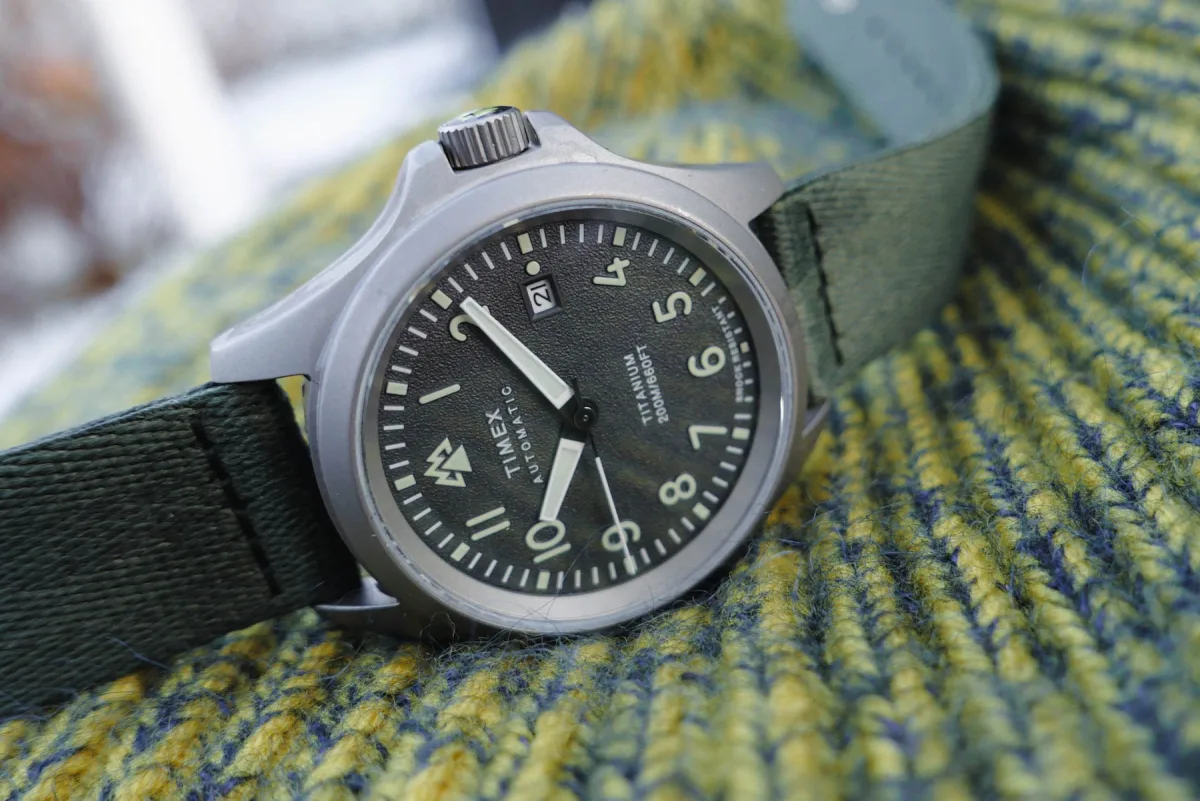
Microbrands may have done the most for the field watch category over the past decade. Free from the marketing requirements of large companies, independent manufacturers focus on dials inspired by military examples and honest case finishing. Prices rarely need justification. Some models are explicitly military, others simply use the design language: readable numbers, minimal branding, a strap instead of a bracelet - and the watch does all the rest.
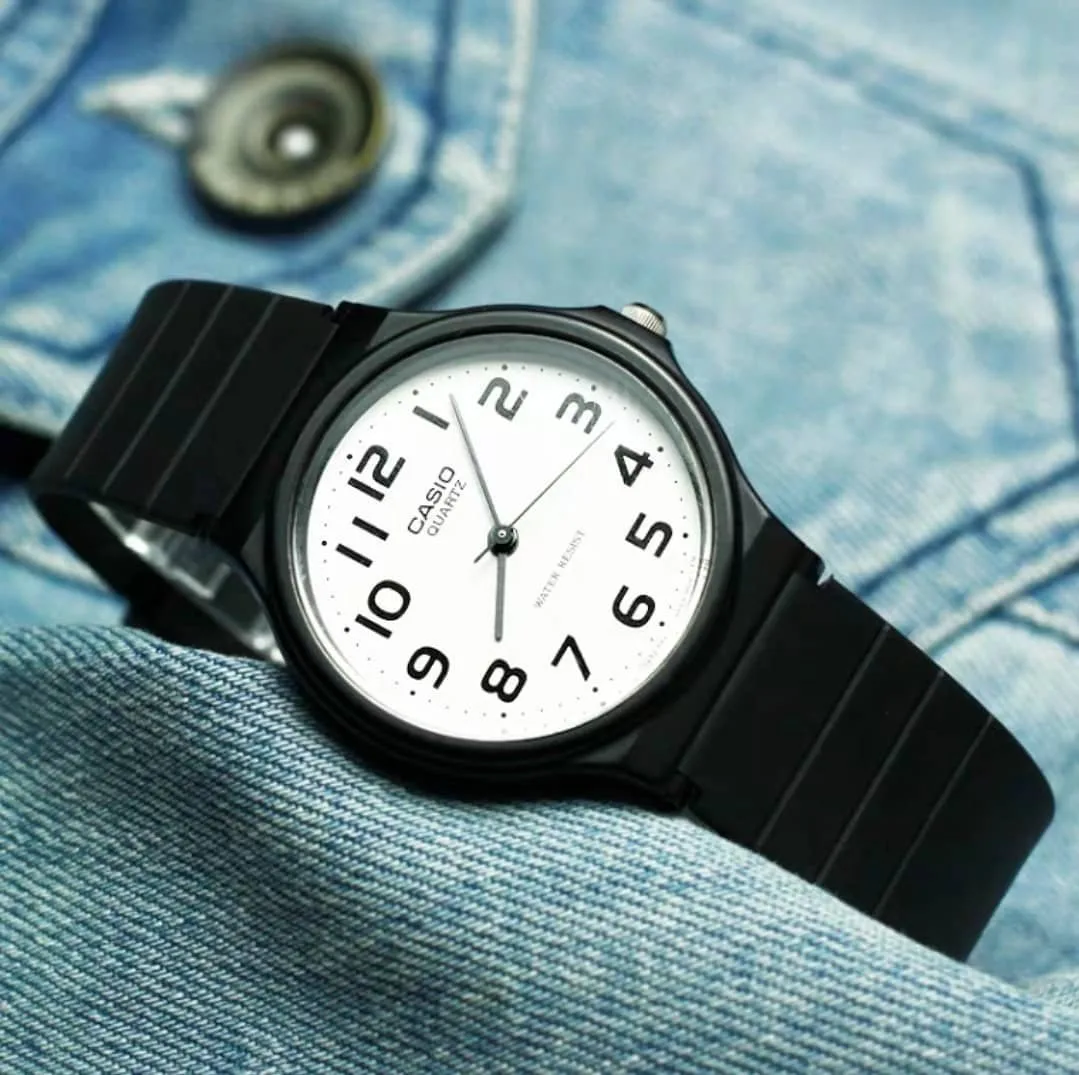
It's important to remember that this discipline extends to quartz watches as well. The Casio MQ24-7B2 or Timex Weekender cost less than the strap for many of the aforementioned models, but maintain the same intent: a simple white dial, a 35mm resin case, and a battery that lasts for years. This is not a simplified version of the field watch idea, but perhaps the purest, harking back to the disposable spirit of MIL-W-46374.
Conclusion
Field watches do not demand attention, and that's why I continue to notice them. No bezel to spin at dinner, no chronograph buttons to justify, nothing that needs explaining. They are built around one idea: the best tool is the one you stop thinking about. Put them on, and that's all the allure. In some ways, a simple quartz Casio is closer to the fundamental spirit of field watches than many Swiss luxury models.
Whatever you choose, there's something magical about the design of field watches - they embody the essence of what tool watches should be. How about you, friends? What are your favorite field watches?