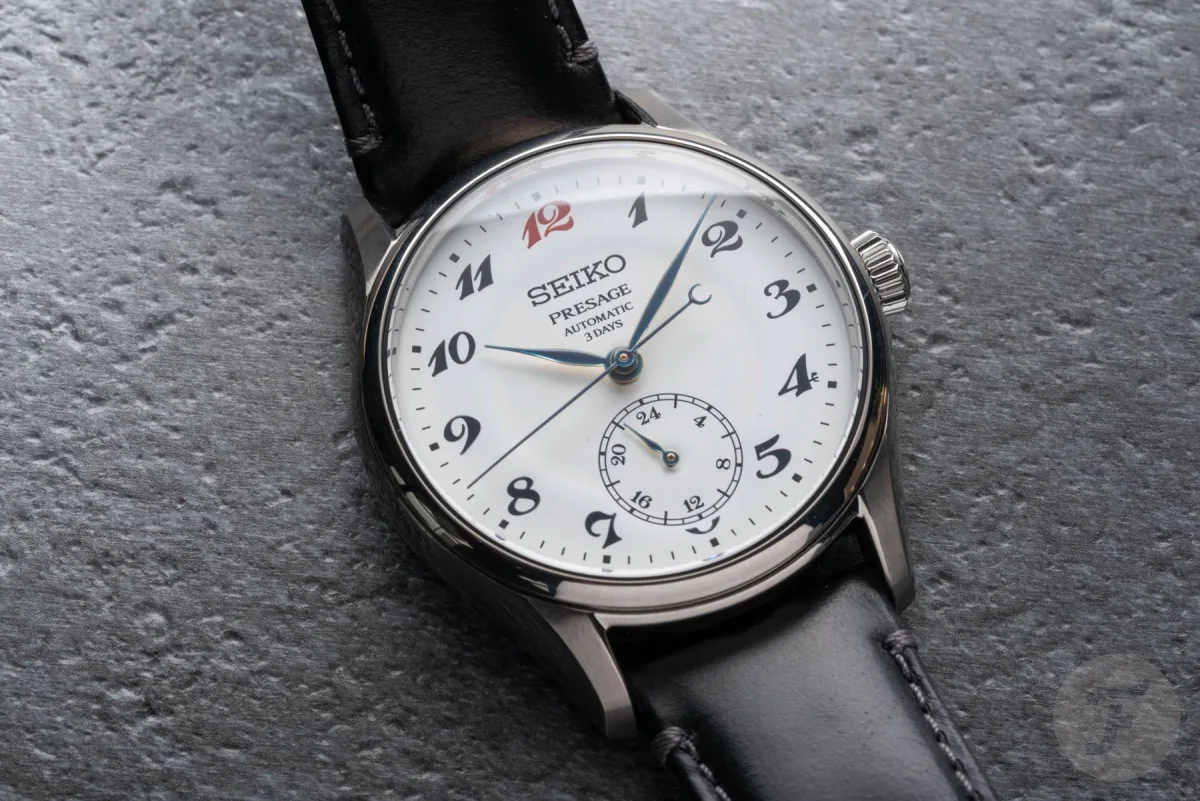
The first wristwatch model from Seiko and Japan - the Laurel of 1913 - is one of the most beautiful watches I have ever seen.
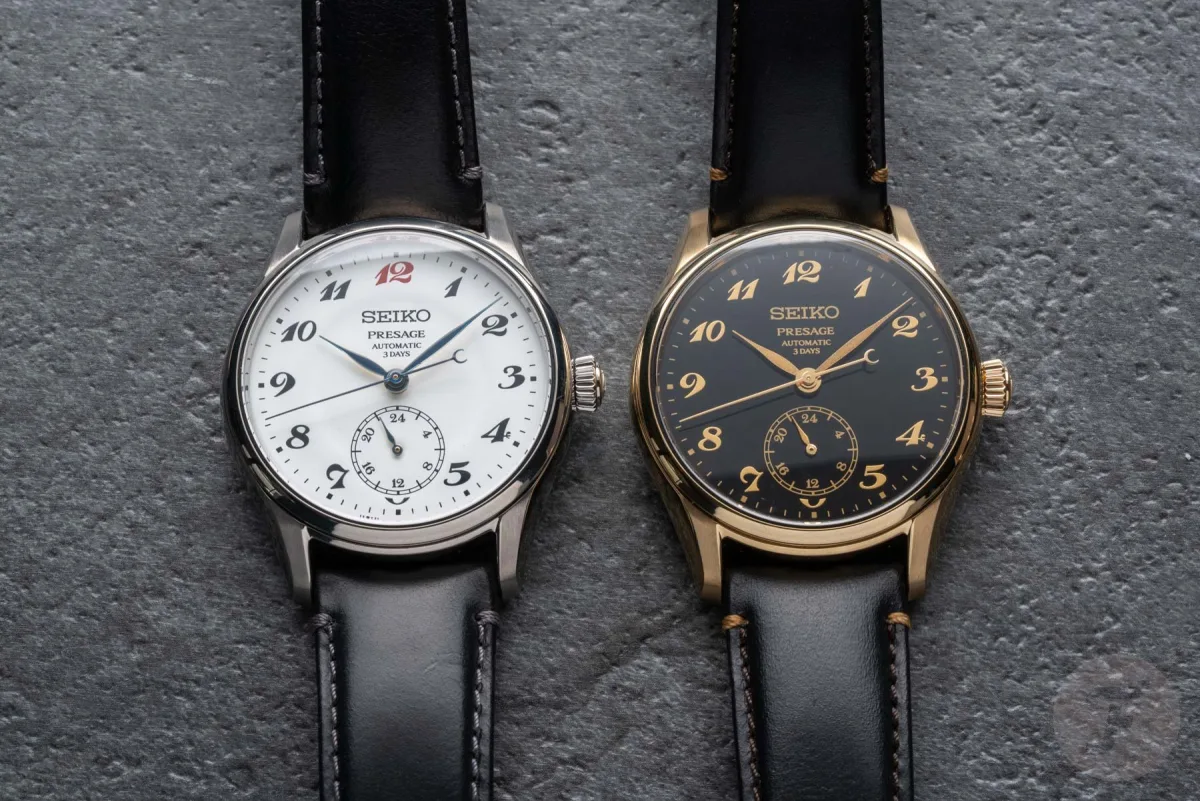
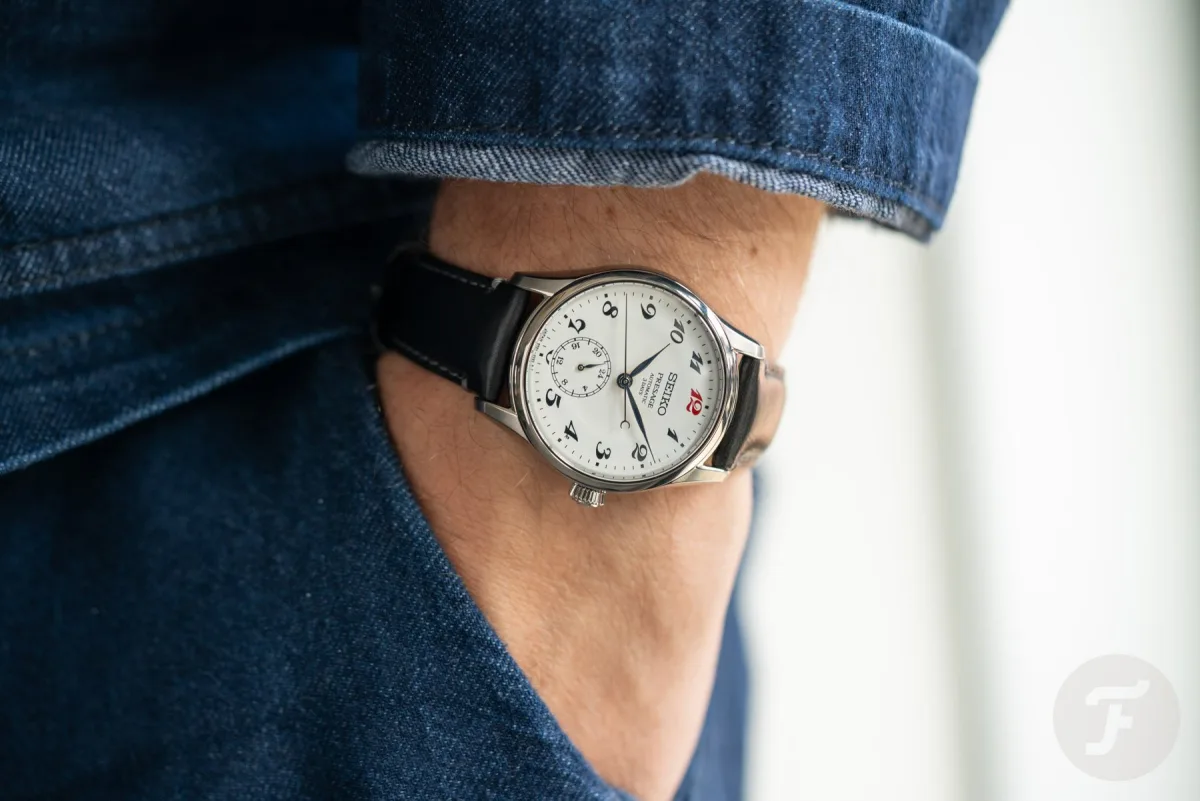
Over a century later, it retains a fresh appearance and remains significant in watchmaking history. To highlight its importance and offer a chance to wear watches that pay tribute to the beginnings of Japanese watch art, two new models of the Seiko Presage Classic Series 'Craftsmanship' have been introduced. The model HCC005 with an enamel dial is as close as possible to the original 1913 version - italic Arabic numerals and a bright red '12' on a soft white, handmade enamel background. The second - HCC006 with a steel case with yellow gold PVD coating and black Urushi lacquer - pays homage to the brand's first model with a darker yet positive mood.
History and Concept of the Presage Collection
The modern Presage collection debuted in 2016 with the aim of introducing a wide audience to mechanical watches adorned with traditional Japanese crafts: Urushi lacquer, Arita porcelain, enamel, and textured dials. It was an ambitious and unexpected project, with the automatic chronograph Presage 60th Anniversary SRQ019 with a white enamel dial as its centerpiece. Over time, the collection evolved, and sub-series appeared. The new models presented here are part of the Classic Series 'Craftsmanship' line, which has become a showcase of Japanese decorative arts and once again refers to the historical Laurel of 1913.
Two Models of Seiko Presage Classic Series 'Craftsmanship': Enamel and Urushi Lacquer
Both models - HCC005 with an enamel dial and HCC006 with Urushi lacquer - have handmade dials. Priced at €1,400 and €1,600 respectively, these are outstanding features. The variety of surfaces, depth, subtle shine, and color are achieved through traditional techniques, giving the dials vibrancy and exclusivity compared to machine production. Both models are based on the Laurel 1913 and historically reinterpret it, combining modern construction and proportions with pronounced historical charm.
Enamel Dial HCC005: Classic and Expressive
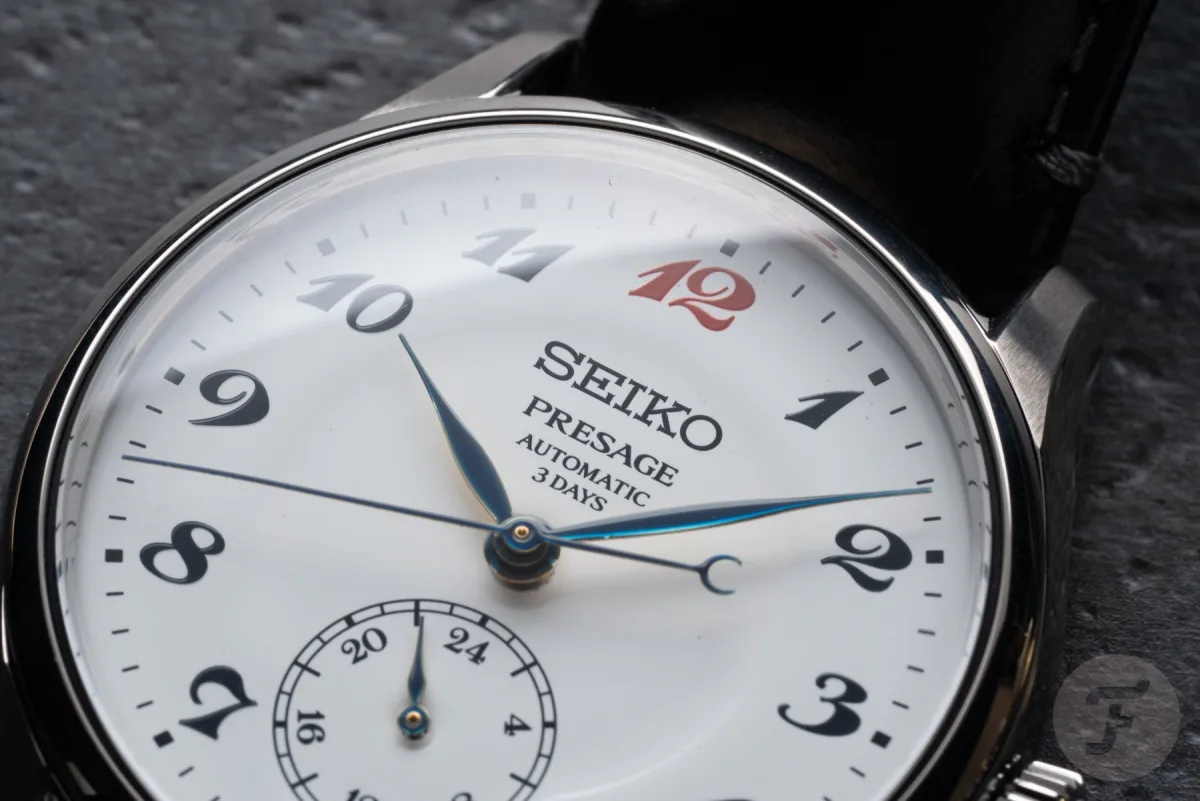
The HCC005 model is as close as possible to the original Laurel. The white dial is adorned with Arabic numerals in a dynamic and expressive font, and the bright red number '12' becomes a noticeable accent. This red element delicately breaks the monochrome and restraint of the dial, without disturbing its harmony, but clearly emphasizing its uniqueness. This proves the timeless relevance and strength of the Laurel 1913 dial design - one of the most expressive in history.
Durability of Enamel Dials
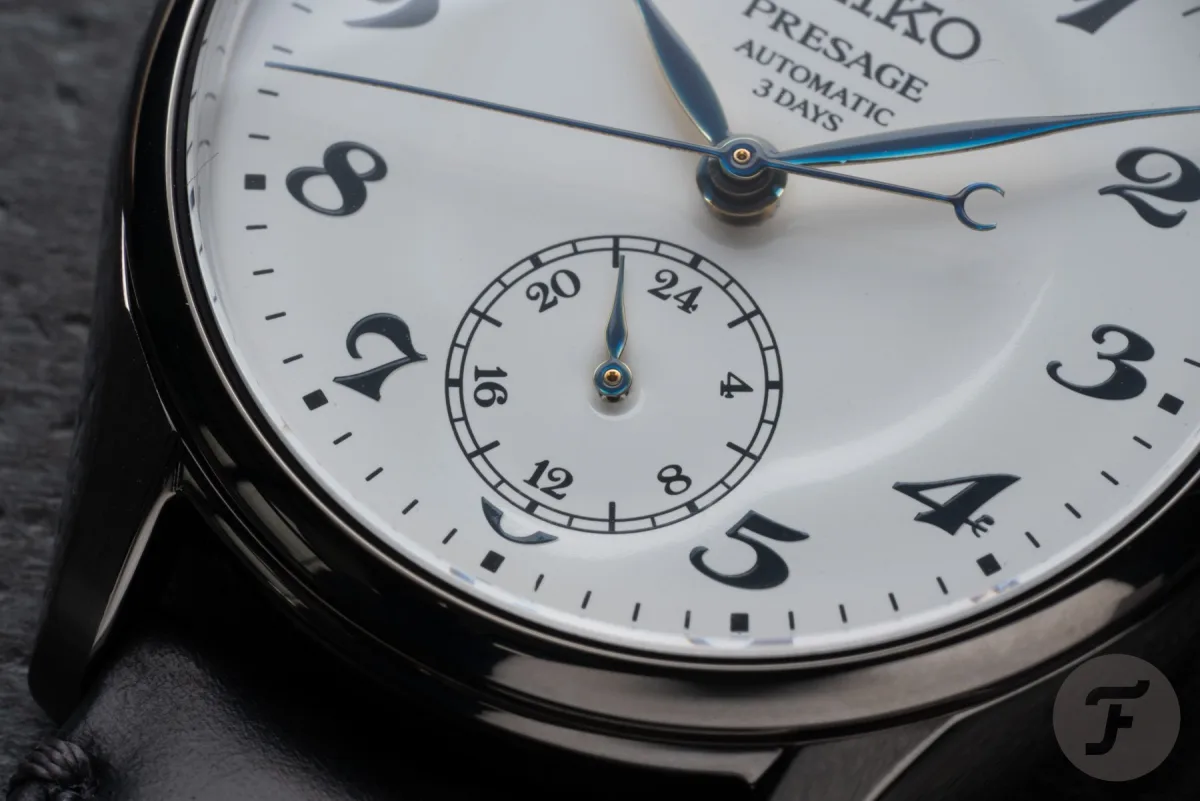
Durability is an important topic in the modern world, especially in the context of preserving human health. In watchmaking, enamel and durability go hand in hand. When properly executed, an enamel dial retains its color and appearance for generations. However, such a result requires a complex manufacturing process: the enamel is applied and fired with high precision, and even slight changes in temperature and humidity affect the outcome. Sometimes the glaze composition must be adjusted to adapt to conditions.
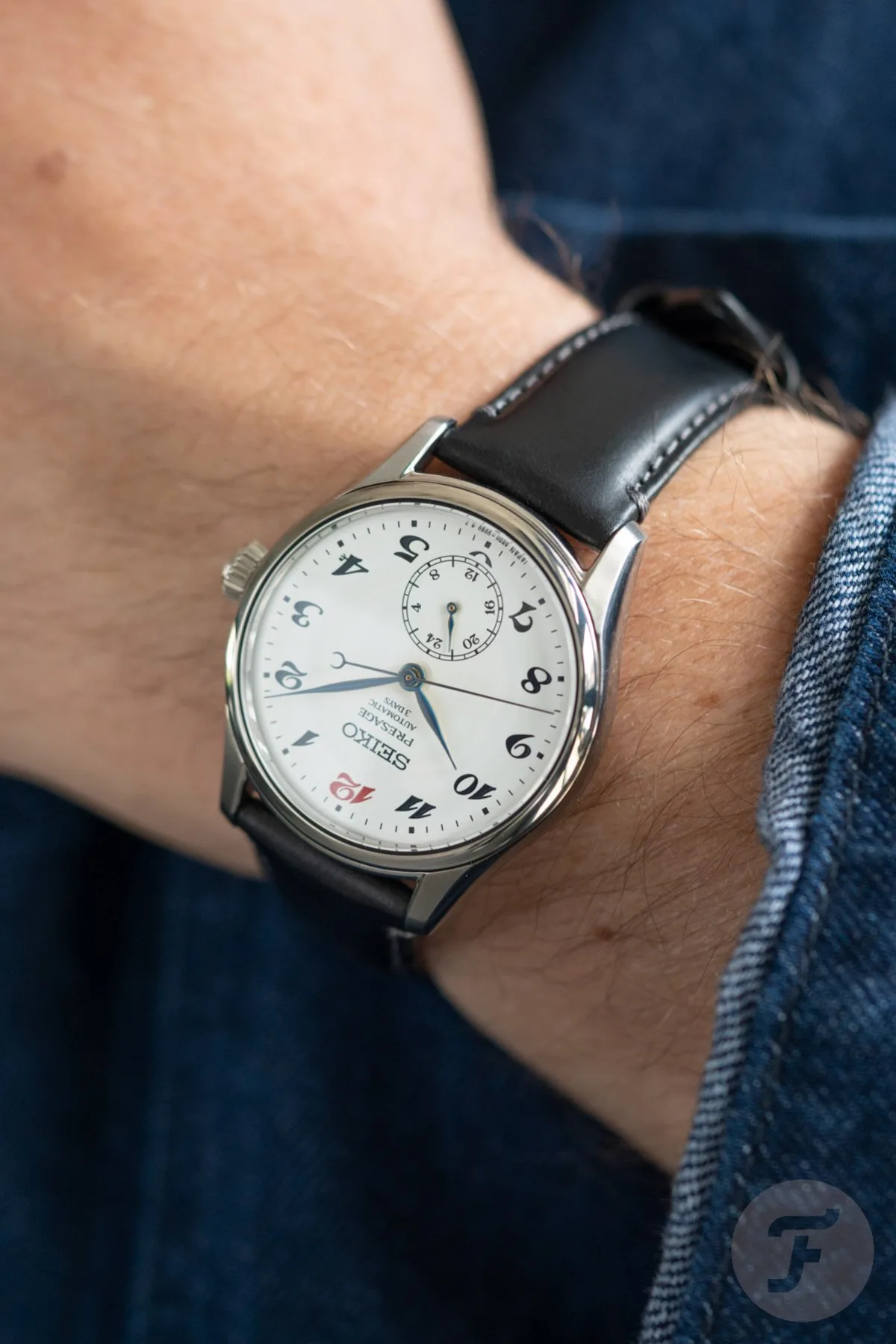
To achieve the impeccable and vibrant white dial of the HCC005, Seiko enlisted two enamel masters - Mitsuru Yokosawa and Kazunori Uchiyama. Their task is to create a clean and evenly processed surface. This requires great experience and skill, as not only the material but also the mastery of the craftsman is important. As a result, the dial appears alive: soft, attractive, without excessive sterility. It has depth and remains transparent. The recessed center of the dial, which draws the eye, is of particular interest.
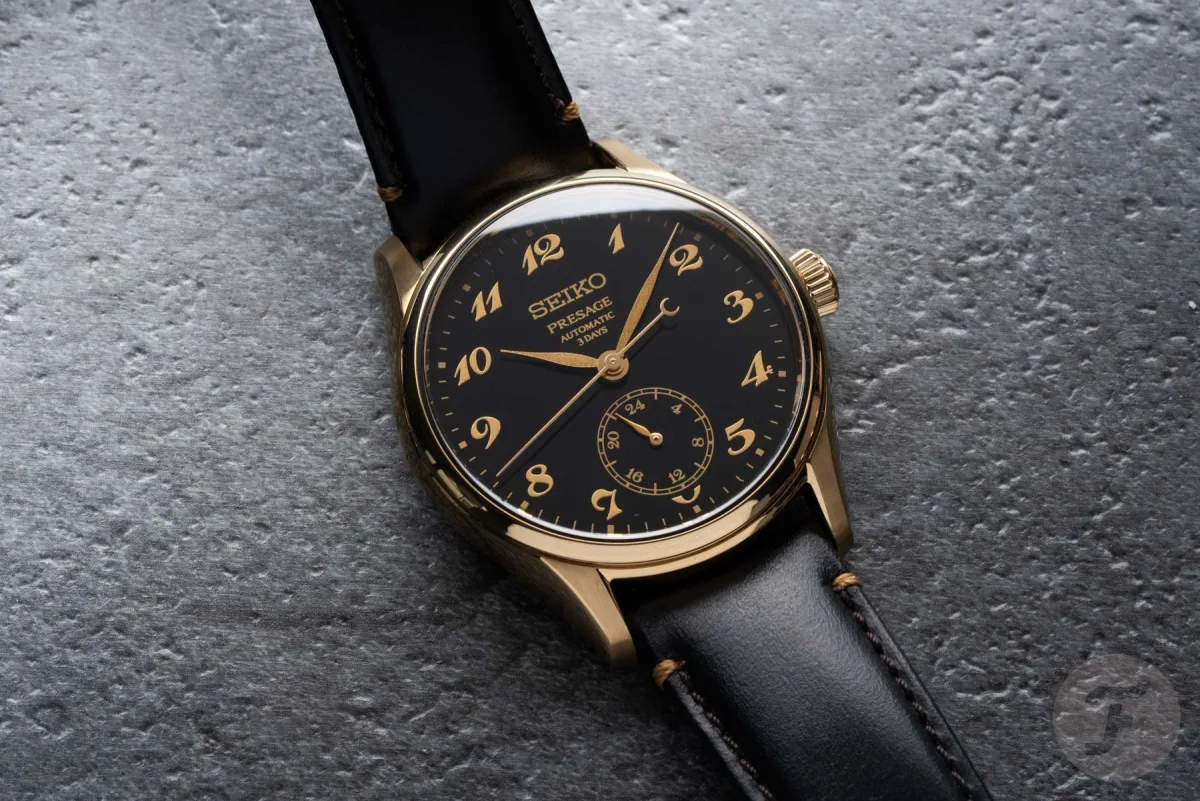
Black Urushi Lacquer and Gold Accents in HCC006
The second model, HCC006, with a yellow gold PVD-coated case, uses Urushi lacquer to reinterpret the Laurel design. The black dial contrasts with the gold elements. The hands and indices have a pronounced texture and volume, giving the dial depth and visual appeal, despite the relatively simple layout.
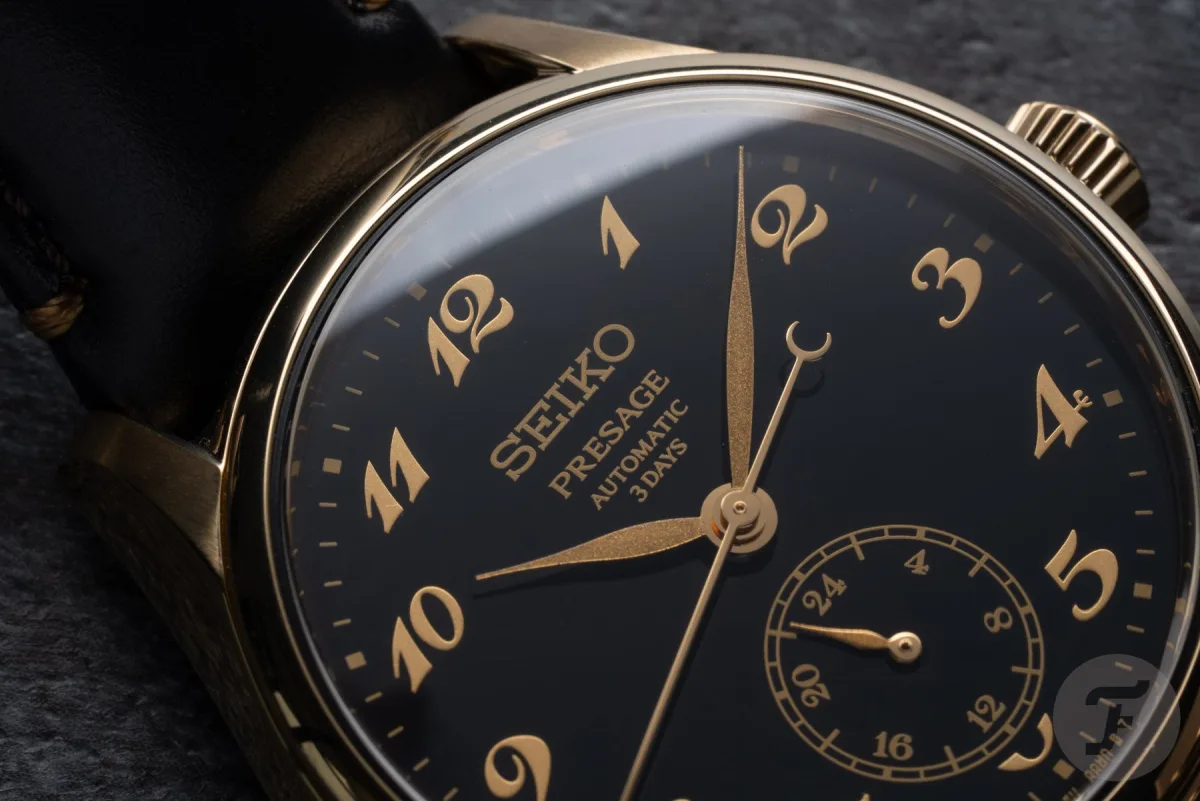
Seiko chose Urushi lacquer not by chance: it is one of the oldest Japanese crafts. The lacquer is applied and polished manually multiple times, requiring time and patience. Over time, the material acquires characteristic depth and shine. Thanks to the high quality of the lacquer and craftsmanship, Urushi dials are very durable. This is one reason why this craft is preserved to this day.
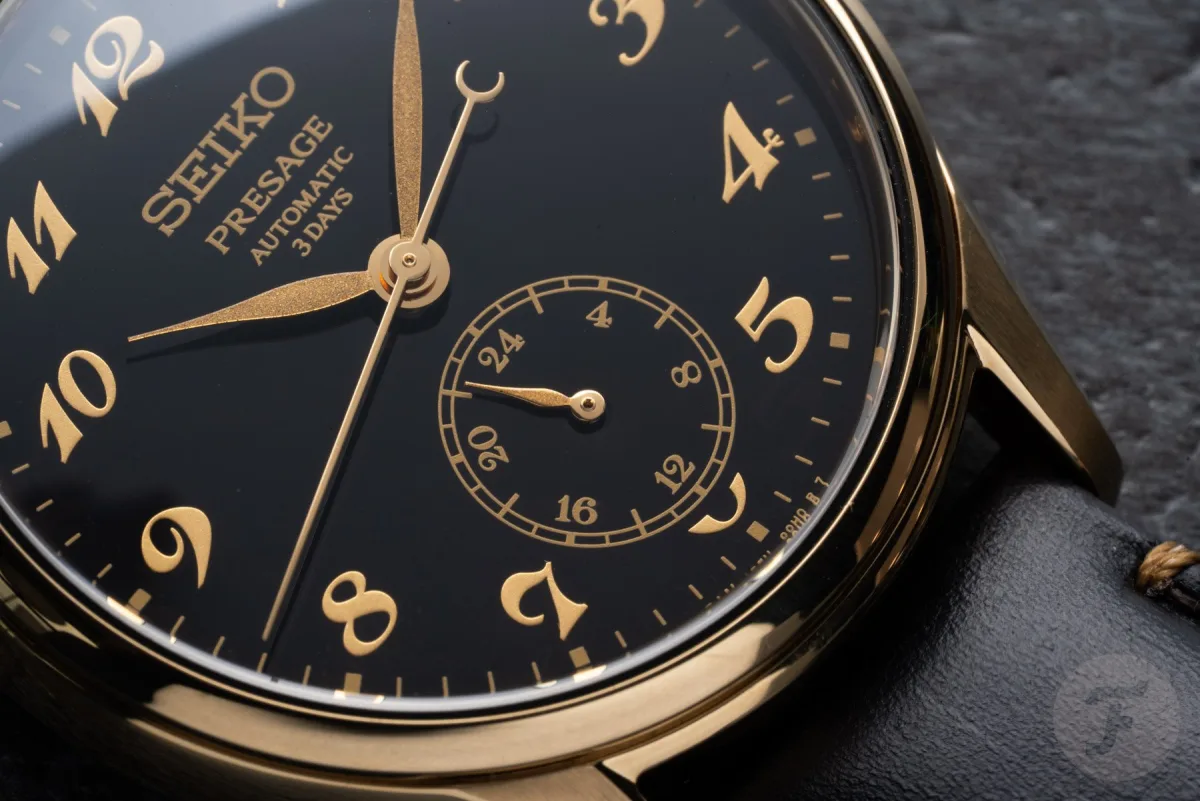
The dials of the HCC006 are created by Toshikazu Tsuji, his daughter Mitsuki Tsuji, and their team under the guidance of master Isshu Tamura. Their work is based on the Echizen Urushi tradition - one of the oldest Japanese lacquer traditions. Mitsuki Tsuji expanded her skills by studying Tamura's technique in Kanazawa, which combines the traditions of Echizen and Kanazawa. At the end of the article, you will find the difference between these two types of Urushi.
Modern Cases of the Presage Collection
Both new models are equipped with the latest case design for the Classic Series 'Craftsmanship'. The case diameter is 39.6 mm, thickness 12.4 mm, and length 46.8 mm. The case shape emphasizes the handmade work of the dial, providing it with space and visual depth thanks to the curved surfaces. The double curved sapphire crystal gives the case a sleek and clean appearance. This is the same case used in the HCC007 model with a cobalt blue Arita porcelain dial. On an 18 cm wrist, the case size is comfortable, but for fans of more compact watches, it might seem a bit large.
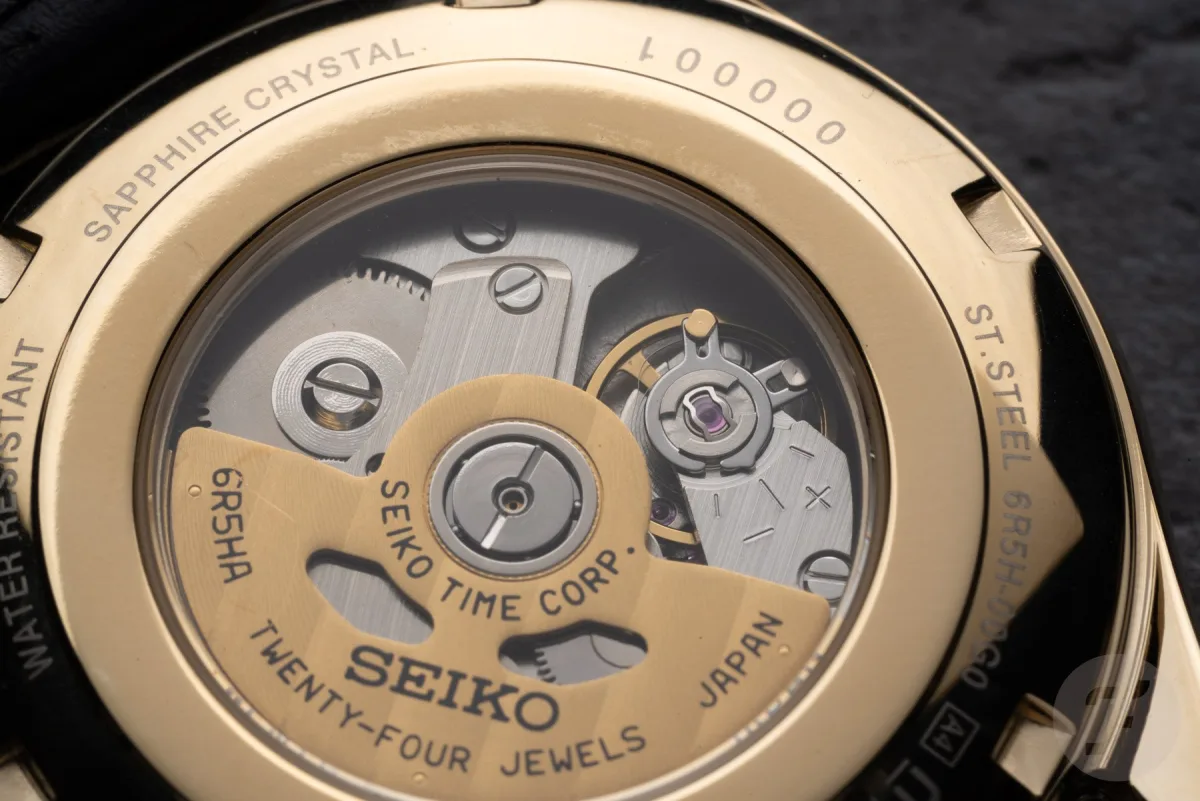
Inside is the automatic caliber Seiko 6R5H with 24 jewels, providing about 72 hours of power reserve. The accuracy is from +25 to -15 seconds in the normal temperature range. Although the mechanism's performance may be affected by the heat encountered by the WatchTested editorial team, the watch functions properly.
Both models come with oil-tanned leather straps produced at leather factories certified by the Leather Working Group. The oil tanning gives the leather both softness and strength. The strap is secured with a three-fold stainless steel clasp with a push-button release.
Impressions of the New Seiko Presage Classic Series 'Craftsmanship' Models
It's no surprise that I prefer the model with the white dial HCC005, but I appreciate in both watches the harmonious combination of heritage and modernity. The classic dial design combined with modern case elements is the foundation of these models. The historical theme of the Laurel 1913 comes alive through enamel and Urushi lacquer - traditional Japanese techniques.
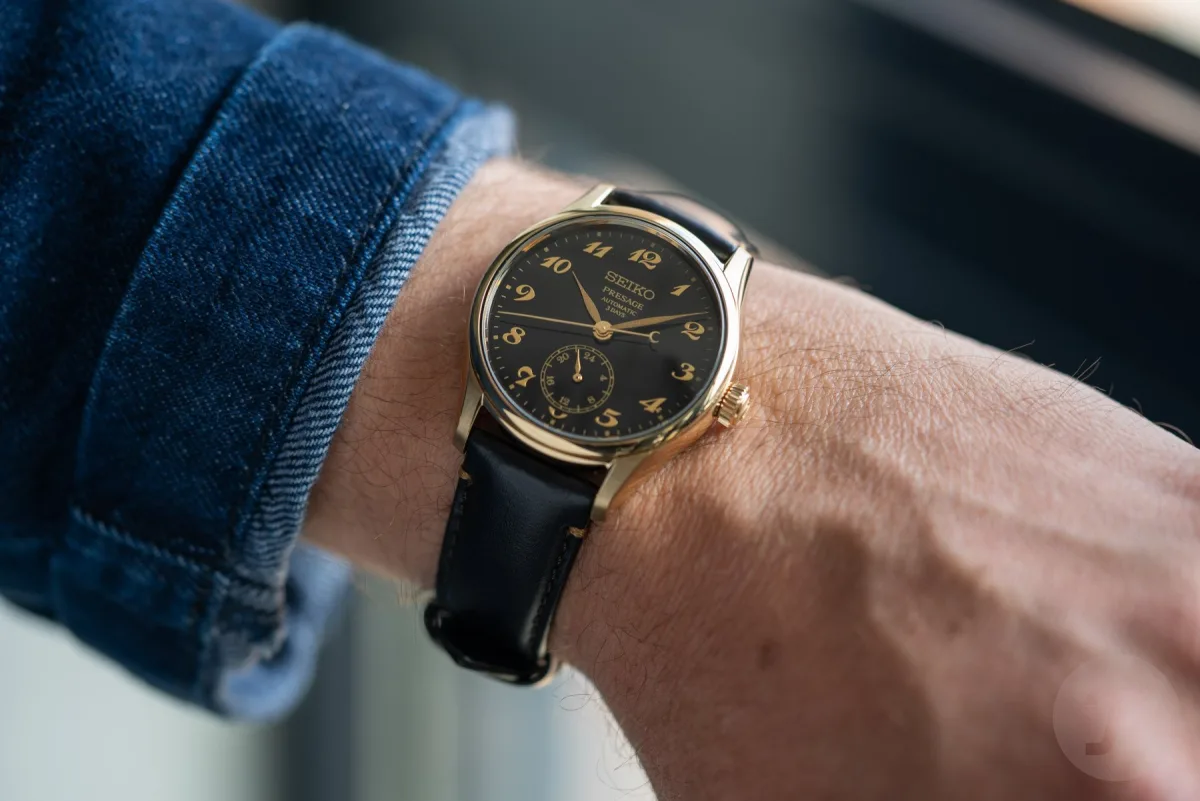
The case diameter of 39.6 mm suits my 18 cm wrist well, but for those who prefer more modest sizes, the watches might seem a bit large for a classic model. Nevertheless, they look elegant enough and won't appear out of place.
Both models will enter permanent production and will be available in Seiko boutiques and selected retailers worldwide from September 2026.
Differences Between Echizen Urushi and Kanazawa Urushi
The difference between the two types of Urushi lies in their specialization. Echizen Urushi from Fukui Prefecture focuses on durable, utilitarian production with a division of labor for everyday use. Kanazawa Urushi from Ishikawa Prefecture is a luxurious craft known for its lush, highly artistic maki-e technique (painted with gold powder) and the abundant use of gold leaf.