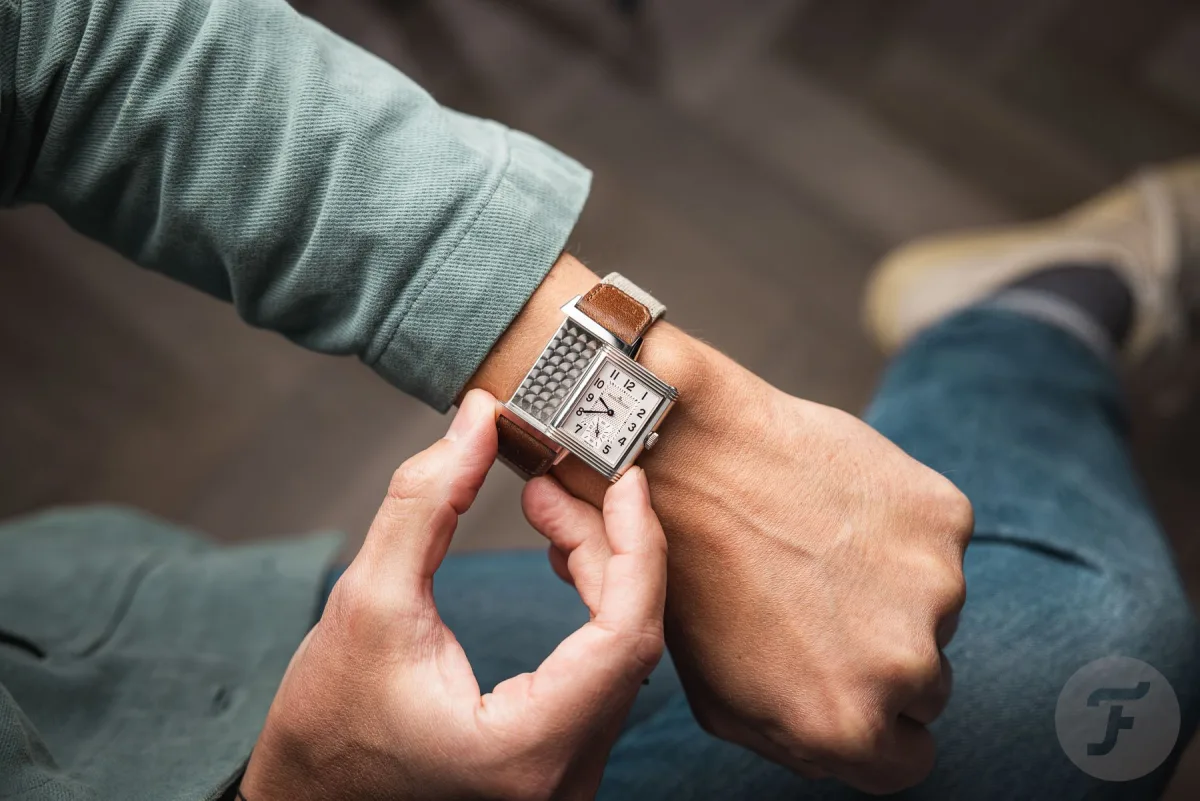
The rise in watch prices, especially for classic models from certain brands, prompts the search for new opportunities.
Today we will look at five vintage, neo-vintage, and later second-hand options worth exploring.
Last month, I wrote an article that attracted significant attention. I mentioned the French philosopher Denis Diderot and a thesis on consumerism we can draw from his works. In short, Diderot fell into the trap of consumerism, where he felt compelled to buy increasingly expensive items to justify a fashionable new gown. The essence of the article was to push the conversation towards seeking neo-vintage or used items and perhaps spending more time with what we already have. I noted that my first major new watch purchase was the Tudor Black Bay 58 and that even Tudor, a watch brand known for its good value, has been raising prices more over the past three to four years.
Pre-Owned Options in a World of Rising Watch Prices
Our readers were very interested in these concepts, and I am grateful for all the positive discussions this story sparked. In the spirit of that article, I would like to talk about some pre-owned watches that I would consider buying if I were new to this hobby today and faced with the challenge of high prices for new watches. Many noted that other brands have raised prices even more. For instance, some pointed out Jaeger-LeCoultre, and many others - the Omega Speedmaster, which have also increased significantly in a relatively short time.
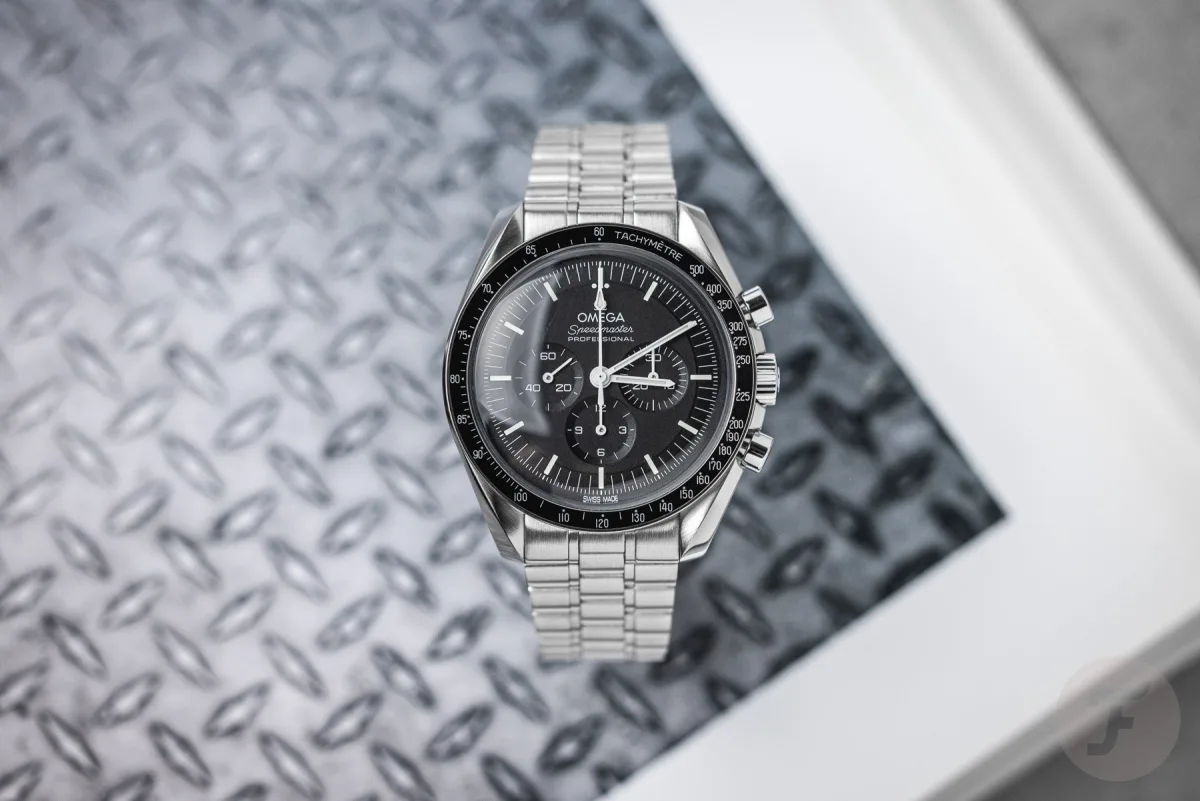
I think it's worth noting that in 2021, the Omega Speedmaster Moonwatch ref. 310.30.42.50.01.001 was priced at 6,100 euros on a bracelet. At the time, many still considered the Speedmaster a very worthwhile purchase, given its magnificent heritage and the technical improvements of the latest version. Today, its price is 7,500 euros (and 8,600 euros for the model with sapphire glass ref. 310.30.42.50.01.002), which is almost 23% more. This certainly creates a different proposition. My original article was not intended to determine which brands or product lines have increased the most. Rather, it encourages us to think outside the box as many begin to feel they can no longer afford watches they could four or five years ago. In this spirit, I present five examples of pre-owned watches that I would prefer over their current counterparts.
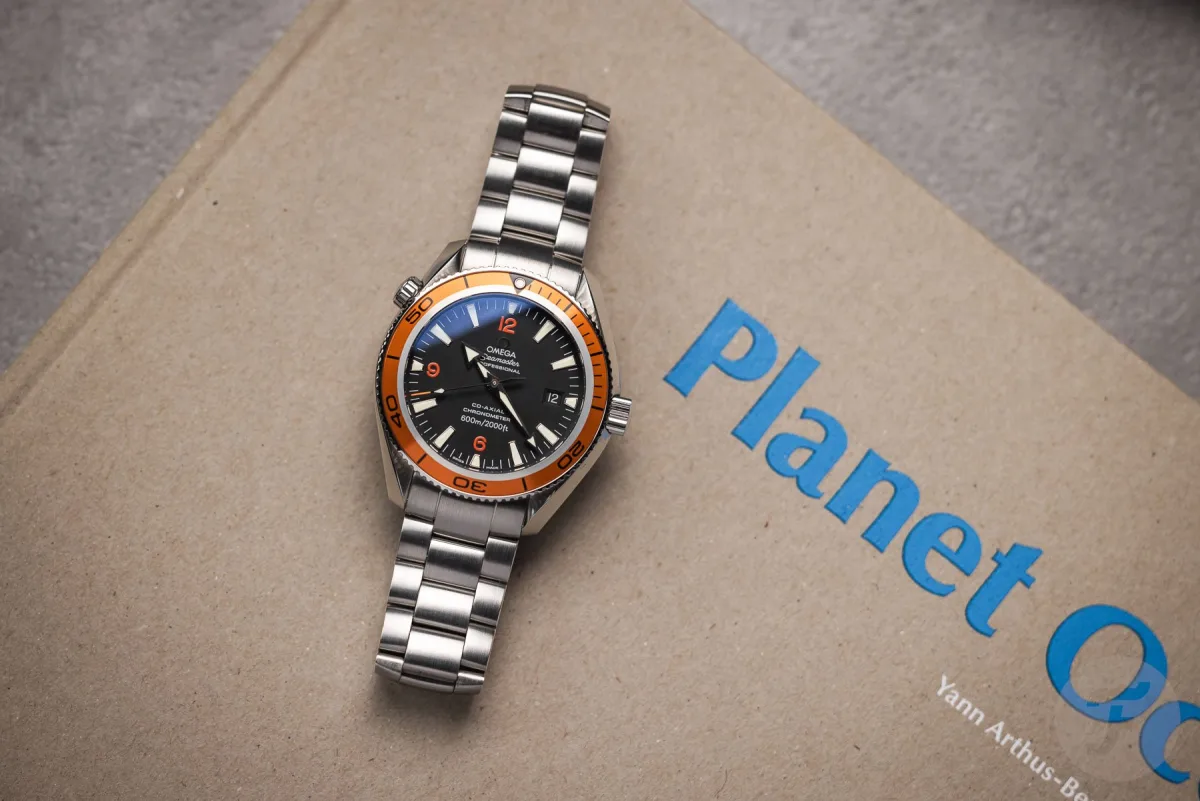
Omega Seamaster Planet Ocean with Caliber 2500
In the early to mid-2000s, Omega had a strong streak of releases. Besides the Seamaster 300M ref. 2254.50.00 owned by Nacho, the brand also launched the Planet Ocean series. My favorites are those equipped with the Omega caliber 2500 based on the ETA 2892. These watches were the first generation of Planet Ocean and, in my humble opinion, are the most beautiful visually. Introduced in 2005, the 42mm versions are future neo-vintage classics.
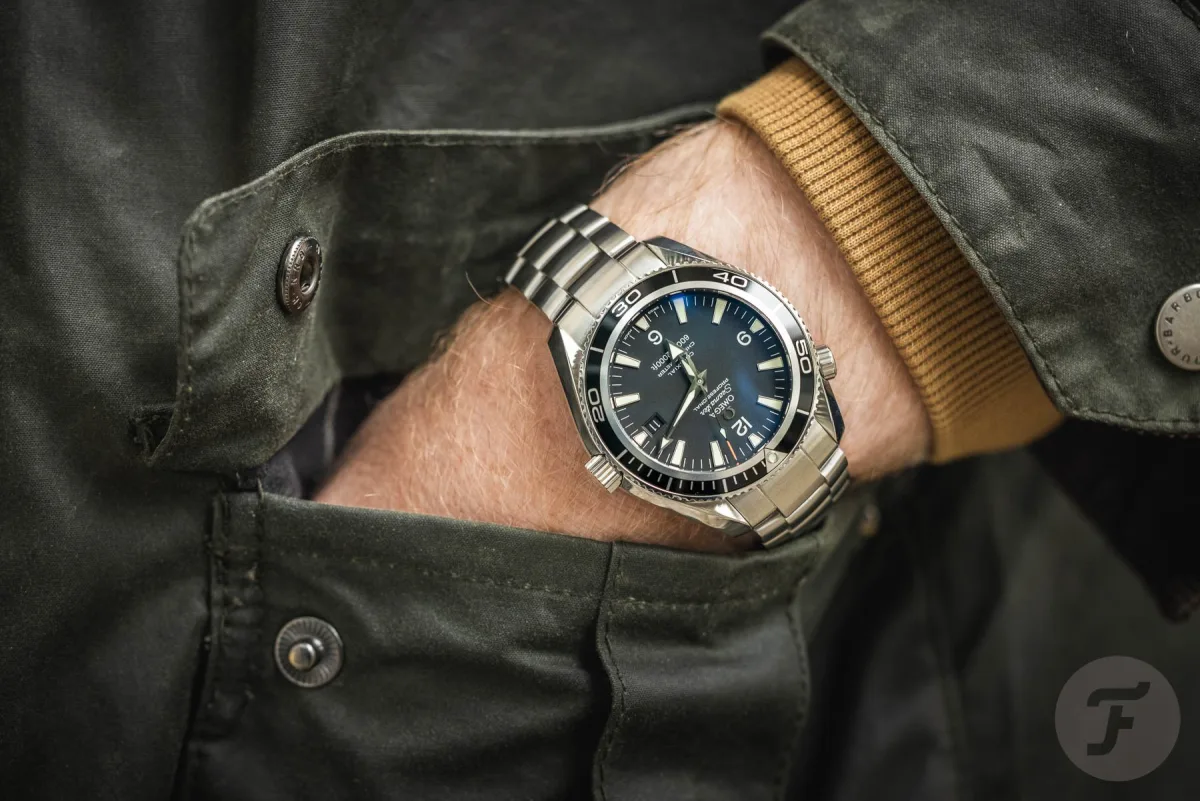
The design of these watches harks back to the iconic Omega Seamaster 300 of the 1960s with its remarkable font on the numbers at 6, 9, and 12 o'clock. The simple version with a black bezel is the most stylish, and although they also came in a 45mm case, I always chose the 42mm version. These watches in good condition can be purchased for 3,000 euros on a bracelet. I don't know about you, but I would prefer to have such a watch rather than the new Omega Seamaster 300M or even the Speedmaster.
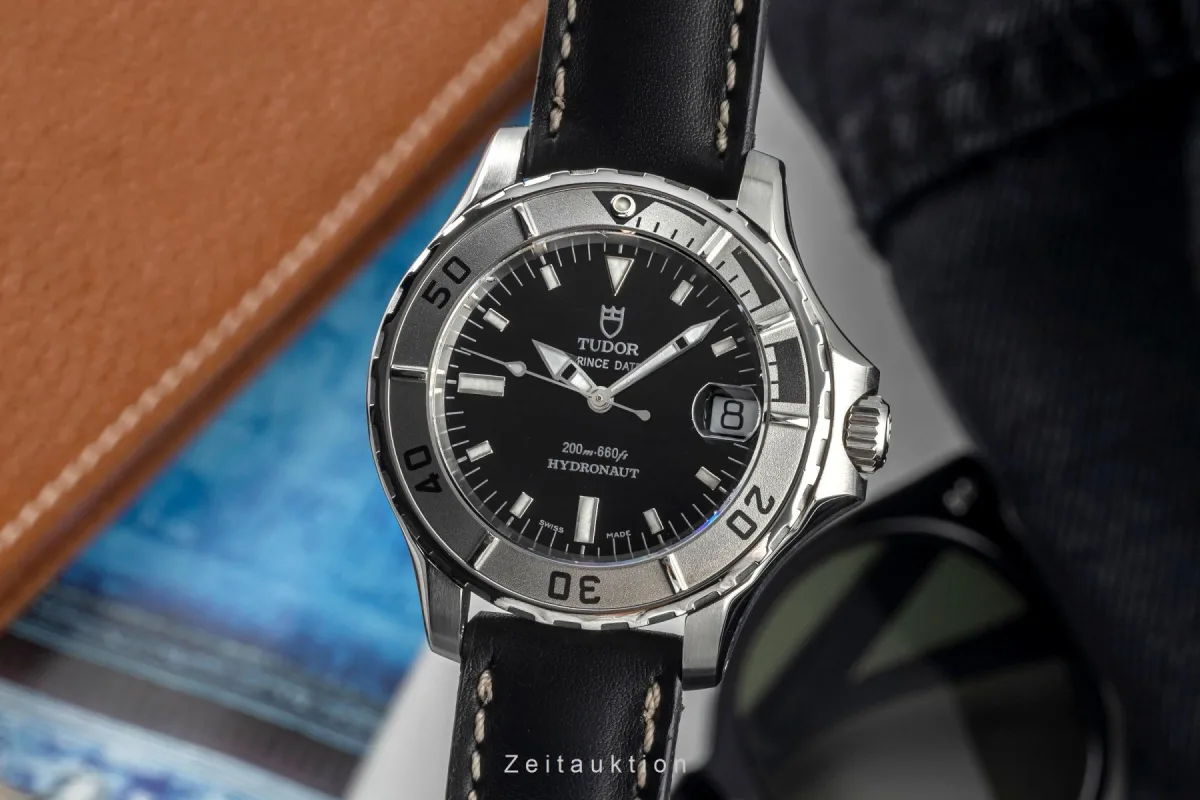
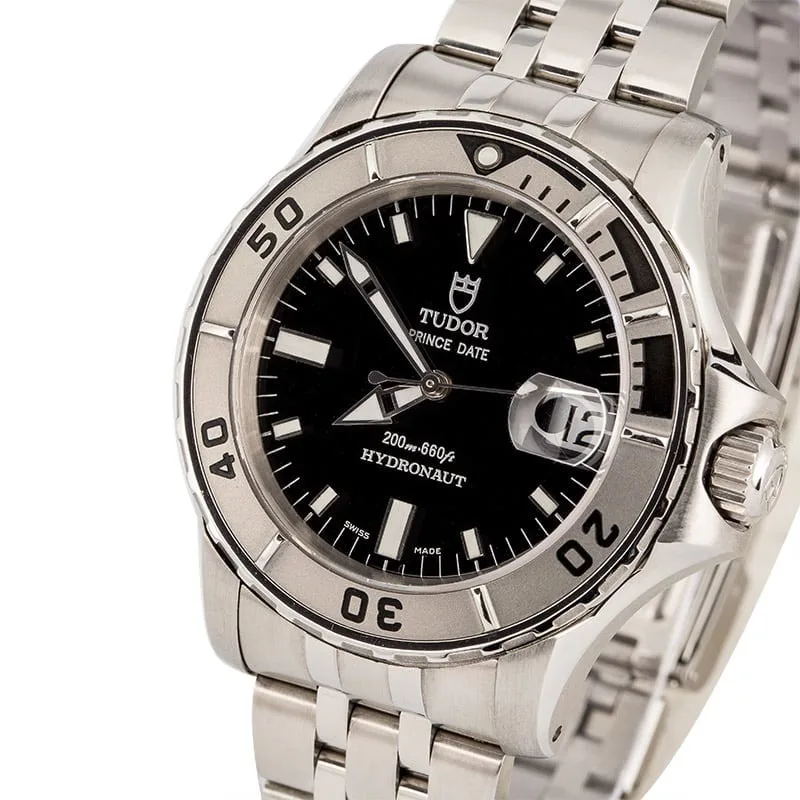
Tudor Hydronaut
Tudor watches from the late 1990s up to the release of the original Black Bay model in 2012 are interesting to explore. Although people often think that this era was dominated by not very attractive avant-garde design, I believe there are gems here. One such gem is the Tudor Hydronaut model. The Hydronaut watches, designed for 200-meter diving and equipped with a modified Tudor ETA 2824-2 movement, are a bargain on the pre-owned market today, often priced under 2,000 euros. The unusual case of the watch allows you to appreciate its quirkiness.
We know that Tudor makes reliable watches in terms of build quality, and the movement in these watches is easy to service. Therefore, the only thing you might need to be convinced of is its unusual appearance. I must admit, I quite like it. Additionally, alongside the full-sized 40mm models like ref. 89190, there are even 36mm versions, like the one pictured here, for 1,650 euros.
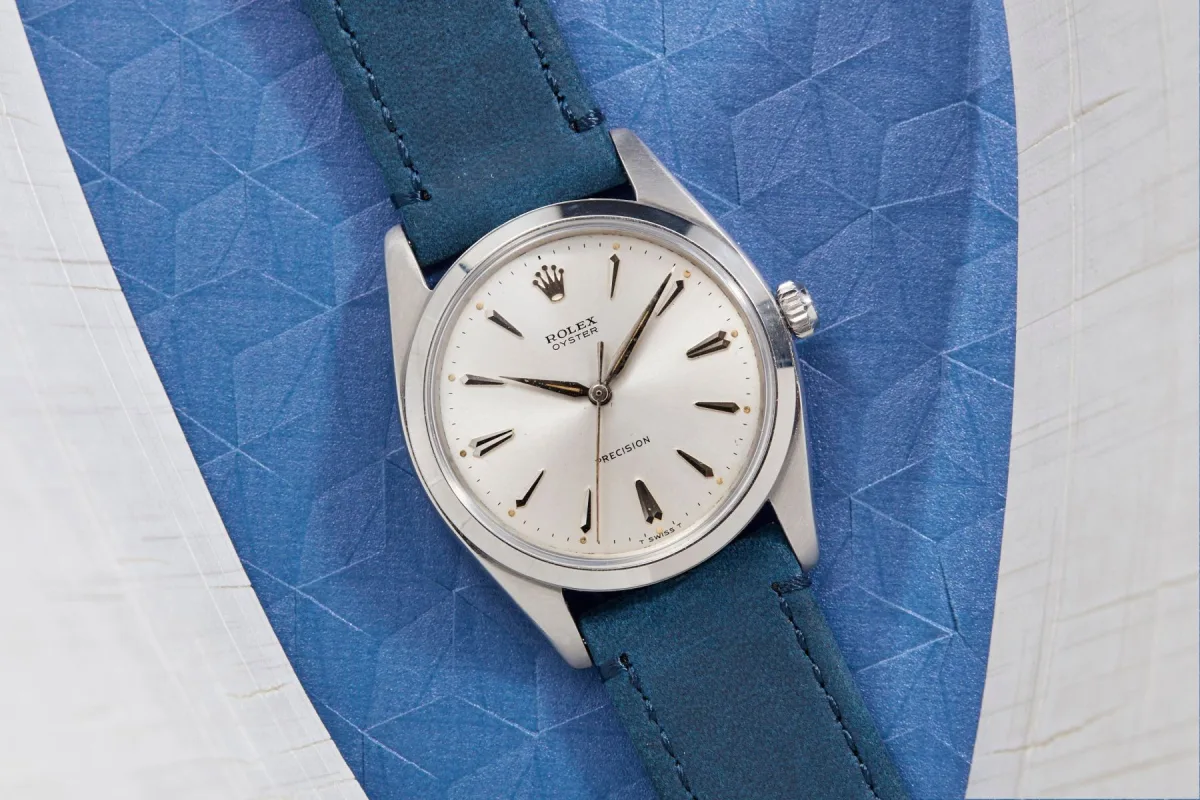
Early Rolex Oyster Precision Models
At this year's Watches and Wonders exhibition, Rolex drew a lot of attention by releasing many models in precious metals. I've never been attracted to Rolex watches except for stainless steel models. And I particularly like the modern Explorer. But even more, I appreciate vintage Rolex watches, especially the modest Rolex Oyster Precision models with manual winding. These watches are simple and elegant, embodying the core DNA of what made Rolex great.
If I were considering buying a Rolex today, these would be the watches. Prices vary greatly, but good examples with a Rolex bracelet can be purchased within 2,000 euros. I would argue that these watches have a greater cool factor than anything we've seen from the brand this year, but that's very subjective. In any case, with 34mm Oyster cases that wear more like 35-36mm, these are fantastic watches.
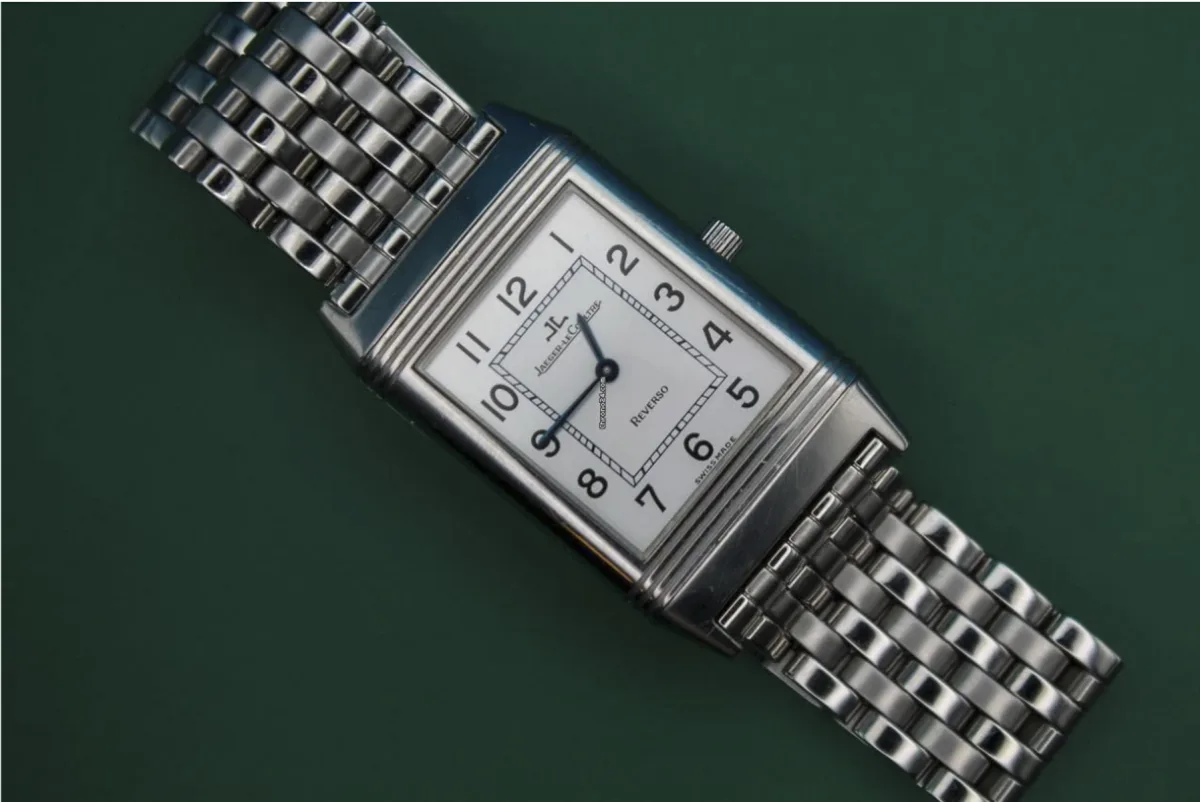
Jaeger-LeCoultre Reverso Classique
One of the product lines that sparked a lot of discussion about prices is the Reverso watches from JLC. Prices have risen significantly and rapidly. But one of the advantages of Reverso is that there are many pre-owned options available. One of my favorite models is smaller in size (23mm in width and 38.5mm in length, to be exact). This is the Jaeger-LeCoultre Reverso Classique ref. 250.8.86. These watches, produced from the mid-90s to the 00s, demonstrate just how much prices have changed recently. Steel versions of the JLC Reverso Classique can be found in the mid 3,000 euros. If you've already acquired a Reverso, I would advise you to pay attention to these watches. If you like the size and design, I don't see how you can go wrong.
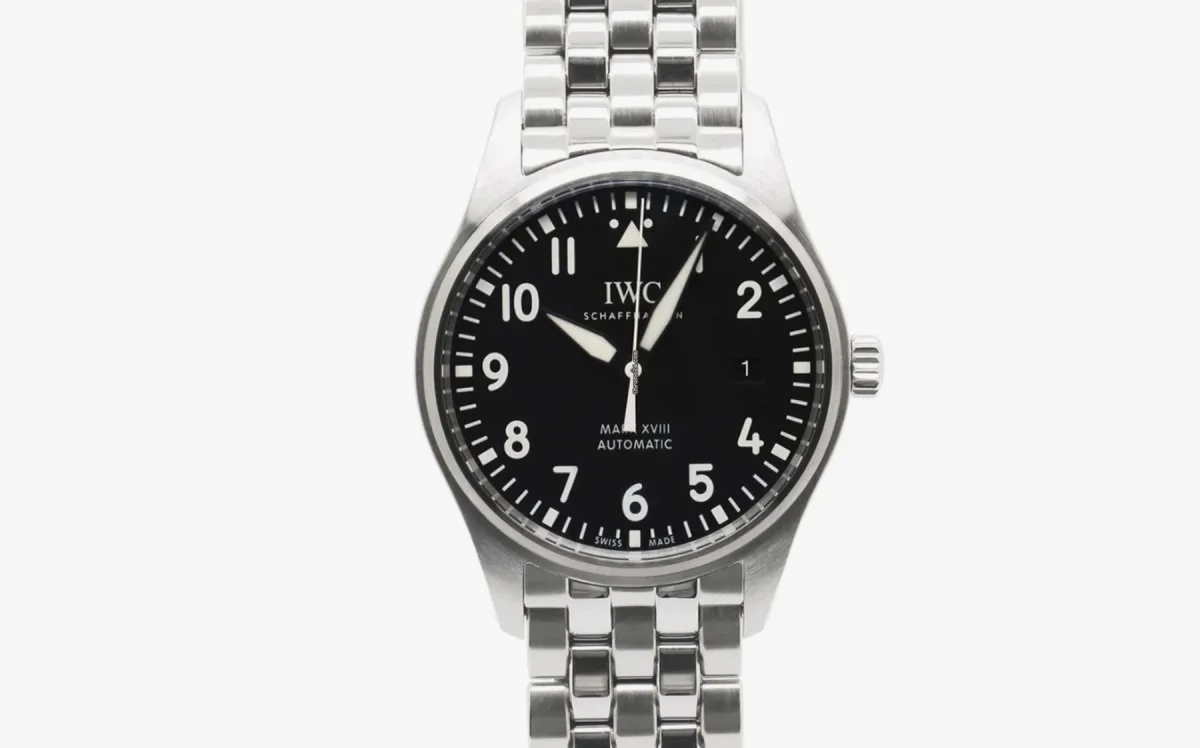
IWC Mark XVIII Pilot's Watch
The IWC Mark XX brought many improvements over its predecessor, the Mark XVIII. A more advanced movement, slightly increased water resistance, and pleasing dial proportions all make the Mark XX an attractive choice for fans of the Mark series. But that doesn't mean the Mark XVIII is a bad watch. On the contrary, it's a very good watch that can be found on the secondary market for less than 3,000 euros.
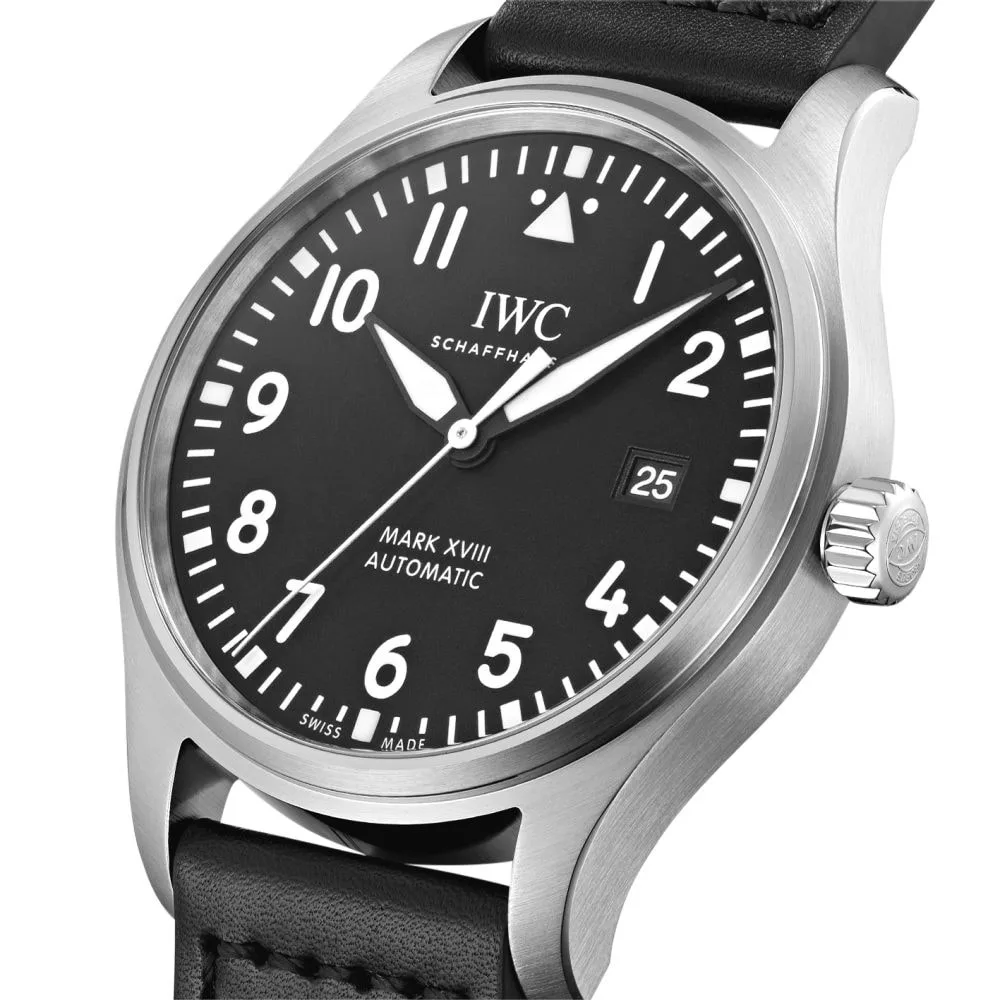
For those who want iconic pilot watches from IWC, I would choose the Mark XVIII. In my opinion, it has a better dial design than the previous version and is more accessible than the Mark XII or Mark XV. Although these are relatively young watches released in the 2010s, they preceded the sharp rise in watch prices, which seems to be reflected in the current secondary market.
Concluding Thoughts
One of the most enjoyable aspects of this hobby is the vast array of options we can explore. The rise in new watch prices gives us the opportunity to seek inspiration elsewhere. What do you think, friends? What would you recommend for those of us who are taken aback by the scale of watch price increases and are looking for something on the secondary market?