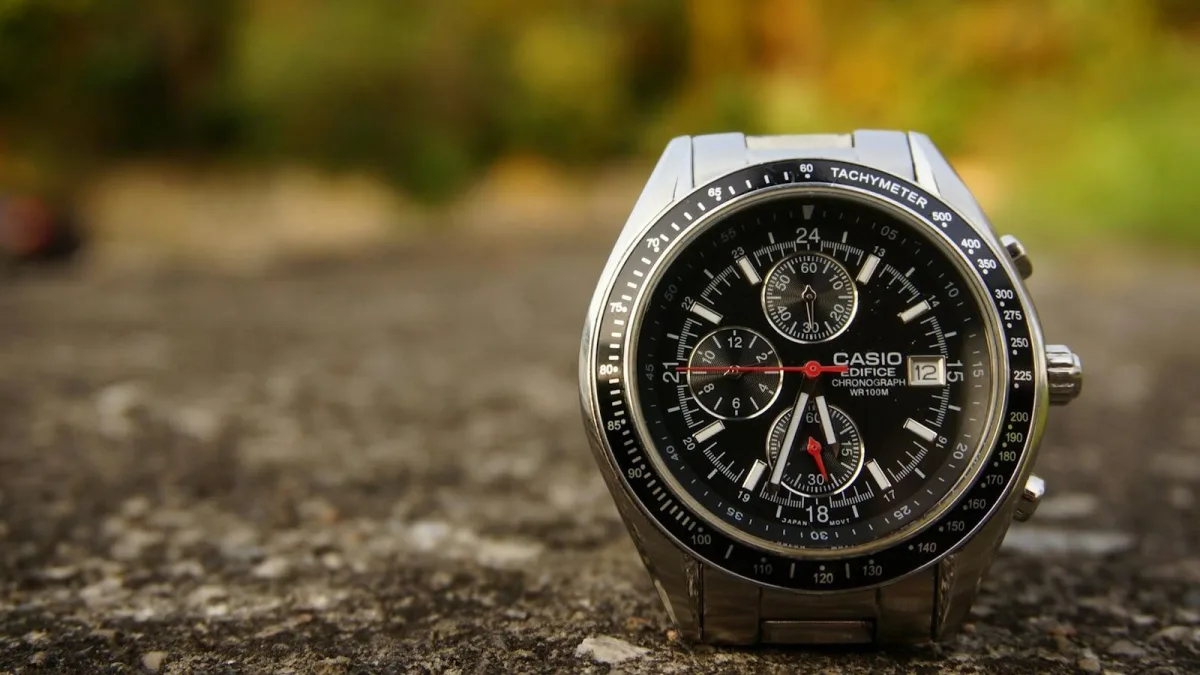
When choosing a watch, it's important to consider many factors: the type of movement, style, and budget. But what role does the watch crystal play?
Should you pay special attention to it? How many types of crystals are there, and which one is the best? In this article, we will closely examine and compare the main types of watch crystals to help you make an informed choice.
What is a Watch Crystal?
The primary function of the crystal or glass in a watch is to protect the movement and dial. Despite having the same task, different types of crystals have their own features and characteristics. For example, many believe that sapphire crystal is only for expensive wristwatches, while plastic is completely useless. However, the reality is much more complex.
The main criteria for high-quality glass are strength and scratch resistance. Everyday watches often face impacts and friction, so it's important to know which glass is better suited for specific operating conditions and how much it costs.
Why is sapphire crystal more expensive? Why do some manufacturers use cheap glass on watches with a quality movement? Answers to these questions can be found below, starting with the most popular option in the luxury segment - sapphire crystal.
Sapphire Crystal
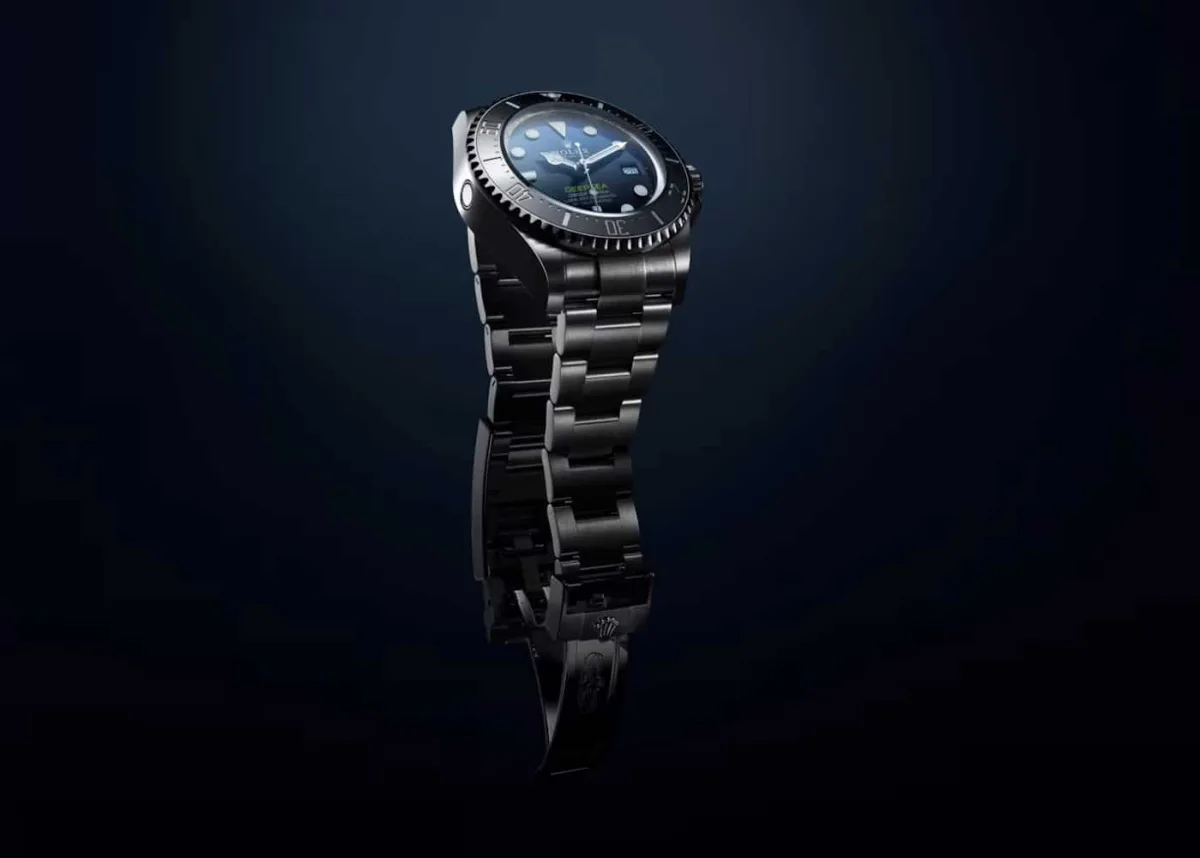
Rolex
Sapphire crystal is the most expensive type of watch crystal. It is distinguished by high hardness, compact structure, and the best scratch resistance among common materials. Sapphire is often coated with an anti-reflective layer, improving dial visibility.
Sapphire is a ceramic material obtained in laboratory conditions through crystallization at high temperatures. Despite being called "glass," it is essentially a crystal. On the Mohs scale, sapphire's hardness is 9 out of 10, second only to diamonds and moissanite. Cutting sapphire crystal is only possible with diamond tools.
The use of sapphire in the watch industry began in the 1930s, but it became widespread only in the 1970s and 1980s. Rolex made a significant contribution to its popularization with model ref. 5100, equipped with sapphire crystal. After that, many luxury brands like Patek Philippe and Vacheron Constantin adopted sapphire as a standard. Some manufacturers create unique variants, such as the green sapphire crystal Milgauss from Rolex.
Sapphire crystal is not the most impact-resistant, but for most users, its level of strength is more than sufficient. Historically, military watches often used acrylic or mineral glass due to their ease of replacement and repair.
Mineral Glass
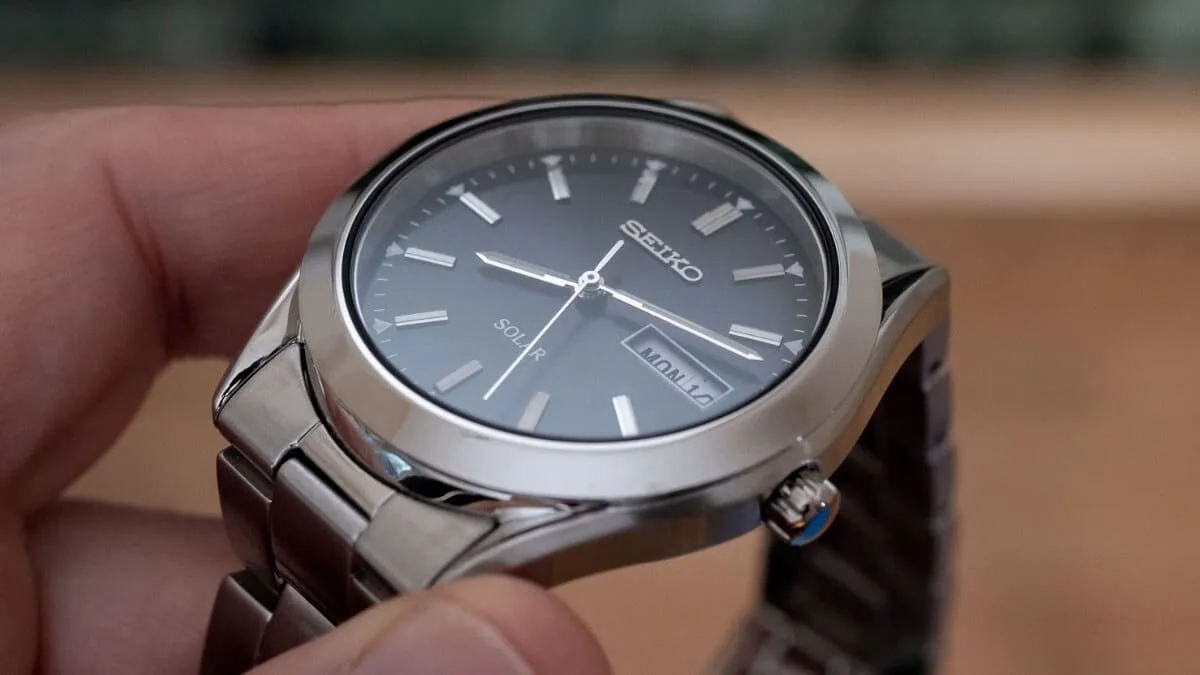
Mineral glass is a classic option for dial protection. It undergoes thermal or chemical hardening, which increases its strength and flexibility, making it more impact-resistant than sapphire. Mineral glass reflects less light than untreated sapphire, enhancing readability.
However, mineral glass is more prone to chipping, so practically it is inferior to sapphire with anti-reflective coating. In the event of damage, the entire glass usually needs replacing. Nevertheless, mineral glass is significantly cheaper than sapphire and much more scratch-resistant than plastic. This makes it a popular choice for mid-range watches.
For example, Seiko uses its own type of mineral glass called Hardlex. Thanks to the affordable cost of mineral glass, Seiko can offer inexpensive automatic models like the Seiko SNK789 priced below $500. In some of the more expensive Prospex and Presage models, sapphire crystal is already used.
Be cautious: some brands apply a sapphire coating to mineral glass, which can increase the watch's price but does not make it fully sapphire.
Acrylic (Plastic) Crystal
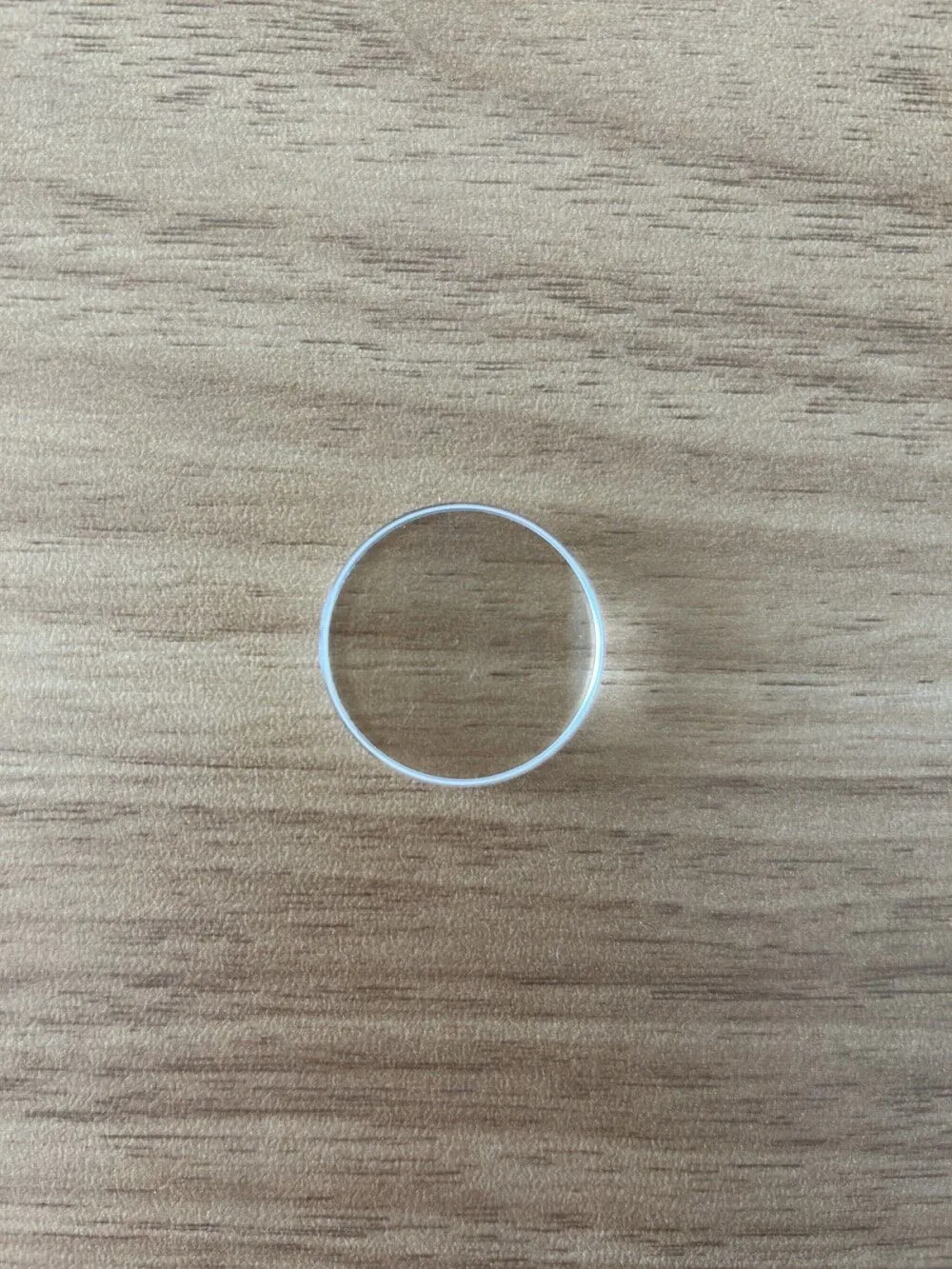
Acrylic or plastic crystal is the cheapest and least scratch-resistant type of dial protection. In product descriptions, it may be called Plexiglas, Lucite, or Perspex, which are supplier-related names, but they are essentially the same material.
Despite its low cost, acrylic has several advantages: it is lighter than sapphire and mineral glass, easy to replace and repair. Small scratches can be removed independently using special pastes like Polywatch or household remedies like toothpaste.
Acrylic is impact-resistant, making such watches practical for active wear. Due to its optical properties, acrylic crystal creates characteristic distortions, giving watches a vintage look appreciated by collectors.
How to Replace a Watch Crystal
Replacing a crystal requires caution, as improper installation can disrupt the watch's water resistance. After replacement, a pressure test should be conducted to check for seal integrity.
Frequently Asked Questions
How much does it cost to replace a watch crystal?
The cost ranges from $75 to $500 or more, depending on the crystal type, watch design, brand, and the need for a pressure test.
Can you clean a watch crystal?
A microfiber cloth with water or a mild soap solution is suitable for cleaning. Special pastes and products are also available on the market.
How to determine if the crystal is plastic or mineral/sapphire?
Acrylic feels warm to the touch and produces a plastic sound when tapped. Sapphire crystal is cold and gives a low sound, while mineral is higher-pitched.
Conclusion on Watch Crystal Types
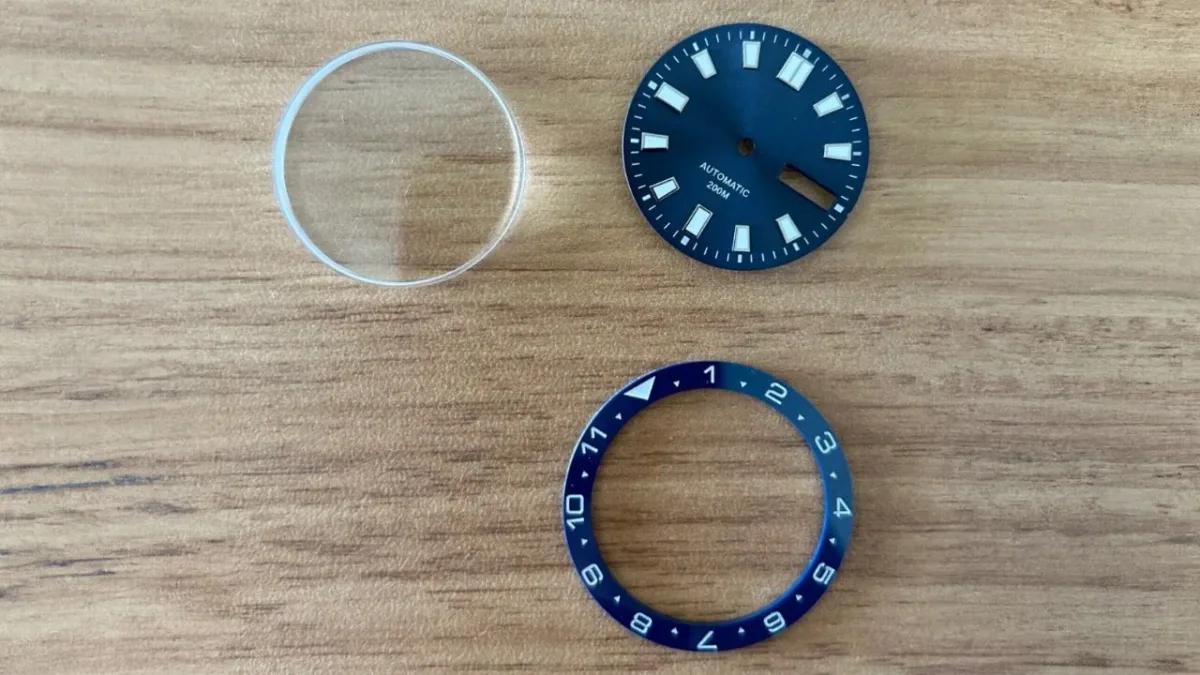
- Sapphire Crystal - the optimal choice for maximum clarity and scratch resistance. Used in most modern luxury watches.
- Mineral Glass - a good compromise between cost and strength, often used in mid-range watches.
- Acrylic Crystal - the most affordable option, lightweight and impact-resistant but inferior in clarity and scratch resistance.
Which type of crystal do you prefer and why? Share your experiences and tips in the comments. Subscribe to our newsletter to receive more expert materials on watches and accessories.