If you thought archival data on men's watches was scarce, you probably haven't tried tracing the origins of women's watches.
Considering they were the first wristwatches, it's surprising there's not more detailed information about them. This could be due to the gender imbalance in the watch community or simply because there were too many variants to track, but it's definitely a black hole in information. The Rolex Chameleon is no exception, and yet they appear online surprisingly regularly. Fortunately, there are a few paths we can follow to understand the collection.
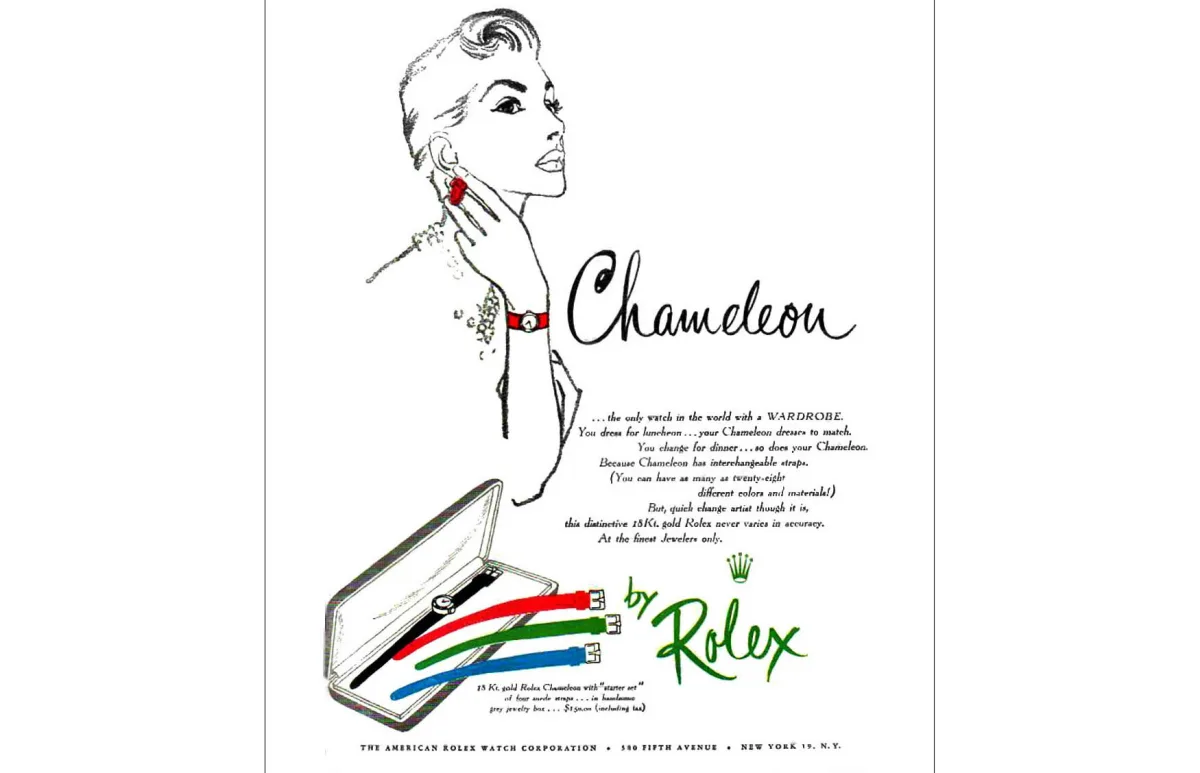
The earliest record of the Rolex Chameleon I could find is a 1953 advertisement with minimalist illustrations where the watch is not depicted at all. Instead, it emphasizes the fact that the watch has interchangeable straps, likening the set to a wardrobe itself. This is the essence of the "Chameleon": it can blend into its environment by changing strap colors. The "starter kit" included four leather straps in black, red, green, and blue, and the 18-karat gold model was priced at 150 USD, which equates to approximately 1,700 USD today.
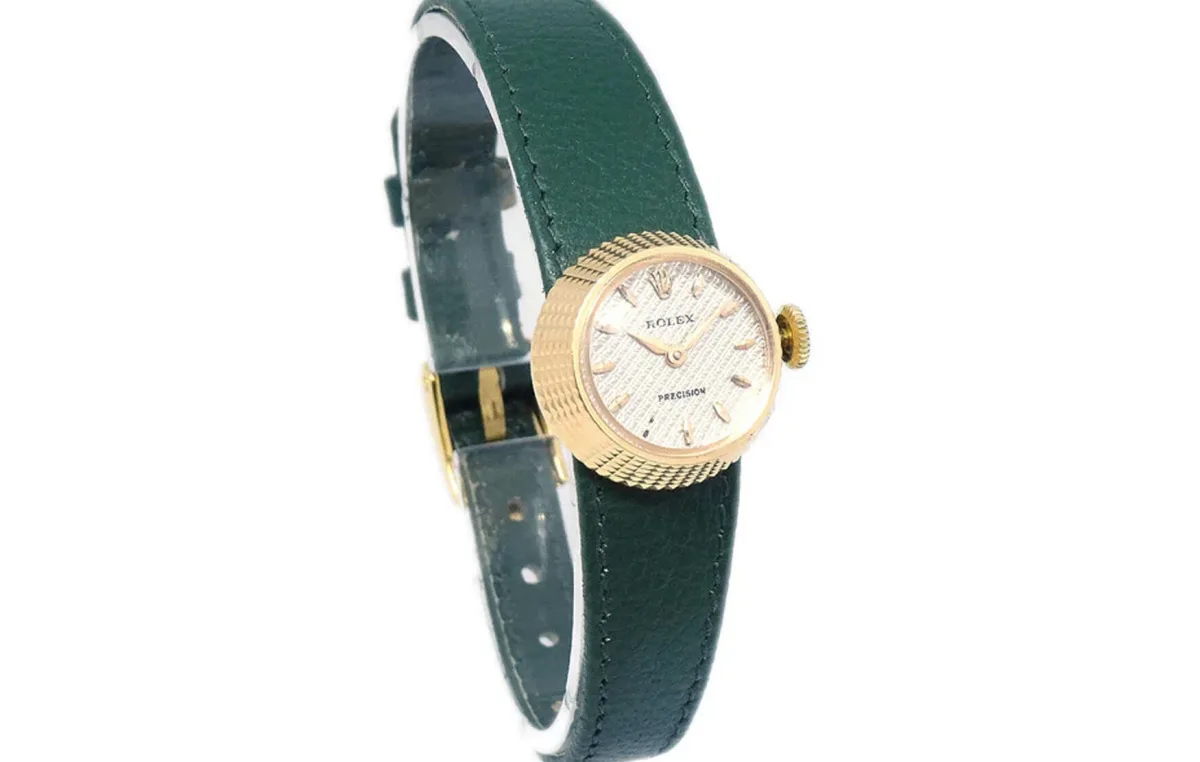
The cases were small and conical, with a slot in the back for single-pass straps. Given the nature of women's fashion, the Chameleon collection quickly expanded with various models, case shapes, materials, and, of course, straps. There were options in precious metals and stainless steel, but you could even purchase full single-pass bracelets in 18-karat gold. Since leather straps relied on friction to prevent the case from sliding while worn, bracelet options used a sort of spring to help keep the watch head in place.
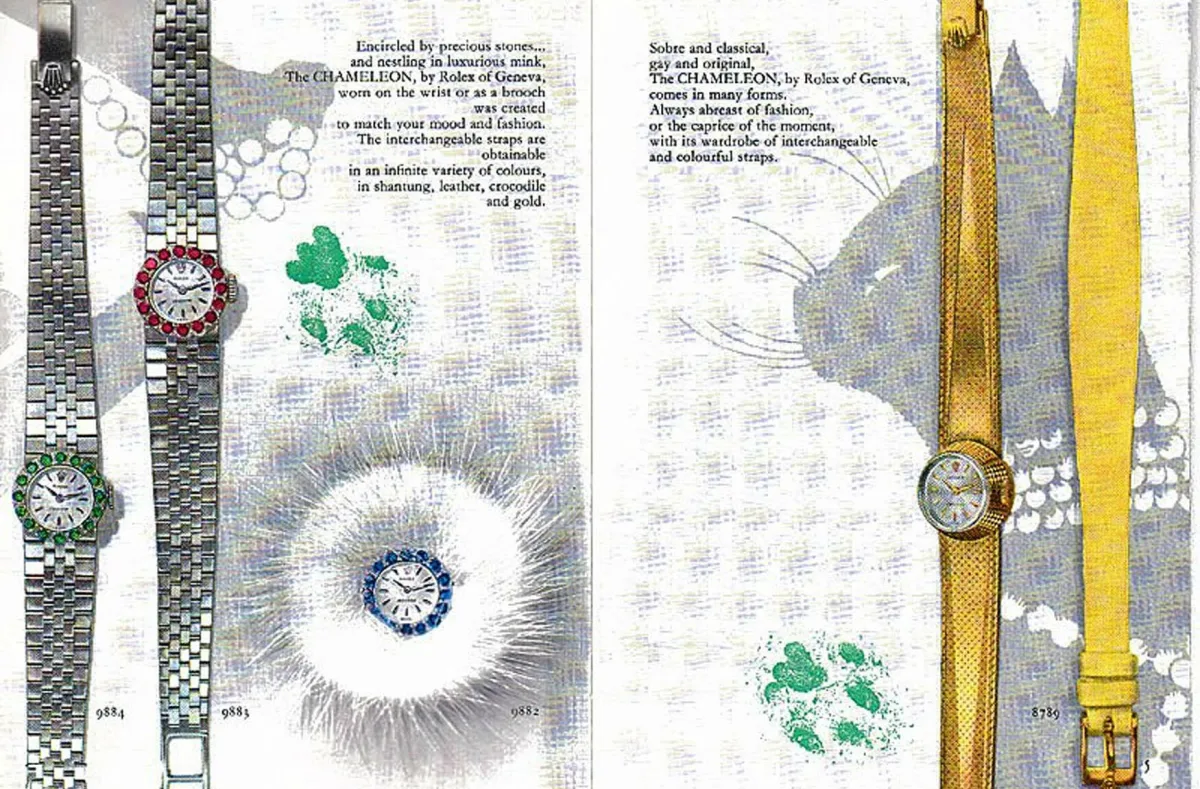
In 1962, the Rolex catalog featured a Chameleon model with a green or red bezel adorned with gemstones, in a sporty white metal case or a more refined yellow gold option with a knurled bezel. The common denominator for all these models was a sense of luxury and versatility.
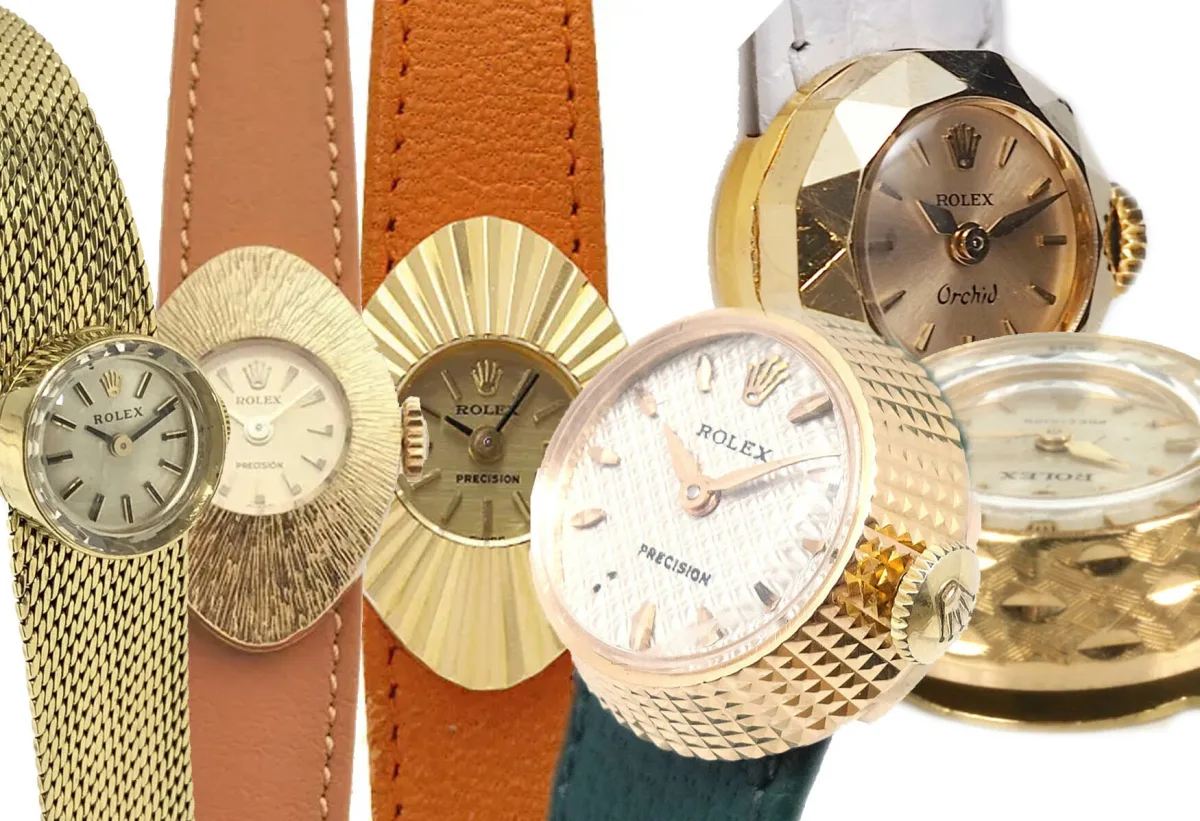
In the mid-to-late 1960s, the Chameleon line saw some of its most vibrant innovations with the emergence of a more expressive and less modest style. The "almond" case took the bezel out of the shy pie shape of the 1950s and gave it real chic. The most popular models were fluted, creating a sunray effect, but there were also bark-finished models and some other experimental ones, which are now rarer to find but not necessarily more desirable. Admittedly, these developments may have been slightly belated and unoriginal.
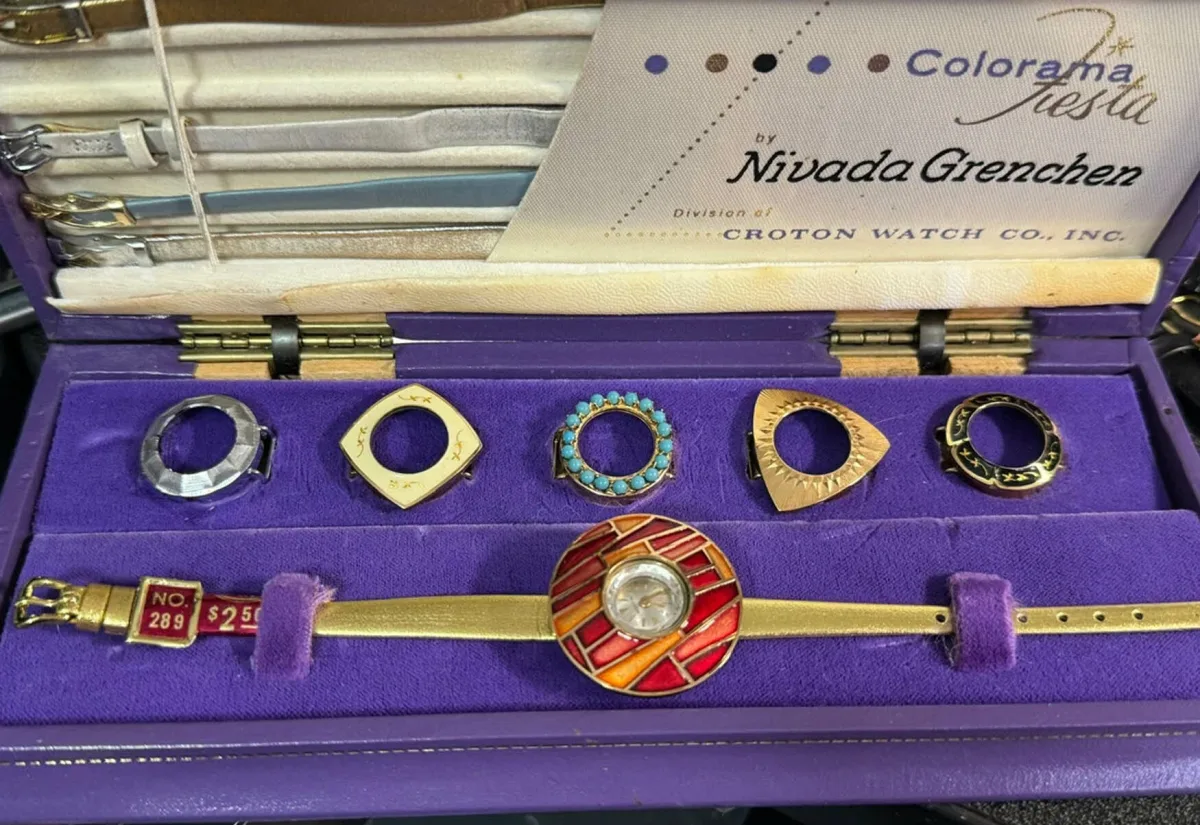
In the 1950s, when the Rolex Chameleon watches first appeared, modular watch component sets were already quite common. They consisted not only of colorful straps, many were equipped with bezels that could be snapped on and off depending on the mood. Some watches were brighter than others and had various decorative elements that distinguished each look. Many brands used standard movements, but some more recognizable names, such as Bucherer and Nivada Grenchen, were also active in this area.
These collections laid the foundation for the creation of modular watches that we see today, although this genre has always been unsuccessful. Rolex Chameleon watches never saw the light of the 1970s, which makes sense as Rolex consolidated its models, overcoming the quartz crisis. Today, you can find many such watches online, with models in precious metals selling for impressive prices based on the value of their gold melting. Most sellers seem to be from Japan, which must have been a very successful market for Rolex Chameleon models at the height of their popularity.