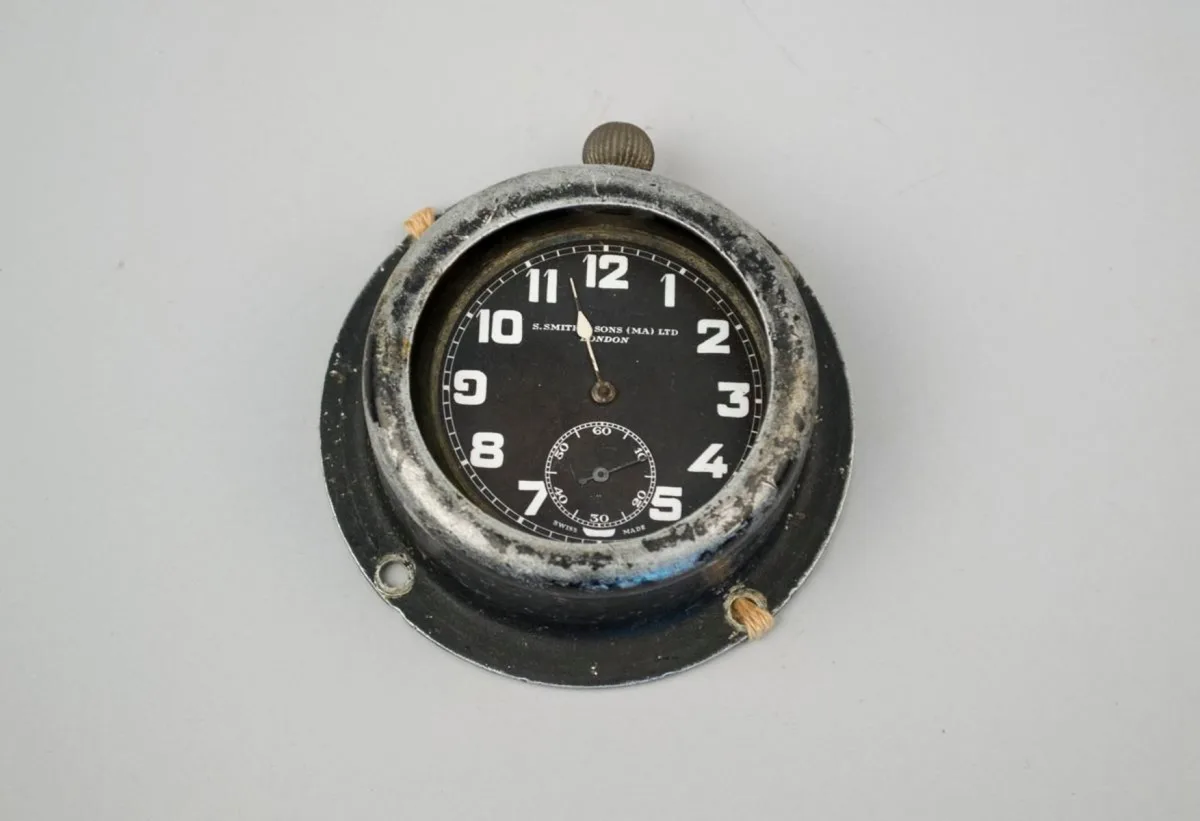
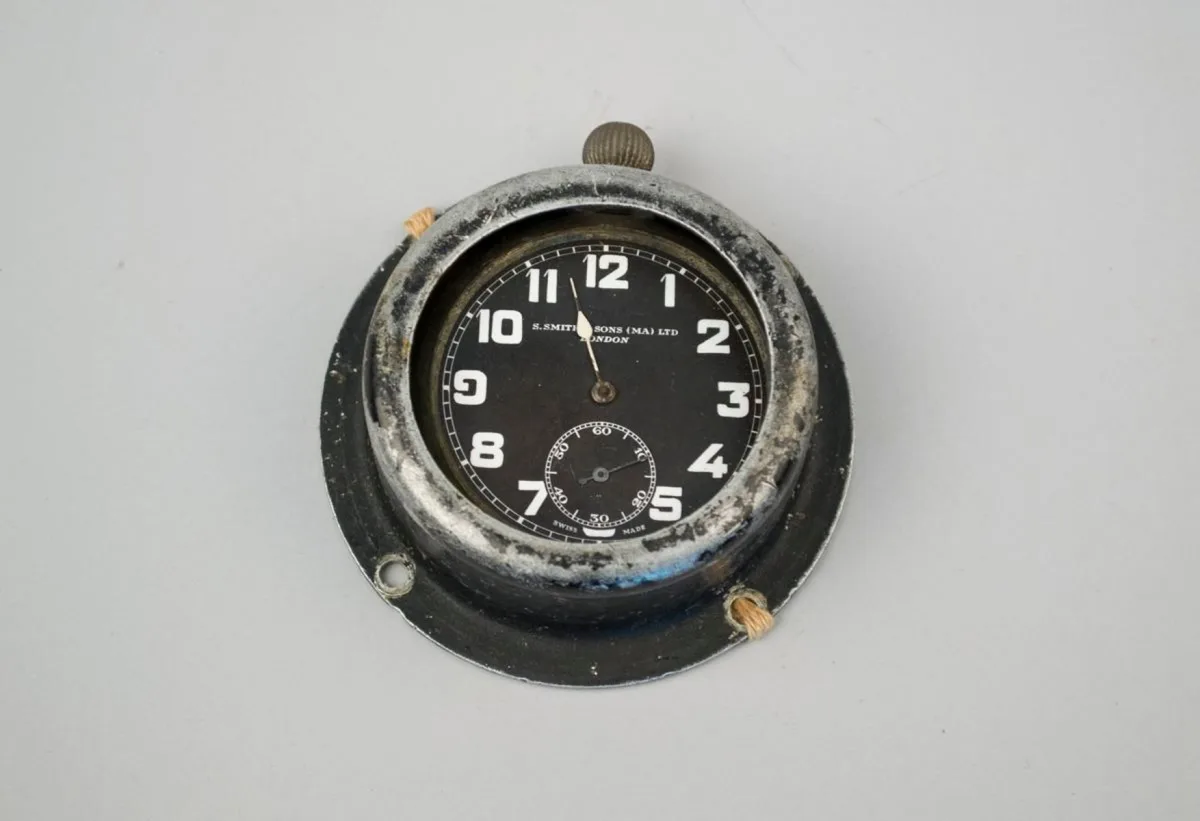
In the dim lighting of the Museum of Transport and Technology (MOTAT) in Auckland, amid glamorous early cars and outstanding first airplanes, sits a small and modest Smiths instrument clock.
Its black dial with white numerals emphasizes readability. This dashboard clock is a compact and precise instrument born in the early 20th century. If only this clock could tell its story...
At first glance, it seems unremarkable, but its simplicity embodies the essence of pioneering flight - a synthesis of timekeeping and courage. MOTAT features several exhibits related to the history of watchmaking, yet none evoke as much emotion as Jean Batten's instrument clock. Donated to the museum in 2017, it is part of a broader collection that includes her white leather flight cap, planisphere, flight logs, and engine parts.
Smiths Instrument Clock
This instrument clock is equipped with a navigation dial, made by Smith & Sons of London - renowned for producing precise aviation instrument clocks. The dial features large Arabic numerals marking the hours, a railway-style minute scale with 60 divisions, and a small secondary dial at the '6 o'clock' position divided into segments of 10, 20, 30, 40, and 60 seconds.
The clock accompanied Jean during her record-breaking flights. It measured stopovers for refueling, course adjustments, and engine operation intervals. It helped determine position when flying over the ocean, assess aircraft wear, and correct compass and course drift. The worn case, faded numerals, and small dents testify to prolonged use and trust in this clock during critical, unique moments.
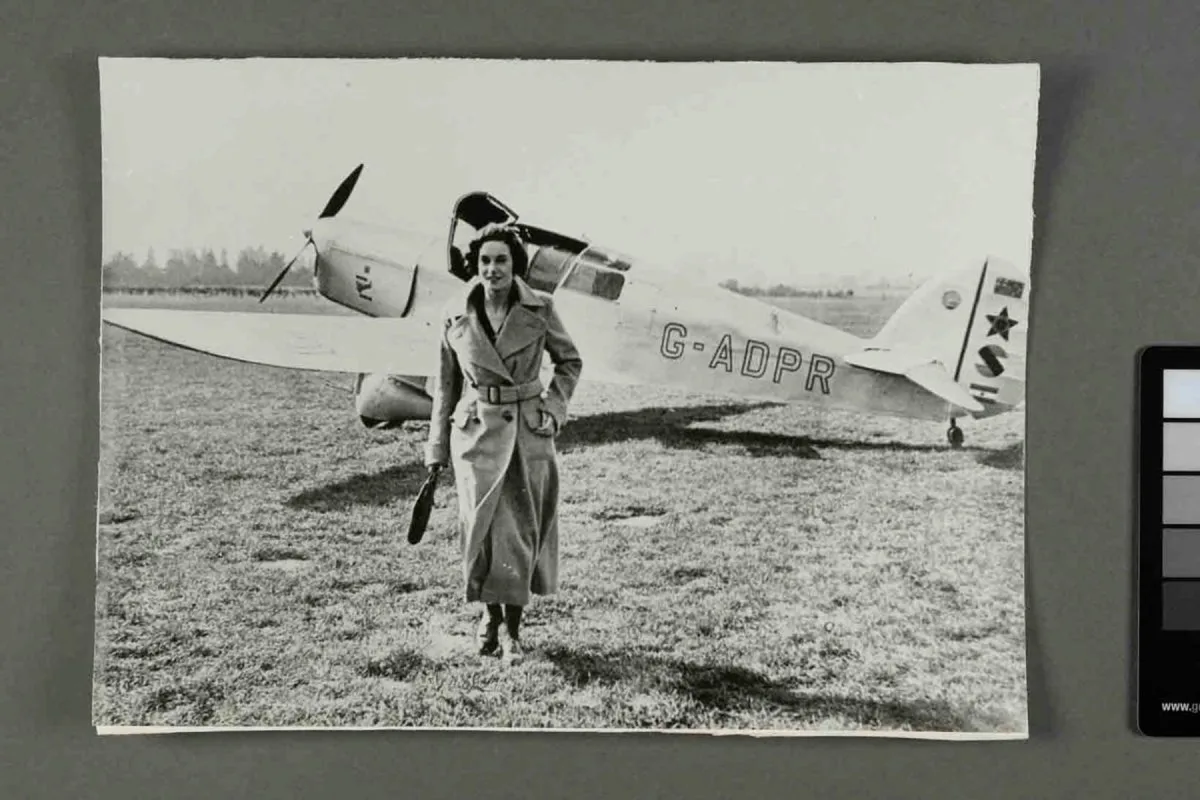
Jean Batten: Navigator and Aviation Pioneer
Jean Gardner Batten was born in 1909 in Rotorua, New Zealand. From an early age, she was drawn to what lies beyond the horizon. In the early 1920s, she moved to England to learn to fly, where she honed not only piloting but also navigation skills - dead reckoning, celestial navigation, and complete reliance on instruments.
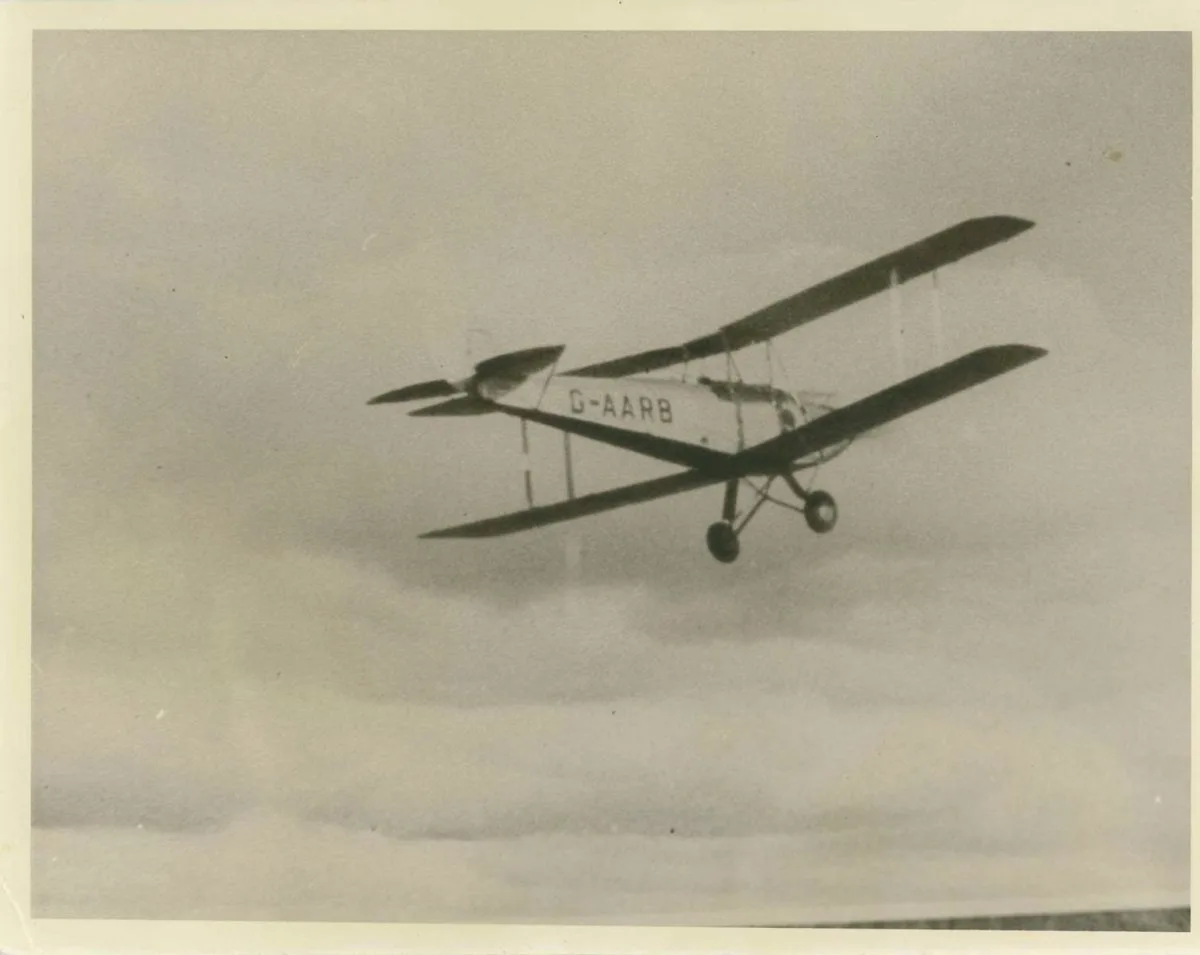
Her achievements are impressive: a solo flight from England to Australia in 1933-34 on a Gipsy Moth, Atlantic crossings, and in 1936 - the first direct solo flight from England to New Zealand on a Percival Gull. Less obvious is how crucial precise timekeeping was for these successes. Without inertial navigation and GPS, with primitive radio aids, Batten navigated by stars, the sun, compass, drift tables, and time. The instrument clock on the panel, wristwatches, and other reliable timepieces were indispensable to her.
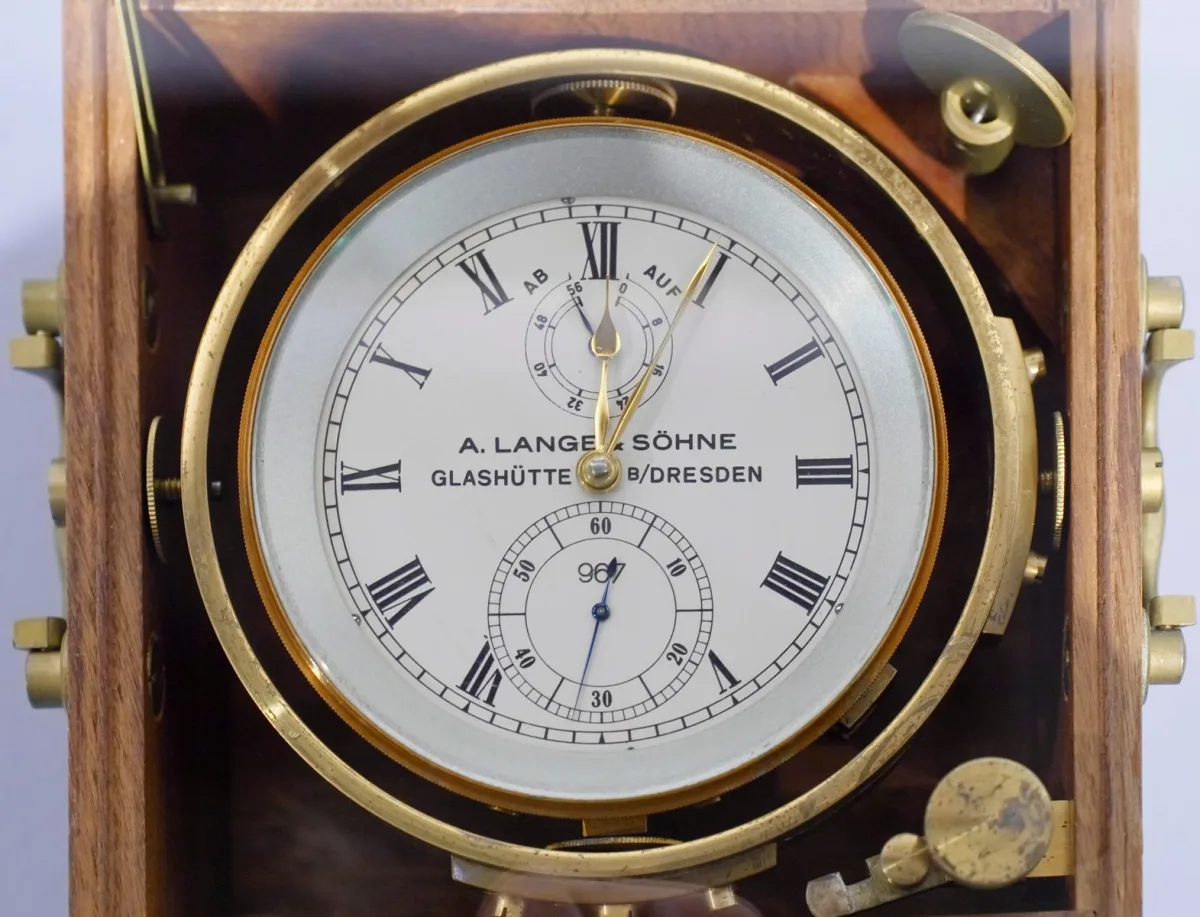
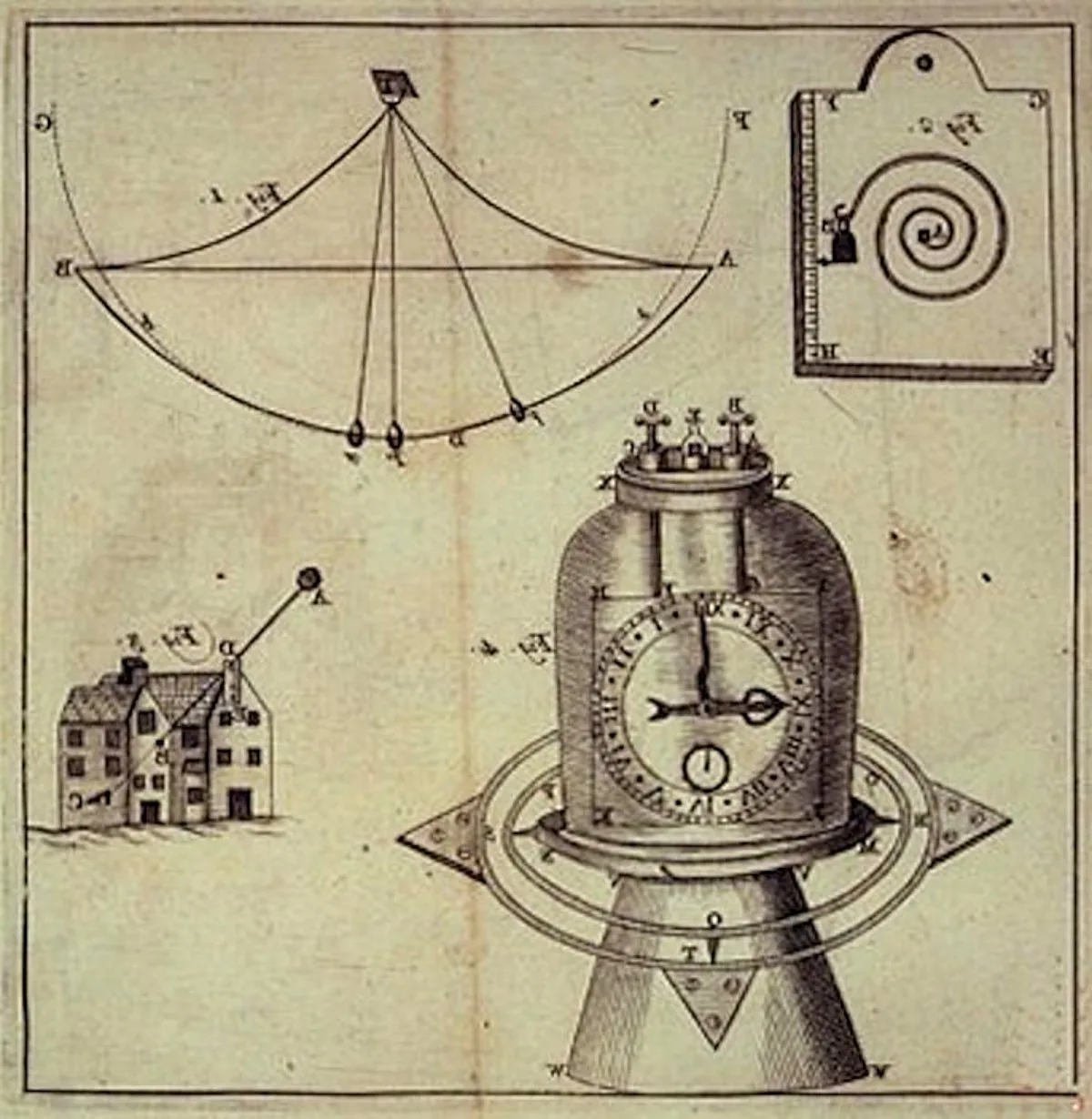
To understand Batten's dependence on clocks, one must look at the centuries-old tradition of linking time and navigation. Starting with John Harrison's work in the 18th century, the marine chronometer became the foundation of maritime navigation. Having accurate time at a known meridian - for example, Greenwich - a ship could use a sextant and celestial observations to determine longitude relative to this meridian. Without a chronometer, longitude remained approximate. Accurate location determination was critical in aviation too. As aviation developed, so did instruments. With increasing flight speeds and distances, precise timekeeping became important not only for scheduling but also for safety.
Flying over oceans or deserts required tracking fuel consumption, wind drift, and engine operation - all necessitating precise timekeeping. Instruments like instrument clocks, chronograph stopwatches, and reliable wristwatches became survival tools. Their accuracy, reliability, and readability were of immense importance. In the era before radio communication and radar, navigation in aircraft over the sea used methods similar to maritime navigation: compass, sun and stars, drift and speed calculations, and time to calculate position. Timing errors led to longitude errors and, consequently, incorrect landing points. Lagging or leading by just a minute could mean an error of several miles when crossing the ocean.
Instrument Clocks That Tell More Than Time
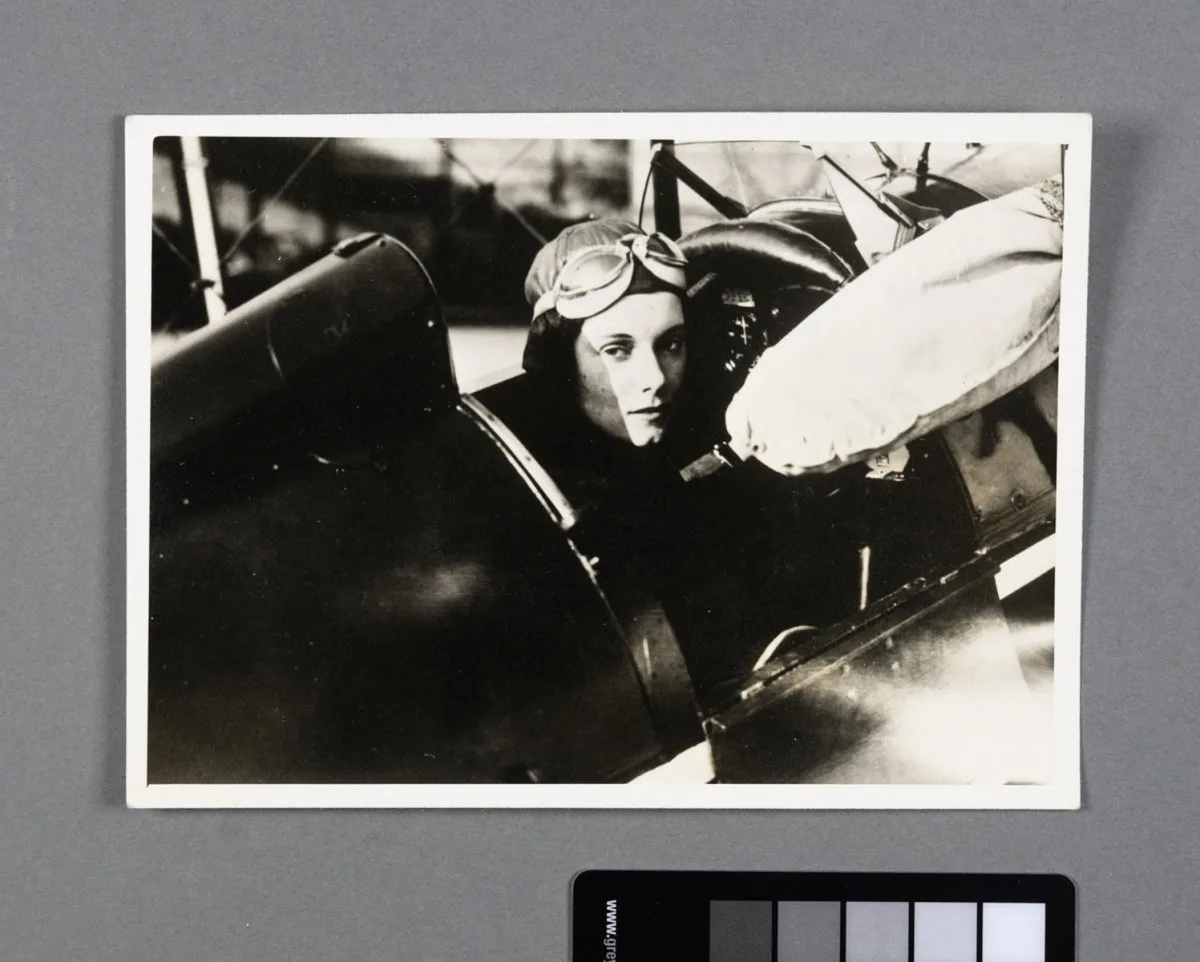
Jean Batten often flew for hours without visible landmarks, and her route planning depended on accurate timekeeping, average speed, and fuel consumption. This required absolute trust in the instrument clock, calibrated tools, and synchronization with celestial events - sunrise, sunset, or star phases. Batten's instrument clock is not just an artifact, it is a witness of the era. During the flight across the South Atlantic from West Africa to Brazil in November 1935 on the Percival Gull 6, she covered thousands of miles of water without a single reference point, sometimes in poor visibility. She calculated drift, assessed speed, and corrected course. Her navigation tools were the compass, map, and clock.
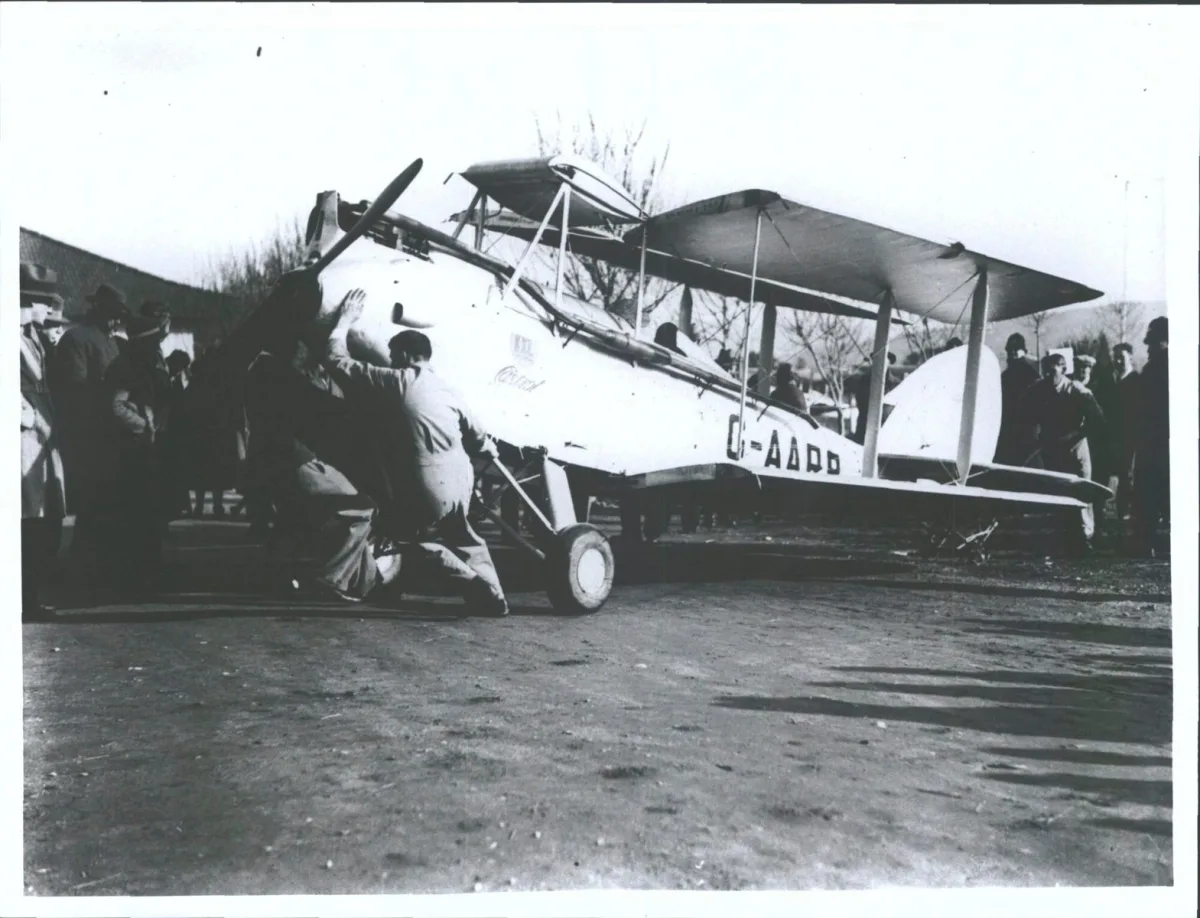
The primary navigation method was dead reckoning - estimating the path traveled. Batten's contemporaries emphasized that she flew by sight, compass, and only occasionally by stars, but always by time. She used the instrument clock to measure intervals between checkpoints, celestial observations, and engine operation intervals. This small instrument on her chest or in the cockpit was her partner in measurements. And, as noted in MOTAT, the condition of the clock indicates frequent use - it does not lie in the museum in perfect condition, but has scratches, oxidized metal, and a slightly faded dial. Every mark could correspond to a completed stage, storm, forced landing, or course correction in cloudy weather.
Access to Unique Historical Images
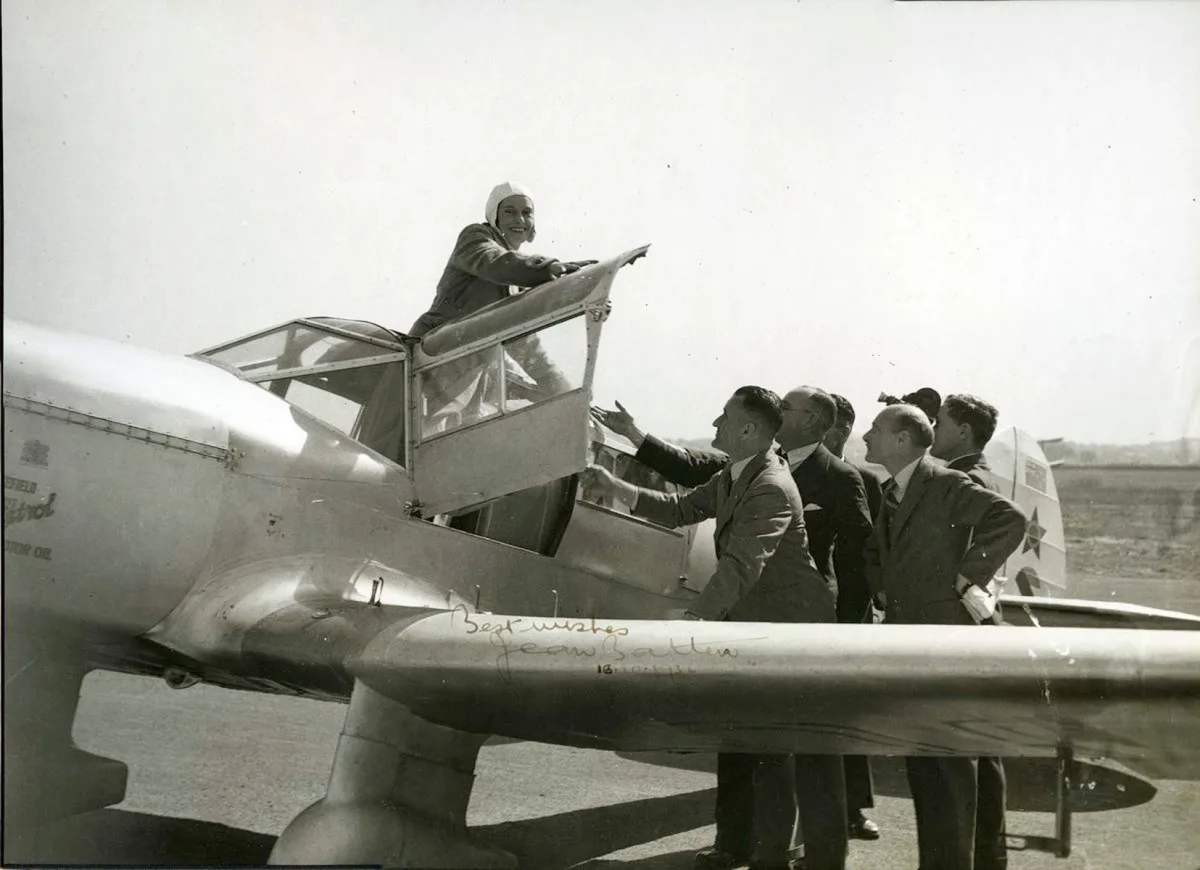
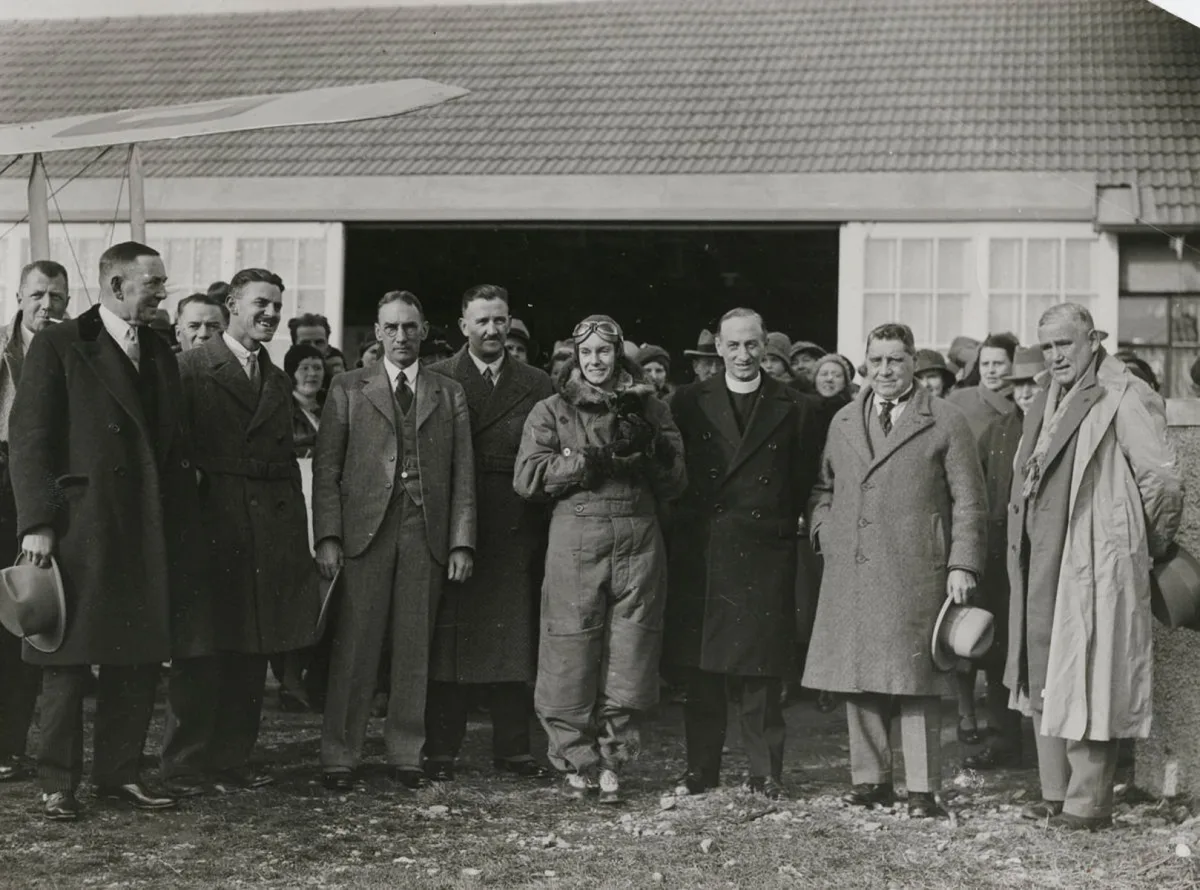
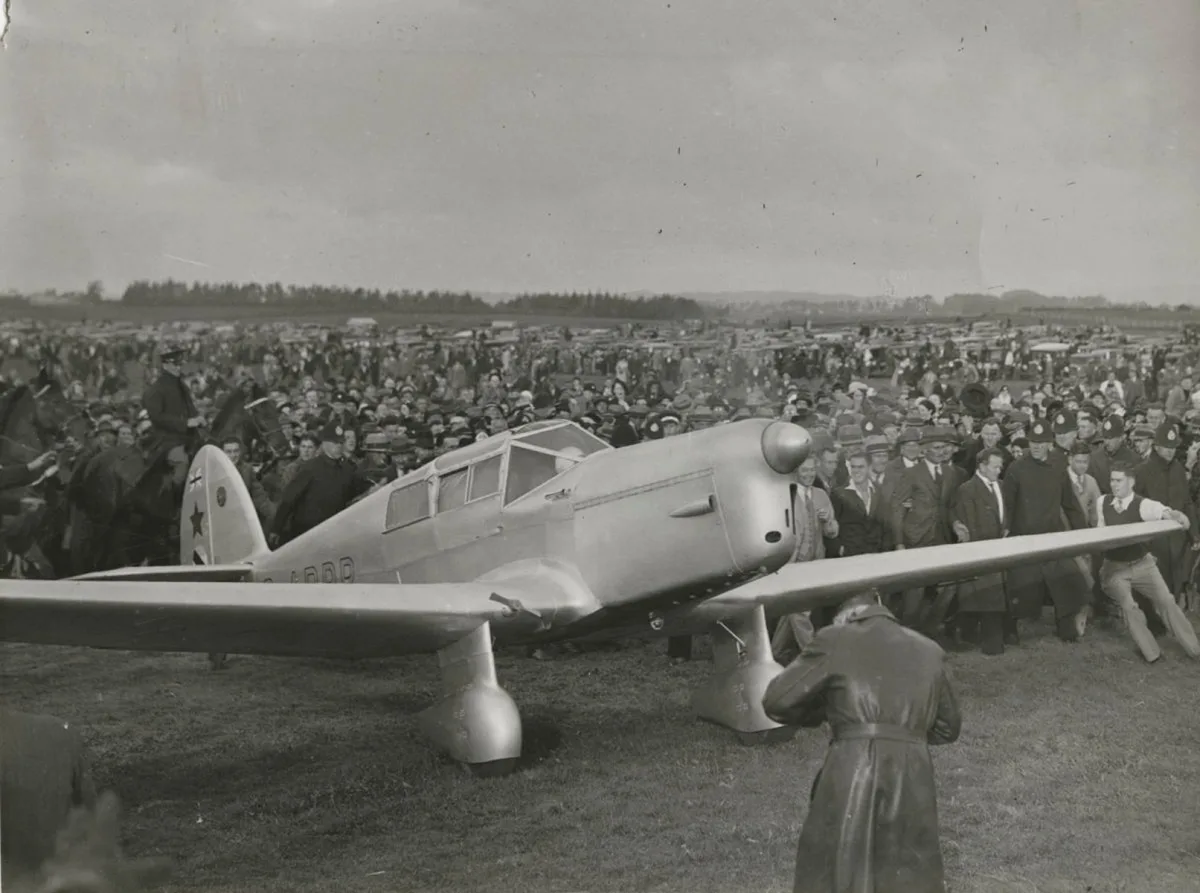
Readers of WatchTested will appreciate the power of the photographs in this story - black-and-white images of Jean in her Gull, her flight jackets, cap, clocks, and 1930s instruments, maps she held, engines she serviced, and crowds that awaited her at Mangere airfield in 1936.
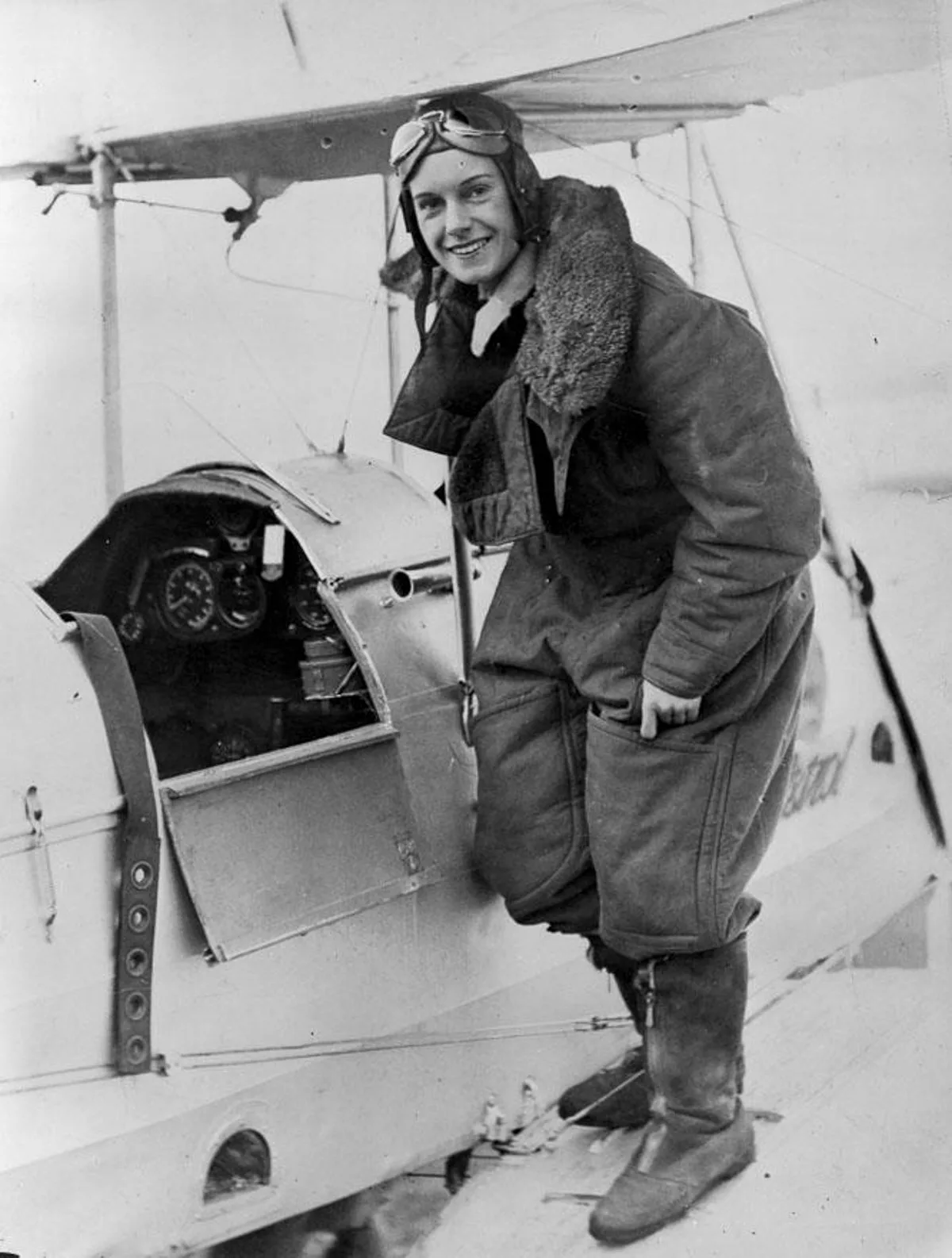
One of the photographs in the MOTAT collection shows those very instrument clocks along with flight logs, planisphere, flight cap, and in the background - the cockpit of her Gull. The instrument panel, compass, fuel gauges, and tachometer are visible - all dependent on accurate timekeeping. These images help to understand that Batten's achievements are not only about courage but also about precision, knowing when to turn, when to climb, when to rest.
Instrument Clocks and Panel Instruments
Returning to the Smiths clock instrument, its form reminds us of how the practice of timekeeping in the cockpit and on the instrument panel evolved. Instrument clocks were mounted on the panel and provided the pilot with constant orientation in past and current time. In early aircraft, pilots had to synchronize clocks - wristwatches, instrument clocks, and navigation logs - and monitor drift caused by mechanical or temperature changes.
Instruments made by companies like Smith & Sons were trusted for such tasks. The accuracy of the clocks could be the decisive factor between a safe arrival and running out of fuel.
Conclusion
The story of Jean Batten is often told through the lens of courage, distances, and solo flights, but for watch enthusiasts, it reveals a deeper meaning - the mastery and command of time. The instrument clock in MOTAT, the compass, and the planisphere were her tools. For Jean Batten, every second mattered.
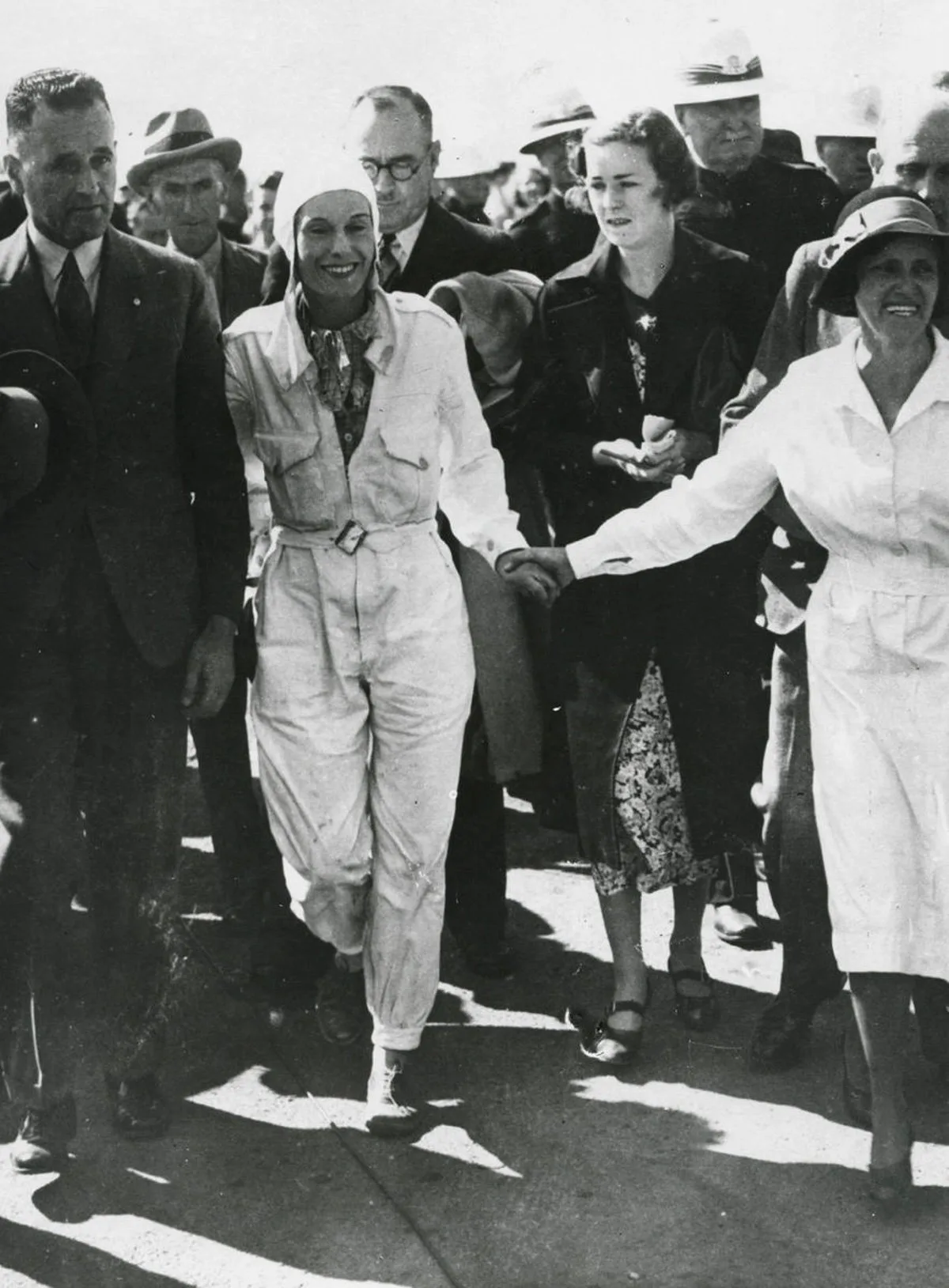
By honoring her clocks, logs, and instruments, we celebrate not only the courage of the pilot but also the precision of the navigator. In this combination of bravery and timekeeping, we find a resonance for every watch enthusiast - understanding that great achievements are measured not only in miles or hours but in moments.