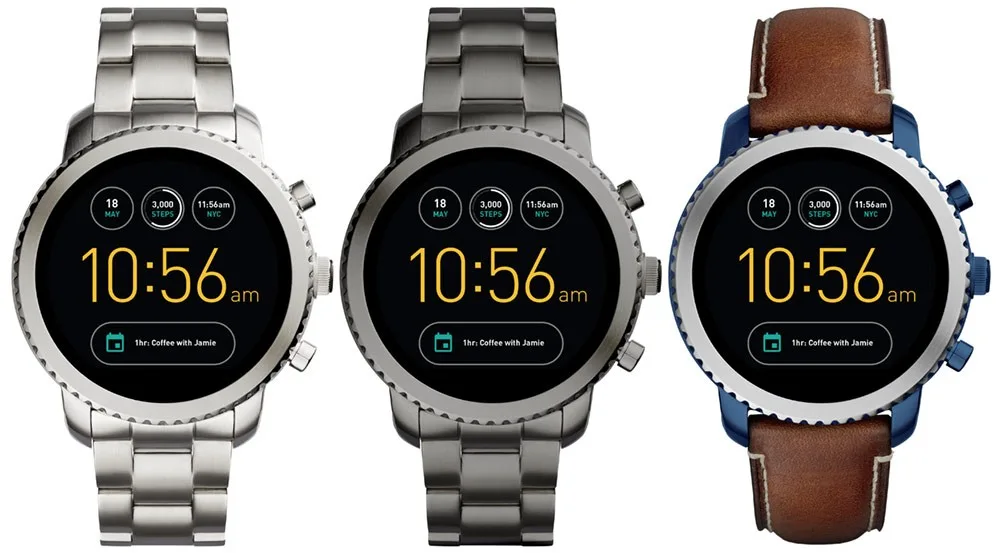
Back in January, it was announced that Google agreed to acquire intellectual property rights for certain patented technologies developed by Fossil Group. At the time, Greg McKelvey, Fossil's Executive Vice President of Strategy and Digital Technology, described this technology as a "new innovation that has yet to hit the market." Just a few years ago, Fossil acquired Misfit, a company specializing in wearable devices, as part of a broader strategy to create smartwatches and other wearable tech-based devices. It seems this particular plan has shifted slightly, as Fossil and Google will now jointly use Fossil's smartwatch technology and resources developed over the past few years.
As the developer of the Android Wear operating system, Google currently does not manufacture any actual smartwatches known to us (at the time of writing, they are certainly not available in the Google Play Store). Initially, Google planned to allow third-party developers to use its proprietary software for their devices - similar to Google's original strategy for the Android operating system for smartphones. Then, Google wisely decided to offer devices with its software for purists who wanted the core experience. The same strategy that Google successfully applied to smartphones might soon come to smartwatches as the company acquires a significant amount of hardware intelligence necessary to create good smartwatches. As we know, the desired product in this area is only partially related to software.
Stacey Burr, Vice President of Product Management for Google's WearOS platform, explained that the motive for the purchase was the potential her team believes will differentiate the WearOS platform from competitors. Burr believes that the new development "could be more widely presented if Google owned this technology and could not only continue to use it with Fossil but also offer it to other partners in the ecosystem." This statement leaves much room for interpretation. Some might view this news as a sign that Fossil is exiting the smartwatch field. We believe that Fossil wants to primarily focus on producing non-electronic watch hardware (case, bracelet, etc.) and design, while allowing companies like Google to focus on the software side of the smartwatch equation.
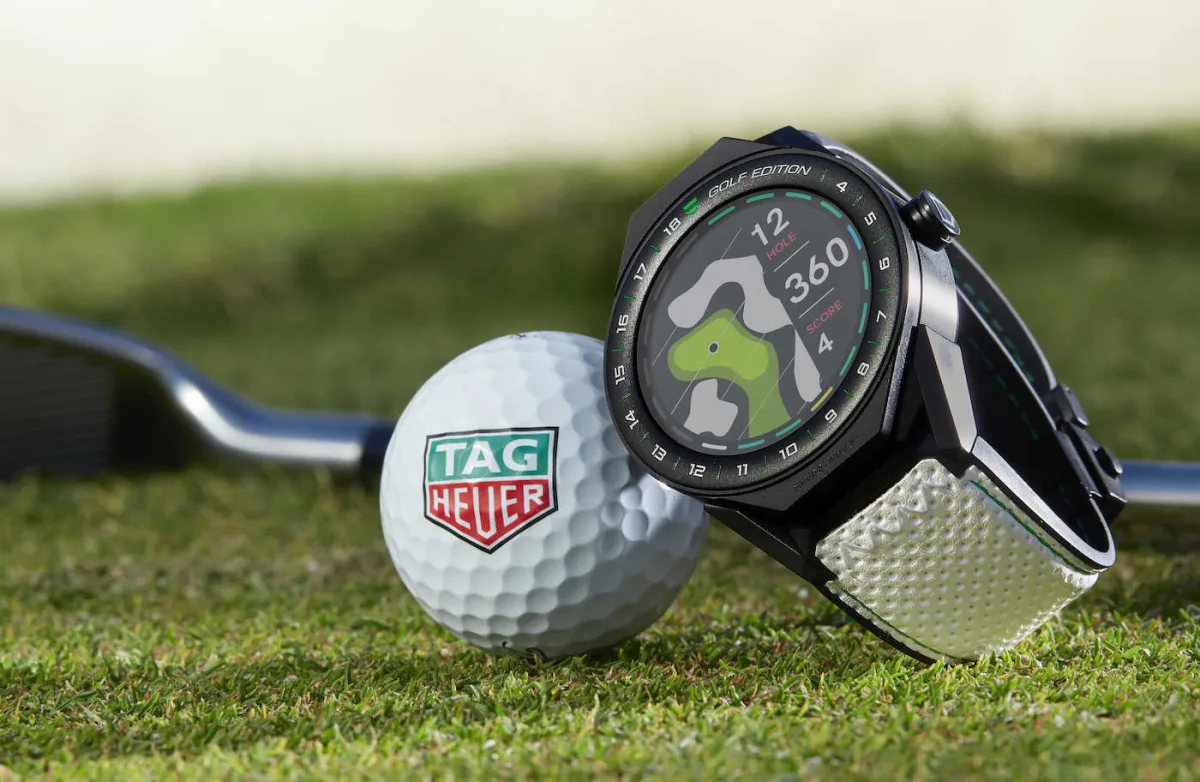
Although Google has yet to release its own smartwatches, it has been collaborating with Fossil for many years, providing its WearOS platform for use in the group's smartwatches. WearOS is also used by major brands like TAG Heuer, LG, and Movado. The purchase of new technology from Fossil, which will also transfer part of its research and development department to Google so that the new technology owners can continue its development seamlessly, gives Google not only an advantage in creating its own product but, more importantly, the opportunity to offer something different.
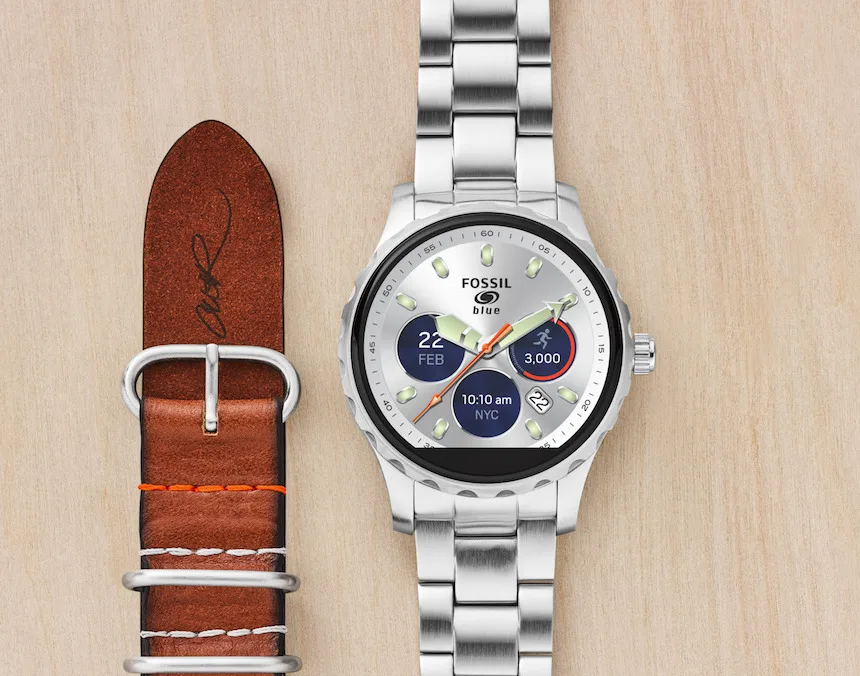
While we've only heard whispers about what this new technology might offer, the purchase price of $40 million USD makes it clear that Google believes we have good reasons to be excited. Forty million bucks sounds like a lot, but in an industry hungry for differentiation, it might be an absolutely lucrative deal. As Ariel noted in a 2018 article, the theoretical potential (and perhaps the serious need) for smartwatches (or wearable technology in general) to take on a more active, autonomous role in assessing the owner's environment to provide a more intimate and personalized experience is enormous. If this new technology can enhance the WearOS platform in this way, then Google may be on the verge of the revolutionary product it needs if it hopes to capture a significant share of the growing smartwatch market, which, according to IDC (a leading global market analysis company), is expected to grow by 11 percent by 2022 due to the increasing popularity of smartwatches and wearable technology.