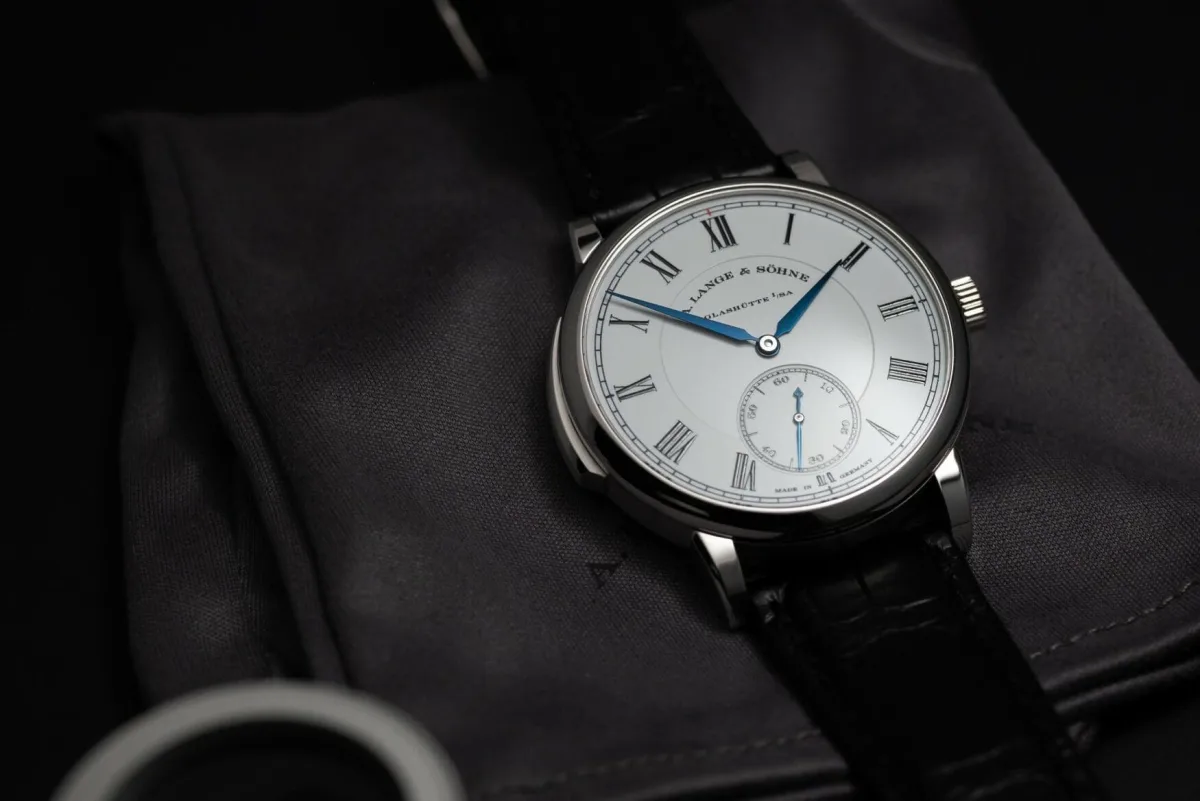
In the world of high complications, minute repeaters are often valued above all else.
Some may prefer a perpetual calendar or a tourbillon, but anyone can hear the quiet chime of a tiny mechanical movement. They are among the most complex to design and manufacture, and while you can find cheap tourbillons on AliExpress and surprisingly affordable perpetual calendars from Frederique Constant, you will struggle to find an inexpensive minute repeater, except for nameless pocket watches, which will still cost you a four-figure sum. How did this come to be?
Time measurement in history was much more fluid than our current understanding of it, and visual representations of time, like clocks, were not always important. Water clocks were used for thousands of years, and even the first known clock with gears (invented by Archimedes in the 3rd century BC) was a cuckoo clock that supposedly chirped. Clearly, the connection between sound and time determination was strong from the beginning.
It was only in the 12th and 13th centuries that fully mechanical clocks (then called horologium or horloge) were invented, which struck a bell, replacing water clocks with the same purpose. As European religion developed stricter rituals, such as canonical hours, churches, town squares, and monasteries needed bells to ring at the appropriate time and call their citizens to prayer. Even the word "clock" itself traces back to the Old Irish word for "bell".

Medieval engineers did not take long to show off, and clocks became extravagant. The Muslim polymath Ismail al-Jazari from Mesopotamia was somewhat of a spiritual successor to Archimedes, and besides creating numerous clocks, he developed programmable and complex automata of human and animal figures as early as 1206 AD. He even created an automatic waitress that could serve drinks from an internal reservoir, which was a very advanced concept of robotics. When this technology spread to the West, to Italy, France, and England, it culminated in huge and expensive clocks with astronomical dials capable of showing the time in several systems, as well as the time for all prayers, and required dedicated clockmakers for maintenance. More modest and less wealthy areas were lucky to receive a dial with hands, but they still served their purpose thanks to the ringing of bells.

Striking clocks, when stripped of all astronomical, astrological, and automatic bells and whistles, were quite simple, as all you needed was a cam attached to a shaft that rotated once an hour. The cam raised a hammer, then allowed it to fall on a bell. In the 14th century, when tower clocks were erected all over Europe, count wheels were devised so that clocks would strike the correct number of hours, rather than just once per hour.
The difference between striking clocks and a repeater is that a repeater can chime on demand, rather than every hour. In the 17th century, the rack and snail mechanism was invented, simplifying the process and making striking clocks more reliable. This technology was used by the priest and inventor Reverend Edward Barlow in 1675 to create the first repeating clock.
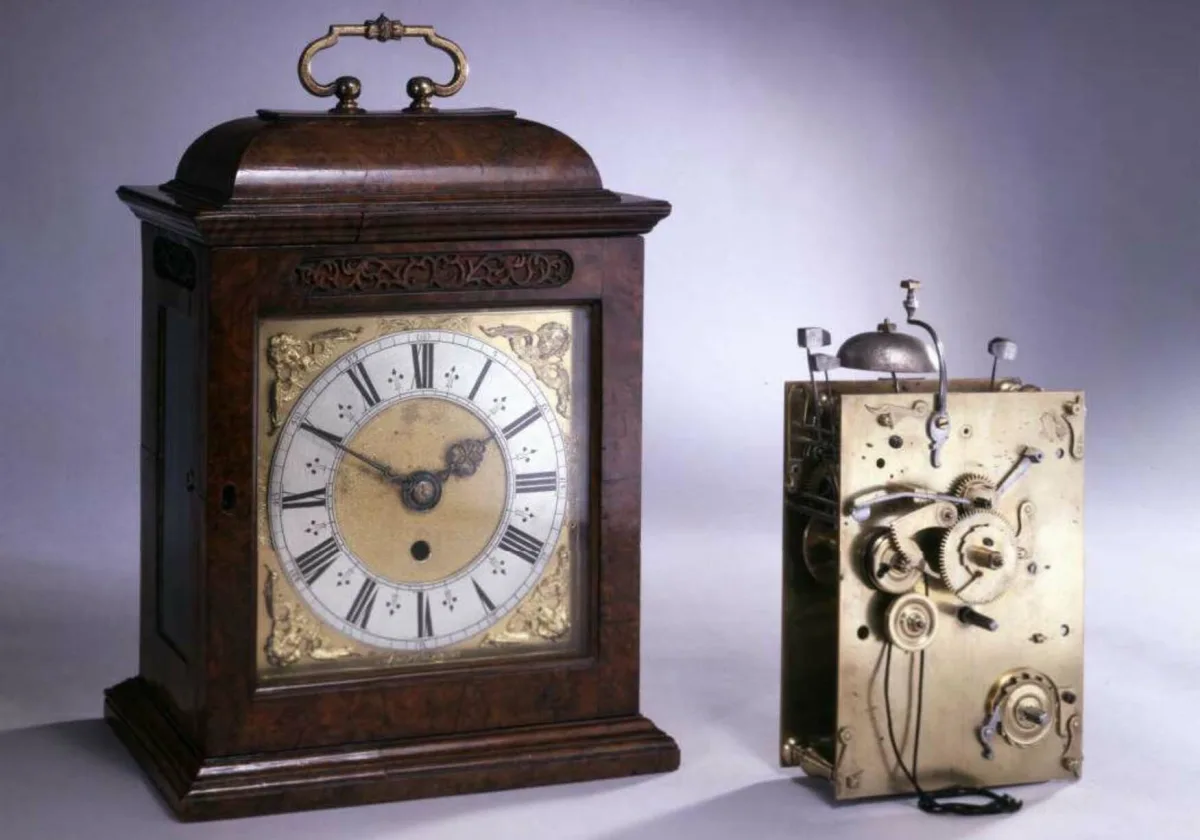
Barlow's invention allowed the striking of hours and quarters at any time on request, as repeater clocks do today. There are some variations of this system, such as A. Lange & Söhne's digital repeater, but the basic concept has remained unchanged for centuries. Considering that pocket watches became popular among royalty and aristocracy over the last century and a half, repeater watches also began to emerge.
In the 1680s, Edward Barlow and his competitor Daniel Quare claimed to have invented the repeating pocket watch, and King James II became involved. In 1687, he asked both to produce a repeater watch for him, which was then reviewed by his council, and Daniel Quare received the patent. The main difference between them was that Barlow's watch had two buttons, one for hours and another for quarters, which needed to be pressed simultaneously. Quare's model used a single pin that operated both buttons.
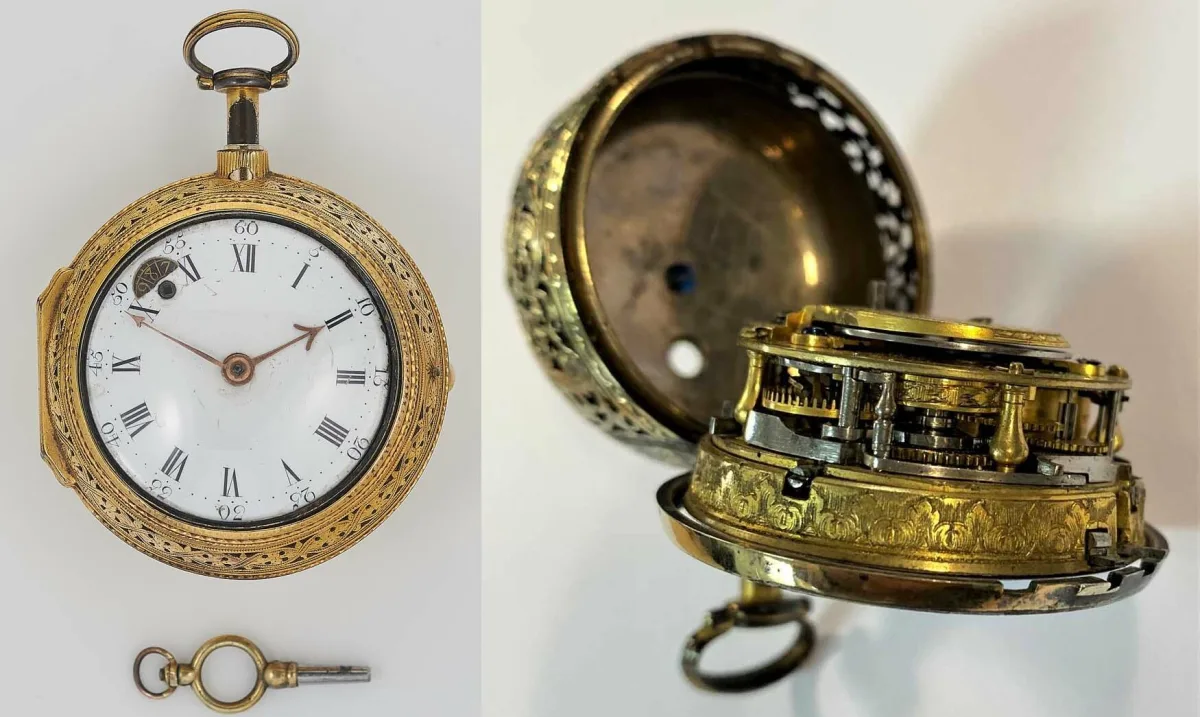
Over time, watchmakers worldwide developed repeating watches and movements. Religion no longer had as much influence over the populations of large cities, so the chimes of tower clocks became more of a curiosity and a public service than a functional call to prayer. Wire gongs replaced bells, being more compact and using the case itself as a resonating chamber for tone fullness and volume.
However, they always remained expensive, and with the rise of the middle class and the advent of gas streetlights in the 18th and 19th centuries, preference was given to pocket watches for the elite, rather than watches for the masses. There were even attempts to make repeater watches more affordable by dispensing with gongs and simply having hammers strike the case to produce a quiet vibration that could be felt in the palm.
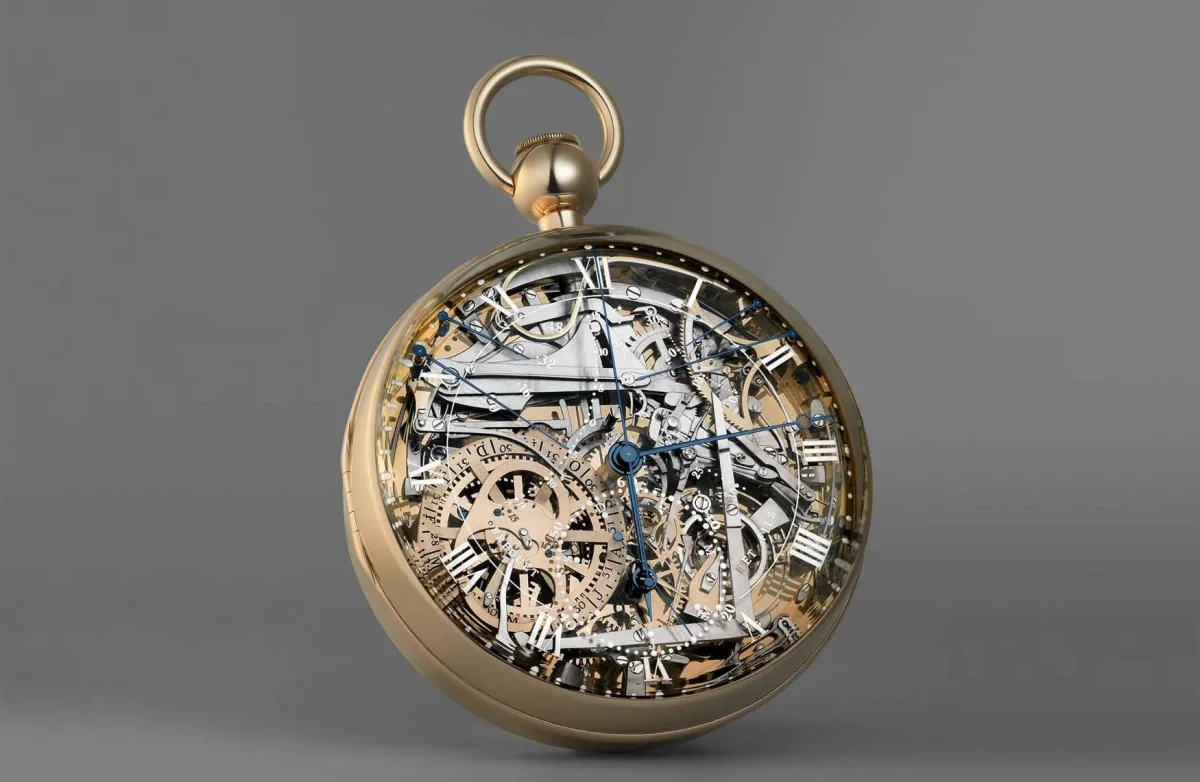
It seems that around 1750, London watchmaker John Ellicott first made watches that could repeat all hours, quarters, and individual minutes in large numbers. The legendary Abraham-Louis Breguet in 1783 was the first to choose a gong spring over bells, and they have been used ever since. Since then, innovations have been quite subtle and have mostly occurred as pocket watches transitioned to wrists.
From the late 18th century to modern complications, here's how most minute repeaters work. To avoid damaging the mechanism, the slider or button on the side of the case must be fully engaged. If it is not fully engaged, nothing will happen, protecting the mechanism. As the slider or pusher is moved, the teeth of a rack count the hours, quarters, and minutes currently displayed on the dial to determine the chime.
At the same time, a small mainspring, used exclusively for the repeater mechanism, is wound so that the watch's power source cannot be depleted during the strike and accidentally damaged. Then the hammers will strike two gongs. Typically, the hour count begins with a low tone, then the quarters are marked by a double strike of high and low tones. Finally, the remaining minutes will be counted with high tones. For example, the time 4:38 will sound as four low tones, two high-low pairs, and eight high tones.
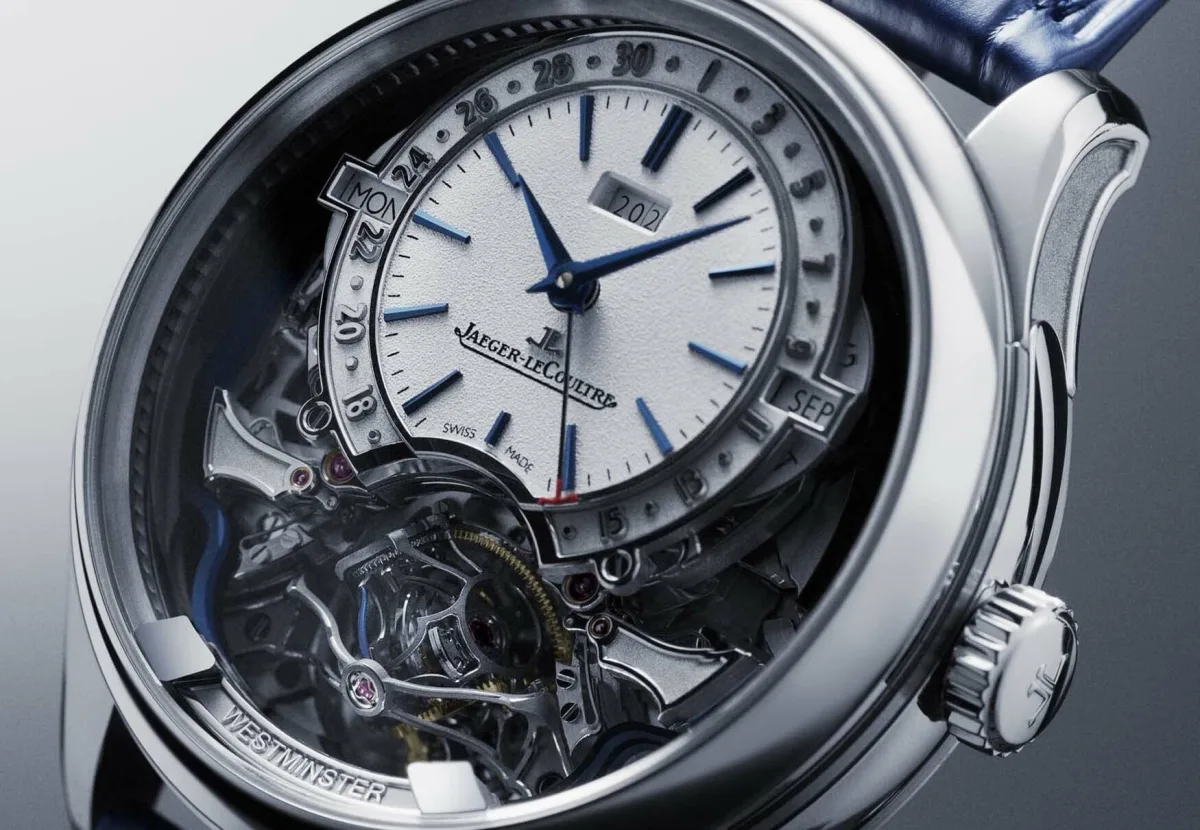
As you can see, minute repeaters are complex not only due to the additional parts. They are also difficult to create because there is a lot of room for error, and there are virtually no tolerances for parts to be the wrong shape or size. A properly executed minute repeater should be the embodiment of perfection, especially in the tiny case of a wristwatch. Some digital and quartz watches attempt to replicate the effect of a minute repeater, and some are quite fun, but electronic beeps can never convey the romance of physical gongs sounding from a mechanical caliber.