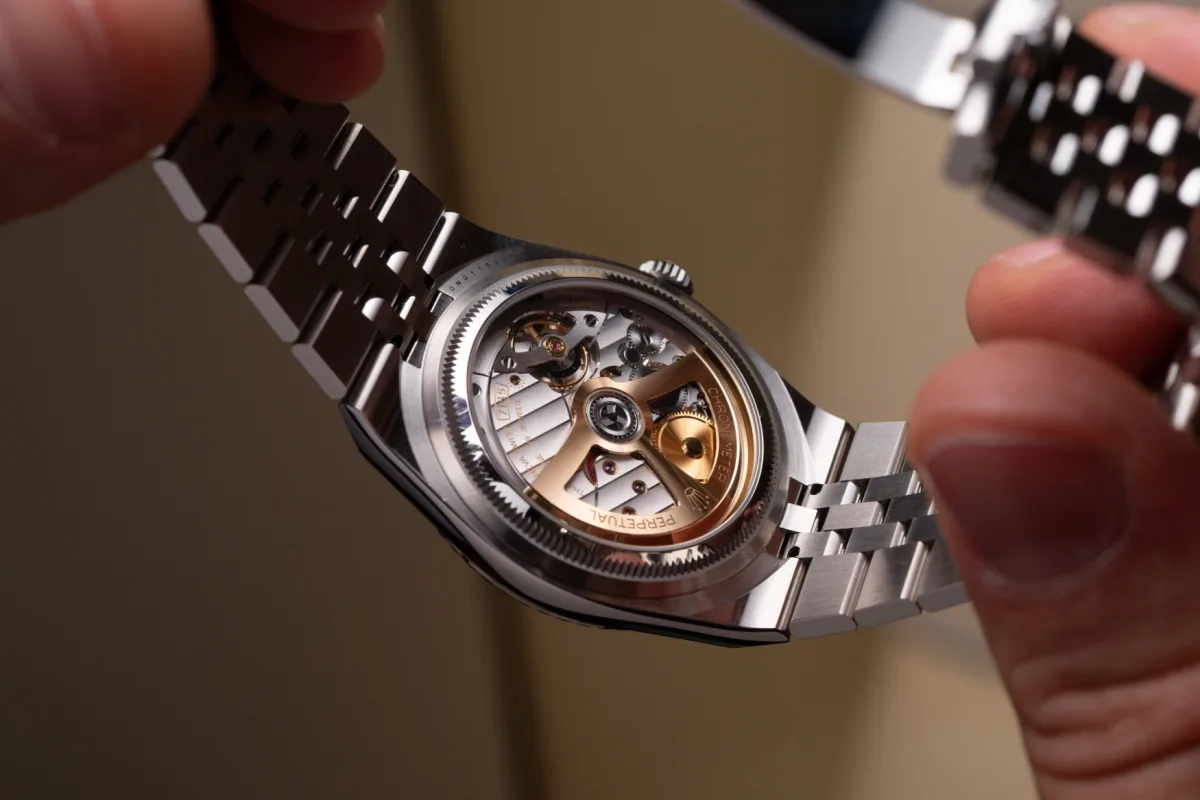
If 2024 was the year of design-centric, architecturally crafted watches, then 2025 marked a technological breakthrough.
We witnessed new escapements, more complications, and the most precise movements to date, setting the main trend in watchmaking. This is encouraging for two reasons. First, it means we will objectively get better watches - appearance is always subjective, but performance metrics and technical specifications are hard to dispute.
Second, I often wondered, especially in recent years, when interest in the secondary market surged and people started viewing watches more as investments than as art objects - is there anything left to invent? After all, we already have the most complex multi-axis tourbillons, smart calendars, nearly perfectly accurate quartz movements, and anti-magnetic materials. I hoped I was wrong, and naturally, I was - several brands proved that innovation is still possible. But while these three outsiders were making headlines, I thought about the more renowned brands that are also successfully moving forward and can easily capture public attention.
Rolex: Technological Innovations in Mass Production
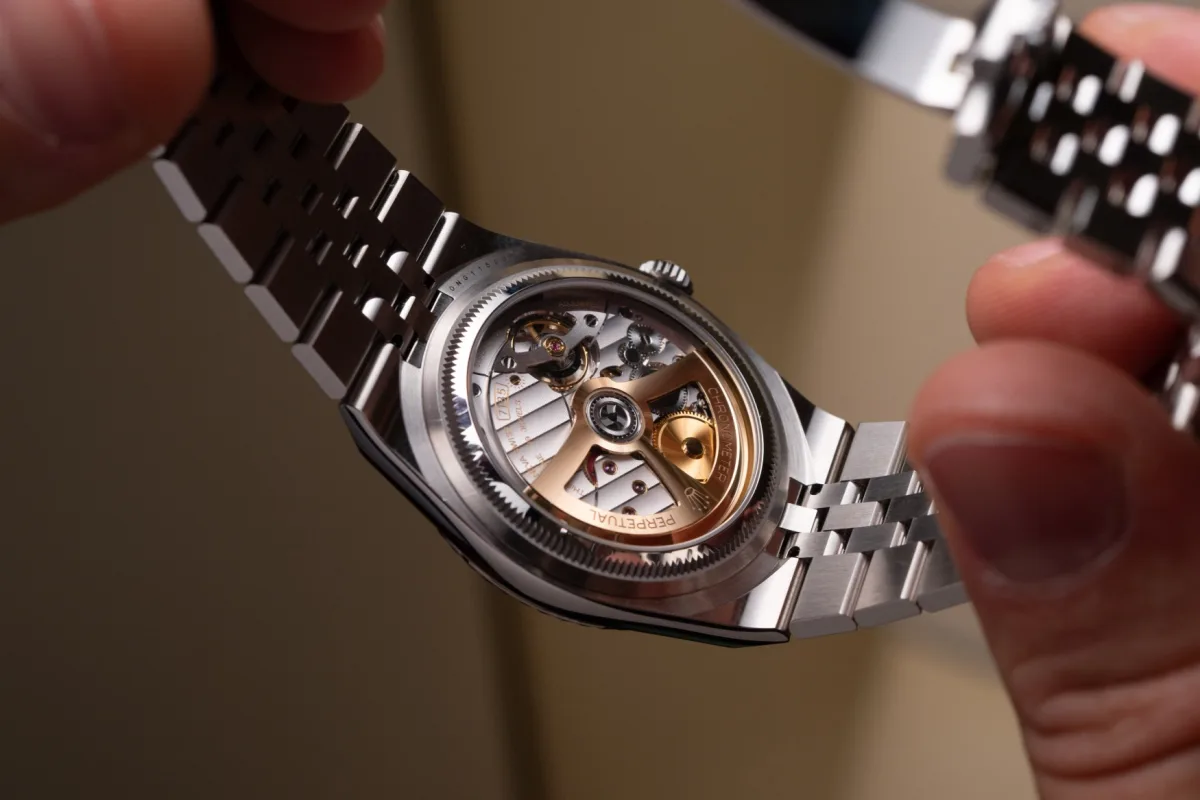
Technological innovations from Rolex are rare, and the brand didn't make this list simply because it did something new since the intelligent Sky-Dweller. No, the Land-Dweller and especially its caliber 7135 deserve a place in this review.
To immediately address the not entirely new but innovative features for Rolex: caliber 7135 is the brand's first serial movement with a frequency of 5 Hz, while also having a power reserve sufficient for a weekend, thanks to the new Dynapulse escapement. This is an indirect impulse escapement with two anchor wheels interacting with the balance via a lever (hence the 'indirect'), each driven by a separate wheel in the transmission mechanism. A whole article could be written about it - and perhaps I will, but for now, I recommend checking out the brief yet excellent analysis on SJX.
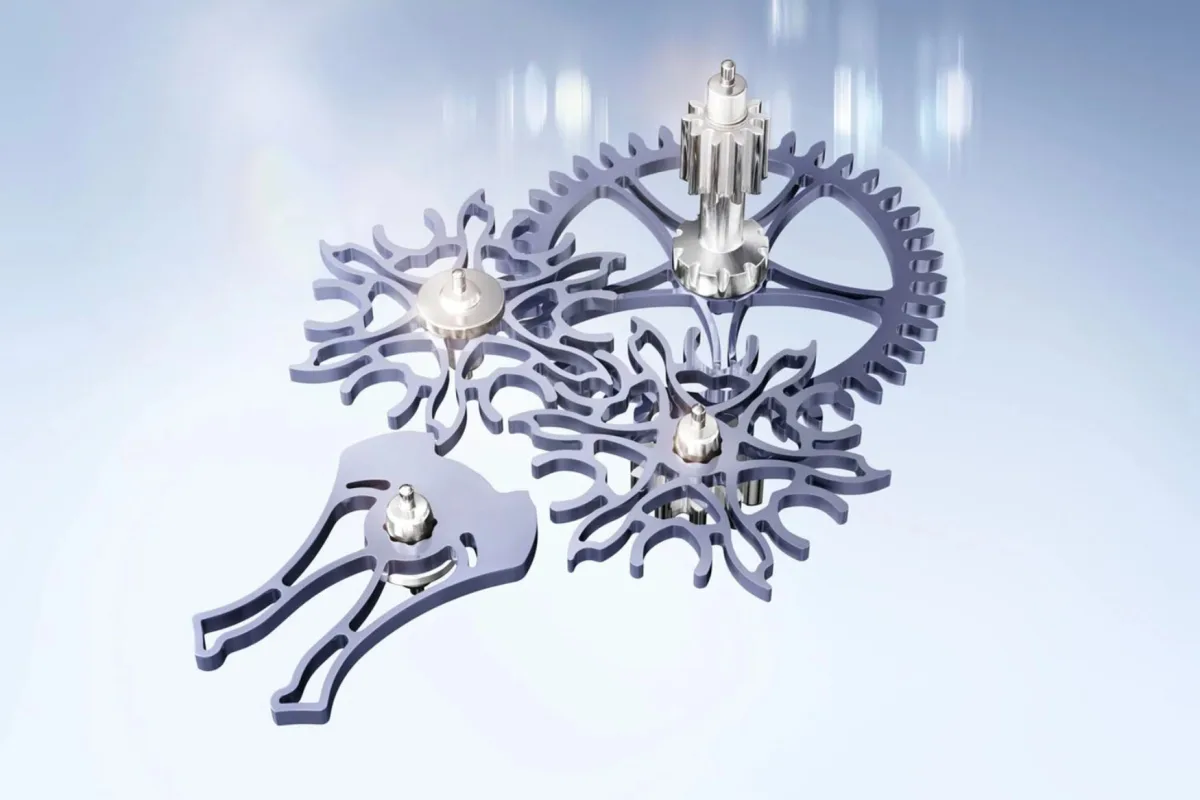
In the watchmaking world, where many fresh inventions come from both young independent makers and big brands, a new escapement might not seem significant. But it is not so. Dynapulse is important because it is not just a cutting-edge idea from an independent maker producing one and a half pieces a year. The strength of Rolex is in mass production, and the prospect of releasing such an escapement in hundreds of thousands of pieces is a significant step forward.
Breguet: Innovations in the Spirit of Abraham-Louis Breguet
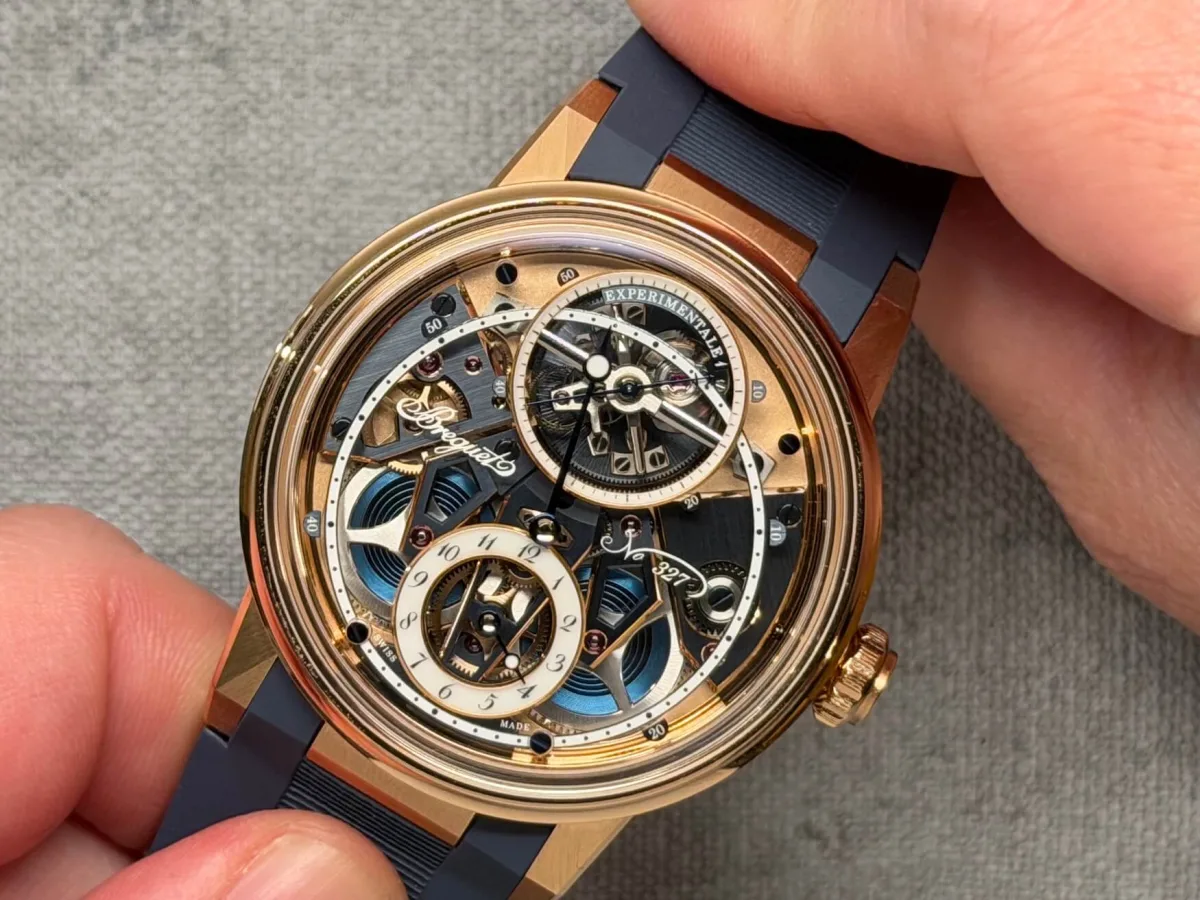
If you need examples of how to stylishly celebrate a 250th anniversary, ask Breguet. More than a dozen new releases (including the magnificent Tourbillon Sidéral 7255 and Classique 7225) made this year one of the best for the brand in a long time. The Expérimentale 1 model is a true homage to the innovative spirit of Abraham-Louis Breguet, and I'm glad the brand continues in this direction.
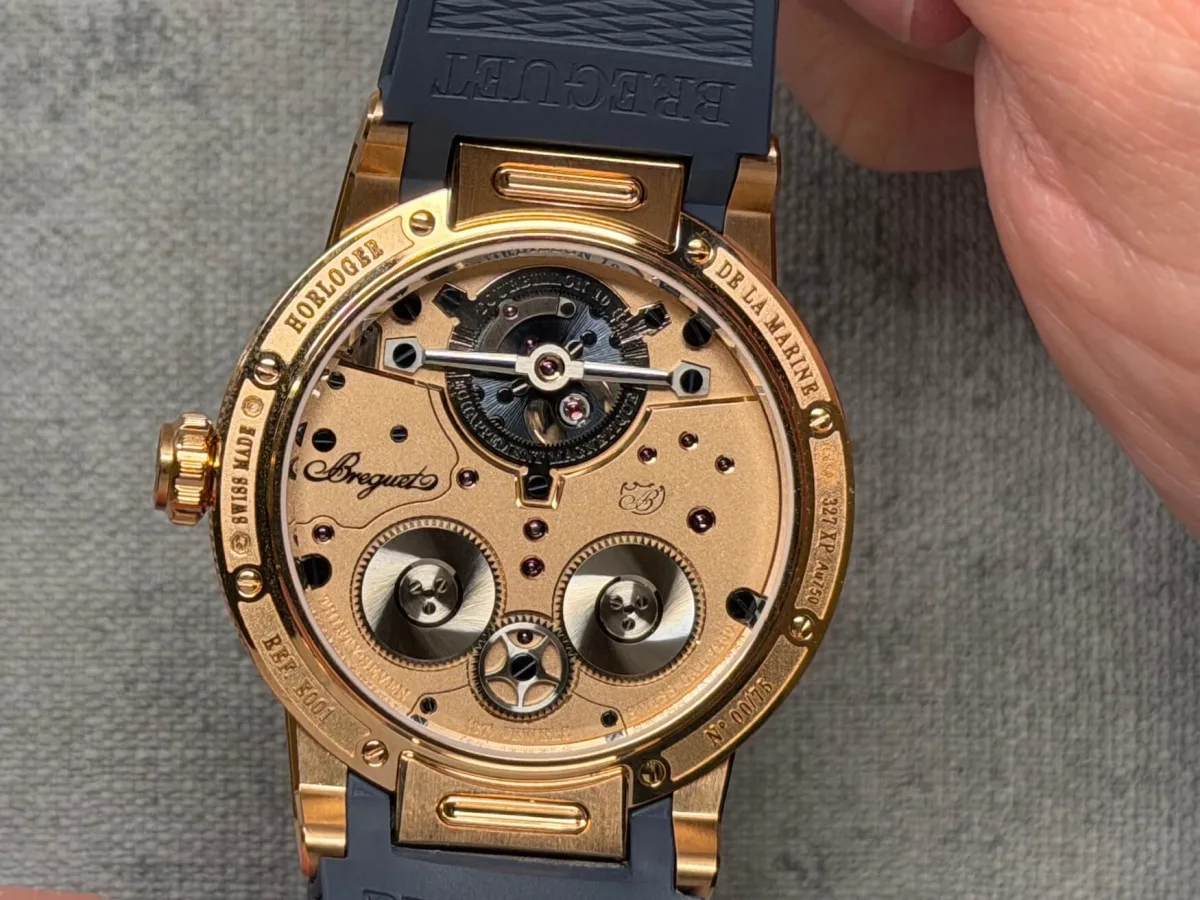
A magnetic regulator escapement at a frequency of 10 Hz is not a completely new idea: Hamilton experimented with the Clifford escapement in the 1940s, but unsuccessfully. It was largely up to Breguet to bring this innovation to life, considering Abraham-Louis's early discoveries in escapements, as well as the brand's modern research in magnetic technologies, including the aforementioned model 7225 and the magnetically regulated regulator in reference 1905 Grande et Petite Sonnerie. The Swatch Group filed patents for magnetic escapements back in 2016, but the final solution was different - two titanium wheels with magnetic ramps, between which is a protective wheel driven by an anchor fork with samarium-cobalt magnets instead of traditional jewels.
There is little left to add - these watches are brilliant, and I eagerly await what Breguet will do with this technology next. The brand has already made it clear that the goal is mass production, which in itself is intriguing given the complexity and scale.
Vacheron Constantin: Champion of Complications
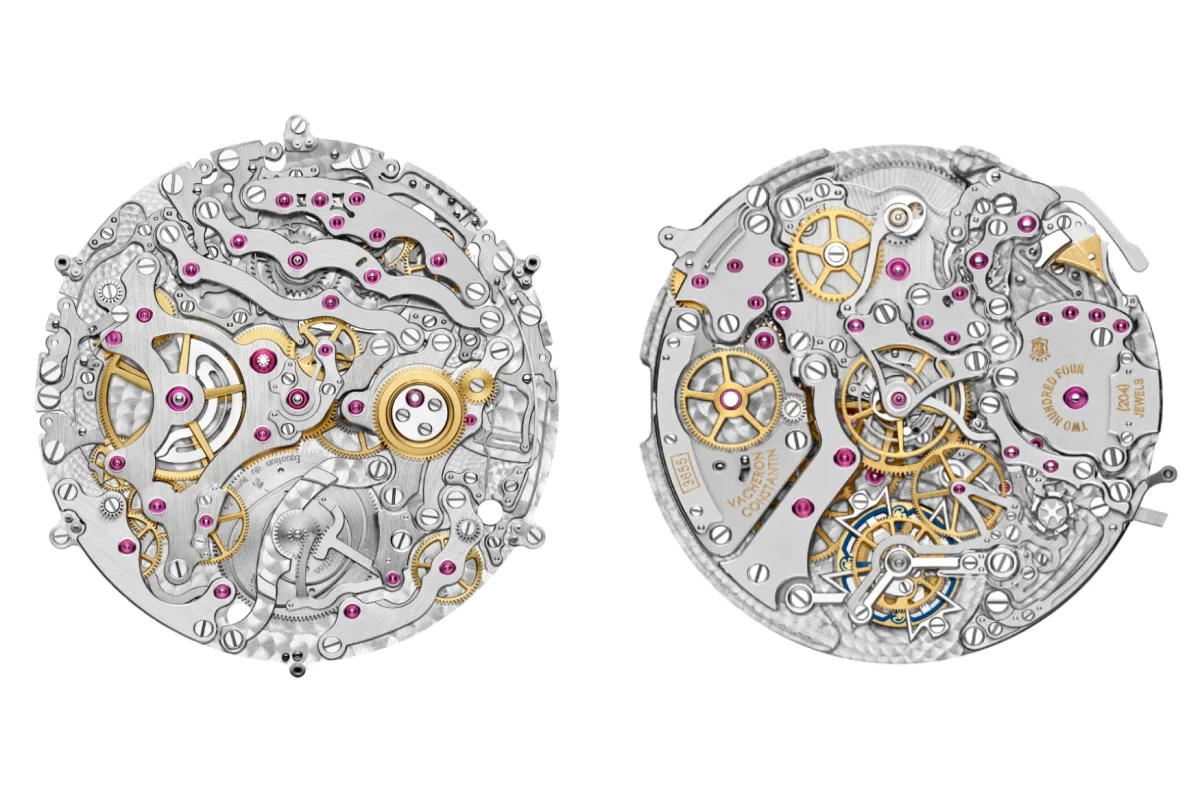
In the past couple of years, perhaps inspired by projects like 57260, the talented engineers at Vacheron Constantin have decided to become the undisputed champions in the number of complications in mechanisms. Deciding is one thing, but doing it on such a scale that no one, except themselves, can surpass is quite another. This year Vacheron presented the Solaria Ultra Grand Complication, which in many ways impresses more than their Berkley masterpiece because it fits in a wristwatch case.
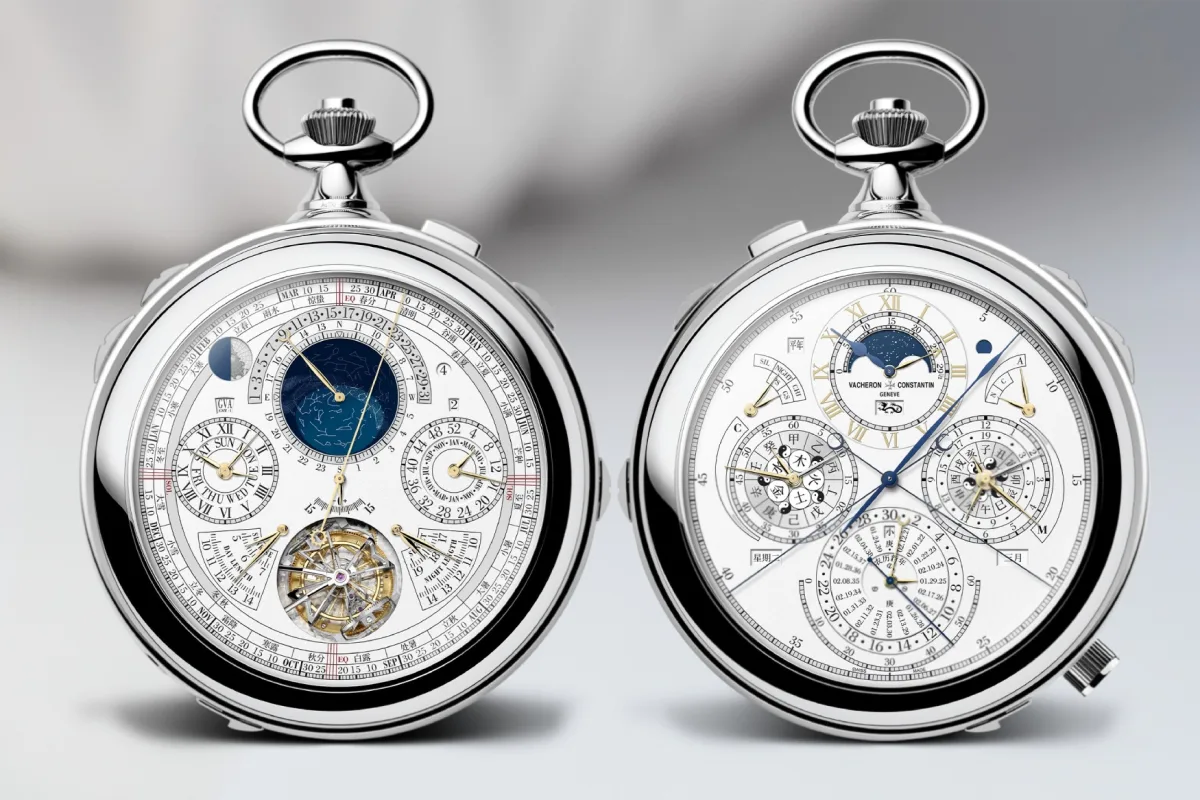
However, Berkley will remain the pinnacle of Vacheron's achievements for many years - not only due to the number of complications but also because of their unique nature. Besides the usual (editorial note: 'ordinary' - with a smile) complex functions like split-second chronographs, tourbillons, minute repeaters, there is a Chinese perpetual calendar. Many considered it impossible, and its development took over ten years, starting simultaneously with reference 57260.
Christian Selmoni spent almost an hour explaining the calculations without delving into mechanical implementation - his story began with a doomed 'in general, ...'. While the first two brands took steps that will unfold in serial production, I doubt that Vacheron will soon release the Chinese perpetual calendar Traditionnelle in large numbers. However, given the brand's dynamics, I wouldn't be surprised if they surprise me.
Jaeger-LeCoultre: Mastery in Movement and Testing
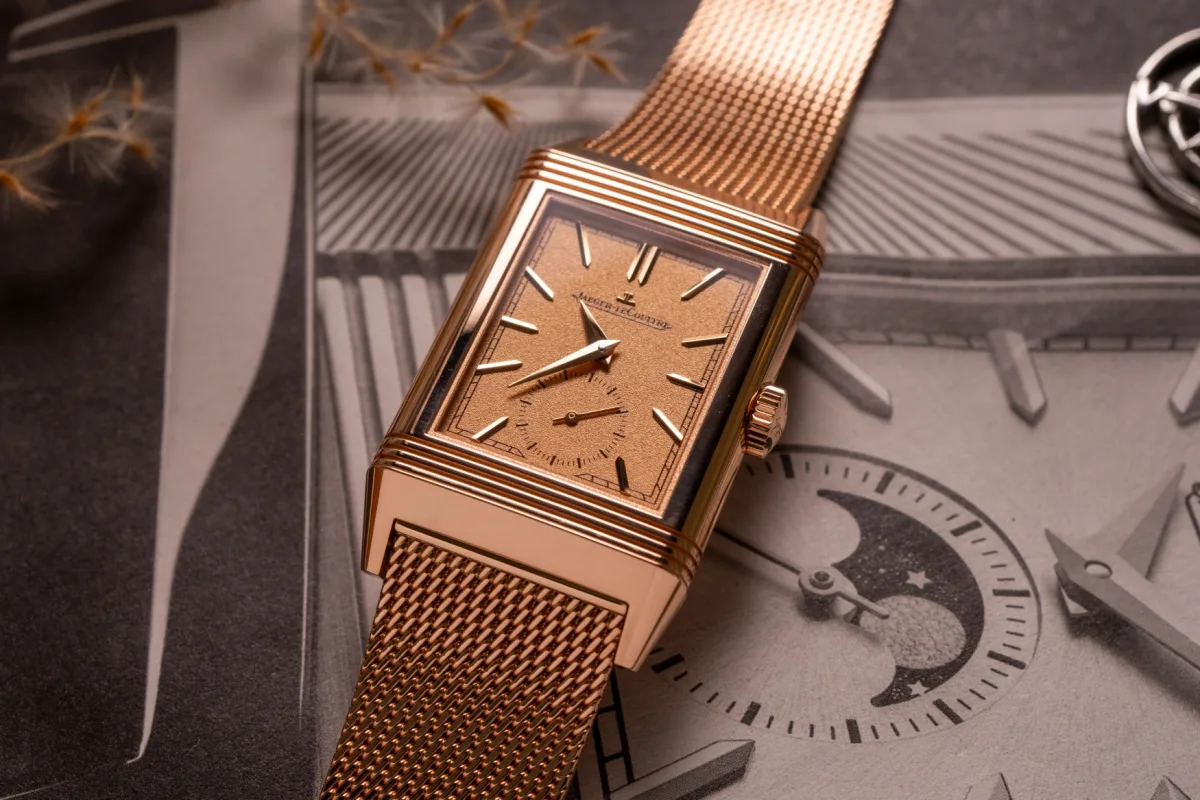
In recent years, Jaeger-LeCoultre has received much praise from the media and buyers for two magnificent Reverso models - a skeletonized chronograph and an art-deco with a mesh bracelet. Why did I choose them? I love good Reversos, like many, but it is the innovative approach to creating movements that has cemented JLC's status as a watchmaker among watchmakers. Their calibers are used by the most respected brands, building their own legacy on the JLC base.
I would like modern Jaeger-LeCoultre to return to its former glory when the caliber 920 surpassed the movements of all the brands of the Holy Trinity, but with an important difference. In an era when the trend is in-house production, expecting large-scale deliveries of third-party movements is unrealistic. Here JLC has a second strong card - the Master Control 1000-hour test.
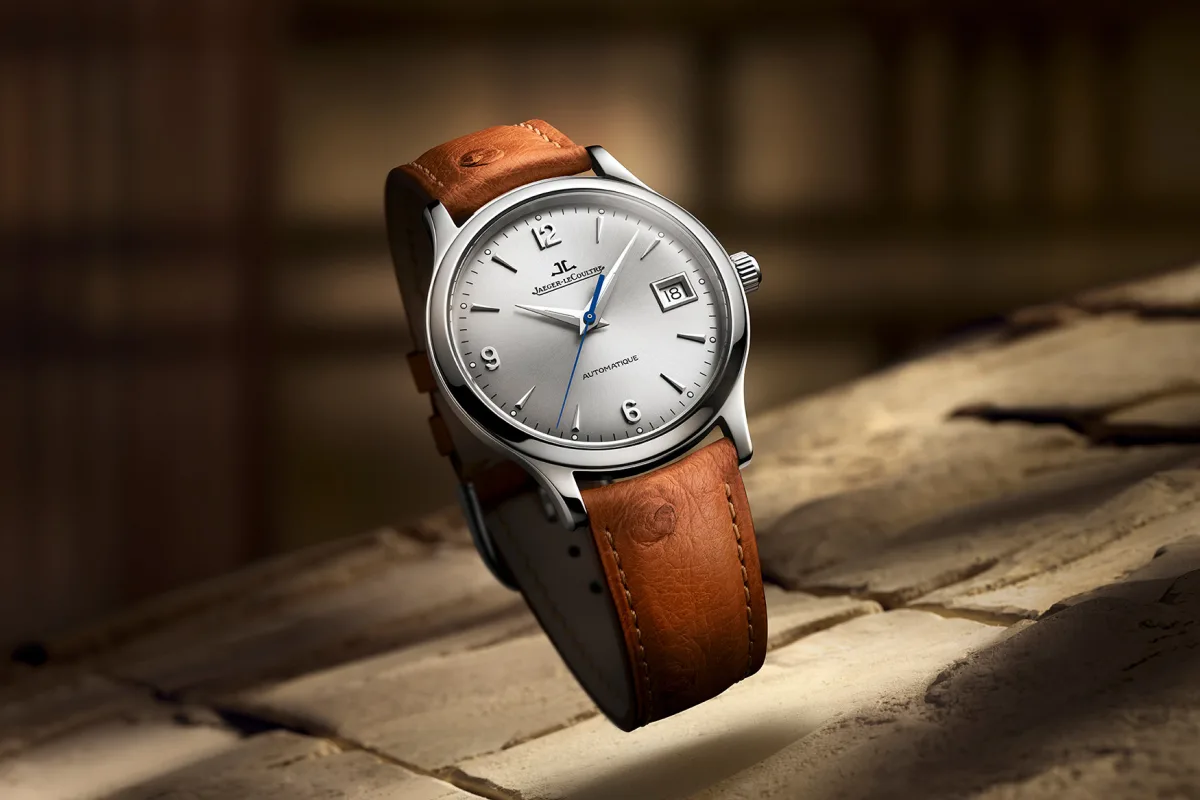
Introduced in 1992 with caliber 899, which is still in use, this rigorous test checks movements both in and out of the case, including chronometric performance, power reserve, shock resistance, temperature, and water resistance modes.
However, two aspects of the test surprise me. First, the information about it is not readily available to potential buyers, and JLC is gradually ceasing to mention it in advertising. Second, despite the strict procedures, the brand has never guaranteed a specific level of precision. For a house with such capabilities, it would not be difficult to surpass the segment leaders, including Rolex with their Superlative Chronometer and METAS certification. I am confident that JLC could compete for the title of the most reliable movement manufacturer, despite the high level of complications.
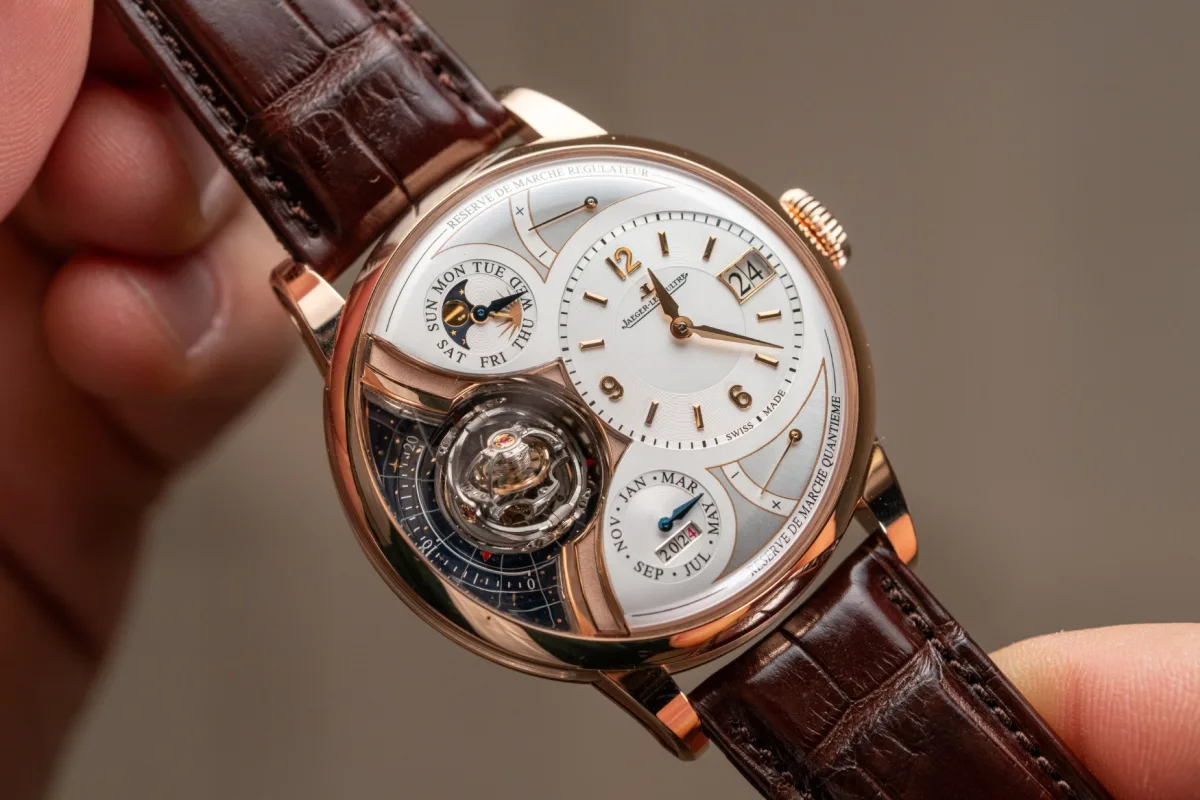
Moreover, JLC has the historical right to compete with both mass brands and the best complication makers - a rare advantage. The Duomètre line is the best example, combining traditional complications with a unique solution: two independent trains regulated by a single escapement. In 2024, the line was updated with the addition of a perpetual calendar and a third-axis tourbillon in the main model, as well as a new chronograph. JLC could well develop this technology to create something unique, possibly combining the Duomètre and Hybris lines.
TAG Heuer: Avant-Garde and Return to Roots
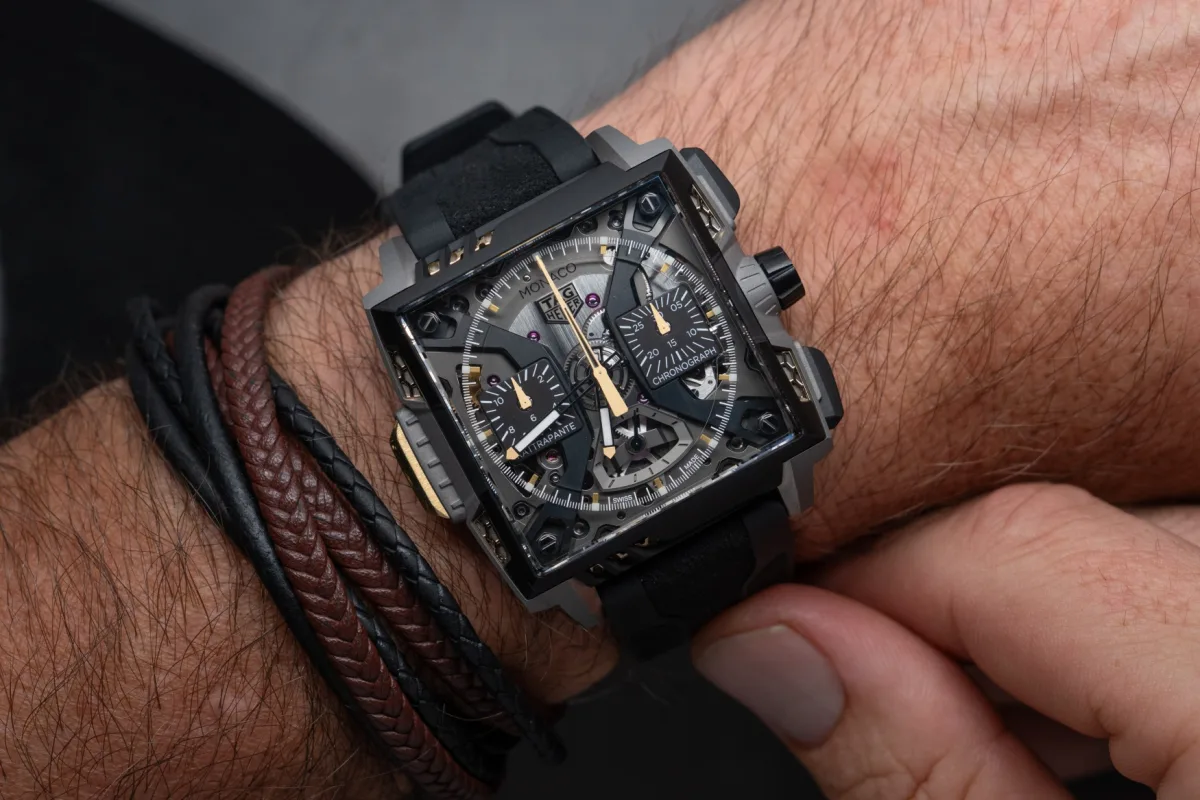
Belt drive, magnetic tourbillons, chronographs with a frequency of 7 million beats per hour? This was in the recent past of TAG Heuer, before the brand decided to focus on the Carrera and Monaco icons of the 1960s-70s and return to the quartz watches that made the brand mainstream. However, with LVMH's support in Formula 1, now is the perfect time to revive part of the name - Techniques d’Avant Garde. We have seen this in the Monaco and Carrera Split-Seconds models, as well as in models with TH-Carbonspring, but not at the level of the avant-garde Mikro.
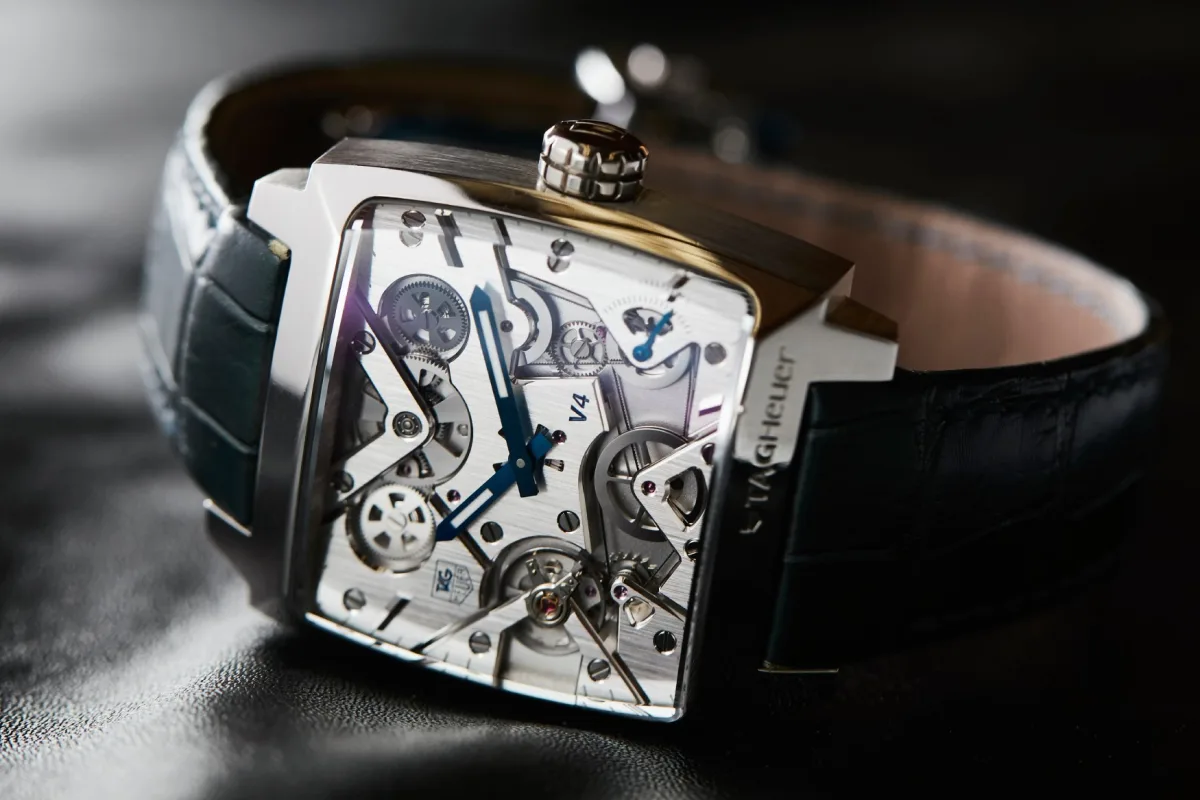
Consider the three models that defined the TAG Heuer era: Monaco V4, Mikrogirder, and Carrera Mikropendulum. First came the Monaco, introduced at Baselworld 2004, but it took five years to hit the market due to the complex system of thin polymer belts instead of wheel transmission and linear tungsten winding. The ultimate expression is the Monaco V4 Tourbillon with an even more complex regulator.
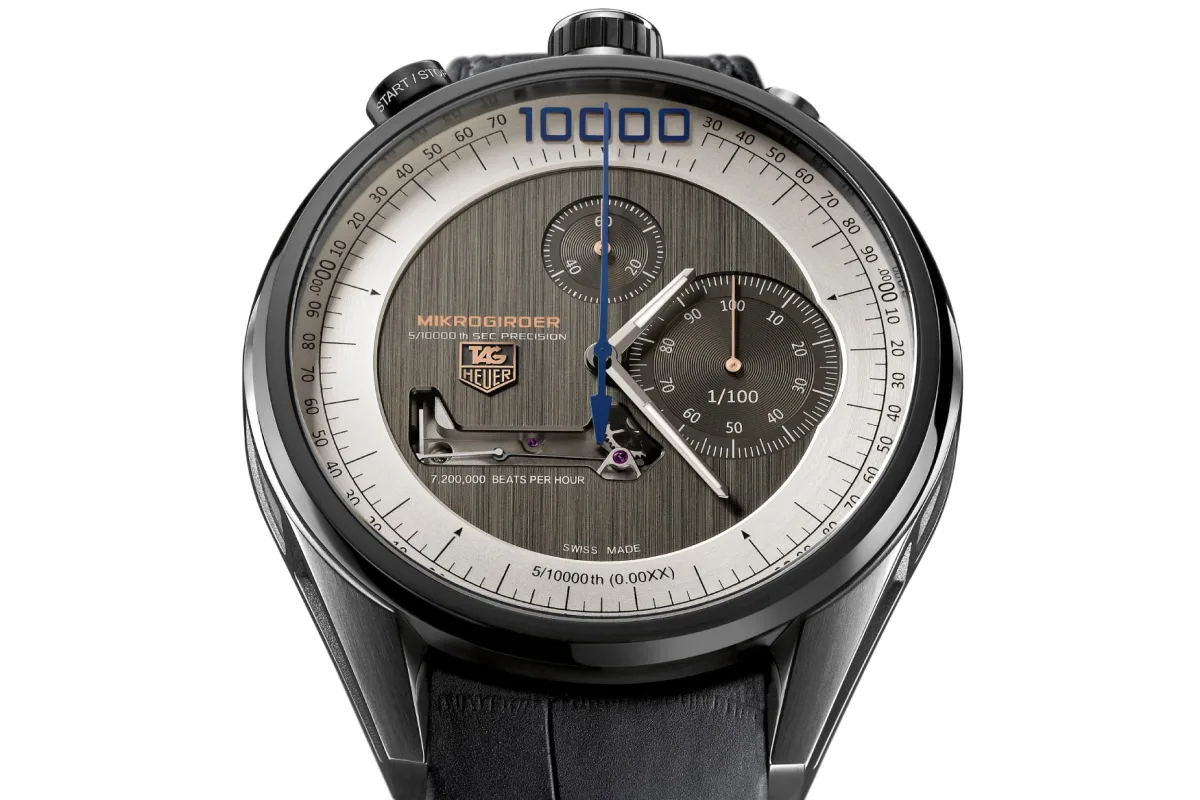
During V4's dominance, the brand began experiments with ultra-high-frequency mechanisms: 10 Hz, 50 Hz, 100 Hz? No, 1000 Hz! It sounds like a kindergarten argument about whose dad is taller, but the Mikrogirder 2000 could indeed measure 5/10,000 of a second thanks to a unique linear oscillator (Jean-Christophe Babin demonstrates it).
If that's too fast, the Mikrotimer 1000 (11 pieces produced, unlike the Mikrogirder prototype) operated at half that frequency and had a traditional balance. Yes, both suffered from a short chronograph power reserve - 150 seconds for Mikrotimer and 4 minutes for Mikrogirder, but that's not the point.
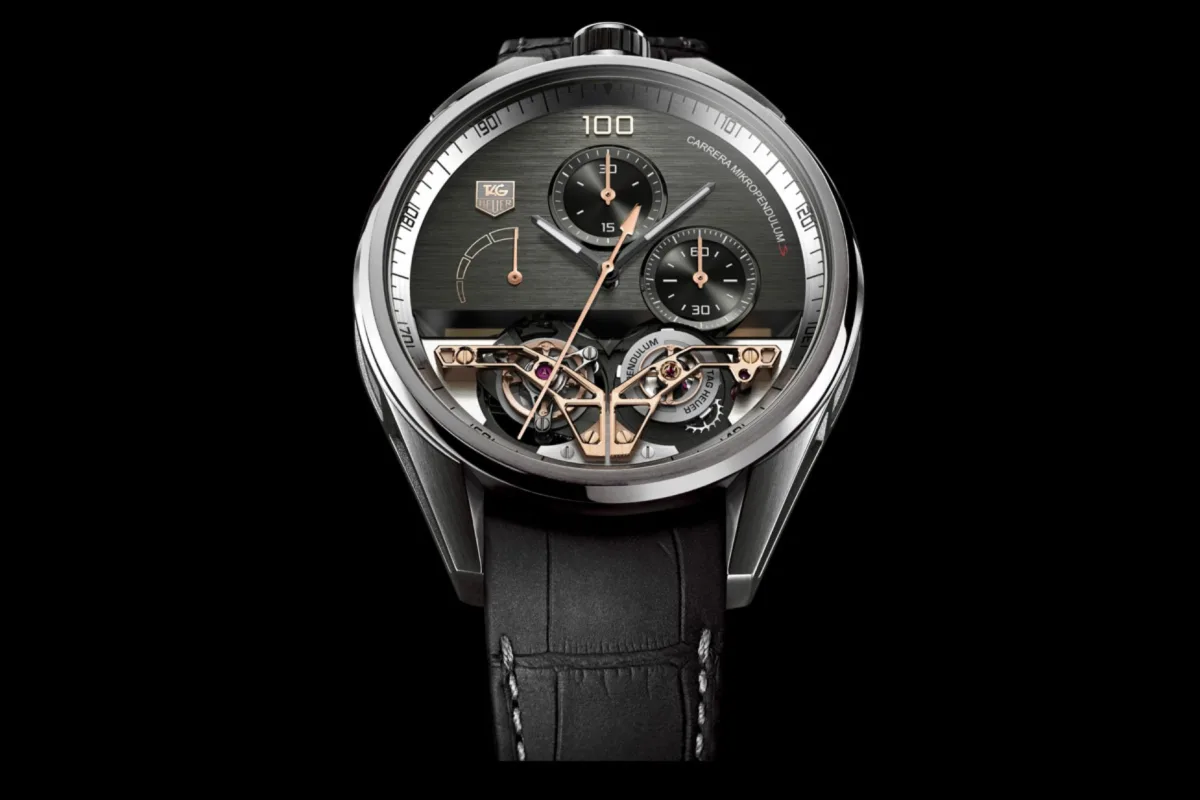
The main point is the Carrera Mikropendulum Tourbillon, which combined a conventional 4 Hz balance and traditional tourbillon with a 1/100 second chronograph and a hairless balance spring tourbillon at 50 Hz, driven by magnets on the carriage and balance axis. Like many of TAG Heuer's avant-garde projects, including the MikropendulumS concept with two magnetic tourbillons, this model was never launched in series - the decision was made by Jean-Christophe Biver.
Zenith: Innovations with Silicon Oscillator
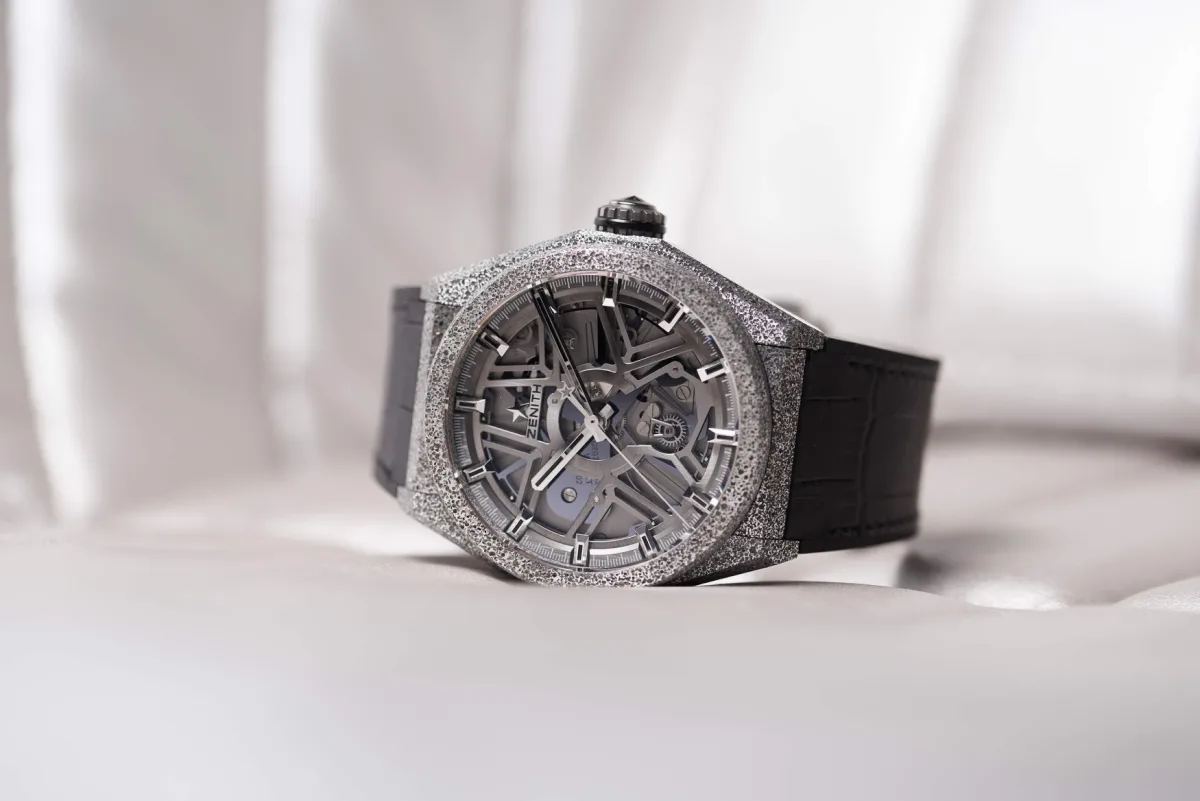
Zenith is renowned for its high-frequency mechanical chronographs, and their legacy is undeniable. But a key moment that could define the future happened in 2017, and I hope the brand returns to it. The Defy Lab model with caliber ZO342 abandoned the traditional balance in favor of a thin silicon plate, completely replacing the escapement.
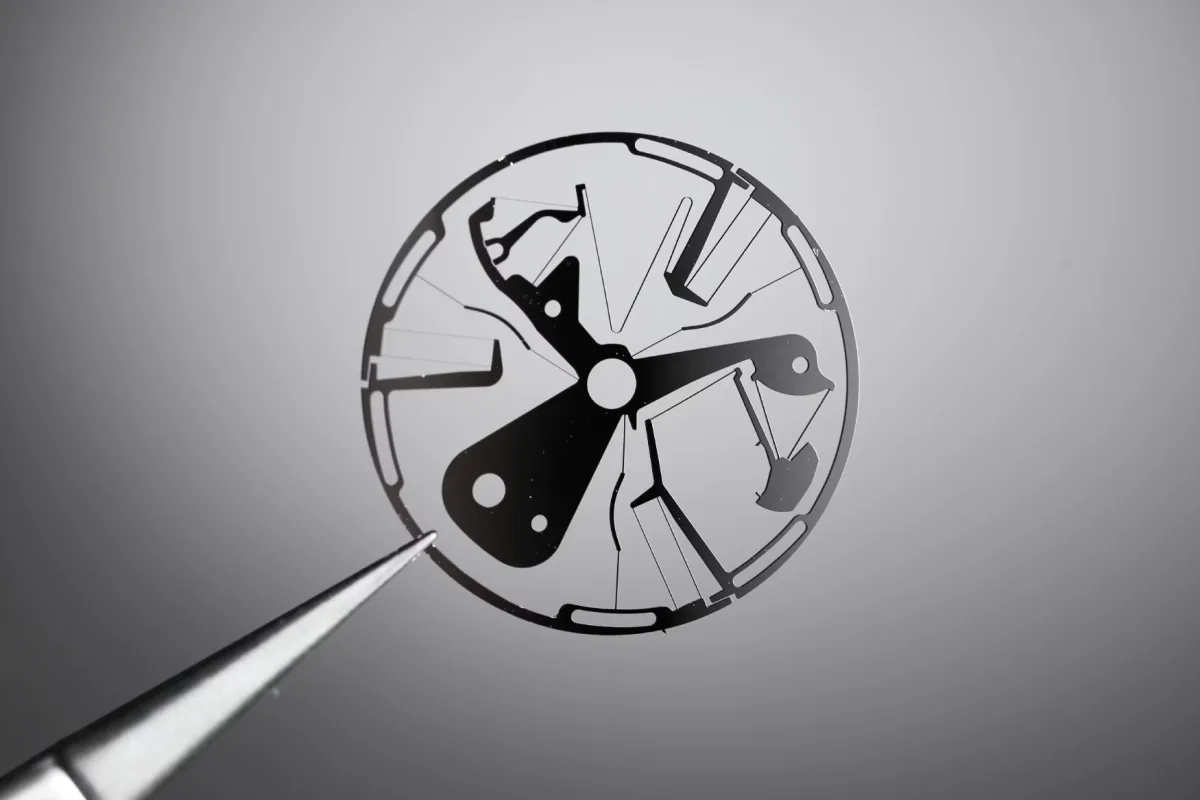
Developed by Guy Semon (the physicist who worked on TAG Heuer models and is about to launch his own brand), the Zenith oscillator demonstrated accuracy to half a second over two days at 15 Hz. Ten Defy Lab pieces were produced, followed by the Defy Inventor model with a flexible teeth escape wheel and an 18 Hz frequency, with plans to release several hundred.
And then... silence. Except for the Frederique Constant Monolithic 2021 with a silicon oscillator from the same Flexous company that Zenith collaborated with. Neither brand has further developed this technology, which is understandable given the popularity of steel sports models with integrated bracelets. But I hope we have outgrown those times and will see all these brands again push the technological boundaries.
This review reflects current trends and innovations in watchmaking, emphasizing the importance of technological progress for the industry's development. The development of new escapements, complex complications, and unconventional solutions not only ensures technical perfection but also strengthens the brands' positions in a competitive environment, which is a key factor for successful market promotion and increased recognition among enthusiasts and collectors.