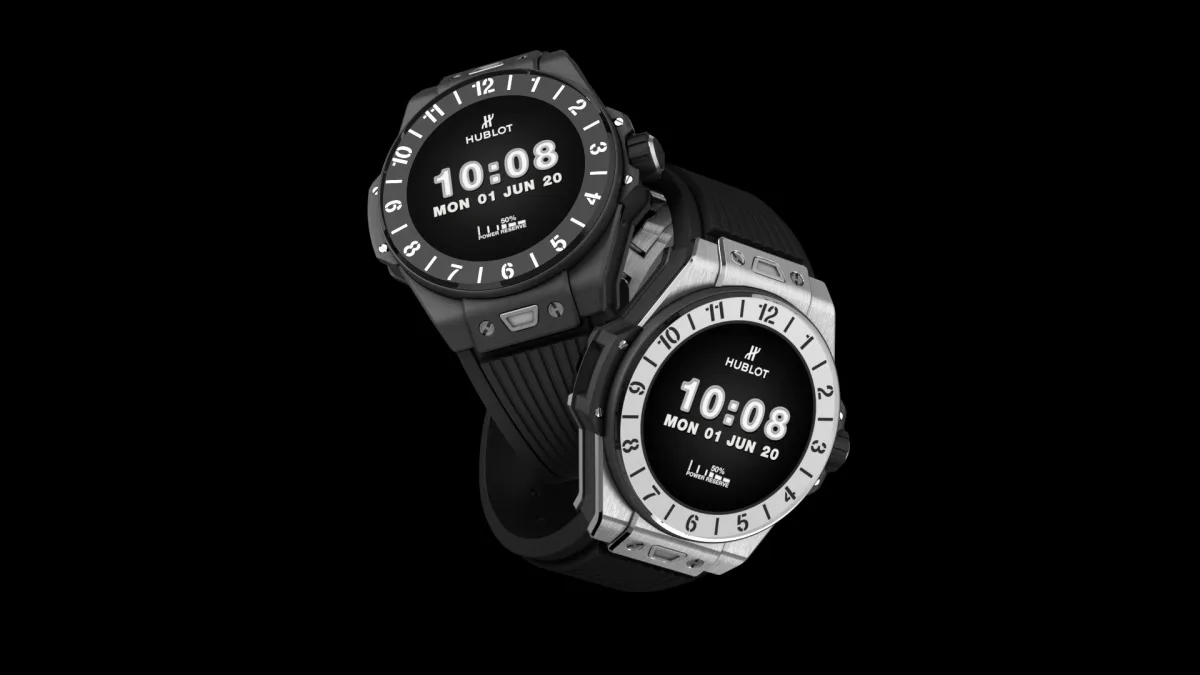
The Swiss watch company Hublot has unveiled its first full-featured smartwatch, the Hublot Big Bang e. This is not the brand's first foray into smartwatches, previously releasing a limited edition for football referees. LVMH is making significant efforts to create high-end smartwatches. TAG Heuer, part of LVMH, introduced a new collection of Connected smartwatches in March 2020, while Louis Vuitton, also under LVMH, sells a range of smartwatches.
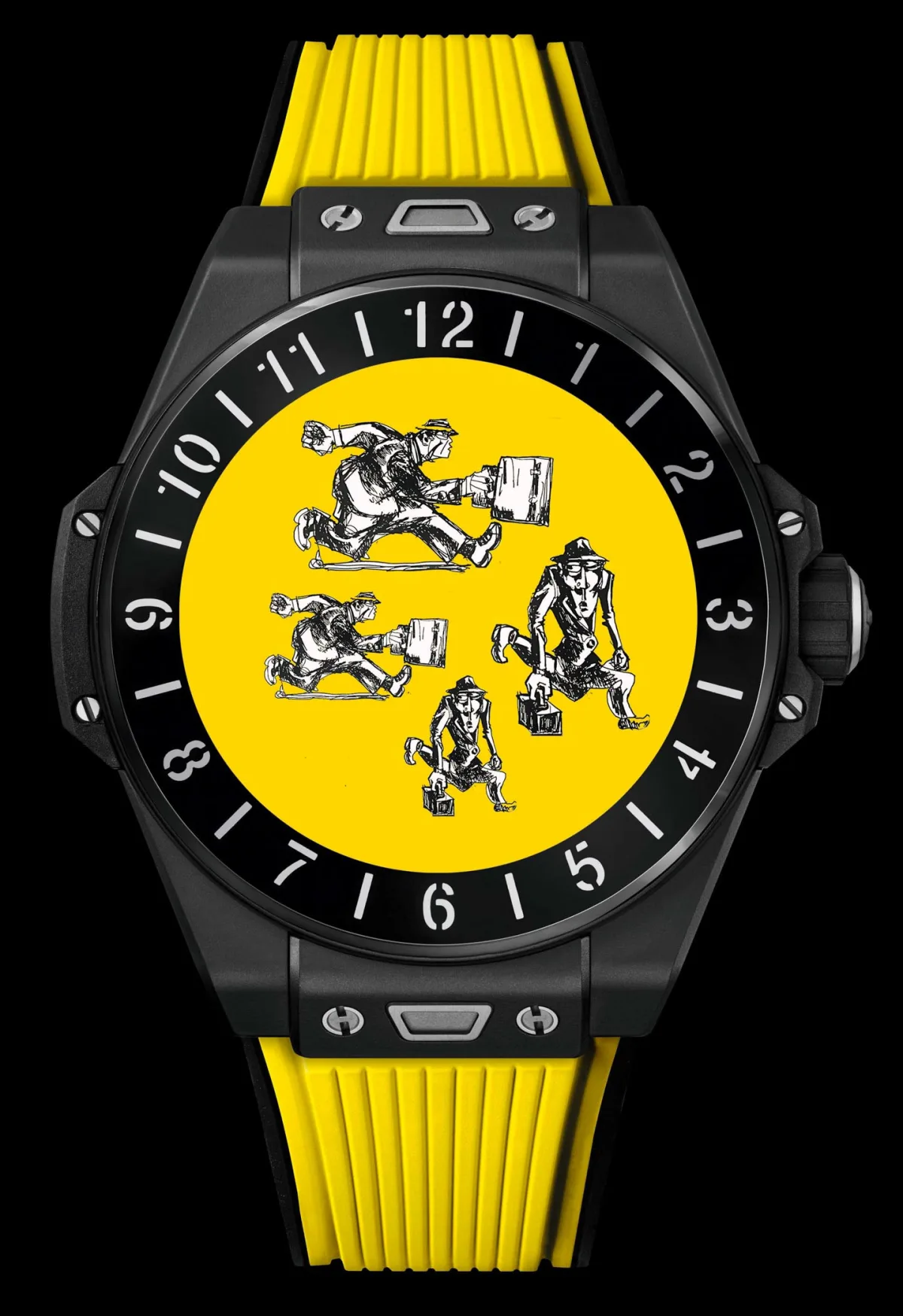
Each of these brands remains primarily a traditional watchmaker, with smartwatches complementing their broader product range. However, as smartwatches gain popularity among luxury enthusiasts, more models are emerging that use stable software platforms (in this case, Google Wear OS) combined with the brand's distinctive aesthetic DNA and quality case and strap construction. An example is Hublot, which successfully adapted the standard Big Bang case and strap with an electronic module and smartwatch screen, replacing the traditional dial and mechanical movement inside.
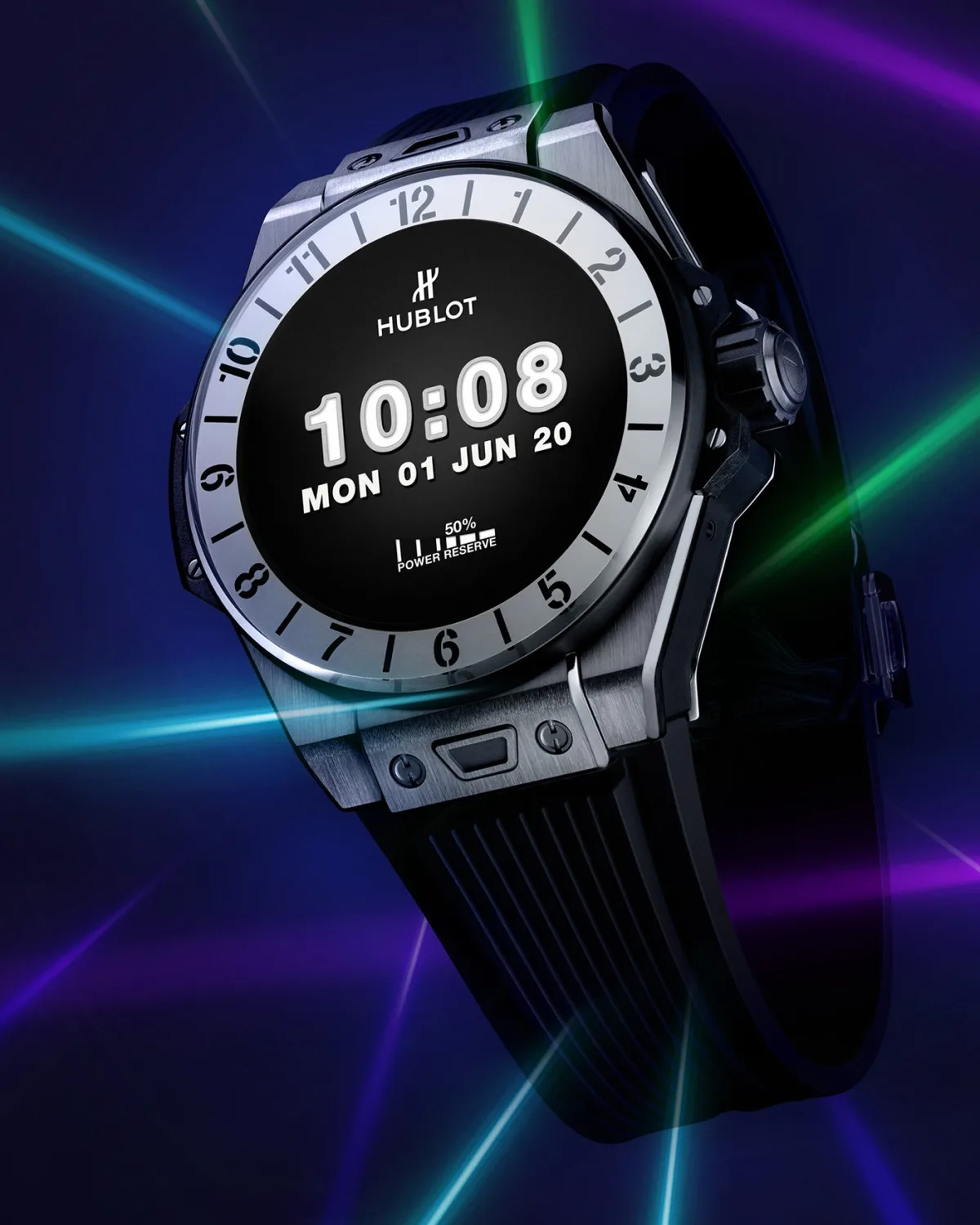
The Hublot Big Bang e debuted in two variants: the titanium model 440.NX.1100.RX and the black ceramic model 440.CI.1100.RX. Each watch is 42 mm wide and 12.8 mm thick (water-resistant up to 30 meters). Although I haven't yet worn these watches in practice, the case dimensions are small enough to suggest that consumers concerned about overly bulky smartwatches should not worry about how the Big Bang e will look on their wrist. I assume that the screen technology will be similar to that used in LVMH's TAG Heuer and Louis Vuitton smartwatches, as they, along with the Hublot Big Bang e, use the same basic hardware and AMOLED touchscreen. It also appears that Hublot will use the watch crown for scrolling through menu items, etc., in the Google Wear OS environment.
The innovation of the Hublot Big Bang e smartwatch (in addition to the Big Bang-style case) will be the original "dial" software available on the device. Hublot consumers will have exclusive access to special watch dial software specifically designed to match the design and theme of the case and product. Naturally, Hublot will want to strongly promote its brand DNA in smartwatches, but in terms of functionality, the Big Bang e does not appear to offer tools unavailable in other watches equipped with the same operating system.
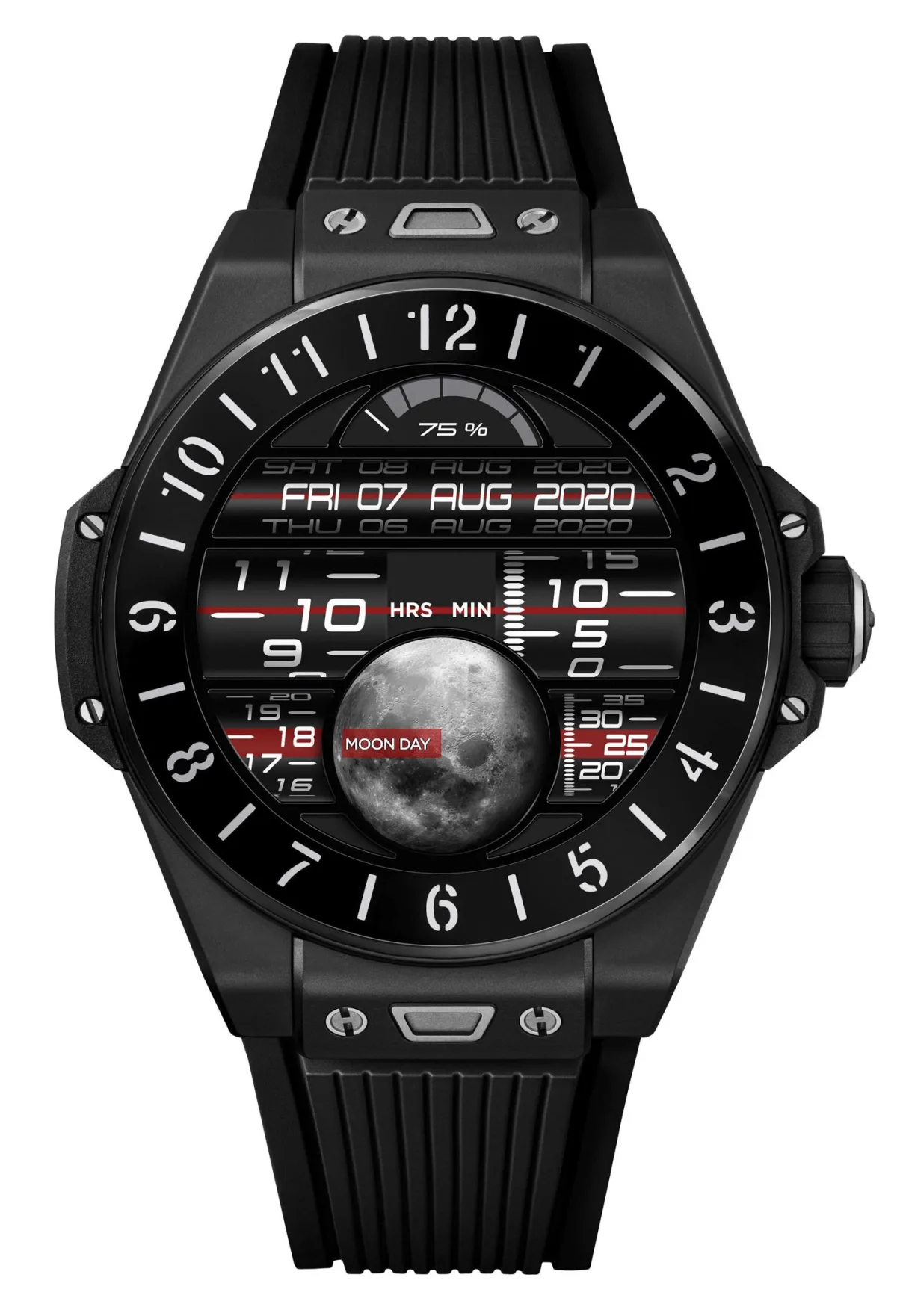
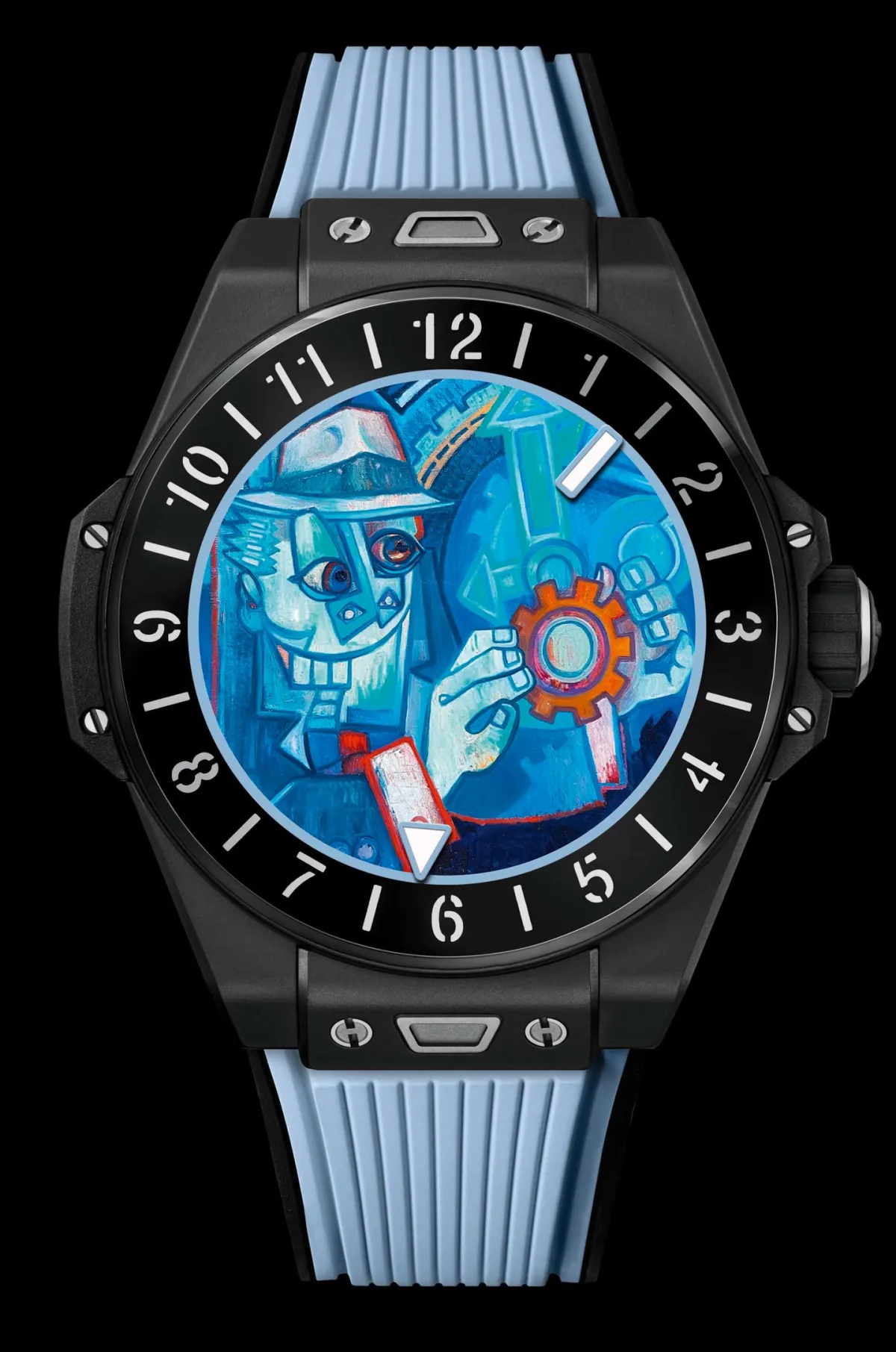
The world is increasingly interested in luxury smartwatches. Growth in this sector is primarily driven by younger consumers who appreciate what Swiss luxury watch brands represent but are more inclined towards modern watches than traditional ones. Products like the Big Bang e are created to allow younger consumers to enjoy their digital lives with their watches while still seeking the aesthetic appeal of wearing luxurious timepieces characteristic of life. I fully expect smartwatch sales to account for up to 25% of sales for some luxury brands, provided they can effectively and consistently attract the right customers.
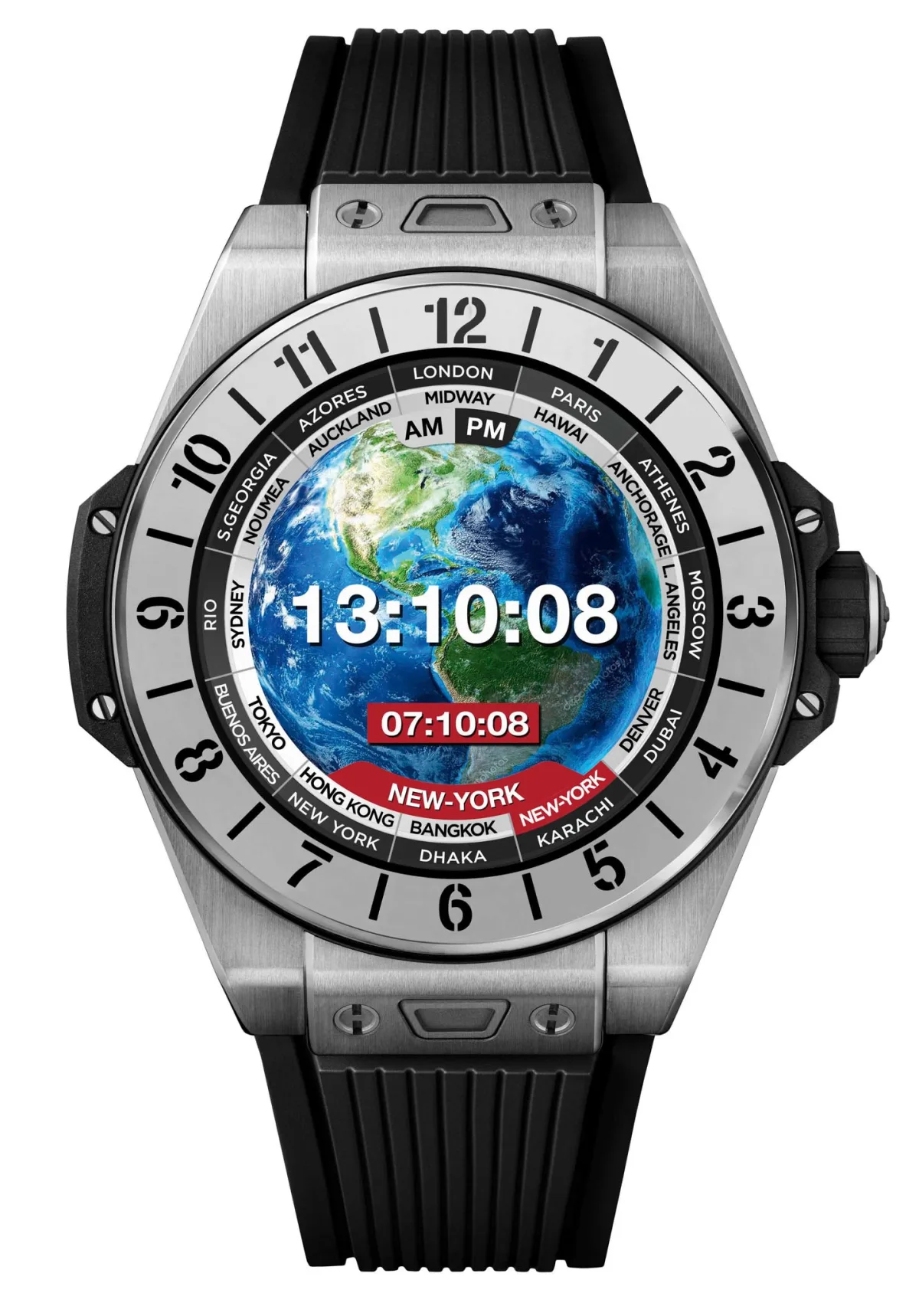
While the prices of the Hublot Big Bang e smartwatches are high compared to other connected watches on the market, they are a bargain when considering the standard retail price of most Hublot mechanical watches. In this regard, the Big Bang e is a good starting point for the brand and likely a wise decision overall, assuming Hublot can genuinely follow and understand the habits of the consumers who buy them. The price for the Hublot Big Bang e is $5,200 in titanium and $5,800 in black ceramic. The watches will be available in mid-June 2020 for members of the Hublotista fan club, and from July, they will be more widely available through Hublot e-commerce.