David versus Goliath, Achilles versus Hector. Wait a minute...
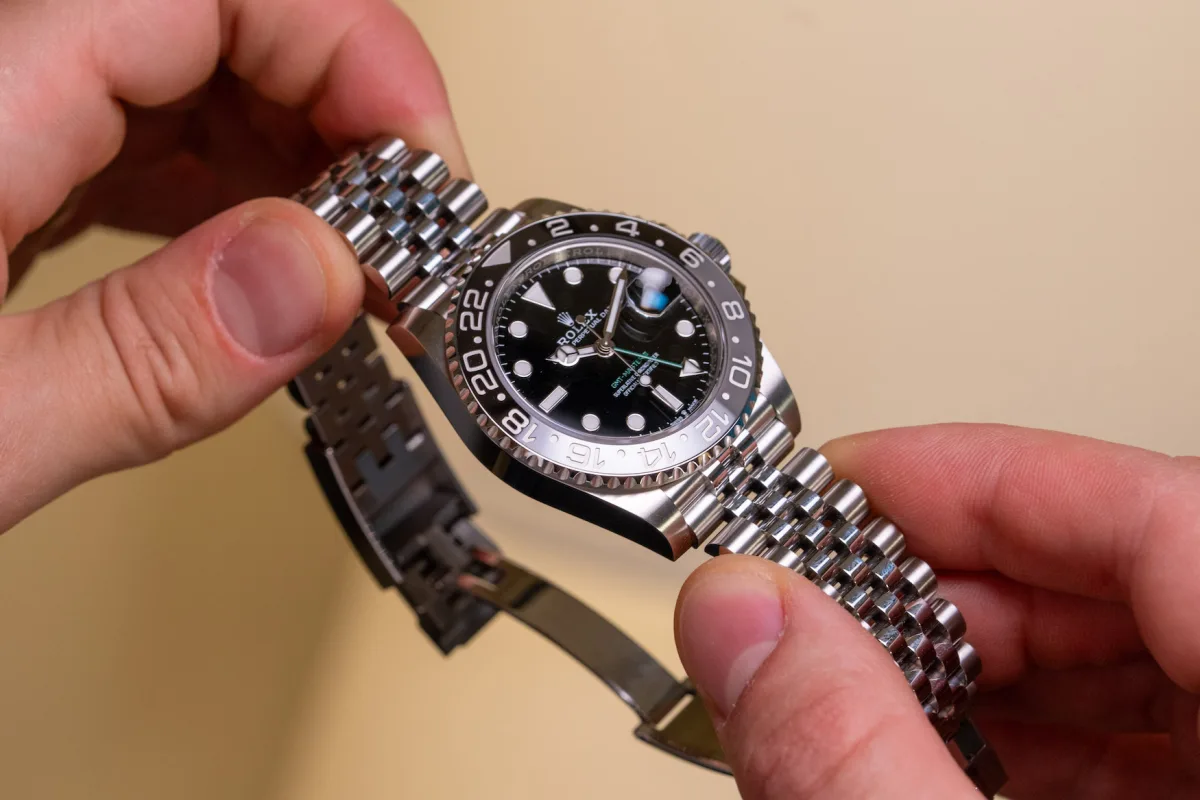
Why am I speaking in the third person? Alas, today I find myself drawn into a battle for glory. A battle as old as time, or rather, as old as 1959, when the Rolex GMT-Master II was first introduced with the Jubilee bracelet alongside the Oyster four years earlier. Often with Rolex, you're limited to one factory bracelet option that comes with your watch. However, as of 2021, the GMT-Master II is one of the rare professional Rolex models where you have two options to consider when customizing your purchase.
As the latest model, the GMT-Master II ref. 126710GRNR was presented to us during our Rolex Watches and Wonders meeting, two configurations were showcased – my personal favorite on the Jubilee in my hand, and the Oyster version in Artem's hand. When I claimed the GMT-Master II looks best on the Jubilee, Artem voiced his disagreement in favor of the Oyster bracelet.
As painful as it is to admit, there is no right answer – it is, of course, entirely subjective. But now it's time to see who among us will win your hearts and who will be sent to watch Valhalla.
Rolex GMT-Master II Looks Best on the Jubilee Bracelet
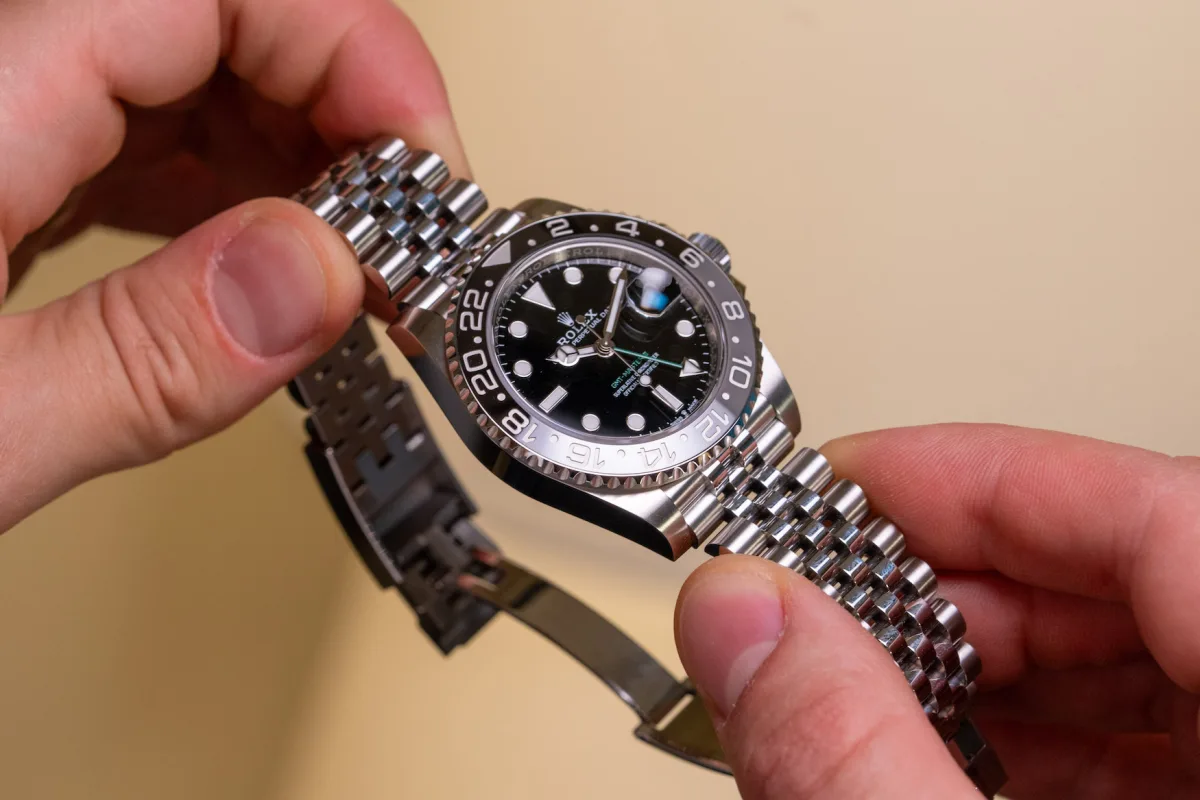
Once, I posed this question to Kevin O’Leary (a.k.a. Mr. Wonderful), known from Shark Tank, during a Clubhouse chat with Bob’s Watches during the pandemic when Clubhouse was still in vogue. Kevin was definitely on Team Oyster, citing that vintage Jubilee bracelets are quite troublesome to maintain and do not have the same durability and reliability as their Oyster counterparts.
But modern Jubilees are stronger than ever, and the stretchy bracelets are a thing of the past in all modern bracelet styles. Additionally, in my opinion, it is much more comfortable on the wrist. Considering that all Rolex bracelets today essentially have the same strength and reliability, I'm going to focus solely on aesthetics.
I will agree: there is nothing objectively wrong with the GMT-Master II on the Oyster bracelet. After all, it's the bracelet on which it was born in 1955. But in the modern catalog, you don't get an entirely matte Oyster, instead, you get polished center links, similar to those on the Rolex Datejust.
I think this is a misstep by Rolex, ultimately offering two bracelets with a sense of elegance, rather than one option leaning more toward the tool watch aesthetic and another toward a more elevated look.
In my view, the Jubilee will always convey sophistication better than the Oyster, and the Jubilee better captures the cosmopolitan cool of the golden age of flying. When these watches were introduced in the 1950s, air travel was still a very refined affair, and travelers making round-the-world trips dressed like Don Draper.
Submariner and Explorer are not glamorous tool watches. The GMT-Master II, associated with the class of sky travel, is a much more glamorous affair than diving into water or hiking in the mountains.
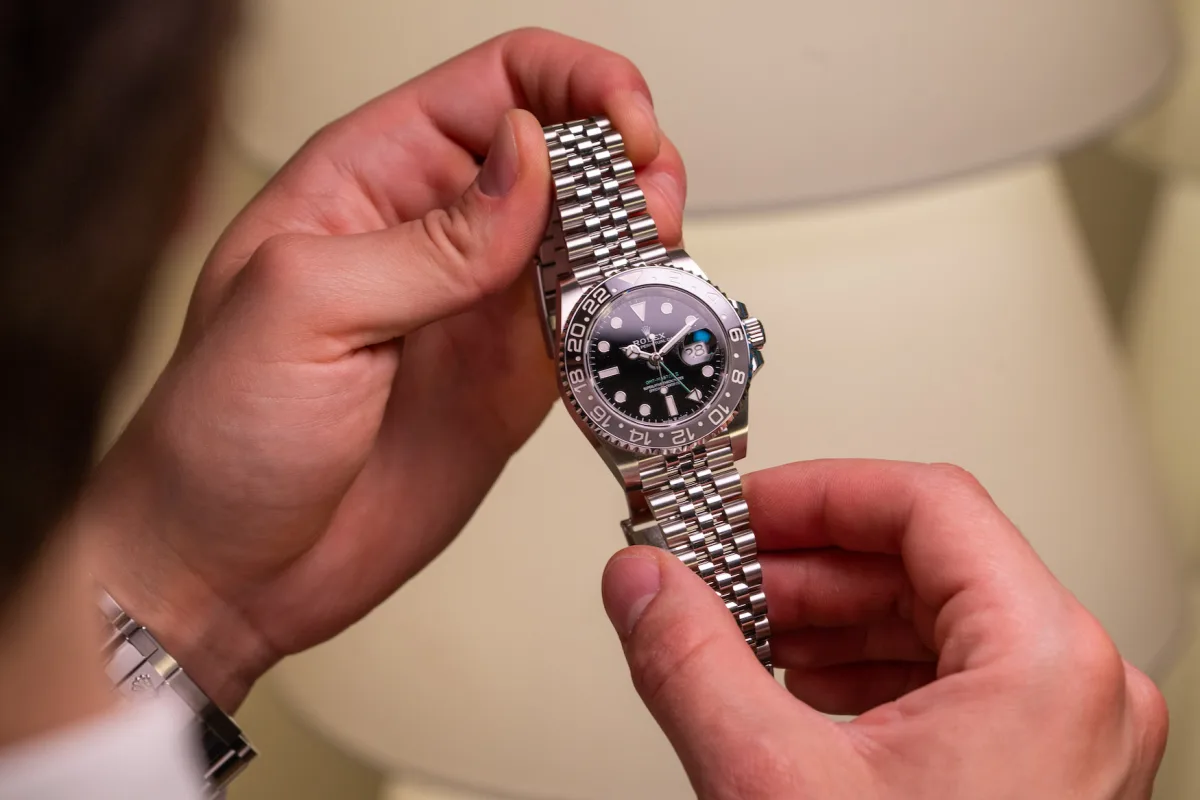
If the Oyster bracelet offered today for the GMT-Master II were entirely matte, I would understand people saying it better recalls the GMT-Master watches of the past. But as it stands, the Jubilee configuration is the only style that truly pays homage to those early Rolex GMT-Master watches and the golden age images that made them an enduring icon to this day.
The current mixed-finish Oyster bracelet has one foot on each side of the spectrum, neither perfectly embodying a tool watch nor a stylish watch – a bit of an identity crisis. Whenever I see modern Submariners or Daytonas on Jubilee rather than Oyster, I certainly shout. These references feel at home on Oyster bracelets, and for steel Explorers and Submariners, it makes perfect sense.
Once you move to precious metals, polished center links come into play – again, logical. And Daytona is now so far from its tool origins as a symbol of luxury status with the highest secondary premium.
So I'll leave the mixed-finish Oyster alone. However, in the case of the modern GMT-Master II, I will always side with Team Jubilee. It better distinguishes it from the Submariner, which, except for the bezel scale and the number of central hands, is identical in design. Cosmopolitan pilot watches. The word “cosmopolitan” is justified only by Jubilee.
Rolex GMT-Master II Looks Best on the Oyster Bracelet
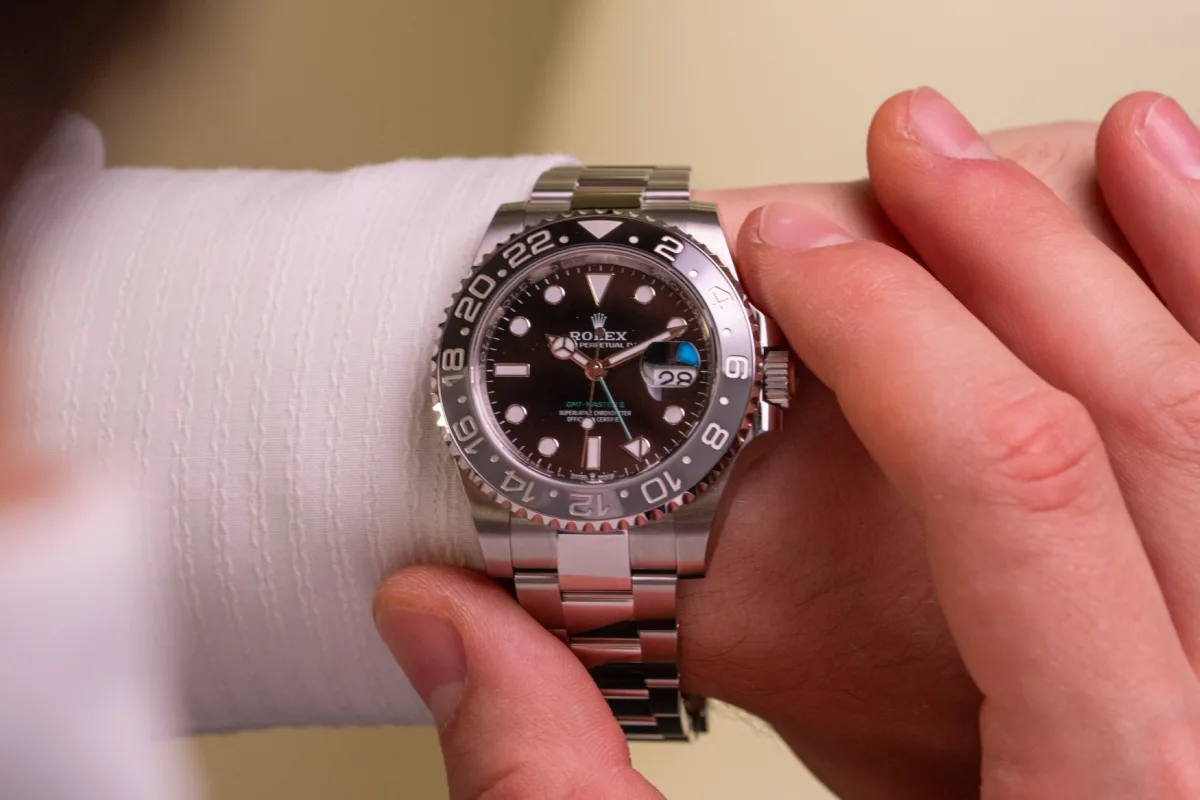
Let me make a disclaimer right away. I firmly believe that the Oyster bracelet looks best on modern Rolex GMTs. There are several reasons for this, and the first is how the watch has evolved over the years. Take any GMT with a ceramic bezel, and the size and shape of its numerals and the large dial elements simply do not match the thin Jubilee links, in my opinion.
The inherent bulkiness and muscularity of any modern Rolex (admit it, it's true) better complement the wider and flatter surfaces of the Oyster. In my view, this has nothing to do with the historical implications of the GMT's birth on the Oyster bracelet.
The fact that it was created this way does not mean it is an inviolable design attribute of the GMT, although I understand how it might influence someone's preferences.
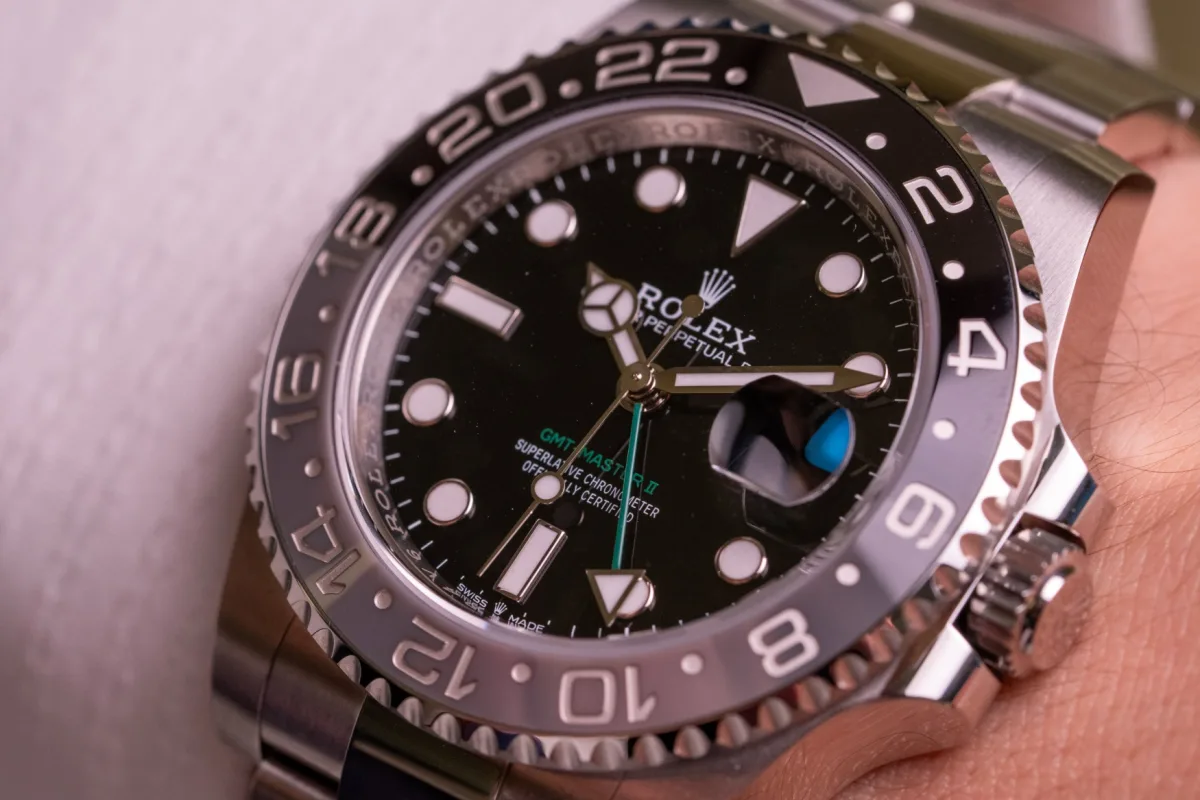
Maxim is right to mention the polished and matte surfaces. I fully agree that the Oyster would work better if it were entirely matte, but I find it a moot point, considering the fact that the Jubilee is even more dazzling due to its multi-component construction.
And this brings me to my biggest issue with the modern Rolex Jubilee, and not just when it comes to fitting it on the GMT-Master II. For me, the charm of the Jubilee bracelet lies in its slight roughness and rattling, which provides maximum comfort on the wrist. This is absent in modern watches due to more sophisticated manufacturing, but I feel that some of the charm is lost along with it.
When it comes to dressier watches, like the Datejust with a fluted bezel or its cousin Jubilee, the President bracelet on the Day-Date, I have no doubts. Why? Because they embody what modern Rolex has become.
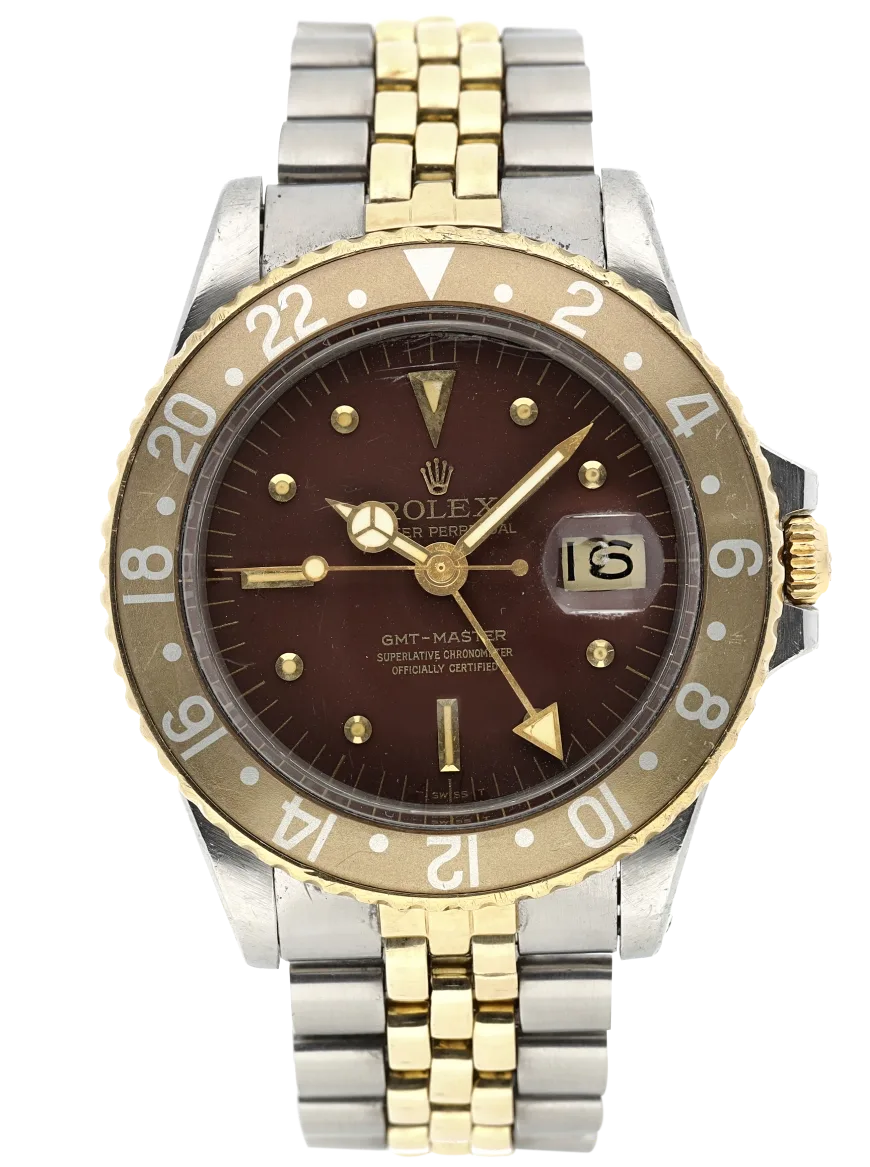
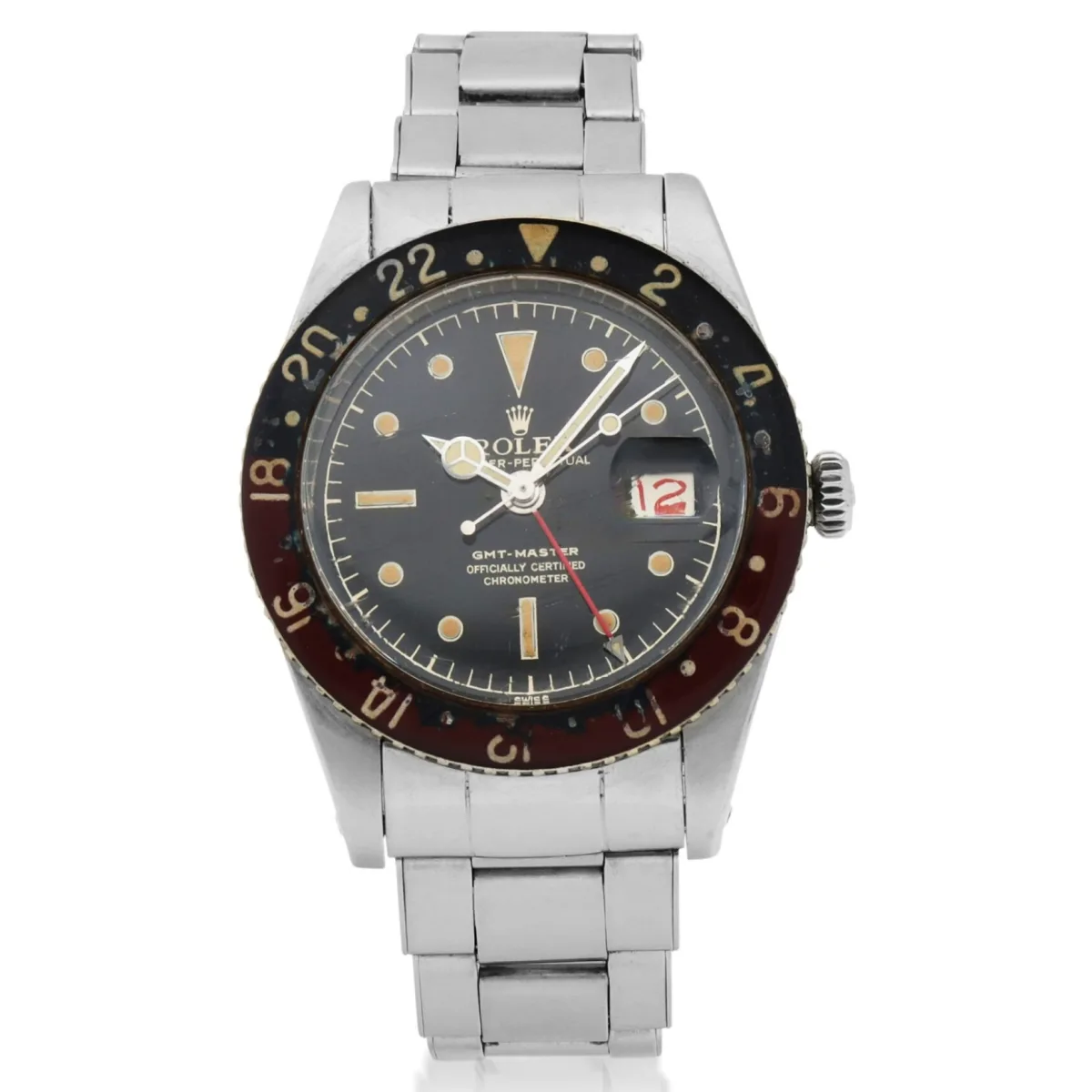
When speaking of Rolex GMT watches and their accompanying bracelets in general, in my opinion, nothing compares to the nipple dial Rootbeer on a rattling Jubilee. But if I were led into a Rolex boutique today and forced to choose new watches, I have no doubt it would be these – the monochrome GMT 126710 on an Oyster bracelet… Which I would then sell and buy vintage.