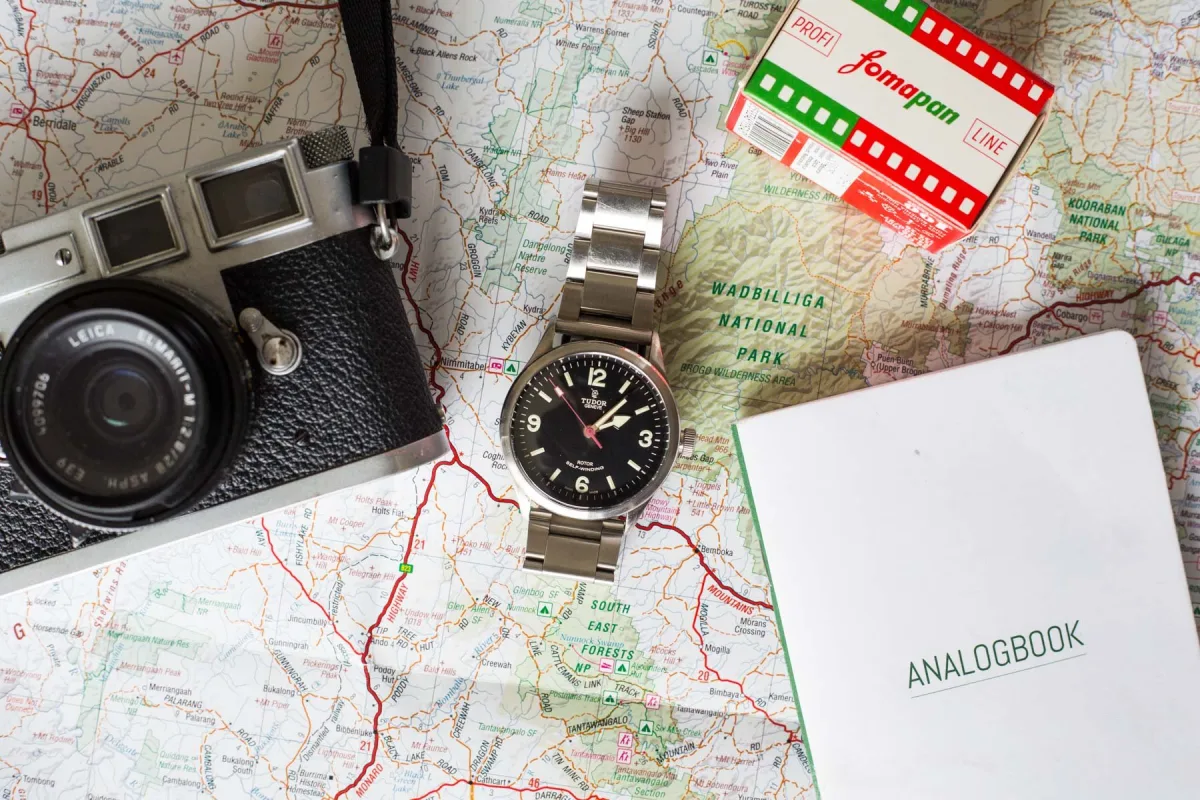
Value-oriented brand Tudor exemplifies how rapidly the landscape is changing in the watch world.
We can find solace in this idea through an instructive story of an 18th-century philosopher and ponder whether rising watch prices might have a positive side.
In late 2020, I received a phone call that excited me greatly. At the time, I was still a newcomer to the watch hobby. I would say I had been "curious" about watches for several years, but 2020 was the year I began reading watch publications.
I also started exploring fascinating stories of various watch brands online. In the four years since then, we have witnessed significant changes in watch industry prices. For some, this is a negative phenomenon, as it may deter them from brands they were highly interested in. However, as I argue today, rising prices also present a positive opportunity.
How It All Began
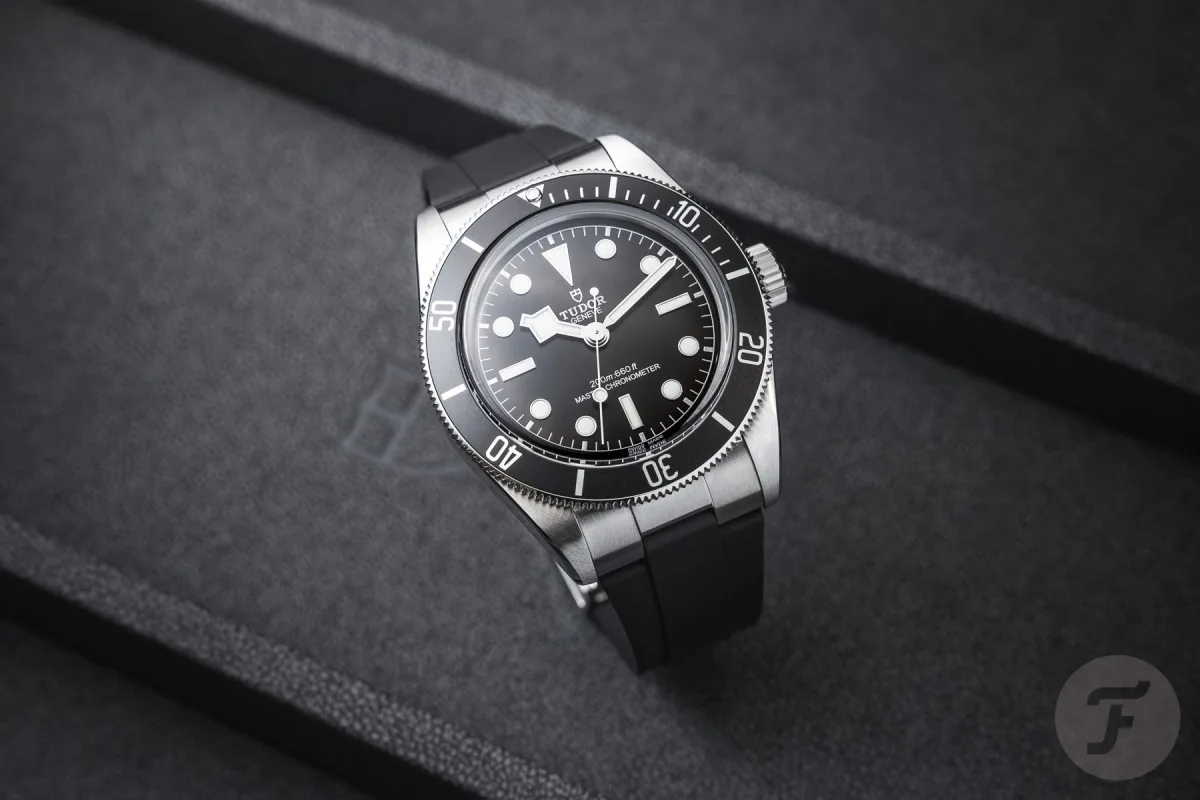
An interest in watches and the history of their creators initiated my journey that led me to where I am today - a writer for one of the world's leading watch publications. In 2020, I was excited by a phone call because a watch dealer in Sydney informed me that I had the opportunity to purchase a Tudor Black Bay 58 in dark blue.
At the time, they were priced at 5,000 Australian dollars (3,430 euros) on a bracelet. If I were to buy the same watch today, it would cost approximately 19% more, or 4,070 euros. This is one of the more moderate examples of watch price increases.
An interesting example is the price growth of Tudor, as not so long ago you could purchase new Tudors on a bracelet for less than 3,000 euros. In 2014, the Tudor Heritage Ranger model sold for 2,800 euros on a bracelet. Of course, they featured a modified ETA 2824 movement, not an MT series caliber.
But they also boasted a magnificent textured dial, lots of luminescent materials, a 150m waterproof case, and a sturdy bracelet. In 2022, to its credit, Tudor managed to release an updated version with an MT series movement at almost the same price - 2,860 euros (today it's 3,370 euros). Following this, the brand presented a strong lineup at the Watches and Wonders exhibition this year, including mid-sized GMT and monochromatic Black Bay models.
Watch Prices Continue to Rise
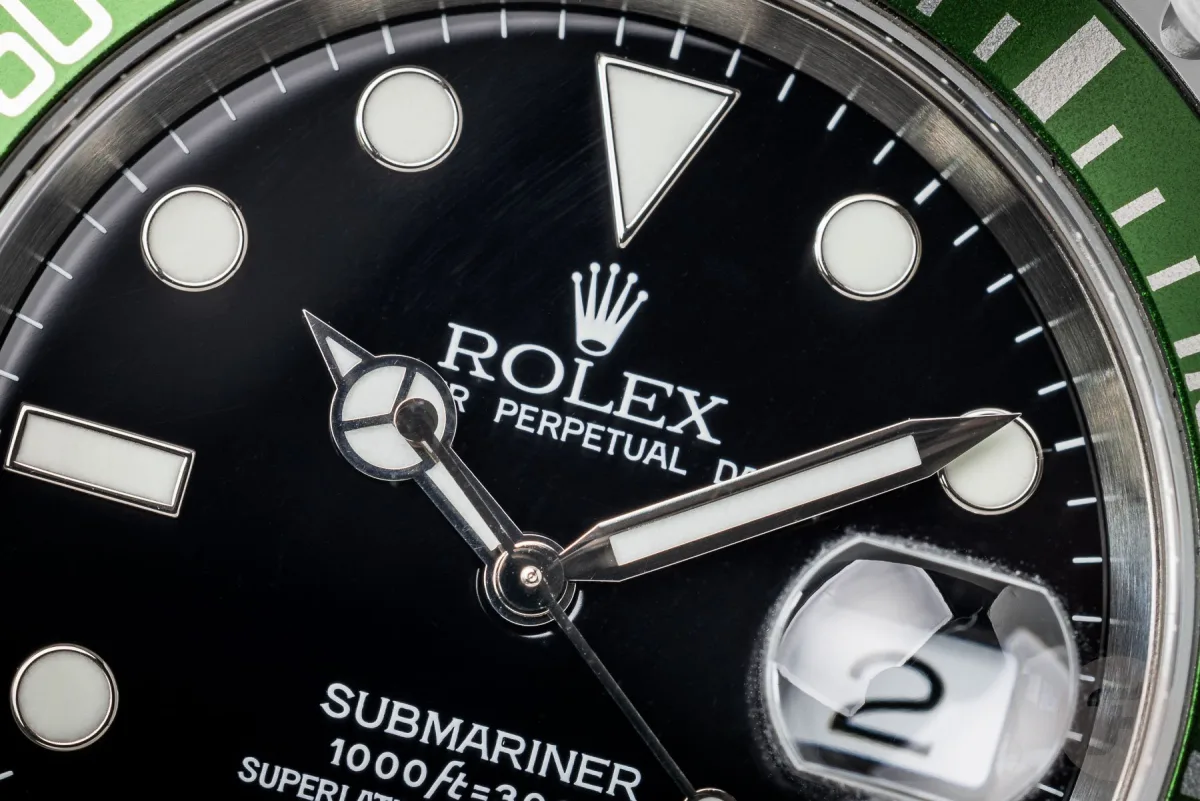
Despite the example of the Tudor Ranger, since four years ago when I was enthusiastic and full of excitement, watch prices have generally increased. Moreover, we've observed this much more frequently in some brands than in others. This volatile growth, based on brands or even specific model lines, is a pin in the balloon of the theory that these prices are driven solely by inflation.
Such an explanation simply doesn't make sense. This became apparent in the last couple of years when, as my colleagues noted, there was indeed a sharp increase in prices for many brands.
In light of the ongoing discussion about watch prices, I want to draw your attention to an 18th-century philosopher. Denis Diderot (1713-1784) was a Renaissance man in the truest sense of the word. An art critic, writer, and one of the founders of the French "Encyclopédie, ou dictionnaire raisonné des sciences, des arts et des métiers" (translated from English - "Encyclopedia, or a Systematic Dictionary of the Sciences, Arts, and Crafts"), he possessed many talents.
But it is his foray into philosophy that draws our attention today. What does this have to do with watches? Read on.
The Diderot Dilemma
The reason I mention Denis Diderot is the phenomenon he identified, which has since become known as the "Diderot Effect." He first recognized it in his 1769 essay "Regrets on Parting with My Old Dressing Gown." In it, the author recounts how receiving a beautiful scarlet gown as a gift and parting with his old one led him into a debt trap. Although Diderot was initially happy to receive the gift, he later regretted it. Compared to the new robe, the rest of his modest belongings seemed tasteless and cheap. So, he began to consume, consume, and consume.
Diderot replaced his old straw chair with one upholstered in Moroccan leather, his desk with a new expensive writing table, and so it went on endlessly: "I was the absolute master of my old gown," wrote Diderot in his essay, "but I became a slave to my new one… Beware the contagion of sudden wealth. A poor man can relax without thinking about appearances, but a rich man is always on edge." Thus, Diderot defined the phenomenon whereby acquiring a new luxury item can lead to a consumption spiral that results in acquiring even more. If we substitute "possession" with "luxury watches," you'll understand where I'm going.
Are We Frogs Brought to a Boil?
Have you ever heard the story of the frog in the water brought to a boil? If you put a frog in boiling water, it will immediately jump out (with all my sympathy for the frog). But the story claims that if you place it in room temperature water and slowly bring it to a boil, the frog will notice nothing and cook alive. Although this story seems to have been debunked, I would argue that the rise in watch prices echoes the frog's experience in this myth.
The argument is that we, as consumers and enthusiasts, are forced to tolerate increasingly higher watch prices and price jumps that simply do not match inflation. In this situation, we also face increasingly sophisticated marketing campaigns designed to make us regret our old watches, much like Diderot's old robe.
An Argument for Valuing What We Already Have
In some industries where consumer goods are sold, companies may use a model where they say the old product you bought is outdated or simply not good enough for modern times. Take, for example, Apple products. With frequent updates to Apple computer models, it is implied that every few years, advertising will nudge you to conclude that your current MacBook Pro is hopelessly outdated or obsolete.
Luxury watch companies have to take a different path. They can't easily claim that watches they released in 2015 are no longer good or are unnecessary. This contradicts marketing pitches about build quality, the longevity of Swiss watches, and the timelessness of mechanical watches. So instead, they often promote new specifications, new calibers, or "you should buy this new watch model because it has a green dial" (this is a gross generalization, but you get the idea).

Rising Prices Create Opportunities for Neo-Vintage
This creates enormous diversity for us as consumers, which is wonderful in many ways. Watch companies release watches in different colors, metals, and dials while retaining the core qualities of the original product. But it also creates a cycle similar to the Diderot Effect, where we as consumers are constantly made to feel outdated.
It is in this environment of new watch releases that neo-vintage and vintage options thrive. Take, for example, the Omega Seamaster 300M ref. 2254.50.00. These are fantastic and beautifully looking watches that do 95% or even more of what the current Seamaster can do (and I would say they look better doing it). The drive of giant watch companies to buy more, more, and more is just as much an opportunity to explore the pre-owned market for what scratches the itch as it is to consider new watch models.
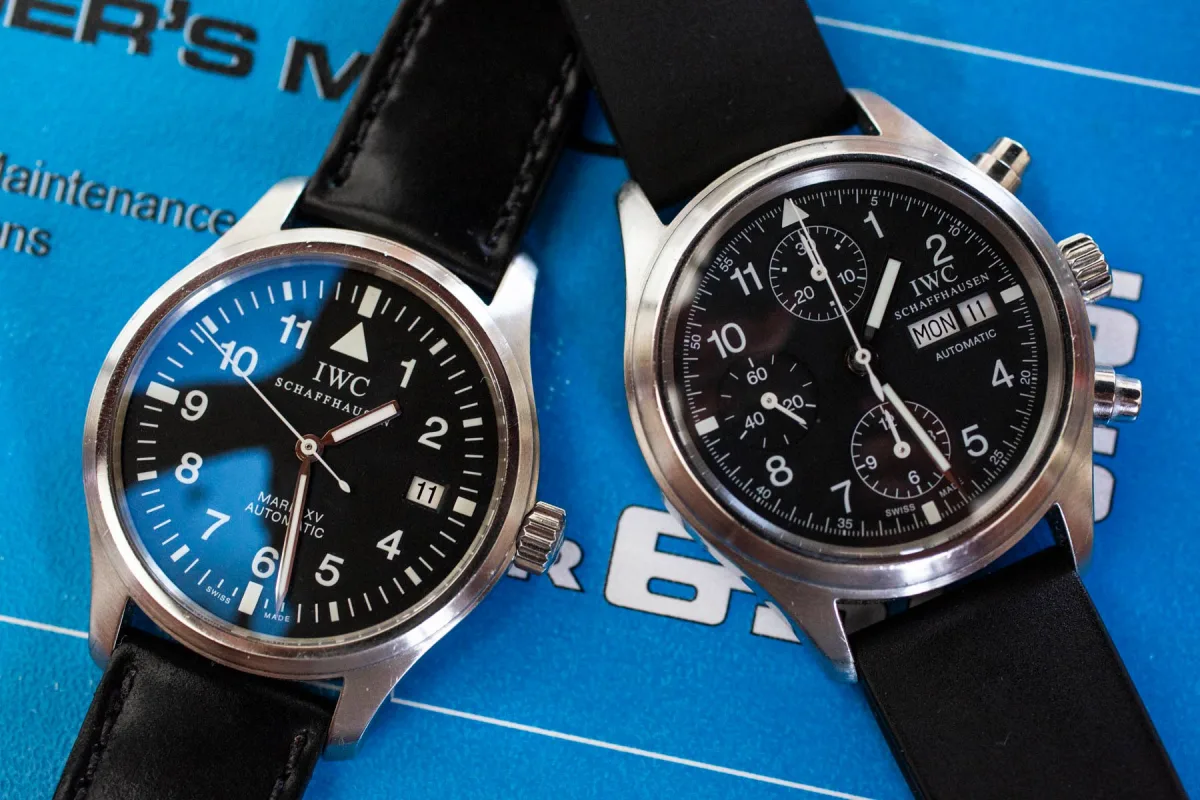
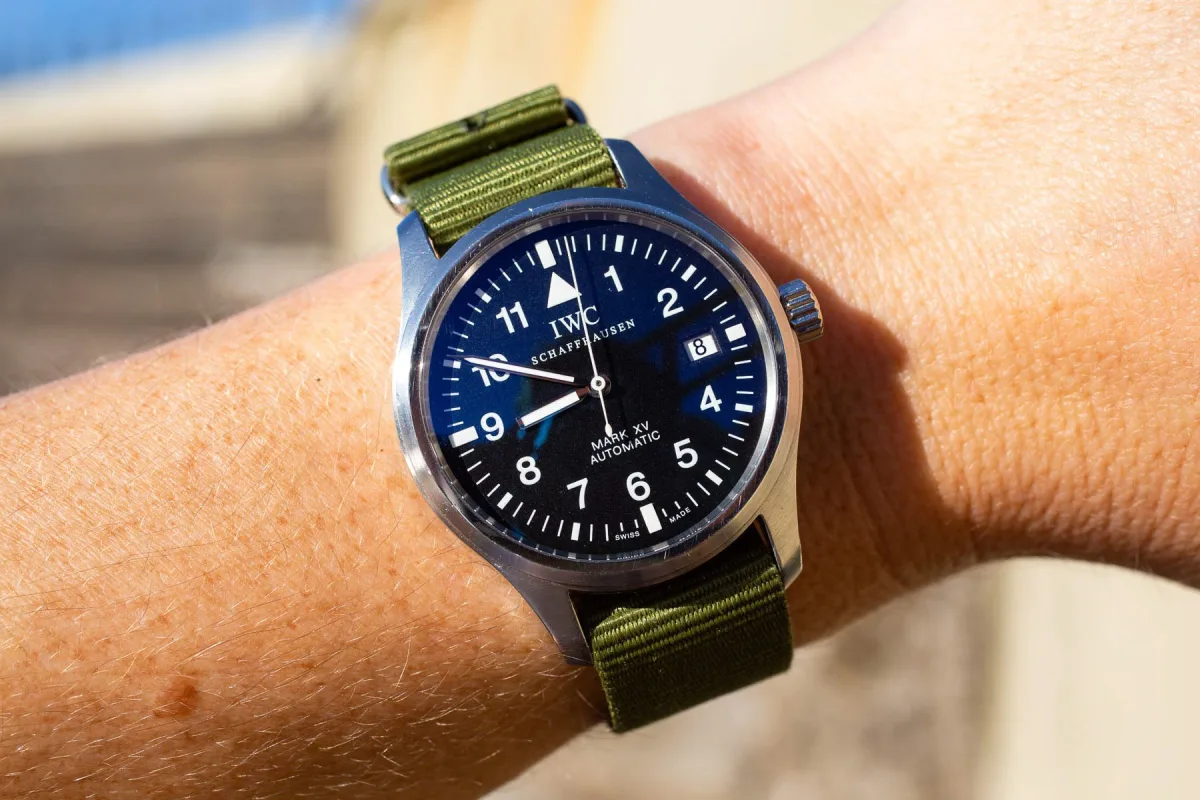
Another example I'll mention is the IWC Mark XX. These are great watches, undoubtedly, but some fantastic versions preceded them and are available at a lower price on the pre-owned market, including my favorite IWC Mark XV with its smoother design and better tube.
Rising Prices Create Opportunities for Further Development
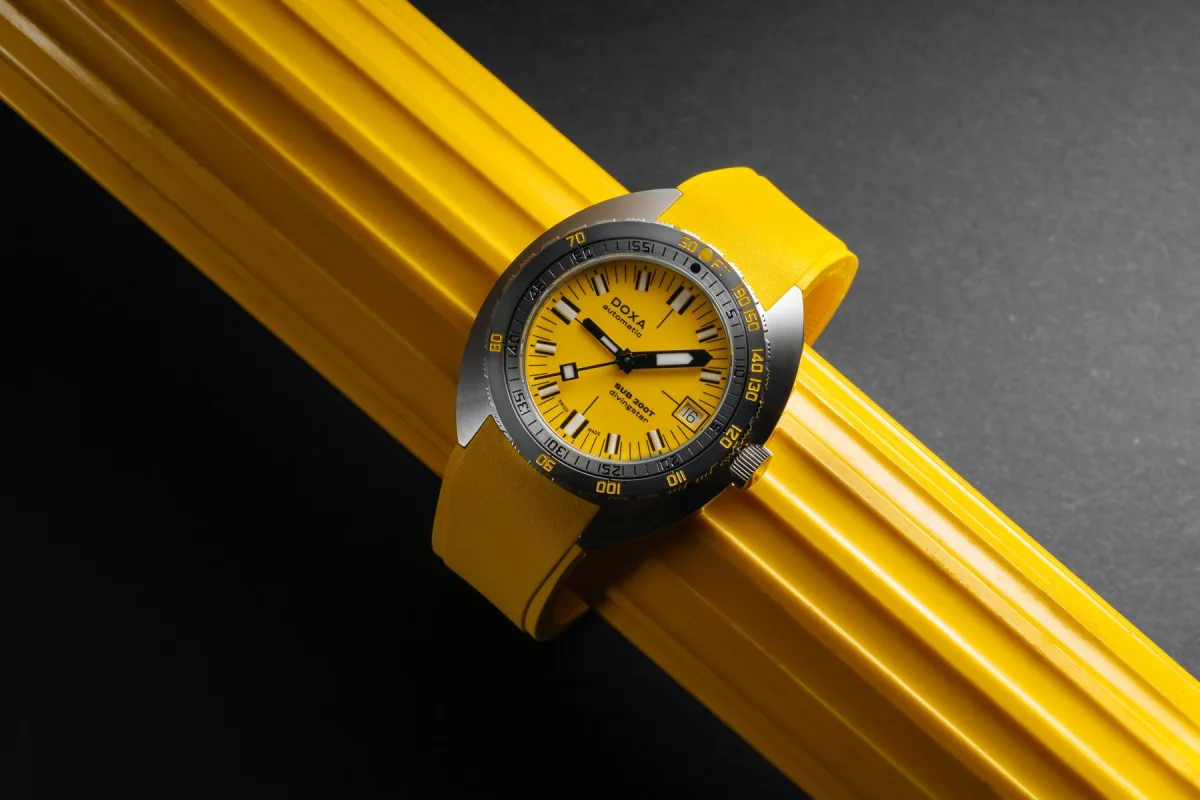
Rising prices create opportunities not only for neo-vintage options. They also enhance the appeal of existing brands producing products that have not experienced the same price increases. The recently released Doxa Sub 200T diver's watch line is an example of shifting sands in the modern watch industry.
The Sub 200T model with a bracelet featuring a diver's extension, a reliable Swiss-made automatic movement, and iconic design is offered at a price of 1,590 euros. Unlike many other brands, Doxa made a bold decision to incorporate the iconic DNA of their Sub 300 and Sub 300T models into a more compact model and significantly lower the price.
Tudor, on the other hand, continues to raise prices for their watches. Clearly, it positions itself as a brand chasing Omega. This maneuver opens up the field for brands like Doxa. In this regard, I doubt I have the same temptation as before to buy new Tudor watches. They now occupy a different price category than they did for a long time.
Doxa is an outsider, much like Tudor in the mid-2010s. I would say that the changing situation with watch prices and how brands see themselves in pricing segments allows other brands to grow. This applies not only to Doxa, of course. There is a whole range of microbrands and lesser-known brands.
Concluding Thoughts
I think there are three general positive takeaways from the rise in watch prices. First, neo-vintage options are becoming increasingly attractive. Second, rising prices open up new opportunities for "outsider" watch brands like Doxa. Finally, it may make us appreciate what we already have. Let's not become Denis Diderot.
Be happy with your Tudor Black Bay 58, Hublot, Zodiac, and so on. Enjoy new purchases if they are possible, but don't fall into the constant consumerism that marketing suggests is necessary for us to remain relevant in the watch world.
What do you say, Friends? Are we set to accept ever-higher prices? And do you think, like me, that when the watch world goes crazy about new releases, it's an opportunity to appreciate what we already have? Let me know in our Telegram channel.