Recently, we became acquainted with the new creations of Louis Vuitton's haute horlogerie, including a trio of artistic models inspired by the universe of Gaston-Louis Vuitton, as well as a stunning look at the watchmaking art of architect Frank Gehry.
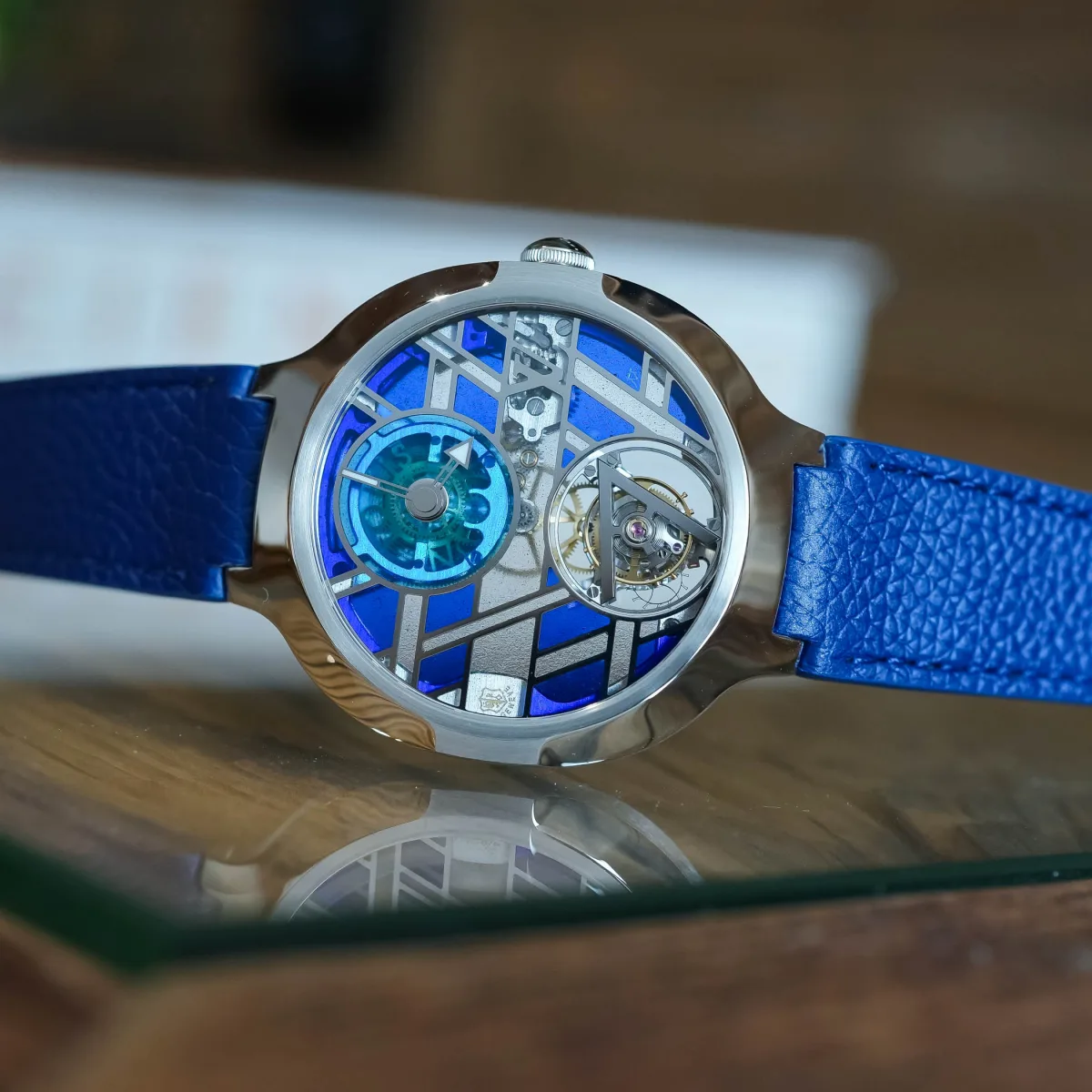
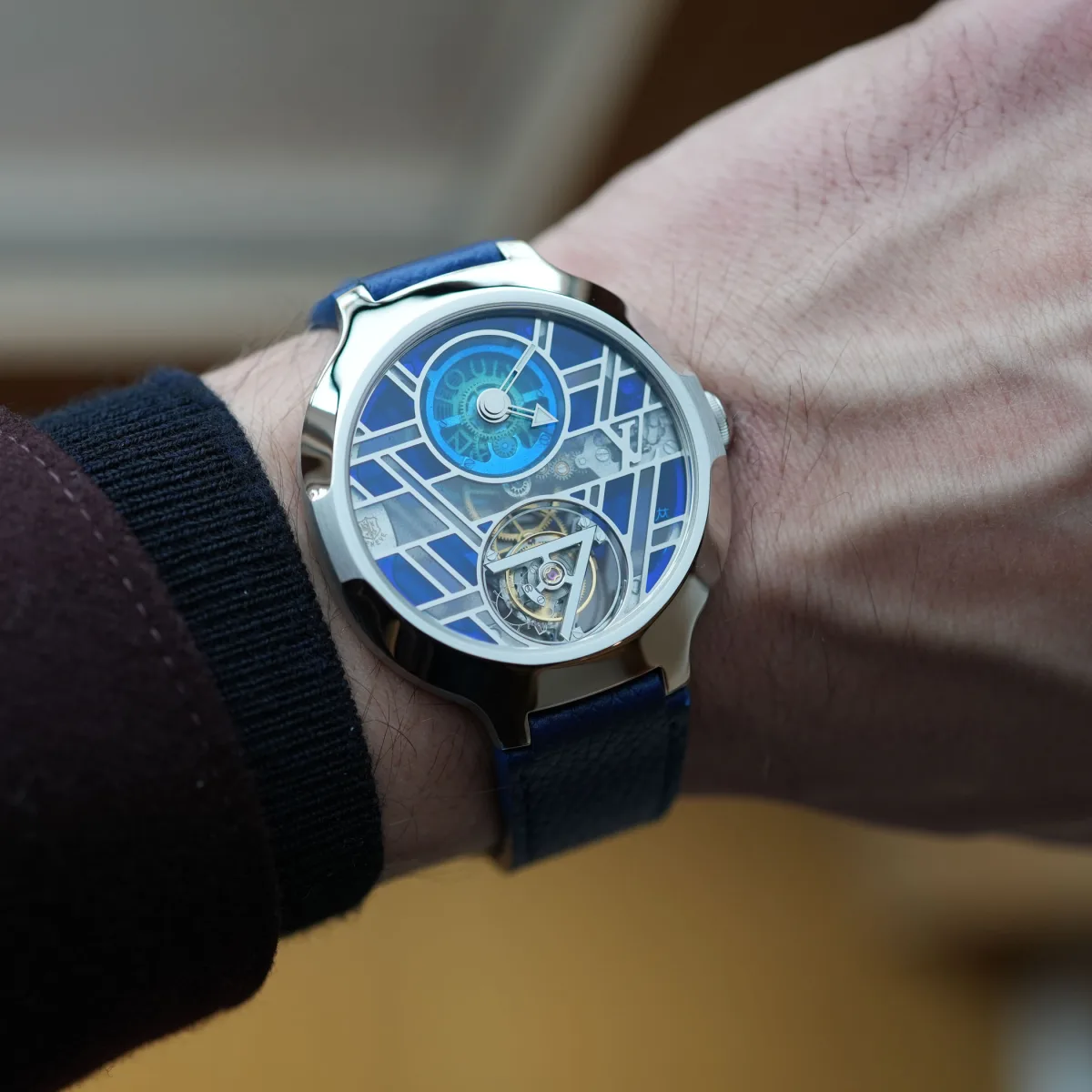
There was also a third watch that impressed us with its combination of high watchmaking art and exquisite craftsmanship - the Louis Vuitton Voyager Flying Tourbillon Plique-à-Jour. Today, we will take a tour of the La Fabrique du Temps Louis Vuitton (LFT) factory, located on the outskirts of Geneva. More precisely, we will visit La Fabrique des Arts, an atelier dedicated to art, to learn how the impressive dial of this watch, inspired by stained glass, is created with the help of our latest detailed video (at the top of the article).
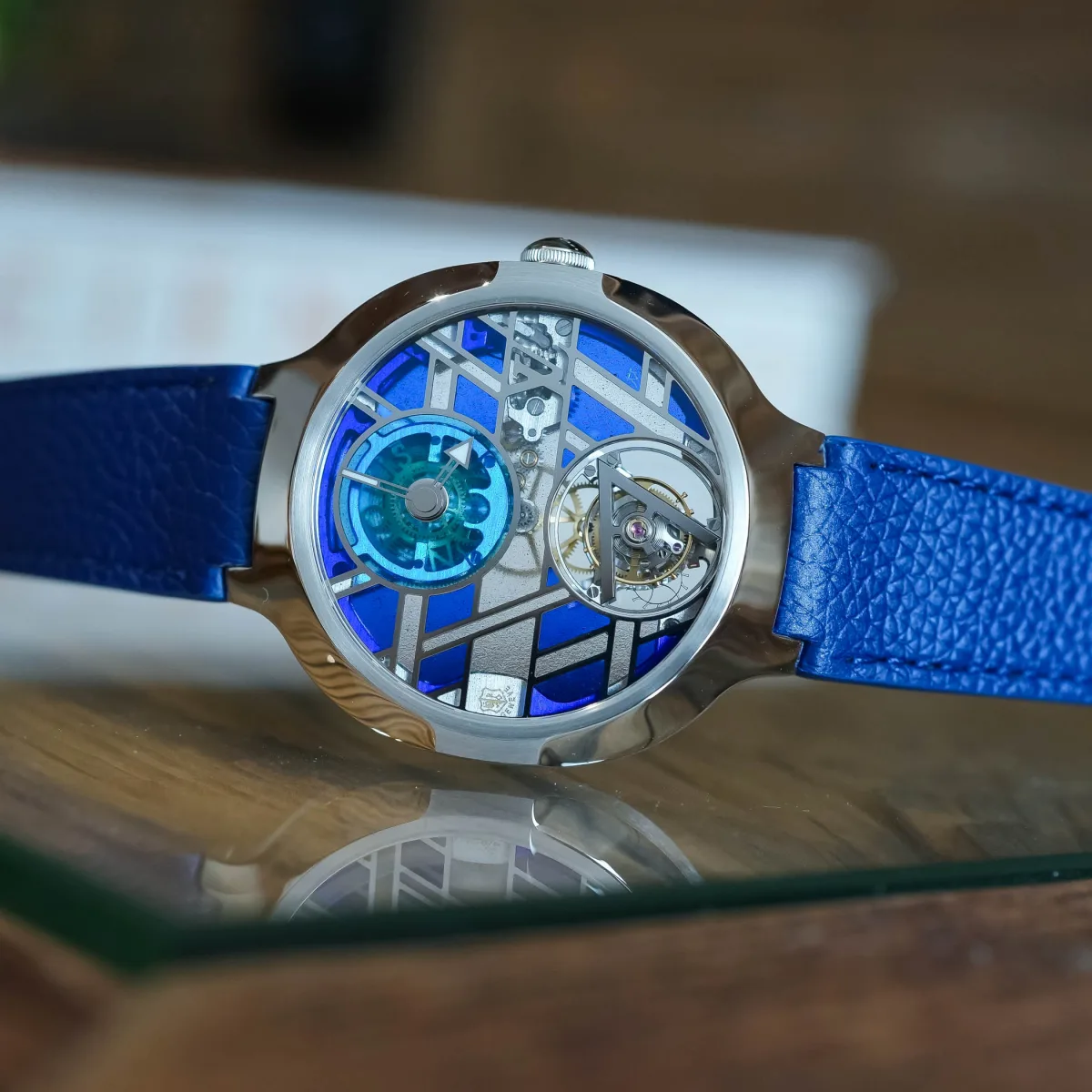
In the last decade, Louis Vuitton's watch division has consistently expanded its presence in the realm of haute horlogerie, beginning with the acquisition of La Fabrique de Temps (LFT) about ten years ago. Today, we look at the Voyager Flying Tourbillon model with a Plique-à-Jour dial - exquisite métiers d’art watches that meet the Geneva Seal. These watches offer insight into the wide range of skills and craftsmanship accumulated at La Fabrique du Temps.
Speaking of Louis Vuitton watches, it is hard not to remember the Tambour collection. Radically transformed, this signature design is now essentially the embodiment of luxury sports watches with an integrated bracelet. However, LV Watches is not all. Especially when it comes to haute horlogerie.
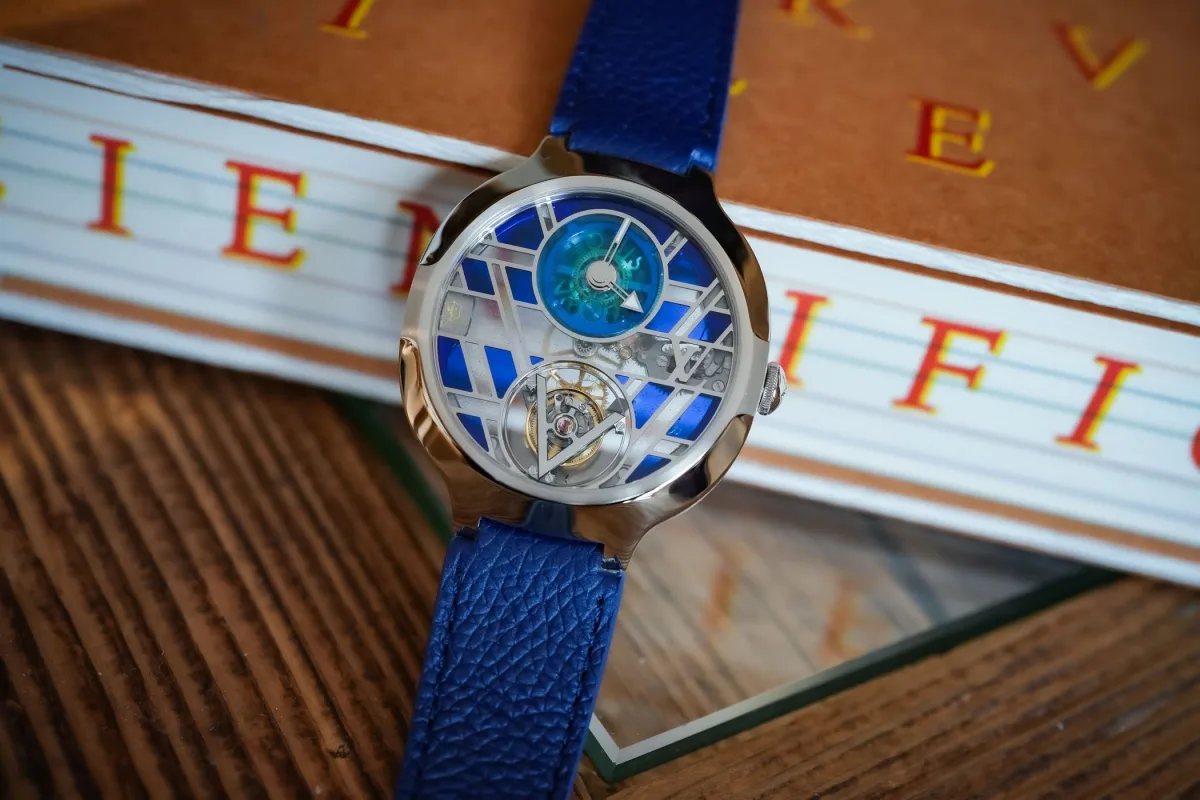
The Voyager Tourbillon model debuted in 2016, skillfully combining Louis Vuitton's unique design aesthetic with a surprisingly minimalist approach. The latest model, Voyager Flying Tourbillon Poinçon de Genève, stands out with its plique-à-jour enamel dial, reminiscent of stained glass thanks to a translucent enamel composition. These exquisite watches are presented in an elegant 41-millimeter Voyager case, whose design is based on a graphic combination of a circle and a square. Made of platinum, the avant-garde silhouette features graceful curves and a masterful combination of finishes that seamlessly integrate with the dial.
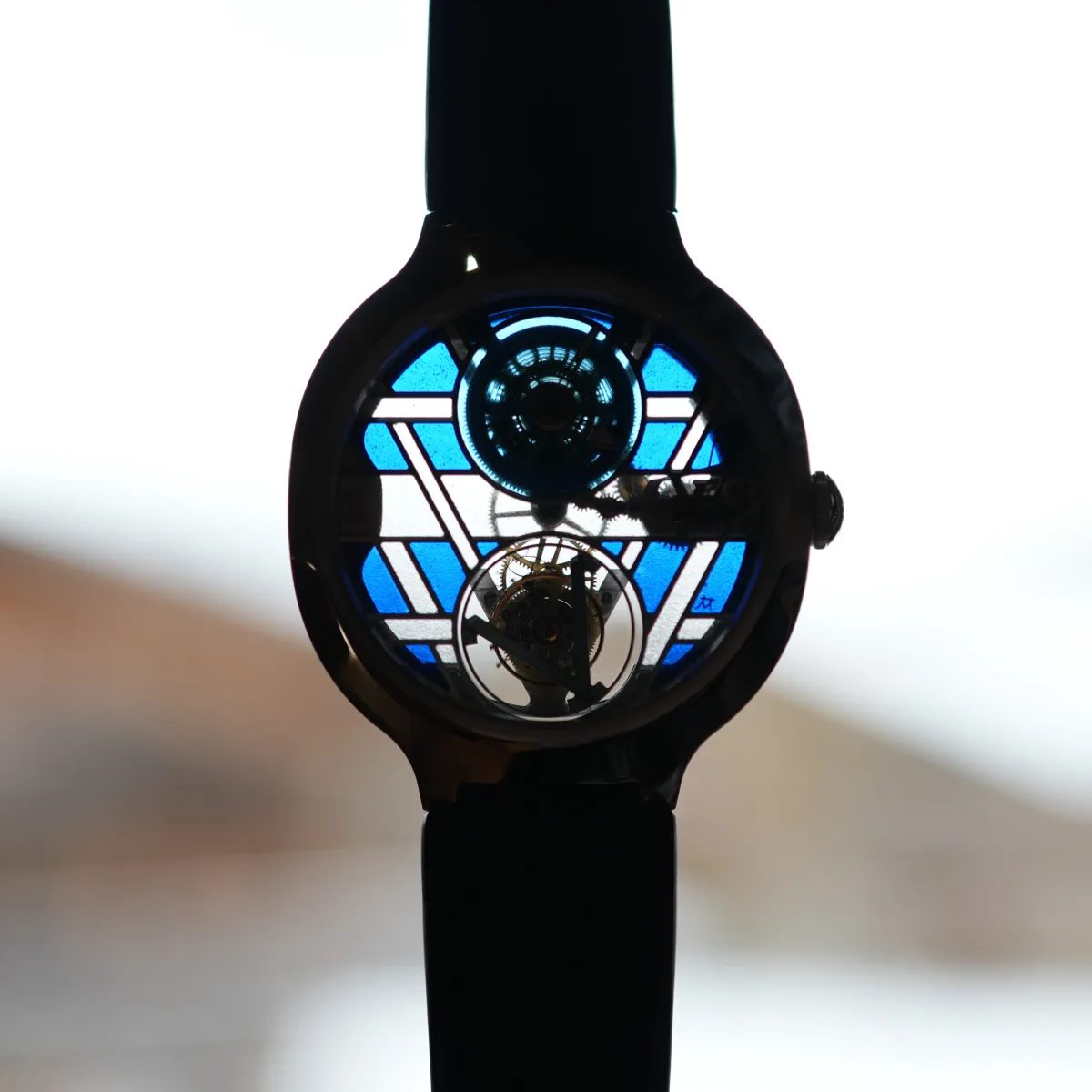
Plique-à-jour, which translates to “letting in daylight”, is a transparent enamel without backing. This technique resembles stained glass: a metal outline or frame is filled with various transparent, glass-like enamels of several colors. Similar to cloisonné enamel, plique-à-jour involves using metal partitions or cells with a temporary base, which is usually removed using an acid bath. However, the masters from La Fabrique des Arts chose an ancient technique - the capillary filling method without support. This technique involves applying the material to open cells with quick and delicate movements, ensuring an even distribution of enamel without air pockets.
Enclosing the dial of white gold, V-shaped forms and a round opening for the tourbillon intertwine. An impressive detail - the ring in the center of the dial intended for the hand gear - is secured only by enamel, without any metal connection! Masters apply five to six layers of enamel and fire it in the kiln as many times. It takes about 100 hours to create one piece. But the result is truly astonishing, as you will see in this film.
More detailed information can be found in our review of the Louis Vuitton Flying Tourbillon Plique-à-Jour and on the website consult louisvuitton.com.