Omega is one of the largest watch companies on the market, producing many iconic models (Seamaster, Speedmaster, and others).
However, one of the key elements of the brand's success lies in its almost unique approach to accuracy. Omega has long been a pioneer in this field, often taking first place in chronometry competitions and implementing solutions such as the co-axial escapement, Master Chronometer certification, or more recently, the Spirate system. Advanced engineering and supreme precision are at the heart of the brand, and its latest step in chronometry is named Laboratoire de Précision. This new, officially authorized chronometer testing laboratory will be integrated into the Master Chronometer process and is open to any brand wishing to use its services.
I understand this announcement isn't entirely new: Omega presented it a few days before the Watches & Wonders exhibition. However, I waited until I had more time to delve into this topic and present more than just a summary of the press release. So, here is what we know about Omega's Laboratoire de Précision (or precision laboratory) and why it matters.
Chronometers, COSC, and Other Certifications
What is a chronometer? In short, it is a watch that has passed official accuracy tests (and no, it has nothing to do with a chronograph). Accuracy is a complex subject in watchmaking because time is a fixed norm, and a mechanical watch movement is essentially an artificial device subject to external factors and internal forces such as friction (all of which affect a watch's accuracy and its deviation from standard time). In modern understanding, a chronometer is a watch that has passed tests according to ISO 3159 “Timekeeping Instruments - Wrist Chronometers with Spring Balances.” A certified chronometer is one certified by a third party, such as COSC or another official body.
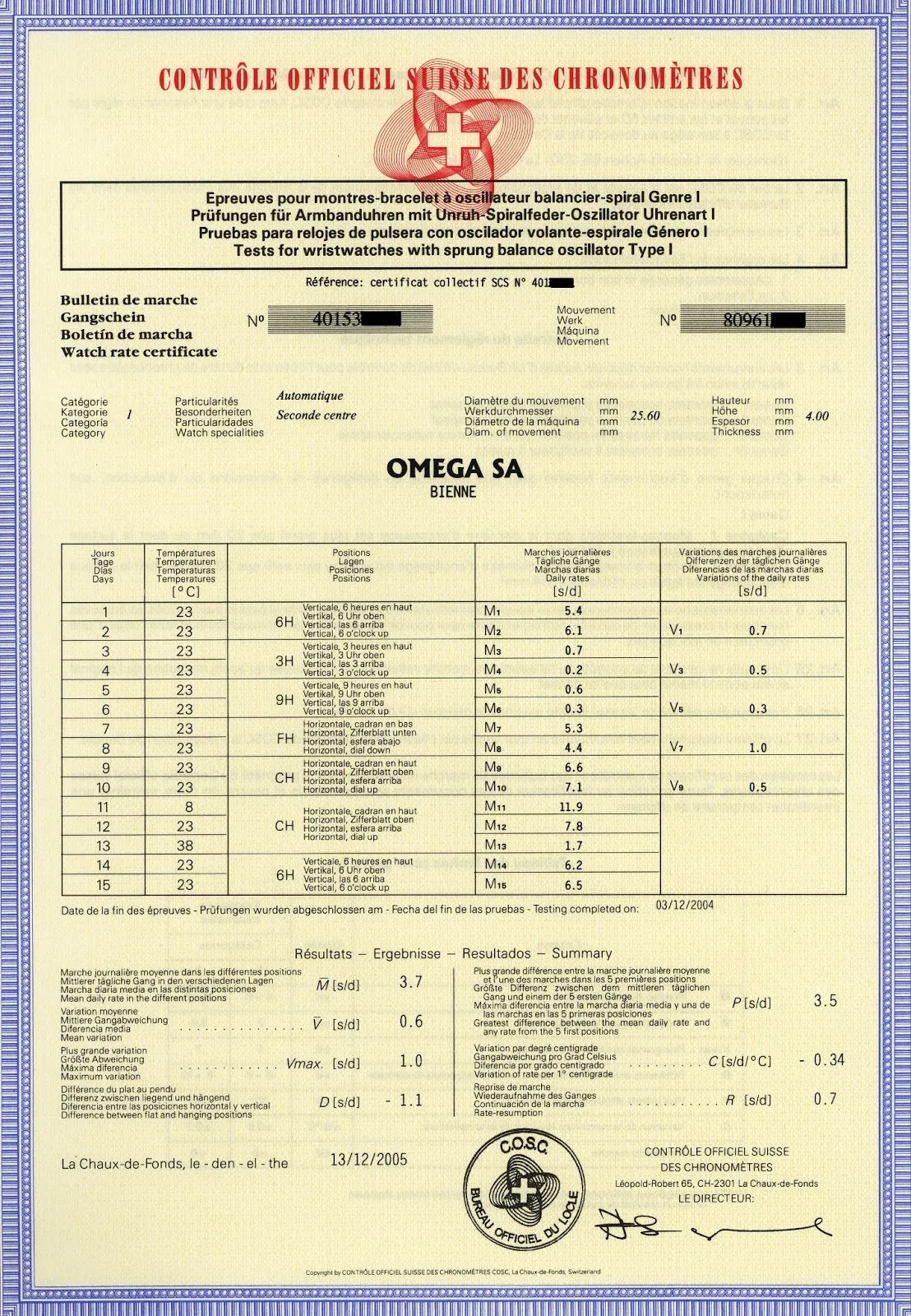
Example of COSC Certification (No Longer Supplied)
Various organizations have the right to test and certify mechanical movements, such as the Besançon Observatory in France, the Glashütte Observatory in Germany, the Japanese Chronometer Inspection Institute, or the recently established Geneva Observatory. For the past 50 years, the leading authority in this field has been COSC or Contrôle Officiel Suisse des Chronomètres, established in 1973 (its history dates back to 1878). This institute controls and certifies most watches produced in Europe.
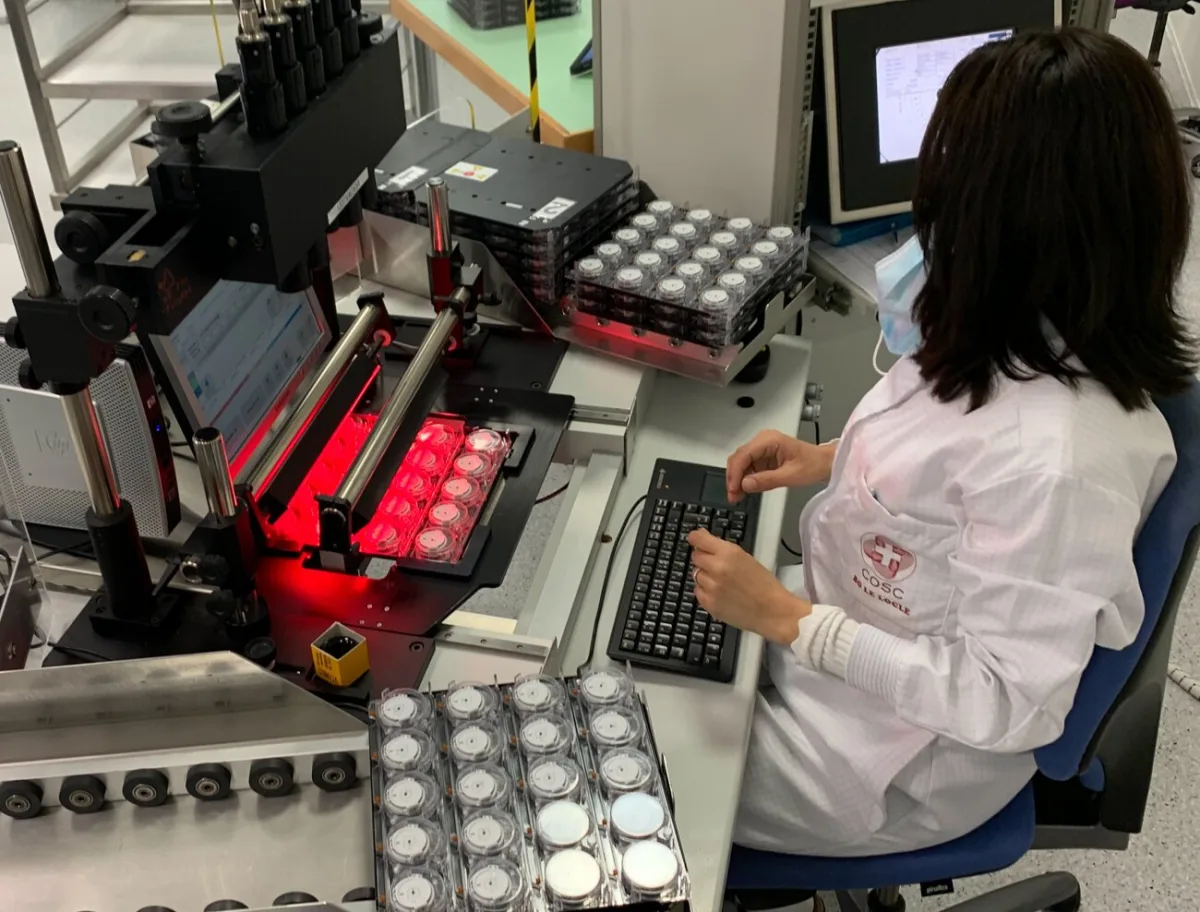
COSC conducts a series of tests over 15 days, working independently from the watch manufacturers who send movements to one of the laboratories. COSC's services are not free, but regardless of whether a brand sends 100,000 movements or just one, the price per movement remains the same.
“The checks conducted by COSC consist of static tests performed in the laboratory. Each individual movement/watch undergoes a series of tests, characteristic of each of the four types, over several consecutive days, in five positions and at three different temperatures.”
In summary, COSC measures seven criteria, including the well-known mean daily rate of -4/+6 seconds per day. This alone is not enough to make a watch a chronometer, but it provides a clear idea of what to expect.
Recently, new standards initiated by brands feeling constrained by ISO 3159 and COSC certification have emerged on the market. For example, Rolex created its Superlative Chronometer standard, which implies a daily deviation range of -2/+2 sec/day. Nonetheless, the brand continues to submit its watches to COSC to have the right to use the term “chronometer” on the dial. The main competitor and today's topic - Omega - in 2015 created the Master Chronometer certification, again driven by the need for more precise watches and adding an important factor: anti-magnetism. Notably, the Master Chronometer certification was initiated by Omega and created jointly with METAS (the Federal Institute of Metrology). It is also open to any brand wanting to use it... which Tudor has now done.
Aside from its most iconic watches, Omega can be defined by its unique and superior approach to accuracy. Historically, the brand actively participated in chronometry competitions (a fashionable communication tool in the 1950s-1960s) and even introduced the first wristwatch with a tourbillon.
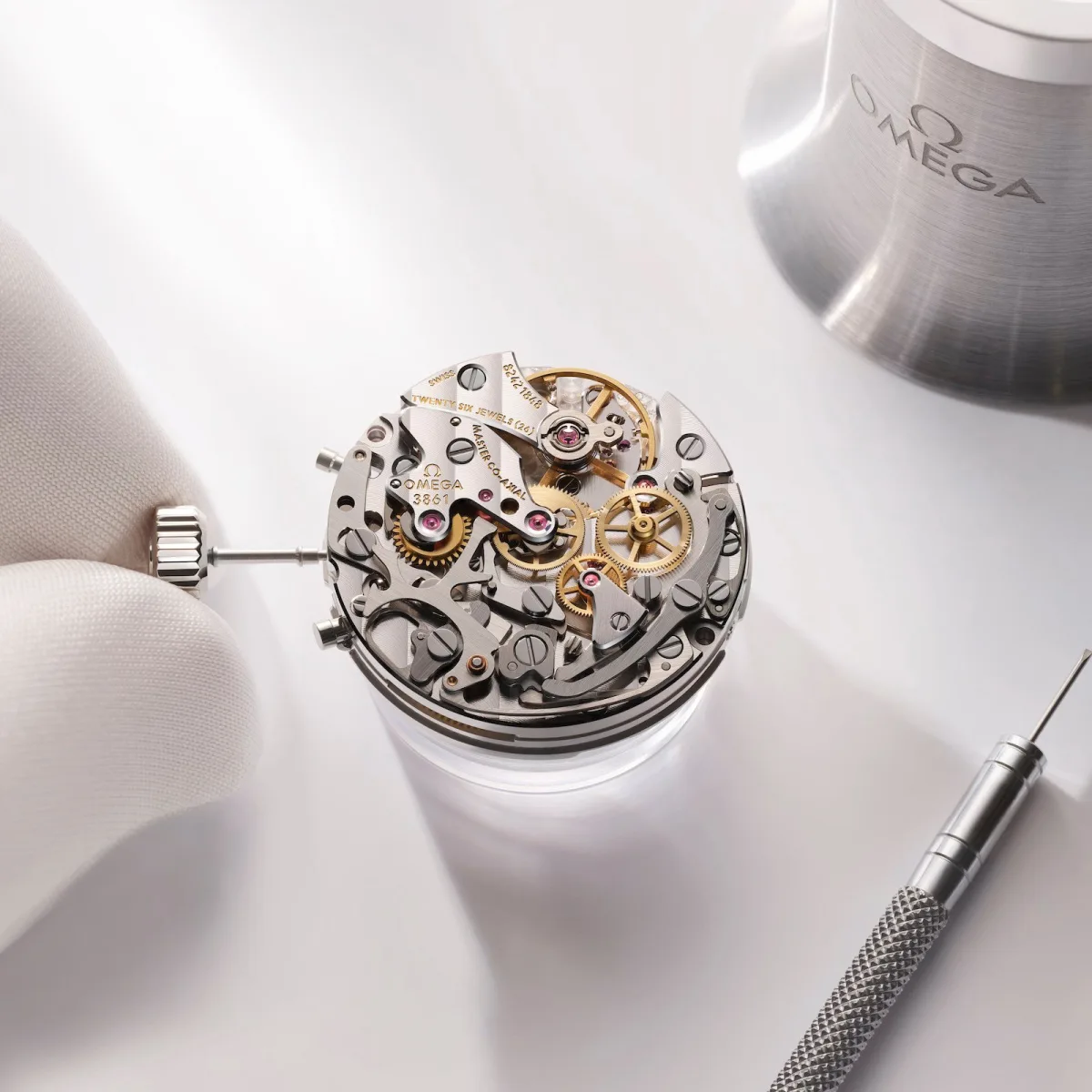
Taking advantage of the idea of one of the most revered watchmakers in the world, George Daniels, Omega acquired the concept of the co-axial escapement and developed it on an industrial scale. This original escapement geometry, replacing the classic Swiss lever, has been central to the brand's continuous journey toward supreme accuracy. It was first released for sale in 1999 (it was developed in the mid-1970s but rejected by many brands), and today, the co-axial escapement underpins almost all models in the collection.
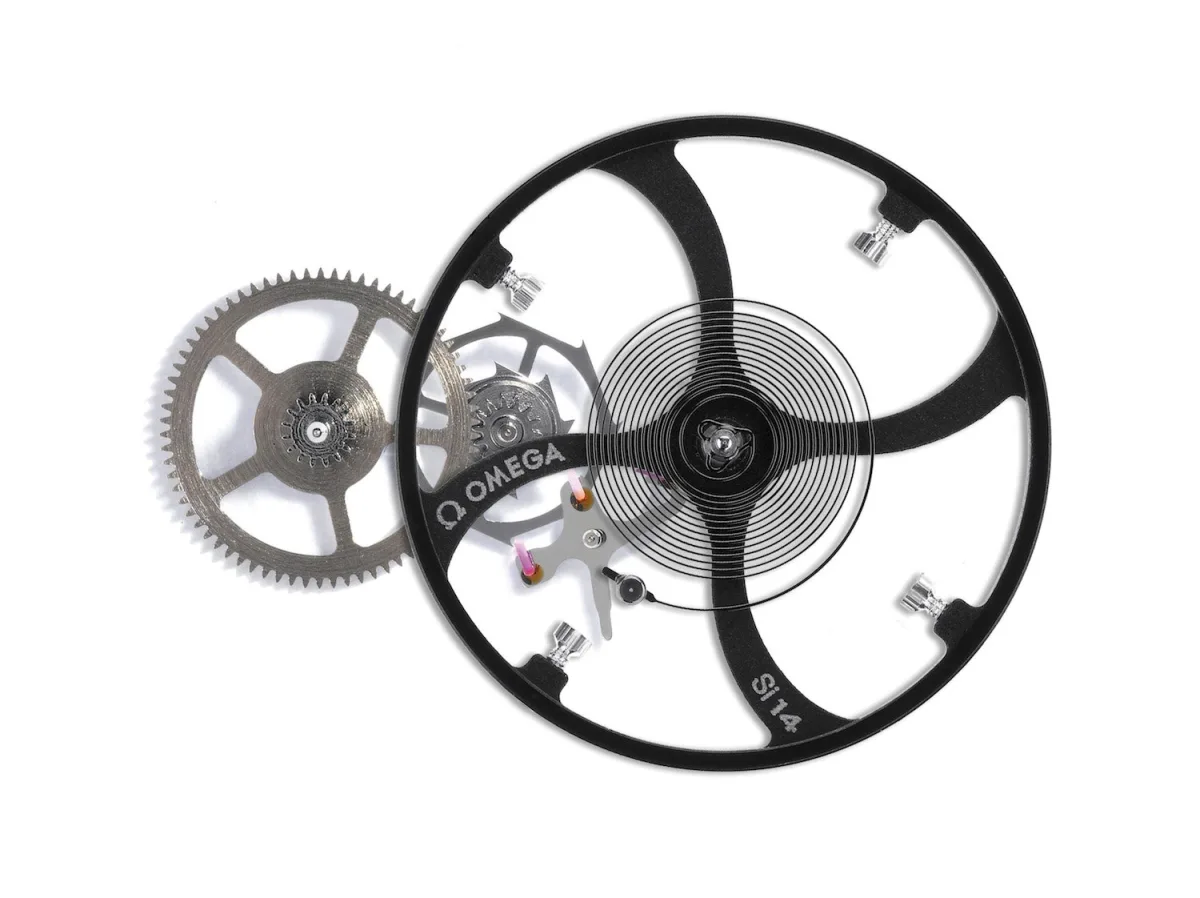
In 2008, due to the growing need for magnetic field protection, Omega introduced its first watches with a magnet-resistant silicon balance spring (a patented technology and joint research project involving Rolex, Patek Philippe, and Swatch Group). This was the first step toward creating a special accuracy standard, the Master Chronometer certification. Since COSC primarily controls accuracy, new technologies demand greater precision (in the case of the Master Chronometer certification, -0/+5 sec/day), and the need to test watches for magnetic resistance required new facilities and procedures for testing.

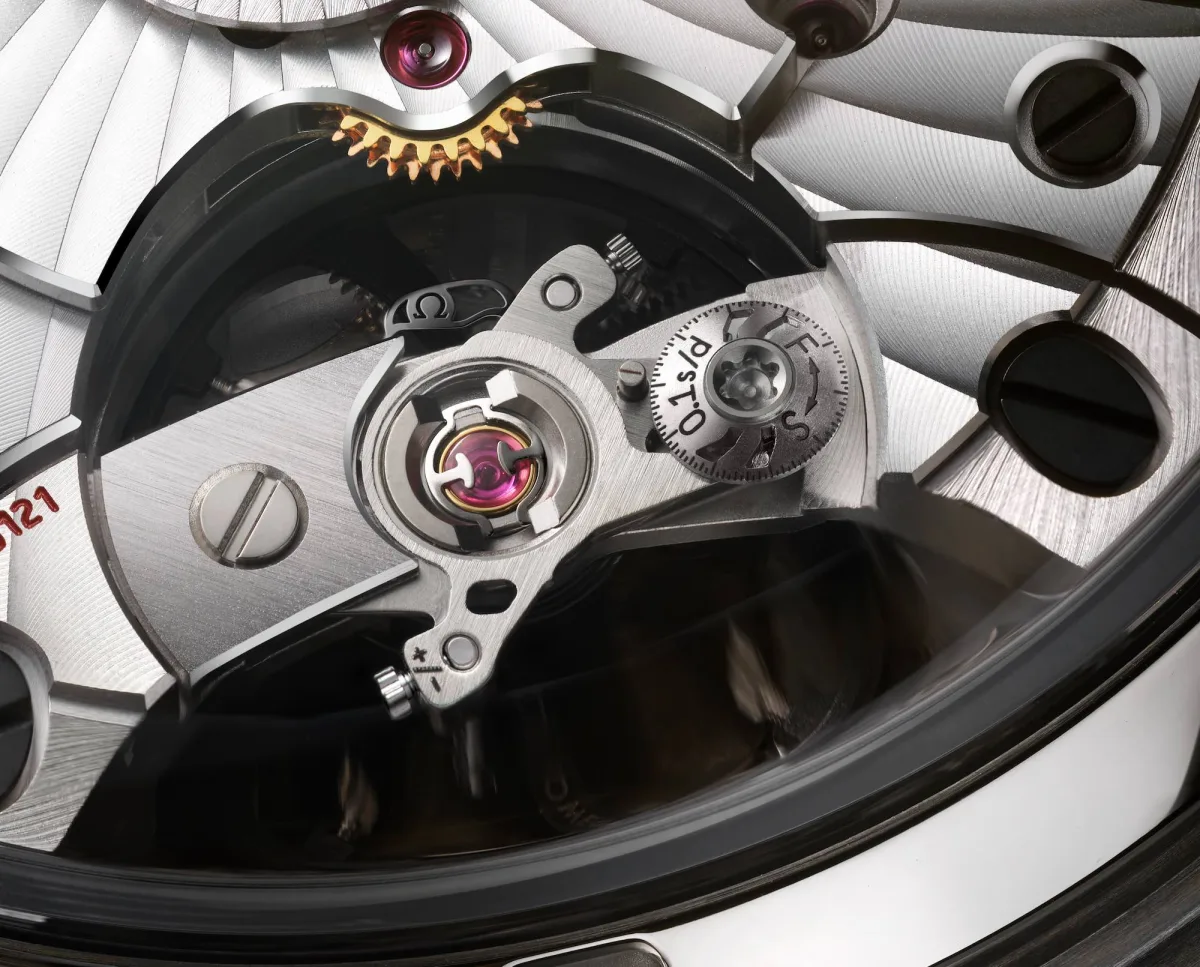
In January 2023, Omega further pushed the boundaries of accuracy by creating the Spirate system. This device is designed to facilitate fine-tuning of the movement's rate. It combines a new silicon balance spring architecture and a new eccentric adjustment system with a snail cam working on a flexible blade. This system, with unprecedented precision, allows for rate adjustment to within 0.1 seconds per day. This is achieved with a graduated tuner with a snail-shaped index on the balance cock. The result is a watch with a claimed accuracy of +0 to +2 seconds per day. Here, the COSC testing procedure is not advanced enough to guarantee the accuracy of such a mechanism.
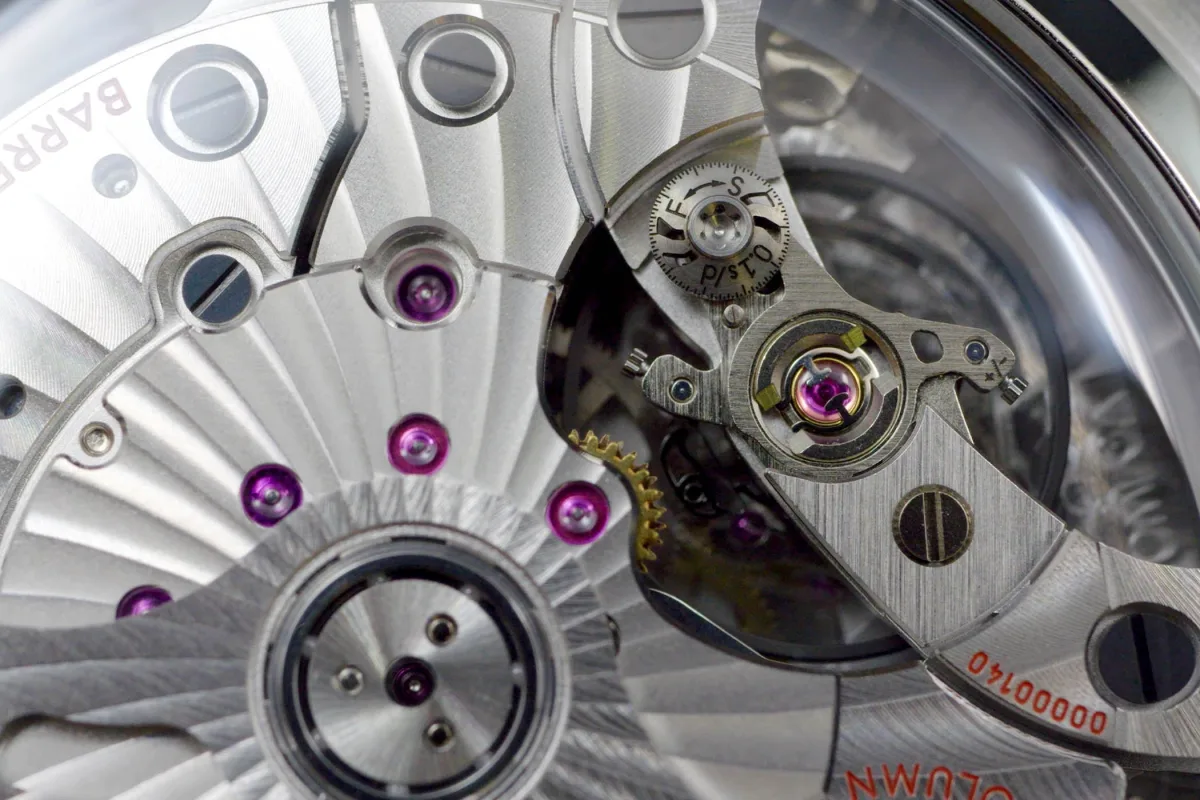
Nevertheless, obtaining the Master Chronometer certificate still required presenting the watch to an official institute for chronometer testing, which Omega and Tudor achieved thanks to COSC. Now, this is not just for the manufacture in Biel.
New Omega Laboratory Center - Laboratoire de Précision
Another typical step by Swatch Group and Nick Hayek, who is an industrial mentor at heart with a strong desire for independence, was the creation of a new chronometer testing body by Omega. For over 50 years, COSC has been Omega’s leading partner in awarding Omega watches the title of certified chronometer. Given the brand's latest developments in accuracy and anti-magnetic properties, it was time for the watch world to take a step forward.
Omega wants to create a testing laboratory that meets its ultra-demanding requests while adhering to the classic chronometer certification rules. Replacing COSC in the Master Chronometer certification process, the new “Laboratoire de Précision will operate like COSC, being officially authorized by the SAS (Swiss Accreditation Service) to conduct alternative and independent tests.”

An important aspect of Omega's Precision Measurement Laboratory is that it is officially recognized as a laboratory in accordance with ISO/IEC17025:2017 by the Swiss Accreditation Service - the only body in Switzerland authorized to issue such certificates. This ensures that the Laboratoire de Précision will conduct reliable, independent, and impartial testing of watch movements, meeting the ISO 3159 standard, commonly referred to as a chronometer.
Equally important, despite being initiated and operated by Omega, the Laboratoire de Précision is a neutral and independent organization, “offering chronometric testing opportunities for all brands and movement manufacturers.” This means that in the near future, we can easily envision certified chronometer watches from other Swatch Group brands (like Longines) being tested at one of the two dedicated chronometric testing centers. Or perhaps more, but that will depend on political, industrial, and financial factors that only watch brands together can decide. After all, Tudor and, by extension, the Rolex group have switched to the Master Chronometer certification...
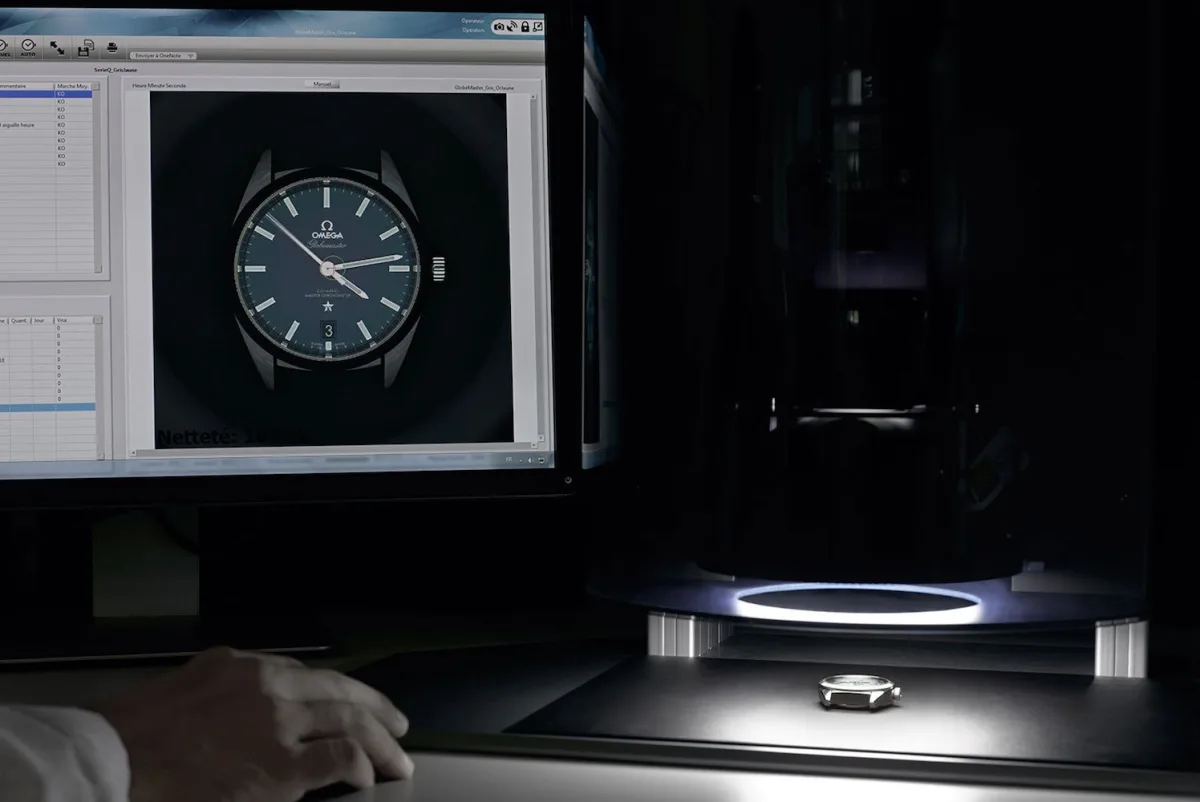
How does the Laboratoire de Précision differ from COSC and other similar organizations? As explained above, the ISO 3159 standard sets a relatively wide deviation of -4/+6 seconds per day, making it much less strict than brands like Omega, Tudor, or Rolex demand for their watches. Moreover, the procedure defined by COSC involves precise measurements every 24 hours. The ISO 3159 standard also includes several positions, temperatures, and various conditions needed for watches to meet chronometer standards.
At the Laboratoire de Précision, Omega aims for the procedure to be continuous throughout the 15-day testing period. According to brand representatives:
“Every beat of the caliber is measured and evaluated, with measurement accuracy ten times higher than the industry standard. The volume of data gathered during the tests using industrial methods and big data analysis will allow the brand or movement manufacturer to understand the chronometric characteristics of all their movements much deeper than ever before, as well as help improve overall chronometric excellence.”
Moreover, this testing method by the Laboratoire de Précision will align with the latest technologies developed by Omega, such as the Spirate system, which requires the application of the latest technologies in measurement systems. Now, Omega “will be able to analyze and improve its calibers for the future and refine small inaccuracies that can define (its) reputation.” Finally, this operation will also allow the brand to better integrate chronometric testing into its own supply chain and thus into the entire Master Chronometer procedure.

The Laboratoire de Précision will be located at two sites in Switzerland: in Biel (Omega’s hometown) and in Villeret. Together, they will create a dedicated space of over 1,000 square meters for chronometric testing.
Reasons, Thoughts, and Impact
Let's first talk about the impact the new chronometry standards will have on you and us, watch enthusiasts. To be fair, in the end, the impact on the end consumer will not be huge. Whether brands like Omega, Tudor, or Rolex use COSC or another organization, most of the testing is done afterward, within the company, to even stricter standards, and on watch cases, not just movements. It is always interesting for a watch enthusiast and potential client to know that their future watch has been tested to the highest standards. However, ultimately, COSC has long been more of an inevitable step in the Master Chronometer standard to meet regulatory requirements than a necessity. As mentioned earlier, the entire process defined by the Master Chronometer certification is much more demanding than just the classic ISO 3159 standard and COSC rules.
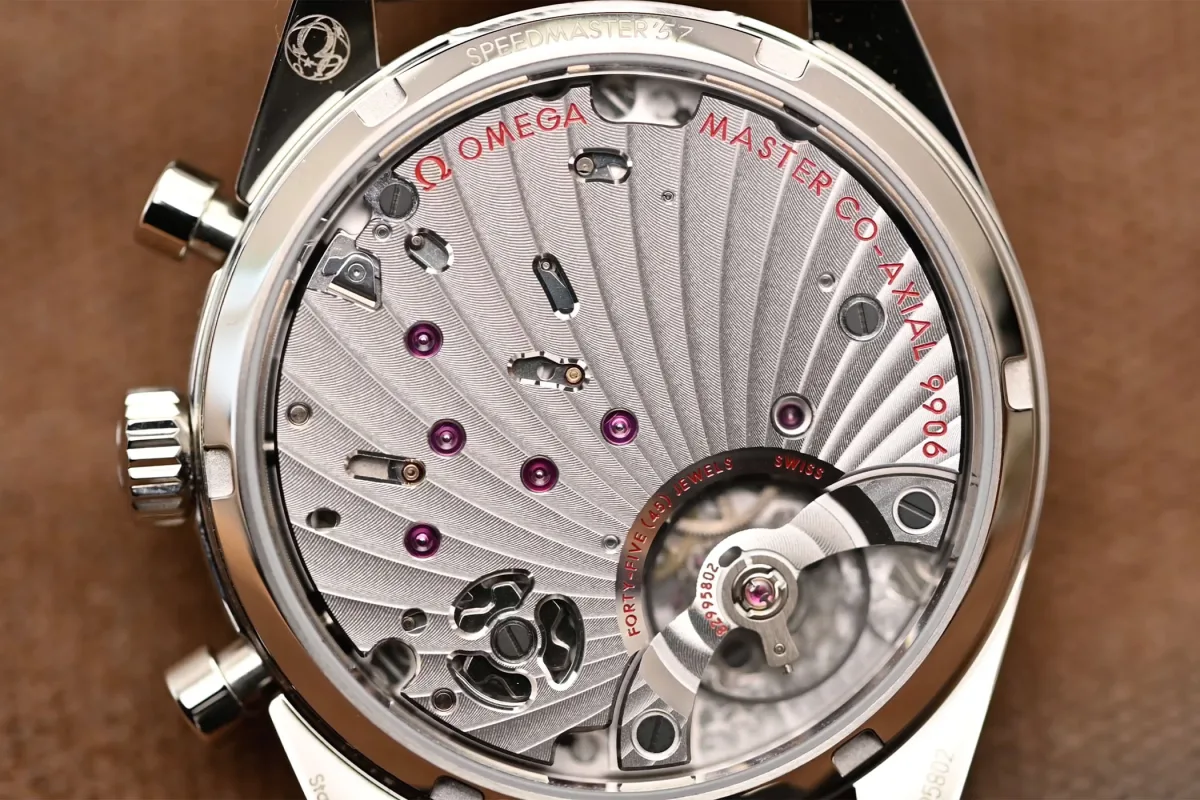
From the perspective of a watch geek and industry insider, I must admit that the whole strategy is impressive and only strengthens the idea that Omega is at the top of its game when it comes to accuracy. This step only reinforces the idea that Omega develops technical solutions not only as communication tools but also prides itself on being genuinely useful for the product and certified.
Laboratoire de Précision is another element in a long list of technical solutions and testing procedures Omega has developed to become the benchmark for accuracy - not only in mass watch production but in the entire watch industry. Omega is superengineering to such an extent that some may find it uninteresting, but many will see it as the brand's deep confidence in the quality of its products.
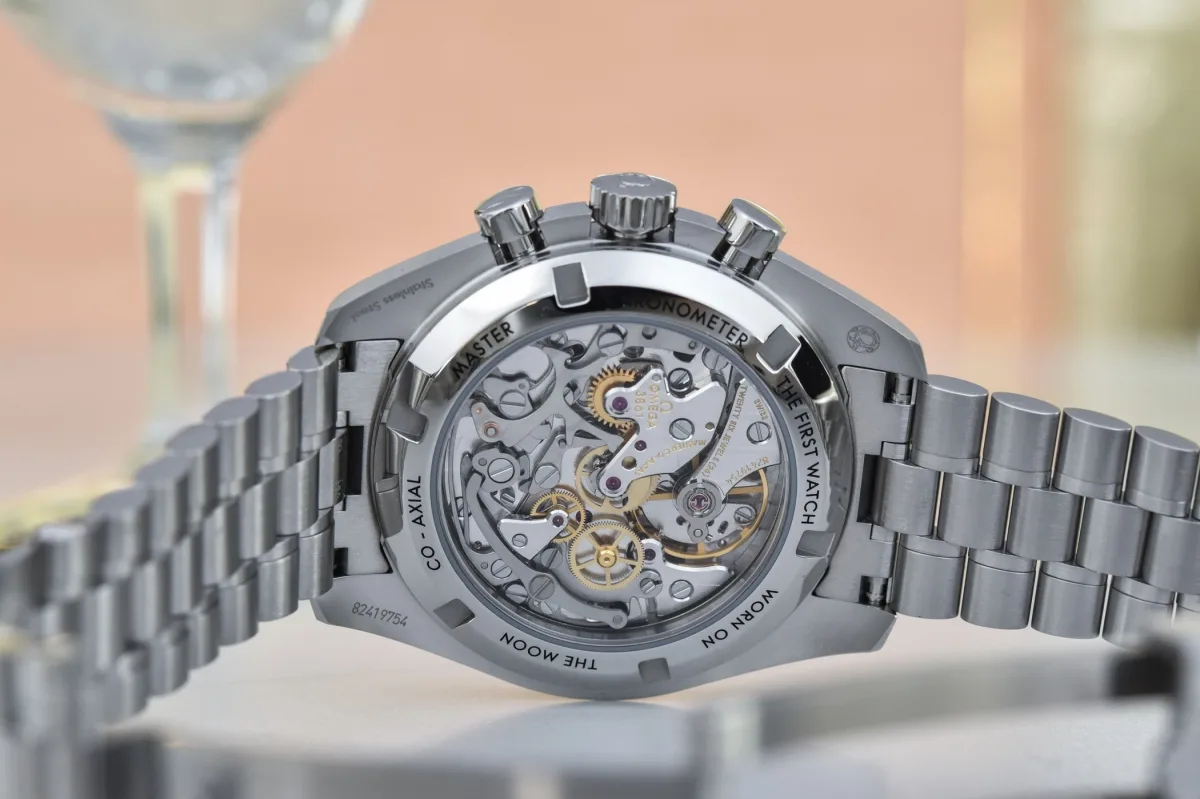
The creation of Laboratoire de Précision was also driven by the needs of the brand arising from the development of the Spirate system. I, of course, cannot say whether negotiations were conducted with COSC to adapt the testing procedure to the new device, but the reality is that the Spirate system requires a huge amount of data to finely adjust watches to the highest accuracy standards.
In this context, the idea of neutrality, independence, and full approval from external bodies should be welcomed. Unlike Rolex with its Superlative Chronometer certification or Patek Philippe with its own seal, which are determined by the brands themselves without external influence or control, Omega acts with a rare level of honesty and transparency. The fact that the entire testing procedure is open to other brands speaks volumes about its intentions.
There is also another side of the coin... It is known that Swatch Group and its president Nick Hayek have long been guided by the desire to become as independent as possible. COSC almost monopolized chronometer certification, which perhaps did not please Mr. Hayek, especially if he could not change his testing procedures to suit Omega's needs. Moreover, there must be other reasons that cannot be confirmed (and will not be confirmed), such as costs and possibly political negotiations that will remain behind closed doors. And perhaps that's for the best.
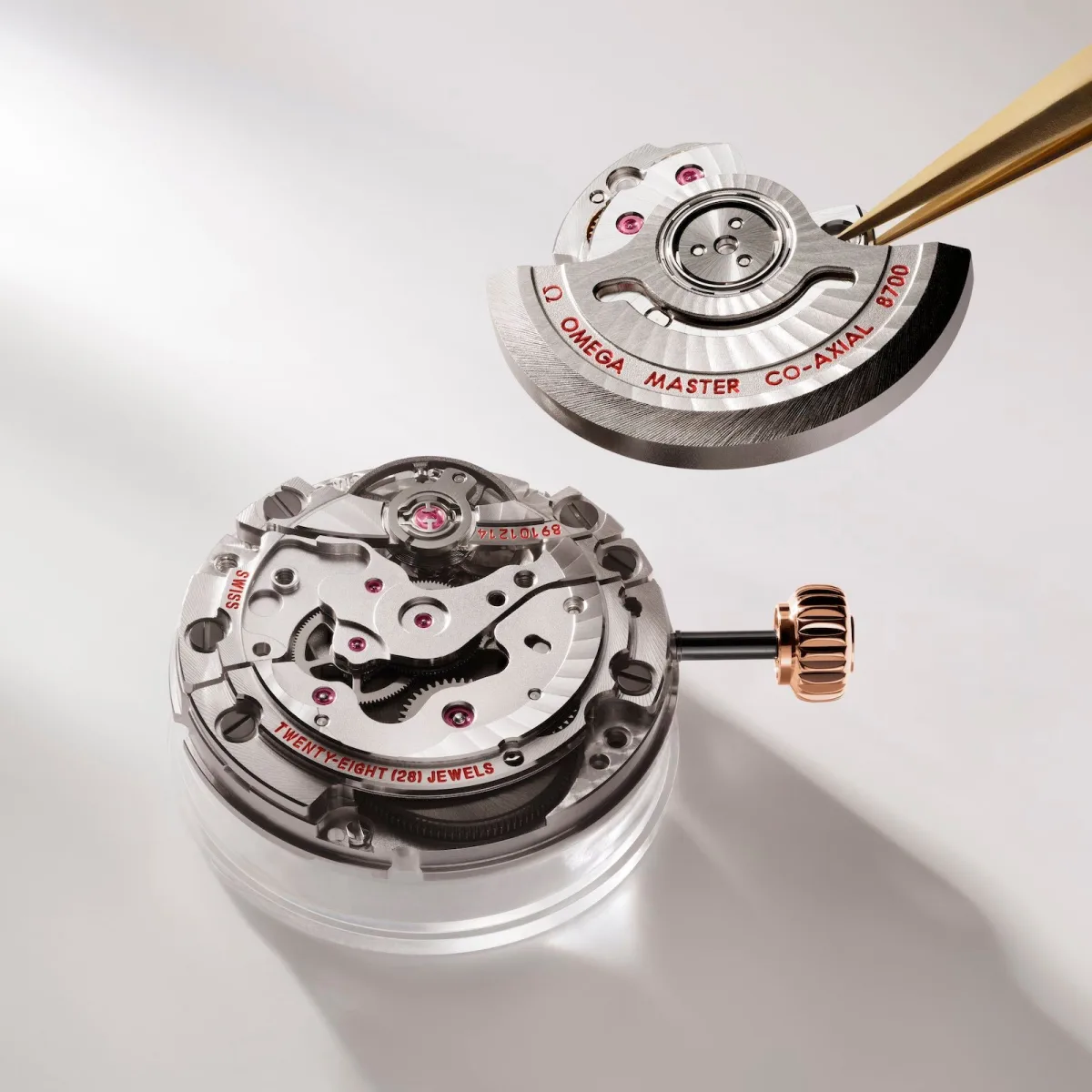
In the end, Laboratoire de Précision has become a strong alternative to a well-known industry name, showing that what seemed established can be challenged and competed with. This is yet another milestone in Omega's journey to create the most accurate mechanical watches. The question is how quickly other brands will adopt this model.
More detailed information can be found at www.omegawatches.com.