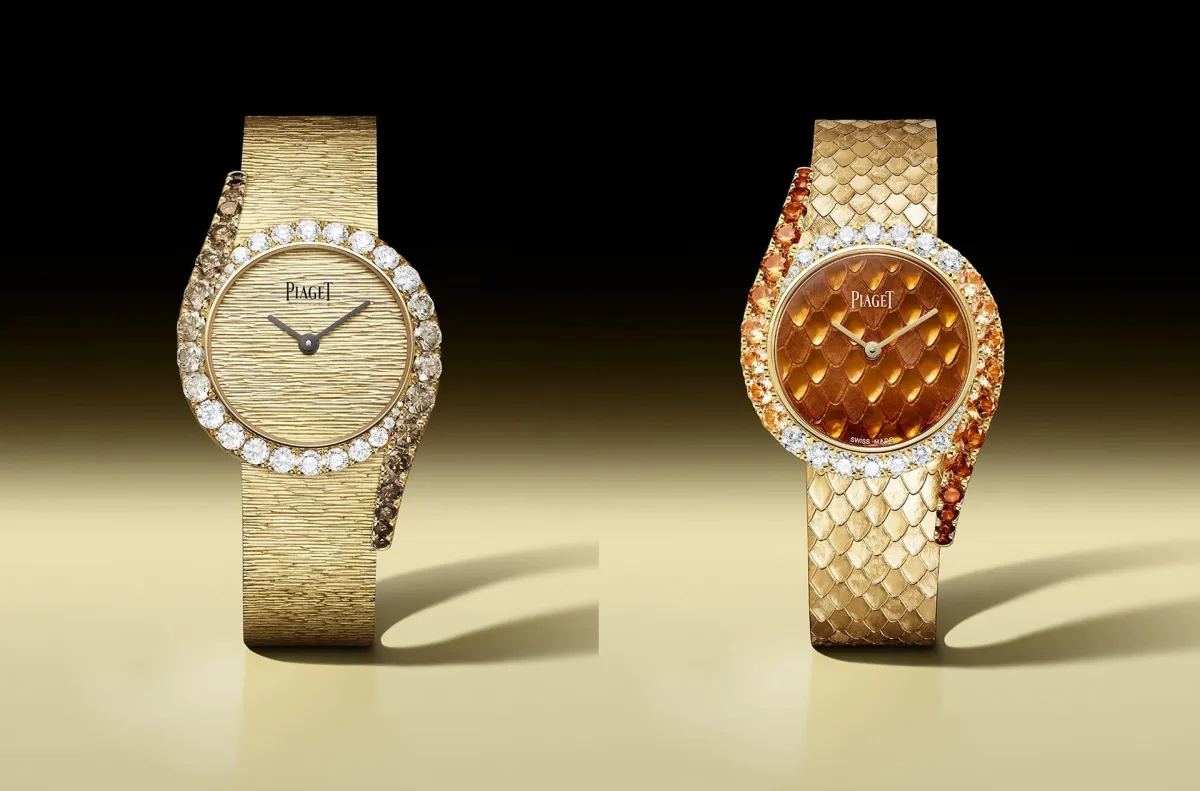
Two new models in gold cases with hand engraving, shining with gradient inlay of the brand's signature asymmetric lugs.
Piaget has long been known as a master in creating avant-garde jewelry watches. In 1973, the brand introduced elegant watches with an oval-shaped case, asymmetric lugs, and a textured gold bracelet. These watches were created by Jean-Claude Gueit and later became known as Limelight Gala. Ahead of spring, the line with this name has been expanded with two new models.
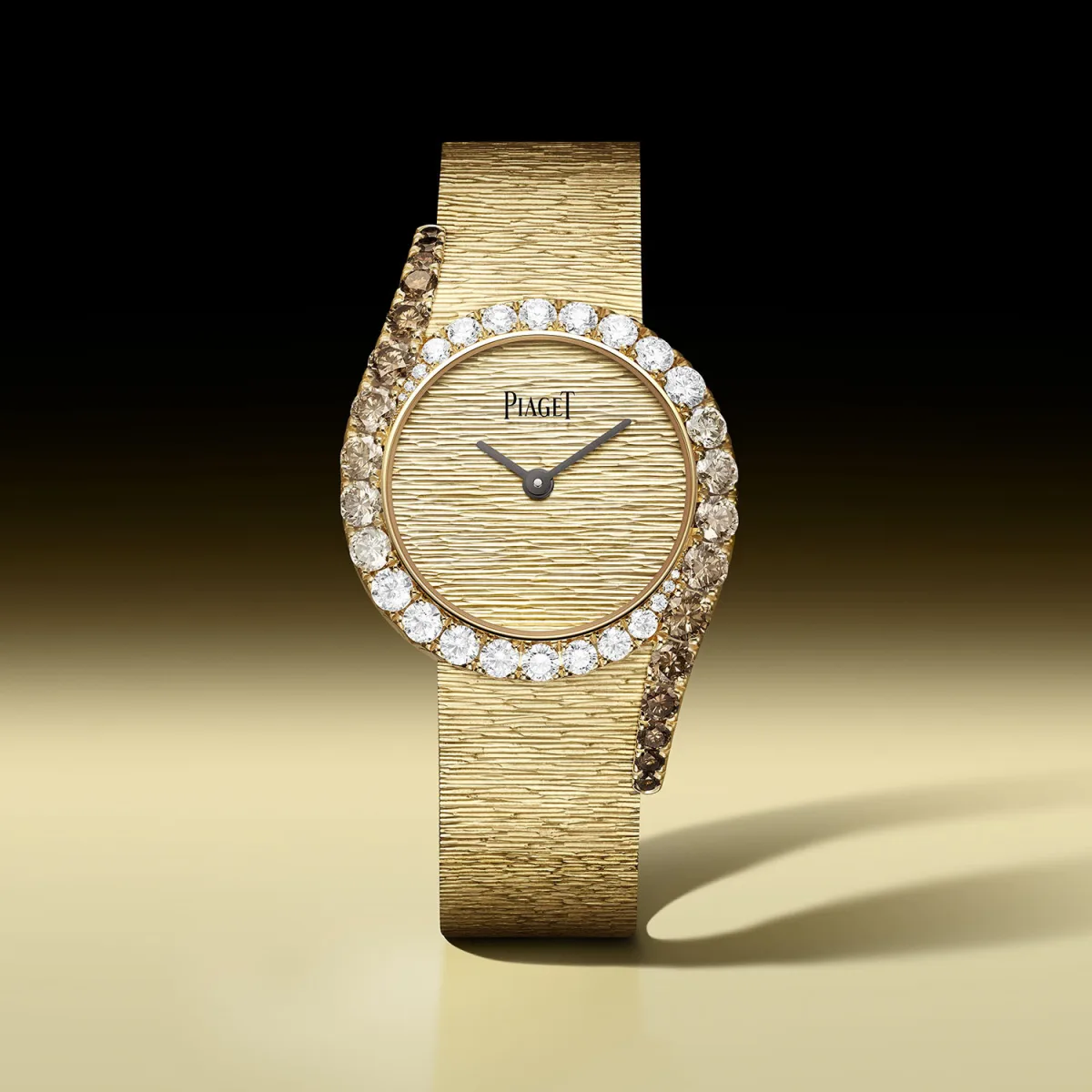
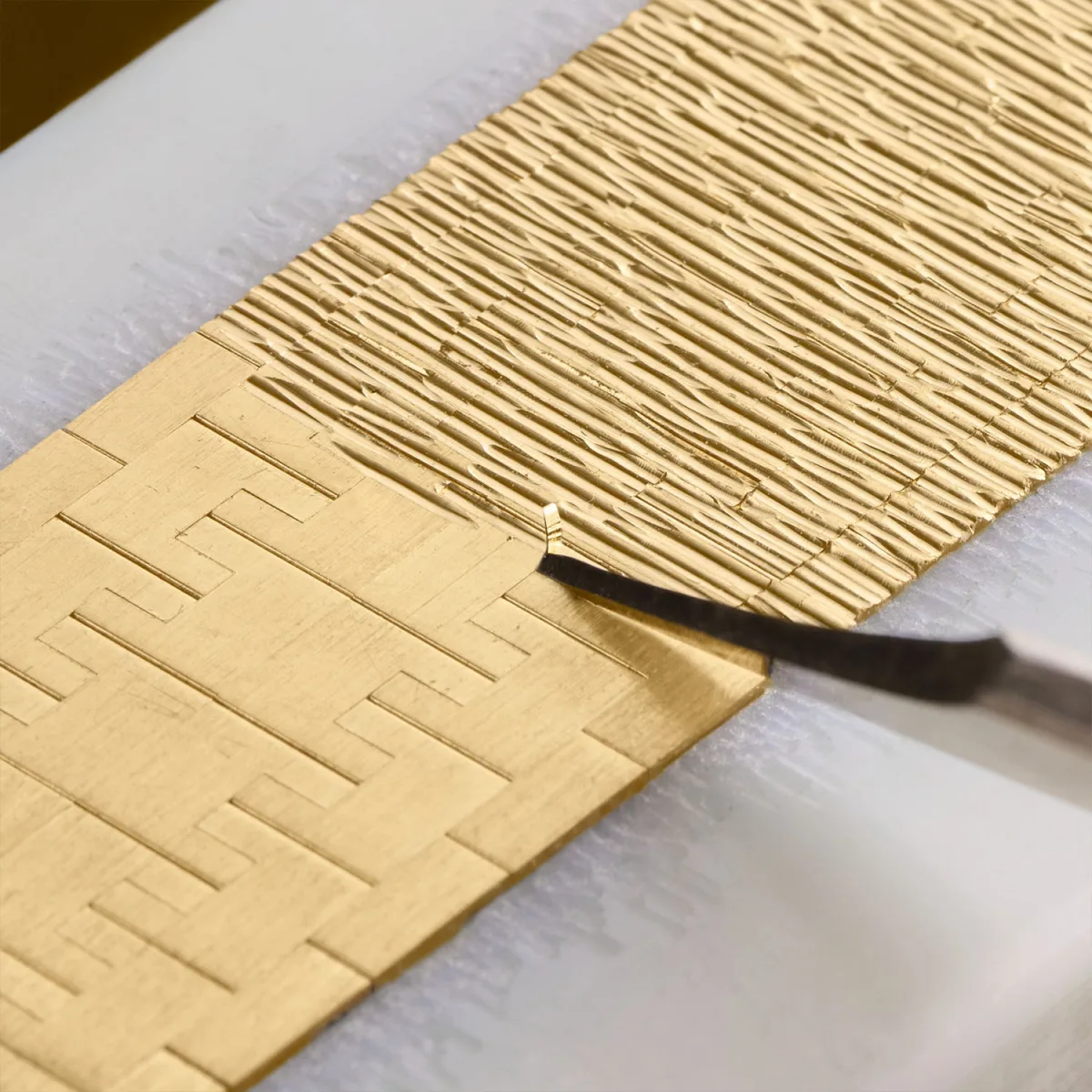
Both models feature rose gold cases measuring 32 x 10 mm and radically different designs. The first model is distinguished by the famous Décor Palace engraving, which Piaget used extensively in the 1960s. It is done manually using a sharp-tipped chisel. In this case, it appears on both the dial and the bracelet, resulting in a pattern of asymmetric horizontal stripes reminiscent of rough tree bark or textured fabric.
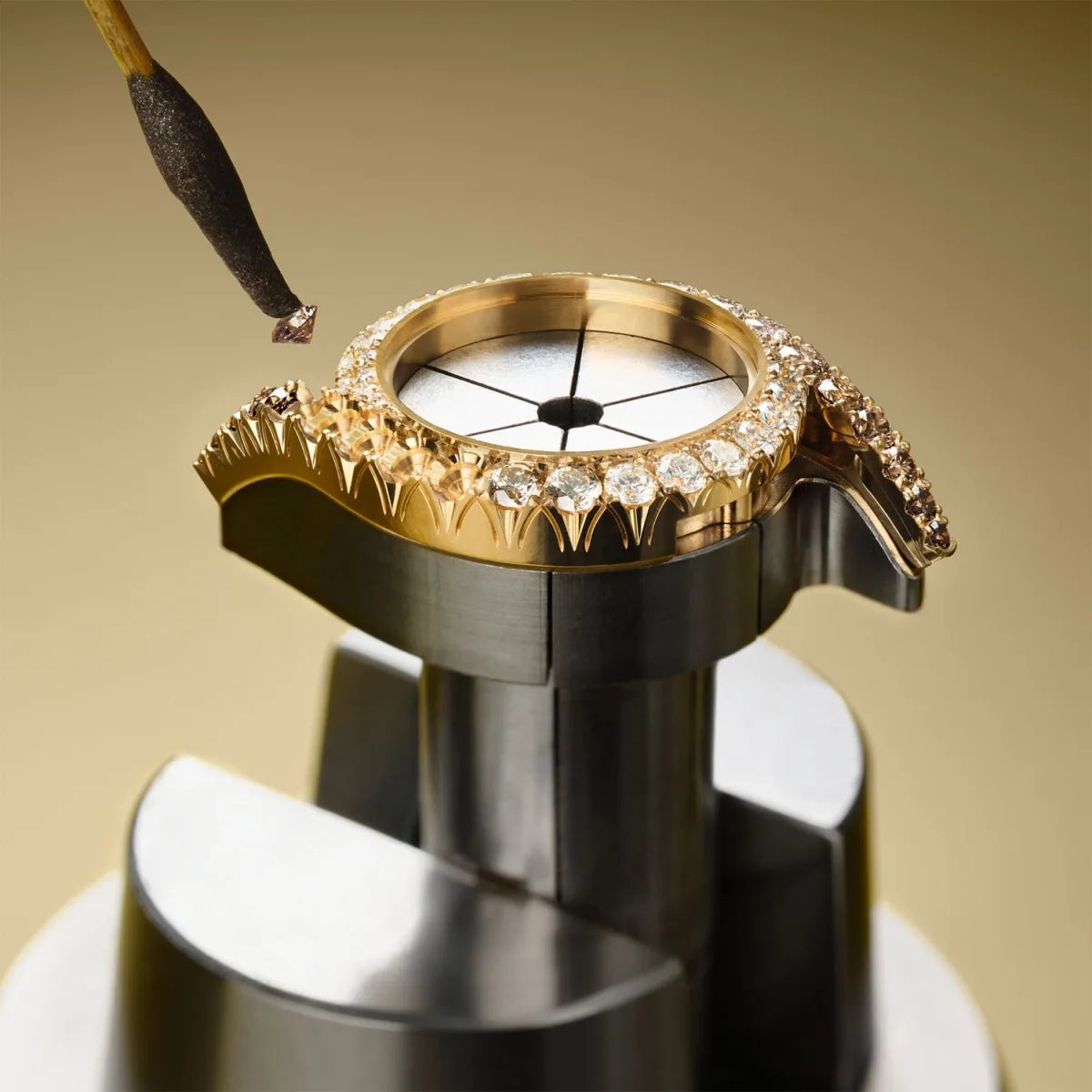
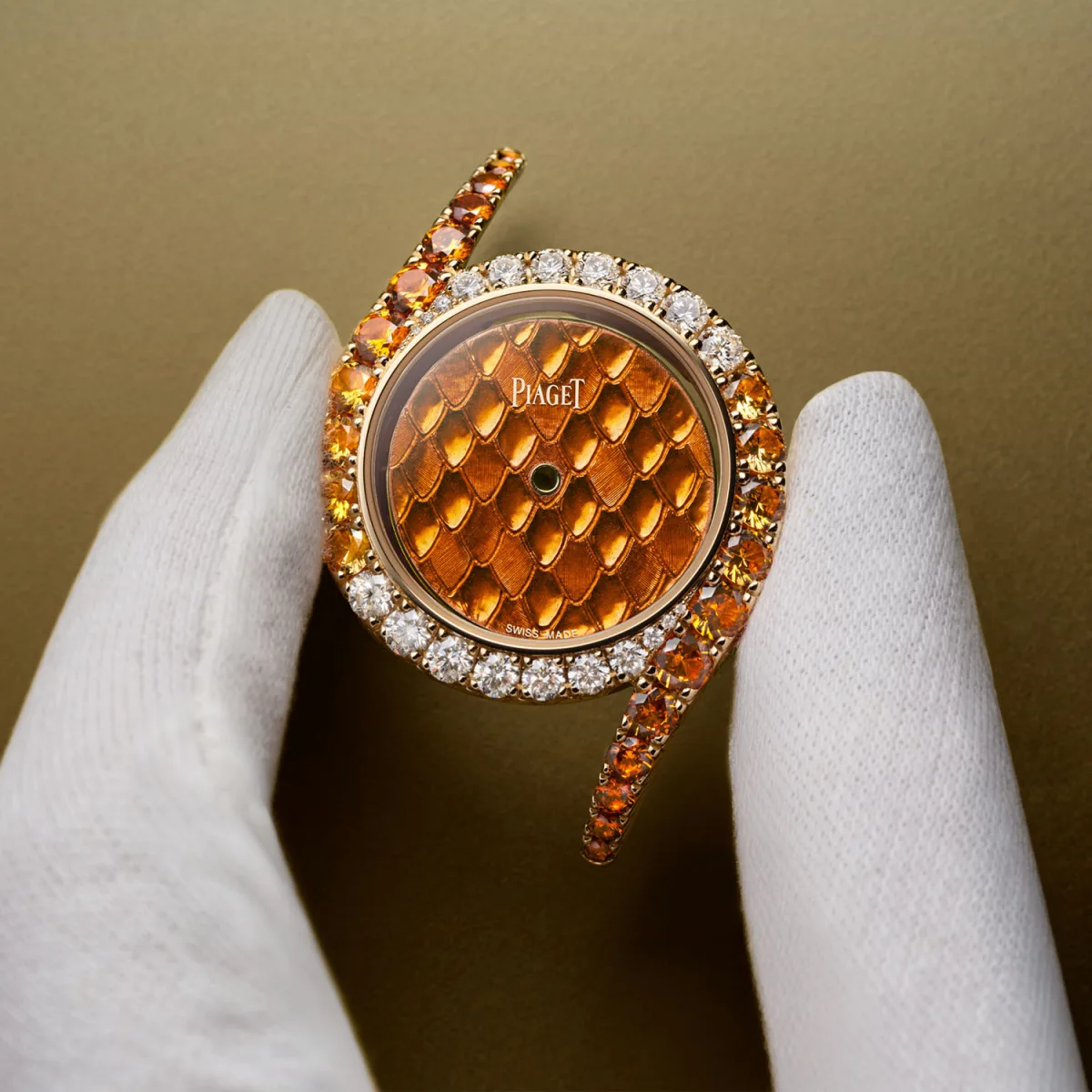
Another highlight of the model is the bezel that seamlessly transitions into elongated asymmetric lugs. This part of the watch is set with 42 diamonds in white and cognac colors, mounted on metal with a gradient, i.e., a smooth color transition.
The technique used is called serti descendu. One of the features of this technique is that in the final stage, "excess" metal is removed from the securing grooves and prongs so that light can penetrate the stone from the sides, not just from above.
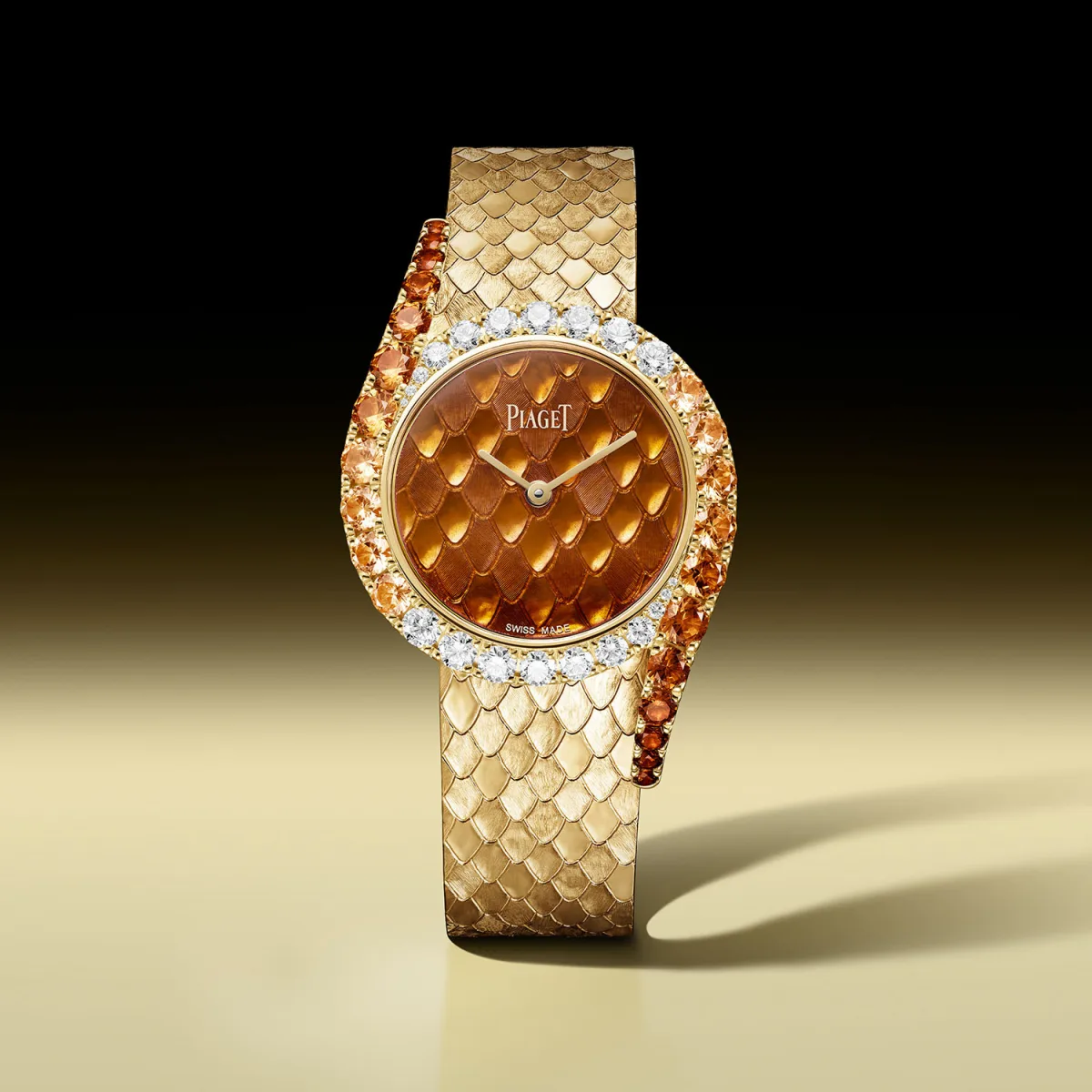
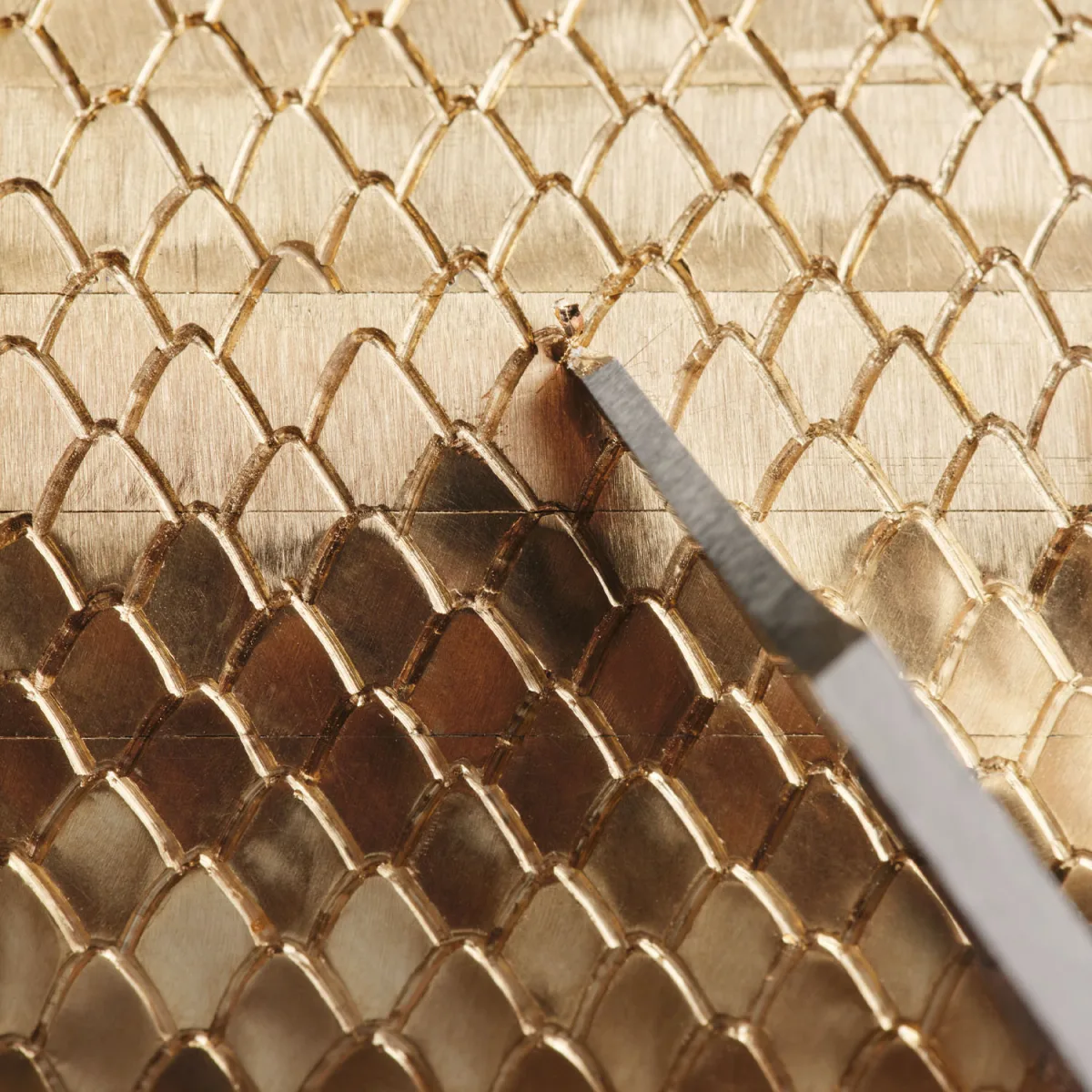
The second model is characterized by a bright orange dial in the technique of hot enamel. Here, the hot enamel is complemented by a technique that creates a snake scale imitation on the dial. Similar scales are engraved on the bracelet of the model. The dial shines framed by white diamonds and sunset-colored spessartites.
Both models are equipped with Piaget's ultra-thin automatic caliber 501P1. The movement is only 3.6 mm thick and provides a 42-hour power reserve.