
In the intricate and captivating world of haute horlogerie, there exists a sacred triumvirate known as the 'Holy Trinity' of watchmaking. Read on to learn more.
The History of the Holy Trinity
In the early 1970s, in a dimly lit, smoke-filled room in Geneva, a little-known watchmaking council held an important meeting. At least, that's how one might imagine it, as this was the period when the term 'Holy Trinity' began circulating among insiders. Perhaps you have also heard of the term 'Big Three'. In any case, three influential brands were discussing how to stand out and establish themselves as masters of the ancient craft.
But what exactly did they need to do to earn the exclusive right to join this elite club? One can imagine how it all unfolded...
Vacheron Constantin, the oldest of the three participants, likely opened the meeting: 'I've heard that some brands are equipping their watches... with batteries. Such an uncultured approach to watchmaking goes against our beliefs. We have been creating exquisite watches long before Japanese craftsmen even appeared. We need to separate ourselves from this modern technology.'
To this, Audemars Piguet, opposing the traditional round case, replied: 'Listen, we have just created the coolest sports steel model. Let's call ourselves the 'Big Three'. Patek Philippe, the proud creator of the minute repeater, agreed. And so it was decided. These three masters of watchmaking would become a symbol of heritage, autonomy, and high quality. They would call themselves the 'Holy Trinity'.
What Defines the Holy Trinity?
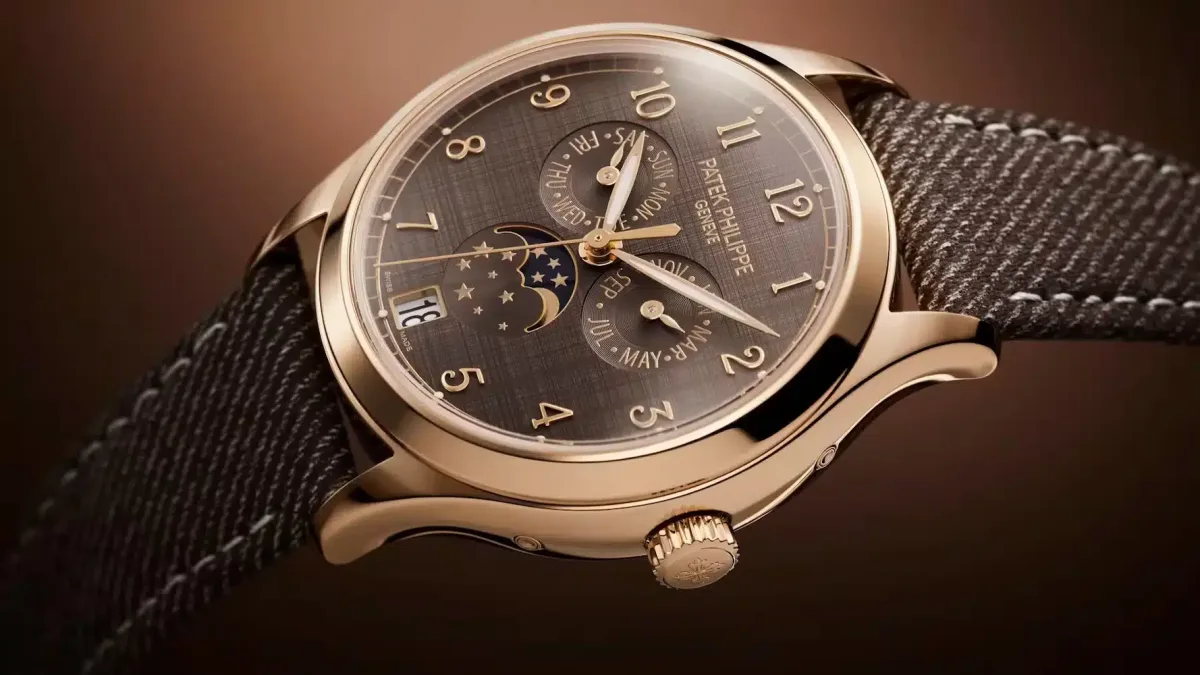
To this day, the Holy Trinity stands at the pinnacle of watchmaking art. These three luxury brands embody the highest level of craftsmanship in haute horlogerie. Two of the three brands remain family-owned companies, while the third traces its history back to the 19th century.
The steps these brands take to compete with giants like Rolex and Richard Mille are impressive. They create some of the most complex watches, develop proprietary materials, and collaborate with leading pioneers and athletes worldwide.
These brands have achieved their status not just by producing 'good watches'. Their popularity and reputation are based on consistently adhering to a set of criteria that distinguish them from competitors.
Notably, they almost do not rely on marketing strategies and campaigns to strengthen their presence in the watch world. Here's why...
A Continuous History of Excellence
The path to modern watchmaking art has not been easy. Brands boasting a continuous history of haute horlogerie spanning over a century have endured many trials, including the Quartz Crisis.
It's easy to underestimate the value of a continuous line of succession in watchmaking. A brand's uninterrupted history symbolizes resilience, dedication, and profound responsibility. Other brands with long histories may have similar reputations, but if they have interrupted their operations or relaunched, they do not fall into the Holy Trinity category.
Of the three brands, Vacheron Constantin is the oldest, with a history of about 265 years. It is followed by Patek Philippe, founded in 1839, and Audemars Piguet, which appeared in 1875. Interestingly, the timeline of their iconic sports watches goes in reverse order.
Creating Icons in the Watchmaking World
It's essential to understand that all three brands played a key role in the success of iconic sports steel watches. This is part of their shared heritage as the 'Big Three'. The popularity of sports watches forever changed the perception of luxury watches. Many brands, following the trend, saved the industry from the quartz watch crisis.
Steel sports watches became the catalyst for a new category: not overly complicated and elite, but also not utilitarian. Their angular and robust design with an integrated bracelet broke the previous boundaries of watch design innovation. Such watches are equally suitable for both the office and the yacht.
Audemars Piguet set the standard with the release of the Royal Oak. Four years later, Patek Philippe introduced the Nautilus. Vacheron Constantin joined later, releasing the Overseas in the mid-1990s, which became one of the brand's most popular designs.
Mastery in Haute Horlogerie

All three brands from the 'Big Three' are masters of haute horlogerie. Their watches not only tell time but are equipped with complex complications and feature exquisite finishing. Each of them creates their own movements, distinguishing them from brands that use third-party Swiss calibers.
The movements of Patek Philippe, Audemars Piguet, and Vacheron Constantin are of pure pedigree. Vertical integration gives them complete control over design and production, providing the freedom for creativity and innovation.
These brands create some of the most complex complications in the watch world. Vacheron Constantin and Patek Philippe have held records for complications, while Audemars Piguet offers minute repeaters, tourbillons, and perpetual calendars.
Influence on the Industry
To reach the pinnacle of watchmaking art, one must profoundly influence the industry. From the start, these three brands have set the standards of craftsmanship, perfecting the art of movement decoration. Techniques like anglage, perlage, and Geneva stripes demonstrate the highest level and impress visually.
Beyond the detailing of movements, these brands produce three of the most popular sports watches in the world and continue to push the boundaries of technical innovation. They virtually define the concept of 'heritage', cultivating a culture of exclusivity with their groundbreaking designs.
Maintaining Exclusivity

Maintaining a culture of scarcity is one of the key competencies of the Holy Trinity members. Watch collectors are well aware of the power of low production volumes.
These famous brands deliberately release limited batches, which increases demand. Long queues form, and buyers are willing to pay large sums for the opportunity to acquire a watch. Low production volumes combined with high demand create an aura of exclusivity that enthusiasts strive for. Nautilus and Royal Oak models are quickly sold out and fetch high prices on the secondary market, especially rare and discontinued references. This is one reason why collectors resell watches.
Thus, these three brands have earned their place in the Holy Trinity not only through popular models but also through mastery of demand psychology. The harder it is to obtain a watch, the more desirable it becomes. Owning one of the limited edition models gives a sense of belonging to an elite club. When demand exceeds supply, prices rise, ensuring the preservation and growth of value on the secondary market. These watches are not just a one-day purchase but a reliable investment.
Vacheron Constantin
Vacheron Constantin is one of the oldest continuously operating manufacturers. Its motto 'Do better if possible, and that is always possible' has been the driving force behind its success. Wearing a VC watch means having a piece of living history on your wrist.
From the Reference 57260 with 57 complications to the Berkley Grand Complication from the Les Cabinotiers collection, the company produces some of the most complex masterpieces in the world. Its continuous history is another significant advantage.
The History of Vacheron Constantin
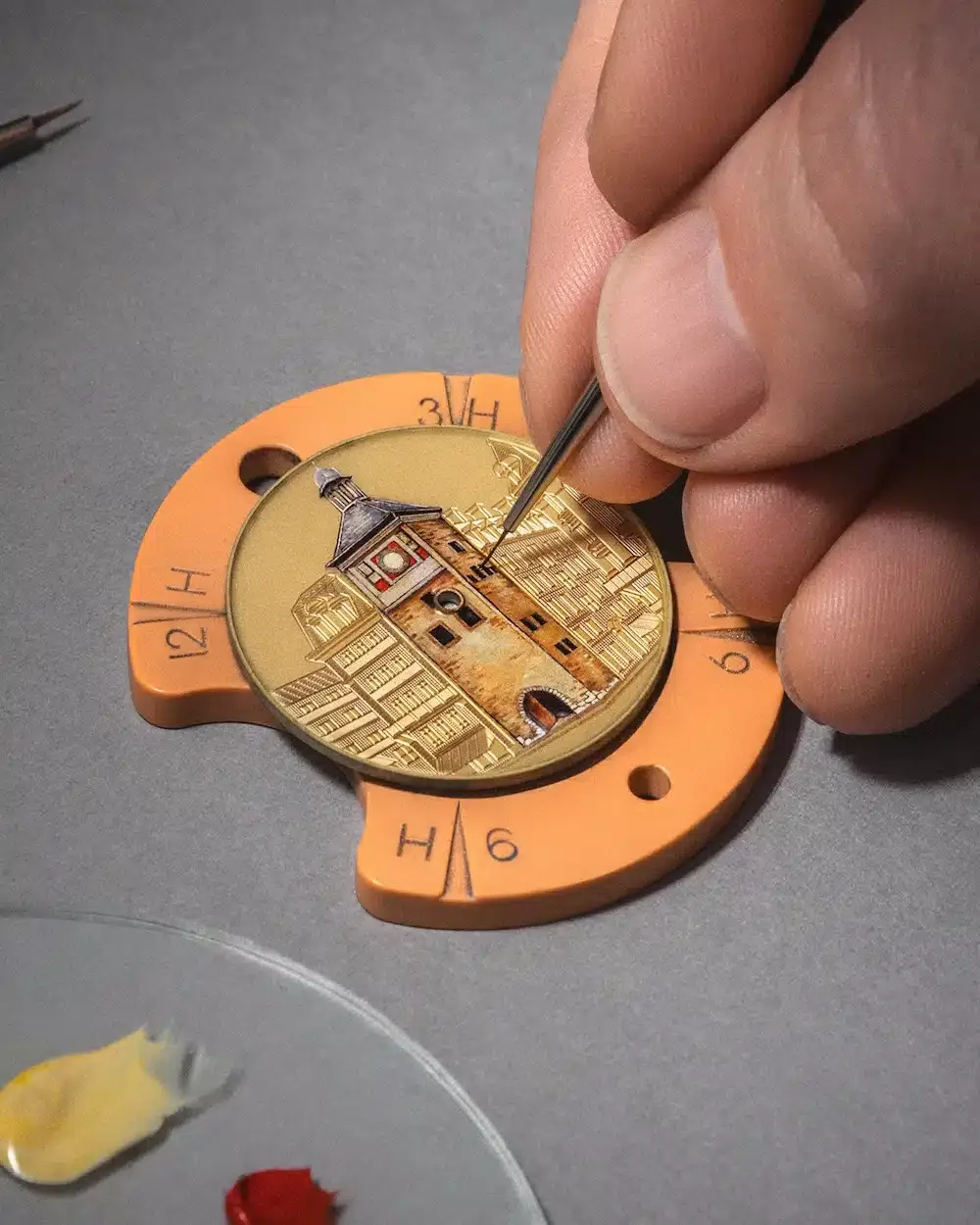
Founded in 1755 by Jean-Marc Vacheron, the company was built on a solid foundation of technical excellence. The brand's history is not just a chronology of releases but chapters with important technical and aesthetic discoveries.
The first stage is associated with Jean-Marc's apprenticeship and the creation of the first complication in 1790. By 1819, Jean-Marc's grandson and partner Jacques Barthelemy Vacheron joined the company. In 1880, the company's emblem became the Maltese Cross, inspired by a movement component.
In 1921, the American model 1921 with a slanted dial, convenient for drivers, was developed. In 1955, VC created the thinnest manual movement and survived the Quartz Crisis by releasing the 222 model - luxurious steel sports watches that became iconic.
In 2015, for its 260th anniversary, the most complex mechanism in the world - Reference 57260 was presented. Despite its more than two-century history, VC continues to have a significant impact on Haute Horlogerie.
Overseas
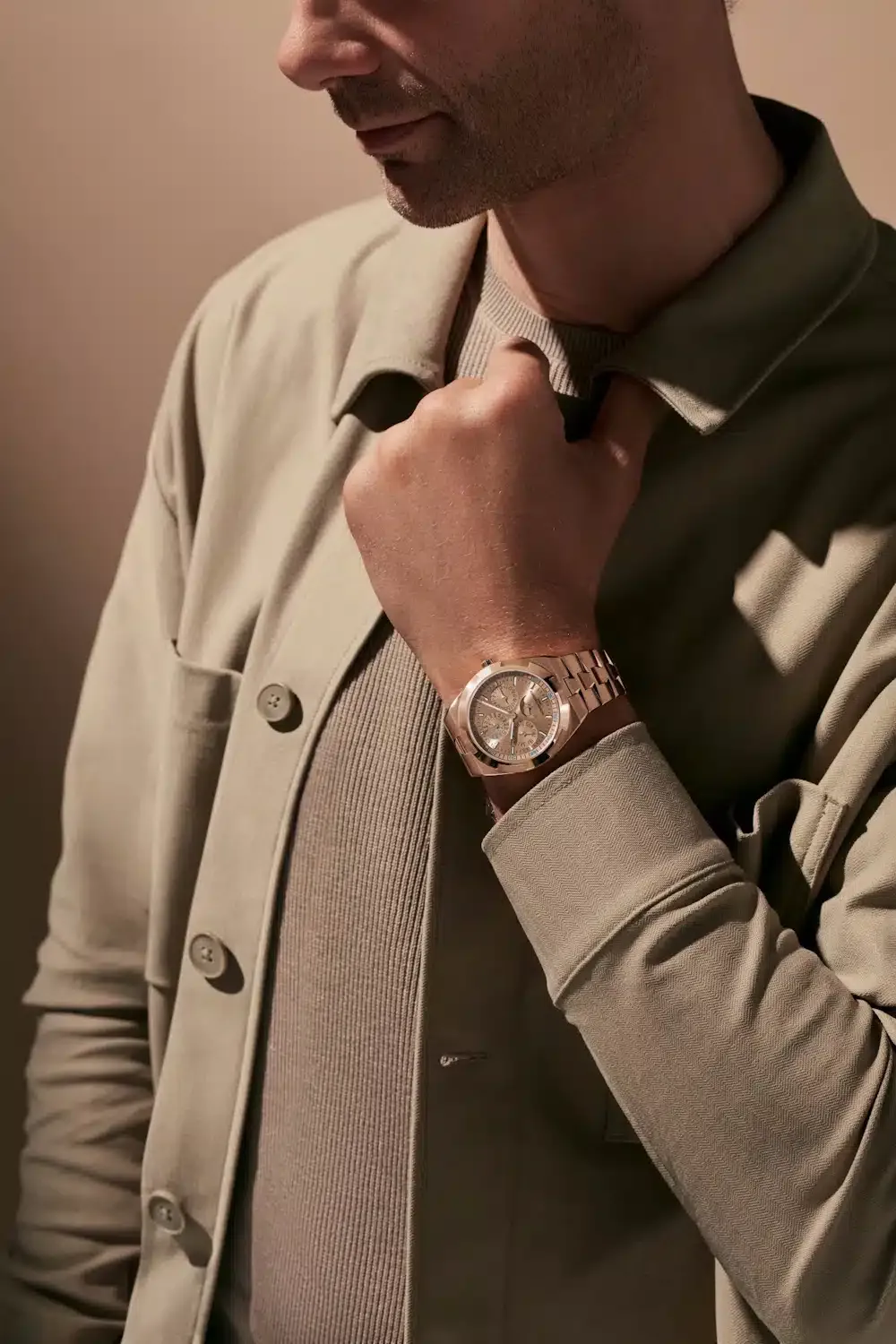
The Overseas model became the successor to the 222 and was released in the 1990s. It features an octagonal case, hexagonal bezel, and integrated bracelet.
The collection was updated in 2016, receiving modern features: anti-magnetic protection and a quick-change strap system without tools. Popular models include classic three-hand watches and chronographs. Ultra-thin tourbillons and perpetual calendars are also available.
The watches are water-resistant up to 150 meters, making them ideal for everyday use.
Patrimony
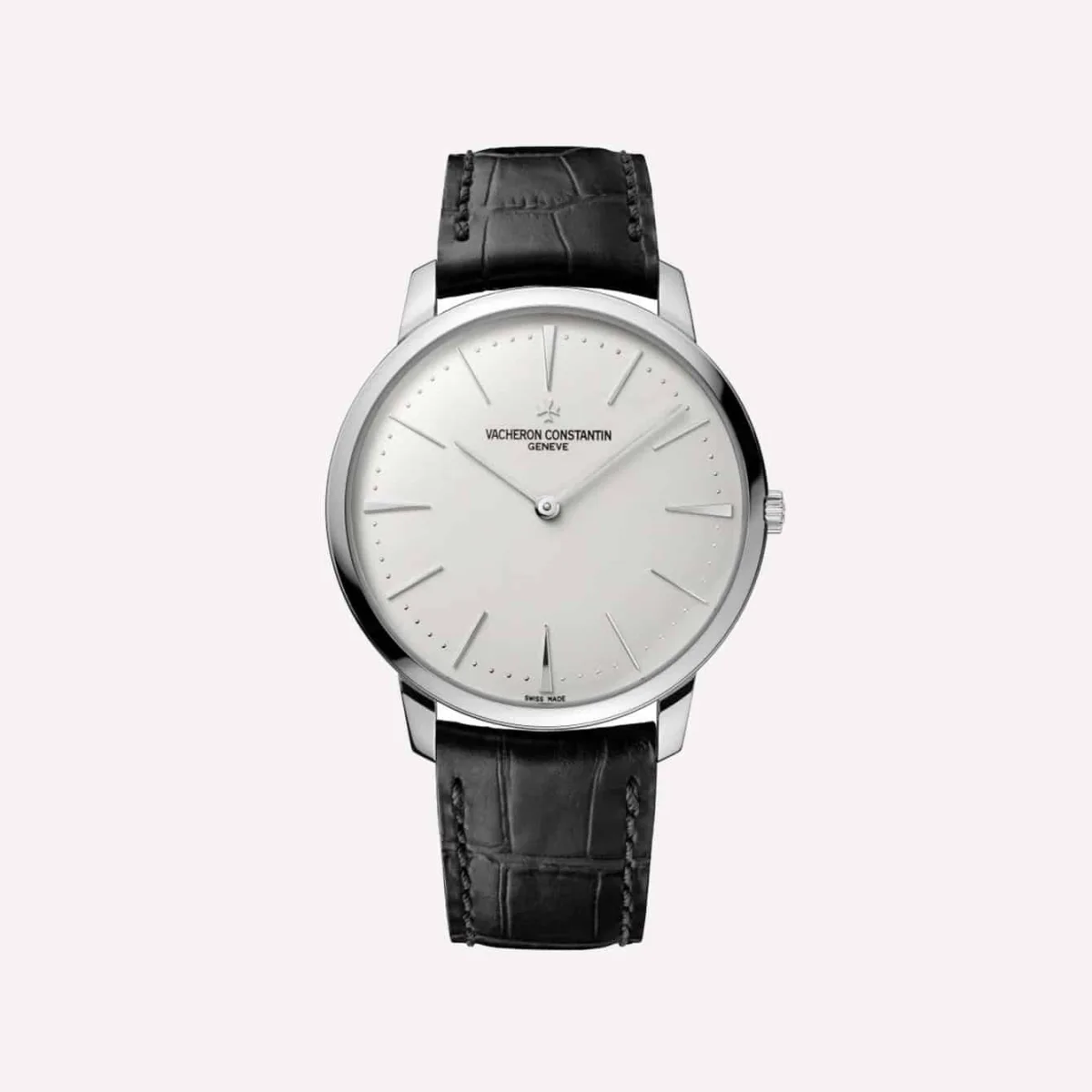
The Patrimony collection represents elegant and minimalist classic VC watches, a symbol of understated luxury with a subtle charm appreciated by connoisseurs.
The design is inspired by 1950s models: a thin bezel, slender baton hour markers, and a domed dial. Many movements meet the Geneva Seal standards, and the details are hand-finished.
The series includes models with retrograde indicators, moon phases, and world time, as well as perpetual calendars. The watches are made exclusively from precious metals - platinum and gold, making them true family heirlooms.
Historiques

The Historiques collection pays tribute to VC's most iconic and unusual models over its 270-year history. The models combine modern technology and materials while maintaining stylistic diversity.
For example, the Historiques 1921 are inspired by Art Deco style, while the Historiques Cornes de Vache 1955 with their characteristic cow horn lugs have become favorites among vintage watch collectors.
Historiques 222 pays homage to the first integrated sports watch case with a hexagonal bezel and thin case. This series highlights VC's creative legacy.
Traditionelle
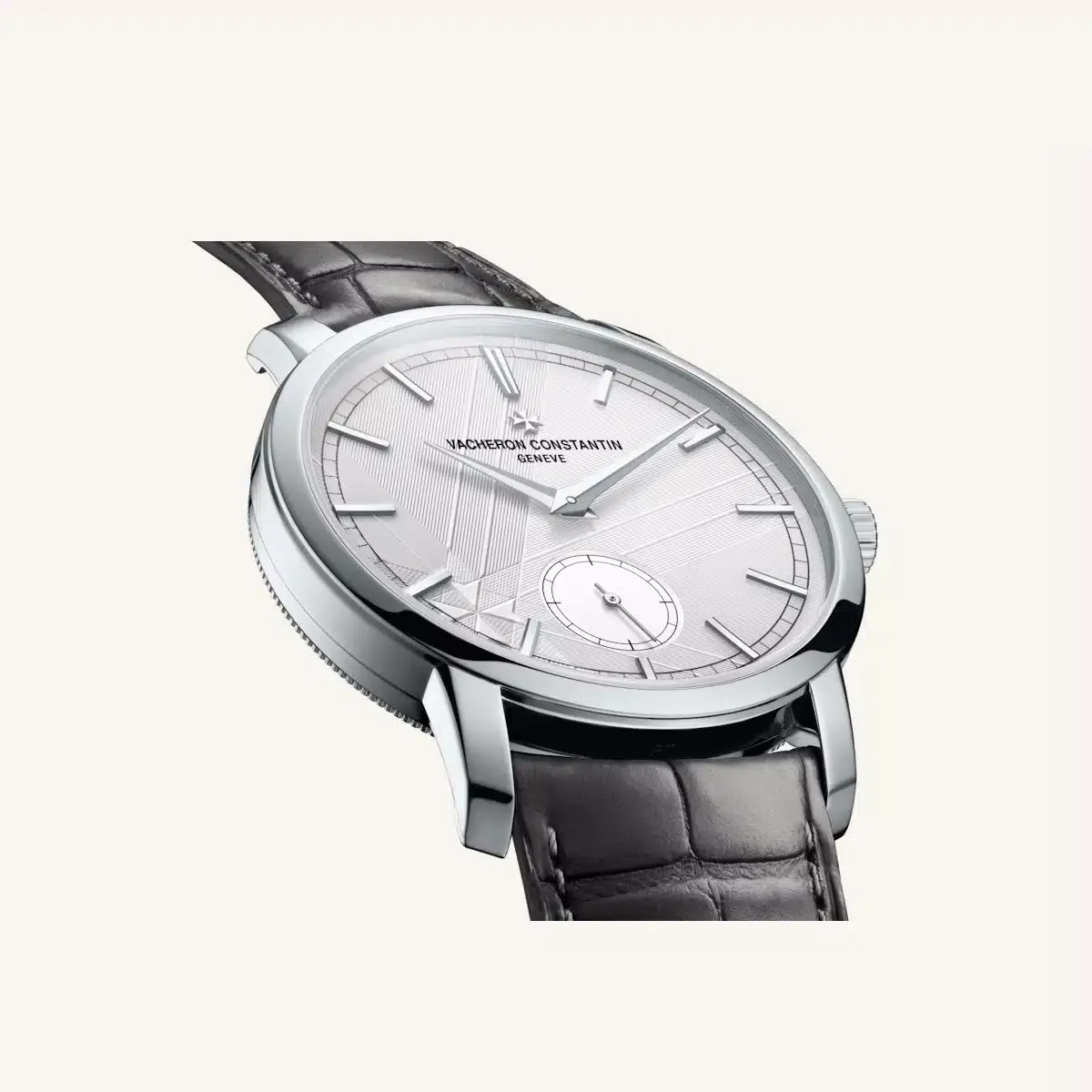
The Traditionelle collection includes models based on the aesthetics of the brand's historical watches. Distinctive features include stepped cases, classic gold baton hands, and railroad minute tracks.
The series features some of VC's most complicated models: minute repeaters, tourbillons, and perpetual calendars. Special attention is paid to the hand-finished details, reflecting the highest standards of haute horlogerie.
Audemars Piguet
Audemars Piguet is the rebel among the 'Big Three'. The company not only broke watchmaking traditions but created its own rules. The foundation is bold design and technical excellence, culminating in the launch of revolutionary sports watches in 1972.
Royal Oak became sports steel watches priced like gold. In addition to this icon, AP's catalog includes daring, innovative models, and the brand is considered a leader in mastering new materials - ceramics and carbon.
The History of Audemars Piguet
The history begins in 1875 when two childhood friends, Jules Louis Audemars and Edward Auguste Piguet, founded a workshop in Le Brassus, Switzerland.
AP was a pioneer: in 1892, it released the world's first wristwatch minute repeater, and in 1899 - the first pocket Grand Complication with a second hand. Later, the brand specialized in skeletons and thin movements.
When quartz watches hit the market, threatening traditional watchmaking, AP responded by releasing the bold Royal Oak sports watch designed by Gerald Genta. In 1993, the Royal Oak Offshore version appeared, followed by the Royal Oak Concept line.
Today, the brand remains independent and leads both in avant-garde design and traditional values.
Royal Oak

The Royal Oak is a true milestone in watchmaking art. Its octagonal bezel is inspired by a diver's helmet, and the integrated bracelet flows seamlessly into the case. The 'Tapisserie' dial is a signature pattern requiring complex processing.
The first model, Reference 5402 'Jumbo', did not become an instant success but eventually acquired cult status. Genta created it literally overnight, giving the watch a dynamic, nautical look.
Royal Oak became the most expensive steel sports watch and saved the brand from decline, reviving interest in mechanical watches.
Royal Oak Offshore
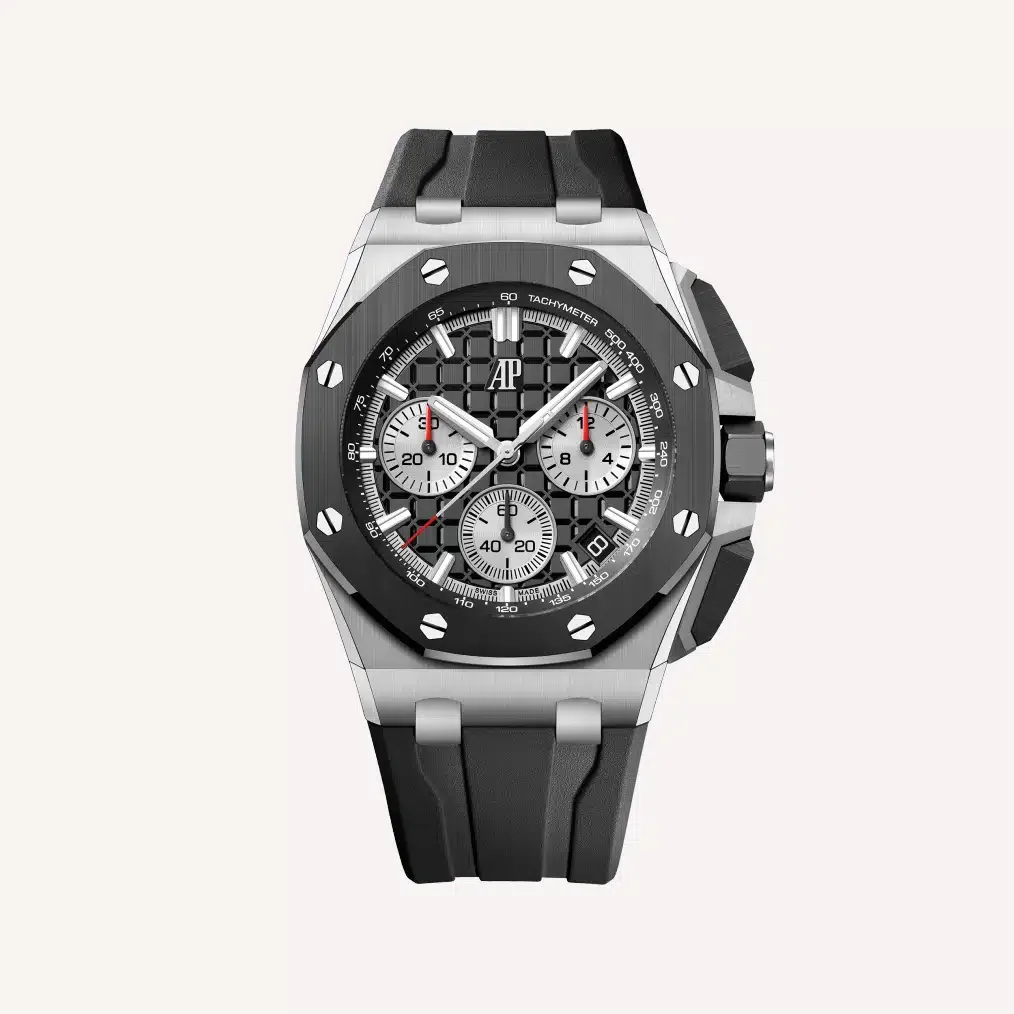
To mark the 20th anniversary of the Royal Oak, the Royal Oak Offshore was released, designed by Emmanuel Gueit. The model received a more aggressive design, becoming a subject of controversy but quickly gained popularity.
It was dubbed 'The Beast' for its massive case and large 'Mega Tapisserie' dial. Despite Genta's criticism, the watch became a bestseller.
Code 11.59
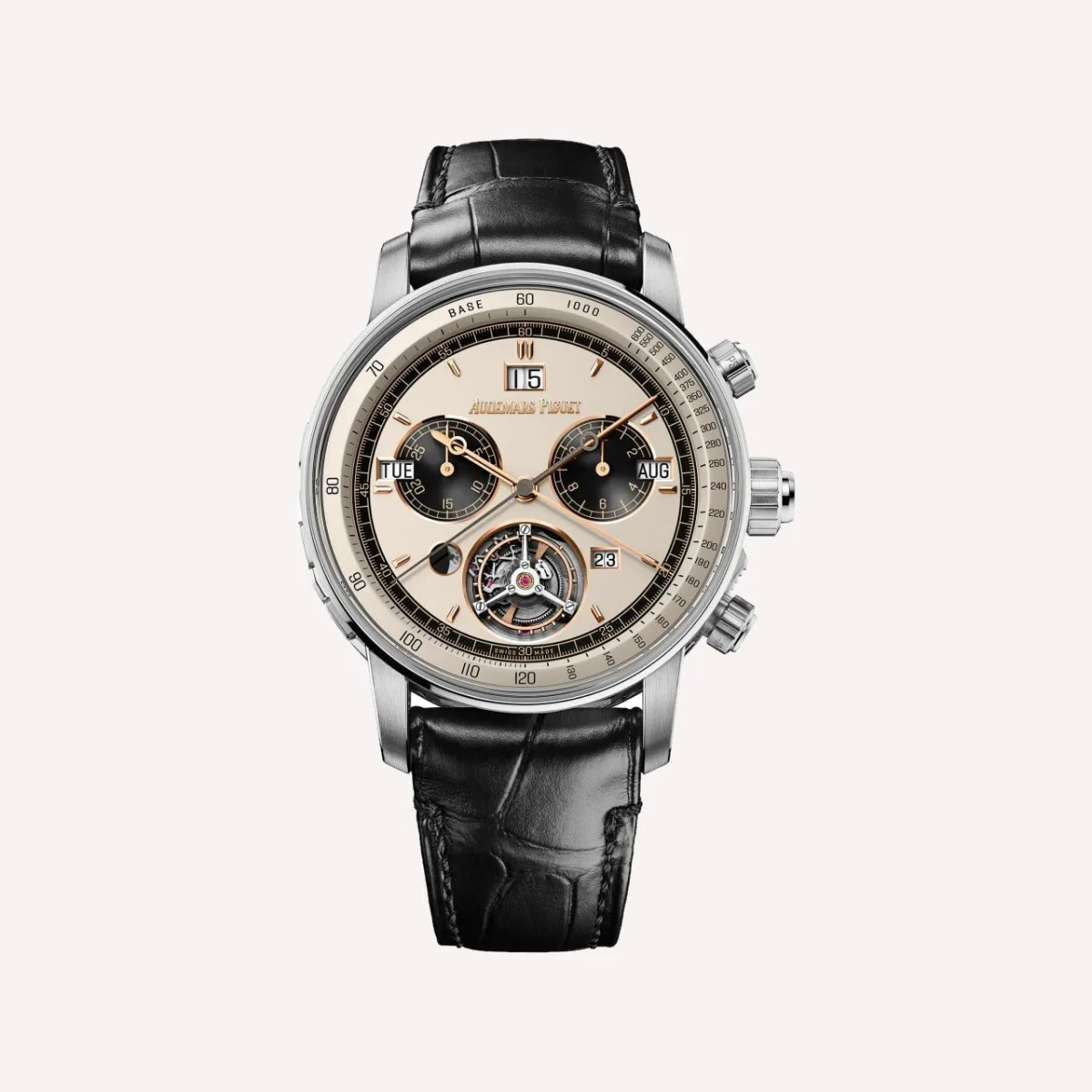
Code 11.59 is AP's most daring release, launched in 2019. The model marked a sharp departure from the Royal Oak classic and elicited mixed reactions.
The name stands for 'Challenge, Own, Dare, Evolve' - a symbol of a new phase for the brand. The watch features a complex polygonal case with an octagonal middle element referencing the Royal Oak.
The domed sapphire crystal and in-house movement with a 70-hour power reserve make the model technically advanced. Subsequently, the collection received upgrades, including a guilloché dial and ceramic cases, as well as a Supersonnerie minute repeater.
Patek Philippe
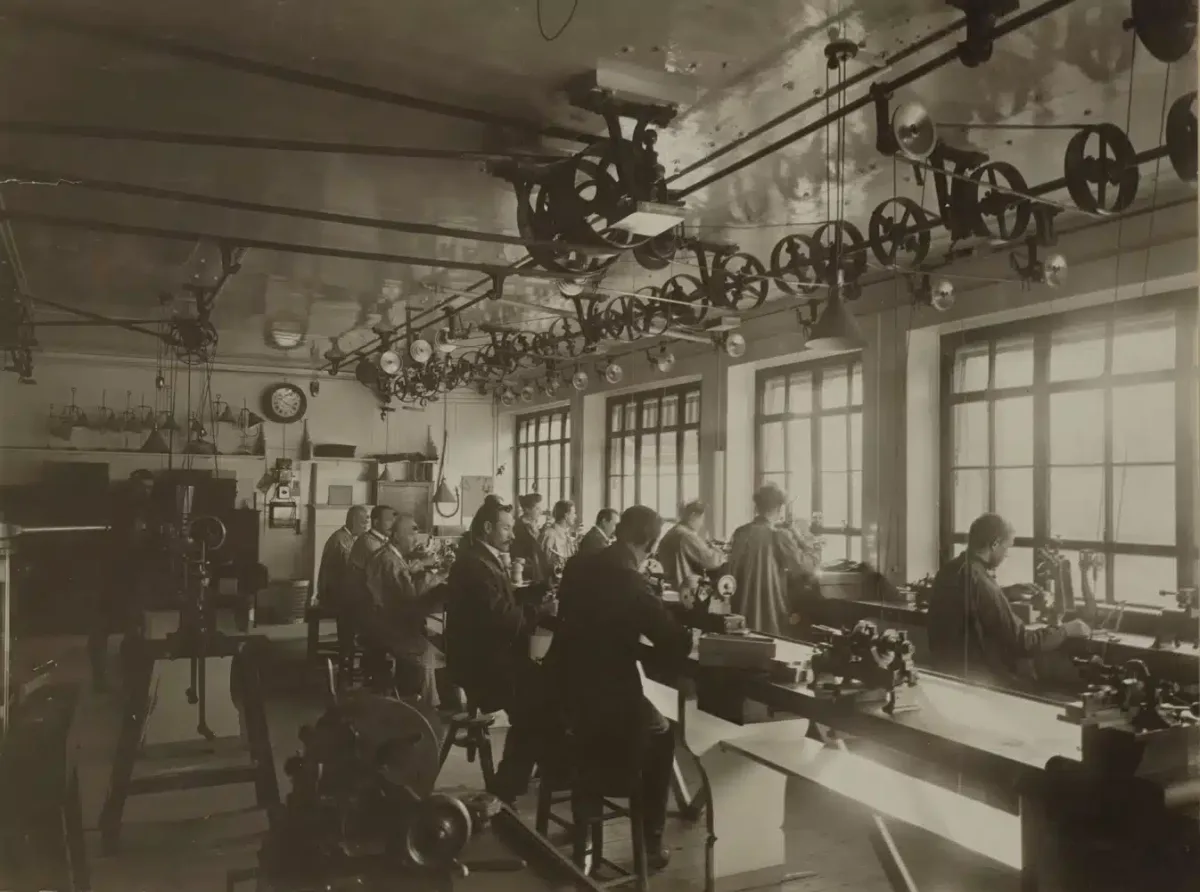
Patek Philippe is often considered the pinnacle of watchmaking. For over 180 years, the brand has remained family-owned and produces iconic collectible watches.
One of the first and best in the industry, Patek holds over 100 patents and strives for perfection. Among its iconic models are Grand Complications and the classic Calatrava.
The History of Patek Philippe
The story began in 1839 in Geneva when Polish watchmaker Antoni Patek and Franciszek Czapek founded the brand Patek, Czapek & Cie, which later became Patek Philippe.
In 1845, the company developed a keyless winding system - a revolution in watchmaking. In 1851, Queen Victoria acquired Patek watches. In 1932, the Stern family acquired the brand's rights, marking a turning point.
The Stern family made significant contributions, including the launch of the Calatrava in 1932 and the Nautilus in the 1970s. In 1989, the world's most complex mechanism, Calibre 89, was created. The brand's motto is: 'You never actually own a Patek Philippe. You merely look after it for the next generation.'
Nautilus

Nautilus is an excellent introduction to Patek Philippe. Released in 1976 during the Quartz Crisis, this sports watch phenomenon became a symbol of an icon.
Legend has it that the design was sketched by Genta on a napkin after overhearing a conversation. Inspired by the porthole of an ocean liner, with an octagonal bezel and 'ears' on the sides.
The original model Reference 3700/1A featured a large 42mm case and horizontal dial texture. The discontinuation of the popular model 5711 caused a stir and price increases on the secondary market.
Today, Nautilus remains a symbol of understated wealth and is popular among celebrities.
Aquanaut

Aquanaut was created for a younger audience, combining classic design and sporty functionality. Often called the 'younger brother' of the Nautilus.
Features a tropical strap made of a durable composite material resistant to saltwater. The dial with a unique 'grenade' pattern harmoniously matches the strap.
The collection includes models with GMT function, chronographs, and options in rose, white gold, and steel. Women's versions from the Luce series are adorned with diamonds.
Patek Philippe took a risk with the Aquanaut, but this decision paid off, bringing sporty versatility to the conservative brand.
Calatrava
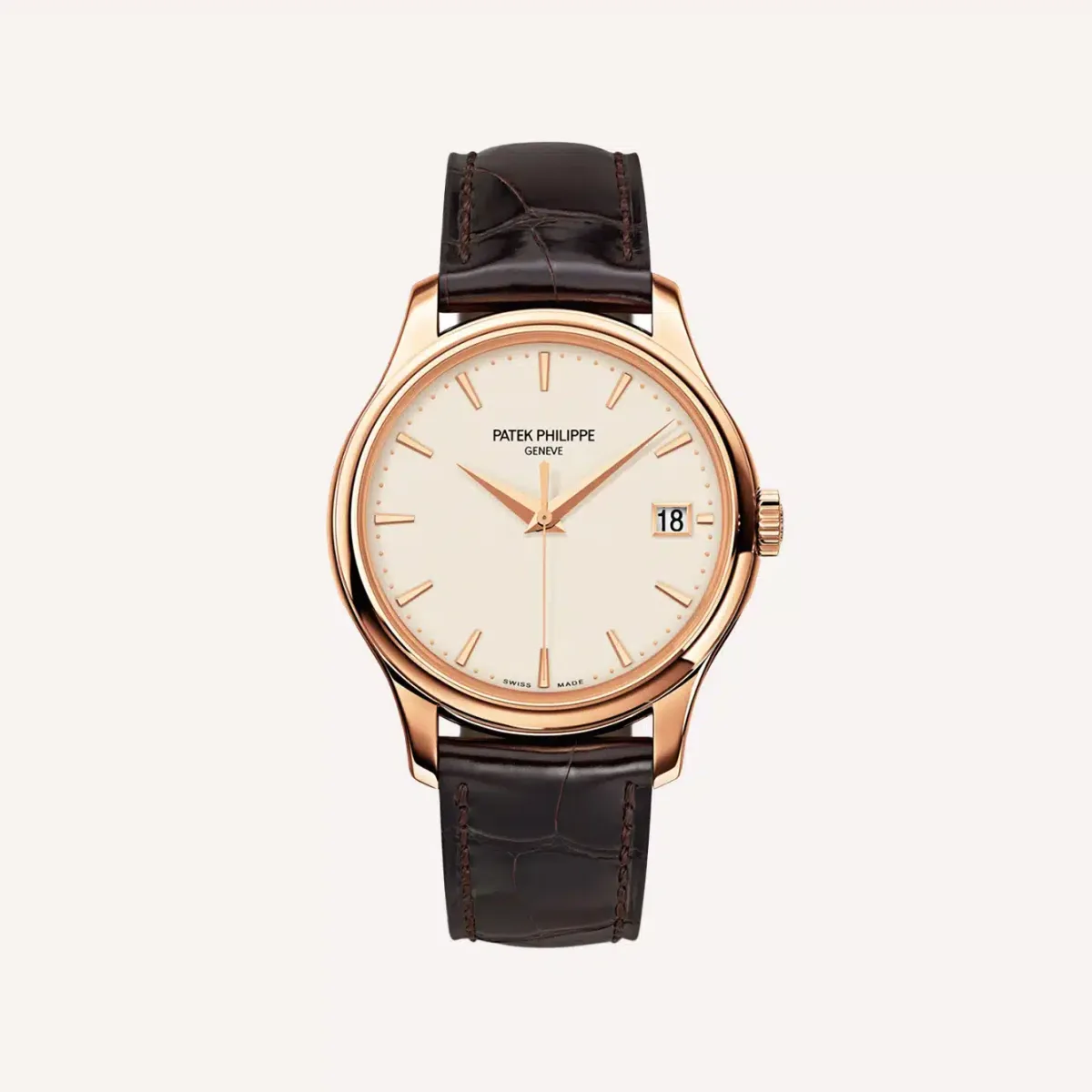
Calatrava is one of Patek Philippe's oldest collections, launched in 1932. Its creation was an important step for the Stern family.
The design features clean lines inspired by the Bauhaus, with a perfectly round case, thin profile, and integrated lugs for comfortable wear.
The dial is minimalist, with baton hands and a Clous de Paris pattern.
Mechanically, the Calatrava is simple, with small complications like a date and small seconds hand.
These watches are ideal as family heirlooms, maintaining their relevance from generation to generation.
Conclusion
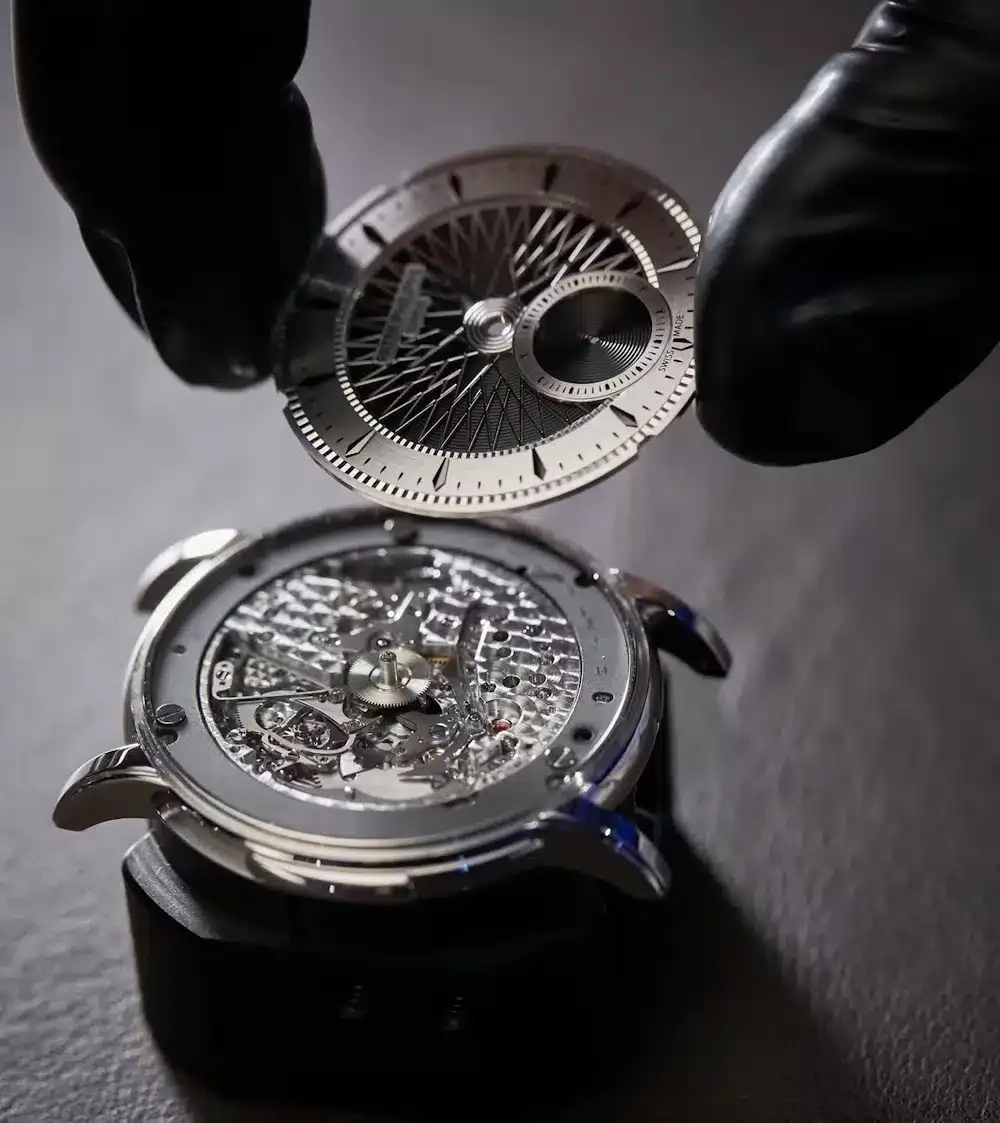
Patek Philippe, Vacheron Constantin, and Audemars Piguet form the 'Holy Trinity' of watchmaking, creating some of the most expensive and complex watches in the world. This prestigious triumvirate stands on a foundation of watch innovations and mechanical achievements. From ultra-thin perpetual calendars to iconic models - their watches not only tell time but become true works of art.
Each brand is living proof of the endurance and innovation necessary for success. The meticulous hand-finishing of movements and the use of techniques like Côtes de Genève and perlage are the gold standard in watchmaking.
When reflecting on your watches, consider what matters most to you: the brand's ability to create cultural icons, the history of the collection, the journey from a small workshop to an innovation hub, or the timeless design?
We would love to hear your thoughts. Share your favorite model from the Holy Trinity or tell us which brand you believe deserves such a title.