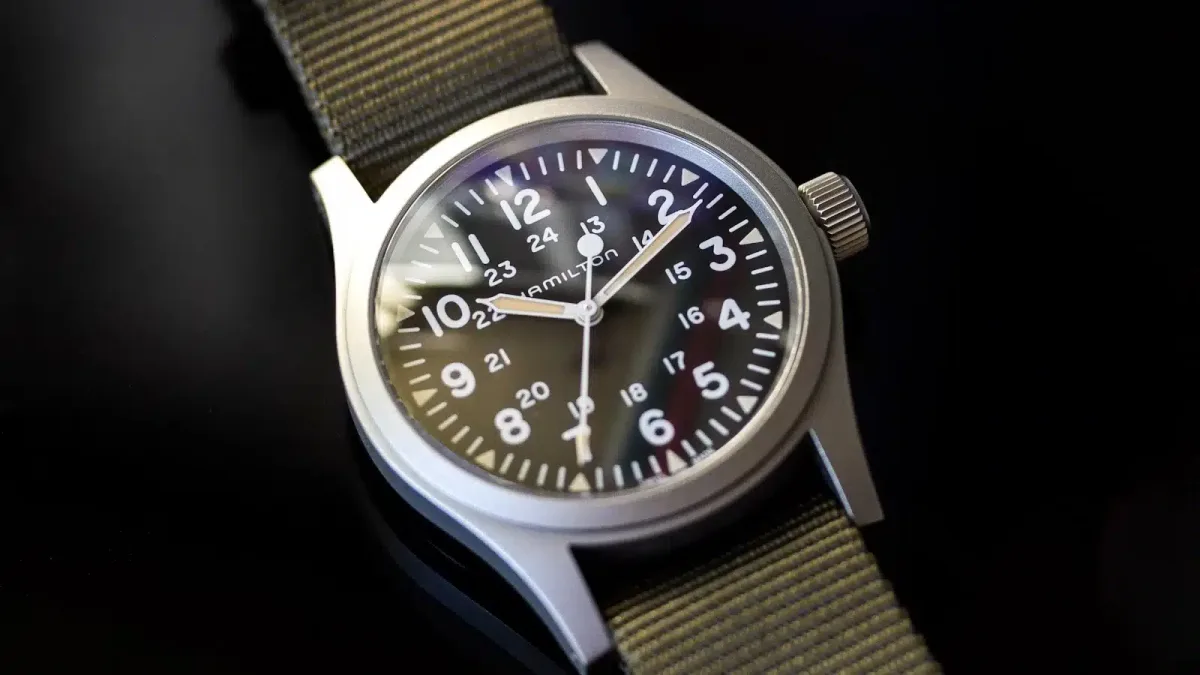
Do you need to know how to wind a Hamilton watch? This guide will take less than five minutes and tell you everything you need to know.
Do you love Hamilton watches with mechanical winding but don't know how to wind them properly? Don't worry. In this guide, you'll learn how to wind a Hamilton watch from start to finish.
In no time, you'll become a pro at winding Hamilton watches.
A Brief History of Hamilton Watches
If there are two things synonymous with Hamilton, it's Swiss precision and value for money.
The manufacturer's catalog has it all: from simple three-hand quartz movements to automatic chronographs. There's even a series of futuristic triangular-shaped watches!
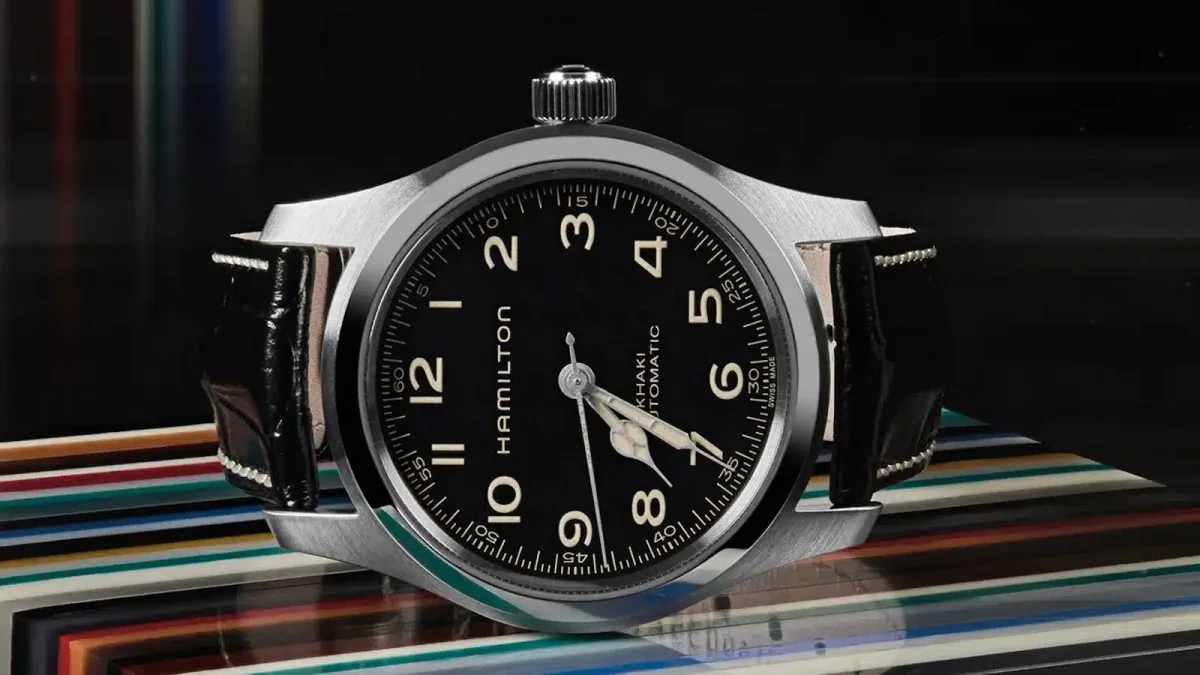
If you've researched this brand, you know it stands apart from many other Swiss watch brands.
It has American roots and opened its doors in Lancaster, Pennsylvania, in 1892. The American railroad system relied on this brand's pocket watches in the early 1900s for their accuracy and reliability.
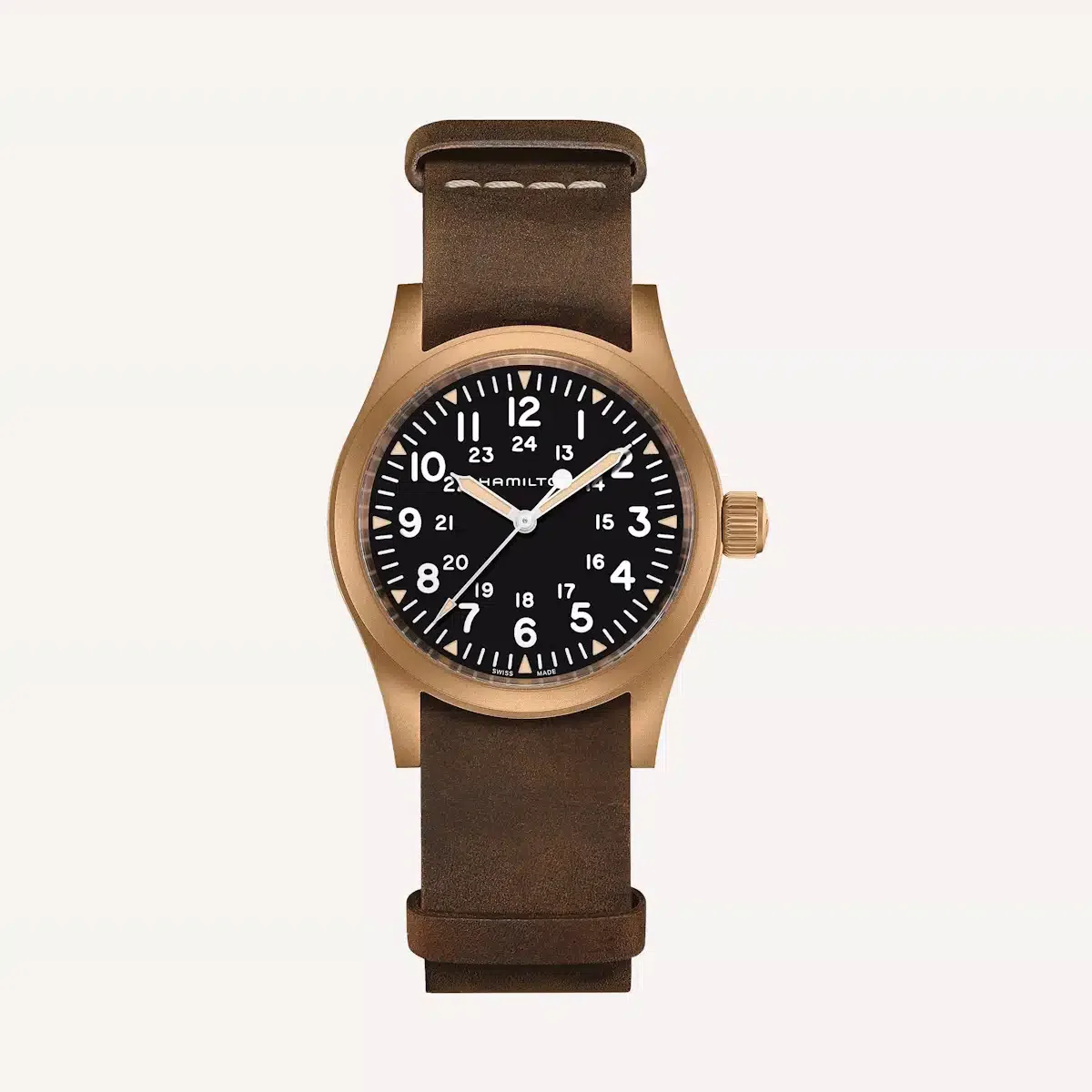
In the 20th century, Hamilton began producing watches for the military, many of which inspired the modern Khaki line. The current range of Khaki watches includes a wide variety of dive watches, field watches, and pilot watches.
Hamilton's more elegant Jazzmaster watches are perfect for those looking for dress watches. Additionally, there is a rather unique collection of Ventura watches, known for their triangular profiles. These eye-catching models were the choice of the King of Rock and Roll, Elvis Presley.
Instructions for Winding Hamilton Watches
If you're a Hamilton watch owner and don't know how to wind them, don't worry. A quick read of the winding instructions should help. Every new watch comes with an official warranty, documents, and an instruction manual.
But if your watch is not entirely new, and is pre-owned, you might not have such instructions. In that case, this brief guide on winding Hamilton watches will help you.
Before attempting to wind your Hamilton watch, determine which movement it has - manual or automatic. If you're new to the world of watch collecting, don't let these technical terms confuse you. The difference between them is very simple, once you know it.
If necessary, you can read more about the difference between manual and automatic watches. But for quick understanding, here's the deal.
Both automatic and manual watches are mechanical. The term "mechanical watch" refers to the gears and wheels that drive the mainspring in any type of watch.
The difference between automatic and manual winding watches lies in the winding method. Automatic watches are powered by the natural movement of your wrist.
Their weighted rotor moves with your wrist's motion, causing a complex system of gears to work. These gears convert the movement into energy, transferring it to the mainspring.
Manual winding watches require you to manually wind the mechanism every day.
When the mainspring is wound manually, a series of gears and wheels causes it to unwind. Then the energy is transferred to the escapement.
However, automatic watches, if they have exhausted their power reserve, still require manual winding. In any case, both methods are easy to execute.
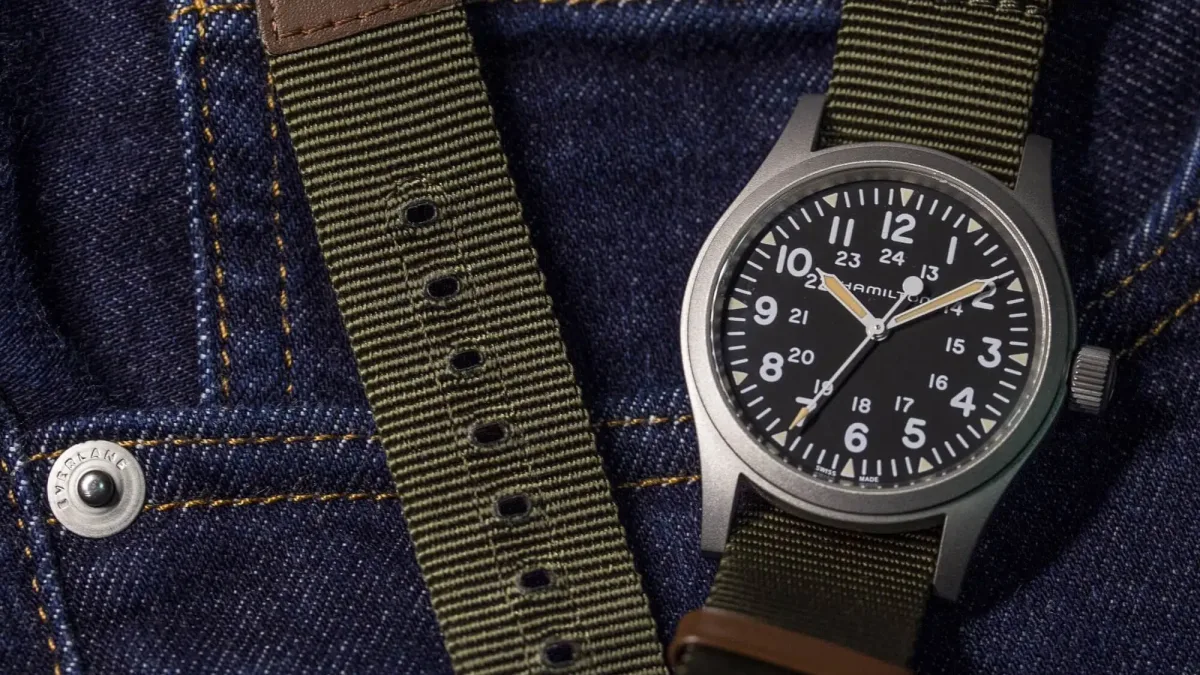
You can determine if your Hamilton watch is automatic or manual by referring to the manual. If you can't do this, conduct a little research on the watch's name and model number to confirm.
After all, automatic watches need to be wound somewhat differently than manual winding watches.
How to Wind Hamilton Manual Watches
If you have a Hamilton manual watch, it needs to be wound manually on a regular basis. Most companies recommend winding manual watches at the same time every day.
Manually winding your watch is a great way to connect daily with your chosen timepiece. It will help you gain a deeper understanding of the mechanism's complexity and how it operates. Many fine watch enthusiasts prefer manual watches for this very reason.
If you own a Hamilton manual watch, the first thing to do is find the crown at the "3 o'clock" position. Before doing this, remove the watch from your wrist. Otherwise, you risk damaging the crown.
Holding the watch face up in your left hand, use the thumb and forefinger of your right hand to pull the crown out. Once the crown is out, start to turn it clockwise.
As you continue winding your Hamilton manual watch, you will encounter slight resistance. This is the signal to stop winding and a sign that the mechanism is fully wound.
This resistance increases significantly with tension until a mechanical lock clicks in. Once you reach this point, you can return the crown to its normal position by gently pressing it down.
The main thing to remember when winding Hamilton manual watches is to return the crown to the normal position. This ensures that water does not get inside the case.
How Many Times to Wind Hamilton Watches?
It's important to have an approximate idea of how many times you need to wind your Hamilton watch. An approximate calculation will help you keep track of how long you wind the watch.
If you're worried about overwinding your watch, you may find other articles on this topic helpful.
As a general guideline, plan for your automatic or manual watch to be wound about 35-40 times. If necessary, you can increase this number.
How to Wind Hamilton Automatic Watches
Learning how to wind Hamilton automatic watches is very simple. It's the same as winding a Rolex or a Hamilton manual watch.
To start, extend the watch to begin winding if it has a screw-down crown. Some automatic watches do not require this.
To do this, turn the crown counterclockwise until it pops up.
Then turn the crown clockwise.
With the dial facing you, hold it in your left hand and wind with the right.
Gently turn the crown in this direction. You may hear a faint click. This is a normal part of the winding process.
Continue winding the crown about 30-40 times.
It's important to remember how many turns you made. While Hamilton manual watches will resist, the automatic mechanism will continue to wind.
After winding your Hamilton automatic watch, return the crown to its natural position by pressing it down and turning it clockwise.
Alternative Ways to Wind Hamilton Watches
Aside from wearing the watch and manual winding, you can use a watch winder. This device is useful for owners of multiple watches, allowing them to keep them in good condition. Thus, each watch will be ready to go if you want to switch them.
If you're unsure, you can read more about how winders work. But the main thing you need to know is that watch winders work by mimicking the movement of your wrist.
Thanks to this, the mechanism is fully wound. To achieve the best result, find out how many turns your watch requires.
If you own a Hamilton Jazzmaster, the recommended number of turns per day is 800.
For Khaki Field watches, it ranges from 650 to 800.
Ventura watches require about 650 TPD to ensure a good wind.
It's also necessary to check which direction the watch needs to be wound, depending on its mechanism.
Conclusion
Hamilton watches, whether automatic or manual, require winding.
This guide covers everything you need to know about winding Hamilton watches. However, most watches work the same way. If you're unsure about something, seek help from an official representative or authorized Hamilton dealer.
Whether you own one mechanical watch or several, take proper care of them. Wear them daily and take time to appreciate their complexity.
Automatic or manual winding watches are, after all, a marvel of engineering!