
You can be a fan of Van Gogh while knowing you'll never hang his painting in your home.
Can you be a watch enthusiast while realizing you can't afford the models you desire? Yes, you can, but only if you relinquish the concept of ownership. This isn't easy, especially when items that were once accessible gradually disappear from view. Van Gogh's "Starry Night" has always been out of reach, while the Audemars Piguet Royal Oak "Jumbo" was once available, but now isn't for many. The frustration of unattainable watches is evident in the comments.
Perhaps a radical change in attitude and perception is necessary to maintain interest in horological art. After a recent presentation by Audemars Piguet CEO Ilaria Resta, I got the impression that inclusive exclusive watchmaking might keep a dissatisfied audience from leaving the world of horology. But what is this seemingly paradoxical concept - inclusive yet exclusive watchmaking?
Interest in Watches or Watchmaking?
Recently, I asked the question: "Are you passionate about watches or watchmaking?" This question divides people into two groups. The first buys and wears watches for the "right" logo on the dial. They may wear watches for different reasons: some want to emphasize status, fit into a certain environment, or boost their confidence. For them, watches are a symbol of success, a miniature advertisement, and a statement of position. The second group is interested in watches on a deeper level - they appreciate the design, the mechanism, the brand's history. They read books and articles on watchmaking, leave meaningful comments, strive to understand how a tourbillon works, and study the brand's history. For them, ownership is not the goal; the story and context matter.
You can admire the Royal Oak while wearing a more affordable PRX model. Inclusive exclusive watchmaking - cultural and historical context At a recent AP Social Club press event dedicated to Audemars Piguet's 2026 novelties, CEO Ilaria Resta emphasized the historical and cultural value of horological art. Watchmaking should not be closed or elitist. On the contrary, it should attract attention and interest from a broad audience. To ensure a bright future for high horology, people must understand its historical position, cultural significance, and unique craftsmanship.
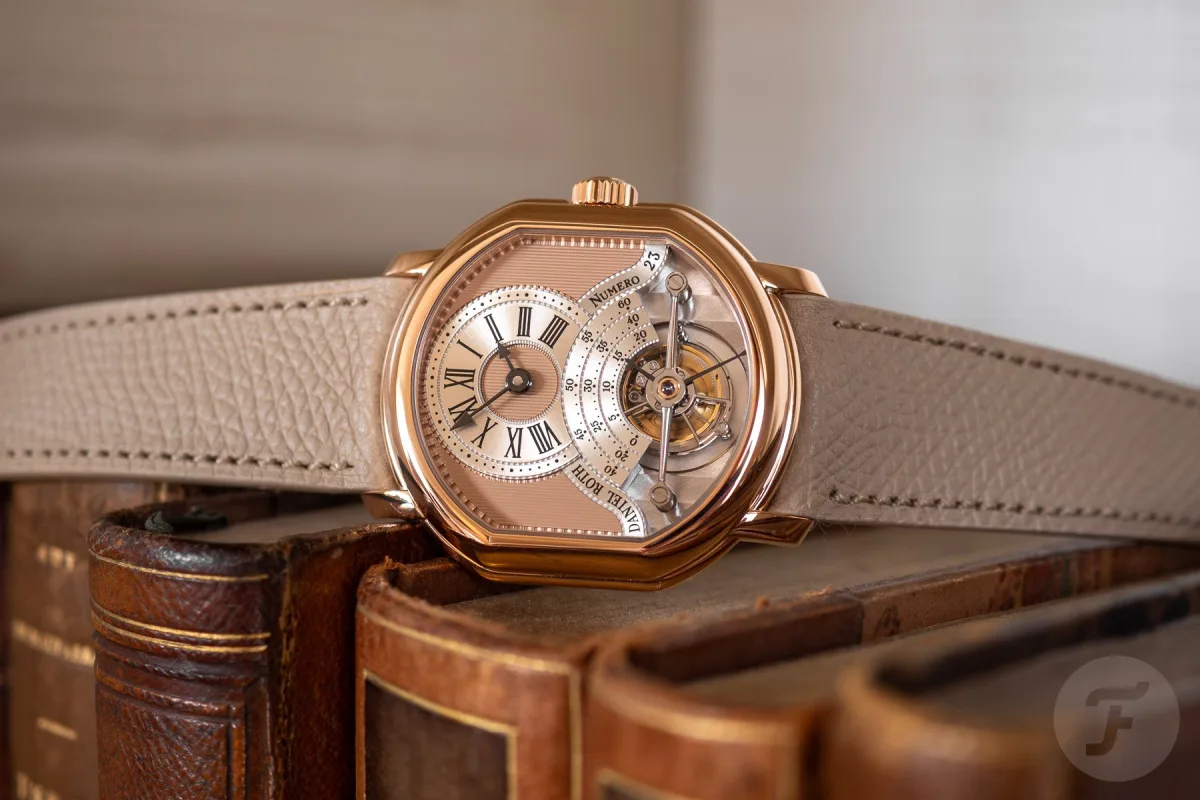
Swiss Heritage and History
Ilaria Resta views watchmaking as a national Swiss asset - a unique industry with immense historical, cultural, and social value. Attracting young Swiss to watchmaking will not only generate interest but also help form future personnel. The demand for watchmakers is constant, and attracting specialists requires not only decent pay but also awareness of the profession's significance as part of Switzerland's cultural heritage.
Numbers and Market Reality
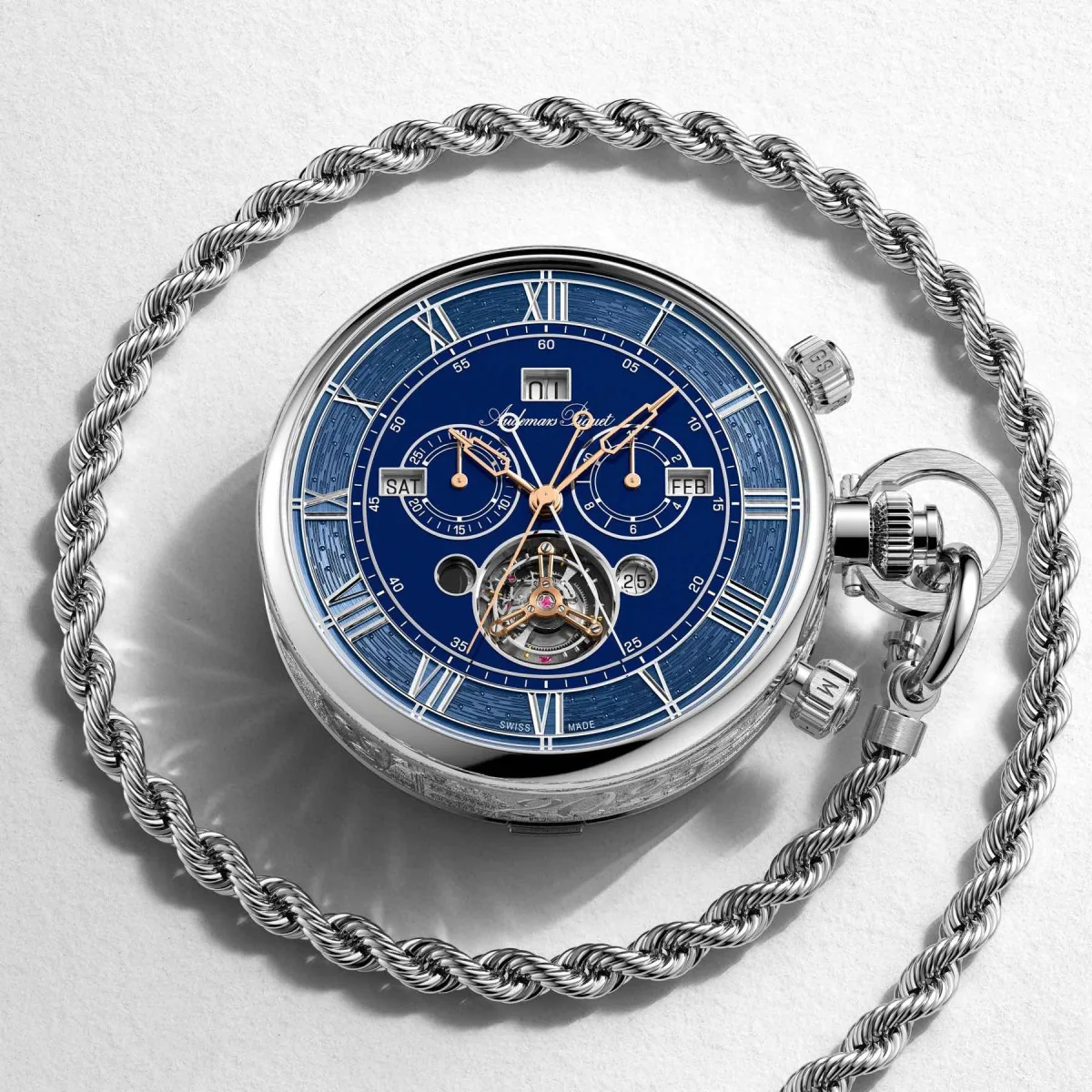
What about the public? How can watchmaking be inclusive with exclusive prices? Watch enthusiasts look with interest at complex models like the Audemars Piguet 150 Heritage, but what about the three new versions of the Royal Oak Offshore Diver in steel? In 2010, this luxury diver model cost €13,800, and today its price is around €30,000 - an increase of 117.39%. Considering inflation, €13,800 in 2010 is equivalent to approximately €19,770 today. That means the same goods and services now require about 43.26% more money, with average inflation above 2.27% per year.

The average net income has significantly increased since 2010, especially from 2013 to 2023. However, wage growth of 32.8% has lagged behind inflation - 37.7%, reducing purchasing power and real wages. For many, the dream of the Royal Oak Offshore Diver fades away.
Changing Perspectives in Horological Art
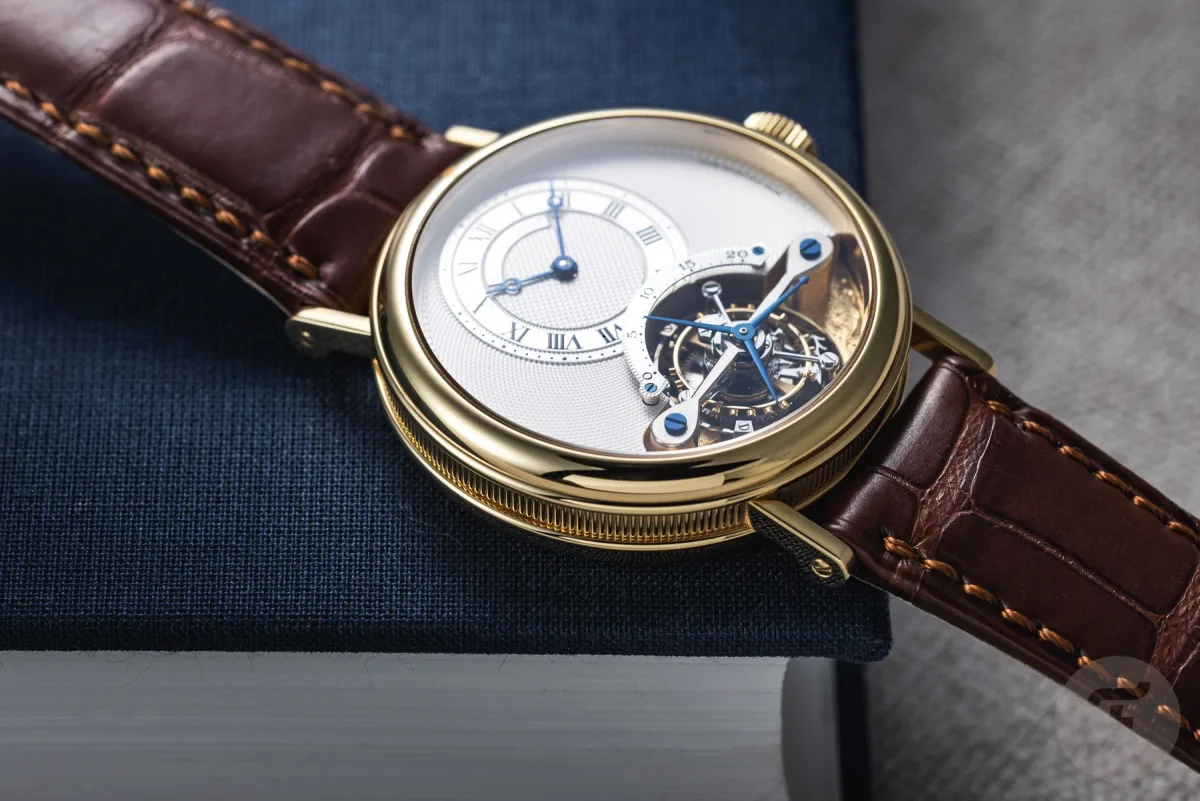
It is much easier to admire complex watch mechanisms from a distance. Most of these creations have always been more of a dream that wasn't necessarily meant to come true. Today, however, it's time for simpler models from various brands to gain "museum piece" status. But what if you're not interested in just looking at watches in a museum and treating watchmaking as an art form?
Perhaps a Formula 1 approach suits you if you want to enjoy high-class horological art in the future. Millions are passionate about Formula 1, fully aware they'll never drive a race car. Yet, they passionately follow the pinnacle of motorsport for various reasons: the spectacle, technology, drivers, and more. Formula 1 fans are dedicated, passionate, and loyal. They watch races and analytical programs, buy merchandise. Without fans, the sport is doomed.
The Need for Support in Horological Art Watchmaking also needs support. Yes, people should buy products, but they also need to become an integral part of the world of horological art to ensure its sustainability. Only an audience that understands what happens under the dial, is passionate about this process, and seeks to learn what else is mechanically possible in such a small space can ensure stability. The ecosystem of high horology needs not only wealthy buyers of elite items and those who look at the dial just to see if the brand name is trendy. In the end, trends come and go, while horological art, paradoxically, should remain timeless.
Creating Ambassadors of Horological Art
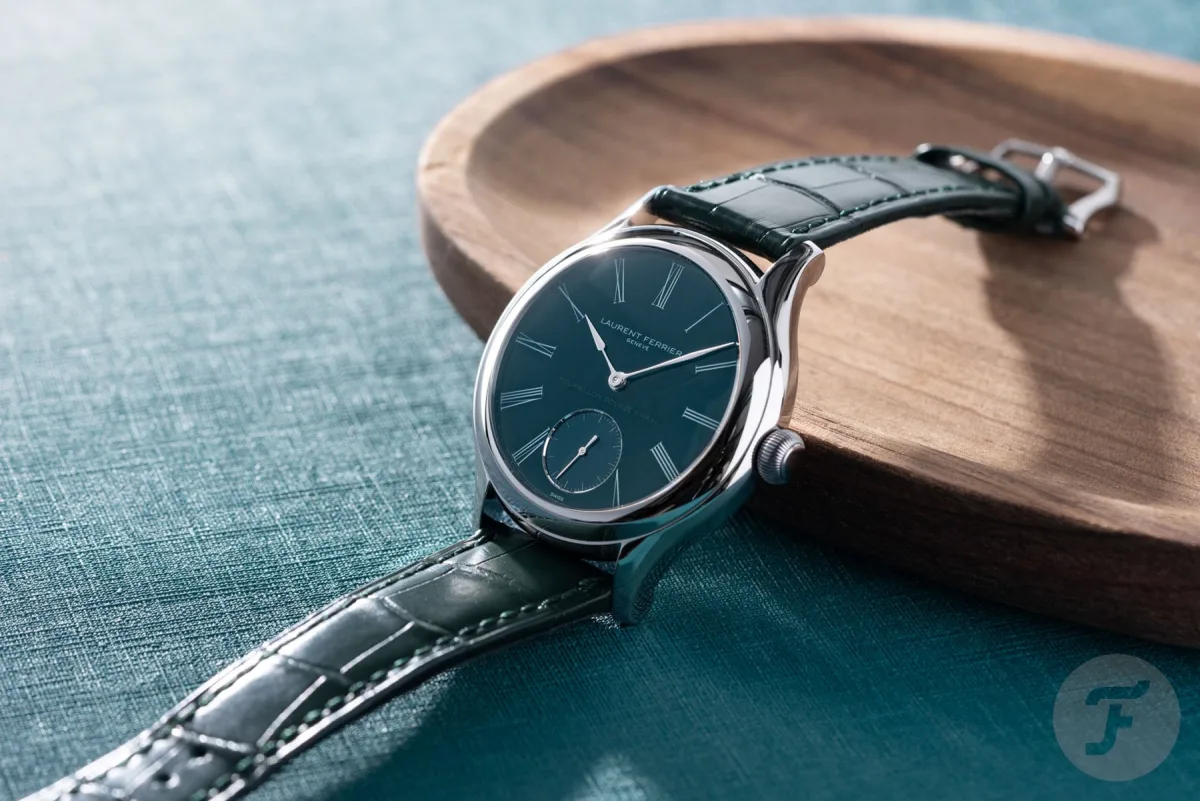
It's necessary to transition from desire to admiration, and this transition is only possible through education. An informed audience will appreciate the Powermatic 80 mechanism in the PRX model and admire the innovative perpetual calendar mechanism in the latest Royal Oak Selfwinding Perpetual Calendar.
They will become ambassadors of horological art. But where can such ambassadors be educated? Many brands have already opened their ateliers, but visitors allowed into the "holy of holies" are already part of the horological community: respected collectors and high-potential clients.

Educational Initiatives and the Role of Fondation de la Haute Horlogerie (FHH) There are other initiatives as well. Recently, the Fondation de la Haute Horlogerie (FHH) celebrated its 20th anniversary. As I wrote in an article on WatchTested, this non-profit organization aims to attract a new audience to horological art. Since its founding, FHH has been a driving force behind watch events and educational programs. Projects like Watches and Culture, FHH Forum, and FHH Academy have educated over 40,000 people and issued more than 15,000 certificates to students. Now, FHH is reaching out to a new group of watch consumers under the motto "Watchmaking knowledge for everyone."
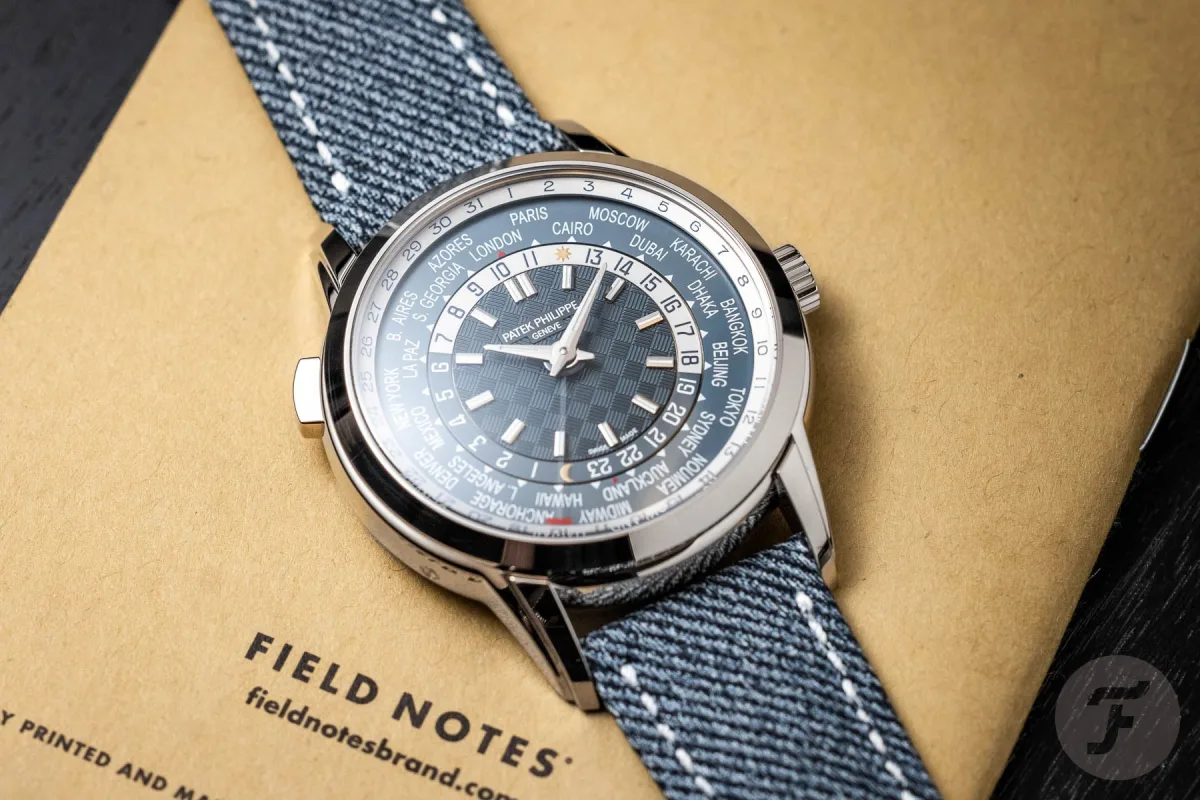
FHH's strategy, announced at the 20th-anniversary event, aims to "tell the story of horological art to a lively new audience beyond the traditional watch industry through a series of engaging initiatives and strategic partnerships designed to inspire the next generation of watchmakers and enthusiasts." The organization's headquarters are located on Pont de la Machine in central Geneva and include a public exhibition space.
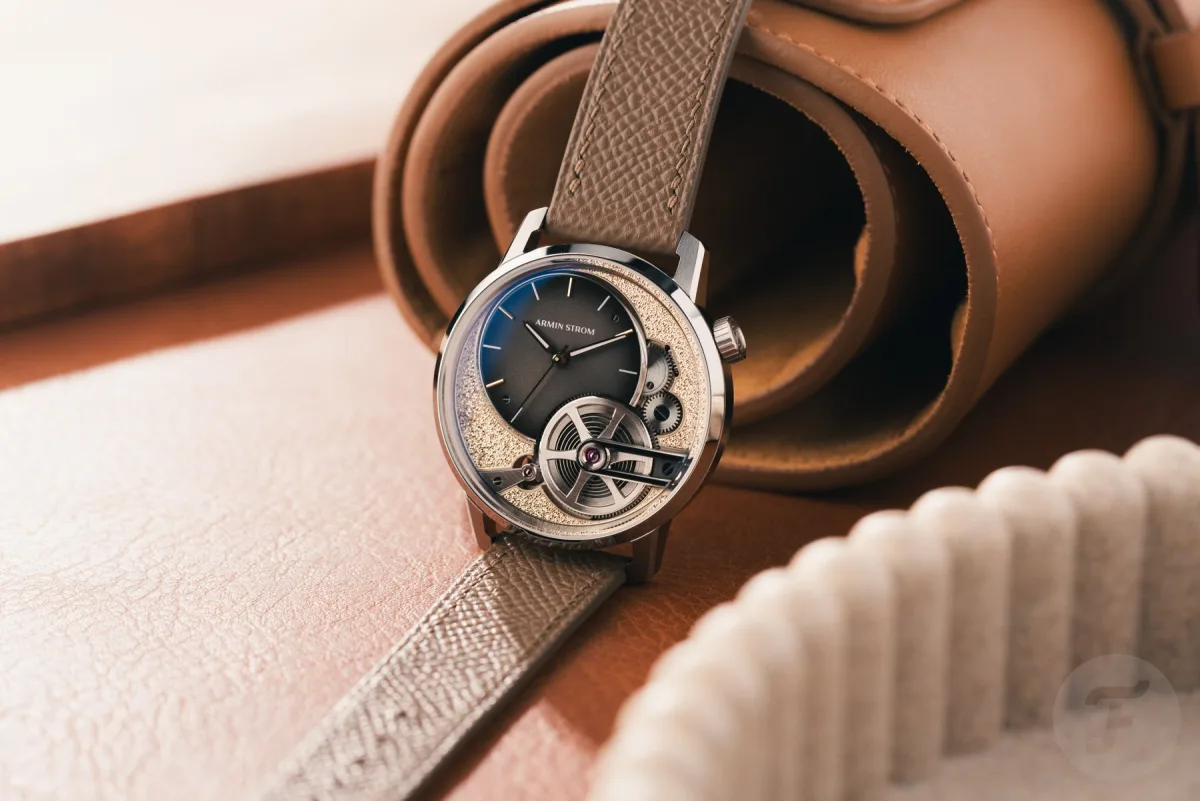
Education and Inspiration
La Maison des Arts & de la Culture Horlogère (MACH) Project Another initiative aimed at opening the world of mechanical and luxury watchmaking to the general public is the La Maison des Arts & de la Culture Horlogère (MACH) project. MACH is not just a museum and not just an exhibition center; it is the best of both formats, and its doors will open in an iconic building in the heart of Geneva next year.
MACH will educate and raise awareness of horological art across four floors, each 240 square meters. The cultural center of horological art sets six key tasks. One is to showcase the full diversity of horological heritage through exhibits from the Musée d’Art et d’Histoire de Genève (MAH), other museums, and private collections. Another important goal is to inspire the younger generation to choose a career in watchmaking. Additionally, the foundation aims to enhance Geneva's cultural offerings for residents and tourists.
The Future of Horological Art: Knowledge as the Foundation of Sustainability With brands, FHH, and the cultural horological center, there are many initiatives aimed at deepening the understanding of the watch world and penetrating under the dial, where the magic happens, to enchant, inspire, and attract both "ambassadors" and future professionals. The industry fully realizes that its future depends on how well people understand what watches are. Knowledge about watches has value. It explains why watches cost what they do. And this explanation makes people willing to pay the corresponding price.

Are you ready to change your attitude towards watches? Are you ready to change your thinking about watches? Ready to replace desire with admiration and perceive watches as objects of cultural and historical significance, to enjoy reading about innovative mechanisms instead of seeing them in action on the wrist, to visit educational centers as a student instead of flagship boutiques as a client? Please share your opinion in the comments.