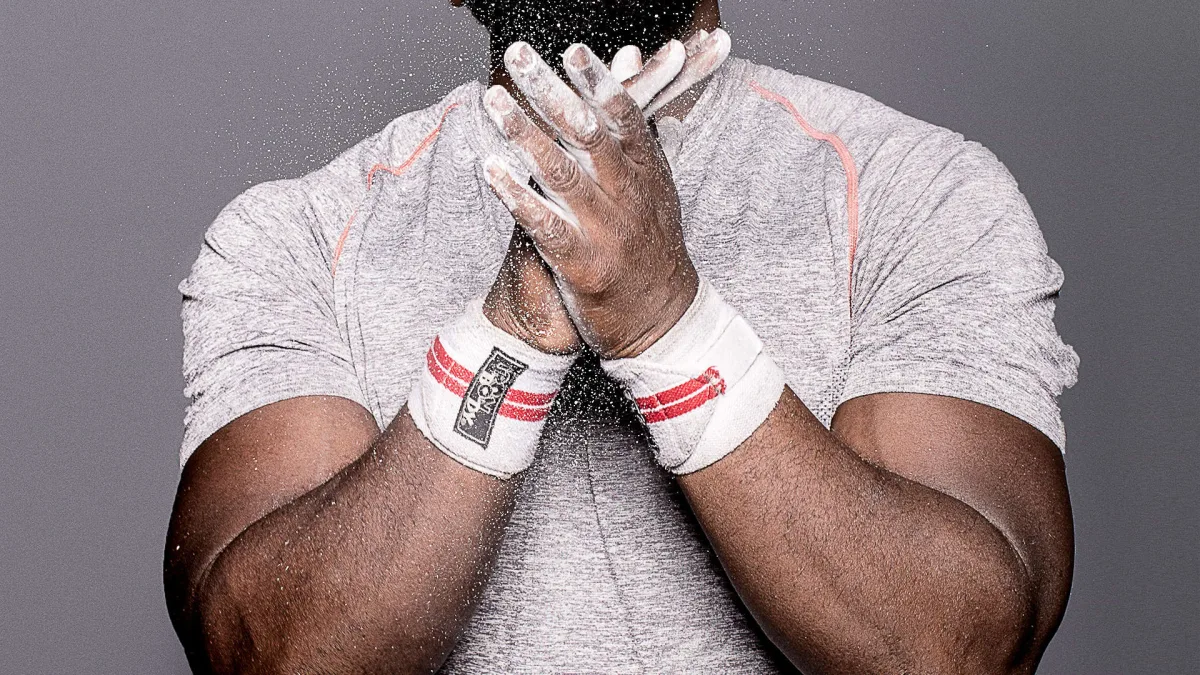
Wondering how to increase your wrist size?
If you feel insecure about having thin wrists, you've come to the right article. Check out these simple exercises to incorporate into your workout routine!
You might feel less confident because of skinny wrists. Maybe someone noticed and made comments that affected your self-esteem. Or perhaps you have average-sized wrists but wish they were thicker.
In any case, welcome. How do you increase wrist size? Below, we'll explain how to build your wrists without making significant lifestyle sacrifices.
In fact, these exercises are easy to incorporate into your daily routine. They will become part of your morning or evening ritual, and you won't want to revert to your old habits.
How to Increase Wrist Size?
So you're thinking, "How do I increase my wrist size?" Wrist curls, extensions, knuckle push-ups, and squeezing exercises are suitable. These include pull-ups, bar lifts, and deadlifts. You can also use hand grips.
It's important not to overdo the exercises, as this could negatively impact your daily life and halt progress for weeks. Remember, wrists cannot increase significantly in volume, so keep your expectations realistic.
How to Determine if You Have Small Wrists?
You realize you have small wrists when almost all modern watches seem too big for you. You try them on, and they literally "sink" on your wrist.
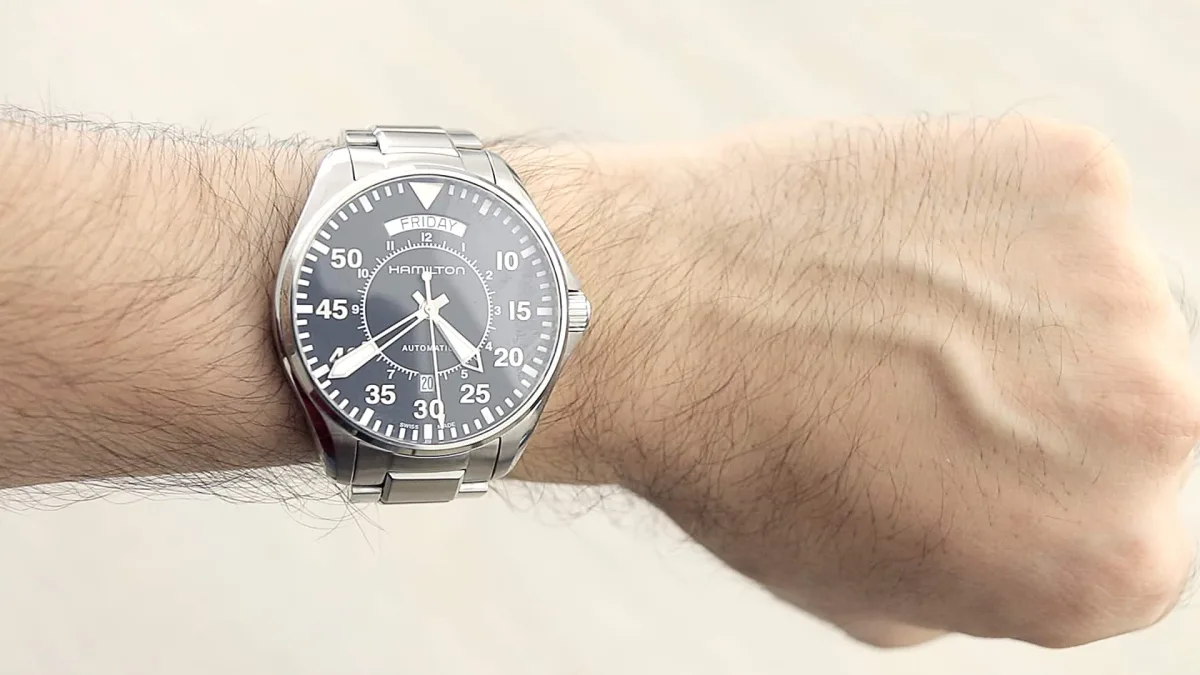
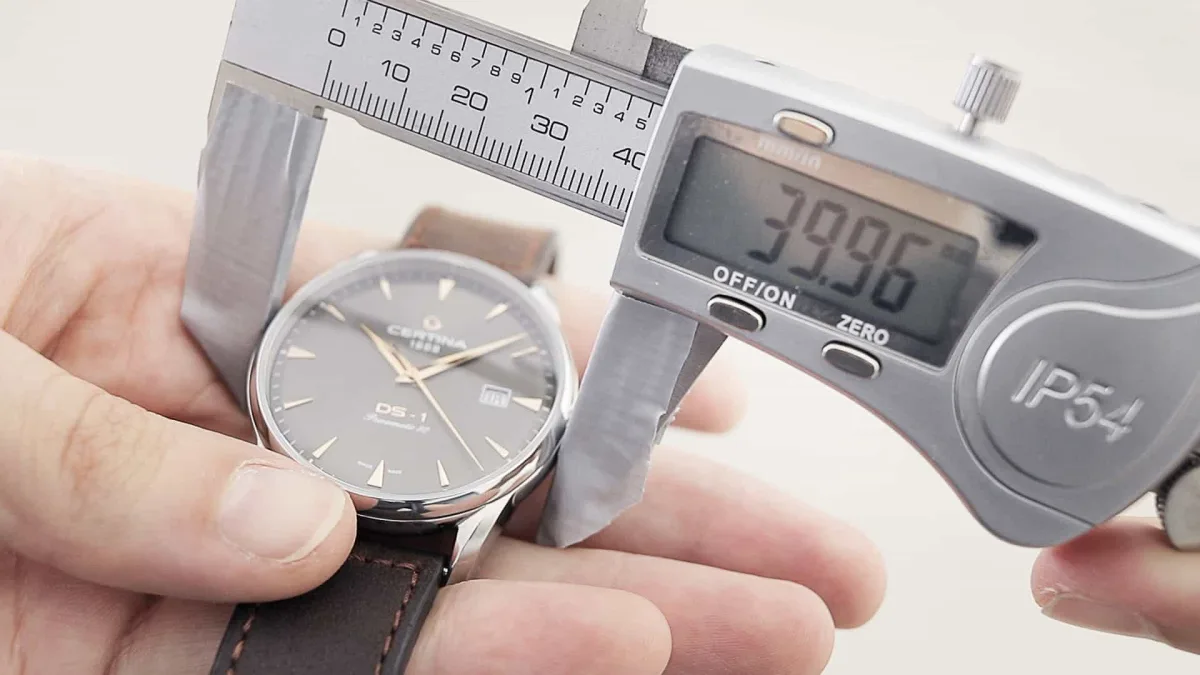
Most men's watches have a case diameter of 40mm and above, often around 42mm.
If your wrists are thin, such watches will appear bulky, and the lugs may extend beyond your wrist. Similarly, bracelets — whether beaded, rope, or metal — will be too loose.
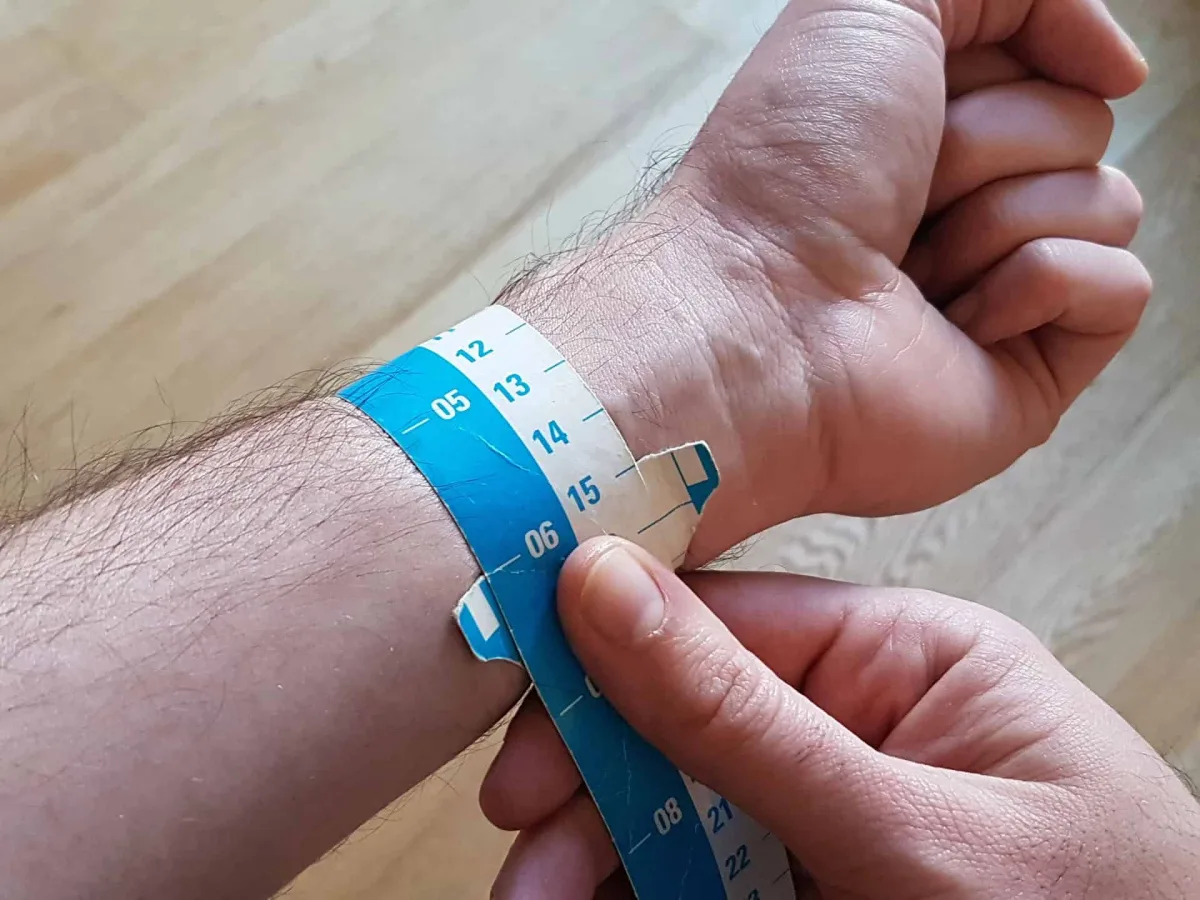
Knowing your wrist size makes it easier to choose a watch that fits. The simplest way to measure the circumference is to take a soft measuring tape and wrap it around your wrist just above the bone.
The result can be in inches or centimeters, depending on your preference.
Most men with a wrist circumference of less than 7 inches (17.8 cm) consider their wrists small. The average wrist size ranges from 6.5 to 7.2 inches, so larger wrists are less common.
However, exact measurement is not as important — perception plays a significant role.
While a case diameter of 36–38mm is considered optimal for small wrists, each watch case sits differently on the wrist. In our watch case guide, we briefly explain why larger cases can appear smaller.
Why Do You Have Small Wrists?
The size of your wrists is determined by the bone structure of your body.
If you were active during adolescence and engaged in physical activities with intense arm load, you likely have larger wrists.
If not, the radius and ulna bones, and their ends, formed closer together, leading to smaller wrist size.
Having small wrists is neither a deficiency nor a sign of poor health. It doesn't reflect your physical fitness or diminish masculine qualities. It's simply a feature of your body.
Most men with thin wrists know that most watch cases are too large. The good news is that trends are changing, and smaller watches are becoming more popular. If small wrists still bother you, keep reading.
Can You Increase Wrist Size?
The main question is, can you increase wrist size? The good news: with simple exercises, you can slightly increase wrist circumference and forearm size.
However, building wrists is a complex and slow process that takes time. Why is that?
Unlike arms, which have biceps and triceps muscles, wrists lack significant muscles. Therefore, their growth is limited.
What to do with small wrists? A less popular option is to gain weight. Fat tissue is deposited throughout the body, including the wrists, which can increase their volume. However, this is the unhealthiest method.
It's better to set this idea aside. We do not recommend gaining weight solely to improve how watches fit.
You can train your forearms to make your wrists appear thicker (to a certain extent). But this is not a quick process.
Workouts increase forearm size, but the ratio between forearms and wrists will increase, potentially giving the impression that wrists have become even smaller.
How to Increase Wrist Size: Four Effective Methods
Although on paper, increasing wrist circumference by a millimeter seems insignificant, like with a watch case, these millimeters can significantly change the perception of size.
There are many ways to increase forearms and, accordingly, wrists. Below are four main methods.
1. Wrist Curls and Extensions
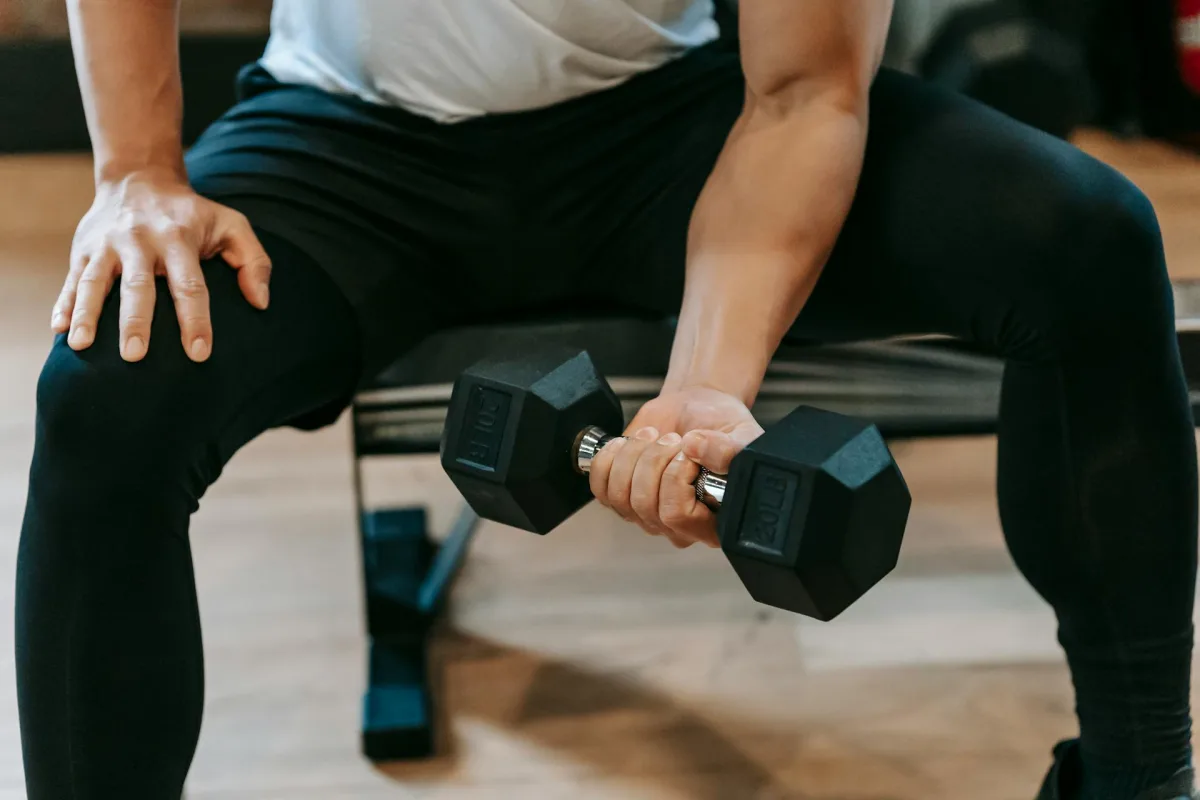
These are classic exercises for the growth of any body part, including forearms and wrists.
For hypertrophy, it is recommended to perform 3–5 sets of 8–12 repetitions. For example, 3×12 or 5×8. Train for 4–6 weeks. You can change the number of repetitions on each hand to track the difference in progress.
Wrist extensions work the outer part of the forearm.
Take any weight, place your forearms on a flat surface with palms down, hands hanging over the edge. Lift your hands upward without moving the rest of your arm — as if you were twisting a bike throttle.
Wrist curls are performed in the same position, but with palms facing up. Lift your hands towards the ceiling without moving the rest of your arm — it's a mini-version of bicep curls.
Dumbbells, kettlebells, or a barbell are suitable for these exercises. All of them require gripping the weight with your hands.
While you can increase wrist size without weights, training with a load gives faster and more noticeable results.
Rubber expanders are a budget-friendly and convenient option. They are compact, easy to store, come in varying resistances, and effectively work the forearms.
2. Knuckle Push-Ups

Push-ups are a great way to strengthen your wrists at home. But not the usual ones — knuckle push-ups.
Knuckle push-ups are performed with clenched fists, where the support comes from the knuckles. Unlike classic push-ups with open palms, the load is distributed differently here.
This exercise heavily engages the forearms and wrists, as fists are clenched for balance. As you lower your body, you'll feel lateral forearm work.
Keep your thumbs outside your wrists to avoid injury.
If full-weight push-ups are challenging at first, start with kneeling knuckle push-ups. Gradually increase the number of repetitions to 20–30 per set before moving on to full push-ups.
Hand placement is usually shoulder-width apart, but you can vary the distance to increase difficulty.
You can place your wrists on the floor in two ways: traditionally or turned 90° outwards. Both options effectively work the forearms — choose the one that's comfortable for you.
Knuckle push-ups may cause discomfort due to the load on the knuckles. Special push-up handles make execution easier and the process more comfortable.
3. Pull-Ups, Bar Lifts, and Deadlifts
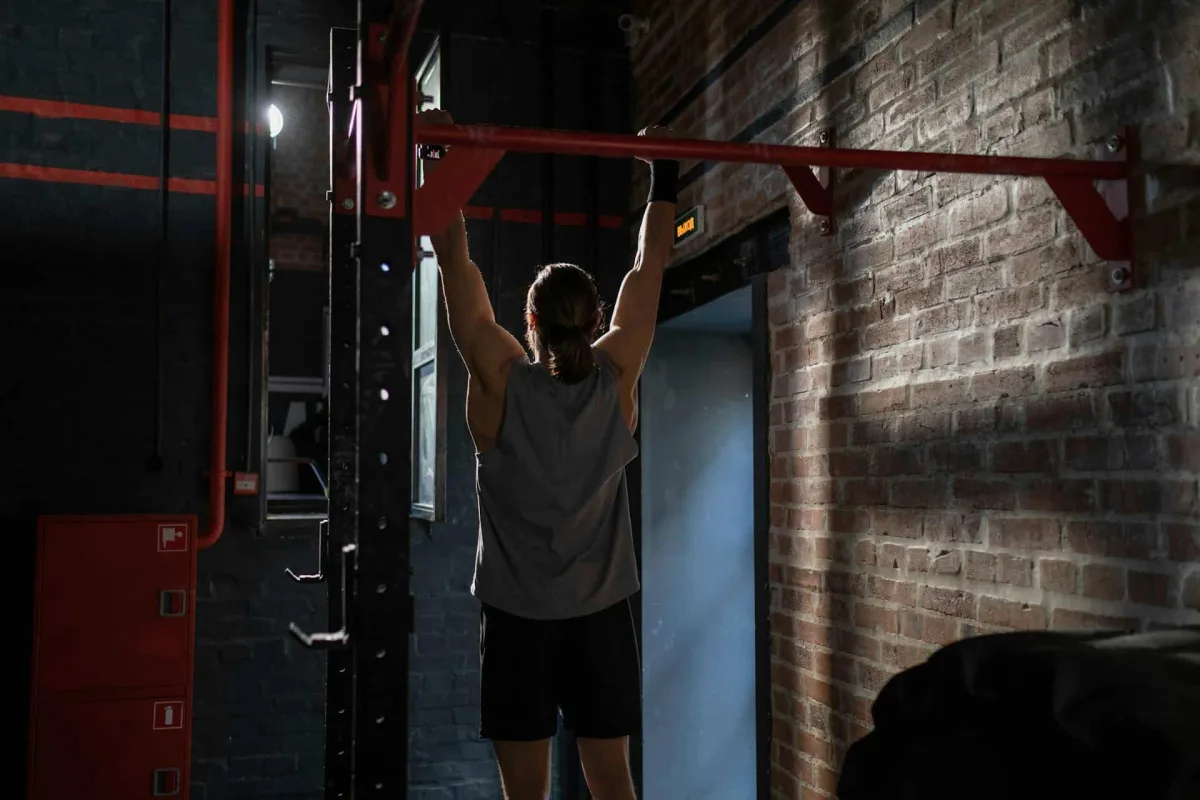
Now on to serious exercises. Pull-ups, bar lifts, and deadlifts are excellent for thickening the wrists.
Any exercise with heavy weight and a strong grip on the barbell or bar effectively stimulates forearm growth.
Main Exercises in the Gym:
- Pull-Ups — develop the upper back and improve posture.
- Bar Lifts (inverse grip pull-ups) — place more load on the biceps.
- Deadlifts — a basic exercise engaging all major muscle groups: glutes, thighs, abs, and back.
These exercises require a gym membership, but they significantly strengthen the forearms and wrists.
4. Hand Grips
There are many devices for training forearms and wrists, but hand grips are the most convenient.
They allow for a strong hand squeeze, which effectively works the forearm muscles. In mechanics, this resembles previous exercises, but with the advantage of being able to train anytime, anywhere.
An example set of two hand grips can be found on Amazon. They are inexpensive and compact, perfect for home workouts without bulky equipment.
Don't overdo it! It's easy to get carried away on the first day and overtrain muscles, leading to pain the next day. The key is patience and gradual progression.
Important Recommendations and Precautions
I am not a personal trainer or doctor, so be sure to consult a specialist before starting any training.
Main Recommendations:
- Check with a doctor to ensure there are no contraindications to training arms, forearms, and wrists (e.g., carpal tunnel syndrome).
- Always perform stretches before and after each workout to prevent injuries.
- Use the full range of motion — small movements in the middle of the amplitude will not yield results.
- Work slowly: 1 second to lift, 3 seconds to lower with no pauses.
- Train no more than three times a week to avoid overtraining and setbacks in progress.
- If you feel pain — stop immediately and consult a doctor.
- Remember that results will appear in weeks or months, and wrists will not increase significantly.
Conclusion
There is no quick answer to the question "How to increase wrist size." There is no fast way to increase wrist size — it takes time and persistence. If you're ready to try, these four exercises will be a good foundation.
Interestingly, some bodybuilders consider small wrists an advantage: their thinness makes forearms look more massive.
If you love watches, you can choose models with tapered lugs that fit snugly on the wrist, or with large hour markers creating the illusion of a smaller case.
Or it might be better to accept your wrists as they are. Then you won't constantly ask, "How to increase wrist size?"
This will relieve you from unnecessary emotional and cognitive stress. You'll stop perceiving your wrists negatively or won't notice them at all. Acceptance is already halfway to harmony.
We wish you success!