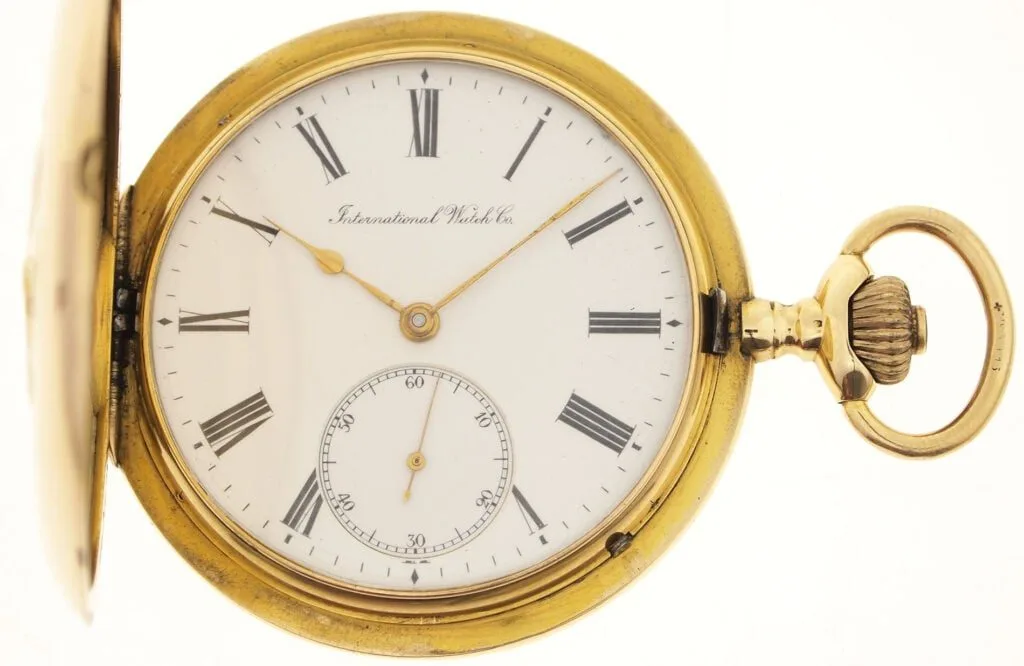
IWC simply stands out from other watch brands.
Not only is it one of the few Swiss-German brands in the watch industry, but it is also a manufacturer that prioritizes an engineering spirit. In this article, we trace the roots of this brand's DNA and the path that led IWC to become the company it is today.
IWC's Origins
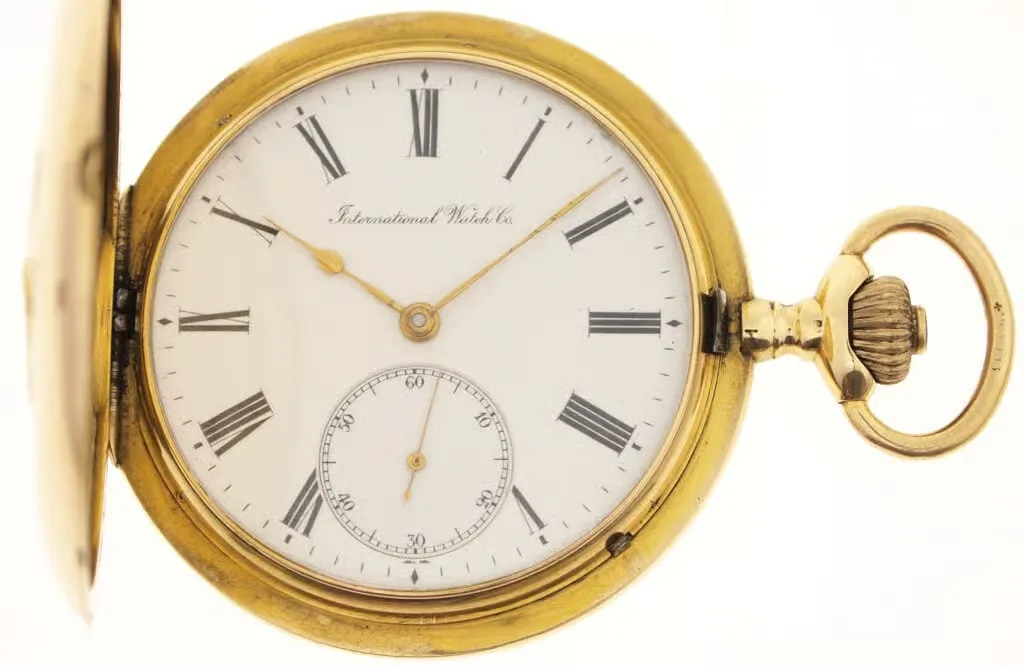
IWC (International Watch Company) traces its history back to 1868, when American engineer and watchmaker Florentine Ariosto Jones founded a watch factory on the grounds of a former monastery in Schaffhausen, Switzerland, and began producing technically advanced pocket watches. From its inception, IWC has applied an industrial approach to watchmaking, combining the artisanal knowledge of Swiss watchmakers with modern technology and the hydroelectric power of the nearby Rhine.
The Birth of the Pilot and Portugieser Collections
In the 1930s, IWC developed two watch collections that remain among the most popular today. In 1936, the company introduced what are perhaps IWC's most famous watches: the first watches specifically designed for pilots. Three years later, two Portuguese importers commissioned the development of large wristwatches equipped with pocket watch movements - thus the IWC Portugieser model was born.
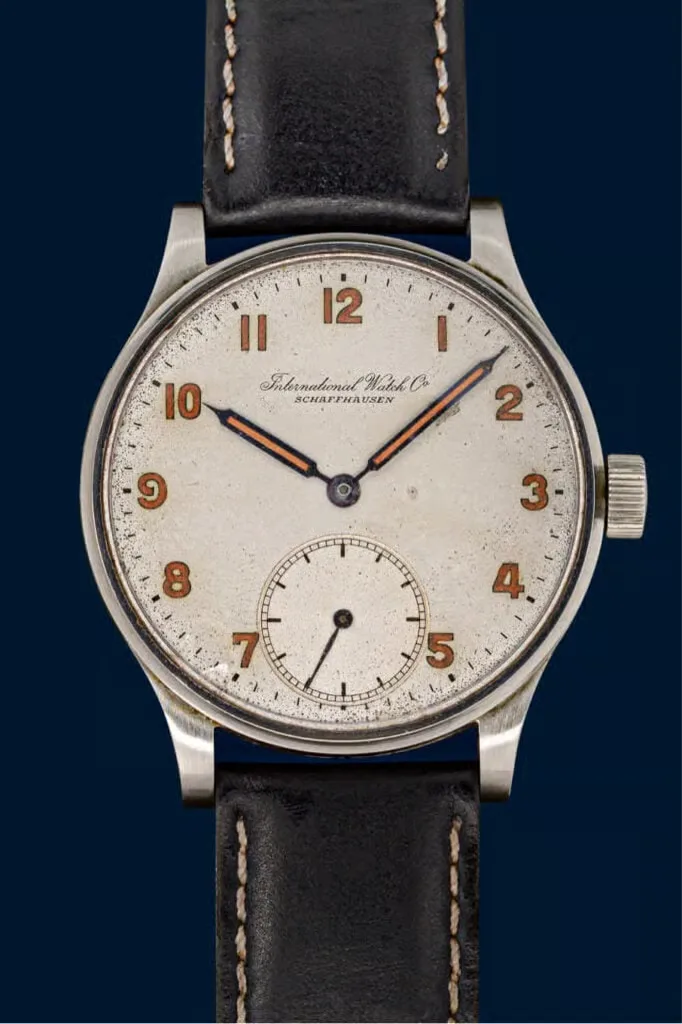
IWC Portugieser from the 1940s
The Post-War Era
The economic boom of the post-war period positively affected the watch industry, but it also posed new challenges. The widespread introduction of technology into everyday life led to an increase in magnetic fields affecting watch accuracy. Albert Pellaton, IWC's technical director at the time, was determined to solve this problem with inventions like the soft iron inner case. This signature IWC feature protects the movement from magnetic fields and is still used in pilot watches. However, Pellaton's most famous invention was a new winding mechanism, now named after the IWC watchmaker. In the Pellaton system, the winding wheel is engaged from both sides by pawls, enabling a power reserve of up to seven days - a revolutionary achievement both then and now.

Vintage IWC with Pellaton winding system
New Arrivals
In the subsequent years, IWC released several important watch models, including the first IWC Ingenieur in 1955 and the Aquatimer in 1967, which became the first diving watches ever produced in Schaffhausen. During this time, the company also helped develop the first Swiss quartz movement, the Beta 21, which in turn powered the first IWC Da Vinci watches. Models from this collection remain popular today.

IWC Da Vinci with Beta 21 quartz movement
IWC and the Quartz Crisis
Like all brands, IWC was greatly affected by the quartz crisis. However, instead of shifting its focus, IWC returned to the brand's core values, primarily technical excellence. In the midst of the quartz crisis, the company produced the first titanium watch cases in the world, establishing itself as a material science expert. IWC also made a name for itself in the world of watch complications, with Kurt Klaus shaping the brand's history. In the mid-1980s, his perpetual calendar appeared in the Da Vinci collection, and soon after, to celebrate the company's 125th anniversary, IWC released the Il Destriero Scafusia model, which at the time was the most complex mechanical wristwatch in the world.
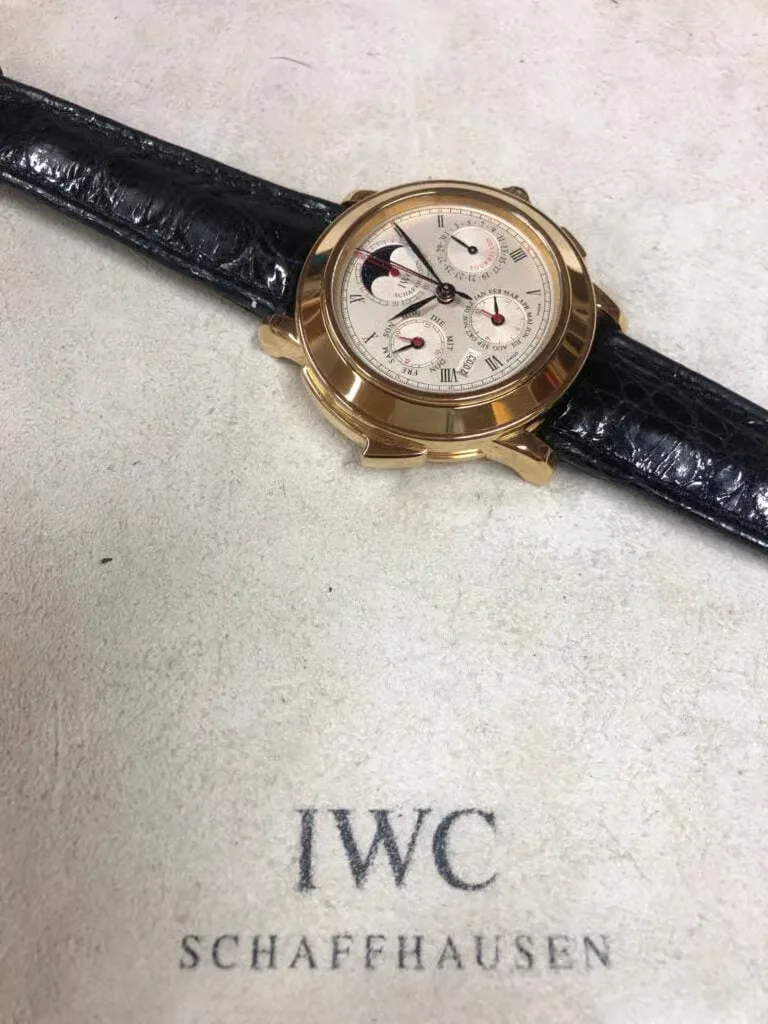
IWC Il Destriero Scafusia
The End of the Quartz Crisis
While the end of the quartz crisis changed economic conditions, IWC continued to focus on research and technology in materials. Whether it was the release of the first wristwatches with a bronze case or the development of Ceratanium® and new ceramic alloys, IWC has been and remains a leader in materials science - in no small part due to its collaboration with Formula 1. Of course, the company did not forget about horology, developing new complex complications such as the double moon indicator, which was added to the perpetual calendar.
IWC's Legacy Today and Tomorrow
In 2023, IWC updated the Ingenieur model for the 21st century, subtly modernizing Genta's original design. In 2024, the brand revolutionized the perpetual calendar by releasing the Portugieser Eternal Calendar. These watches not only perfectly account for the rule of excluding a leap year from the Gregorian calendar. Additionally, they display the phases of the moon with such precision that in 45 million years (!) the deviation will be just one day. These are just some of the ways in which IWC adapts its rich heritage to modernity and makes watchmaking history. The brand remains true to itself and its mission: to dedicate itself to creating a future worth living, where durable watches are valued and constantly improved. After all, the engineer's ethos is to take responsibility for the past, present, and future. And IWC actively participates in shaping all three directions.

IWC Ingenieur (2023)