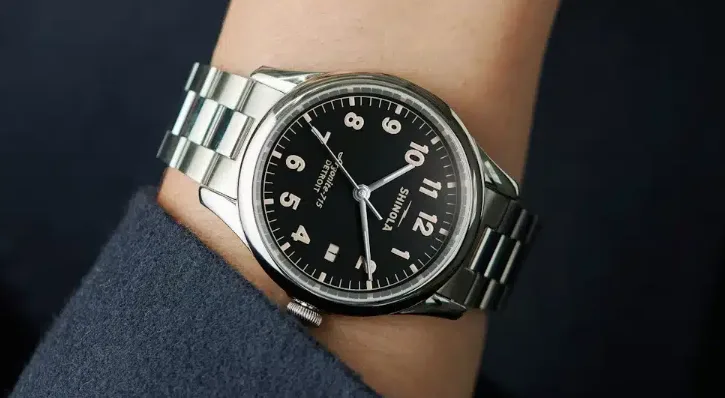
Shinola has its niche, but is this brand masking itself as something it is not? Here's my opinion on Shinola and Tissot.
Creating a comparative review of Shinola and Tissot, it's hard not to express an unbiased opinion. While both companies produce watches in the mid-price range, they operate completely differently.
If you want to know how Shinola stacks up against the Swiss watch brand Tissot, read on.
Shinola
Any business that wants to establish itself in Detroit is big news. The devastating industrial collapse and decline of the city's automotive industry from the 1940s to the 1960s was, in the end, catastrophic.
Undoubtedly, something needed to change, but I'm not sure if Shinola was the answer. And here's why.
Not Quite What's on the Box
When Shinola was launched, Detroit residents started to get excited. The hope of restoring pride to the city, along with jobs, sounded promising.
Initially, it seemed that Shinola was saying and doing all the right things. The brand aimed to bring a nostalgic charm back to watchmaking and revive a thriving cultural and artistic scene.
In 2011, Shinola, owned by Fossil Group, was nothing more than an embryo in the world of horological art. The brand offered debut Runwell watches in limited quantities, which were instantly sold out.
Things were going well.
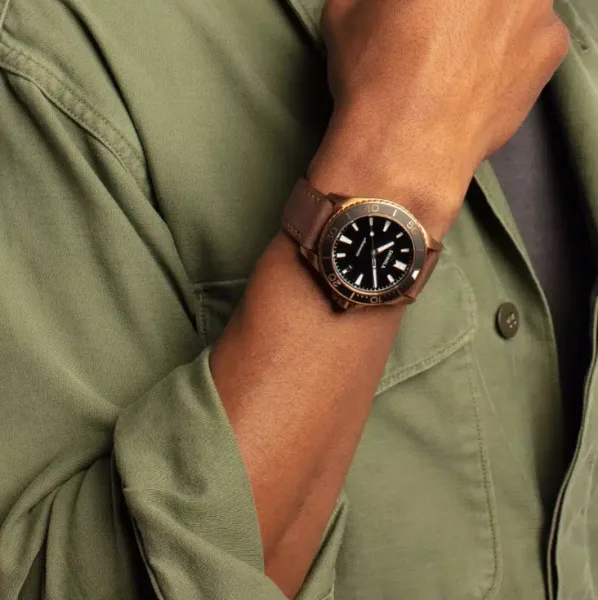
Shinola watches reflected the blue-collar style of the city, but there was one problem. Their prices were high, despite the brand equipping them with quartz movements.
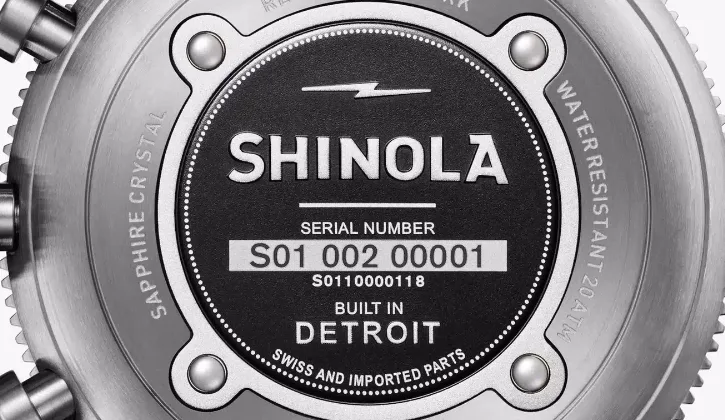
Furthermore, they bore the inscription "Built in Detroit." It turns out this claim doesn't stand up to scrutiny from watch experts!
You see, "Built in Detroit" is quite different from "Assembled in Detroit," and the latter was certainly true for Shinola.
Unlike other competitors, the company supplies components from Asia and packages them in cases in Detroit. By the way, this does not mean "Made in America" or even "Assembled in Detroit."
To be pedantic about this and claim the title "Made in America," companies need American-made watch parts. "Tut-tut" Shinola!
Of course, there's nothing wrong with sourcing components from outside the country and assembling them at your facility. As long as you don't glorify this.
But people were annoyed by the false claim that these watches were American. Moreover, they came with quite a high price tag!
Paying Through the Nose
By general consensus among enthusiasts, the prices of Shinola watches are just absurd for what they are. And I can't disagree with that.
Ronda quartz movements in Shinola watches don't cost much. And yet you'll be lucky to find a Shinola watch priced under $500.
The company's chronographs cost no less than $1,500. This isn't too reasonable when you consider that the brand equips these high-end models with automatic movements.
But if you think about it, respected brands like Oris, Tudor, and Omega aren't too far off from this price range. Suddenly, Shinola watch prices start to seem a bit ridiculous.
It's not to say that Detroit has greatly benefited from Shinola's success. Sure, the business brought some jobs to the city, but there's nothing "made in Detroit" about these watches.
That said, Shinola doesn't make ugly watches. The company also doesn't rest on its laurels. I'm just not sure these watches can seriously compete with rival companies considering their price and quality.
Tissot
Tissot is a much older brand, with years of know-how, horological wisdom, and experience behind it. Its range includes chronographs, dress, and sports watches - all produced in the heart of Le Locle.
Practically from day one, Tissot has strived to achieve new frontiers and influence the future of watchmaking.
As an example, consider its many horological achievements: The world's first anti-magnetic watch, 1930. The world's first plastic mechanical watch, 1971. The RockWatch, designed in 1985, made from granite sourced from the Alps.
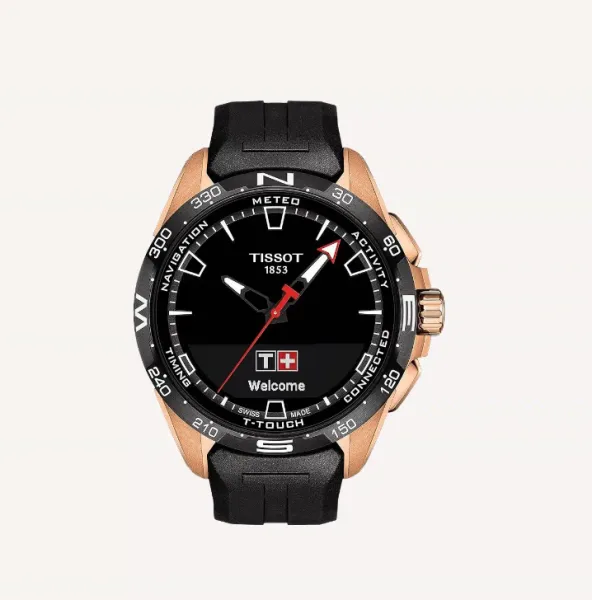
Tissot also developed the first watches with both analog and digital displays. This innovation was followed by the T-Touch model (the first model with a touchscreen). Just ten years ago, the manufacturer released the first solar-powered touchscreen watch.
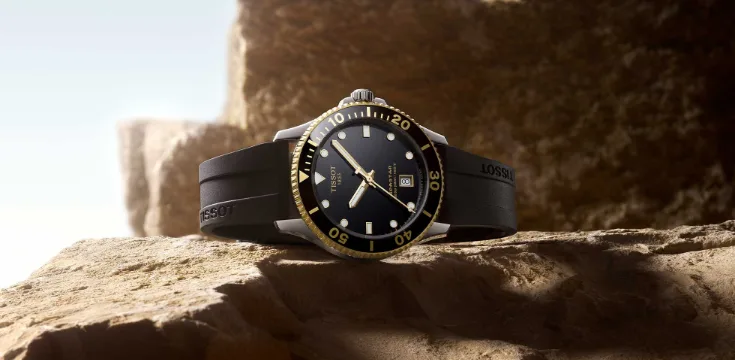
Whatever design you choose, Tissot watches are about innovation. You can buy them at an affordable price! This brand may not stand alongside Rolex, but it certainly has devoted fans.
The market for pre-owned vintage Tissot watches is also huge. Anything over 25-30 years old can be considered vintage, so they are widely available. Furthermore, Tissot operates on a large scale, so there are plenty of vintage models (and they're affordable!).
Affordable Quality
Like any other watch brand, Tissot has a premium line. The cost of these models can reach around $3,000, but for that money, you can expect a beautifully crafted 18-carat gold case.
Many of Tissot's most popular watch collections have a clear, recognizable identity. Take, for example, the "T-Classic." This series features chronographs and technical models like the Chrono XL Classic, and the PRX looks very sporty.
Additionally, there are models from the T-Gold collection - a place to find timeless design. These 18-carat gold dress watches perfectly complement formal or sophisticated outfits.
Even more popular are the watches from the T-Heritage collection. These models, inspired by vintage motifs, are dedicated to the brand's most iconic models from the past.
The T-Sports collection is aimed at athletes and sports enthusiasts. It includes the PR516 model, a mechanical chronograph with bright colors, and the 1000-meter water-resistant Seastar 1000 model.
Shinola vs Tissot - How Do They Compare?
There are many watch brands that use ready-made movements. So why is Shinola so disliked?
Considering that the Ronda movement costs just over $20, Shinola watches priced at $1,500 seem outrageous. Some Tissot watches cost more, but this brand uses Swiss-made components and assembles them in Switzerland.
However, the real difference between Tissot and Shinola lies in the finishing of the watches.
Many feel that for its $600 price, the Runwell's finishing leaves much to be desired. Don't forget, this is one of the brand's entry-level models and should serve as a "taster."
In comparison, the Tissot Gentleman costs around $400 and boasts a polished and matte finish on the bracelet and case.
Despite Shinola's efforts to introduce more in-house elements, it will take considerable effort to convince those who have already been put off.
Truth be told, when a collector sets out to buy a watch, factors such as historical heritage and proprietary materials matter a great deal. As do quality movements and a strong brand identity. All of these values are already present in many respected brands in the industry with similar pricing.
Conclusion
It's difficult to navigate the mid-price watch industry. Some brands command respect for their quality and heritage. Others try to cut corners and use innovations from other brands.
When it comes to Shinola vs Tissot, I always choose Tissot. I like the idea of an authentic, "salty" brand that prides itself on its transparency. Tissot doesn't need to be anyone else but who it is. A tried and trusted watchmaker for over 160 years.
As for Shinola, the way this brand entered the scene will forever taint my opinion. I can't shake the thought that the opening of the company in Detroit was less about helping a crumbling city. Instead, it was a strategic business ploy.
Do you agree or disagree? Let us know on our Telegram channel!