Another Friday, another Top 5!
After last week's auction article, it's time for something different. For this article, we've selected five stunning vintage Piaget watches that showcase the brand's genius in creating stylish bracelet watches. We've chosen five vintage gold models from the 1970s-80s that will instantly elevate your baller status. So be prepared to see some old-school bling. But don't think these watches lack horological merits. Some are equipped with exquisite ultra-thin mechanical movements. It's time to learn more.
This week's Top 5 is a classic "love it or hate it" list. You'll either find yourself attracted to these watches or not at all. Opinions among the WatchTested team are also divided. Some colleagues love good gold watches that mimic bracelets, while others prefer to avoid such things. Therefore, this list may spark quite a bit of discussion. But let's not forget, some of the watches in this list feature Piaget's super-thin mechanical movements. So it's not just about the looks. Although, honestly, most of us judge these watches by their appearance. So, without further ado, let's dive into the list of five gold Piaget watches that will make you a true baller, all at very democratic prices!
Piaget Polo ref. 7131
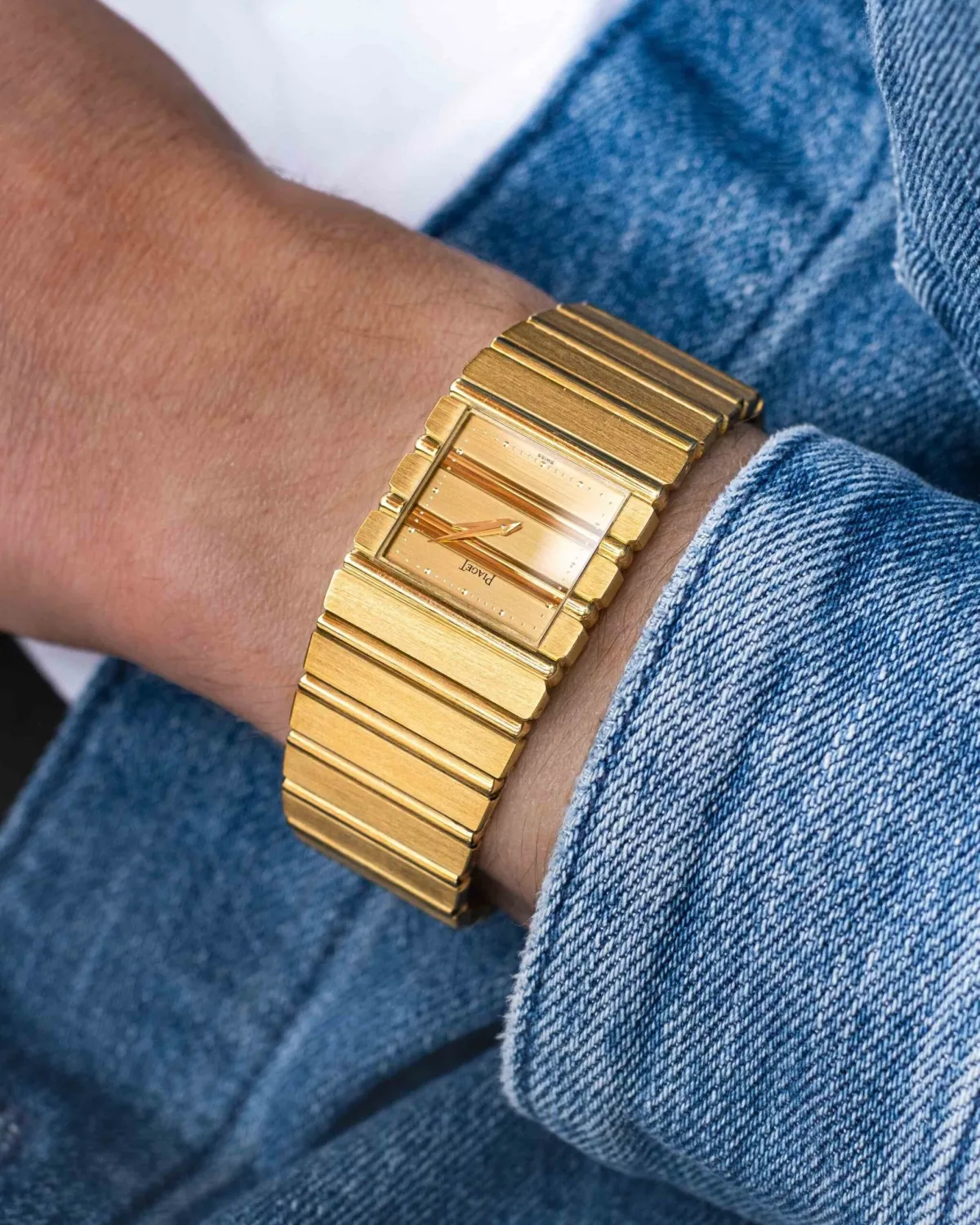
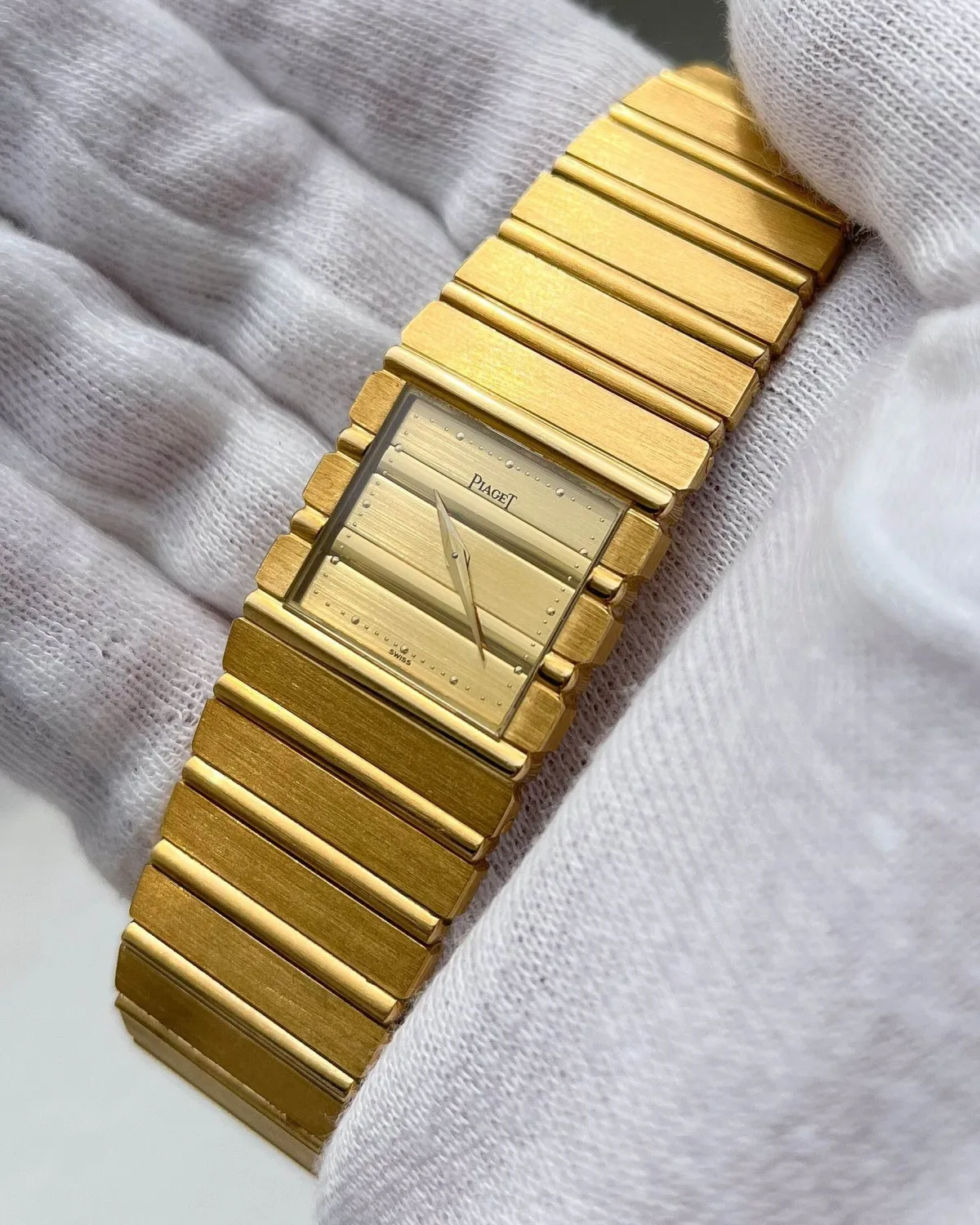
We start with the original Piaget Polo model - not the round one recently reintroduced, but the square one. The Piaget Polo ref. 7131 debuted in 1979 and remained in production until 1990. The square version may not be as popular as its round counterpart, but thanks to its shape, it's a more fitting option for bracelet watches.
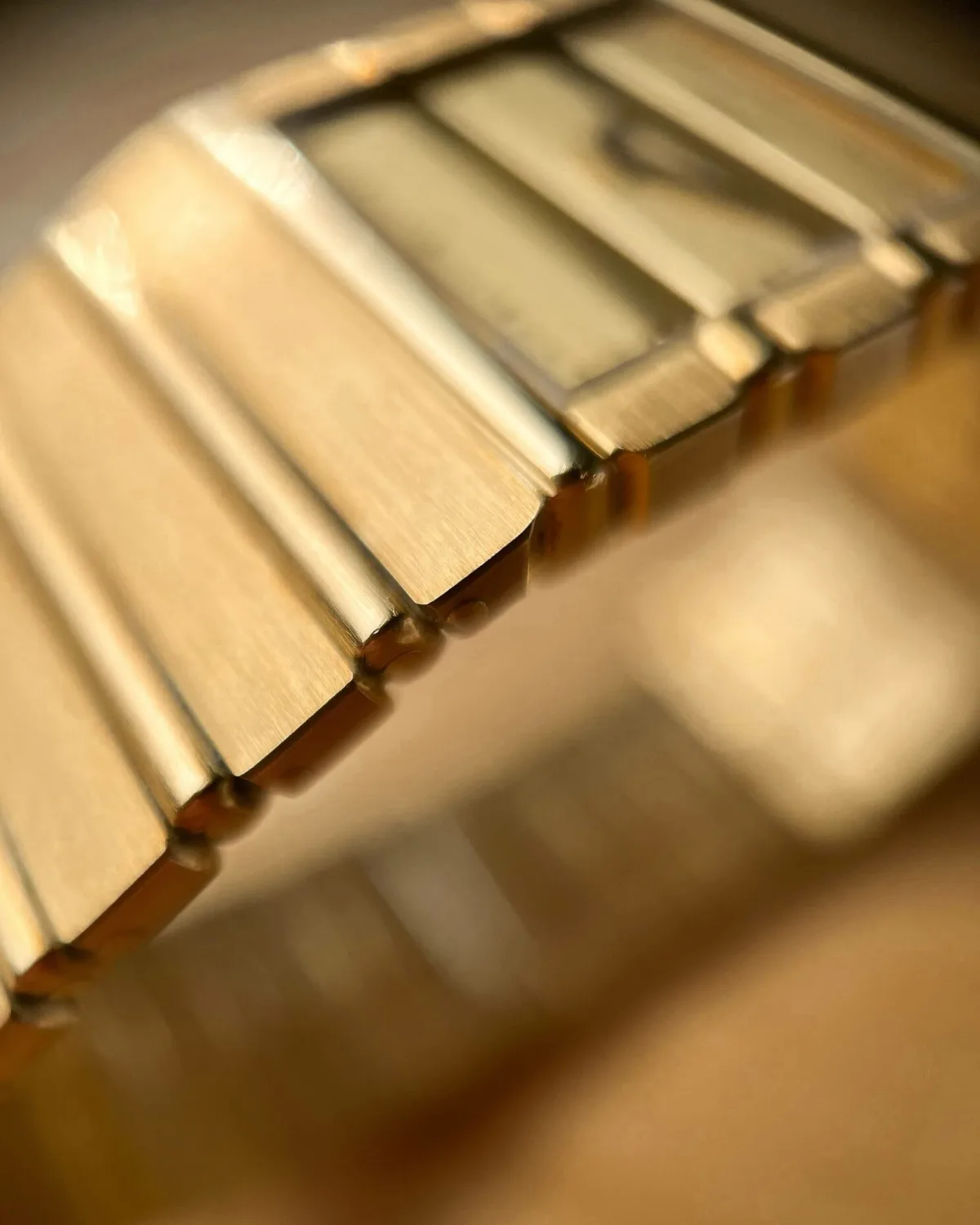
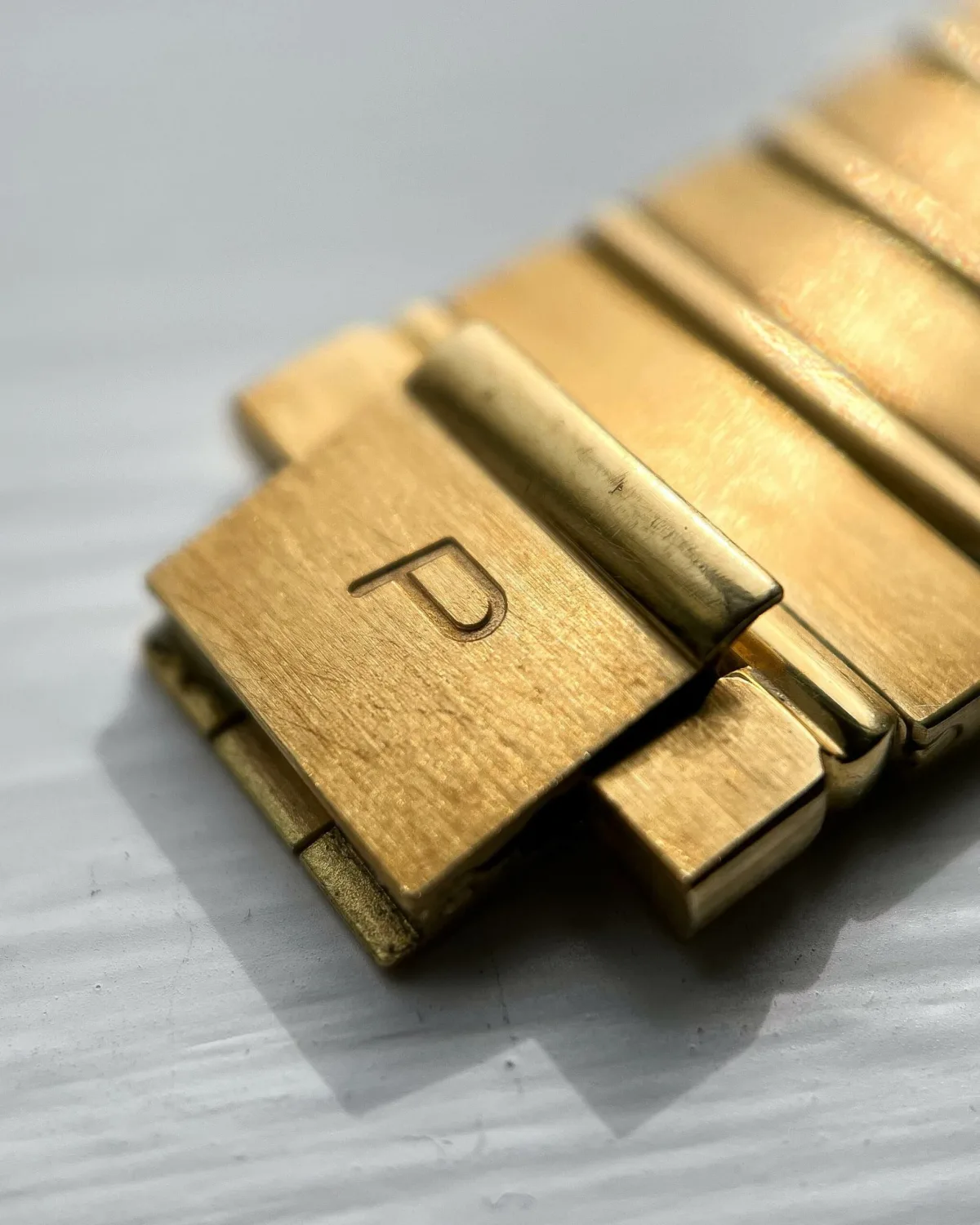
The watch has a modest width of 25 mm, but don't be fooled. The watch is made of solid 18-karat gold and will stand out as soon as you wear it on your wrist. The watch features a stylish satin finish with now-characteristic polished horizontal gadroons.
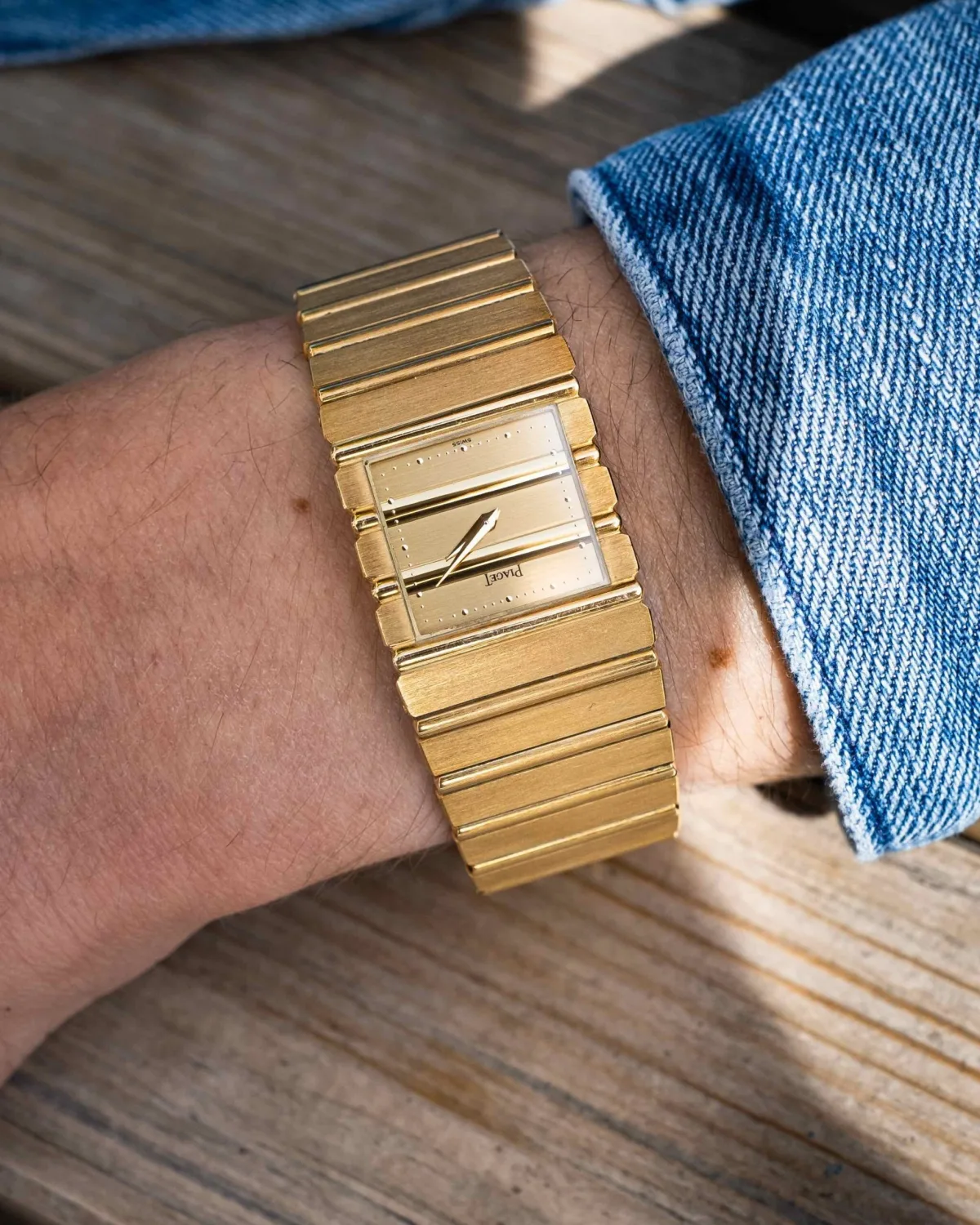
As many of you know, most Piaget Polo watches from this era were equipped with quartz movements. The brand created a few automatic versions of the square model (ref. 5131), but they are rare. Those that appear at auctions sell for ridiculous prices, having become true collector's items. For the ref. 7131 model, Piaget used their quartz caliber 7P.
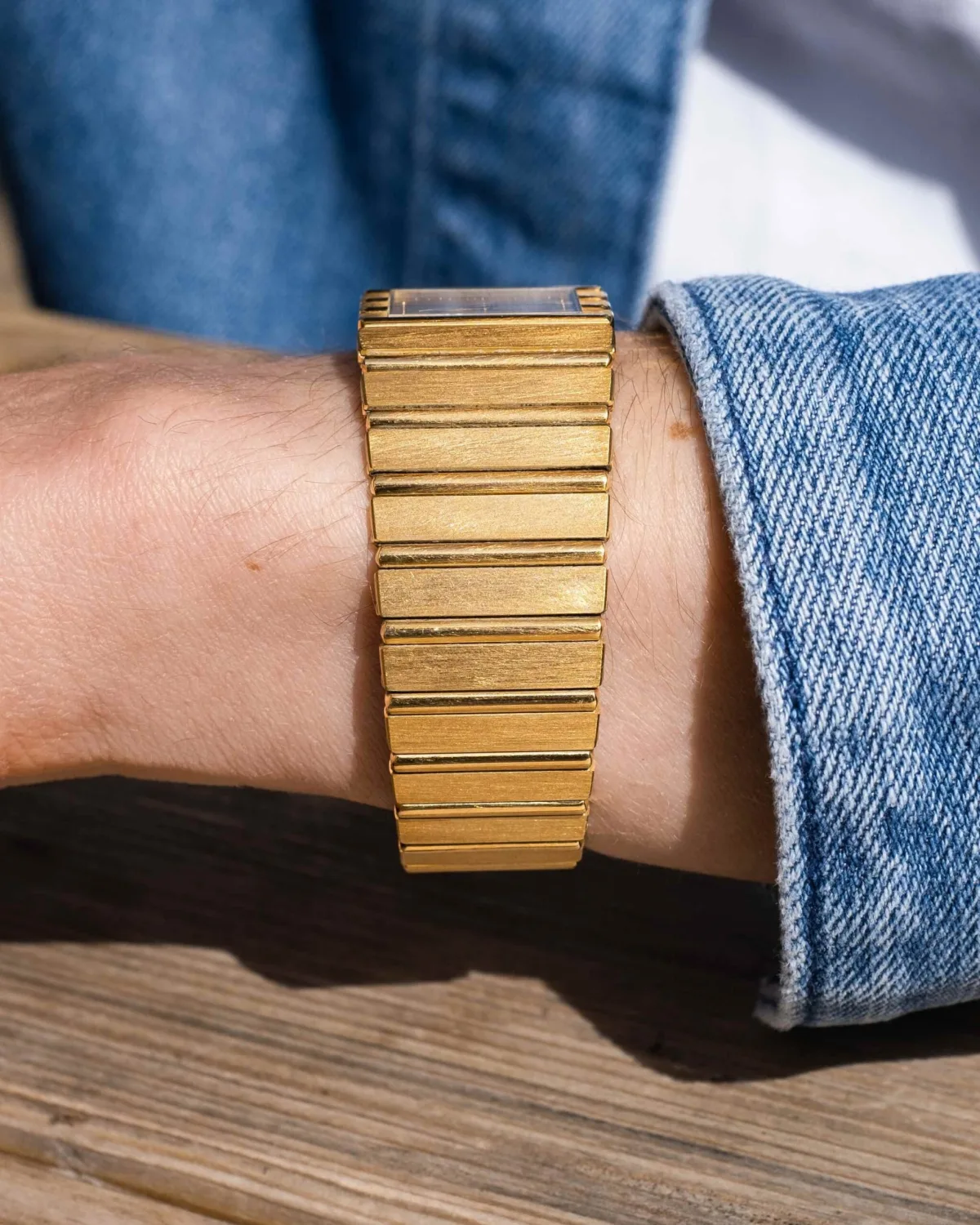
At just 3.1 mm thick, it was the world's thinnest quartz movement at the time. The movement could be controlled via a "hidden" crown on the back. However, just a year after the release of caliber 7P, Piaget updated the Polo model with the release of caliber 8P. This quartz movement became even thinner, with a thickness of just 1.95 mm.
Low Production Volume
While round Polo models are more popular, the square model better embodies the "bracelet watch" concept. Initially, the square model had greater commercial success, but over time, the situation changed. During the production of the two Polo models, Piaget produced approximately 2,000-3,000 square models and 4,000-6,000 round ones. Considering the production spanned 11 years, these figures are quite low.
Of the total production, 70% of the pieces were in yellow gold, 20% in a combination of yellow and white gold, and only 10% in white gold. You can find square Polo ref. 7131 models, with prices starting at approximately €15,000 and going up to €20,000. Thus, this stylish piece of gold has become the most expensive watch on this list.
Piaget ref. 935
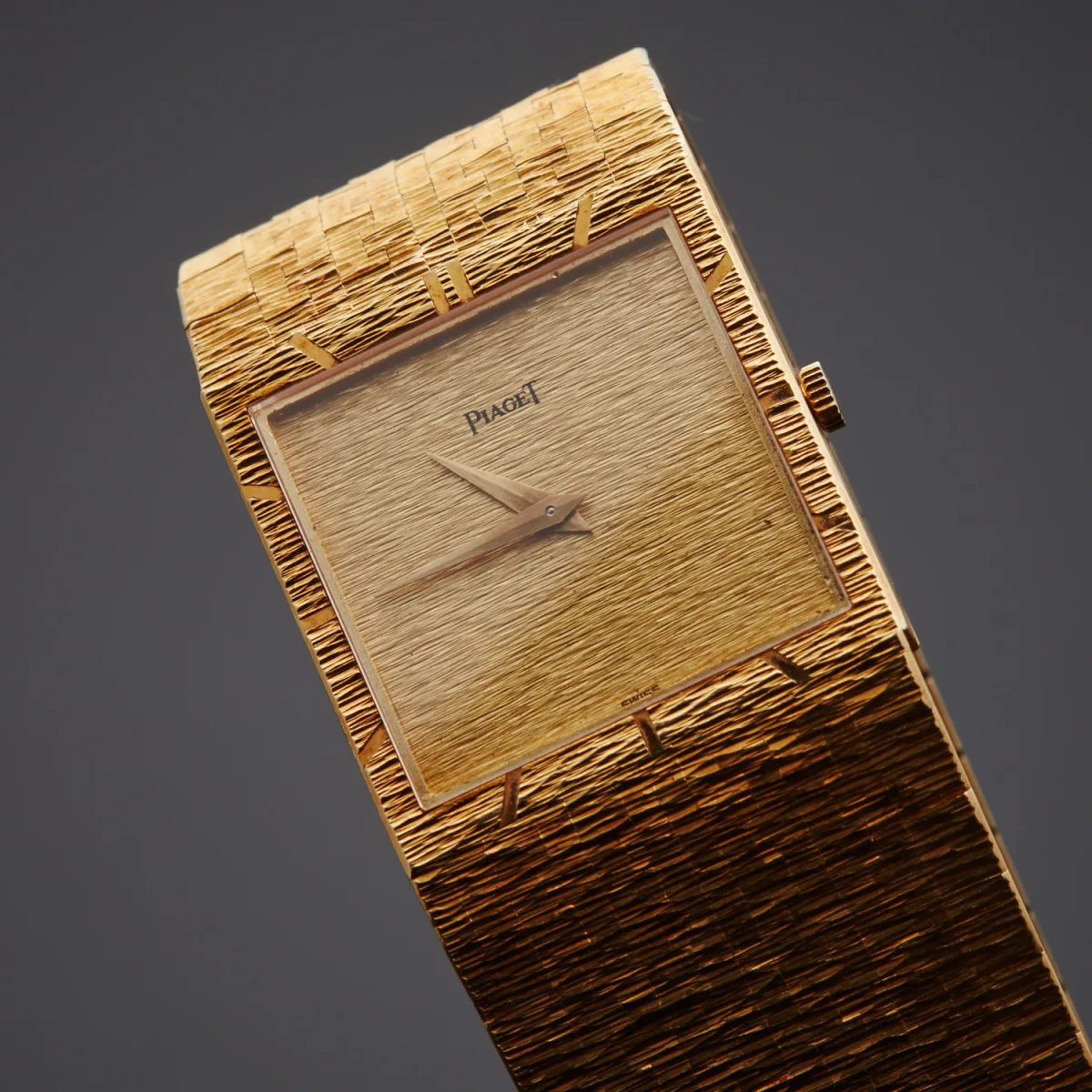
The next model is Piaget ref. 935. Another brilliant bracelet watch that looks stunning. This model was released in several versions - in yellow and white gold. The watch exudes the style of the 1970s, being fully made of yellow gold with a texture reminiscent of bark. The detailing of the watch is mind-blowing.
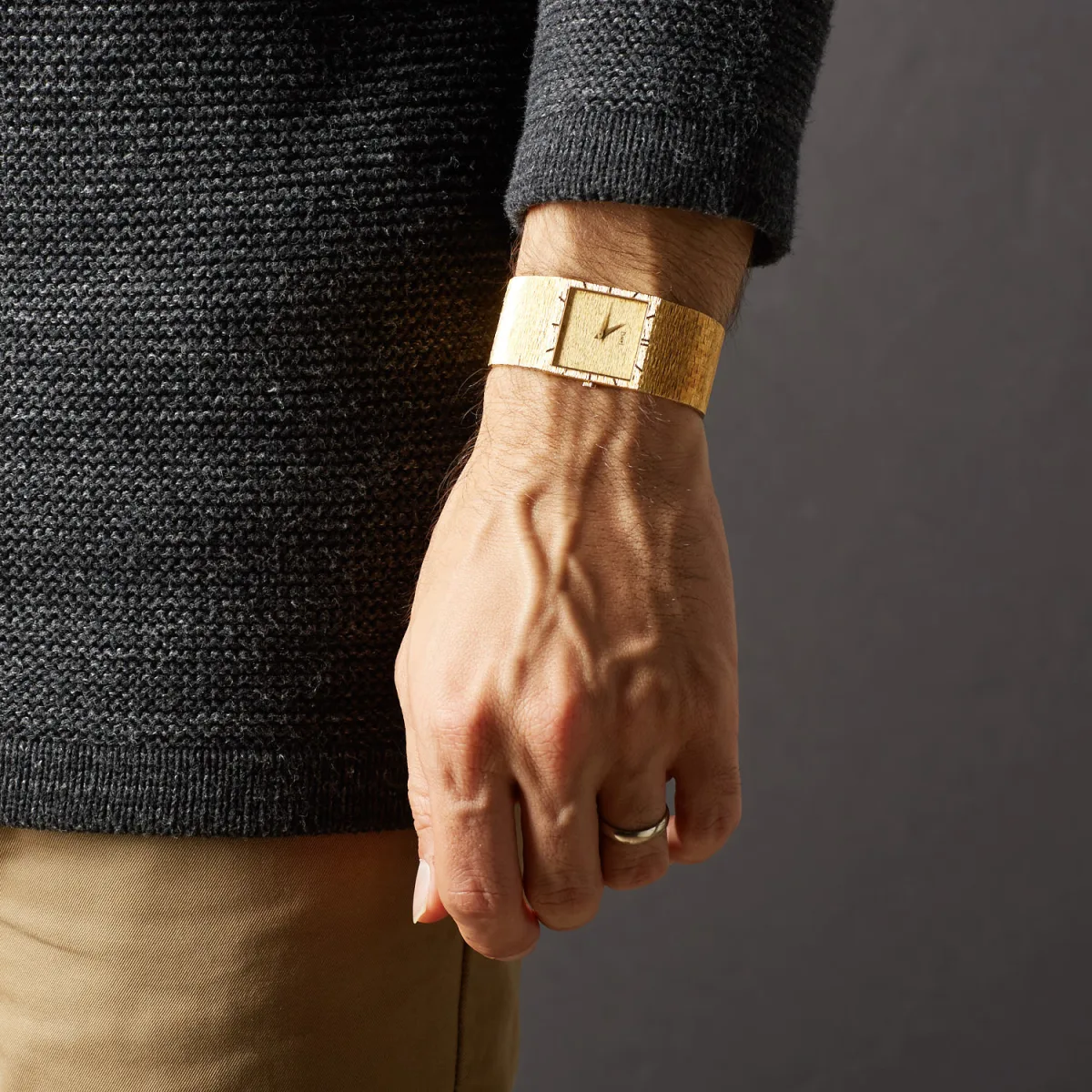
Besides the texture, there are hour markers around the crystal that look as if carved out of gold. The watch weighs 93.4 grams, has a width of 25 mm, and is equipped with the ultra-thin Piaget caliber 9P with manual winding and a 35-hour power reserve. Needless to say, the watch looks simply stunning on the wrist.
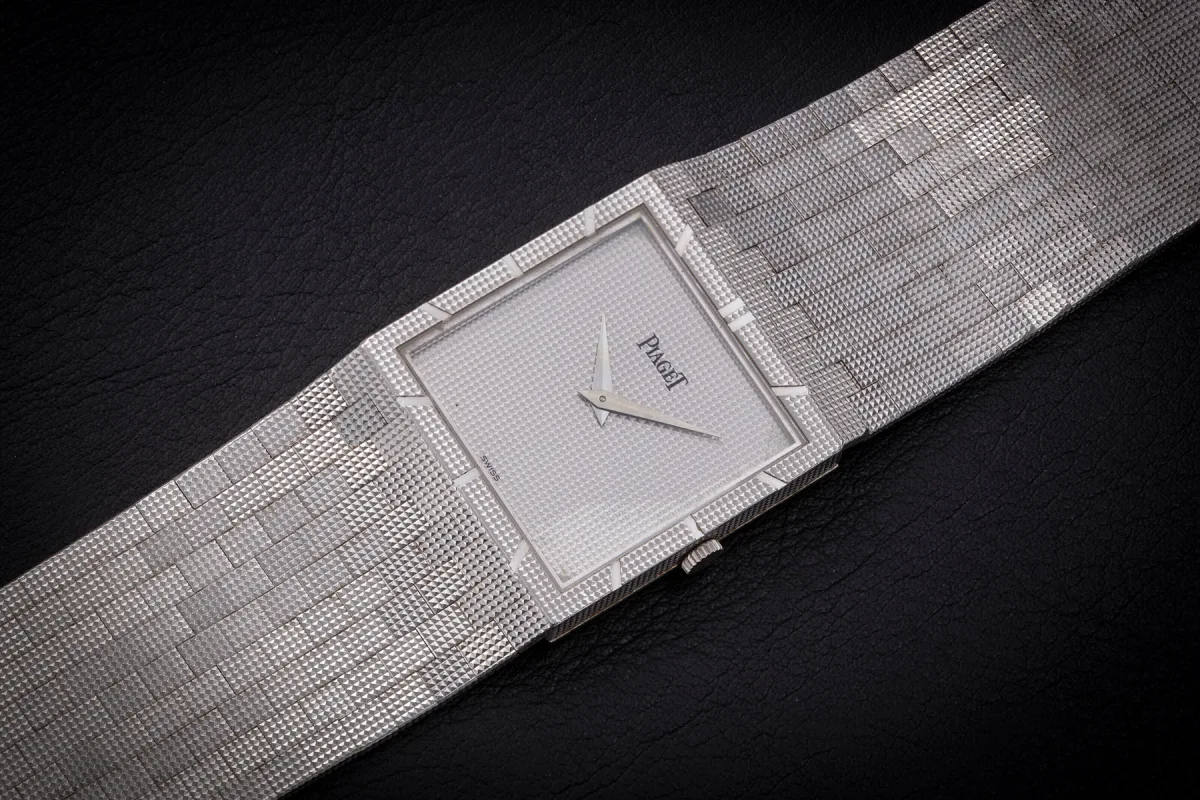
As I mentioned, there are several versions of this reference, each with its suffix. The yellow gold model with a bark-like texture is ref. 935 A6. But Piaget also created a white gold version with a claw pattern, ref. 935 C4. This version was auctioned at Christie's in 2022.
As you can see, the Clous de Paris texture is visible on the dial. If you look at the ref. 935 A6 model, you can also see that the bark-like texture continues on the dial. Such a level of detail makes these watches simply delightful. Furthermore, the ultra-thin profile makes them comfortable to wear. The only thing to discuss is whether you like this style. Finding the watches might also be a bit tricky. Currently, we can't find any available for sale online, making it difficult to assess the price.
Piaget ref. 12461
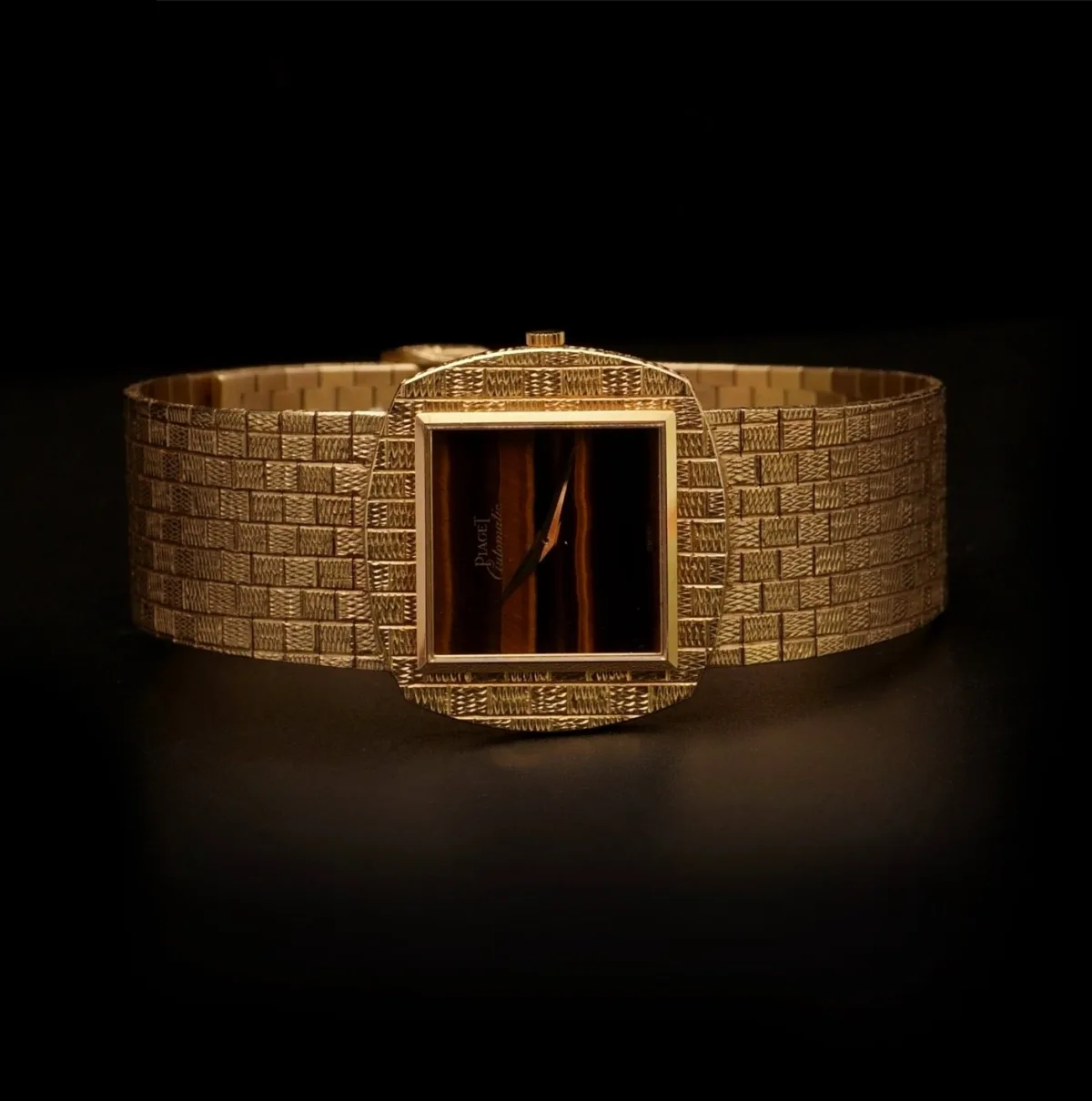
Piaget ref. 12461 takes style to a new level! I completely understand if someone finds this piece overly refined. If you're looking for ballers, then ref. 12461 is what you need from Piaget. It's less bracelet-like than the previous two. However, despite a slight departure from the concept, the style and detailing of this watch are astonishing. The watch was released in the late 1960s and represented the pinnacle of the brand's luxury watch category.
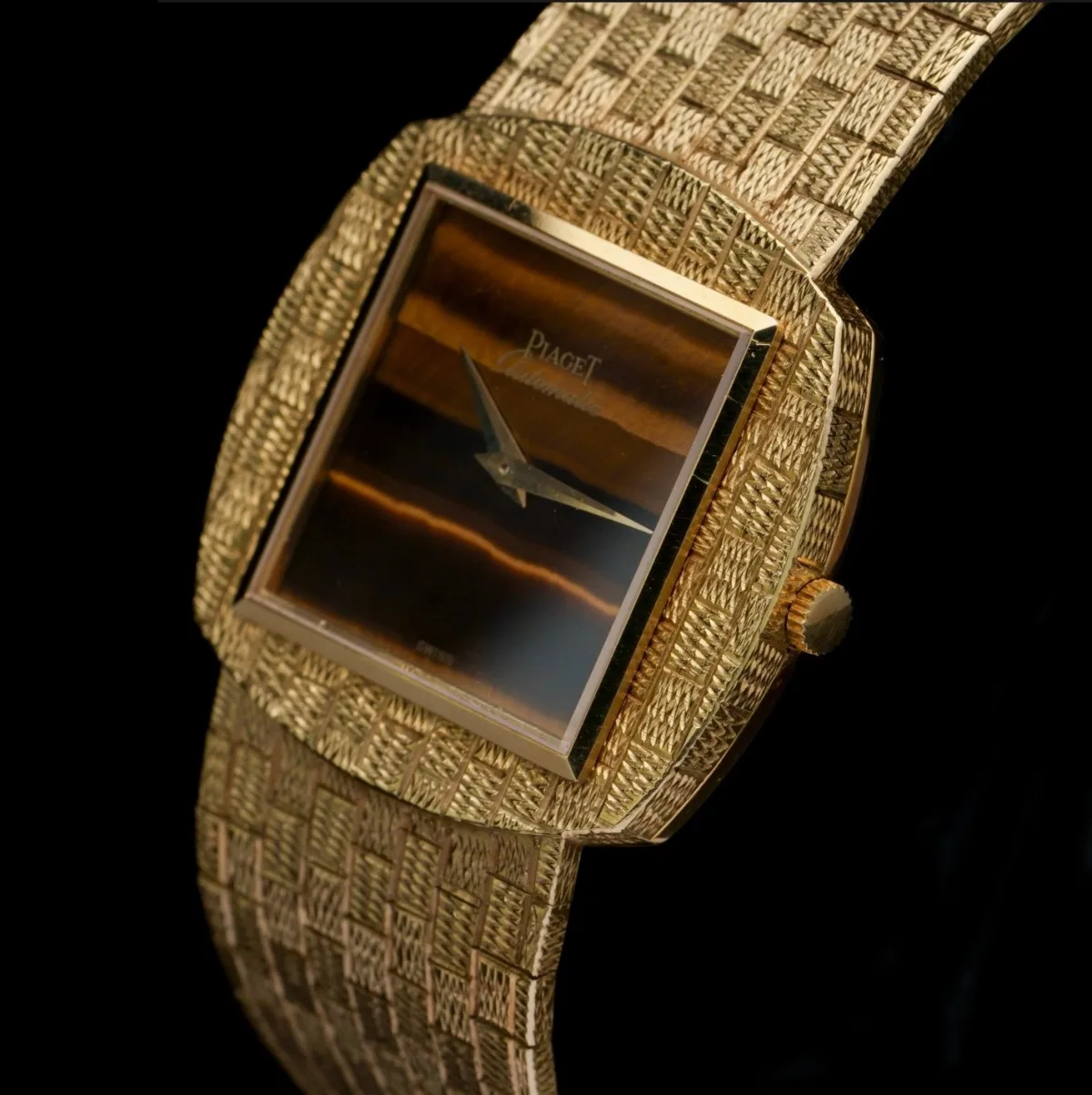
The watch was made in white or yellow gold and featured a 33 mm × 30 mm tonneau-shaped case. As you can see, the case and brick bracelet boast incredible details and a beautiful texture. Another standout element is the square dial, contrasting with the smooth shapes of the case and bracelet. In the specific version shown in the photographs, the dial is made of tiger's eye, which perfectly suits the watch.
Legendary Piaget 12P Movement
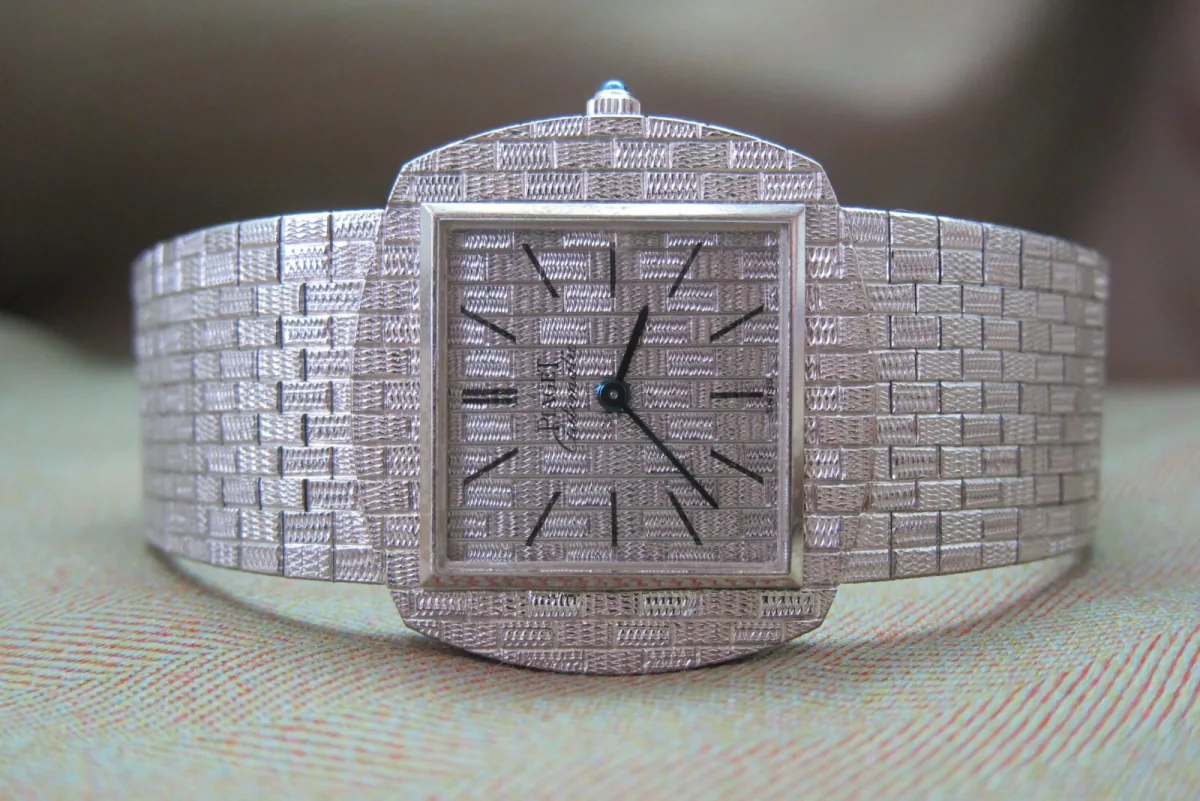
But this wasn't the only version the brand released. Piaget offered the watch in white gold with the same texture again. Buyers could even purchase watches with horn nail patterns. The white gold version was also available with a stunning lapis lazuli dial. Piaget equipped these watches with the famous caliber 12P. This ultra-thin micro-rotor movement was announced in 1960, with a thickness of just 2.3 mm. It operates at 19,800 vph and has a 40-hour power reserve. It's a magnificent movement that is the perfect cherry on top (or inside) these exceptional watches, which sell for about €8K-10K. These watches are undoubtedly a matter of taste, but we love them!
Piaget Black Tie Emperador ref. 9352
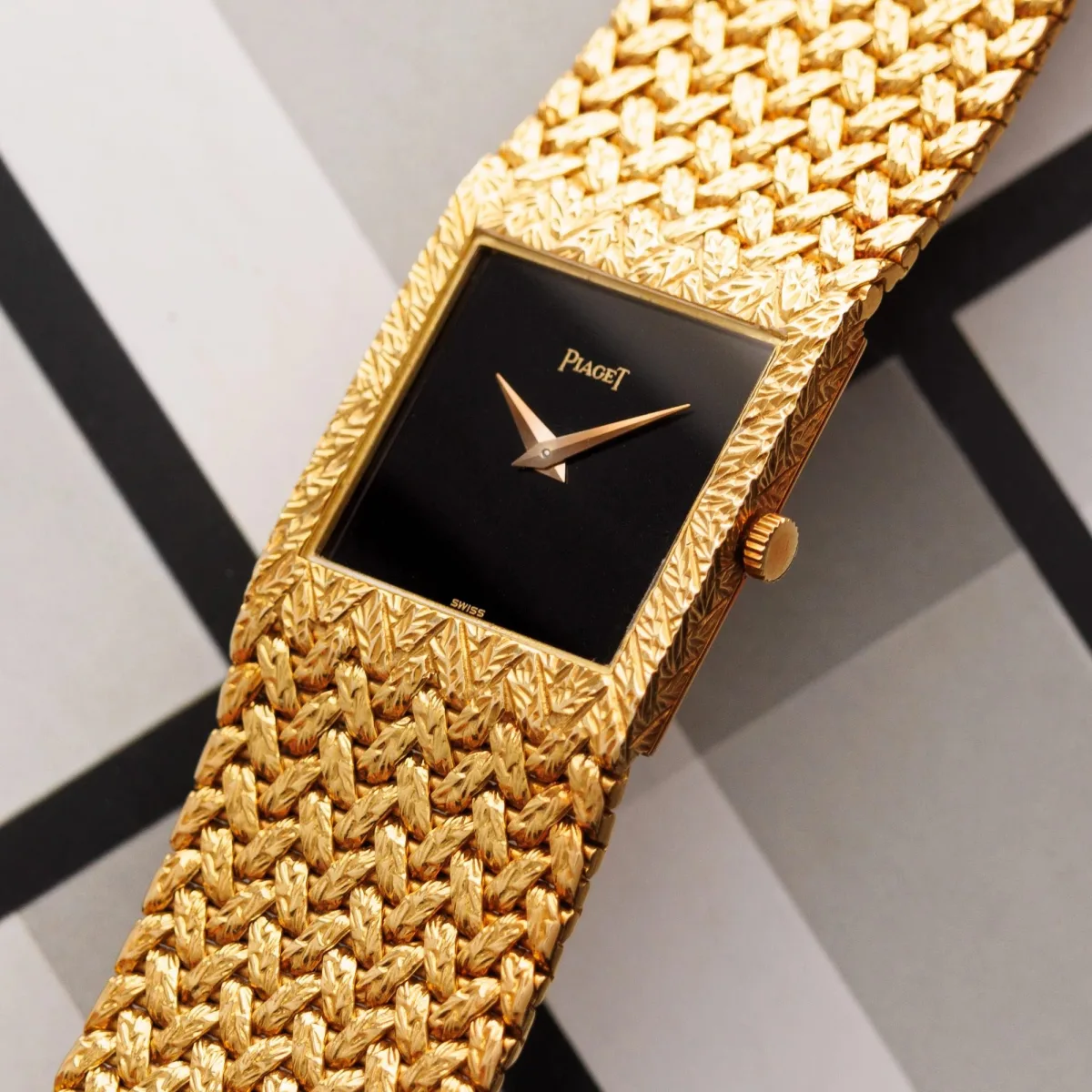
Our next choice is no less striking than the previous one, but it adheres more strictly to the bracelet watch concept, just like the first two options on this list. The Piaget Black Tie Emperador ref. 9352 immediately stands out by combining a 23 mm wide rectangular case with a "Basketweave" gold bracelet. Combined with a black onyx dial, as shown in the photo above, it maximizes the owner's status.
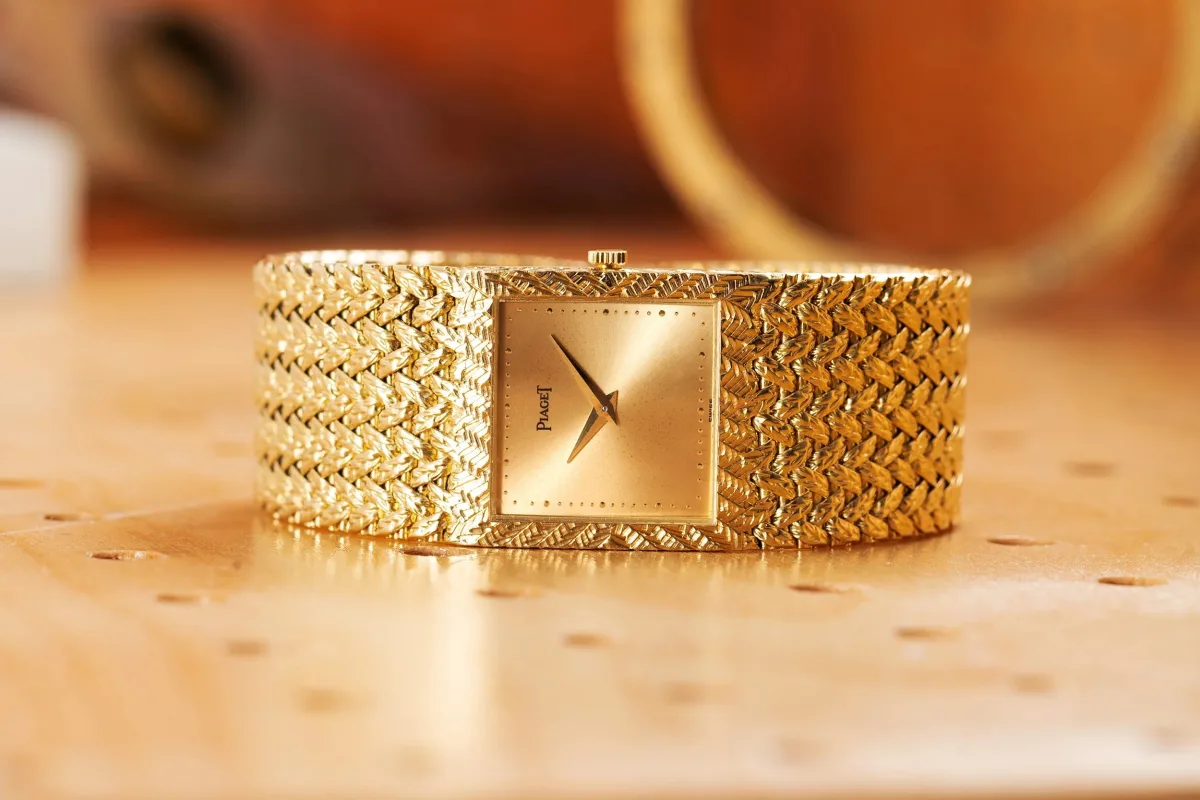
Piaget offers the watch with various dials, including lapis lazuli and gold. Additionally, some dials have hour markers in different styles, while others have none at all. I prefer the versions without markers or with very small decorative markers, like on the two watches presented here.
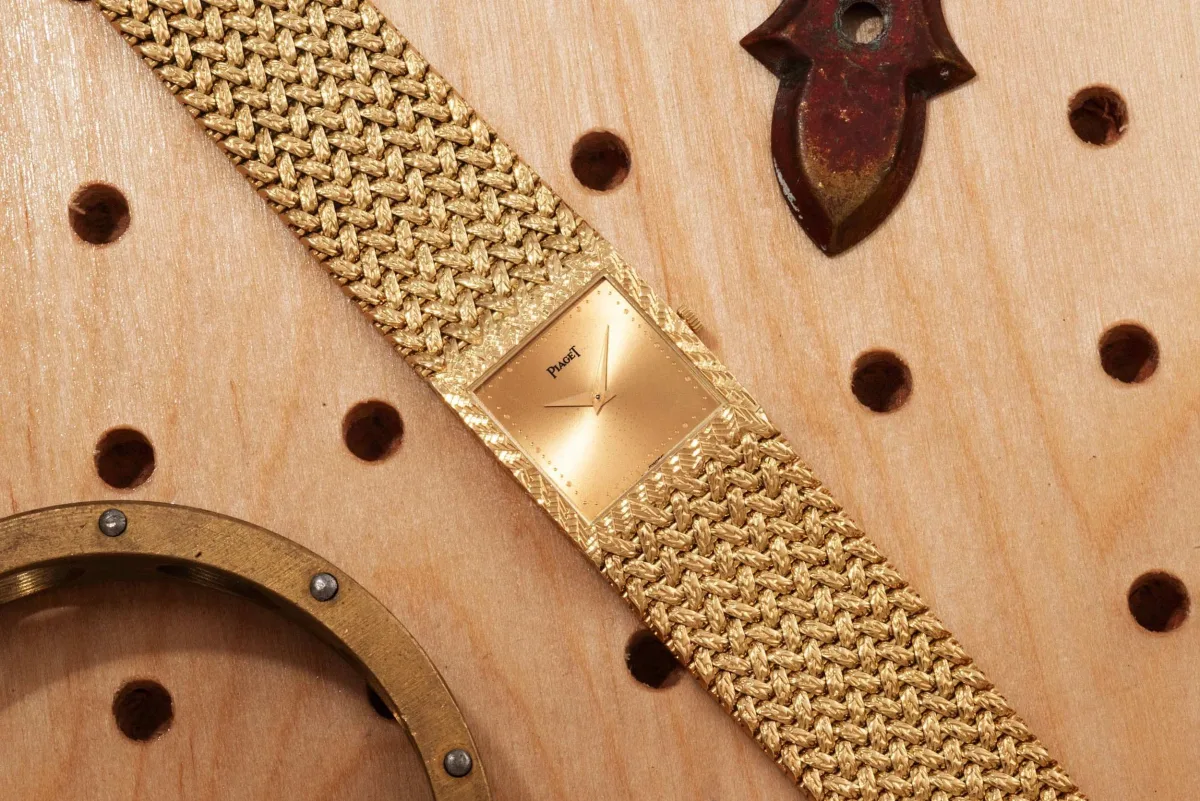
Inside the watch is the Piaget 9P caliber with manual winding, used throughout the watch's production period in the 1960s-1970s. The ultra-thin movement operates at 19,800 vph and has a 35-hour power reserve. The watch was also available in a white gold case with several dial options.
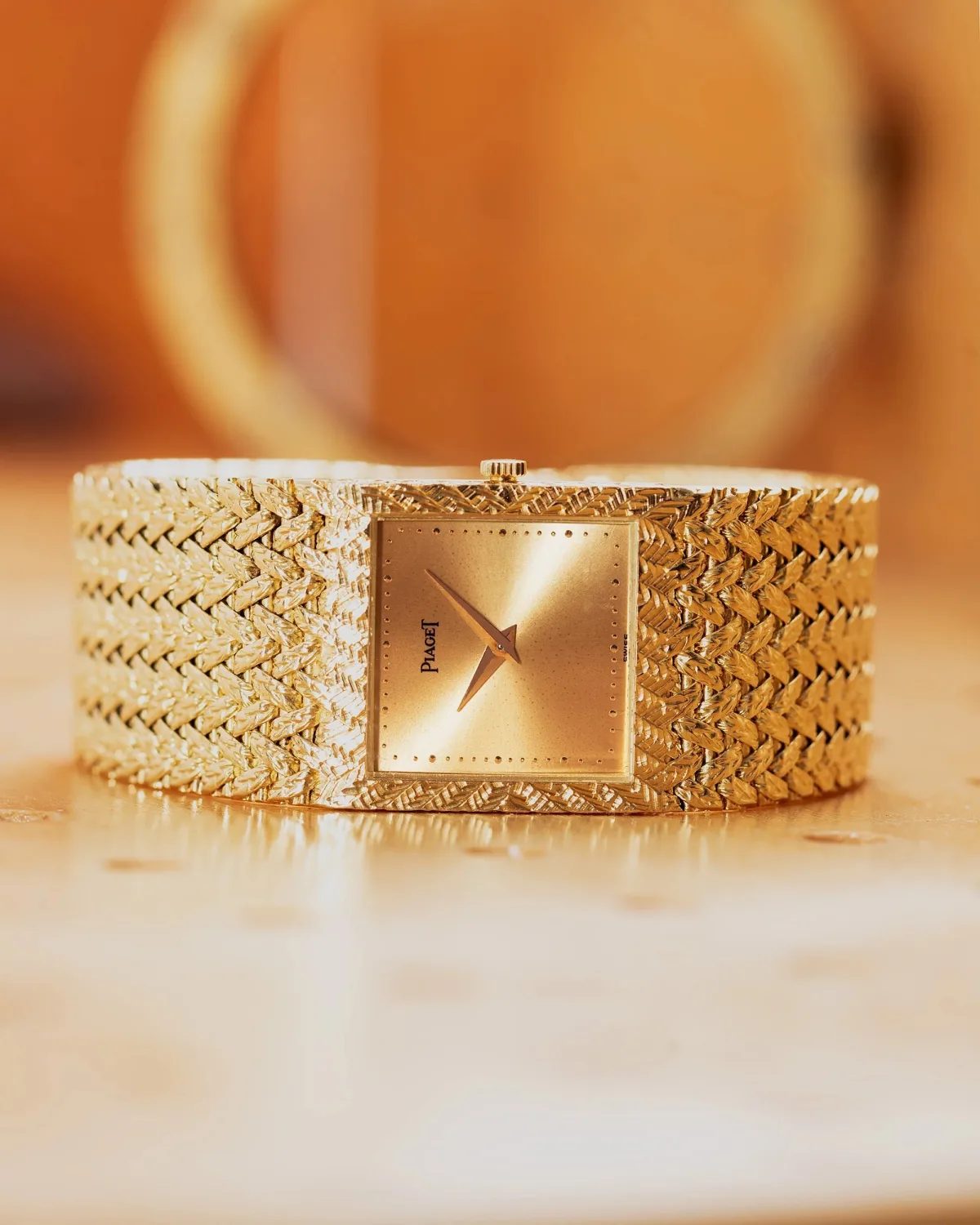
But I believe this style looks best with yellow gold, especially with the woven bracelet. It creates the maximum effect, and isn't that what it's all about? One of these stunning pieces costs between €7,500 and €8,000.
Piaget ref. 9131
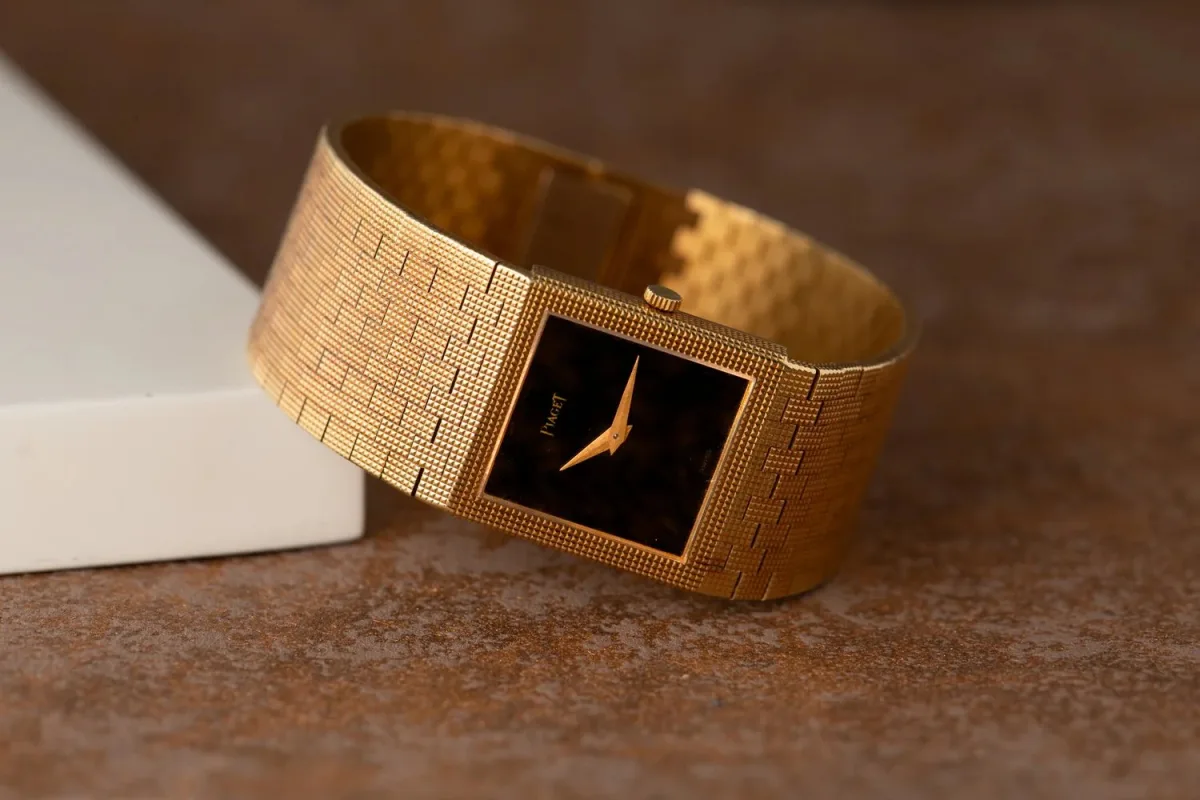
Concluding this list is the stunning Piaget ref. 9131. Specifically, the 9131 C4 model is my favorite. In it, the yellow gold case and bracelet are combined with a fine "hobnail" pattern, giving the watch a unique, stunning aesthetic. As a fan of black onyx dials in gold cases, it's no surprise that this model became my top choice.
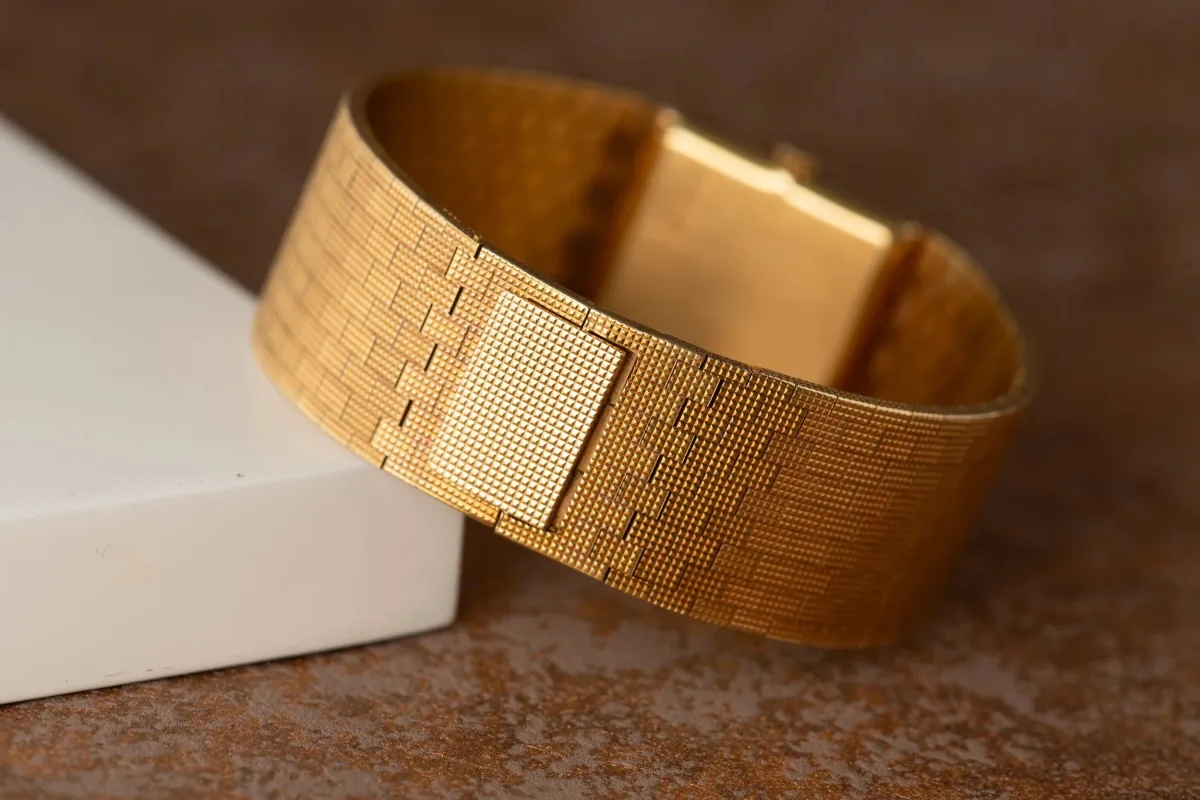
Piaget also released these 23-mm watches with gold dials and more traditional markers, which also look stunning. The "hobnail" pattern on all surfaces, including the brick bracelet and clasp, is eye-catching.
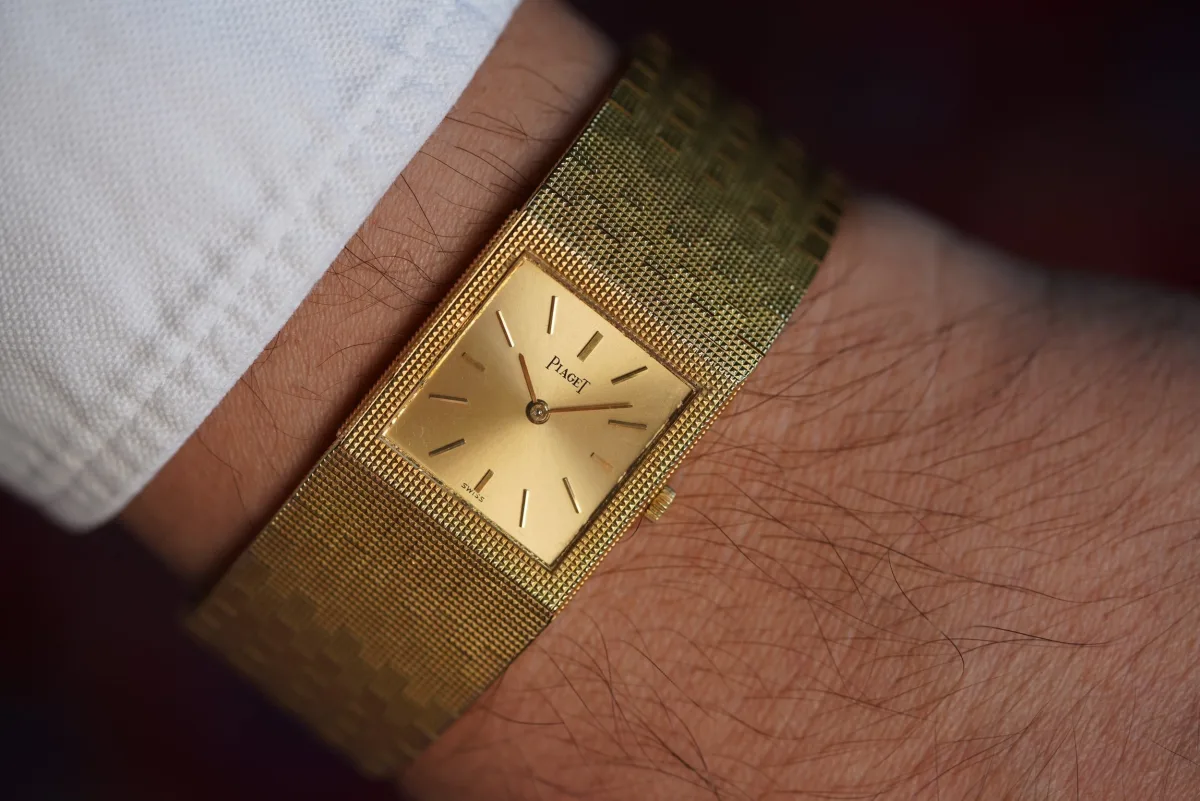
You will see ref. 9131 watches with sword and dauphine-style hands, dials made of lapis lazuli, black onyx, and gold dials, both plain and with a "hobnail" pattern. The variations are almost endless. Additionally, there are different executions with other textured patterns on the gold. There is even a version without a pattern in white gold. The latter variation places additional visual emphasis on the brick bracelet and creates a very clean aesthetic with a matte white gold case.
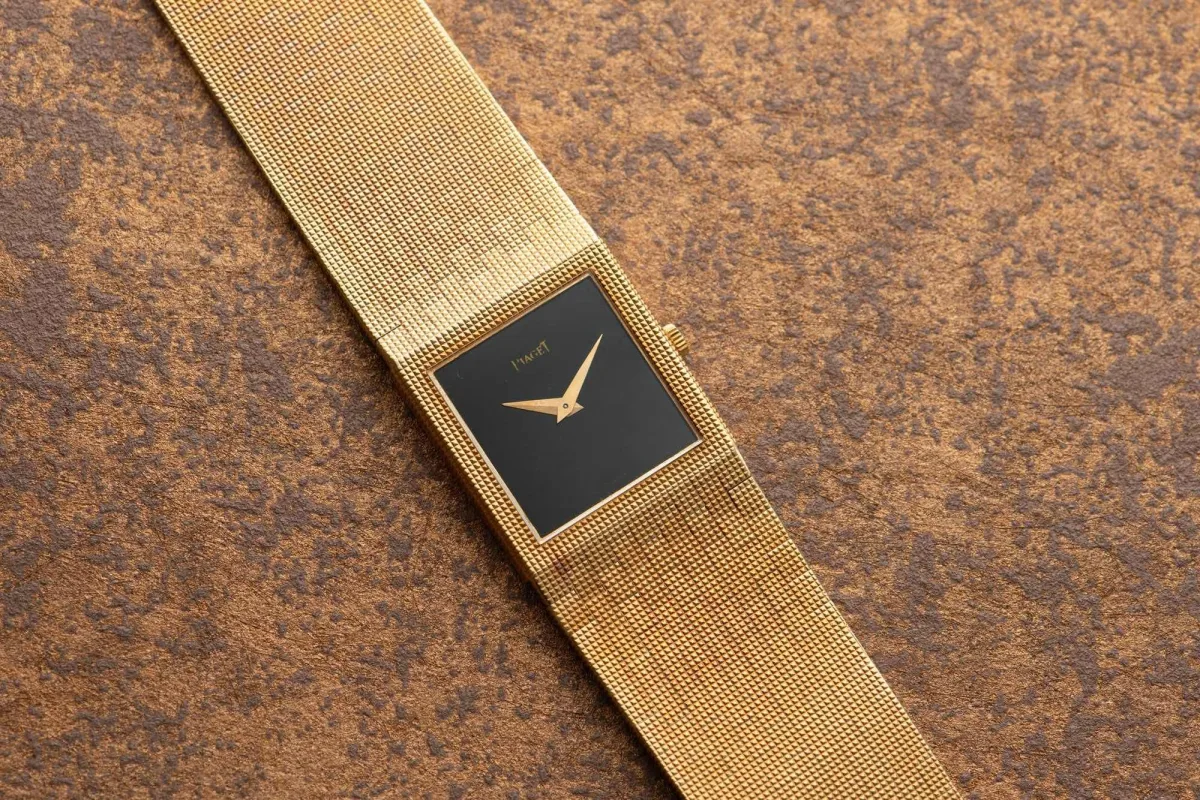
In these watches, Piaget used their 9P movement, also found in the ref. 935 model. For me, the ref. 9131 model is the best bracelet watch created by Piaget. The watches were produced from the early 1960s to the 1980s, confirming their relevance in the collection. Prices for these stunning watches are expected to start slightly above €10,000 and increase depending on the execution.
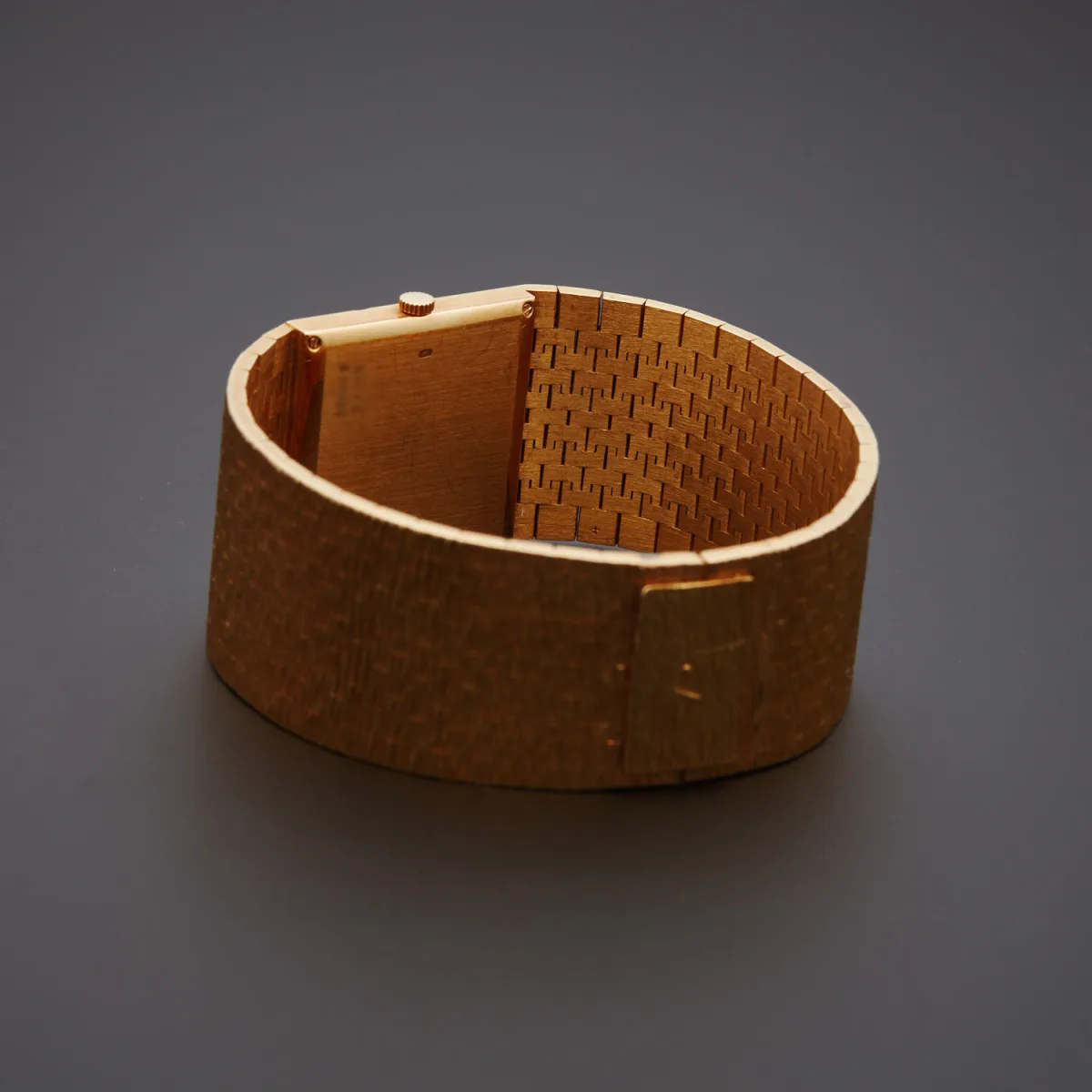
Final Thoughts on the Five Best Piaget Bracelet Watches
That's it - our favorite Piaget bracelet watches in descending order. If you're interested in these watches, you'll find various versions, denoted by a suffix following the reference number. This is just a small selection from the many models and executions released by the brand in the 1960s, 70s, and 80s. We understand these are not your typical watches, but we're keen to explore Piaget's history and understand what makes the brand unique. Primarily, it's the ability to bridge the gap between watches and jewelry. These five models are a perfect testament to that. But we're eager to hear your thoughts on these striking watches.
Let us know in our Telegram channel, and see you next week for another edition of this series!