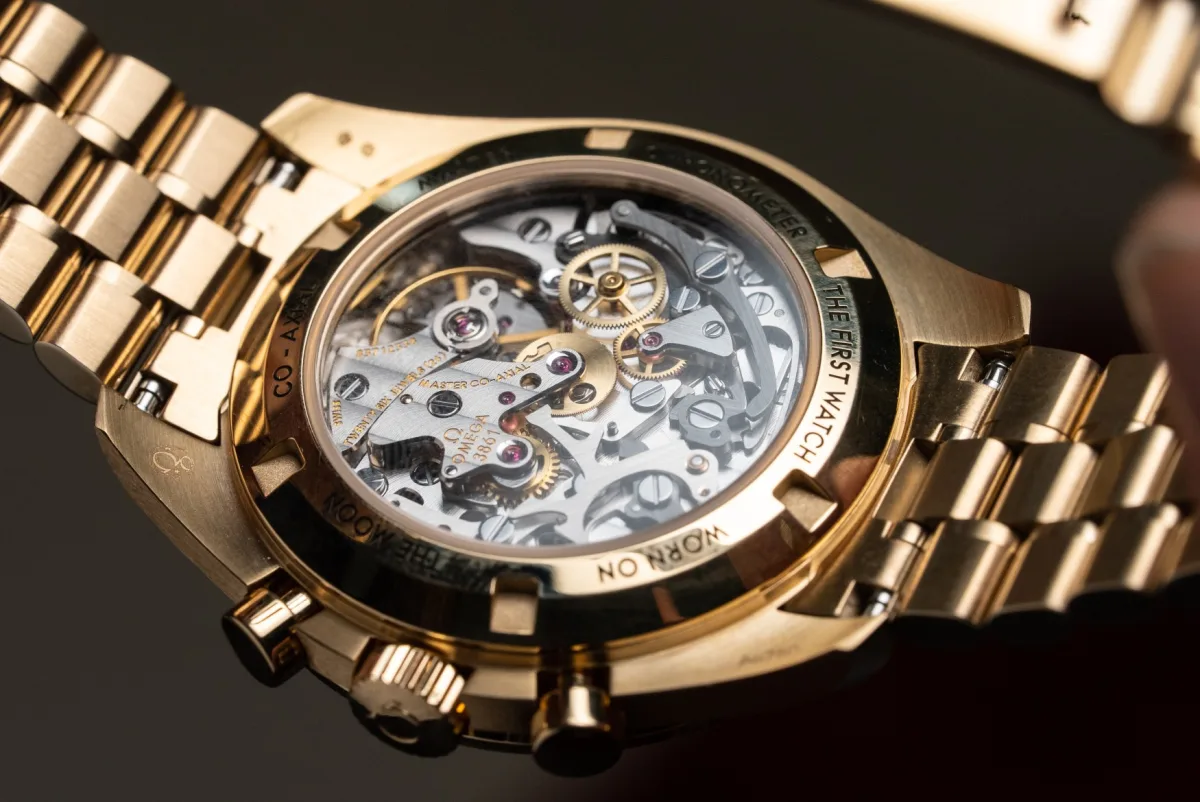
An objective way to learn more about watches before purchasing is to study their mechanisms.
During this research, you are almost certain to encounter references to accuracy and possibly the word “chronometer.” What does it actually mean, and are all chronometers the same? In short, a chronometer is a watch certified by a regulatory body for very high precision, typically meeting a specific set of specifications. But it's not that simple, as these specifications and testing methods vary greatly, so let's delve deeper into this.
But first... Chronometer vs. Chronograph
For seasoned watch enthusiasts, this may not be a particularly notable point of contention, but it is indeed a common question for many who are just getting to know watches. So, let's clarify once and for all: a chronograph is a watch equipped with a complication that allows time measurement. A chronometer, as mentioned earlier, is a watch certified for exceptionally precise timekeeping. A watch can be both a chronometer and a chronograph simultaneously.
How We Got Here
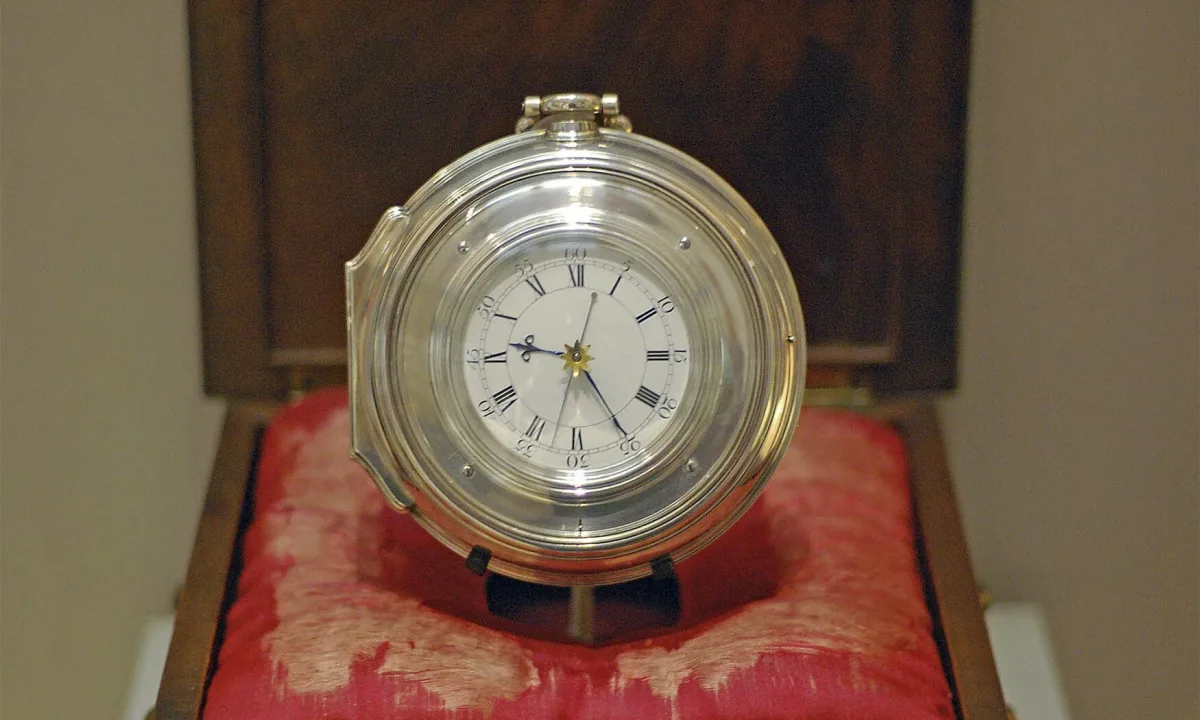
The earliest use of the word dates back to the early 18th century when William Derham's book “Physico-Theology” discussed the possibility of creating more accurate time-measuring devices. The invention of the highly precise marine chronometer was crucial at the time, as it was the only way a ship could reliably navigate the open sea. The most famous manufacturer was undoubtedly John Harrison, who produced several of the most well-known early chronometers, including the H5, which had a daily deviation of only 0.33 seconds per day over ten weeks. This is just the beginning of the marine chronometer story, which was thoroughly explored by Buff, and although GPS has replaced them for navigation, the idea lives on in wristwatches.
These tests were typically conducted in astronomical observatories, also known as observatory tests. As vital accuracy became less significant, watch manufacturers quickly realized that favorable chronometric test results were an excellent marketing tool - after all, it's not hard to claim that your mechanisms are the most accurate in direct head-to-head competition with rival brands. Such tests were conducted in several observatories, including those in Geneva, Besançon, Kew, and perhaps the most famous one in Neuchâtel.
It was these observatories that initiated chronometer certification: the observatory in Neuchâtel issued its Bulletin de Marche for watches that showed the best results. It's worth noting that watches undergoing observatory tests were often specially made by brands and were subject to much higher requirements than modern chronometer certificates.
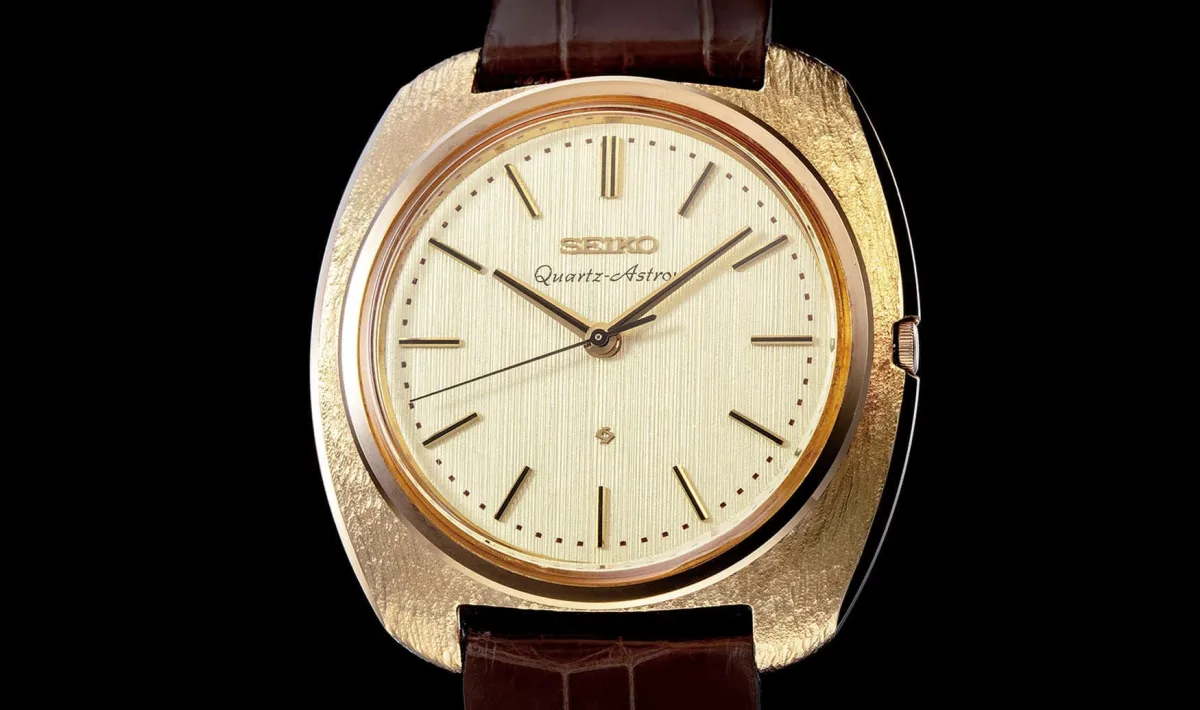
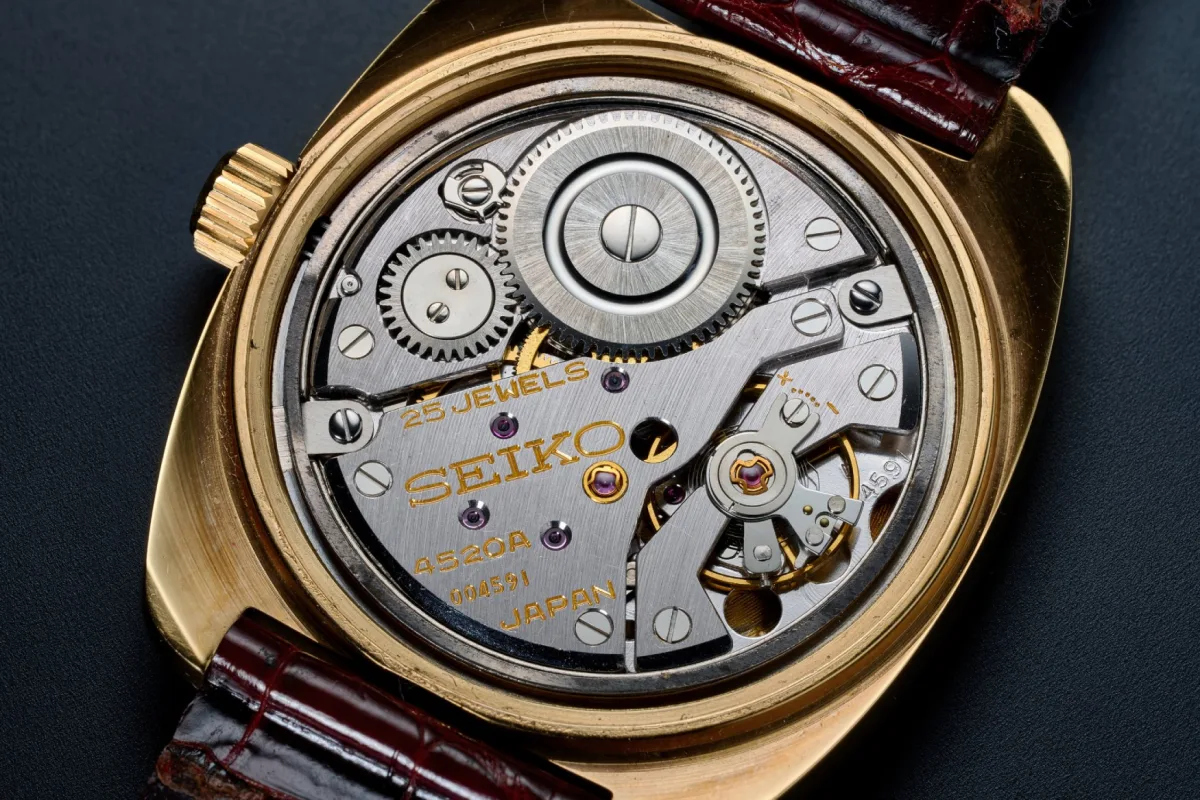
Rolex claims that some of its watches received the first-ever Swiss chronometric accuracy certificate from the Official Watch Rating Centre in Biel, while Girard-Perregaux and Seiko are known for producing serial samples of wristwatches with observatory chronometer-class mechanisms in the late 60s and early 70s. Today, fewer watches are certified by observatories, and competitions have not been held since Seiko significantly changed the industry by releasing the Astron model, and any watches with such certificates can be considered highly collectible.
Not All Chronometers Are the Same
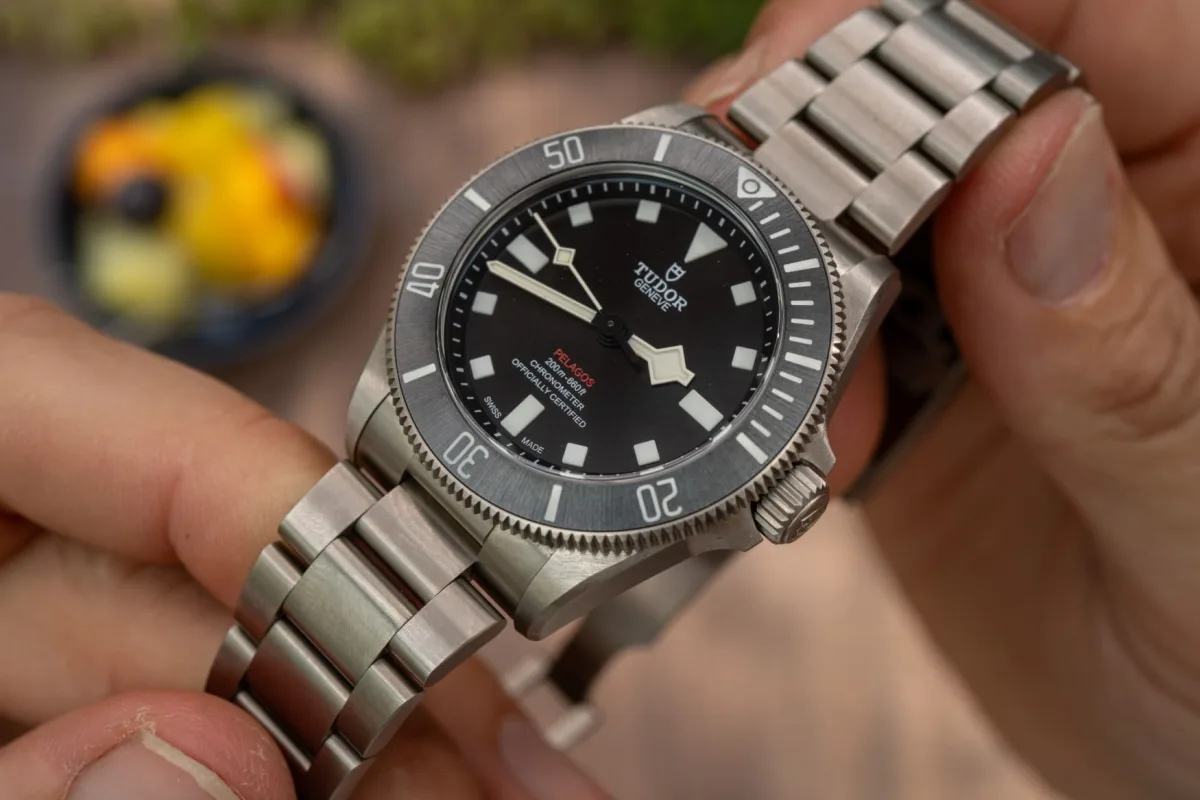
With the absence of observatory tests and the advent of quartz, the opportunity opened for other players to enter the field of chronometric precision testing. One of the early participants, which remains relevant to this day, is the Swiss Institute of Chronometry, better known as COSC. Founded in 1973, the Swiss Institute of Chronometry has been a well-known company issuing chronometer certificates to most Swiss watch brands, both entry-level and luxury, for several decades.
COSC certification is based on the ISO 3159 standard, which includes seven standards for mechanical and two additional for quartz movements. The most notable aspect of this testing is the average rate for mechanical watches, which must meet the requirements of -4 to +6 seconds per day.
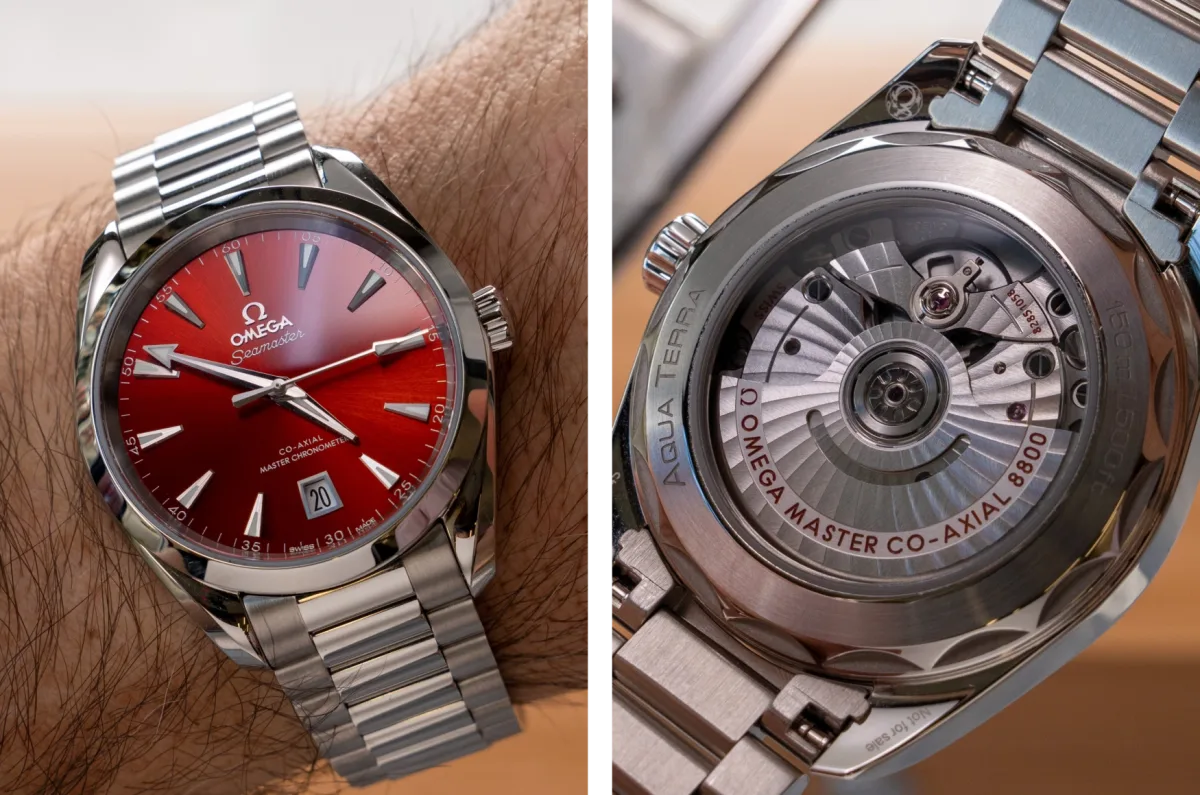
The next stage, for which COSC certification is a prerequisite, is Master Chronometer or METAS certification conducted by the Swiss Federal Institute of Metrology. Unlike COSC, METAS requires the submission of assembled watches for testing, not uncased movements. Additionally, watches are tested under a force of 15,000 Gauss, which significantly exceeds COSC standards.
Daily rates are checked with a full power reserve and two-thirds discharged, in six positions and at two temperatures over four days. During this time, the movements must maintain an average rate within 0/+5 seconds per day. Interestingly, METAS allows brands to conduct testing themselves, with periodic audits and sample testing conducted by METAS to ensure compliance.
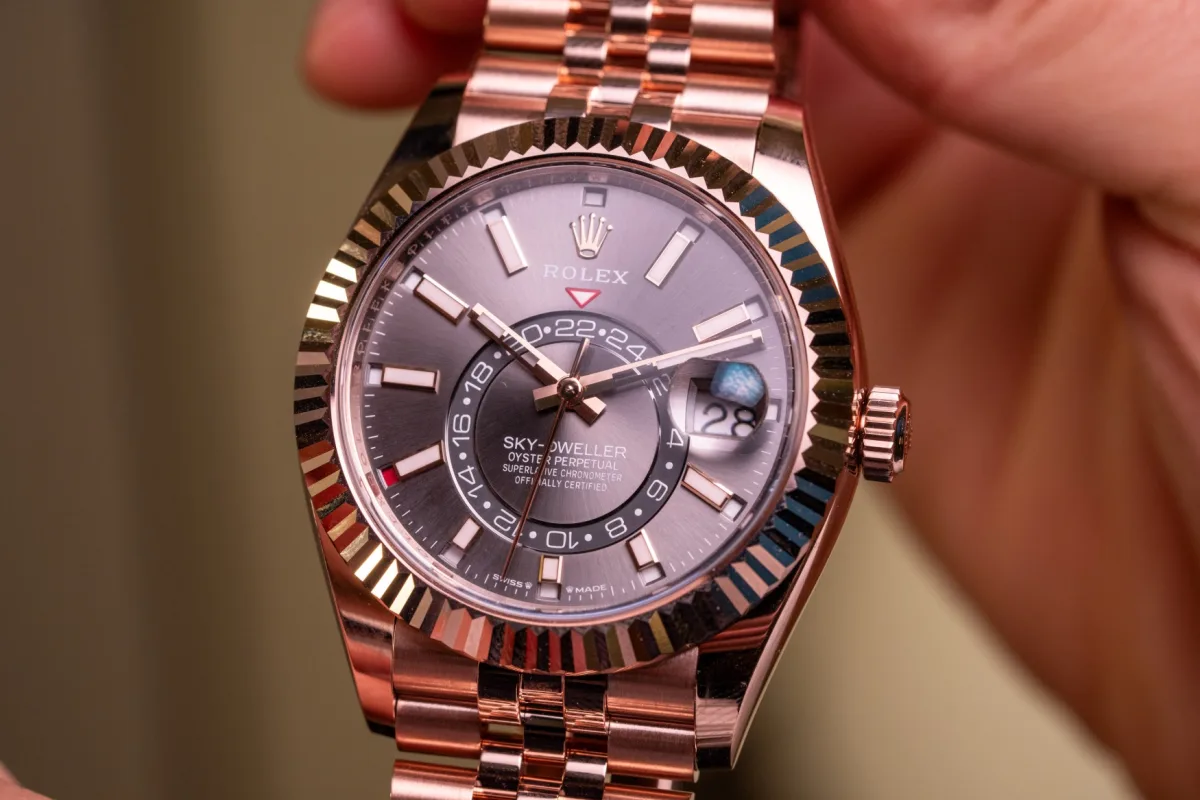
Some brands prefer to conduct such tests entirely on their own, and perhaps the most famous example of this is the Rolex Superlative Chronometer standards. The testing also includes COSC certification, but Rolex tightens these tolerances to -2/+2 seconds per day, along with checks for water resistance, winding, and power reserve, performing all these tests with cased movements. Unlike METAS, there is no external body regulating Rolex's own tests, although I hardly see this as an issue given the brand's excellent track record of reliability despite the lack of transparency.
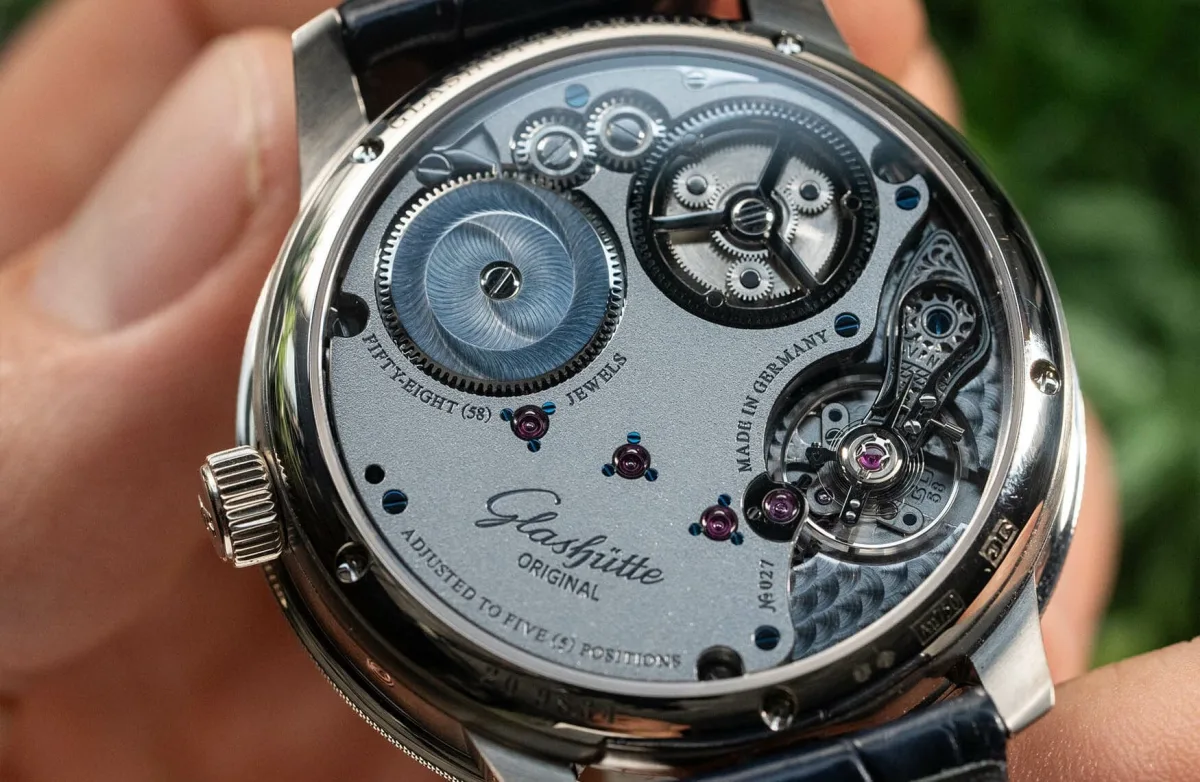
Since COSC allows only Swiss-made watches for testing, the observatory in Glashütte has developed its own set of rules. The DIN 8319 standard, under which testing is conducted, is closely related to the ISO 3159 standard on which COSC certification is based, but differs in two respects. Firstly, the watches must have a hacking function, and the Observatory tests only assembled watches, not uncased movements. There are also rules governing the origin of the watches: they must be assembled in Glashütte, with 55% of components made in this region.
When a Chronometer is not a Chronometer?
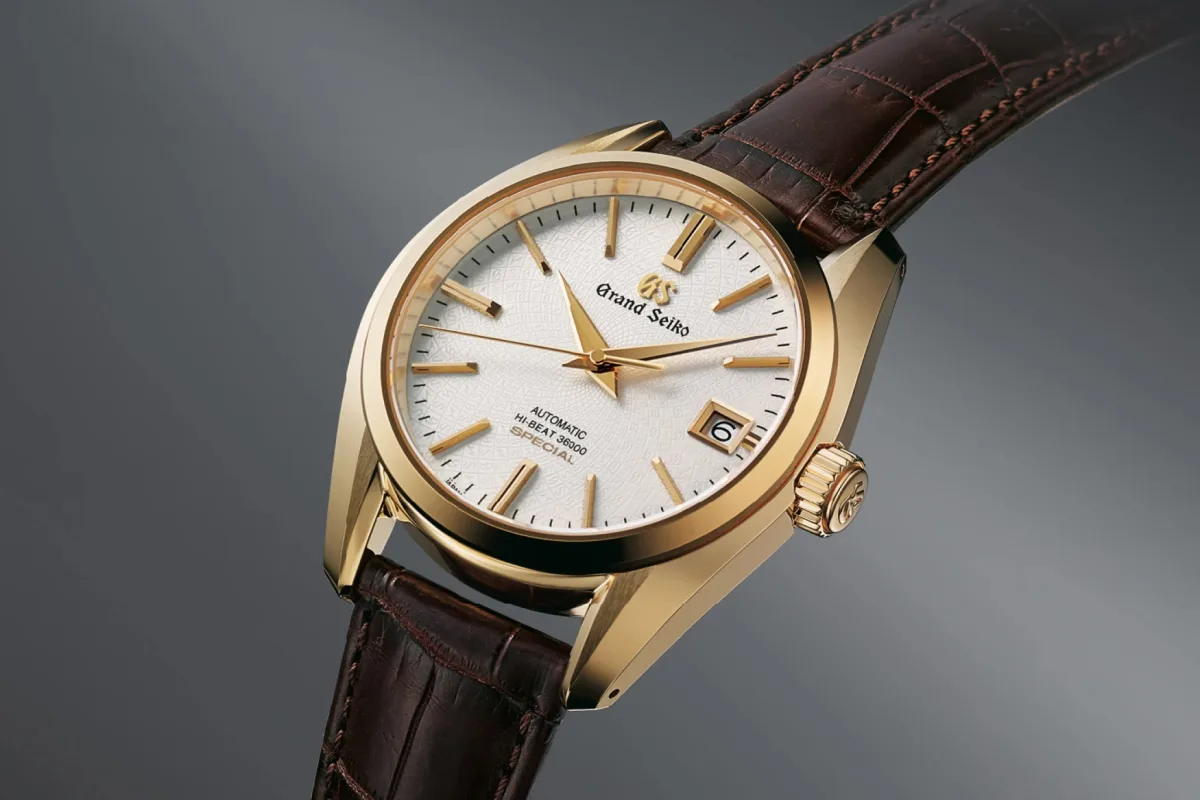
Grand Seiko, a master of its own production, has unsurprisingly developed its own version of chronometer testing. This standard, known as the Grand Seiko Standard, has existed since the late 1990s and includes eight different tests conducted in six positions and at three temperatures over 17 days. The most accurate specimens receive the Grand Seiko Special Standard certificate, meaning their daily rate is within -2/+4 seconds per day, and the dial bears the inscription “SPECIAL.”
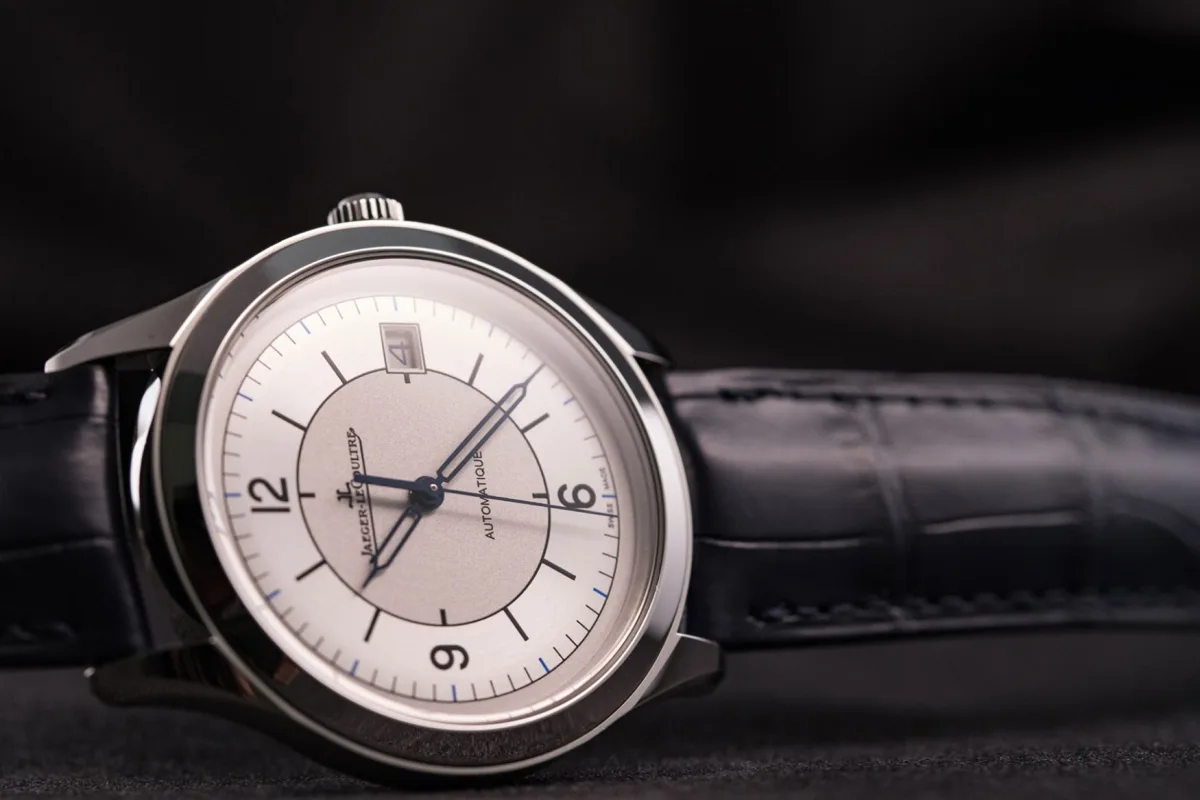
The Master Control test from Jaeger-LeCoultre is an endurance test, not disclosing any accuracy standards or deviations. The test takes 1000 hours and is proudly displayed on winding rotors. It includes testing winding, amplitude, and power reserve in a temperature range from 4 to 40 °C. Finally, the watch is subjected to intermittent “start-stop” movement over approximately two weeks to simulate real-life conditions and concludes with a water-resistance test.
When It's Not Just About Performance
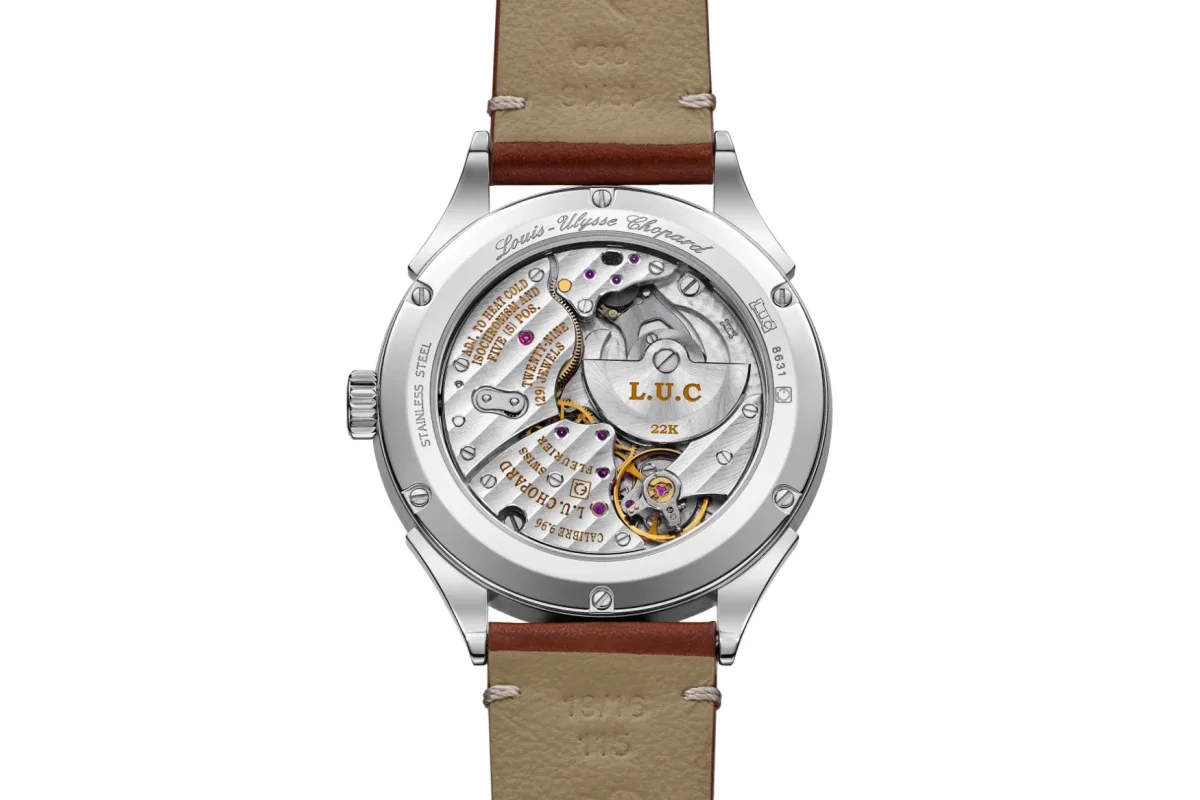
The Fleurier Quality Foundation was established by Bovet, Chopard, and Parmigiani Fleurier together with the movement manufacturer Vaucher. The Foundation tests only those watches that are 100% made in Switzerland and have already passed stringent COSC chronometric testing and Chronofiable durability tests. Assembled watches then undergo the Fleuritest - a 24-hour test simulating real-life rate changes and loads.
To pass the test, watches must have a daily rate of 0/+5 seconds. However, that's not all: no ordinary “workhorse” will receive the Qualité Fleurier mark, as the certification also has an aesthetic component. According to FQF, “the movement must have a finish of exceptional aesthetic quality,” concerning categories of materials, finish, and finishing techniques.
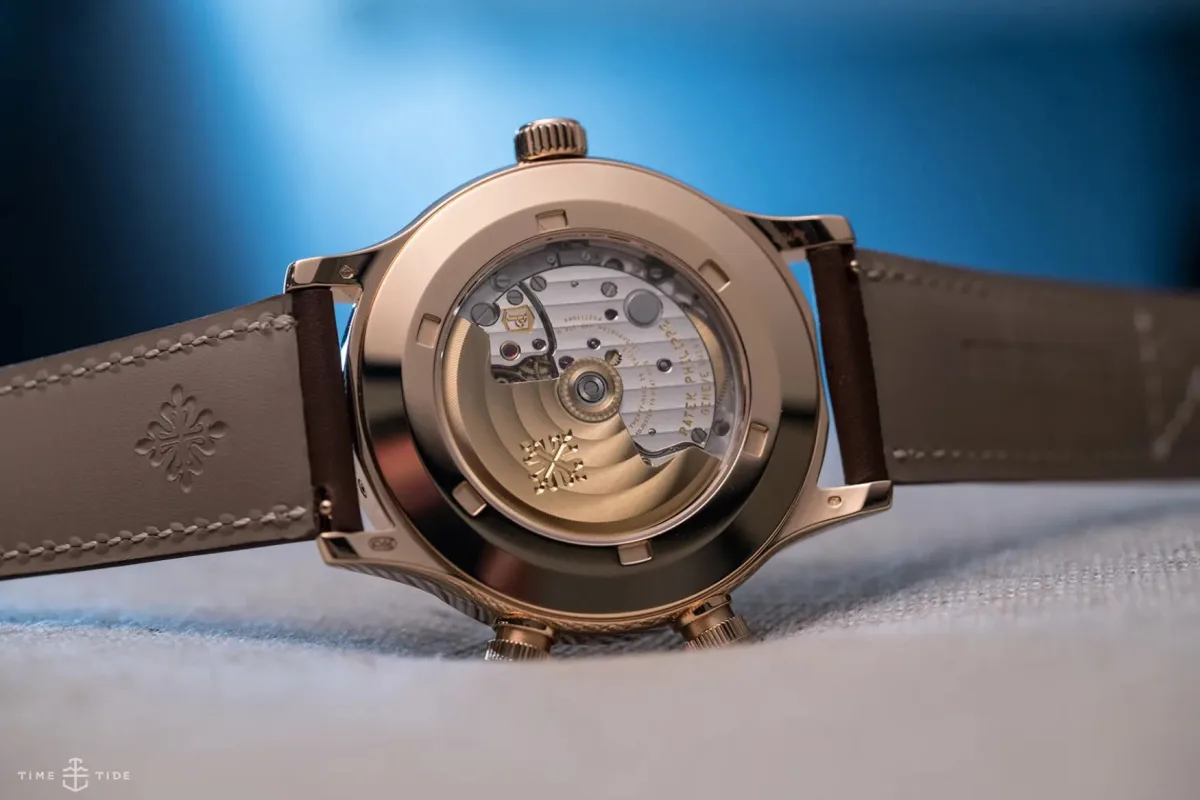
Another undisputed heavyweight in this category is the Patek Philippe Seal. To begin with, its chronometric requirements are stricter than COSC tolerances: -3/+2 seconds per day for movements over 20 mm in diameter and -5/+4 for those smaller. The strictest tolerances apply to tourbillons - -2/+1 second per day. Testing is conducted throughout the entire manufacturing cycle of the movement, and concludes with a fully assembled and cased specimen. Like FQF, the Patek Philippe seal also guarantees the highest level of manufacturing quality not only for movements but also for case and dial elements.
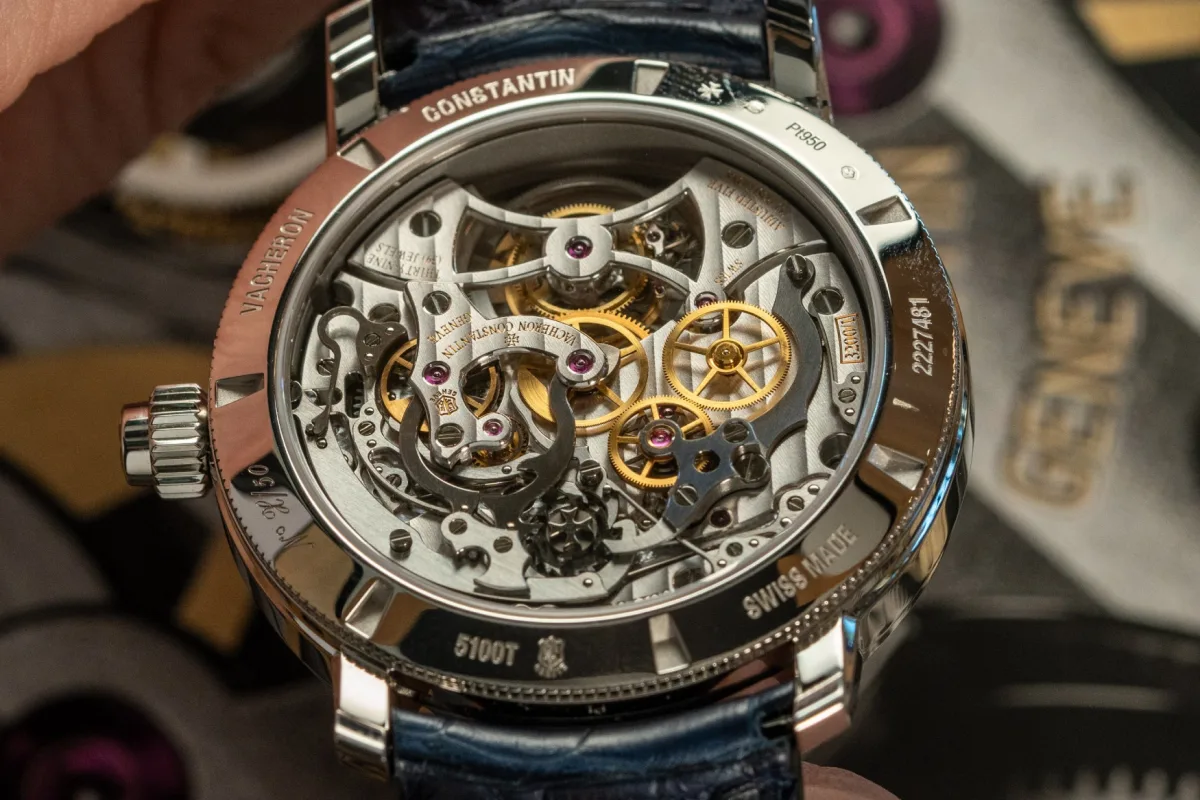
Unlike FQF, the requirements for a Patek Philippe movement to receive the Geneva Seal are not as precisely defined, but it can be assumed that they fully correspond to the Poinçon de Genève certification, which Patek Philippe used before transitioning to its own seal in 2009. However, the Geneva Seal concerns only the aesthetics of the movement, without any performance requirements.