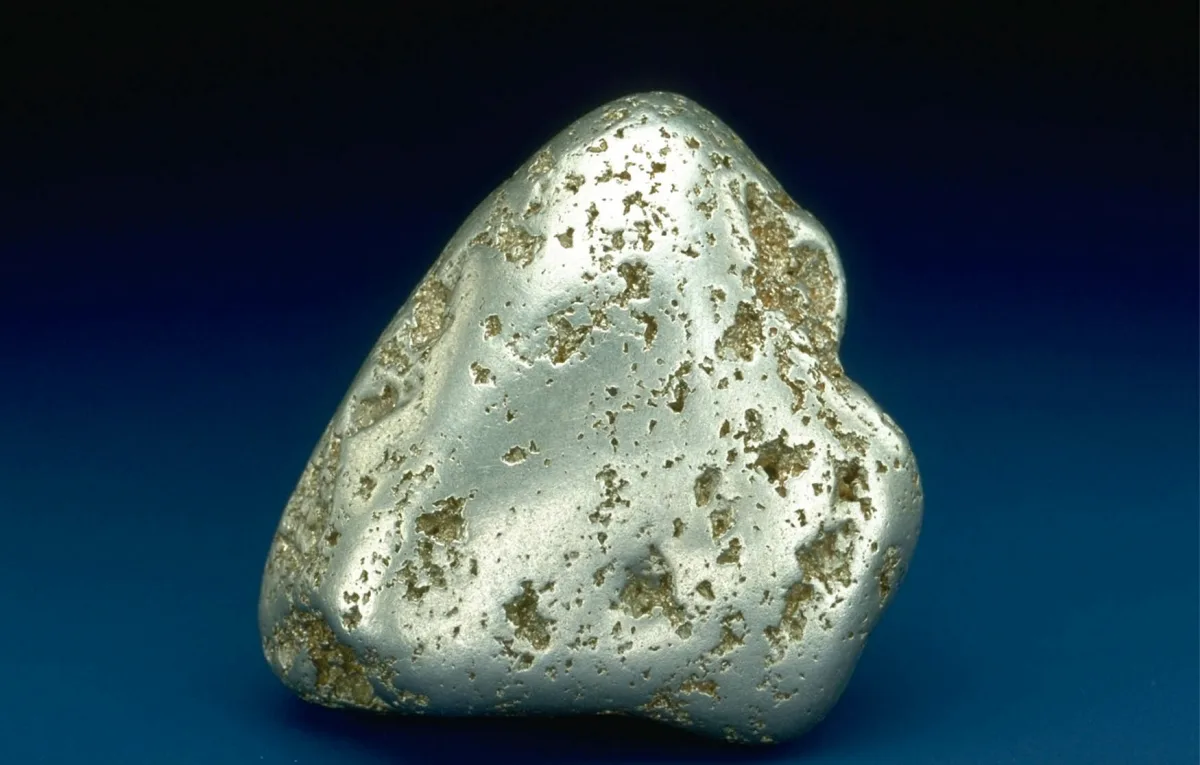
There is a certain connection between gold and human psychology, which is why when a material is considered even more valuable than gold, it truly sparks interest.
However, "preciousness" is not really the defining factor, and certainly not what influences the actual dollars. In fact, most people are surprised to learn that in terms of raw materials, gold is much more expensive than platinum by weight. Some try to explain this with a few simple answers, but the truth lies in a whole set of contradictory facts.
Rarity
Believe it or not, the answer to which precious metal is rarer is also not simple. There are several different factors, but in this case, abundance and availability are important. Abundance is the distribution of an element in the Earth's crust, measured as a hypothetical average value. If you dug up an imaginary section of rock, the content of platinum would be 0.005 parts per million, while gold would be 0.004 ppm. Both figures are small, but this exercise shows that elemental platinum is actually 25% more common in nature than gold. So, is platinum more common?
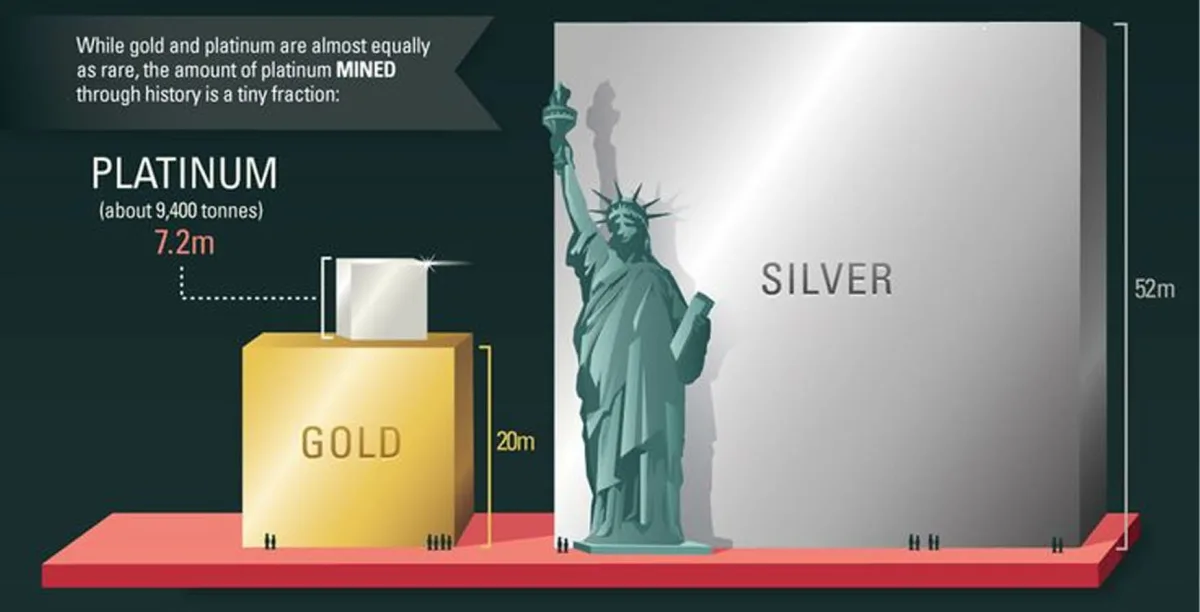
Well, no. Gold may be rare, but it is much more important. Gold underpins virtually all world currencies, is used in jewelry, electronics, and hundreds of other purposes. It's no wonder there have been many significant gold rushes in history, but no platinum rush. On average, 18-20 times more gold is mined annually than platinum, which is explained by its demand and versatility. In addition to jewelry, which accounts for about a third of annual production, most platinum goes into the automotive industry for catalytic converters. Other applications include chemical refining, some electrical applications, and the medical industry, but overall, much more gold is used for making jewelry, like watches.
Density
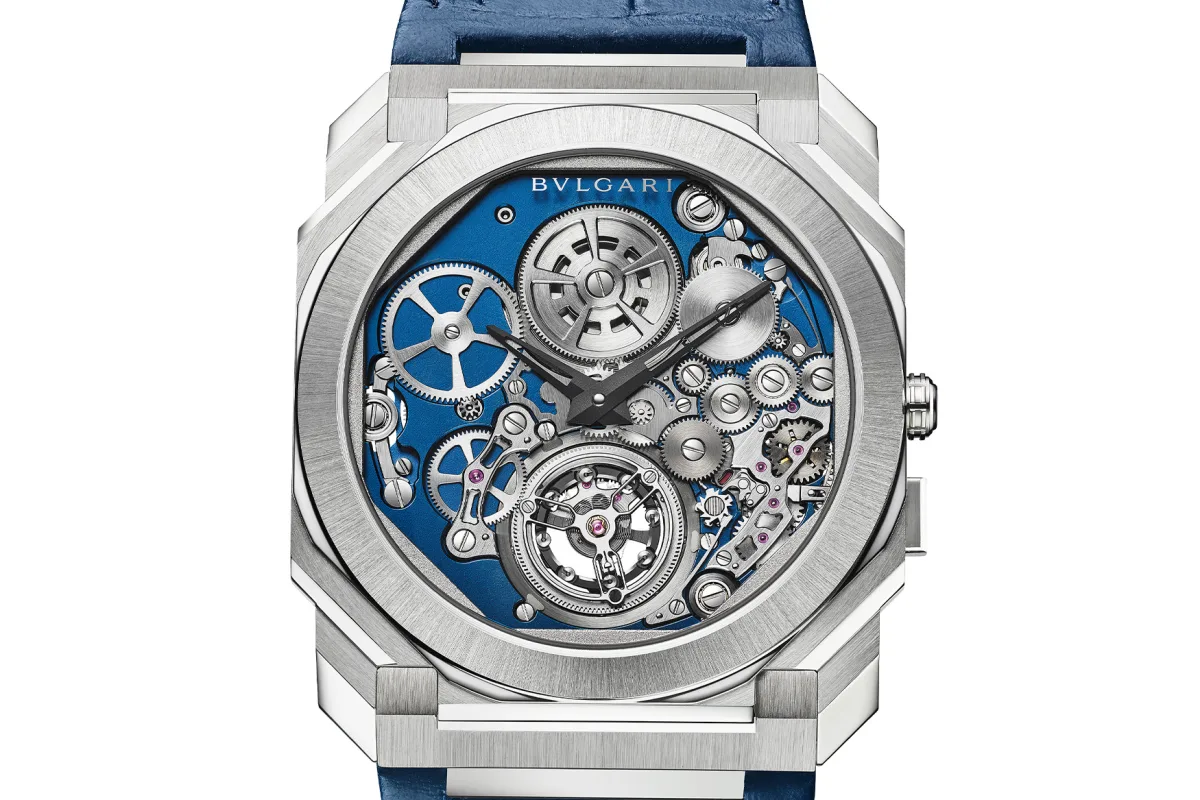
Precious metals are valued by weight, which is inextricably linked to their cost with density. Platinum is the third densest metal after iridium and osmium, with a density of 21.45 grams per cubic centimeter. Gold ranks seventh with a density of 19.32 g/cm3. The difference is 11%. If you are making a piece of jewelry that needs to meet specific dimensions, like a ring or watch case, this means you will need 11% more platinum by weight than gold to create the same-sized item. This, however, does not explain why platinum jewelry is more expensive than gold, given that gold is more than twice as expensive as platinum as a material. For that, we need to consider purity.
Purity
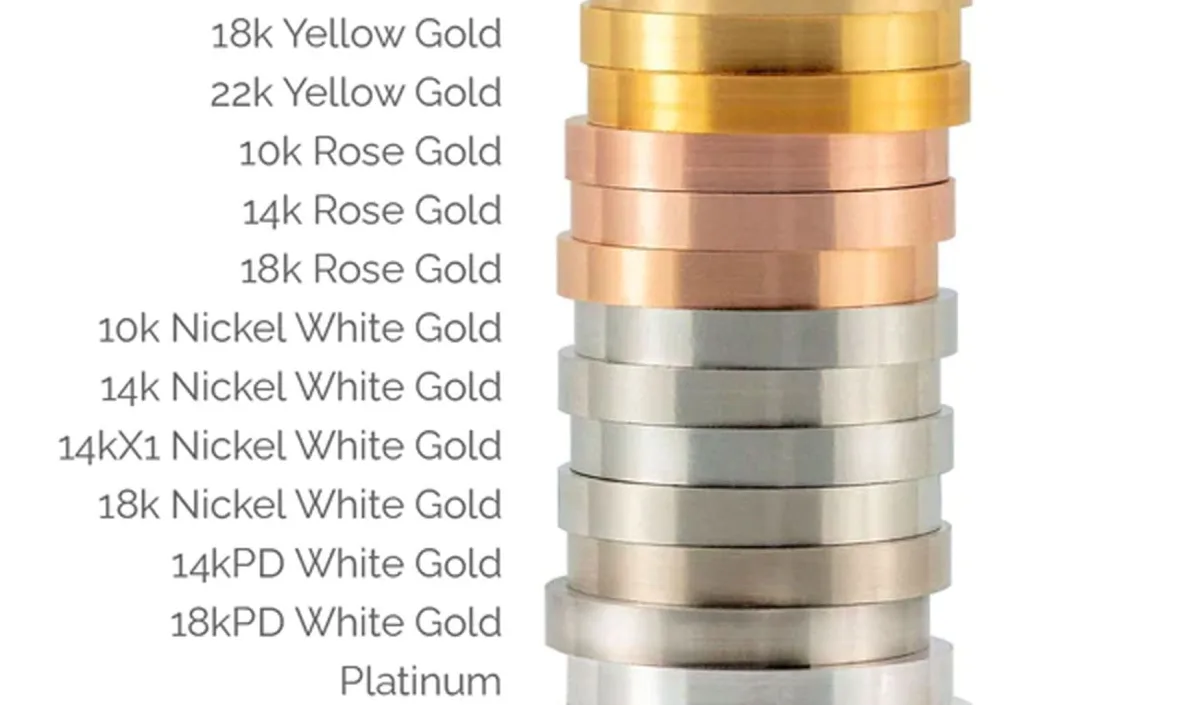
So far, we've been talking about gold and platinum in their pure forms, but pure precious metals are generally not ideal for wearing as jewelry. 24-karat gold and pure platinum are quite soft and will quickly become scratched, even if you avoid the worst-case scenario of deformation. Therefore, to ensure durability, they need to be alloyed with other metals. Nowadays, most watch cases are made from 18-karat gold, which means it is approximately 75% pure. The remaining 25% is open to interpretation, and various "recipes" can be used to achieve different metal colors, such as yellow, rose, or white gold. 14k and 9k are also quite common in vintage watches, but they have fallen out of favor as the gap between luxury and affordable watches has widened.
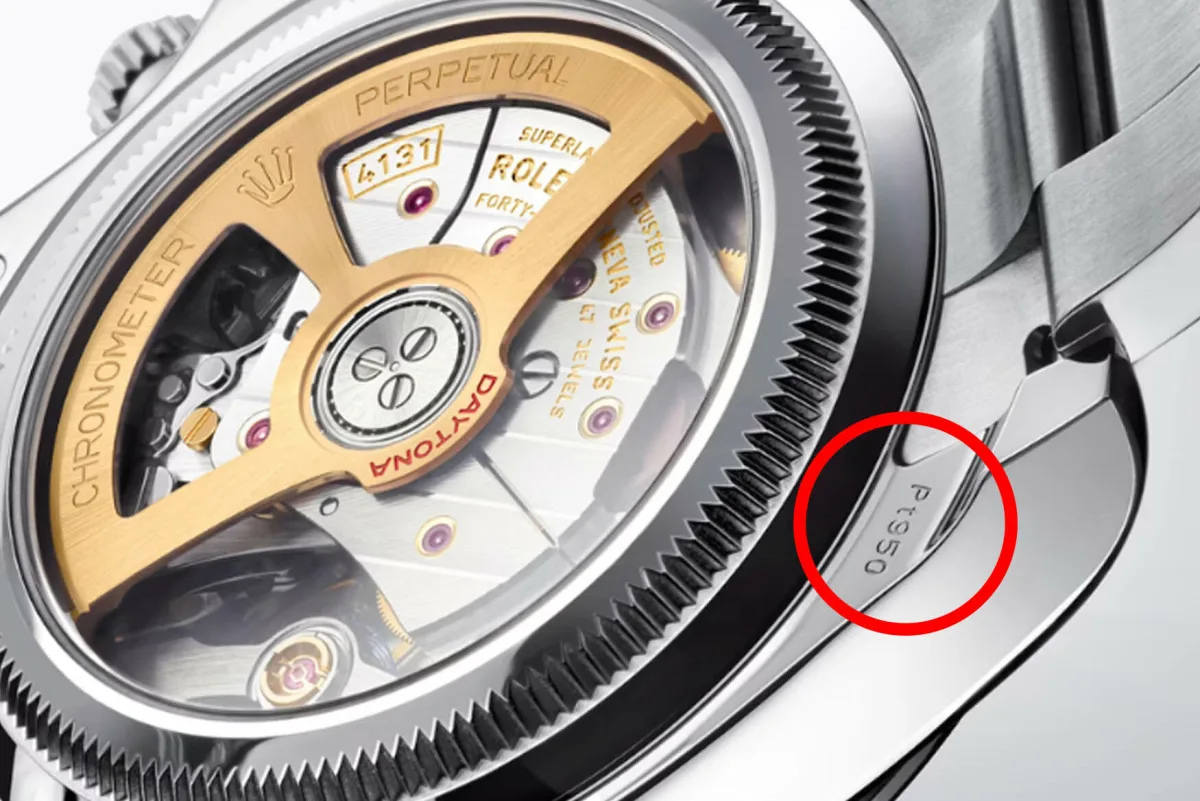
Platinum is also alloyed before being used in jewelry, but not to the same extent. The most common platinum alloy for watchmaking is Pt 950, but Pt 900 is sometimes found. This designation refers to parts per thousand, which means 95 or 90% pure platinum by weight. Other metals used in platinum alloys are also typically much more expensive than the copper and silver commonly used in gold alloys, such as ruthenium and iridium. This increases the overall final cost.
Workability
One of the "simple answers" you might hear to why platinum watches cost more is that it's harder to work with. Overall, this is true, but there are many considerations that complicate this argument. The first is that watch cases are machined, not cast, so a Pt 950 mixture with ruthenium is most often used. This is one of the hardest platinum alloys - about 4.5 on the Mohs hardness scale, and while this makes it a nightmare for complex handmade jewelry, it is actually much better suited for machining. Jewelers call platinum "sticky," so hardness can help the metal cut more cleanly and reduce labor costs for subsequent cleanup. It is certainly much less malleable than gold, but in the watch world, this can work to its advantage.
However, this does not mean that platinum is easier than gold, as gold is an extremely malleable material. It bends, cuts, files, and polishes beautifully, and this is one of the reasons why it has been preferred for use in jewelry for millennia. Platinum also gets dirty more easily, and you can't use the same set of tools for platinum as you do for gold. This entails additional equipment costs, as well as increased labor and skills required to work with it. Platinum also requires special polishing compounds since the Pt 950 Ru mixture is highly resistant to abrasion, allowing it to maintain its shine in addition to its legendary corrosion resistance.
Exercise
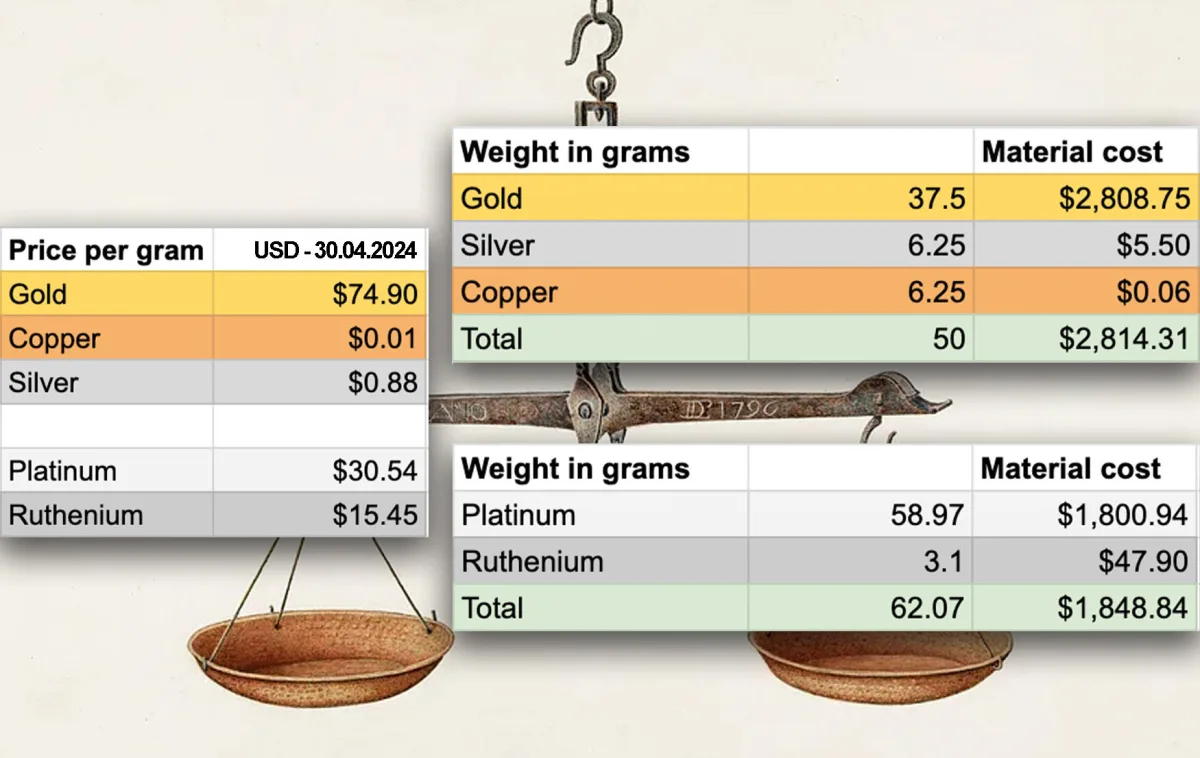
Let's set aside theories and calculate gram for gram, dollar for dollar, for simplicity rounding values to the nearest hundredth. The graphs above indicate the exact material costs for a hypothetical watch case with a volume of 2.96 cm3. Using standard 18-karat yellow gold consisting of gold, silver, and copper, we get a weight of exactly 50 grams and a density of 16.9 g/cm3. Given the density of our Pt 950 Ru alloy, equal to 20.98 g/cm3, we can extrapolate a total weight of 62.07 grams. We also know the recipes for our alloys, and from here we can find out the exact cost of each of the metals at the time of writing. Obviously, even taking into account the purity and density of platinum, gold remains much more expensive. Do the various production difficulties of platinum really justify such a significant markup? After all, if we're talking about a price difference between a yellow gold Rolex 1908 and a platinum one of $8,900, that's a lot to chalk up to it being "harder to work with." Are there any other factors?
Marketing

As I mentioned, anything that might seem more valuable than gold is bound to attract interest. Therefore, jewelers and watchmakers are interested in making cheaper metals seem more elusive, specialized, and valuable. As we have discovered, there are legitimate reasons why platinum jewelry can be more expensive than a similar gold one, but this is much more true for jewelry made by a craftsman in a workshop with hand tools. A watch case, even if hand-finished, does not adhere to the same criteria due to the mechanical processing and hardness of the often-used Pt 950 Ru alloy. Platinum has retained its increased value since its refinement in the late 18th century, and the idea of its exclusivity is reinforced daily by "platinum" credit cards, reward systems, and album sales, which are considered above the "gold" level. In this presentation, it sounds a bit like a conspiracy, but in reality, it's just smart marketing.
Advantages
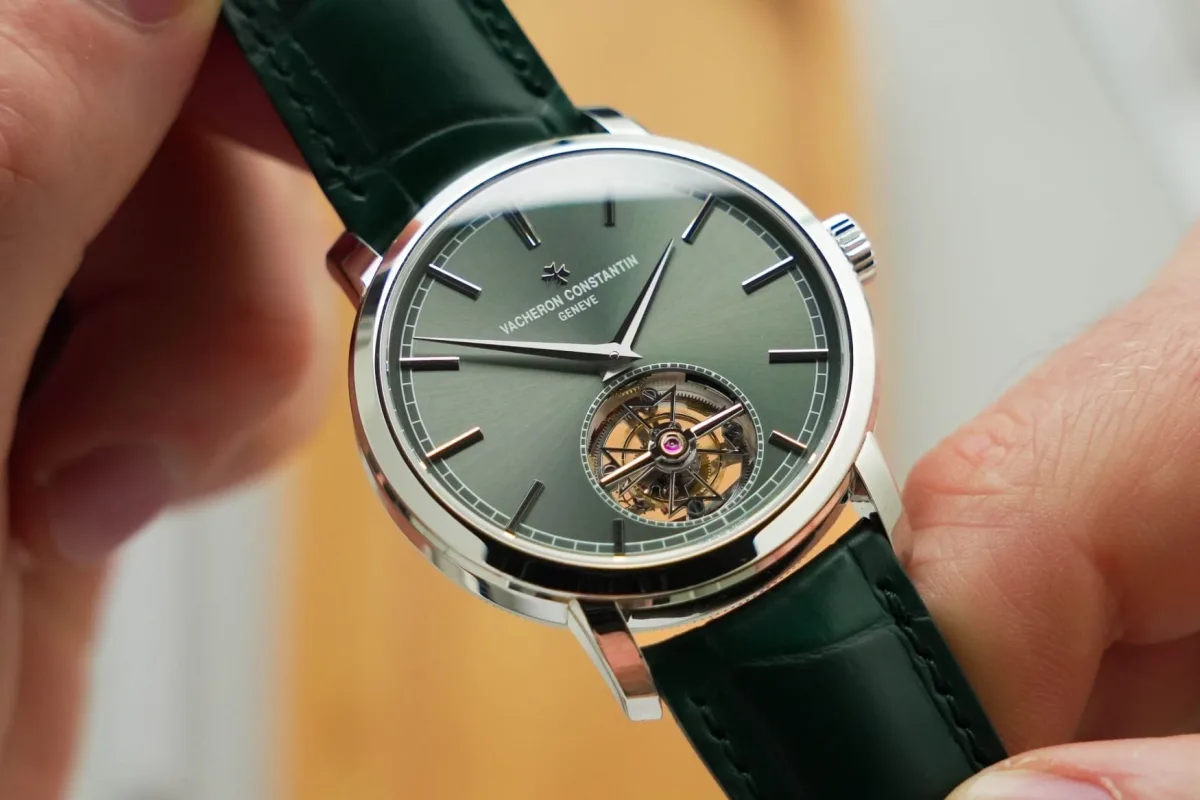
Platinum watches and jewelry certainly have some real advantages. One could argue that wealth can be stolen, and that the likelihood of stealing white metal is lower than that of yellow gold, but given the existence of white gold alloys, this argument can be dismissed. The biggest advantage is hardness, which is 4.5 on the Mohs scale compared to 2.8 for 18-karat gold. Overall, it will acquire fewer scratches over its service life and retain its beautiful white luster. Don't forget the weight of the metal, as weight is often associated with high quality, and it feels better on the wrist. Platinum is a very stable element, so tarnishing is extremely unlikely, although high-karat gold is also unlikely to tarnish. Whether these advantages justify the price increase is up to you and your wallet.