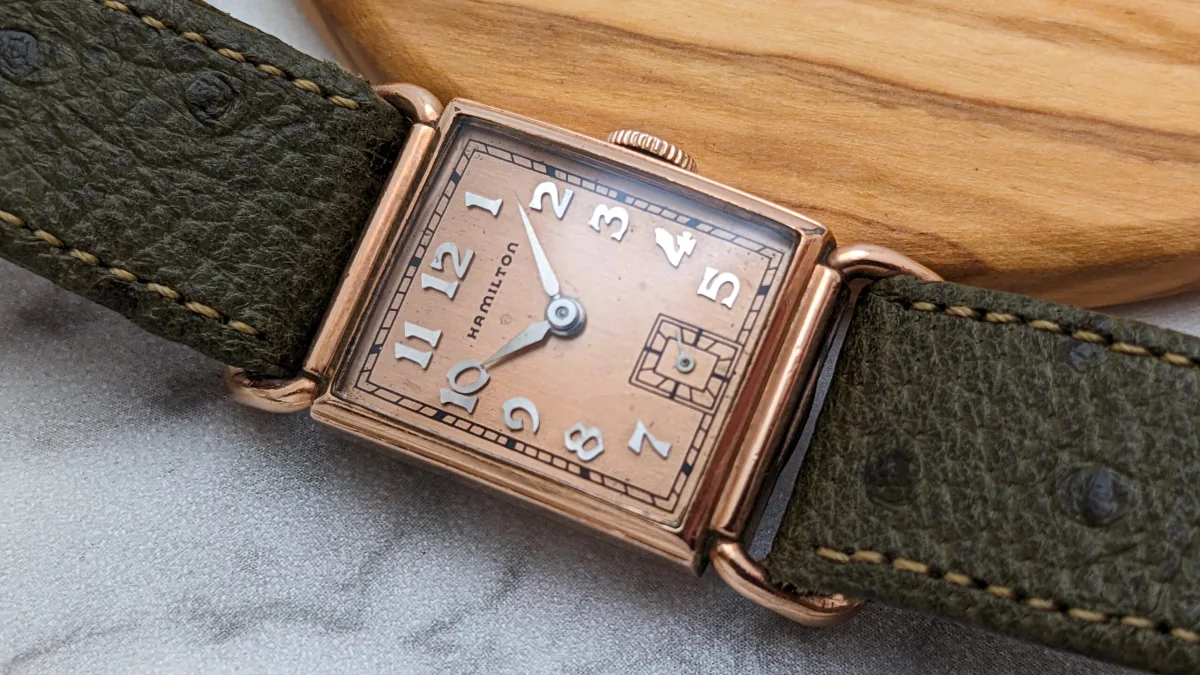
Most people who visit WatchTested are already interested in watches, so it’s easy to take for granted why we like these items.
When I write about watches, I usually focus on an audience that considers themselves watch lovers or is at least inclined to learn about new products. We don’t often take the time to discuss the more significant reasons why watches are interesting or desirable.
I always strive to introduce people outside the circle of enthusiasts to the world of wristwatches, so I try to write introductory articles like this one whenever possible. Today, I would like to address the complex question, “Why do people love watches?” In short, people love watches for various reasons, depending on who they are, their place in life, and their lifestyle. I will try to explain the reasons why people love wristwatches in the modern world, and I encourage you to share your experiences and opinions below in the comments.
From Necessity to Desire
It’s hard to pinpoint when watches stopped being a necessity, but it most likely happened in the late 1990s. In the 1980s, most people switched from mechanical watches to electronic quartz movements, and just a decade later, people began replacing wristwatches with other time-telling devices like mobile phones.
The shift from “necessity to desire” for watches was significant because it changed the types of products being produced and people’s attitudes towards watches. For most of the 20th century, wristwatches were necessary for most people to keep track of time. Knowing the time was a key element of personal independence and the ability to manage responsibilities. If you didn’t know the time, you couldn’t, for example, arrive at work on time. Thus, the primary criteria for watches were accuracy and reliability. Watches could certainly be status items, but in most cases, wristwatches were just a common item in a person’s daily arsenal.
When watches transitioned from a necessity to a desire, people changed their attitudes towards them. Items you want, as opposed to those you need, do not have the same utility requirements, and people tend to acquire them for more emotional reasons. Cars are a good example because people both need and want cars. To simply get around by car, you probably never need to spend more than $20,000 (if buying a new car), yet there is a massive luxury car industry. Cars priced above this amount are considered luxury items because they go beyond needs and enter the realm of wants.
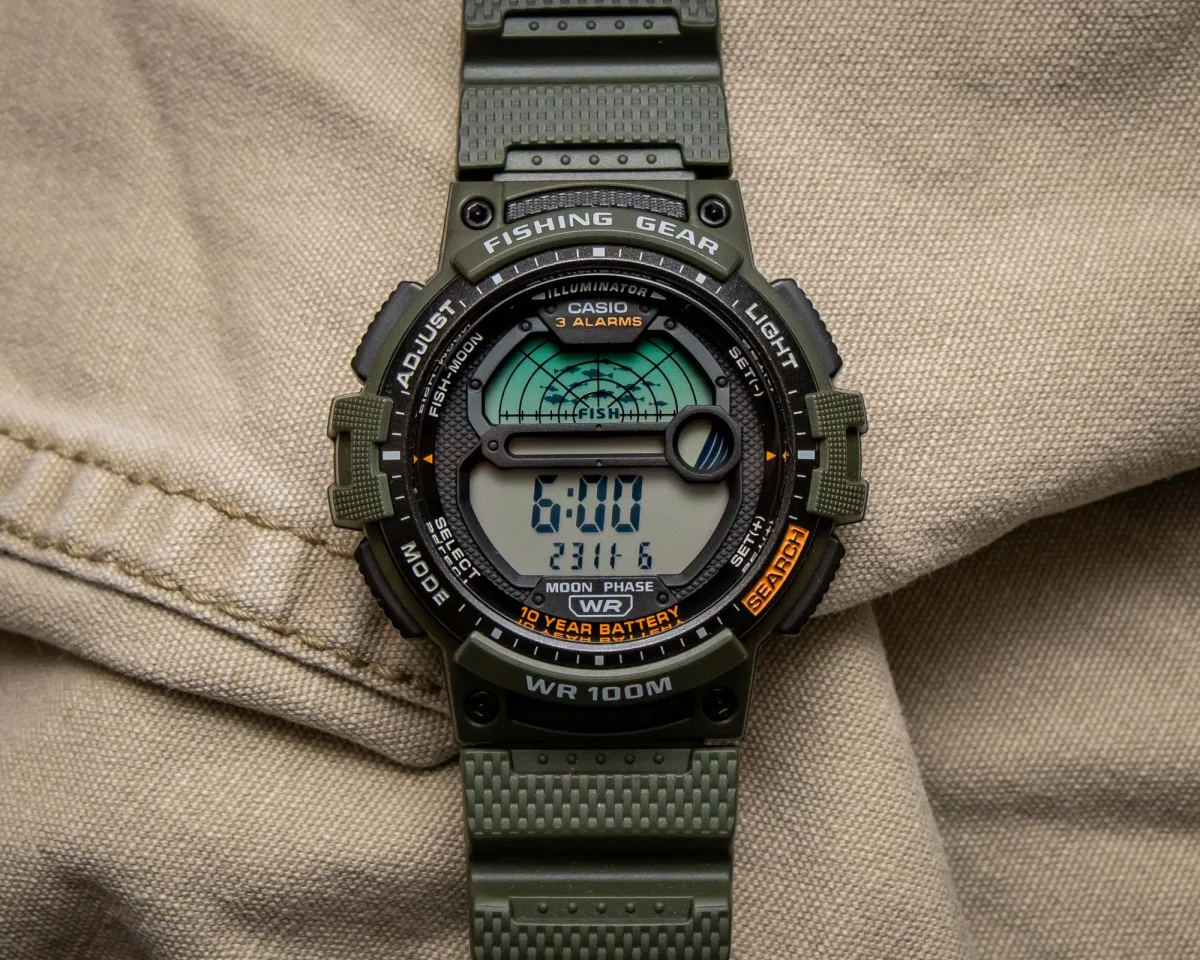
Watches are needed in many ways - still to know or measure time. But most watches you see on a watch enthusiast’s wrist go beyond mere need and enter the “want” category. Casio will sell you a damn good way to know the time for less than $30. So why do people happily buy watches costing thousands or many thousands of dollars? The reason is that there is something (or several things) in watches that people want more than just need, and understanding this is integral to understanding why people like watches.
Items of Historical Status
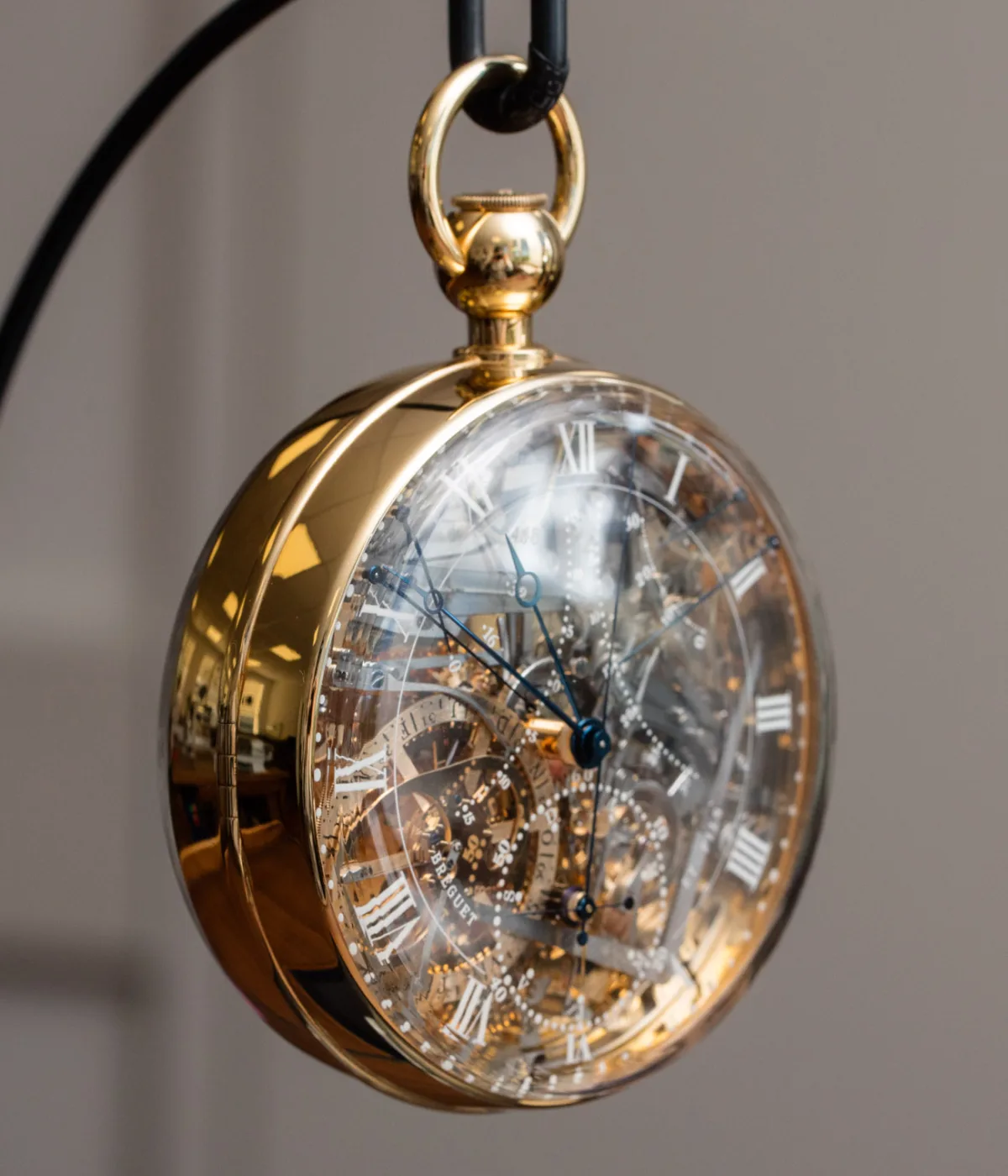
In light of the above, for the purposes of this article, “luxury watches” are any watches that go beyond simple practical functionality and offer something else that the consumer desires. Luxury watches have existed since the inception of watches, but back then, there were only luxury watches. Pocket watches or clocks were so complex and expensive to produce that only very wealthy people could afford them. Even kings and queens could boast of wearing several pocket watches on the outside of their clothing as a sign of their wealth. Making watches took years, and given their high cost, they were often adorned with various decorative elements and embellished with precious materials. Only in the late 19th century did personal watches become more accessible. By the early to mid-20th century, watches (wristwatches or pocket watches) finally became cheap enough that almost anyone could own them.
Today, there is an extremely sharp division between cheap and expensive watches. Moreover, given that watches are no longer a necessary tool, there isn’t much middle ground between very cheap and expensive watches. Prices for luxury watches start at around $1,000 (depending on your tastes and level of expectations), but you can acquire decent time-telling wristwatches for less than $5. A $500 watch is not exactly the middle ground. In terms of quality, there are luxury watches and there are cheap ones, and there is nothing in between except for branding considerations.
Marketing and branding, as well as quality and technique, have created a rich variety of luxury watches to choose from, depending on the consumer's tastes and disposable income. Today, you don’t need to be ultra-wealthy to own a luxury watch, but if you are ultra-wealthy, you can easily acquire luxury watches that simple wealthy individuals likely cannot afford. Today, watches have returned to their original function as a status symbol, despite the huge level of democratization in society when it comes to buying watches. Luxury watches are distinguished not so much by functionality (for the most part), but by technique, design, craftsmanship, and artistic value. Thus, today there are many watches whose primary purpose is to be a status item, with a secondary purpose of being a tool, but nonetheless, they must also be a tool.
Wearable Machines
Wristwatches that do not tell time or other data are not watches, but rather bracelets. You must understand that people like watches mainly because they have both status and utilitarian significance. Simply offering one or the other would not make these devices as popular as they are today.
For a variety of reasons, people like machines, which is essentially what wristwatches are. Electronic quartz watches are less like machines because we cannot observe what happens on a microscopic level. Mechanical watches offer more vivid sensations because the user can not only feel them working by winding the mainspring or manipulating various settings but also visually see the mechanism (which is possible in many modern mechanical watches).
Explaining why people are attracted to machines is an entirely different matter. There are large communities interested in cars, airplanes, boats, weapons, analog audio equipment, bicycles, and watches. All these things are machines, and those who are intimately familiar with these various genres can appreciate how a particular item functions to perform a specific task or set of tasks. How elegantly or efficiently a machine can perform its assigned tasks often reflects how much people value them.
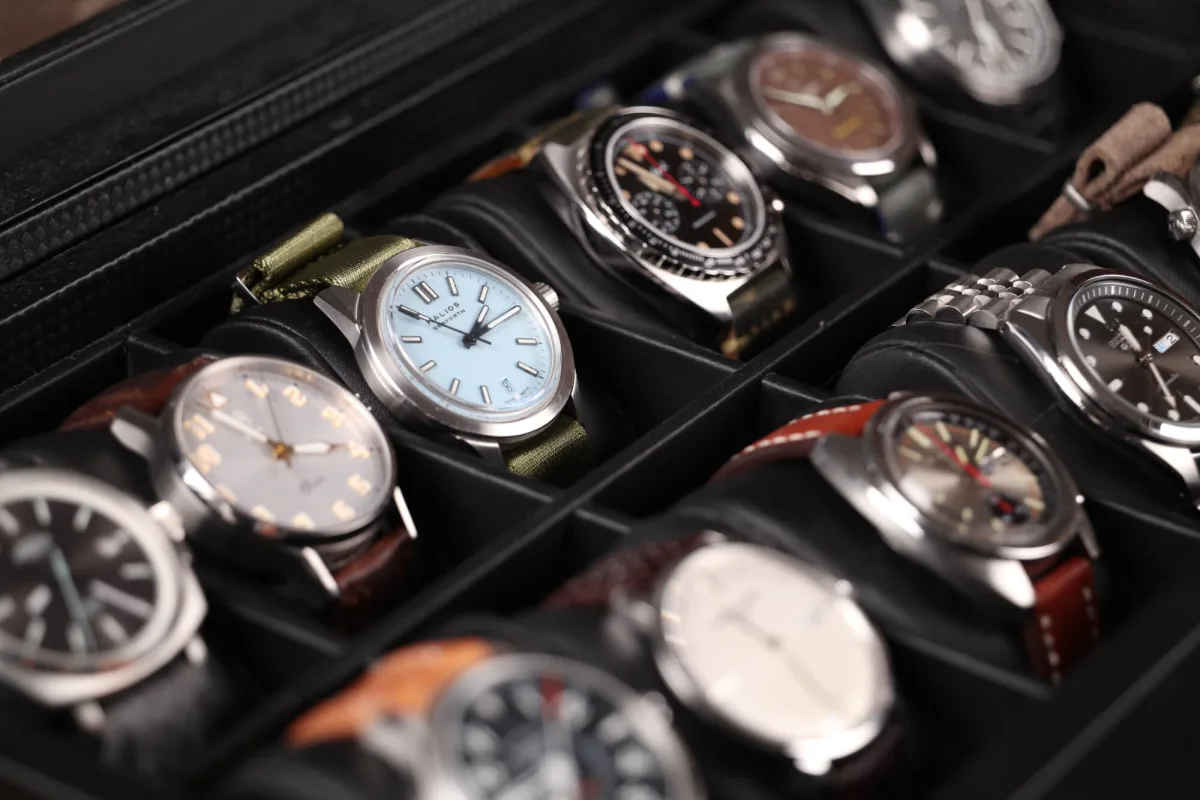
Nowadays, there aren’t many machines that people can carry around with them (and still remain socially acceptable). Watches are a rare form of attractive, practical, and useful wearable machine. It is because watches are wearable technology that many people like them. The fact that different people appreciate different types of chronographs or watches designed for different purposes adds character, variety, and flair to existing watch types. One person might be drawn to dive watches for their ability to remain undamaged underwater, while another might appreciate the elegance of watches designed to be as thin as possible.
Fashion Meets Function
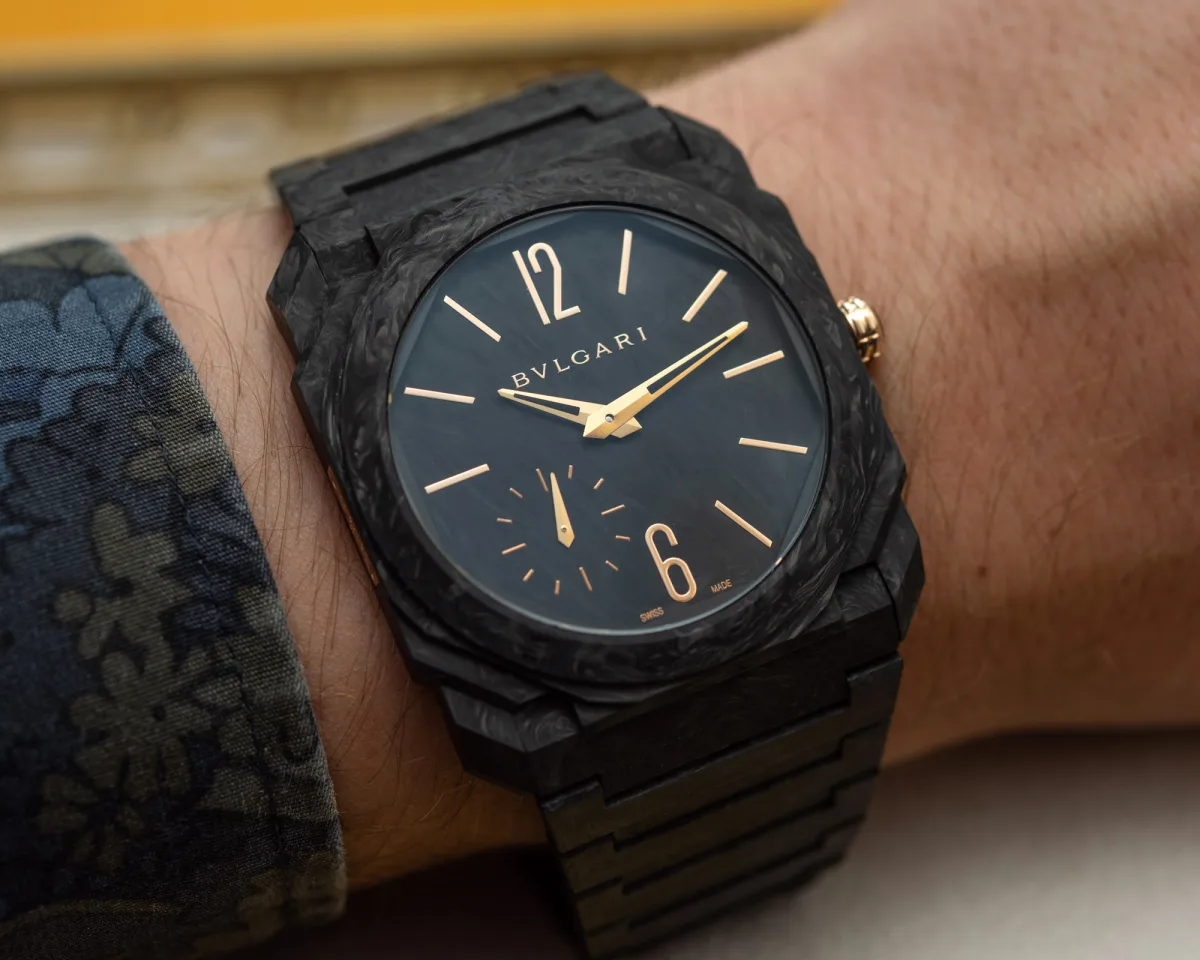
For watches to be so popular, it isn’t enough to simply wear machines. An extremely important element of why people like watches is how they can say something about the person wearing them. Fashion is about conveying information about who you are (or who you want to be) through what you wear, how you behave, and how you adorn yourself. Watches are an extremely effective fashion statement because today they are one of the only impractical items a man can wear that are still socially approved because they are also a tool. It might seem like a strict rule, but for the most part, in Western society, men are not “allowed” to wear ornaments that might be considered forms of social regalia.
There are various reasons for this, but I think it’s because in our socially democratized society, few people feel comfortable walking around and outwardly communicating (through what they wear) that they belong to a higher social class than others. Of course, this happens, but for the most part, it goes against social norms of politeness and openness. However, an exception is made for items that can be not just fashionable but functional.
Perhaps not without irony, watches as we know them today became an extension of deviation from the rules in Calvinist Switzerland. In the Calvinist form of Christianity, excessive things and luxury were strictly forbidden. Watchmakers used watches to produce ornaments, justifying that they were making tools, not just status items. Lavish and decorated watches were given a pass because their primary purpose was utilitarian, not symbolic. I think for similar reasons in modern society, it is acceptable for men (women are allowed to wear jewelry) to wear watches as a form of decoration indicating social status, because, at least in theory, they are primarily functional and secondarily fashionable.
Such social allowances give people who like watches a wonderful opportunity to adorn themselves with various fashion messages. In some cases, men use watches to communicate the kind of people they want to be. Even though a person might not fly planes, they can wear aviator sunglasses and pilot-style watches on any given day to demonstrate their fashion sense.
The diversity of watch designs, as well as the types of activities for which watches are intended, is vast. For this reason, the fashion opportunities when it comes to watches for men are very broad. Consider that for most men who wear luxury watches, these watches are the most expensive item on their person. Given the visibility of watches on the wrist, as well as their value compared to the rest of the outfit, these wearable tools have a unique fashion value unrivaled by other items.
Today, it can be said that the advent of smartwatches threatens to occupy all the free space on the wrist that most people had. If and when smartwatches become more useful for more people, fewer people will have the opportunity to wear luxury watches, as the same space on the body might be used for more practical purposes. Thus, the logical result will be the emergence of luxury smartwatches.
Collecting Stories
Given the very personal nature of wristwatches, it is quite logical that people might assign sentimental value to them. There are known cases where people wore watches that belonged to close family members or even bought watches that belonged to celebrities or other famous individuals. This happens because people tend to connect stories with watches, and people love stories.
Stories embody not only the people we respect or want to emulate but also the values and memories we cherish. It often happens that watches sold at auction sell much better if they are accompanied by a captivating story. Consider the concept of celebrity items selling for large sums at auction. Is this item different from a similar item not owned by a celebrity? No, it is not. The only difference is the societal concept created that because an important person owned or used this item, it acquires new value thanks to the stories contained within.
Stories are not only related to the people who owned the watches but also to the design, construction, purpose, and functionality of the watches. Sometimes people can create their own stories about the importance of watches based on where they want to wear them or what those watches make them feel. Most valuable items have their stories, which we attribute to them either according to the real past of these items or through the initiative of the owner, who then creates their own stories.
The power of a story is so great that items with stories tend to have much greater value than items without interesting stories. One good story may not be enough to sell a watch, but it can significantly increase a person’s desire to acquire something, as well as the collective need of the enthusiast community to purchase that item. Watches without stories are not in high demand, while watches with stories can be some of the most valuable collectible items on the planet.

Revealing Personality
All the above reasons why people like watches can be boiled down to the fact that they can better express themselves through watches. This expression of personality can be not only for the general public but also for themselves. Many people do not pay much attention to themselves. By expressing interest in such an item as exquisite watches, with all that relates to them, a person is essentially expressing their individuality and character. In other words, when you like watches, you are not only revealing your individuality to others but also to yourself.
The opportunity to talk about the characteristics of a cool machine, share a meaningful story, or wear a fashionable tool that speaks to your lifestyle (real or desired) - all of these are opportunities to reveal your personality. Perhaps some people reading this article also do not consider watches a good means of revealing their personality, but I’m sure they have at least a few other ways to do so.