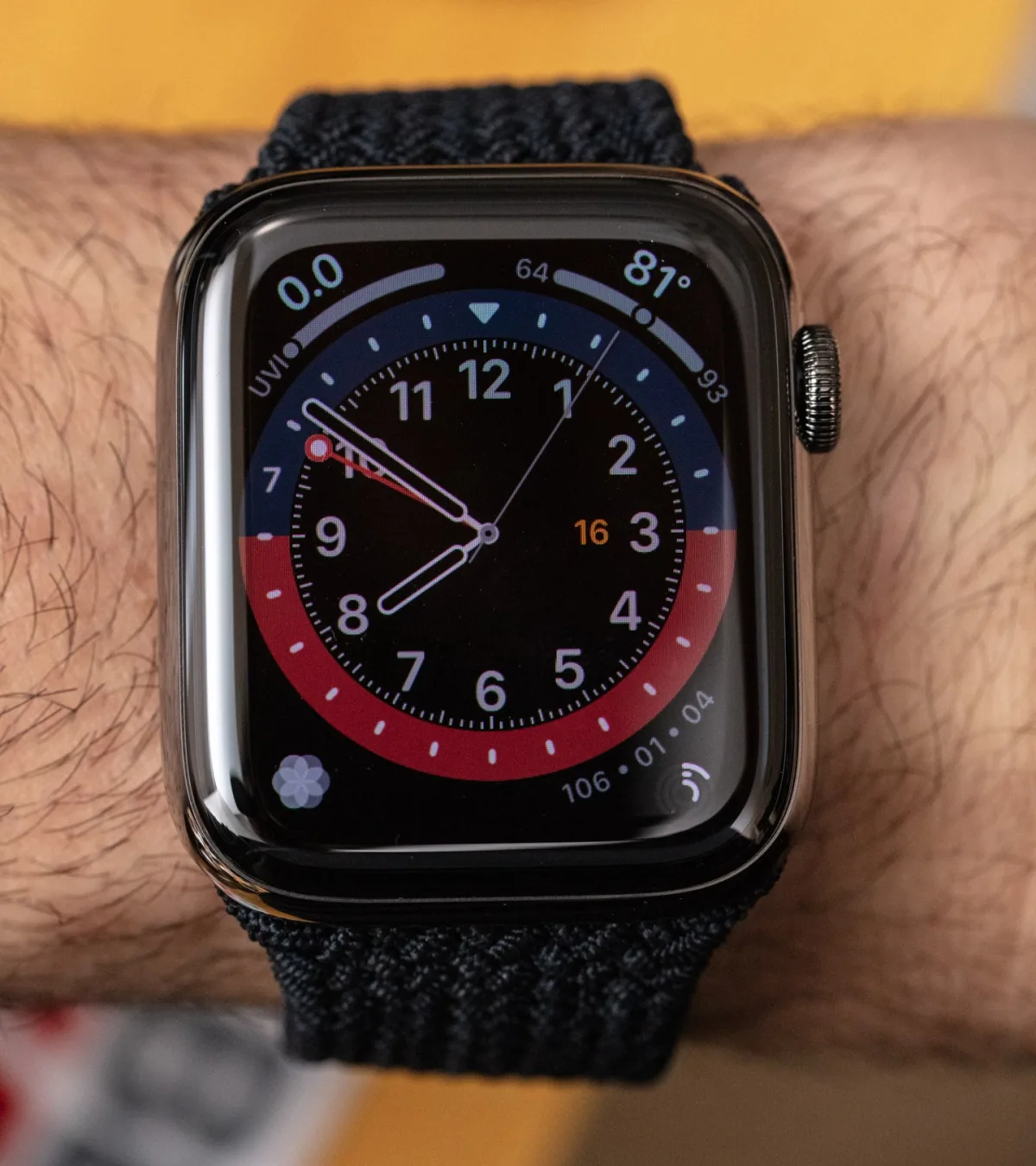
Apple is not only the leading smartwatch manufacturer in the world but also arguably the most sophisticated, multifunctional, and well-constructed among all consumer smartwatches. As a monitoring device, Apple continues to equip the Apple Watch with an increasingly impressive array of systems designed to monitor the body's state using built-in sensors and provide useful data to the owner. This data is not just simple indicators like the current heart rate but a comprehensive ability to track the user's activity and lifestyle to offer recommendations on how to become more "healthy".
In reality, "well-being" is practically the only (admittedly vague) term Apple can now apply to its Apple Watch when trying to describe what all these features are for. In many ways, the Apple Watch is a professional tool that can measure vital signs and other current data about your body's function. Apple cannot make more open references to "health" and make specific medical promises due to regulations set by the U.S. Food and Drug Administration (FDA). This area is becoming increasingly complex with the advancement of technology and puts companies like Apple in an interesting position.
On one hand, the Apple Watch is a tool that people or their doctors can use to help them lead a healthier lifestyle, and it offers assistance in a number of medical monitoring and diagnostic scenarios. On the other hand, Apple is legally prohibited from openly making medical claims about the Apple Watch and must be very careful about how its user interface manages the information the device collects in the interest of the user. As a result, Apple Watches offer ever-increasing volumes of data about a person's activity and body, without the ability to take the extra step and tell people what they should do with this data or even how to interpret it.
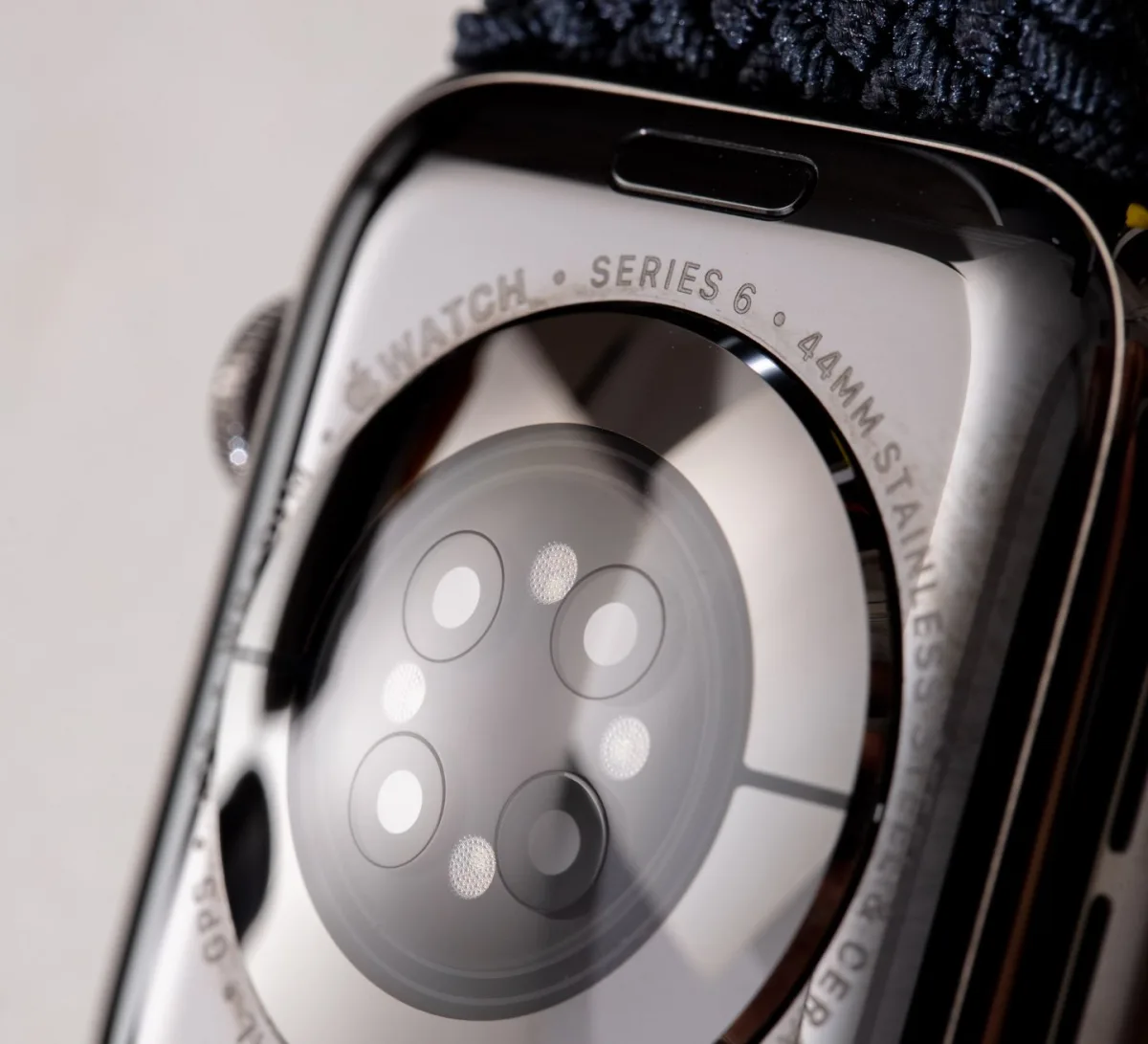
This status quo puts Apple in a somewhat awkward position when it comes to launching something like the long-awaited blood oxygen monitoring system, which is a new feature added to the recently debuted Apple Watch Series 6. Now, Apple Watches can gather a lot of data by shining various LED lights. You can learn your current heart rate, blood oxygen saturation level, and much more (such as an ECG monitor). Only Apple can't tell you what to do with this information and can at best recommend that the owner and their medical professional take this data and do with it as they wish.
If we assume that Apple will not be restricted in making more specific health statements and recommendations, we will start to see the Apple Watch OS evolve in a new direction, where the algorithm helps people with personalized advice on how to structure their life and time to improve fitness, reduce stress, and be aware of potential chronic health issues. This is something to expect in the future, as it doesn't seem that the FDA's legal policy and the device manufacturers like Apple will reconcile anytime soon.
If you think about it, the legal restrictions make sense. For the FDA to classify a device for a specific medical application, a lot of research and due diligence is required. I also think this process is limited to certifying specific devices and for narrow, specific medical claims. The Apple Watch itself is updated annually with new versions. The software is updated much more frequently, and the list of medical utilities that can be used with the Apple Watch is quite large. I hypothesize, but I have a feeling that what is involved in making FDA-approved medical claims about the Apple Watch may not make much sense in the current business. For now, consumers will have to figure out how to use the data provided by such a fancy device - and it is a fancy device.
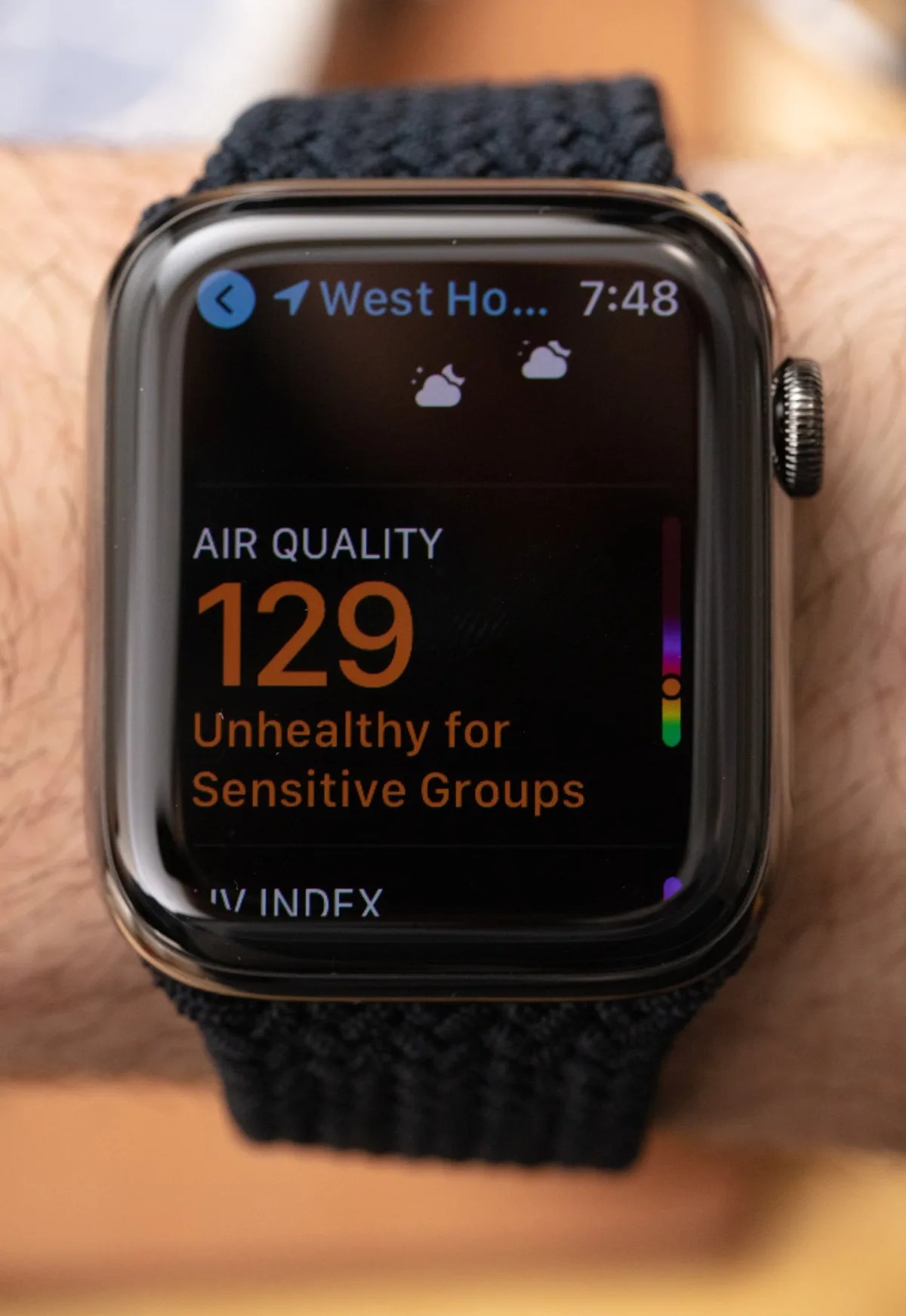
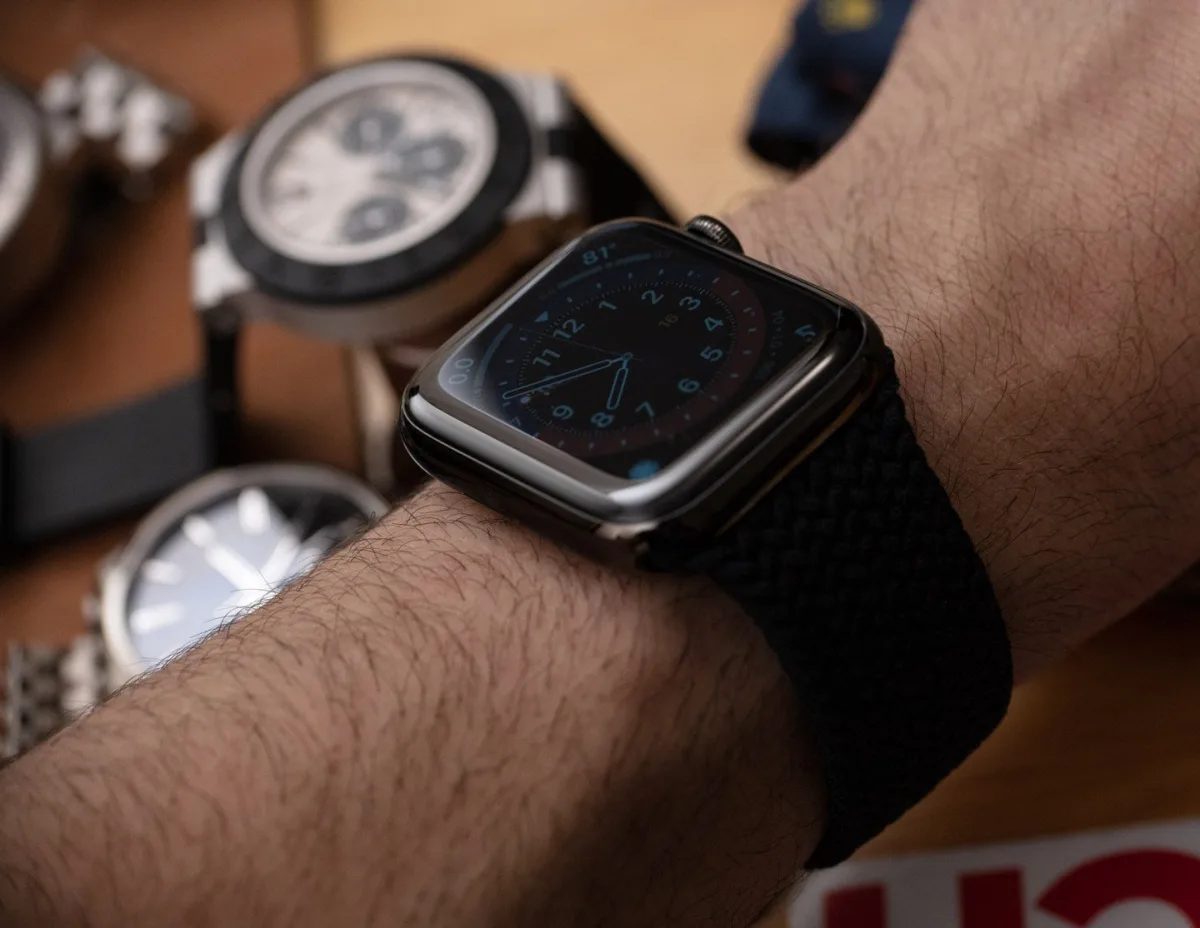
In 2020, the Apple Watch Series 6 updates the main Apple Watch offering, with new cosmetic options, new straps, and numerous additional improvements, such as a brighter always-on display, more advanced S6 chipset, and an almost bewildering array of versions. Apple sells not only the older versions of the Apple Watch - for 2020, we also have the Apple Watch SE (a budget version), Apple Watch Series 6 in steel or aluminum cases. Apple Watch Nike Series 6, Apple Watch Hermes Series 6, and Apple Watch Edition Series 6 (which have titanium cases). Additionally, Apple Watches are still offered in 44 mm or 40 mm sizes. I don't even want to guess how many new models of Apple Watch are now available, so for simplicity, I will call them "Apple Watch Series 6".
On my wrist is the 44 mm version with a polished "Graphite Black" stainless steel case. The watch has a water resistance of 50 meters, sapphire crystal over the screen, and additional sapphire crystals over the LEDs on the back of the case. Despite the additional features and brighter screen, battery life remains at the "all-day" level. I wear the steel Series 6 on a new Apple Braided Solo Loop strap, which is part of two new "stretchable" strap styles available for the Apple Watch. They remind me of the once very popular Speidel Twist-O-Flex straps that I constantly saw in the 1980s. These straps don't need to be sized or clamped on the wrist; they simply expand to fit over the hand and wrist. How do you size them? You don't. Apple sells a long list of sizes (more than 10) for the Solo Loops, so you'll have to measure your wrist in advance to buy one of them (or, if possible, just try on different sizes in Apple stores).
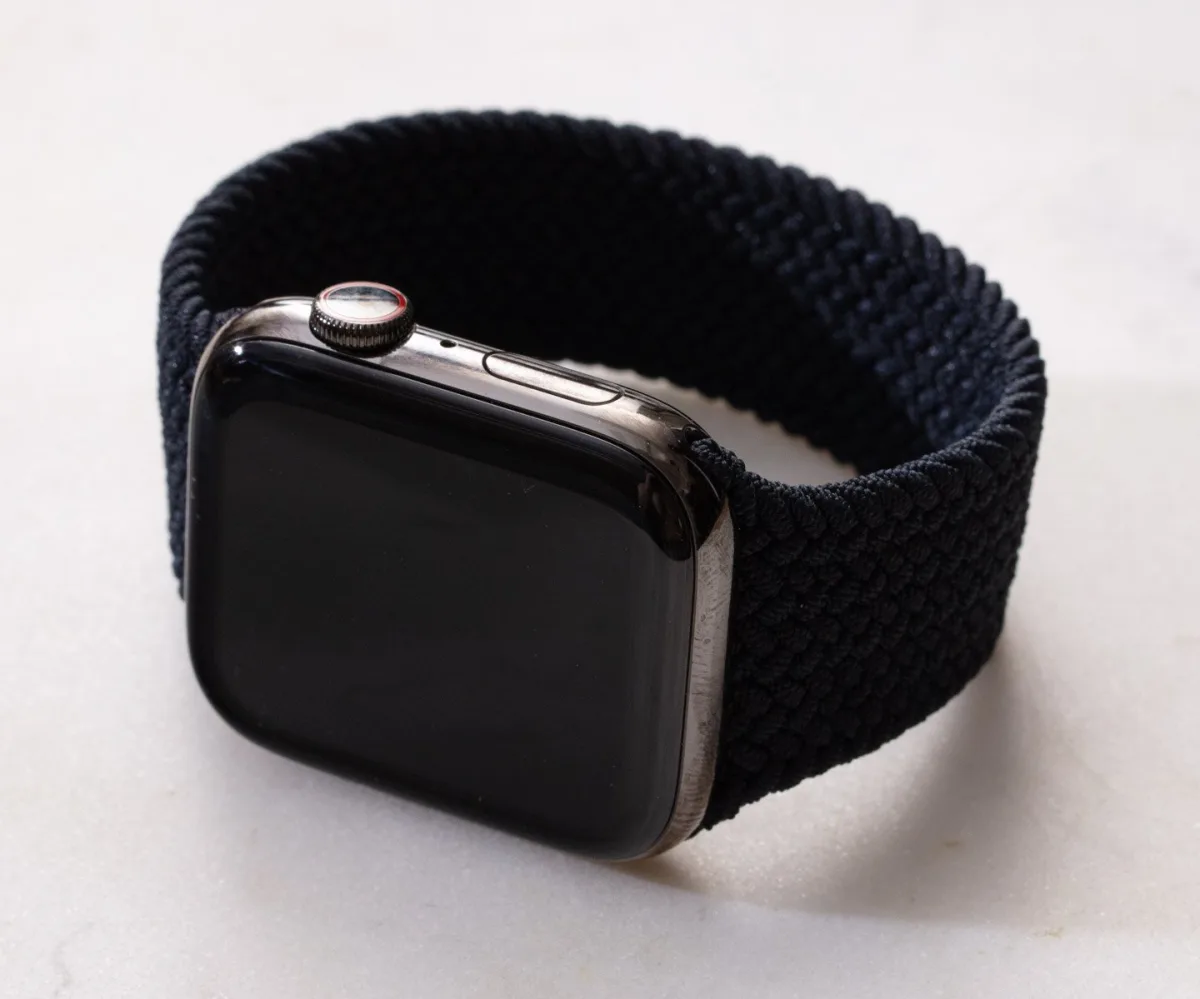
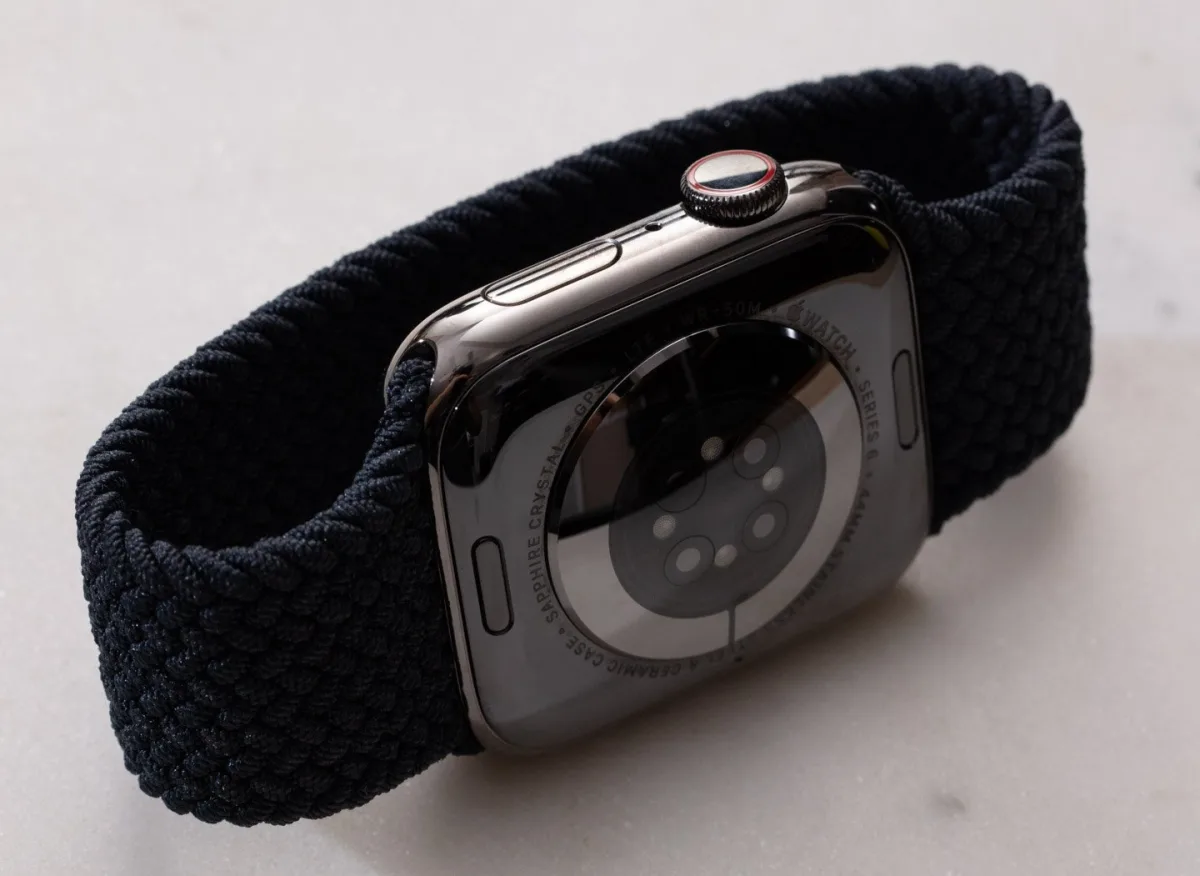
A few years ago, I noted that Apple wasn't as prolific as one might like when it came to offering new and new watch faces to create a sense of personalization for wearing the Apple Watch. Unlike some competing smartwatch platforms, Apple does not allow Apple Watch users to download third-party watch faces - all available watch faces are provided directly by Apple. At first, this deterred me, but over the years I understood the reason for Apple's decision, mainly because third-party watch faces are generally of low quality, which doesn't satisfy the company when it comes to a personalized approach to each element of its products.
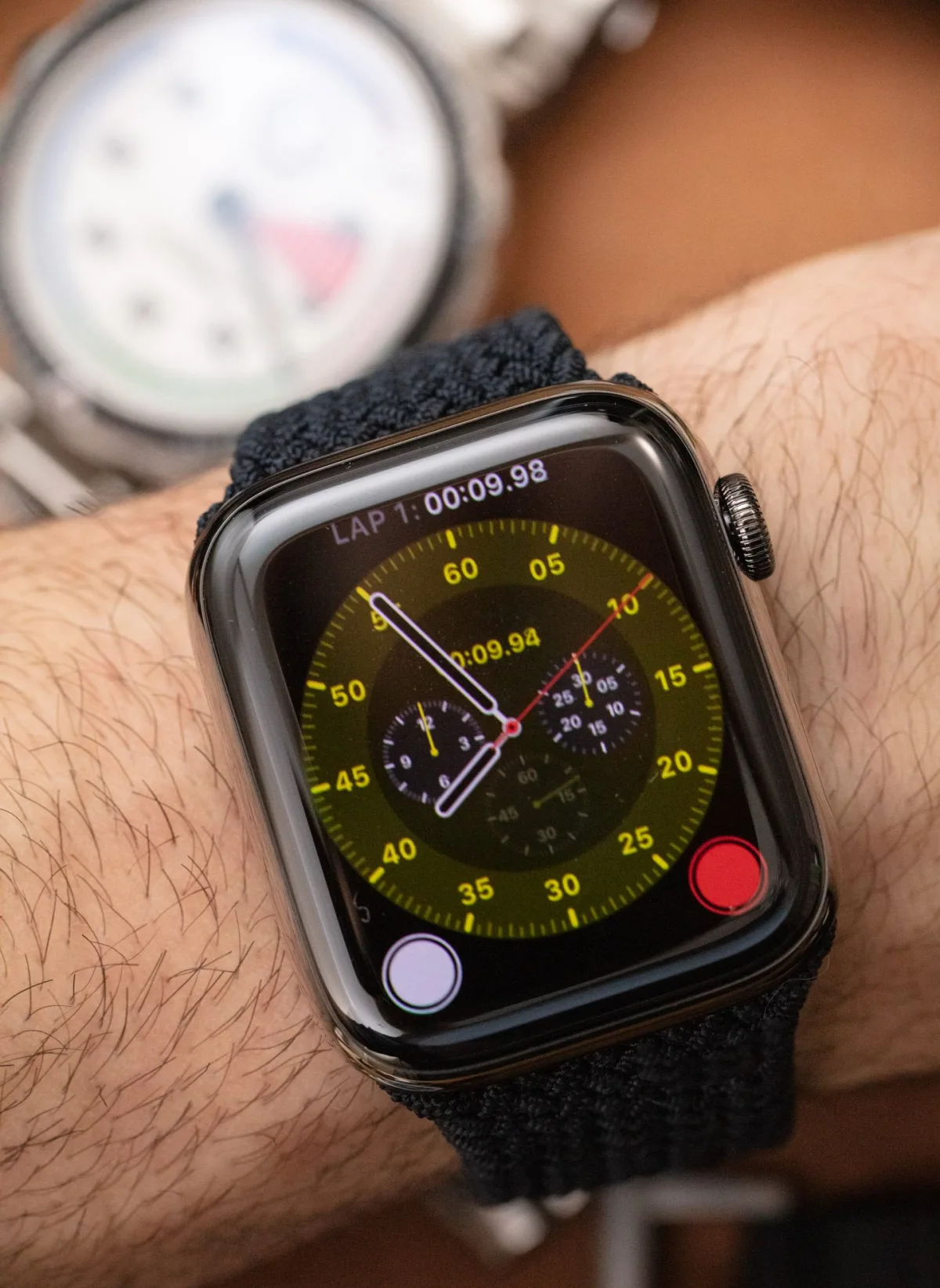
The Apple Watch Series 6 comes with the latest version of the WatchOS operating system, which includes six entirely new watch face options, as well as new complications. New watch faces like "GMT", "Chronograph Pro", and "Count Up" are clearly inspired by classic wristwatch dials, indicating that Apple is still heavily influenced by the traditional watch world when making aesthetic and functional decisions regarding the Apple Watch.
The new watch faces look elegant and serve an important purpose: to help give the Apple Watch Series 6 a fresh feel for those who have just upgraded. Although much has changed inside the Apple Watch, in many ways, the sensations of wearing the new models are similar to Series 5. This was to be expected, but having a new watch face to look at helps enhance the sense of novelty. Moreover, Apple is getting better and better at creating watch faces that perfectly fit the non-traditional shape of the watch face. These include truly rectangular watch faces, as well as traditionally round ones, but cleverly use the extra space above and below the main time dial to insert additional "complication" zones.
If you carefully study the features that Apple adds or promotes in the Apple Watch, you can get many hints about what Apple believes consumers do with these products. Fitness and activity seem to have been the main focus in the past, and nothing of that will change in 2020. Nevertheless, it is interesting to see how Apple creates new business segments based on its findings. In a word, the focus on new features suggests that, apart from daily use of the watch, the Apple Watch will be used as a fitness tracker and a general health monitoring device. Now let's talk a little about its fitness capabilities.
Small, gradual improvements in the Apple Watch Series 6 make it the best device for tracking physical activity. These include things like continuous altitude tracking, the ability to read the screen more conveniently in direct sunlight, and, for 2020, a new service called Apple Fitness + (we wrote about this app here). Although it is not exclusively for the Apple Watch (and you can't use it just with the Apple Watch, as an additional screen is required), now the Apple Watch will become a useful companion during guided or competitive workouts.
Apple Fitness + is a paid monthly subscription service that gives people access to all kinds of workouts led by a human instructor. It also allows you to use the Apple Watch as a monitor during workouts, actively tracking your metrics and results, as well as providing you with the ability to share this data with others and compete with them. I look forward to trying it out myself, but it seems like a great move for a company that seeks to benefit from the fact that millions of people who previously enjoyed exercising with the Apple Watch in public or communal settings are now forced to solo in their workouts. The ability to use metrics to compete with others doing similar workouts is known to promote social motivation, which many people find helpful during workouts.
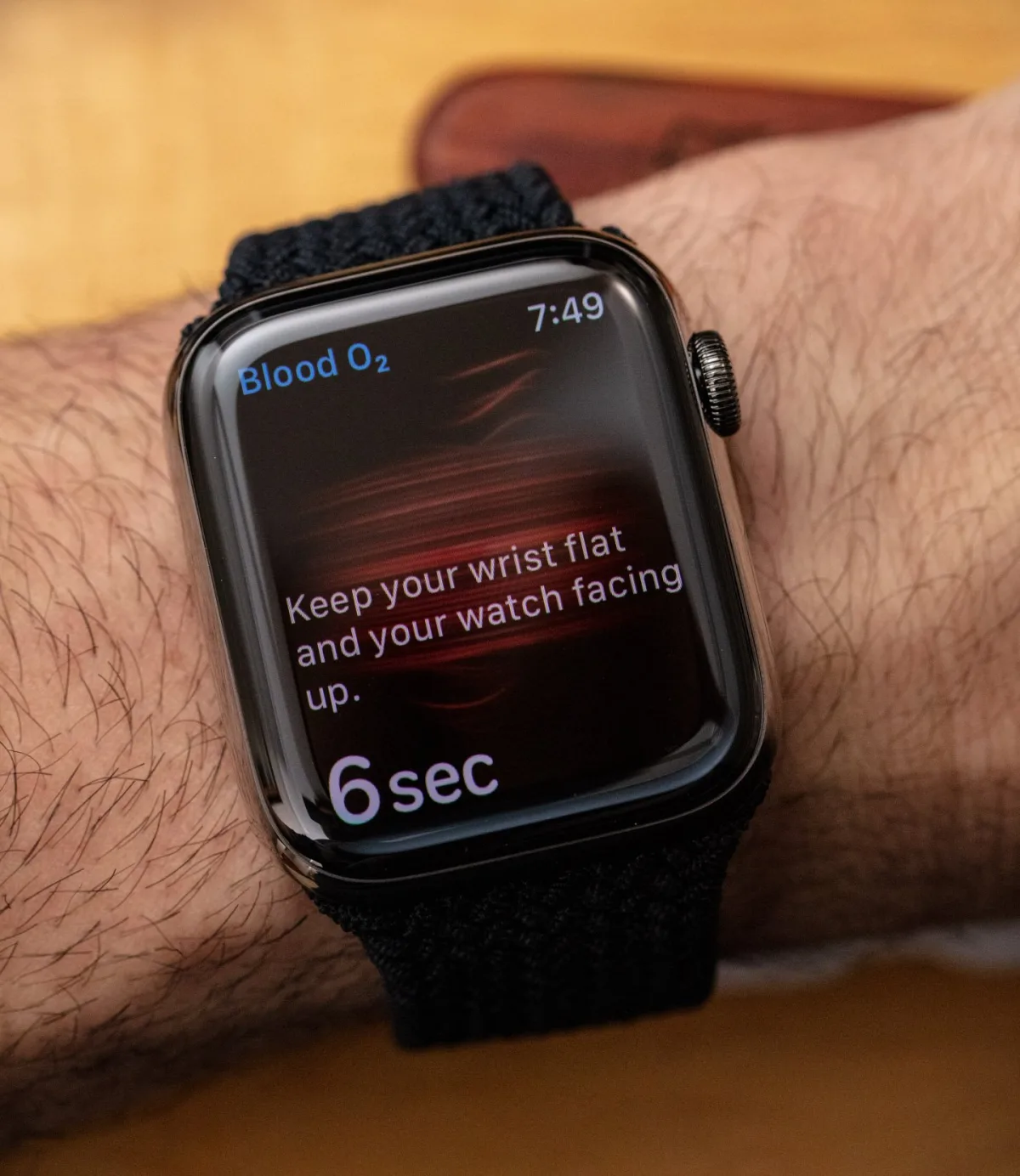
It is also interesting how Apple has developed the Apple Watch Series 6 message taking into account COVID-19 concerns or at least the lifestyle during the pandemic. For example, the app in the operating system helps determine the time during which to monitor hands (to be most effective). It also discusses how the blood oxygen sensor can alert people to possible COVID-19 symptoms. This detail was somewhat misinterpreted, but it is worth paying attention to. A side effect of many respiratory infections is a reduced ability of the lungs to normally absorb oxygen when breathing. People with sick or poorly functioning respiratory systems often face low blood oxygen levels (which also occurs during very intense physical activity or when exercising at high altitudes). An alert from your Apple Watch about low blood oxygen levels simply means that your body (for one reason or another) is not able to get enough oxygen.
If the watch warns about this, it doesn't mean you have COVID-19; it could be related to other respiratory issues as well. Apple is not the only company releasing a blood oxygen level sensor, but the fact that it is part of the core feature set of a device you wear is undoubtedly an advantage. It's just that it might not be something that many users will find useful on a regular basis (while things like heart rate change more regularly for more people). In any case, Apple clearly understands that more and more people are interested in monitoring their health and vital signs, and the Apple Watch Series 6 simply enhances this area of product value.
From new family features to subscription services and a plethora of new cosmetic options, in 2020 an already good product has become even better. Apple does not assume that all people with directly previous-generation Apple Watches will upgrade to the new model. However, it assumes that once people are in the Apple Watch ecosystem, they will stay. I haven't seen all the data, but I assume Apple has an enviable level of consumer loyalty when it comes to acquiring Apple Watches and subsequently using Apple Watches. I would be interested to know how often people upgrade their watches (in my assumptions, people upgrade their Apple Watches every two years or so).
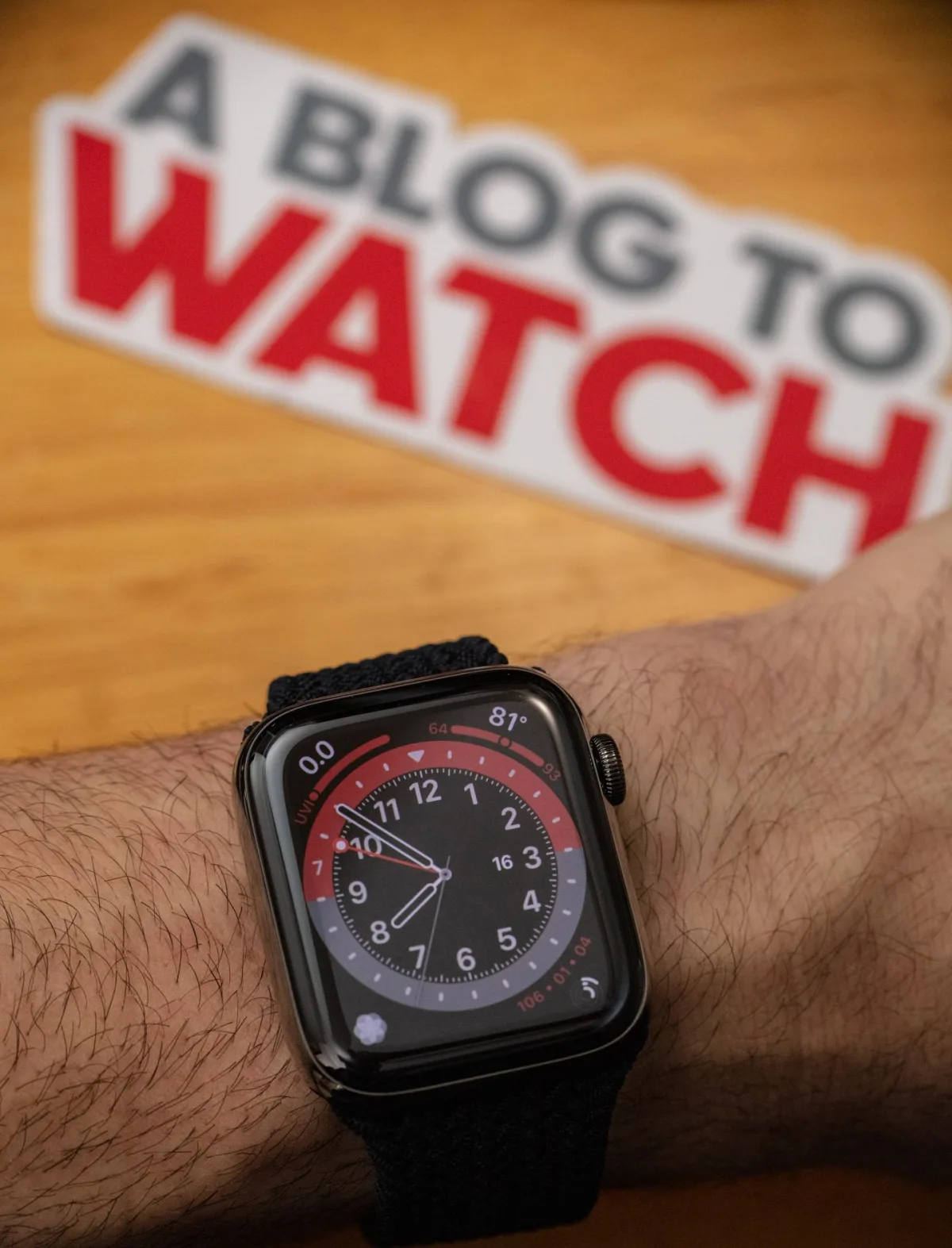
The Apple Watch Series 6 proves how successful the Apple Watch platform has been for Apple, and from an investor's perspective, I think the strategy has been extremely profitable. Apple not only gains interest from new Apple Watch devices but with an endless array of new straps and now subscription services, the Apple Watch division is likely getting closer and closer to the profitability of the Apple iPhone market (and with even more opportunities for regular profit). This is great for Apple, and it is great for many consumers who need specific features.
That said, I hope that the core capabilities of the Apple Watch will remain satisfying without the need to invest in additional ongoing services or subscriptions. For example, in the future, I can imagine Apple charging an additional amount per month for information on what the health and "well-being" metrics collected by the built-in sensors actually mean. This will require serious negotiations with the FDA. Once again, technology and government policy collide, and consumers are forced to wait until the authorities determine how much to rely on life advice based on artificial intelligence.
The wellness limbo is where you will find the aspiration of the Apple Watch device to monitor health at the moment. But don't let ambiguous terminology distract you from the real appeal of how accurate and consistent the Apple Watch is when it comes to the sensor. The future of smartwatches has always been not just about what they show, but what they can record. Apple continues to be a leader when it comes to the evolution of what smartwatches should be, as well as what they actually are today.
The starting price of the Apple Watch Series 6 44 mm in a steel case (as pictured) is $749 USD.