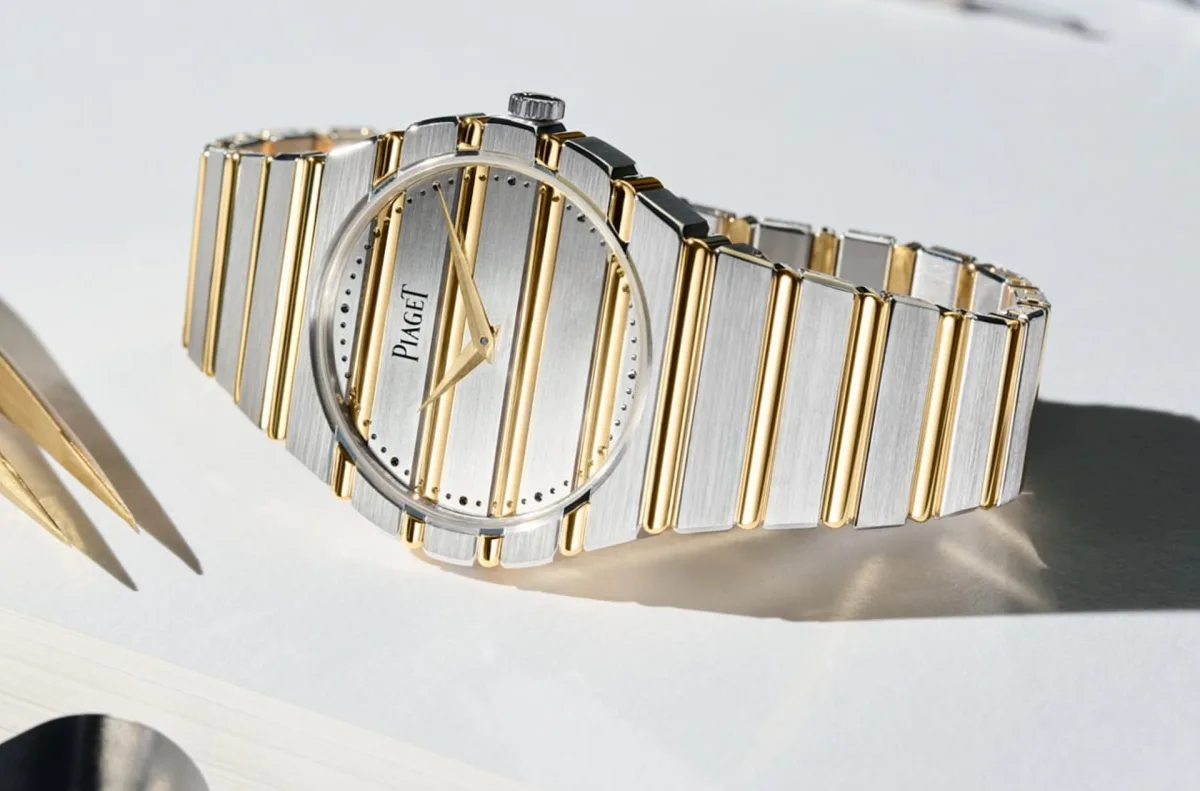
A luxurious new release exemplifies the natural evolution of the revived Piaget Polo collection.
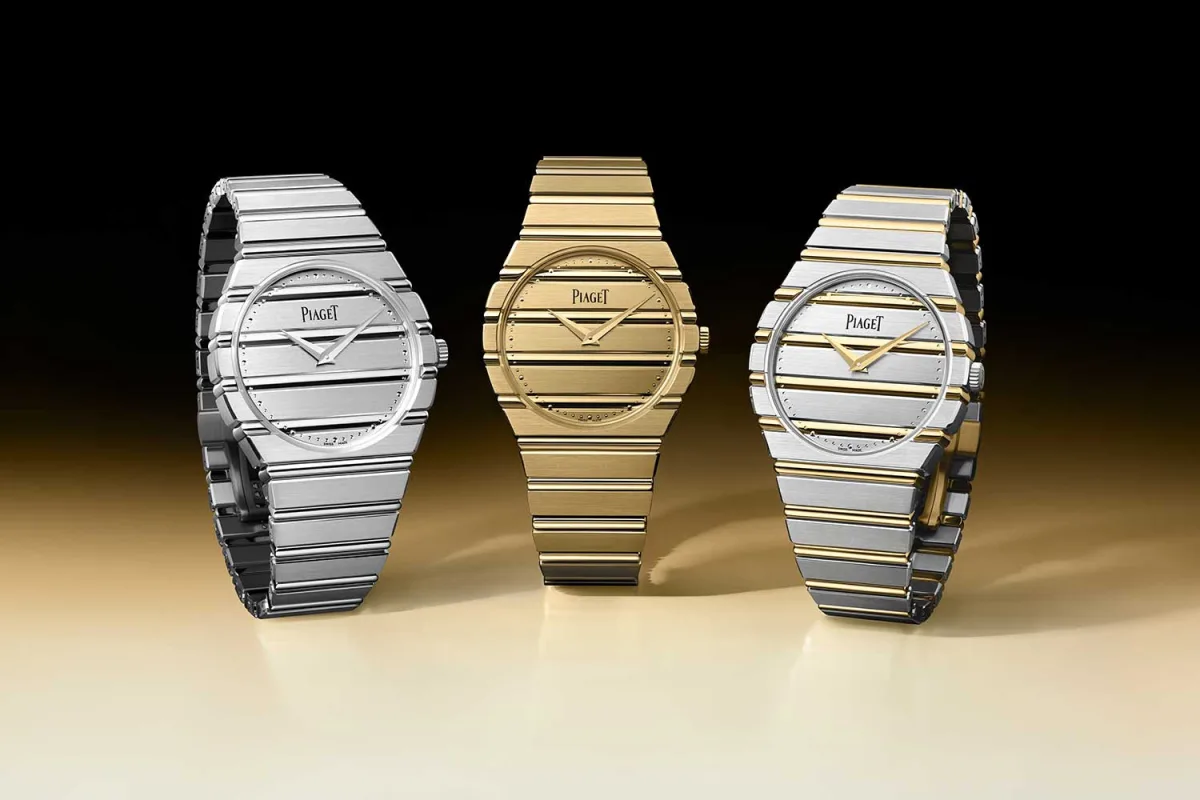
Remember how in 2024, for its 150th anniversary, Piaget reintroduced one of the brand's most iconic models - the Piaget Polo? At that time, the watch featured a case and bracelet in yellow gold, with horizontal ribbing as a key design feature. Last year, Piaget followed up with a more restrained model in white gold. This year begins with a new Piaget Polo, which combines both precious metals.
The original Piaget Polo model, first released in 1979, was a response to the growing demand for high-end sports watches with integrated bracelets. Unlike its watchmaking competitors Audemars Piguet and Patek Philippe, which offered robust steel-cased watches, Piaget followed its usual path. It can be described as "gold, luxury, and jet-set style."
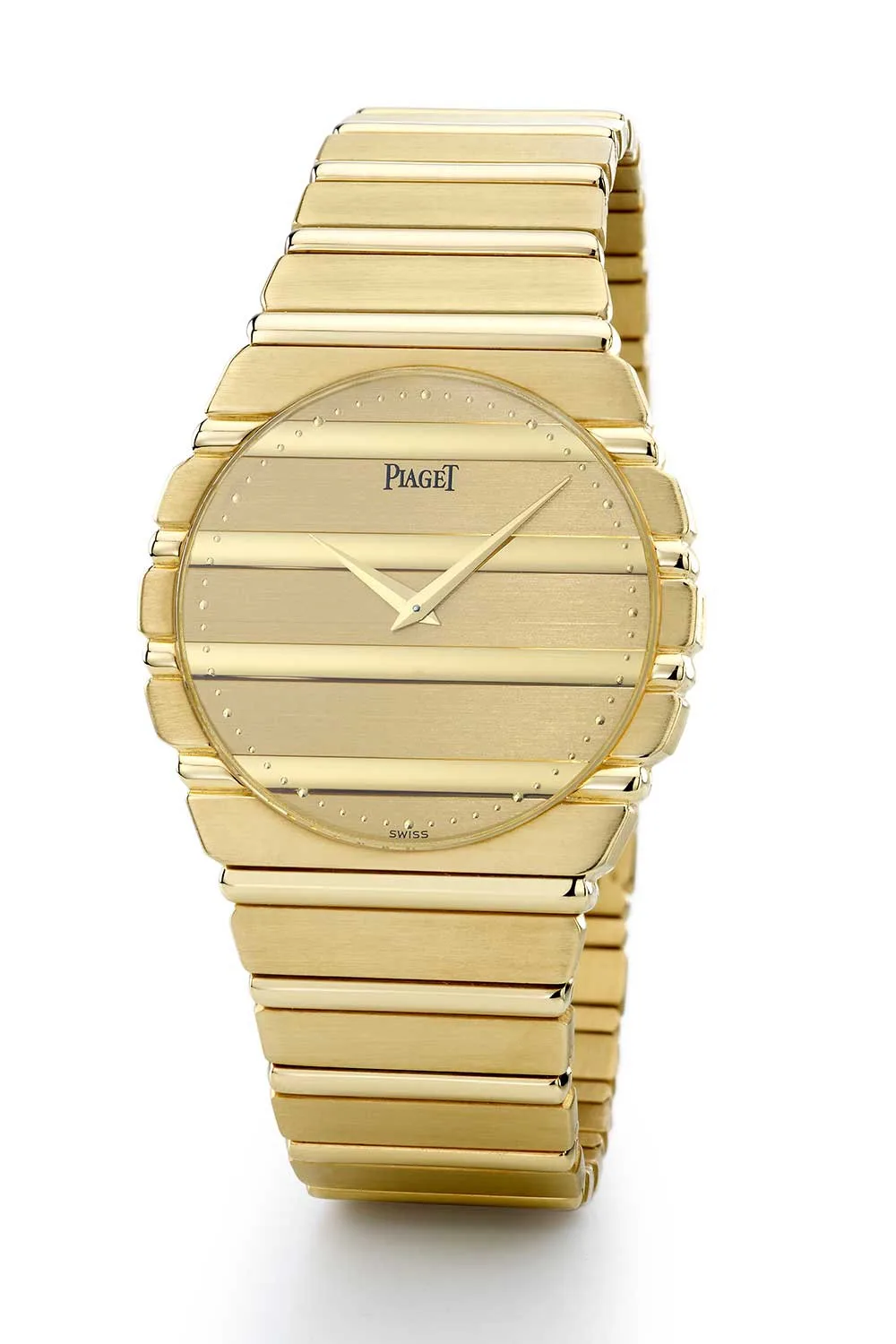
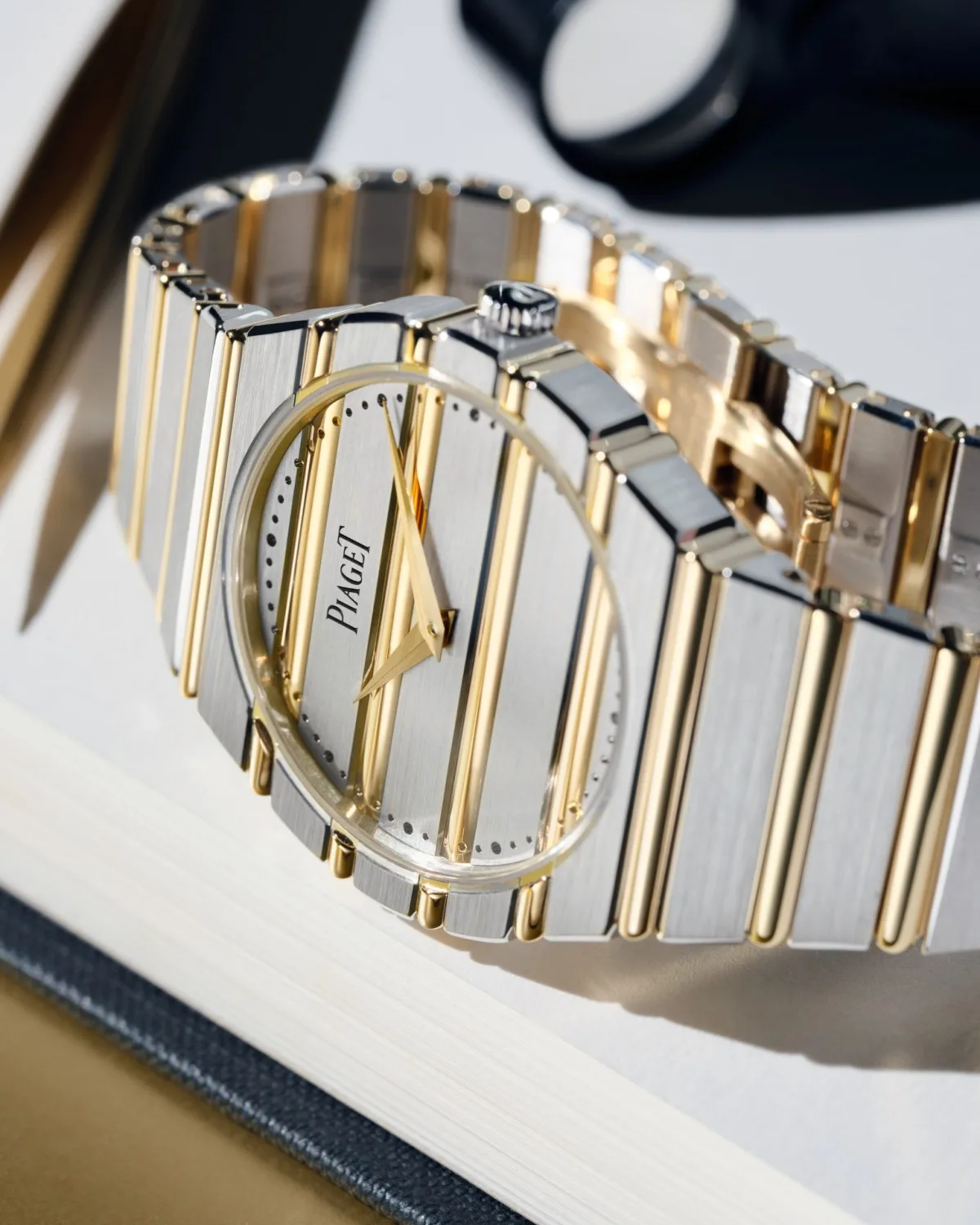
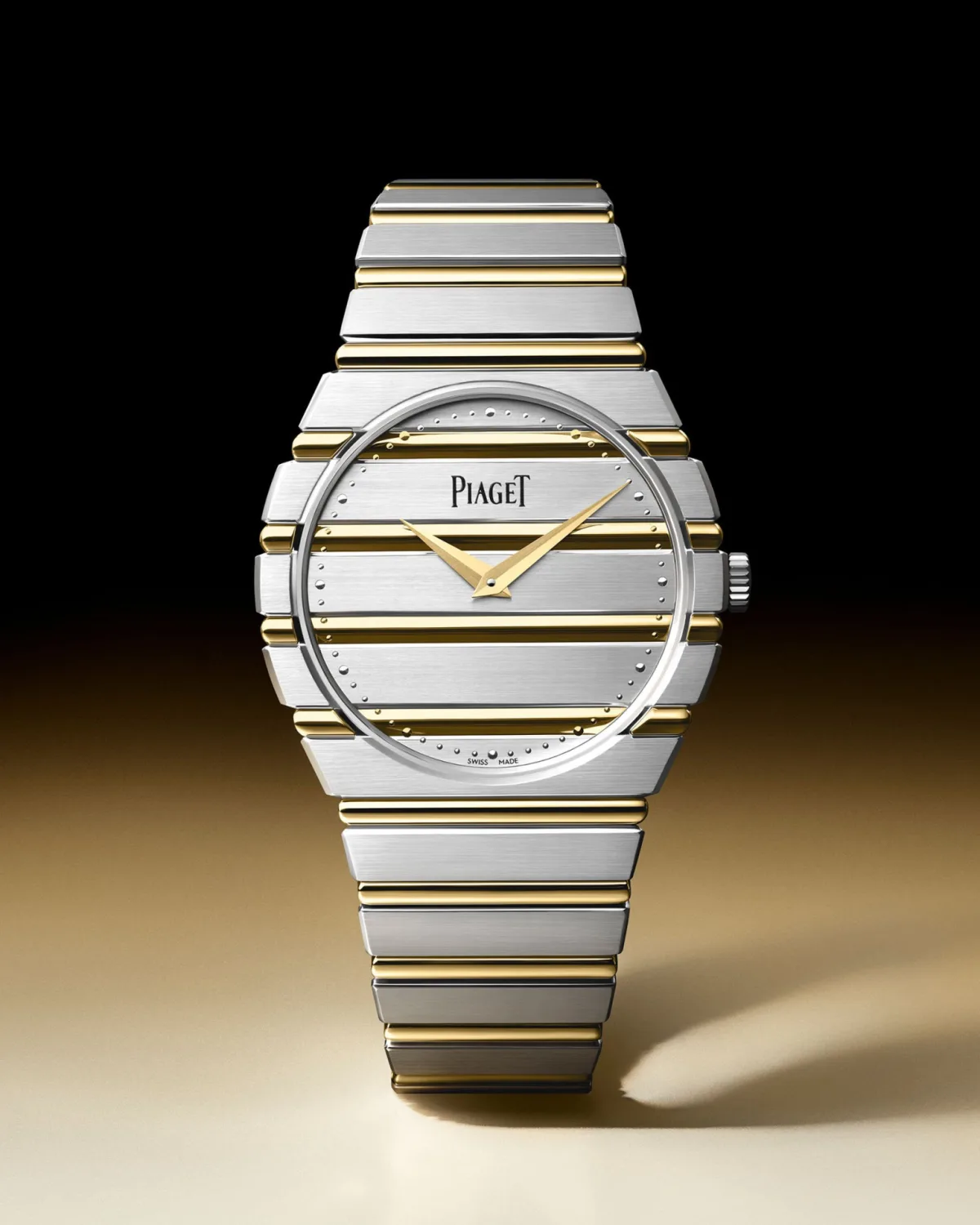
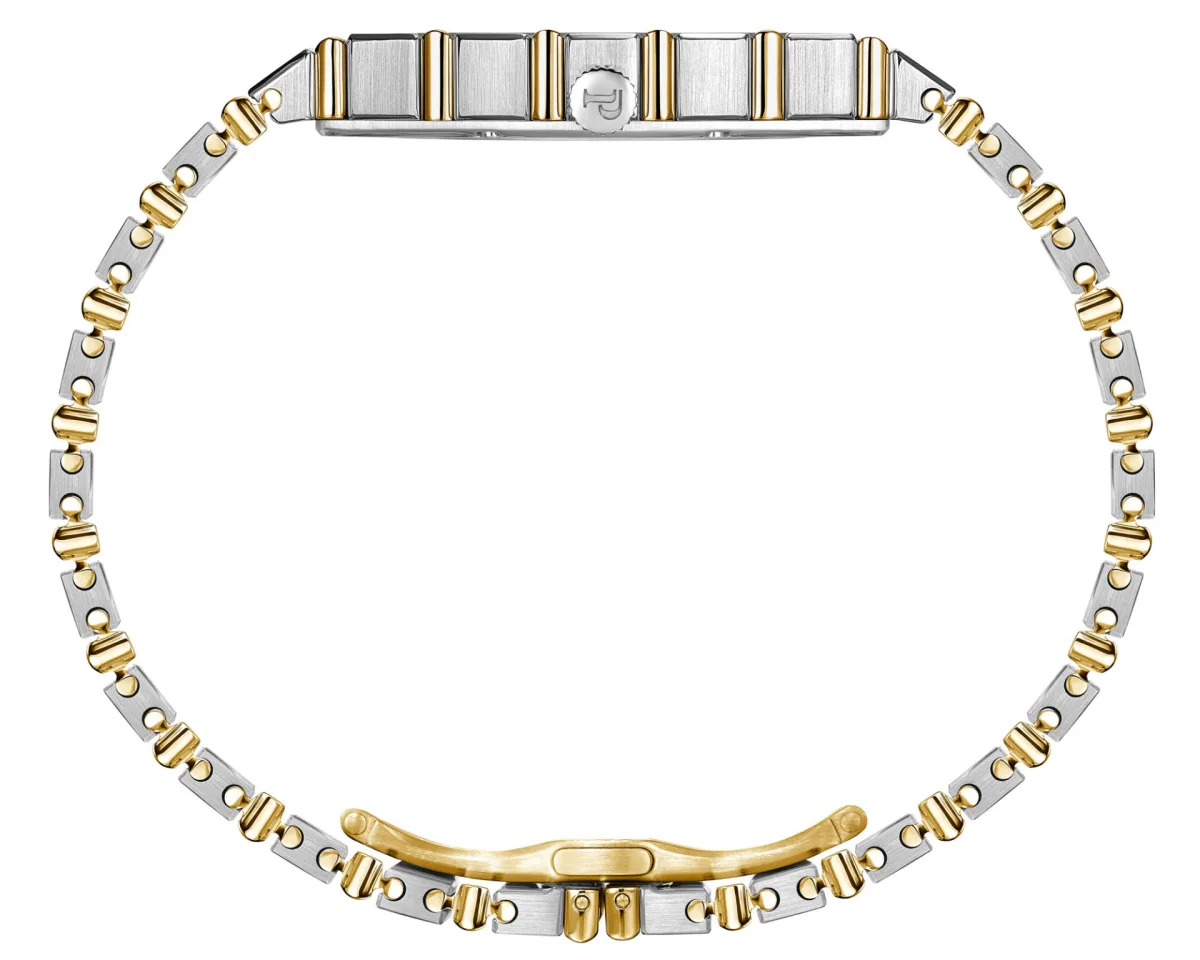
Historically, Piaget Polo was primarily offered in yellow gold. However, there were also versions in white gold and various combinations of yellow and white gold, whether white gold with yellow-gold accents in the design or vice versa. It's not surprising that the current Piaget Polo 79 Two-Tone combines exactly two types of gold, rather than gold and steel like most bicolor models. The case of the novelty is predominantly made of 18K white gold, complemented by ribbed elements of polished yellow gold.
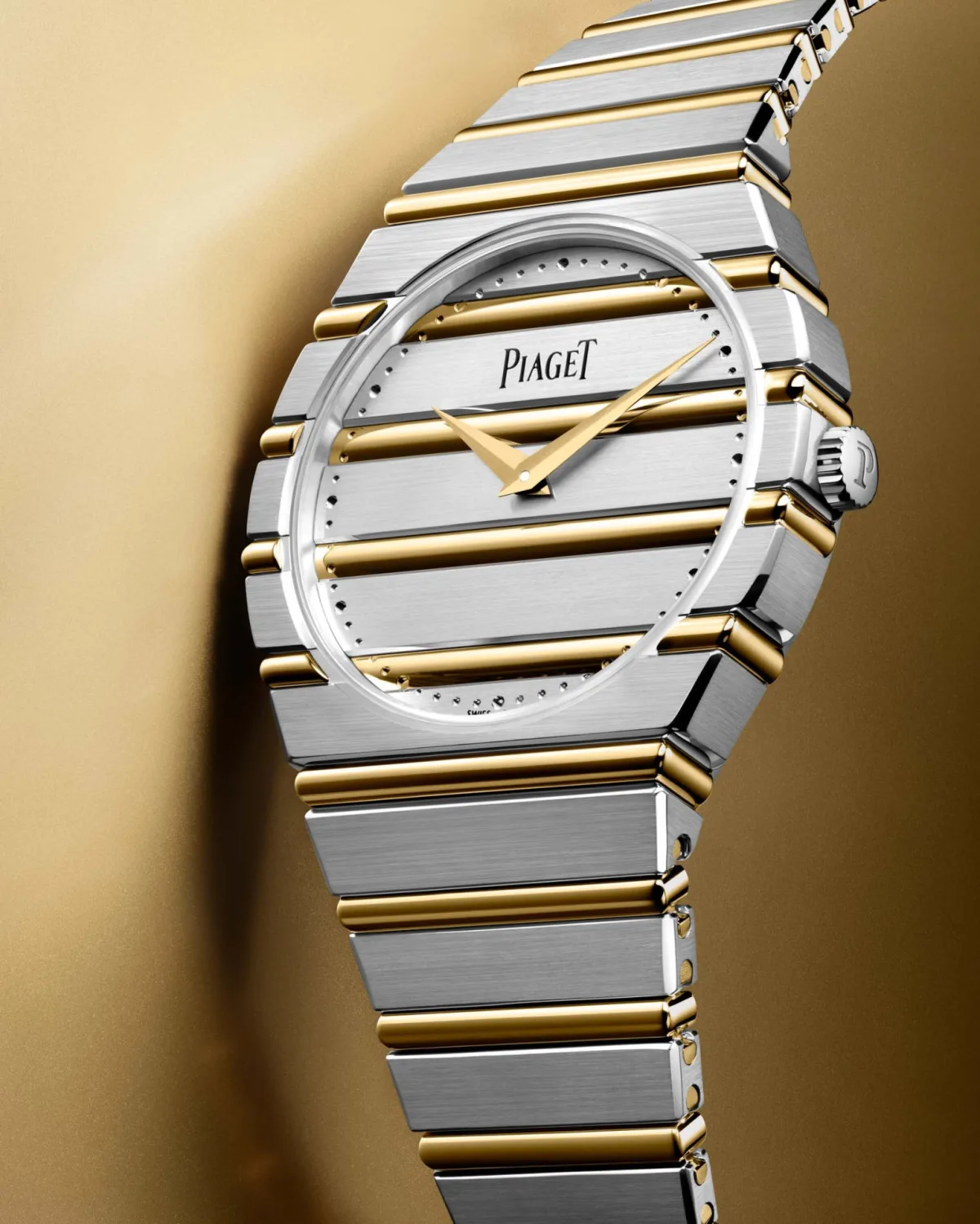
Technically, nothing has changed in the watch. The case dimensions are 38 x 7.45 mm. Sapphire crystals are on both sides. The water resistance is 50 meters.
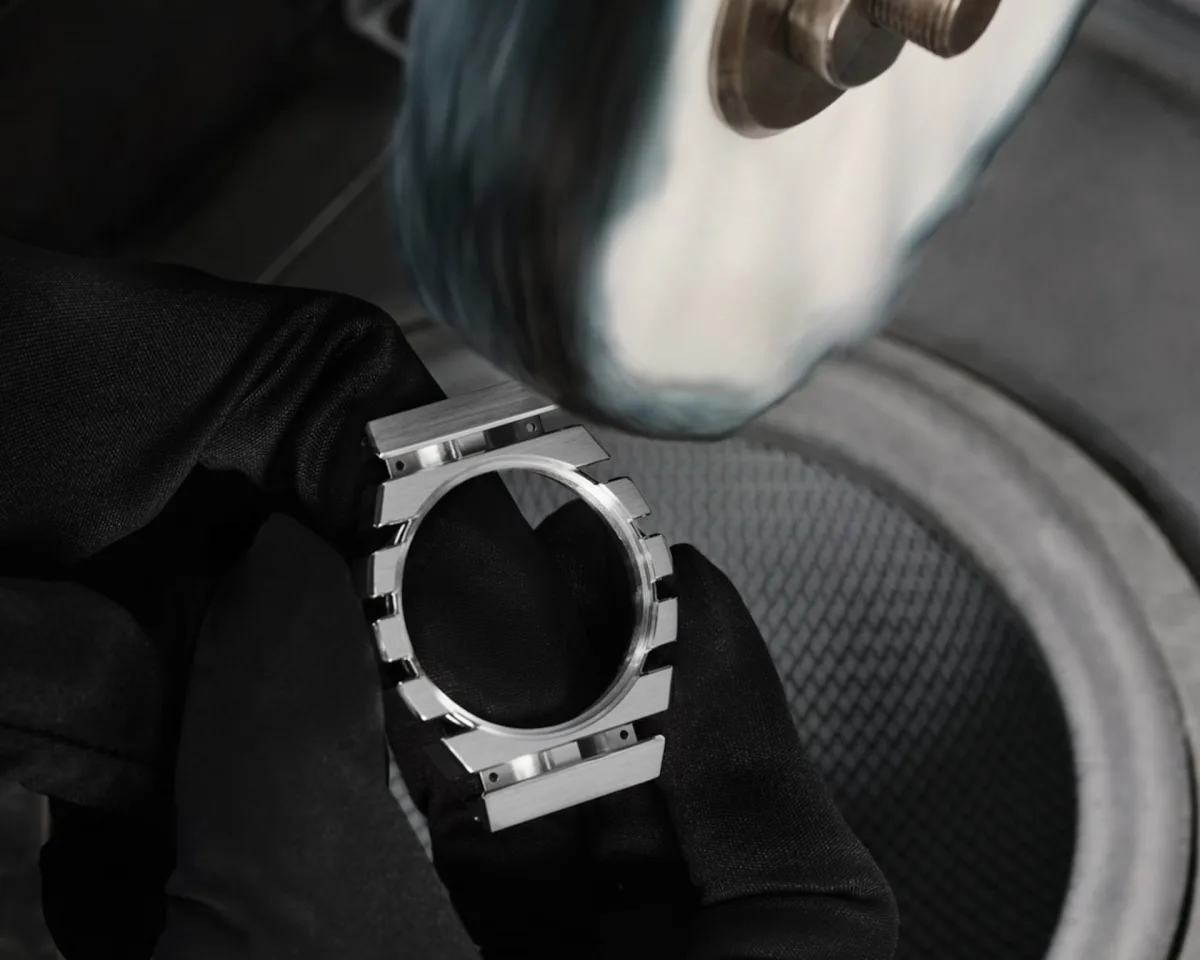
The architectural aesthetics of the case and bracelet with their horizontally aligned lines are enhanced by a dial design that echoes this style, made from solid gold. The minute scale is dotted along the edge of the dial. The polished dauphine hands are made from solid yellow gold. While not the easiest to read, the watch is quite expressive in terms of design.
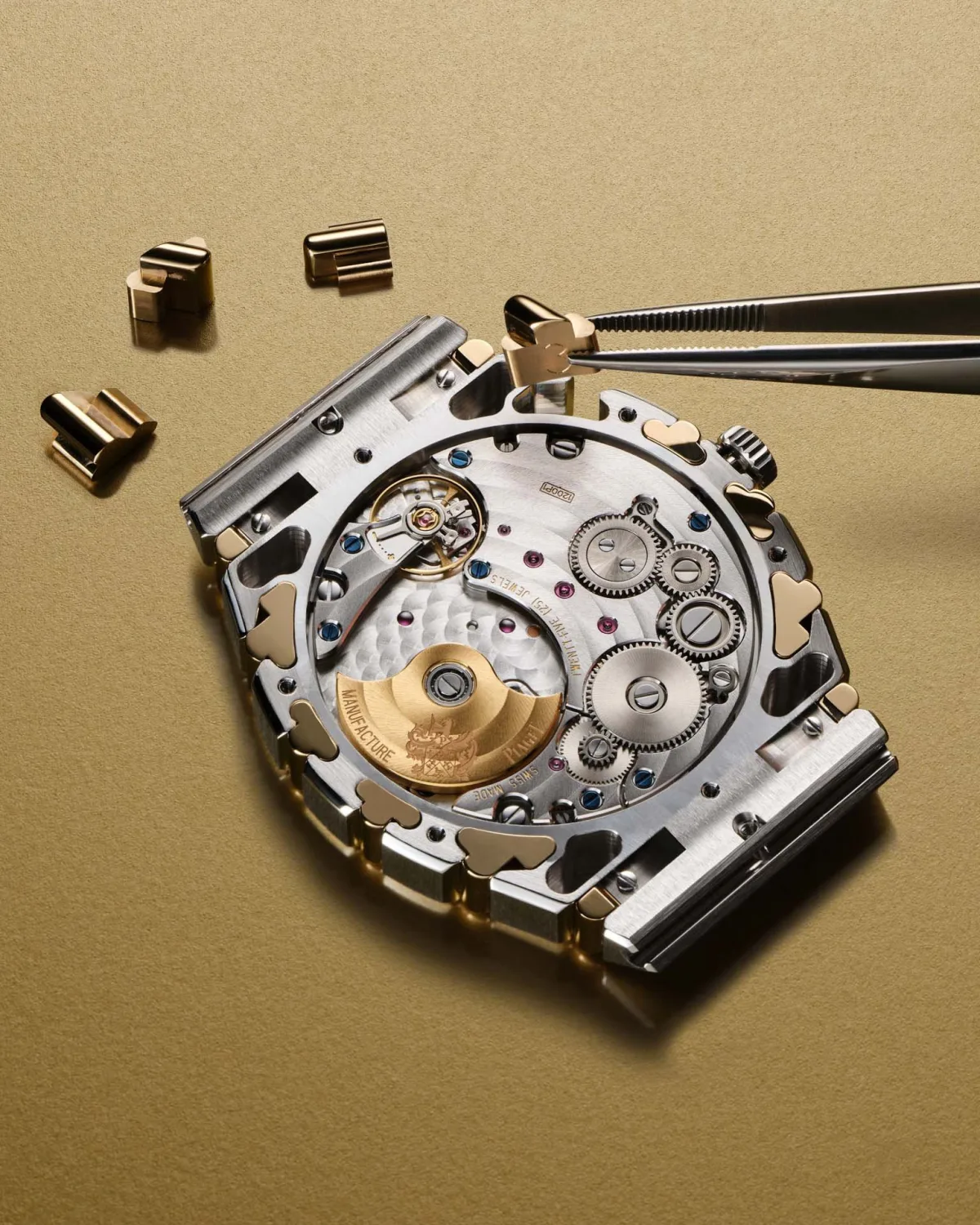
Under the transparent case back, the in-house caliber 1200P1 is visible. Thanks to the micro-rotor, this movement has a very thin profile (2.35 mm). The rotor is made of gold and left uncoated to match the overall style of the model. The movement operates at a frequency of 3 Hz and has a power reserve of about 44 hours.
The bracelet integrated into the case fastens with a triple clasp made of yellow gold. The clasp still lacks a micro-adjustment mechanism and does not allow for replacement. The bracelet itself has a modern construction with screws for assembly/disassembly on the inside.
The new model will be limited not by a specific number of pieces but by a restricted production cycle. The estimated cost of the model is €91,500.