The history of a watch can play a crucial role in its success. Although the Doxa Sub 300 had a rich past, the brand did not survive the quartz crisis.
Fortunately, in recent years, under the leadership of the Jenny family, Doxa has been evolving day by day.
It is time to talk about Doxa. This year, the hot release of the new Sub 200T has sparked quite a conversation. Amidst the relatively dull Watches and Wonders 2024 exhibition, Doxa's release (just before the exhibition) garnered praise from many, not just long-time fans of the brand.
One of the elements of Doxa's marketing success was likely the debut of the Sub 200T at a lower price than the existing Doxa Sub 300 and Sub 300T models. The release of sunburst dial versions may have contributed to this as well. Therefore, now is the perfect time to discuss the Doxa Sub 300 model. I would like to highlight why the Doxa Sub 300 is a horological icon worthy of your attention if you are in the market for dive watches with rich heritage. For those who want to delve even deeper than today's article, I recommend the book by Doxa expert Dr. Peter Millar.
The Origins of Doxa Sub
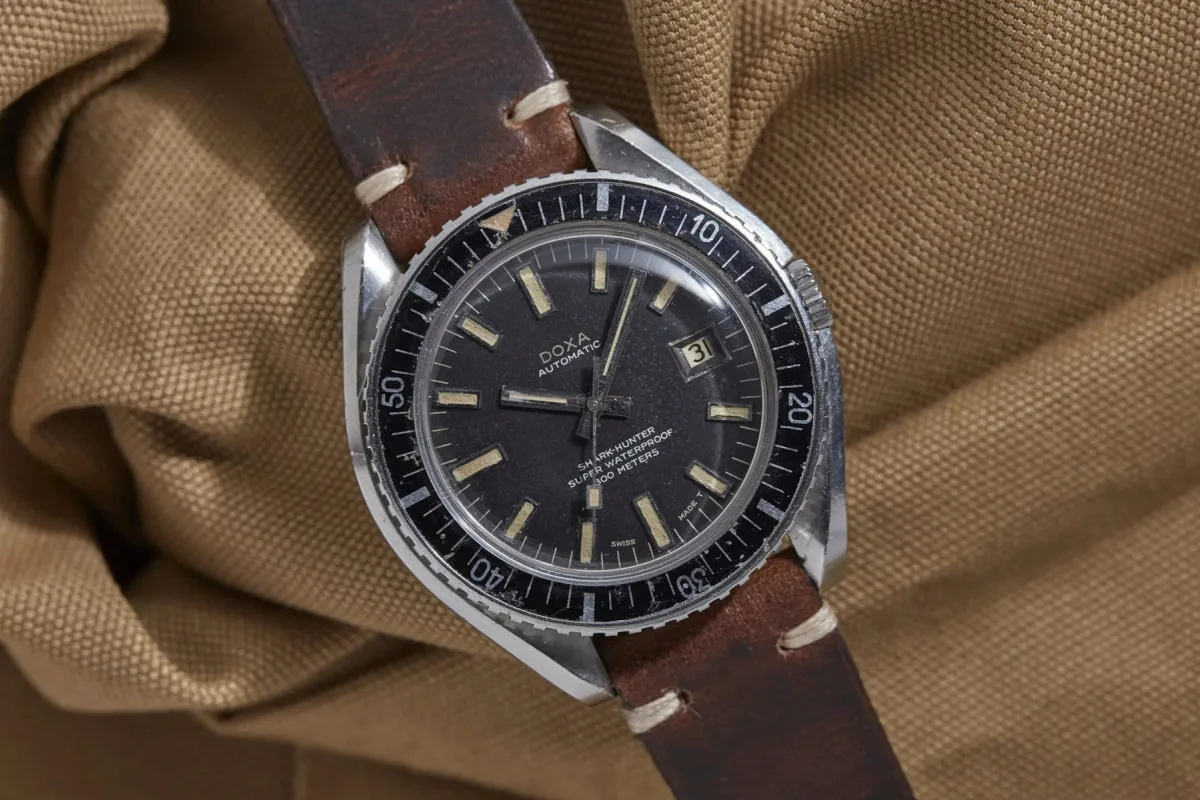
Our story begins in the early 1960s with the release of the brand's first dive watch, the Doxa 11804-4 “Shark-Hunter”. By modest estimates, the release of these watches dates back to 1963 and the end of the decade, making it a relatively short period. The watch case was manufactured by Hugenin Frères et Cie, better known for the Omega Speedmaster cases of that era.
The Doxa 11804-4 Shark-Hunter model featured the same twisted lug design as the Omega Speedmaster, Seamaster 300, and Eberhard Scafograf. It also had a time elapsed bezel, already familiar to buyers interested in diving watches. It followed the standard scheme developed by companies like Rolex, Blancpain, and Zodiac. However, even with the crown, the Doxa 11804-4 boasted a water resistance of an impressive 300 meters.
Design Project From Scratch
Whether Doxa's first dive watches were commercially successful remains a mystery, but probably not. In the mid-to-late 1960s, the brand decided to create much more specialized diving watches from scratch. Urs Eschle, Doxa's product manager behind this project, had been with the company since 1956. It is believed that he initiated the project in 1964, which led to the creation of the Doxa Sub 300.
But this was not an ordinary design project. Eschle tasked the team to develop something from scratch and involved professional divers in the process. The research team included French diver Claude Wesley. The team members knew they needed to emphasize certain elements important for a diver using a mechanical watch as a life-saving device. One of them was elapsed minutes. Therefore, designers focused on ensuring easy readability by using an enlarged minute hand.
Doxa Sub 300
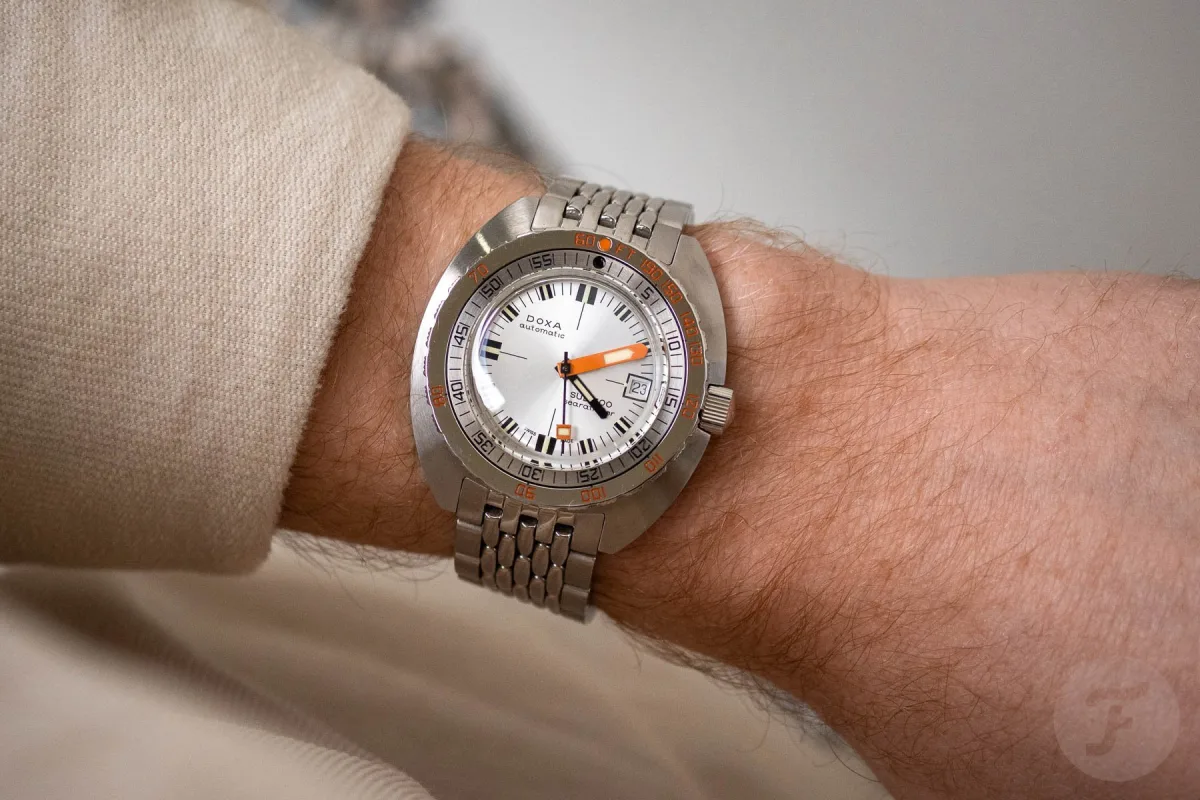
Next, the designers had to think of a way to display decompression information. This ultimately led to the creation of the “no-decompression” bezel (also known as “no-deco”), which is still found on most Doxa Sub watches today. This design inspired other watch companies, such as Jenny and (later) Ollech & Wajs. Additionally, Doxa supplied these specialized diving watches with a rice bracelet featuring two spring-loaded links and an expandable clasp. This would allow the watch to adapt to the larger diameter of a diver's wetsuit. The Expandro bracelet, as it became known, is an innovation that many modern fans hope to see again someday.
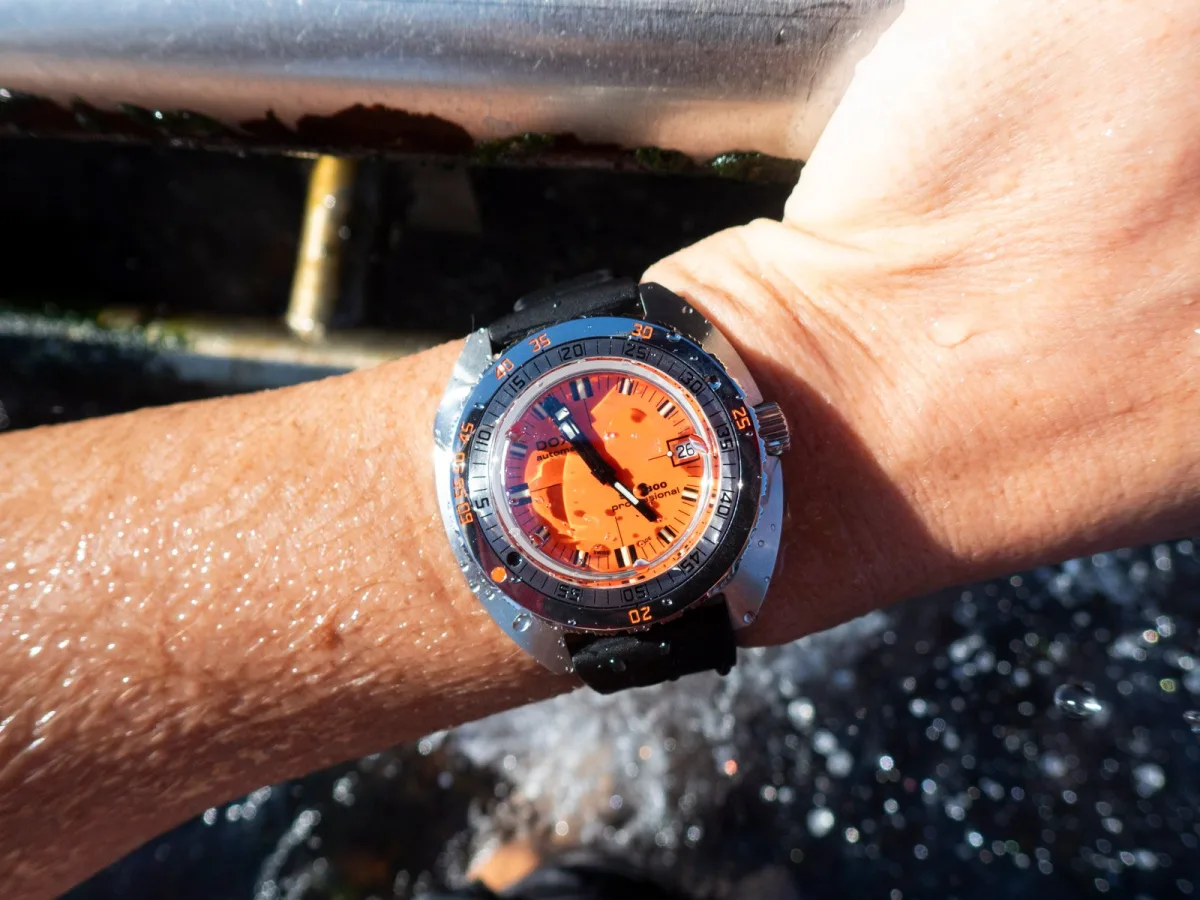
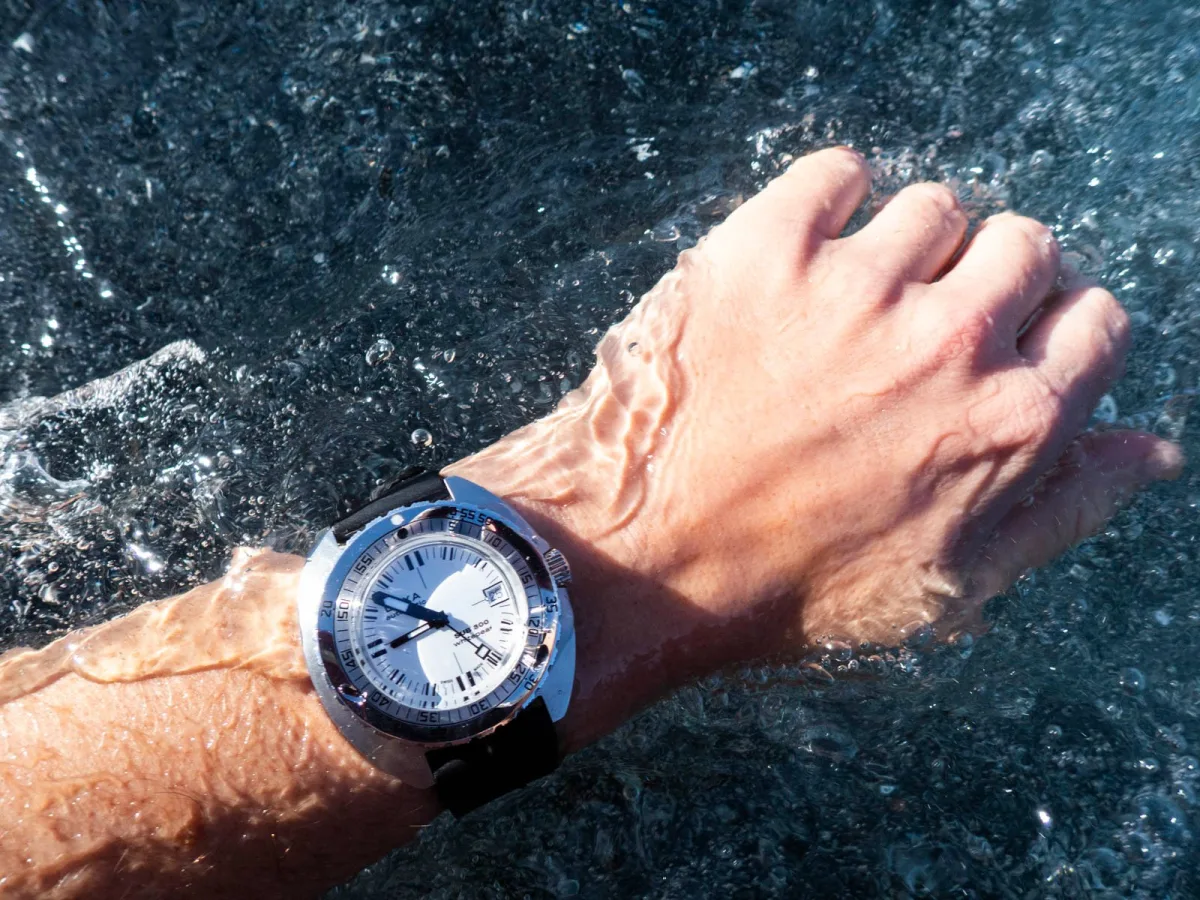
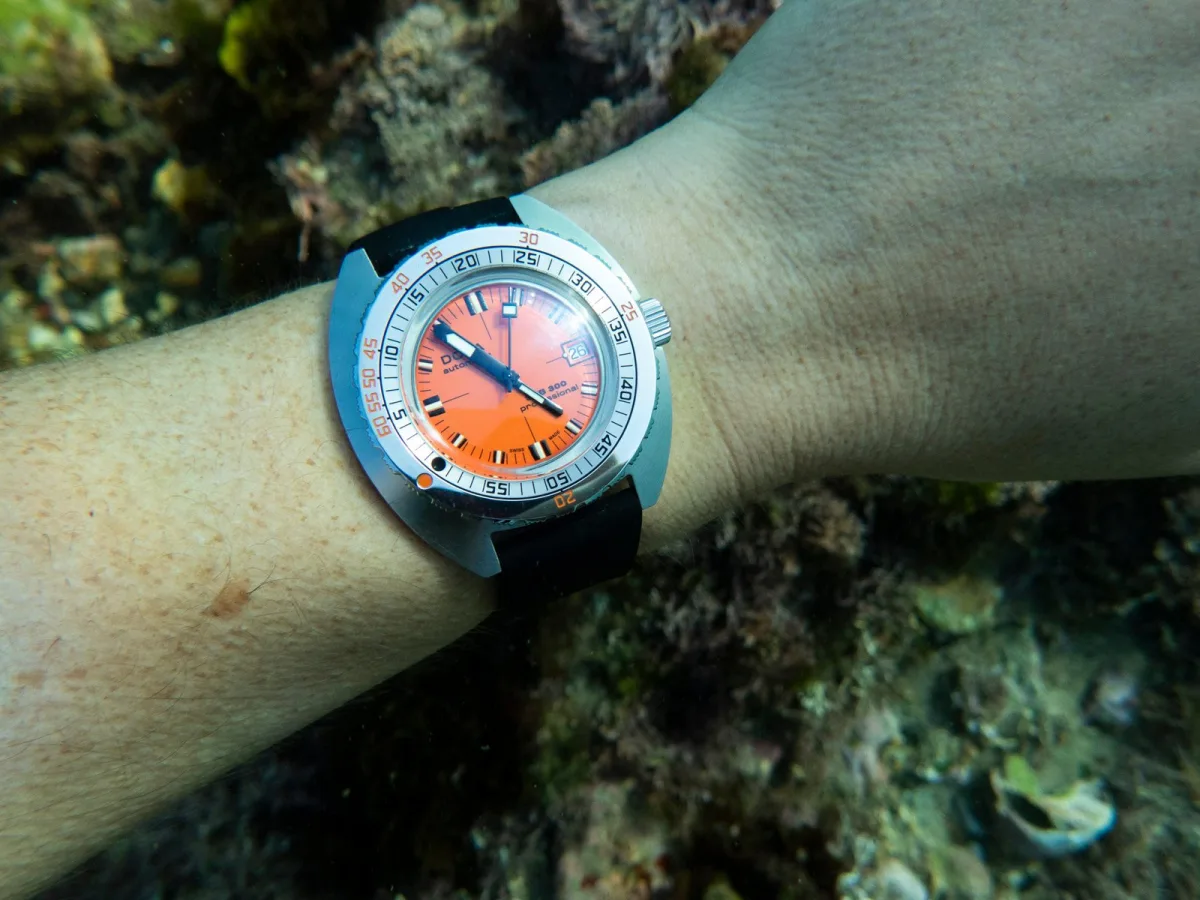
By the time of the Basel Watch Fair in the spring of 1967, the Doxa team was ready to release the new watch. It used a cushion-shaped case to protect the crown - a vulnerable part of any watch. Furthermore, the model debuted with black, silver, or orange dials. Various dial colors were tested by divers in a Swiss lake, with claims that the orange color was more legible than the other options at shallow and medium depths (up to 30 meters). Thus, the Doxa Sub 300 model was born.
Advanced Technology for Its Time
Doxa aimed to surpass competitors in the field of underwater watches. Therefore, the Doxa Sub 300 watch dial was equipped with tritium - the most luminescent material ever used on a watch dial. Divers tested the luminescence during trial dives in Lake Neuchâtel, and it performed excellently. Moreover, the bezel teeth were incredibly massive for that time, with a notched design that provided much more grip than the counterparts of other watch brands.
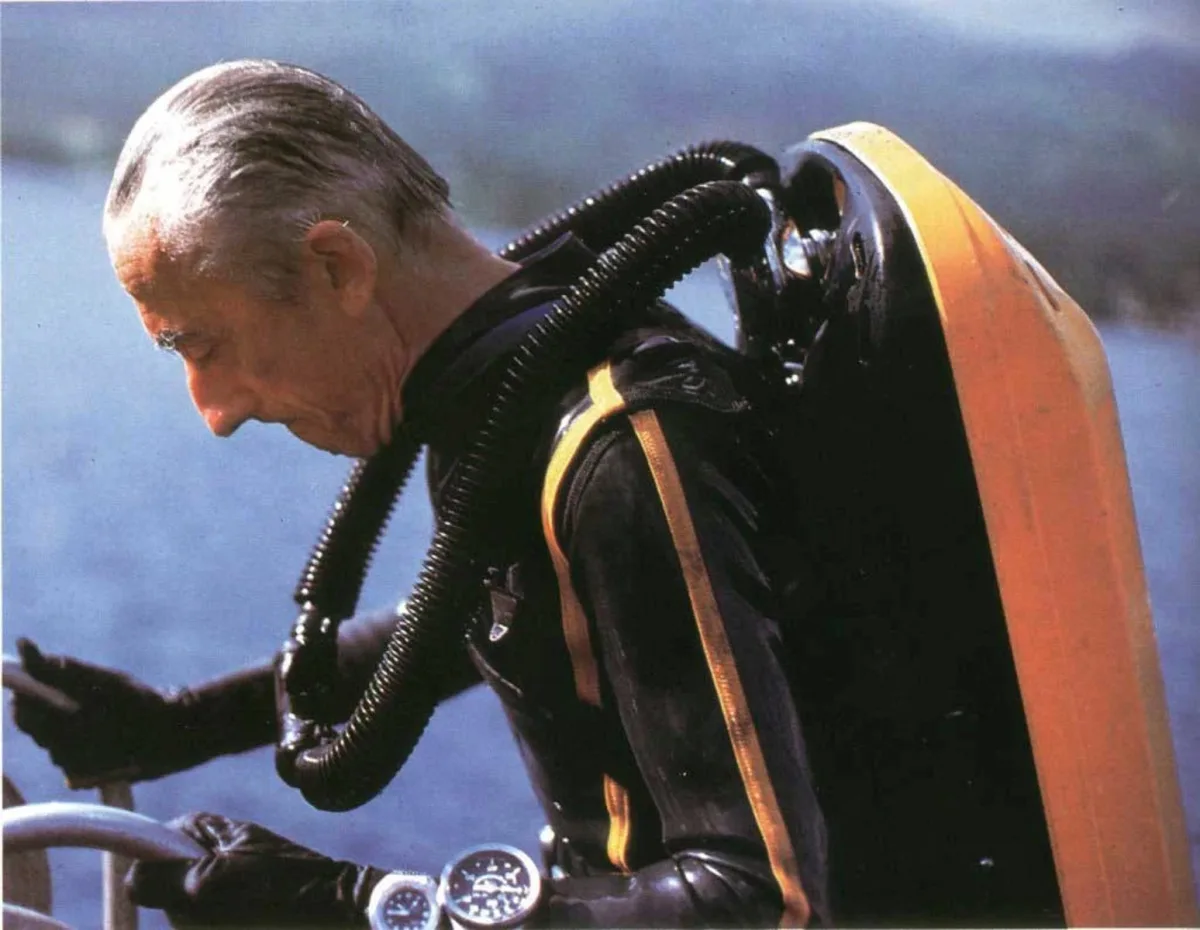
A brilliant marketing move for the time - Doxa decided to collaborate with the American company Divers, led by renowned explorer Jacques Cousteau. For this, Eschle traveled to California to meet with Cousteau and his team, bringing with him several Doxa Sub 300 watches. The Sub 300 watches made a strong enough impression on the team to start supplying them to the company's stores as a diving tool. US Divers also became Doxa's American retail partner.
Cousteau's Calypso team subsequently used the Doxa Sub 300 in many water adventures, and Cousteau himself was captured wearing a model with a black dial. In addition to Cousteau's team, diving units of several armed forces also acquired the Doxa Sub, including France's Marine Nationale.
Reimagining Iconic Watches in the 21st Century
Over time, Doxa released several new Sub models. Among them were the Sub 300T Conquistador in 1968 and the Sub 600T in the early 1980s, after which the company ceased their production. The Jenny family acquired Doxa in 1997, and in the 2000s, a new life was breathed into the now outdated brand. Doxa released several limited and small-series Subs under the leadership of Rick Marei, who is now behind the revival of Aquastar.
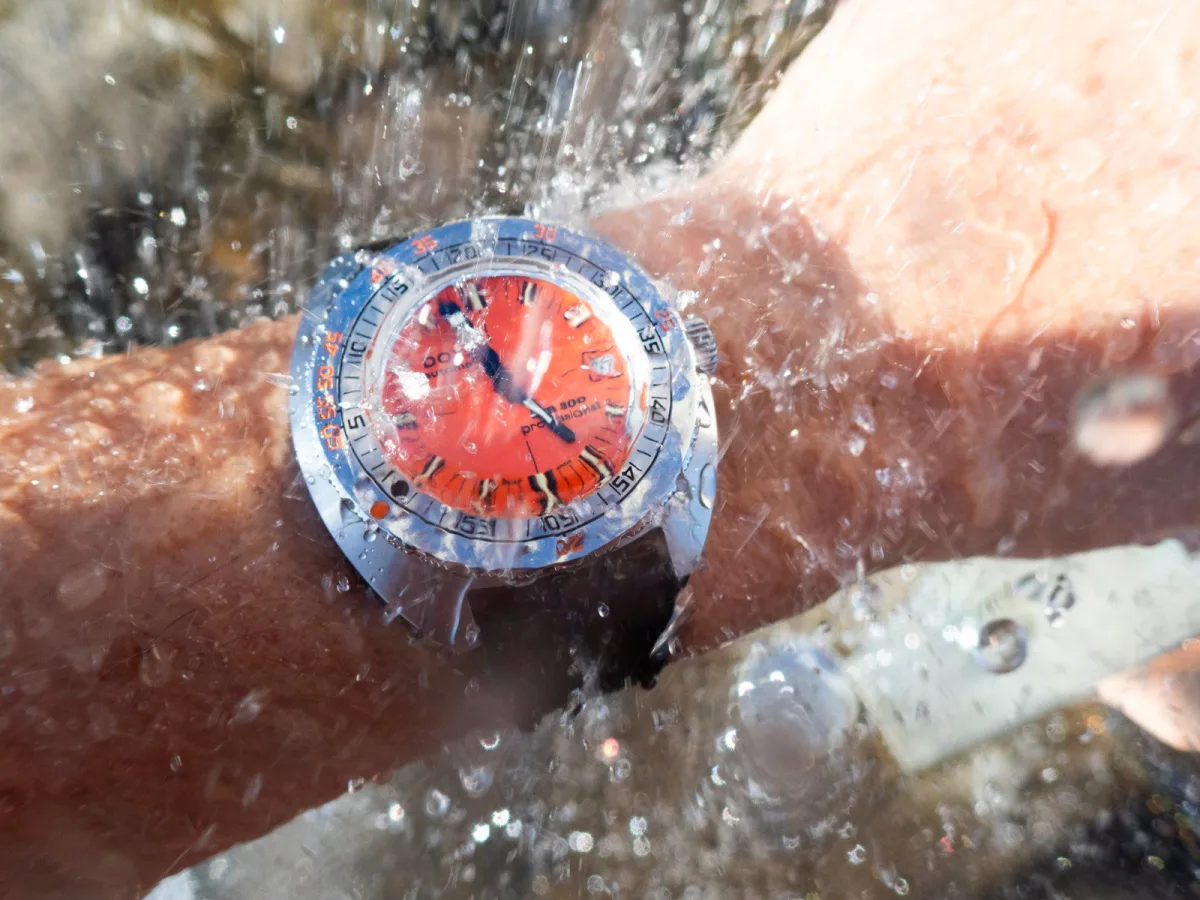
Moving to the present day, the Jenny family continues to invest in the Doxa name. The modern Doxa Sub 300 model is not a 1:1 recreation of the original Doxa Sub 300 model, but it is very close to it in design and capabilities. The current version I reviewed here has many pleasant features. This includes modern construction, a screw-down crown, and sapphire crystal. Other elements missing for enthusiasts and divers include an expandable bracelet and the best-in-class application of luminescent material (I think we all agree that the current Doxa Subs need better lume).
Final Thoughts
This article was not meant to be a comprehensive history of the Sub 300, as scholars have done that before me. But I hope this article prompts you to engage. I want to know your opinion about this design and these watches. As Doxa's history gradually moves beyond the subculture of watch enthusiasts and into the consciousness of ordinary consumers, its fans will undoubtedly grow. Fortunately, despite a lull in the 80s and 90s, Doxa now seems to be on the rise. The recent release of the entry-level Sub 200T is also hoped to lead to entry into new markets.
In my opinion, modern Doxa Sub 300s have a history comparable to the Omega Seamaster 300 or Rolex Submariner, although they are in a completely different price category. With a reliable (though increasingly outdated) Sellita SW200-1 caliber, it is not a competitor to Omega or Rolex. It would be interesting to see the Sub 300 with an updated movement, perhaps the La Joux-Perret G100. And this is even before we consider other elements, such as improved Super-LumiNova or bracelet and clasp design. However, for me, the Doxa Sub remains a viable and much more affordable alternative to diving watches from Rolex or Omega.
What do you think, Friends? Would you ever consider the Doxa Sub 300 over the modern Omega Seamaster 300(M) or Rolex Submariner? Let me know on the Telegram channel.