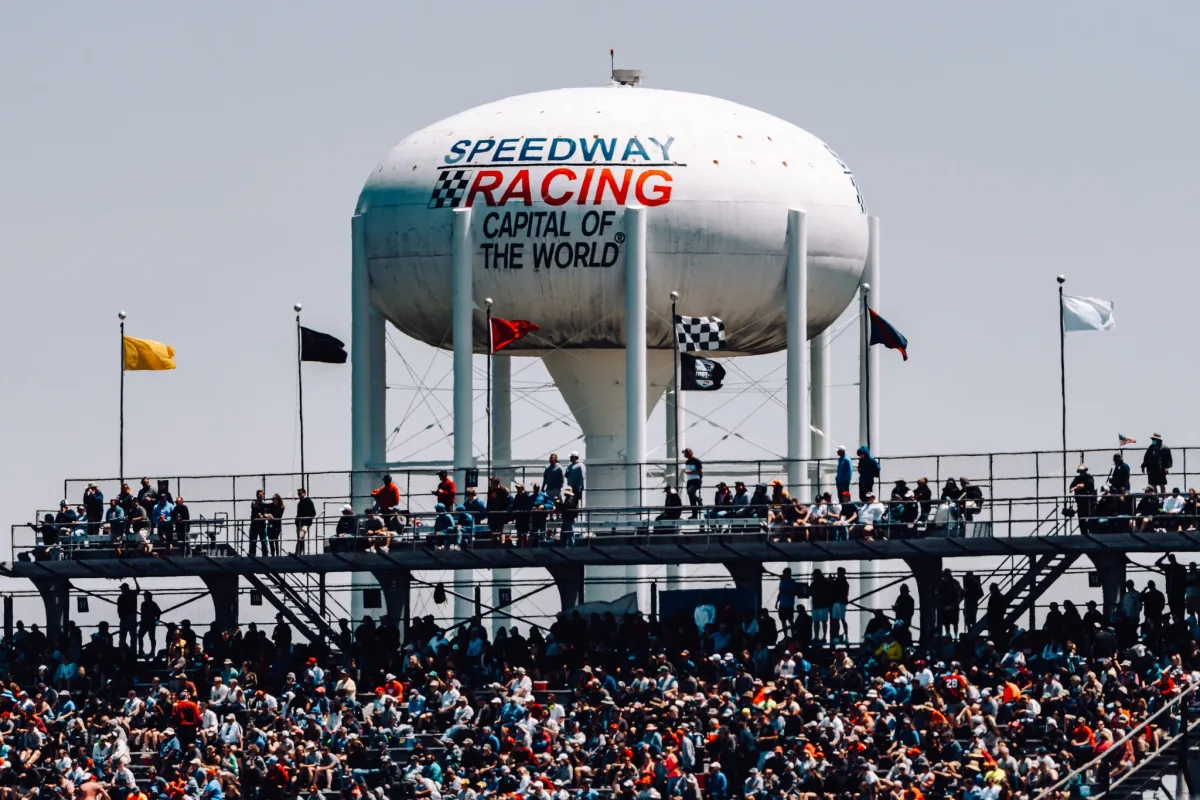
For a first-time race-goer, it's hard to imagine what the Indy 500 might have looked like in all the years before 2020 - after all, what we remember of life pre-pandemic has never seemed so distant. But I've been told about the traditional Sunday morning traffic jams, blocking every street within a five-mile radius of the track, the sweaty, sunburned sea of humanity sprawled across the famous 'Snakepit' infield, and the roaring crowds packed shoulder to shoulder in open grandstands, craning necks as drivers exit turn 4 and charge toward the checkered flag. The Indianapolis 500 is undoubtedly the biggest day in motorsport, and in its peak years, it regularly drew up to 300,000 racing fans into its noisy Midwest epicenter - the Indianapolis Motor Speedway. But that was then. Now, everything has changed.
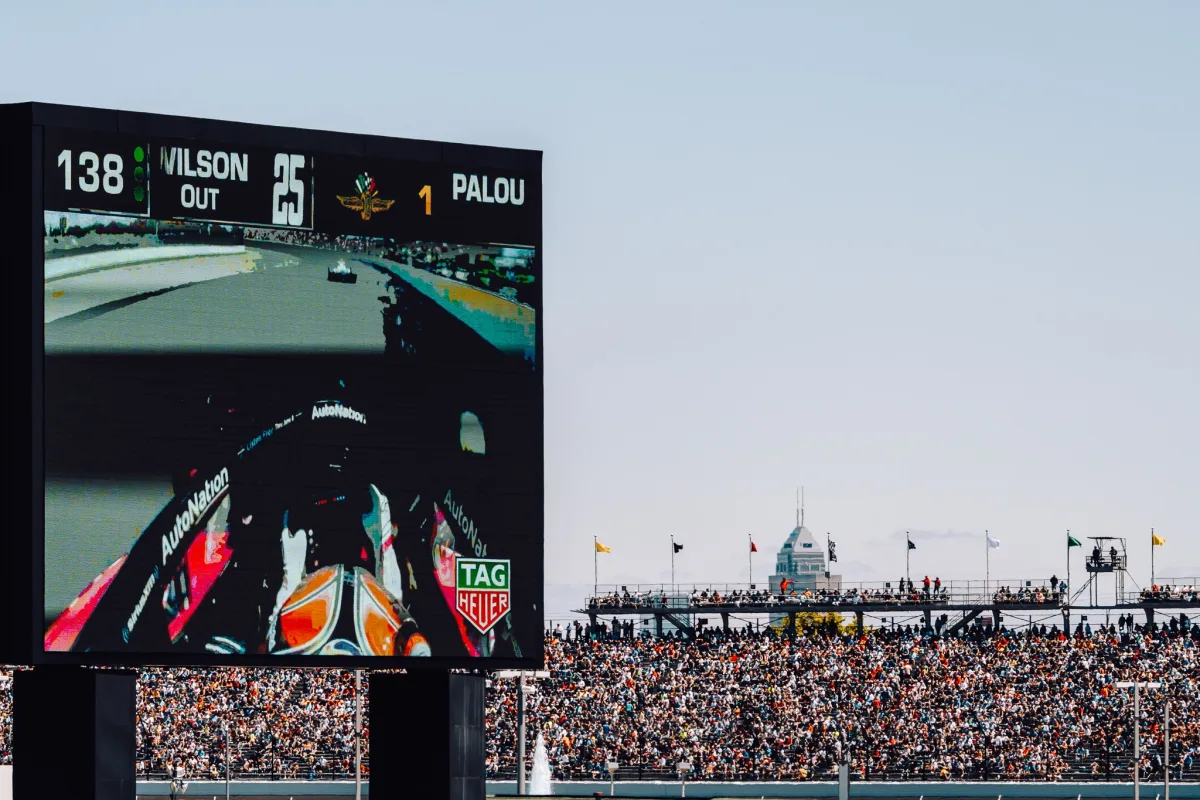
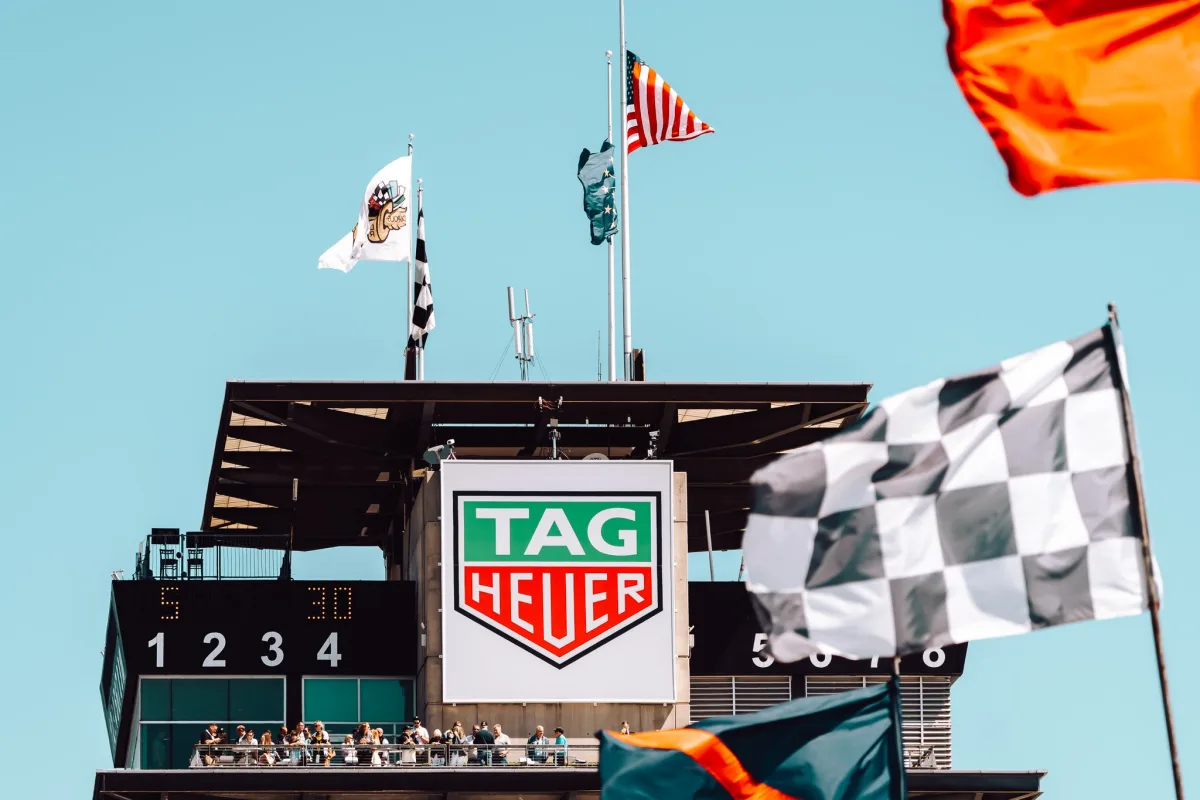 Nevertheless, the show did take place - unlike the 2020 Indy 500, which ran in August without fans, this year's 105th race occurred on schedule at its traditional Memorial Day weekend slot, albeit at 40% capacity. Amusingly, 40% of 300,000 fans still exceeds the attendance of Le Mans, Silverstone, and Monza's famous 'Temple of Speed' - three other beloved venues on the motorsport calendar. So stepping onto the grandstands beneath the iconic TAG Heuer-branded Pagoda and surveying this noisy, colorful alien world after a year of quiet solo adventures was indeed a culture shock. But it was worth it, as with 135,000 spectators, this Indianapolis 500 race would become the largest sporting event in the world since the official start of the pandemic in the spring of 2020.
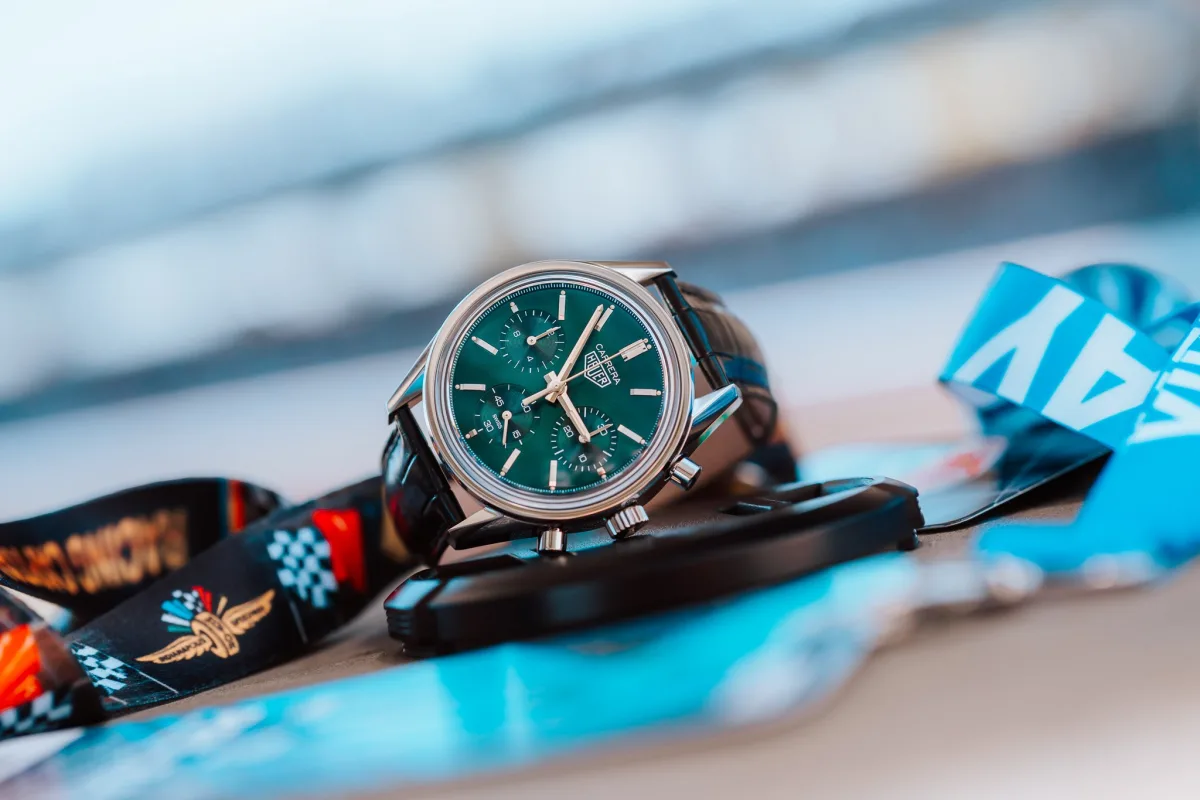
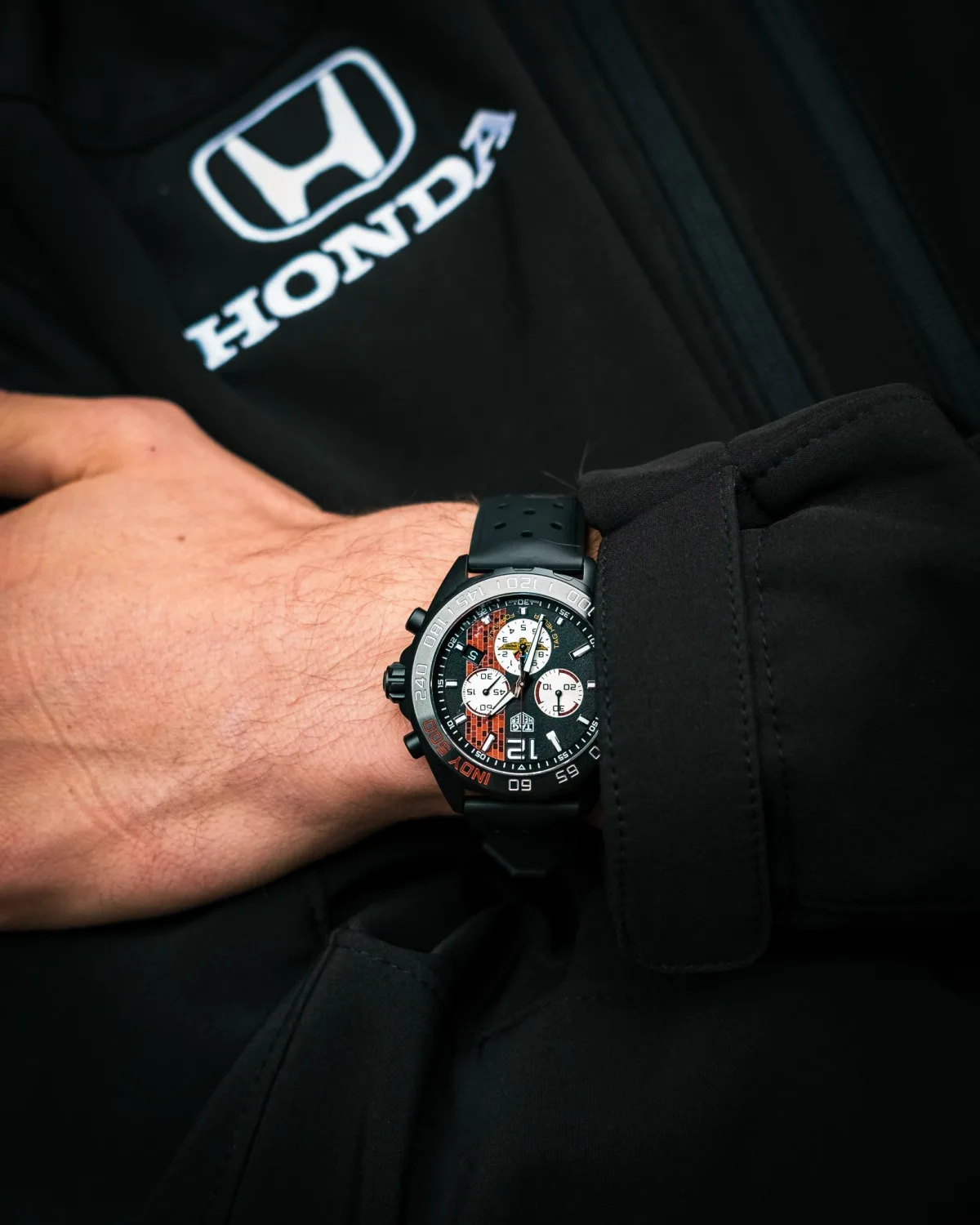
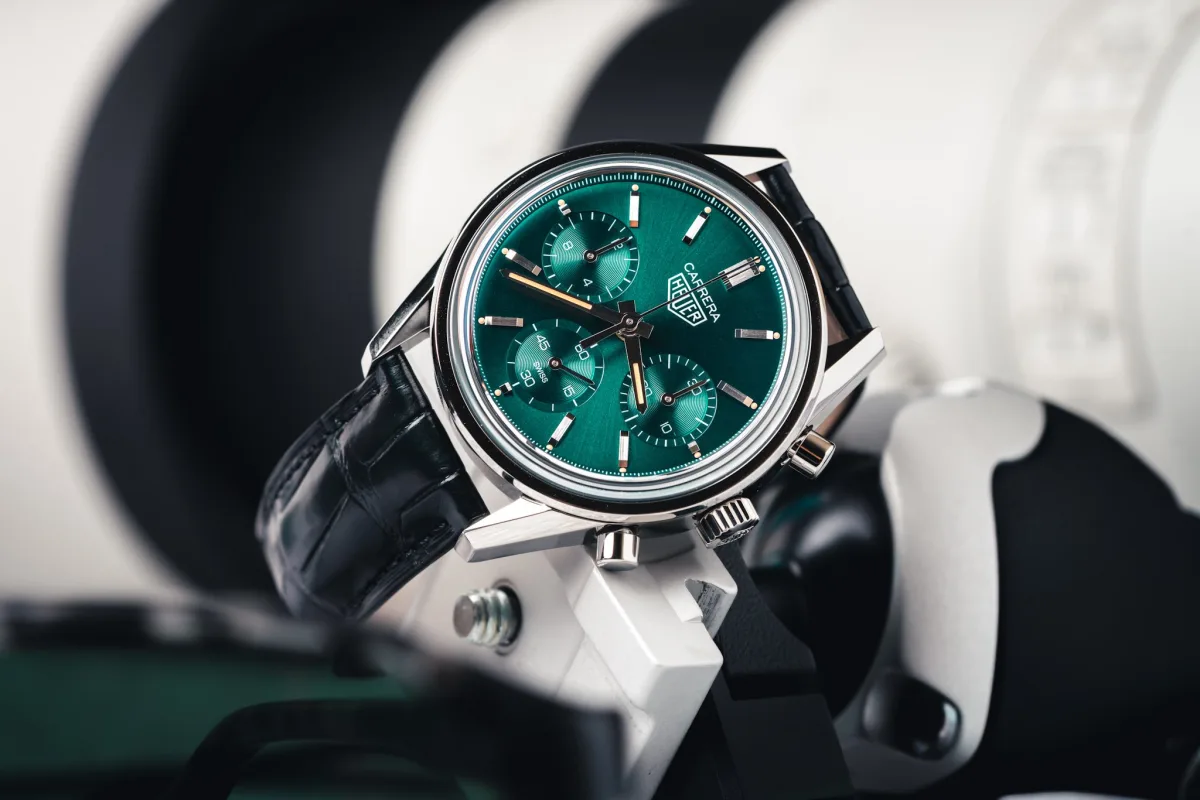 This year, TAG Heuer keeps pace with many of its contemporaries, releasing limited editions in almost every category, but unlike what we've grown accustomed to in recent years, the brand is eschewing modern ostentation and instead embracing its heritage, releasing hit after hit, reflecting newfound confidence and prospects for an exciting new future. Joining me at the race are two of the brand's latest models: the cheerful Carrera with an emerald dial, rumored to be sold out, and the ultra-light Monaco in matte titanium, which seems to particularly embody this confident return to form.
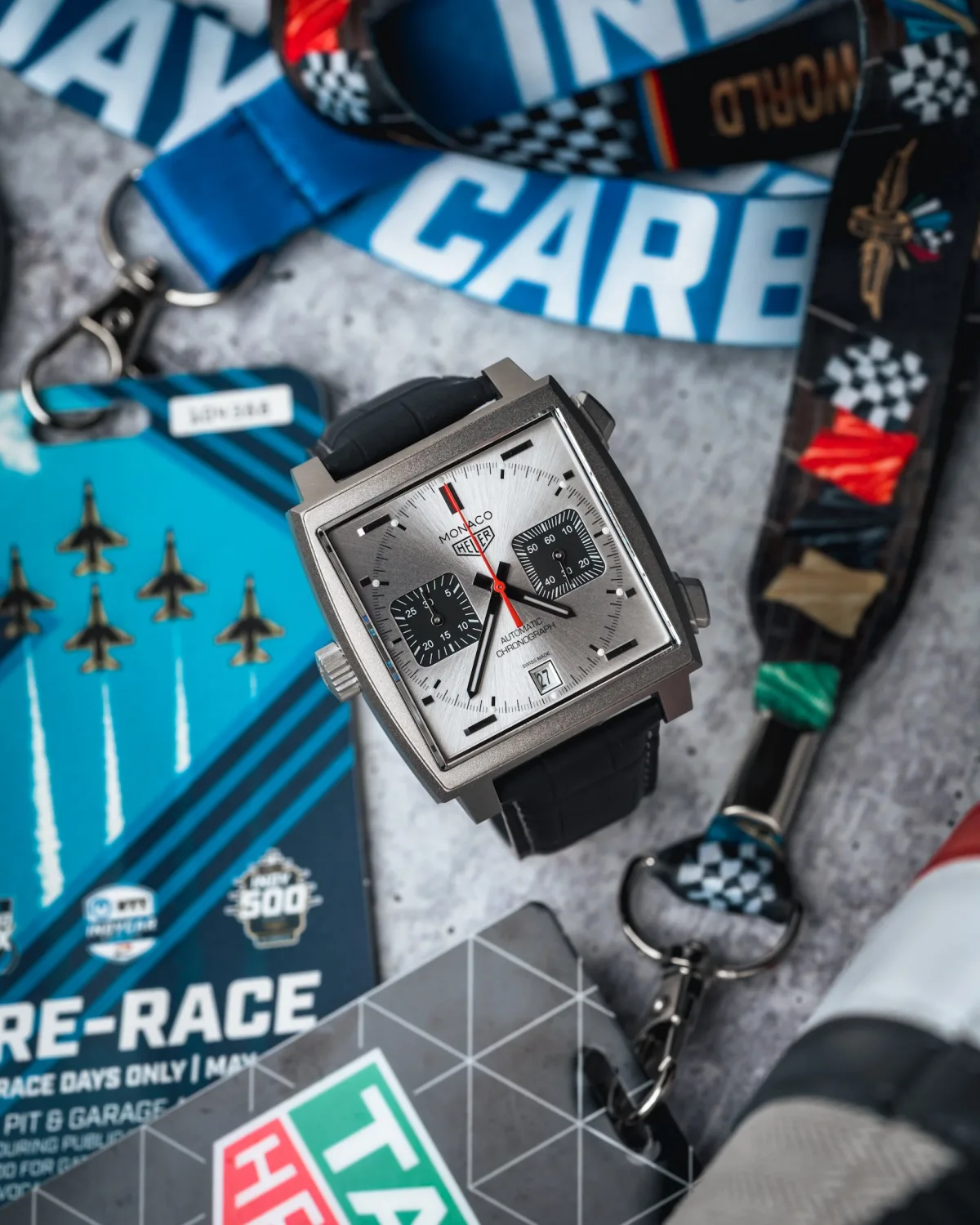 I especially liked the latter model - a watch that feels like a completely new interpretation of the Monaco model, traditionally depicted in polished cases adorned with vivid motorsport livery. In contrast, this is the most sober expression of a classic racing chronograph I've ever seen, yet it very well emphasizes the distinctive architecture of the case - its high flanks, angled pushers, and striking square glass with beveled corners.
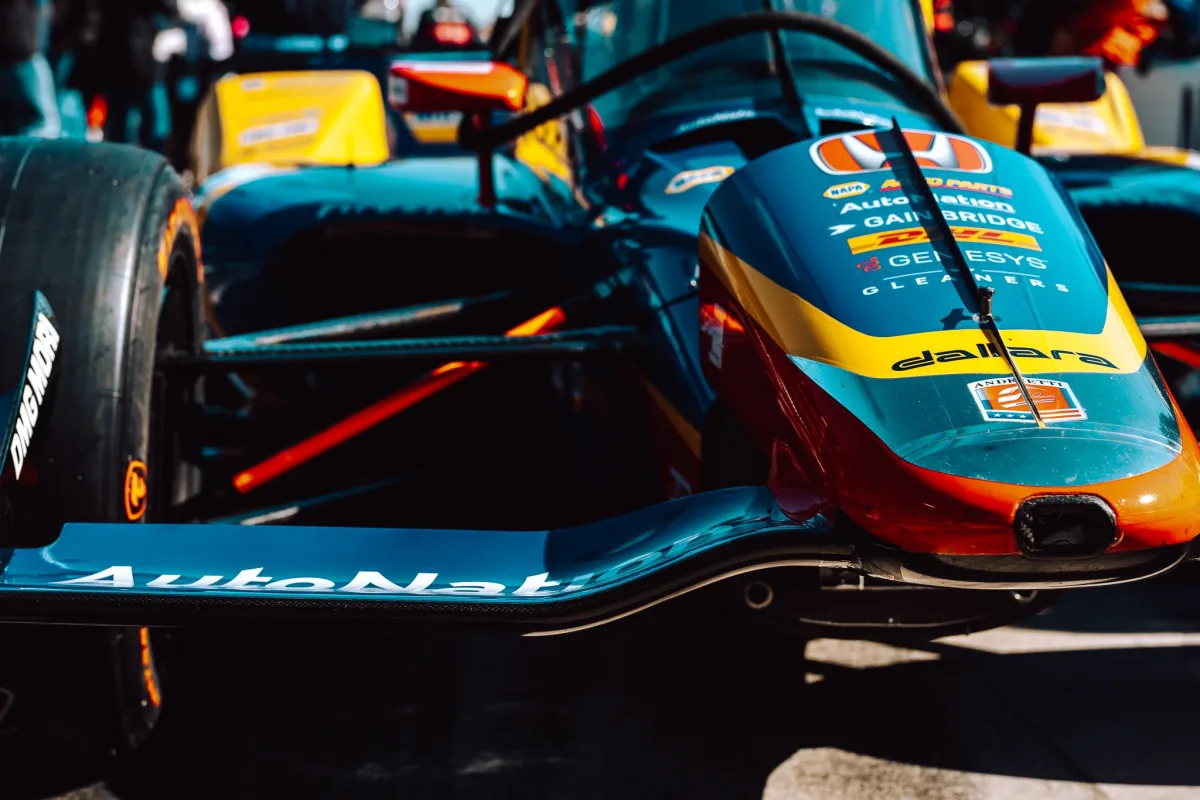
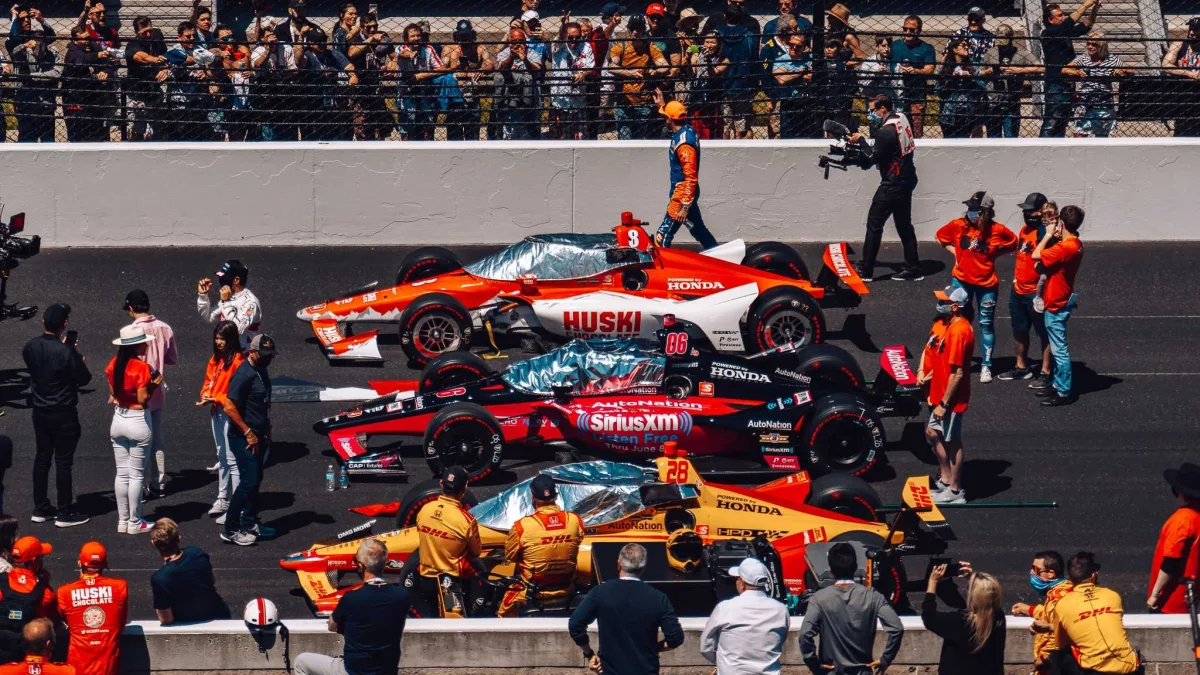
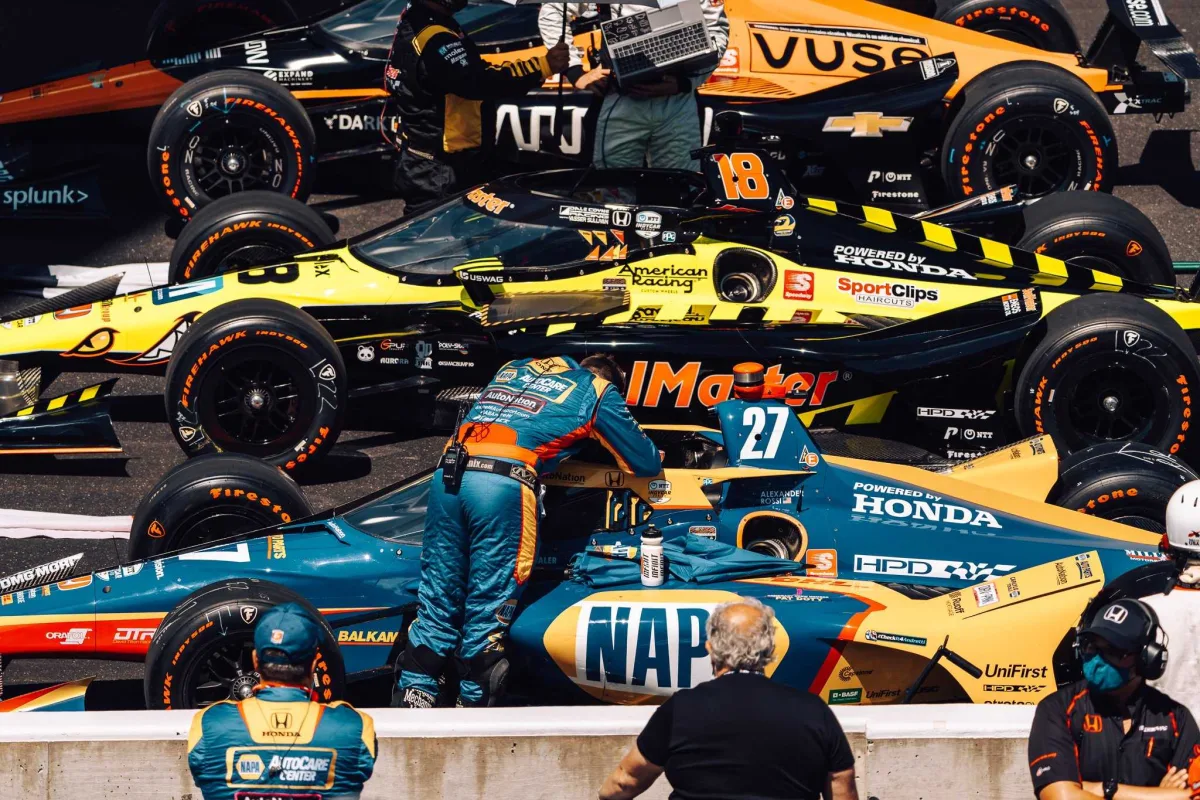 Down at track level, amidst the atmosphere of hasty race preparation, our eyes were fixed on two cars driven by TAG Heuer ambassadors: the Napa Auto Parts car number 27, driven by California native Alexander from Russia, and car number 16, piloted by Swiss native Simona de Silvestro, who also became the only female driver in the race. Here, up close, some key physical differences between these IndyCars and their Formula 1 counterparts become more apparent: notably, the uniformity of design. IndyCar, admittedly, offers a more level playing field, as each team uses the same chassis and engine from either Honda or Chevrolet. And despite IndyCar's higher speeds on straights, Formula 1 is recognized as an engineers' game, with much larger budgets and far more focus on design and development, as each team essentially has to develop its own car and many of its signature details.
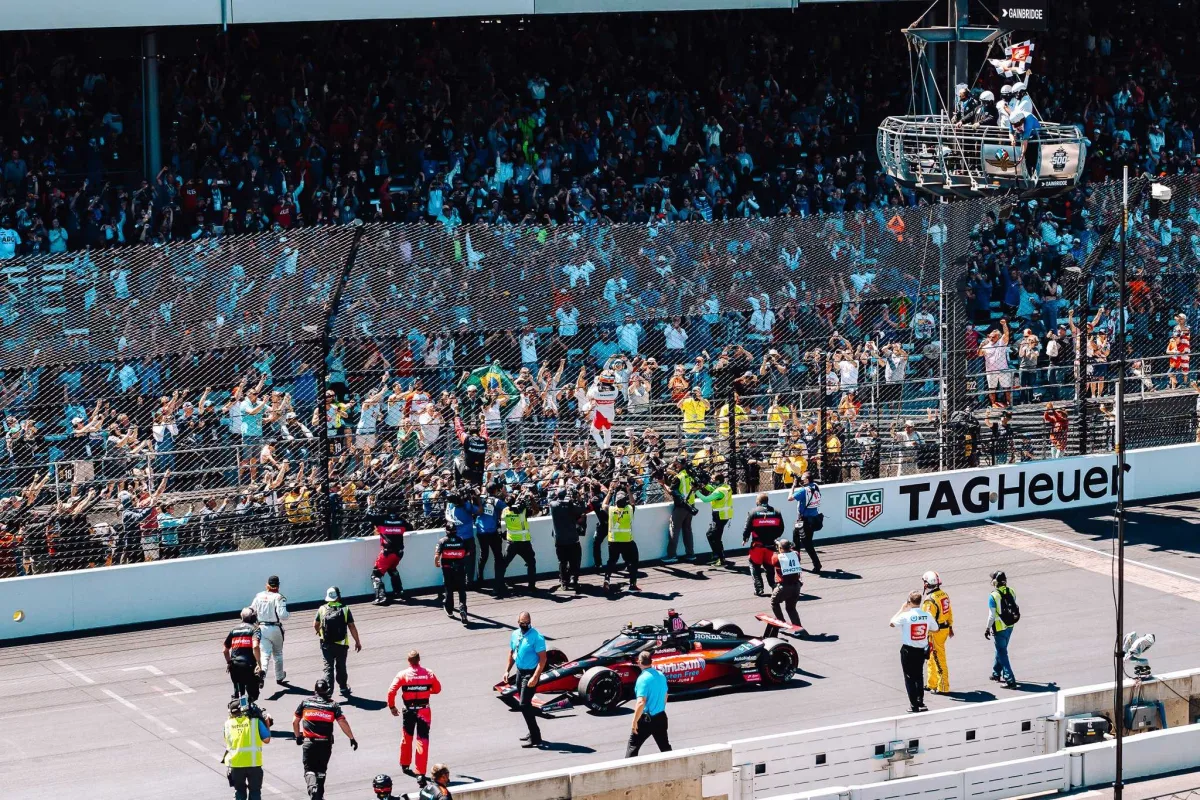
After all the pomp and ceremony of the many Indy 500 traditions, both TAG Heuer-sponsored drivers ultimately faced misfortune throughout the 500 laps of the race, preventing them from competing in the final stages, but sometimes that's just how racing goes. Nevertheless, it did little to change an exhilarating race that came down to a cat-and-mouse strategy on the final lap. IndyCar veteran Helio Castroneves edged out young Alex Palou to claim his fourth career Indy 500 victory.
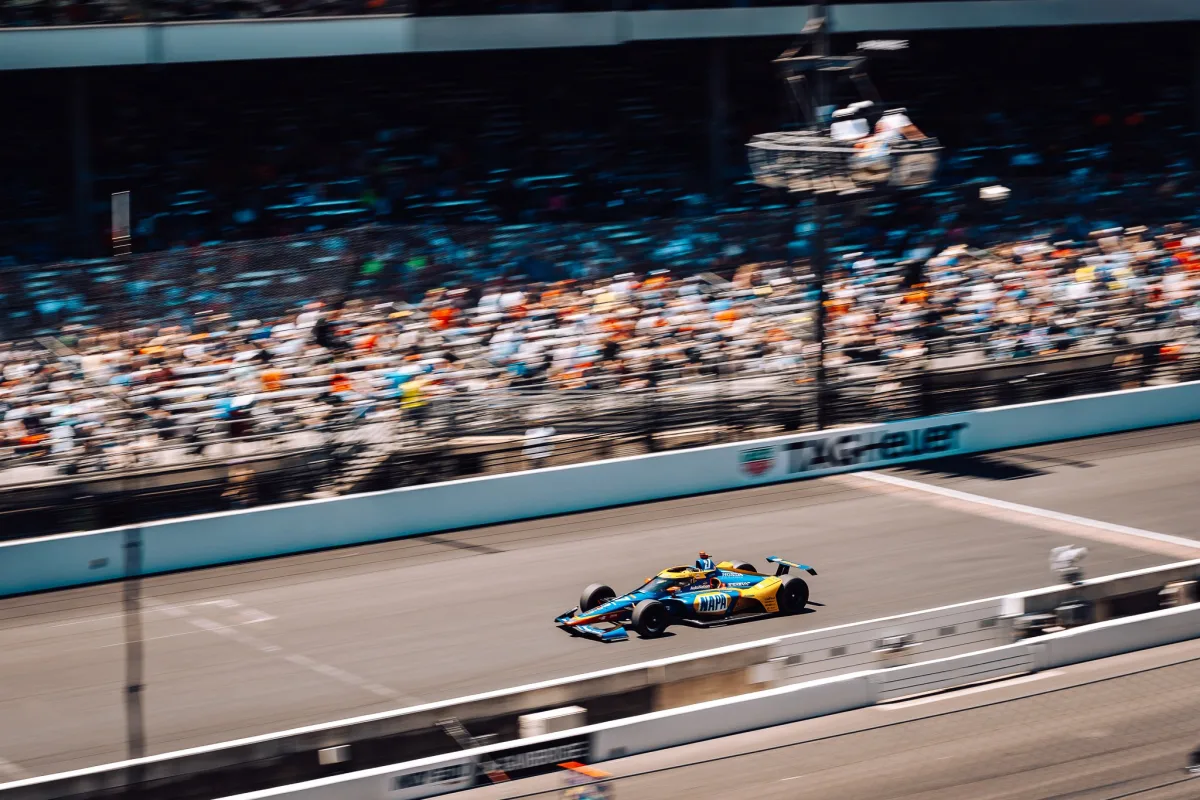
 It's uplifting to see TAG Heuer's return to motorsport - an arena with a long history that captures the imagination of future watch enthusiasts around the world. In truth, the brand never really left - it just now has fewer competitors distracting the attention of its own design and marketing departments, allowing the brand to feel purposeful and energetic in this space once again. It doesn't hurt that the Red Bull F1 Racing team, sponsored by TAG Heuer, is now at the peak of its popularity: its star driver Max Verstappen has just won in Monaco and leads the Formula 1 points standings. For many watch fans, including myself, TAG Heuer may have always been an avant-garde watch company, but this avant-gardism never came at the expense of practicality, capabilities, and a certain sense of timeless motorsport classicism, with watches that could have been seen at the Indy 500 decades ago or many decades into the future. The modern collection seems to express this smoother design style in full - and this should finally be very good news for everyone who has followed the brand over the last few years.
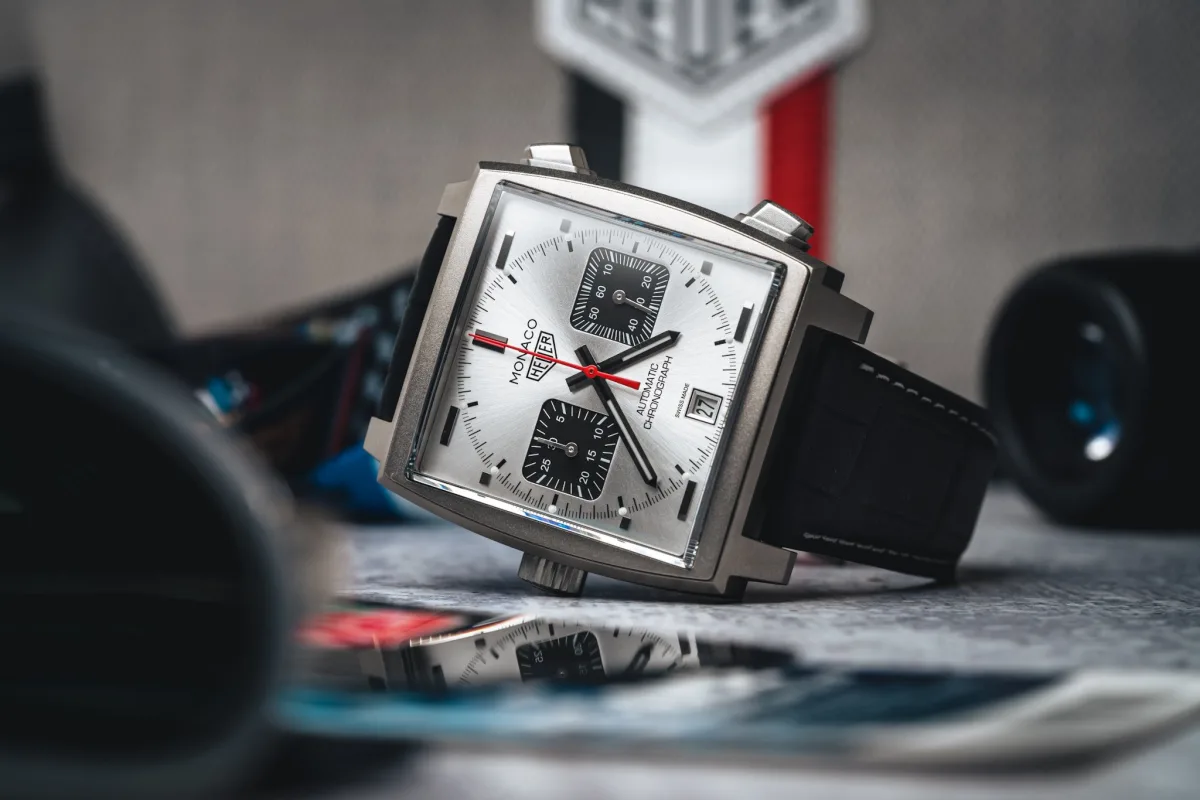
The prices for each of the two TAG Heuer limited editions are as follows: $6,650 USD for the 39mm Carrera with a green dial and $7,900 USD for the Monaco chronograph in a titanium case. More information about these limited editions, as well as other TAG Heuer watches inspired by motorsport, can be found at tagheuer.com.